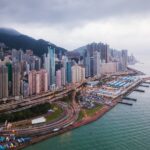
Victoria Harbour’s legendary skyline creating one of the world’s most stunning urban landscapes—glittering lights dancing on harbor waves viewable from Tsim Sha Tsui waterfront or Sky100’s 360° panoramic 100th-floor observatory. Victoria Peak’s historic Peak Tram (130+ years) ascending to Sky Terrace 428, Hong Kong’s highest viewing platform offering spectacular panoramas of Hong Kong Island skyscrapers, Kowloon Peninsula, and Kwai Chung cargo piers. Tian Tan Buddha (Big Buddha) majestically rises 112 feet on Lantau Island’s lotus throne, requiring 200+ grueling steps to reach this 12-year construction marvel overlooking natural island beauty. Dim sum culture weaving culinary imperatives through authentic Hong Kong restaurants serving small-portion delicacies like dumplings and pork buns steeped in historical tradition. East-meets-West fusion exemplified in Central and Western Districts where colonial architecture meets modern skyscrapers, creating cultural mosaics across double-decker bus routes beneath towering glass. Former British colony’s unique blend packing skyscrapers, mountains, chaotic markets, and world-class food into compact space where peaceful hikes exist minutes from urban intensity, perfectly balancing metropolitan energy with traditional Chinese heritage.
The destination guide
Hong Kong

Travel guides for Hong Kong
More guides featuring Hong Kong (2)
At a glance
- Mandarin Chinese
- Victoria Harbour
- Urban skyline
- Mountain backdrop
- Island terrain
- Skyline Views
- Gastronomy
- Night Markets
- Temples
- Shopping
- Hiking
- Maritime Heritage
- Nightlife
How Hong Kong scores
Character
Editorial scores on a 10-point scale, weighed against destinations of the same kind.
Travel safety snapshot
SafePlace indicators use their source 100-point scale; higher is more favourable. Planning context, not a live travel advisory — check official government guidance before you go.
When to go
Best months to visit: January, February, March, April, September, October, November and December.
- January: 13.1 to 19.3 degrees Celsius, 23 millimetres of rain, best-time score 5 out of 5.
- February: 15.6 to 20.3 degrees Celsius, 17.3 millimetres of rain, best-time score 5 out of 5.
- March: 17.8 to 22.4 degrees Celsius, 6.2 millimetres of rain, best-time score 5 out of 5.
- April: 21 to 25.6 degrees Celsius, 16.5 millimetres of rain, best-time score 4 out of 5.
- May: 24.8 to 28.6 degrees Celsius, 73 millimetres of rain, best-time score 3 out of 5.
- June: 26.7 to 29.8 degrees Celsius, 133.2 millimetres of rain, best-time score 2 out of 5.
- July: 27.6 to 31.1 degrees Celsius, 53.3 millimetres of rain, best-time score 2 out of 5.
- August: 27 to 30.9 degrees Celsius, 84.3 millimetres of rain, best-time score 2 out of 5.
- September: 26.3 to 30.9 degrees Celsius, 78.1 millimetres of rain, best-time score 4 out of 5.
- October: 23.4 to 28.1 degrees Celsius, 65.9 millimetres of rain, best-time score 5 out of 5.
- November: 21.1 to 25.1 degrees Celsius, 2.9 millimetres of rain, best-time score 5 out of 5.
- December: 15.2 to 20.4 degrees Celsius, 22.2 millimetres of rain, best-time score 5 out of 5.
Month-by-month conditions and packing advice
- January
- Warm and pleasant, mostly dry January in Hong Kong: clearer skies, cooler temperatures, harbor views, hikes, markets, and food neighborhoods are strongest. Crowds: January is one of Hong Kong’s most comfortable months for travel, ideal for exploring the city without the sweltering heat and humidity of summer. It’s considered part of the high season leading into Lunar New Year, so attractions may see increasing foot traffic as the month progresses, especially at temples and markets. Accommodation prices are moderate early in the month but rise closer to the holiday. Conditions are excellent for cultural sightseeing, harbor cruises, and hiking on clear days. Outdoor festivals and night markets are lively but manageable, offering authentic local experiences. Booking popular restaurants or event tickets in advance is advisable as festivities approach. Pack: Light sweater or cardigan for cool evenings; Comfortable walking shoes for urban and hilly terrain; Compact umbrella for occasional light showers; Layered outfits for temperature changes; Camera or smartphone for clear skyline photography; Modest clothing for temple visits
- February
- Warm and pleasant, mostly dry February in Hong Kong: clearer skies, cooler temperatures, harbor views, hikes, markets, and food neighborhoods are strongest. Crowds: February marks the tail end of Hong Kong’s cool, dry season, delivering some of the year’s best sightseeing conditions. Tourist numbers are moderate compared to the December–January holiday peak, so popular spots like The Peak and Ngong Ping 360 are more accessible and less crowded. Accommodation rates tend to be slightly lower than in high season, though prices rise briefly if Chinese New Year falls in the month. Comfortable temperatures make it ideal for hiking, heritage tours, and open-air dining. Rain is rarely disruptive, but travelers should plan ahead for possible closures or crowd surges during New Year festivities. Booking key attractions in advance is still recommended. Pack: Light jacket or sweater for cooler evenings; Comfortable walking shoes for urban and trail use; Compact umbrella for occasional showers; Breathable long-sleeve shirts for sun and mild chill; Camera with polarizing filter for clear harbor shots; Modest attire for visiting temples and religious sites
- March
- Warm and pleasant, mostly dry March in Hong Kong: clearer skies, cooler temperatures, harbor views, hikes, markets, and food neighborhoods are strongest. Crowds: March offers one of the best windows for visiting Hong Kong, sitting comfortably in the shoulder season before the humid summer and heavy tourist influx. Conditions are ideal for hiking Dragon’s Back, exploring traditional fishing villages like Tai O, and enjoying alfresco dining without the heat or rain interruptions. Crowds are moderate, as local schools are in session and international tourism has not yet peaked, resulting in more relaxed sightseeing. Accommodation prices are generally lower than the high-season winter months, making it a cost-effective yet highly enjoyable time to visit. Outdoor attractions—from Victoria Peak’s panoramic views to Kowloon’s bustling night markets—are accessible all day without weather-related limitations. Advance booking for popular restaurants and ferries is still recommended, but overall, the city feels less congested, giving travelers more breathing space to appreciate both its fast-paced energy and slower cultural rhythms. Pack: Light jacket or cardigan for cooler evenings; Comfortable walking shoes for urban exploration; Breathable cotton or linen shirts; Compact umbrella for occasional light showers; Modest clothing for temple visits; Sunglasses to reduce glare on bright days
- April
- Warm and pleasant, mostly dry April in Hong Kong: conditions can work as seasons transition, though humidity or storm risk needs planning. Crowds: April falls within Hong Kong’s prime travel window, offering reliably pleasant weather without the summer humidity or typhoon risks. Comfortable temperatures make it ideal for hiking the Dragon’s Back trail, wandering through bustling neighborhoods, and attending seasonal festivals such as the Cheung Chau Bun Festival preparations. Tourist volumes are moderate, with more local events than mass international tourism, meaning easier reservations for top restaurants and attractions. Accommodation prices are steady but not at peak holiday rates. Outdoor seating at harborside cafés and alfresco dining options are particularly enjoyable. Visitors should plan for longer daylight hours, maximizing sightseeing opportunities before the onset of hotter, wetter months. Pack: Breathable cotton and linen clothing for warm days; Light jacket or cardigan for cooler evenings; Comfortable walking shoes for city streets and trails; Compact umbrella for unexpected showers; Reusable water bottle to stay hydrated in humid conditions; Sunhat and sunglasses for daytime exploration
- May
- Hot and sunny, some rain May in Hong Kong: humidity and rain increase, so mix outdoor plans with transit-friendly indoor stops. Crowds: May marks the transition into Hong Kong’s wetter, hotter season, though it remains a relatively comfortable window before peak summer humidity and heavy rains arrive. Visitor numbers are moderate—high enough to keep the city lively but not yet at full summer crowd intensity. Outdoor sightseeing, island-hopping, and evening harbor cruises are especially rewarding, though mid-afternoon heat and humidity can sap energy. Short, sporadic showers rarely disrupt plans for long and often clear the air. Accommodation rates are slightly more favorable than in winter’s peak season, offering good value for centrally located stays. Booking transport and tours a few weeks in advance ensures smoother planning, especially for popular attractions like The Peak Tram or ferry excursions to Lantau Island. Pack: Light, breathable clothing for hot weather; Compact umbrella or light rain jacket for sudden showers; Comfortable, moisture-wicking walking shoes; Wide-brimmed hat and high-SPF sunscreen; Reusable water bottle to stay hydrated; Light scarf or shawl for cooler indoor air conditioning
- June
- Hot and sunny, heavy rain June in Hong Kong: summer heat, humidity, and typhoon risk make walking-heavy days less comfortable. Crowds: June marks the start of Hong Kong’s wettest and hottest period, which coincides with a lull in international tourist arrivals. While hotel prices can be more favorable than in the cooler months, travelers should be prepared for high humidity, heavy rain, and the occasional tropical storm. Outdoor activities like hiking or harbor cruises may be interrupted by sudden showers, but cultural attractions, museums, and temple visits offer reliable indoor alternatives. Early mornings or post-storm evenings provide cooler, photogenic windows for exploring neighborhoods like Sheung Wan or the Peak. Flexible itineraries are key—monitor weather forecasts and consider booking refundable tours or accommodations. Pack: Lightweight, quick-dry clothing to handle heat and humidity; Waterproof backpack or bag cover for sudden downpours; Compact travel umbrella with strong wind resistance; Breathable walking shoes or sandals that dry quickly; Reusable water bottle with filter to stay hydrated; Light rain jacket or poncho for typhoon-season showers
- July
- Hot and sunny, some rain July in Hong Kong: summer heat, humidity, and typhoon risk make walking-heavy days less comfortable. Crowds: Travelers visiting Hong Kong in July will find both benefits and challenges. Warm temperatures and long daylight hours allow for extended exploration of outdoor attractions like Victoria Peak, ferry rides across the harbor, and open-air markets. However, this month falls in the wet and hot season, with elevated humidity that can feel tiring during city walks. Tourist numbers remain steady, as July coincides with regional school holidays, pushing up demand for hotels and popular attractions. Air-conditioned museums, shopping malls, and cultural centers become welcome retreats during midday heat. Visitors should plan outdoor activities for early mornings or evenings when conditions are less taxing. Advance bookings are advisable, especially for centrally located hotels, as summer travel demand keeps prices higher. Pack: Breathable cotton or linen shirts for humidity; Lightweight umbrella or compact rain jacket; Comfortable sandals and cushioned walking shoes; High SPF sunscreen and sunglasses for strong sun; Portable hand fan or cooling towel for outdoor heat; Smart casual attire for temples and upscale dining
- August
- Hot and sunny, some rain August in Hong Kong: summer heat, humidity, and typhoon risk make walking-heavy days less comfortable. Crowds: August represents the height of Hong Kong’s wet, humid summer season, often considered a low point for tourism due to heat and typhoon risk. Outdoor sightseeing can be strenuous, with high UV exposure and muggy conditions limiting comfort. Hotel prices and flight fares are typically more favorable compared to cooler months, as demand dips. Attractions such as museums, tea houses, and shopping centers become popular refuges from the weather, while night markets remain lively thanks to evening breezes. Travelers seeking cultural depth will find August rewarding if they plan around storms and prioritize indoor or evening activities. Flexible itineraries and advance knowledge of typhoon protocols are essential for smooth travel during this month. Pack: Light, breathable cotton or linen clothing; Compact umbrella or lightweight rain jacket; High-SPF sunscreen and sunglasses; Portable handheld fan for heat relief; Comfortable sandals or quick-dry walking shoes; Waterproof pouch for electronics and travel documents
- September
- Hot and sunny, some rain September in Hong Kong: conditions can work as seasons transition, though humidity or storm risk needs planning. Crowds: September remains part of Hong Kong’s shoulder season, bridging humid summer and the cooler autumn months. The high temperatures and frequent rain showers can make sightseeing strenuous at midday, but mornings and evenings are comfortable for exploring temples, hiking Dragon’s Back, or enjoying waterfront strolls. Crowd levels are moderate: local families gather for Mid-Autumn Festival celebrations, while international tourist numbers are lighter compared to winter’s peak. Hotel prices are slightly lower than the December–February high season, offering good value. Rain and occasional storm alerts may disrupt ferry rides or outdoor excursions, so flexible planning is key. Travelers who embrace the festive atmosphere and prepare for humidity will find September rewarding, with fewer crowds at cultural sites and a chance to experience one of Hong Kong’s most important traditional festivals. Pack: Breathable cotton and linen clothing for hot, humid conditions; Compact umbrella or lightweight rain jacket for sudden showers; Comfortable sandals or moisture-wicking walking shoes; Portable hand fan or cooling towel for midday heat; Light sweater for air-conditioned shopping malls and MTR rides; Modest attire for temple visits during Mid-Autumn Festival
- October
- Hot and sunny, some rain October in Hong Kong: clearer skies, cooler temperatures, harbor views, hikes, markets, and food neighborhoods are strongest. Crowds: October is considered one of the most favorable times to visit Hong Kong. The climate is warm without the extreme humidity and storms of summer, making it excellent for outdoor activities such as hiking Dragon’s Back, visiting Lantau Island, or strolling through street markets. Tourist numbers rise as international travelers and mainland visitors arrive for the pleasant weather, so popular attractions may feel busier. Hotel rates typically increase, especially around cultural holidays and festivals. Nonetheless, this month strikes a strong balance between comfort and activity options, with clear skies enhancing photography opportunities. Advance booking is advisable to secure competitive rates and ensure availability during peak weekends. Pack: Breathable cotton or linen clothing for daytime heat; Comfortable walking shoes for urban and hiking exploration; Light rain jacket or compact umbrella for sudden showers; Broad-brimmed hat or UV-protective cap; Evening layer such as a light sweater for breezier nights; Respectful attire for temples and cultural sites
- November
- Warm and pleasant, mostly dry November in Hong Kong: clearer skies, cooler temperatures, harbor views, hikes, markets, and food neighborhoods are strongest. Crowds: November marks the sweet spot of Hong Kong’s travel calendar, sitting firmly in the peak season without the overwhelming humidity or typhoon risks of summer. Comfortable conditions encourage all-day exploration, from morning dim sum sessions to evening harbor light shows. The pleasant climate attracts international visitors, leading to moderate to high crowd levels, especially at central attractions and cultural festivals. Hotel rates trend higher than in off-season months, though not as inflated as during Lunar New Year or Christmas. With its balance of comfort, cultural vibrancy, and natural beauty, November is considered one of the best times to visit Hong Kong. Travelers should book accommodations and key experiences early to secure availability, particularly if planning to attend major events or dine at sought-after restaurants. Pack: Breathable cotton shirts and blouses for daytime comfort; Light jacket or cardigan for cooler evenings; Comfortable walking shoes for city exploration and hikes; Compact umbrella for the occasional light shower; Modest clothing options for visiting temples; Reusable water bottle to stay hydrated during long walks
- December
- Warm and pleasant, mostly dry December in Hong Kong: clearer skies, cooler temperatures, harbor views, hikes, markets, and food neighborhoods are strongest. Crowds: December falls squarely in Hong Kong’s high travel season, as the comfortable weather coincides with year-end holidays. Outdoor exploration is effortless, from harborfront strolls to hillside hikes, with minimal chance of rain interrupting plans. However, expect higher hotel rates and fuller bookings, especially around Christmas and New Year, when locals and international visitors converge for shopping festivals and light shows. The mild climate is perfect for walking-heavy itineraries, temple visits, and outdoor dining, though evenings can feel cool. Advance reservations for accommodations and key attractions are recommended, as demand peaks during this festive period. Overall, December offers some of the best conditions for cultural exploration and photography, albeit with premium pricing. Pack: Light jacket or sweater for cool evenings; Comfortable walking shoes for urban exploration; Scarf or shawl for breezy harbor nights; Camera gear for clear skyline photography; Smart casual clothing for festive events and dining; Compact umbrella for occasional light showers
- October
- December
- November
- April
- May
- June
- July
- August
- September
Know before you go
Best time to visit
The best time to visit Hong Kong is during the fall (September to November) when the weather is mild and comfortable. Spring (March to May) is also pleasant, though it can be a bit humid. Summer months can be hot and rainy, while winter (December to February) is cooler and drier, making it a great time for outdoor activities.
Season by season
Spring (Mar–May): 18–27 °C, humid, occasional fog adds atmosphere. Summer (Jun–Aug): 26–31 °C, hot and humid, typhoon season, great night markets. Autumn (Sep–Nov): 20–28 °C, clear skies, best weather and visibility for photography. Winter (Dec–Feb): 14–22 °C, dry and cool, Chinese New Year festivities.
Crowds
High year-round in Central, Tsim Sha Tsui, and Mong Kok; extremely crowded during Chinese New Year and Golden Week (October); manageable early morning at Victoria Peak and temples; Temple Street Night Market peaks 8–10 PM
Getting there and around
Getting there
Hong Kong International Airport (HKG) on Lantau Island serves as the primary gateway with excellent global connectivity. No visa required for most nationalities – just a passport valid for 1+ months beyond stay, proof of onward travel, and adequate funds. The efficient Airport Express train reaches Central in 24 minutes (HKD 115), with complimentary shuttle buses to major hotels. Public buses offer the cheapest option (HKD 39 via A22 bus to Jordan, under 1 hour). Taxis start at HKD 25 plus HKD 8/km but are more expensive. Traffic moves on the left, and US drivers can use their license for up to one year. Declare currency over HKD 120,000 at customs.
Getting around
Hong Kong’s world-class public transport system serves 90% of the population daily. The MTR (Mass Transit Railway) underground network carries 3.5 million passengers daily and is the most popular mode. Get an essential Octopus Card for seamless payment across MTR, buses, trams, ferries, and even shopping. Iconic double-decker trams travel east-west on Hong Kong Island, while the historic Star Ferry connects Hong Kong Island and Kowloon. The Peak Tram provides scenic access to Victoria Peak. Buses cover extensive routes throughout the territories. Taxis are readily available and generally safe – traffic moves on the left. The Airport Express connects to the main MTR network efficiently.
Top experiences in Hong Kong
Victoria Peak & Peak Tram
Hong Kong’s defining experience: ride the 135-year-old Peak Tram up a steep 28-degree gradient to Sky Terrace 428—the city’s highest outdoor observation deck at 428 metres. The panorama stretches from the skyscraper canyons of Central and Wan Chai across Victoria Harbour to Kowloon and the hazy Lantau mountains beyond. Arrive 90 minutes before sunset to watch the city shift from daylight to a carpet of electric light. For a free alternative, walk 15 minutes along Lugard Road to a lookout with even wider views. Allow 2–3 hours including transport queues.
Tian Tan Buddha & Po Lin Monastery
A monumental 34-metre bronze seated Buddha on Lantau Island, reached via the 5.7 km Ngong Ping 360 cable car with a glass-floor Crystal Cabin option that makes the 25-minute ride over Tung Chung Bay unforgettable. The Po Lin Monastery below is one of Hong Kong’s most important Buddhist complexes, with three towering golden Buddhas in the main hall. Climb 268 steps to the Big Buddha platform for sweeping views of the surrounding mountains and South China Sea. The vegetarian lunch at the monastery is excellent. Allow a half-day.
Star Ferry & Victoria Harbour
The world’s most scenic commute: a green-and-white ferry crossing Victoria Harbour between Central and Tsim Sha Tsui in under 10 minutes. In service since 1888, the diesel ferries deliver front-row views of Hong Kong’s skyline for under HK$5. Ride at dusk when the buildings ignite with LED displays, then walk the Tsim Sha Tsui Promenade and Avenue of Stars to watch the nightly Symphony of Lights laser show illuminate 44 buildings from both sides of the harbour. A nightly ritual that never tires.
Temple Street Night Market
Yau Ma Tei’s legendary open-air bazaar stretches for blocks after dark, hawking everything from jade bangles and electronics to fortune-telling and Cantonese opera street performances. The food stalls are the main draw—claypot rice, typhoon shelter crab, grilled squid, and stinky tofu compete for attention. The neon signs, steam rising from wok stations, and the soundtrack of haggling create a sensory overload that is pure Hong Kong. Leave camera settings on high ISO and fast aperture. Most action happens 7 PM–11 PM.
Man Mo Temple
One of Hong Kong’s oldest and most atmospheric Taoist temples, built in 1847 on Hollywood Road. Dedicated to the God of Literature (Man Cheong) and the God of Martial Arts (Kwan Tai), the dim interior is perpetually hazy with incense smoke from hundreds of hanging coils that burn for weeks. Elaborate brass sedan chairs, fortune-telling sticks, and gilded altars fill the compact space. The temple sits in the heart of SoHo’s gallery district, making it easy to combine with antiques shopping on Cat Street and lunch on nearby Staunton Street. Free entry.
Editor-curated picks carried over from our original guide. Where a full place guide exists, the card links to it.
Worth booking ahead in Hong Kong
Hand-picked from the operators our guides already send readers to. Prices and availability are live on the partner site.
BrowseViator
Tours and tickets in Hong Kong on Viator (opens Viator in a new tab)
Viator's full list of bookable tours and tickets in Hong Kong.
BrowseGetYourGuide
Experiences in Hong Kong on GetYourGuide (opens GetYourGuide in a new tab)
Everything GetYourGuide sells in Hong Kong, with the cancellation terms on each listing.
Where to stayBooking.com
Stays in Hong Kong (opens Booking.com in a new tab)
Live rates and availability for Hong Kong on Booking.com; filter by neighbourhood once you know where your days start.
We earn a commission if you book through these links, at no extra cost to you. It is how we keep the guides free and independent.
Tips from the field
Highlights
- Victoria Peak Skyline Panorama
- Tian Tan Buddha & Po Lin Monastery
- Star Ferry & Victoria Harbour
- Temple Street Night Market
- Man Mo Temple
- Dim Sum Culture
- Dragon's Back Hike
- Symphony of Lights Show
Best activities
- Ride the Peak Tram to Victoria Peak at sunset, cross Victoria Harbour on the Star Ferry, eat street food at Temple Street Night Market, visit the Big Buddha via Ngong Ping 360 cable car, explore Man Mo Temple, hike the Dragon's Back trail, drink craft cocktails in Lan Kwai Fong, take a sampan ride through Aberdeen Fishing Village, browse antiques on Cat Street, and eat dim sum at a traditional teahouse.
Local experiences
- Eat dim sum at a traditional yum cha teahouse (try Tim Ho Wan for Michelin-starred BBQ pork buns), ride the Peak Tram and walk Lugard Road at sunset, take the Star Ferry at dusk, slurp wonton noodles at Mak's Noodle, browse antiques on Cat Street, drink egg-yolk custard buns in Sheung Wan, hike Dragon's Back for ocean views, explore Tai O fishing village's stilt houses, visit wet markets in Wan Chai, take the Ngong Ping cable car Crystal Cabin, and sip cocktails at rooftop bars overlooking the harbour.
Practical tips
- Get an Octopus card for convenient public transportation
- Be prepared for high humidity, especially in summer
- Many signs and announcements are in both Chinese and English
Photography tips
- Victoria Peak's Lugard Road lookout delivers the city's trademark shot—use a wide-angle lens 30 minutes after sunset when towers are lit but the sky retains deep blue. Temple Street Night Market demands fast lenses (f/1.4–2.8) and high ISO to freeze neon-lit food stalls without flash. The Star Ferry mid-harbour at dusk captures the skyline reflected in the water. Man Mo Temple's hanging incense coils create ethereal smoke shafts in morning window light. For urban density, shoot the Monster Building in Quarry Bay at night for dramatic geometry. A polarising filter cuts glare on harbour reflections during daytime.
Timing
- Allow 3–4 full days: a skyline day (Peak Tram, Lugard Road, Star Ferry, Symphony of Lights), a Lantau day (Ngong Ping 360, Big Buddha, Tai O village), a culture day (Man Mo Temple, Cat Street, SoHo galleries, dim sum, Temple Street Night Market), and a nature day (Dragon's Back hike, Stanley Market, Repulse Bay beach). Hong Kong's MTR system is fast and efficient—most journeys under 30 minutes.
Keeping it authentic
- Hong Kong's identity is rooted in the collision of Cantonese heritage and relentless modernity. A cha chaan teng (local diner) serving milk tea and pineapple buns occupies the ground floor while a Michelin-starred restaurant sits on the 50th. Wet markets where butchers hand-pick poultry thrive alongside luxury malls. The Star Ferry, dai pai dong food stalls, and minibus culture are not tourist constructs—they are the fabric of daily commuting and eating. Tai O fishing village on Lantau remains a stilt-house community, not a theme park. The annual Cheung Chau Bun Festival and Mid-Autumn lantern celebrations are community-driven events that predate tourism.
Culture, customs and safety
Cultural heritage
Hong Kong represents the unique cultural synthesis of Chinese civilization and British colonial influence, where Cantonese traditions, international commerce, and East-West cultural exchange created one of the world most dynamic cosmopolitan cities. The territory preserves traditional Chinese culture through temple worship, dim sum cuisine, and Cantonese opera while maintaining its role as global financial center and cultural bridge between East and West. Hong Kong cultural heritage encompasses traditional Chinese craftsmanship, British colonial architecture, international business culture, and contemporary Asian cultural innovation that continues to influence global urban development and East-West cultural understanding.
Local customs & etiquette
Hong Kong uniquely blends Chinese traditions with British colonial influences, creating a distinct cultural identity. Official languages are Chinese (Cantonese) and English – not Mandarin. Locals maintain traditional Chinese practices including folk religions, Buddhism, festivals, and traditional writing that mainland China has abandoned. Business handshakes are common due to Western influence. Most offices operate 9am-5pm Monday-Friday, 9am-1pm Saturday. Banks: 9am-5pm weekdays, 9am-1pm Saturday. Retail shops: 10am-7pm daily, extending to 9:30pm+ in popular areas like Causeway Bay and Tsim Sha Tsui. Hong Kong dollar (HKD) is the only currency. Contemporary life is largely secular with Chinese majority practicing traditional folk religions and Buddhism.