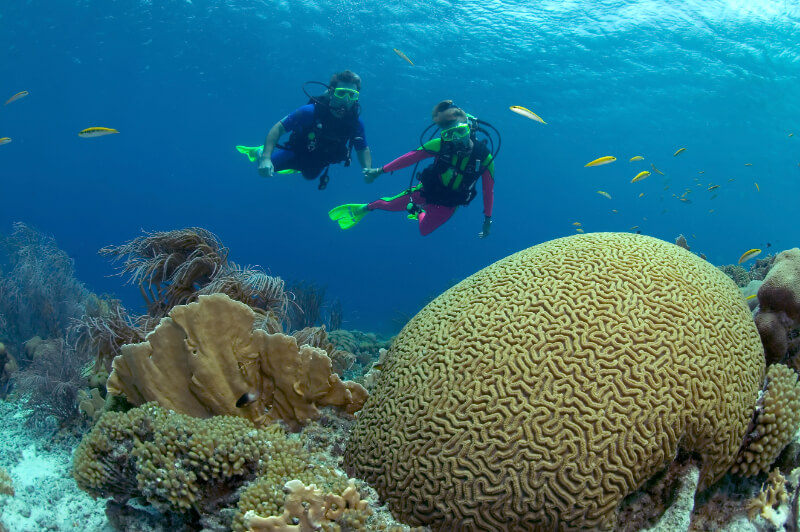
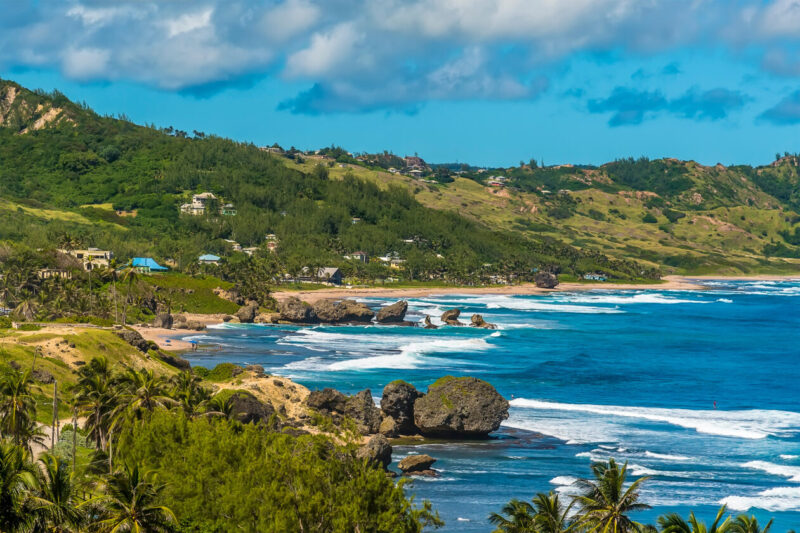
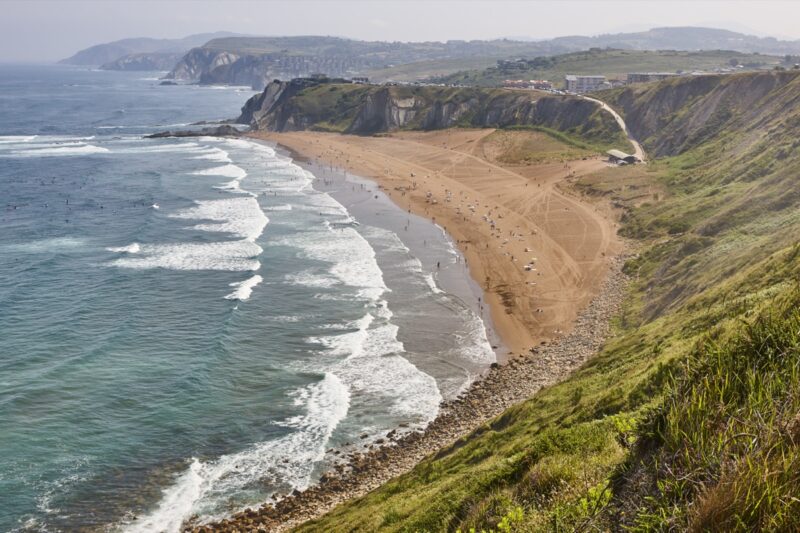
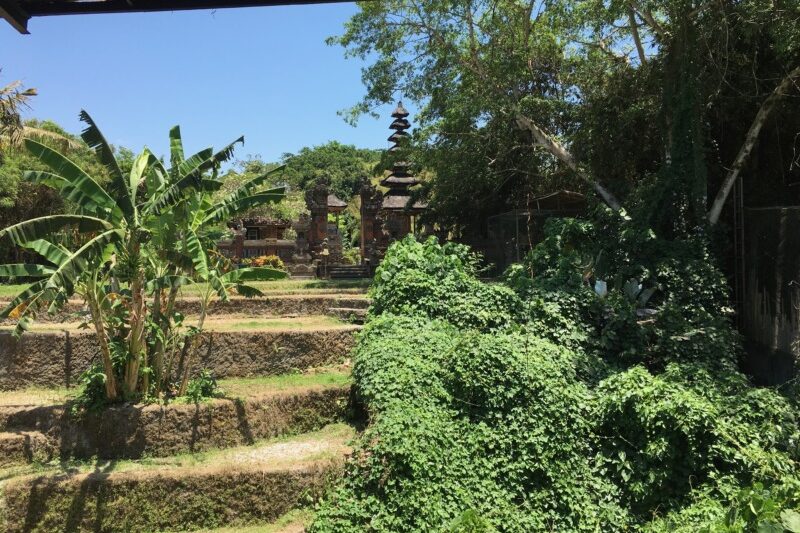
Indonesia dazzles visitors with its incredible diversity spanning across 17,000 islands where ancient temples stand alongside pristine beaches and steaming volcanoes. Explore the spiritual heartland of Bali with its terraced rice fields and vibrant arts scene, witness Komodo dragons in their natural habitat, or discover the world-class diving sites of Raja Ampat with their unparalleled marine biodiversity. From the bustling streets of Jakarta to remote tribal villages of Papua, Indonesia offers an intoxicating blend of cultures, cuisines, and landscapes that reward adventurous travelers with authentic experiences at every turn.
Indonesia
Country in Asia, Indonesia, AsiaUpdated
- Overall9/10
- Best forSolo travelers
- PeakJun, Jul, Aug, Sep
- CurrencyIDR
Bali gets the headlines, but Raja Ampat’s reefs and Komodo’s dragons are why Indonesia keeps pulling people back.
At a glance
CurrencyIDR
Time zoneLombok, WIT (UTC+9) PapuaWIB (UTC+7) Java/Sumatra, WITA (UTC+8) Bali/Lombok, WIT (UTC+9) Papua
Languages
- Bahasa Indonesia (official)
- 700+ regional languages including Javanese
- Sundanese
- and Balinese
Setting
- Tropical archipelago
- Volcanic mountains
- Rainforests
- Coral reefs
Known for
- Diving
- Temples
- Adventure
- Culture
- Surfing
- Nature
Population277.5M277,500,000 residents
VisaDuration: The e-VOA is valid for 30 days and can be extended once for another 30 days · Documents: Valid passport with at least 6 months validity and an outbound ticket
How Indonesia scores
9/10OverallExcellent
Weather9/10
Value for money9/10
Safety7/10
Food & cuisine7/10
Culture & arts6/10
Cultural experience8/10
Nature & outdoors4/10
Adventure4/10
Nightlife7/10
Shopping8/10
Family friendly4/10
Romance6/10
Editorial scores on a 10-point scale, weighed against destinations of the same kind.
Travel safety snapshot
Overall62/100Exercise precaution
Women travellers58/100
LGBTQ+ travellers45/100
Theft55/100
Medical care60/100
Physical harm60/100
Political freedom55/100
SafePlace indicators use their source 100-point scale; higher is more favourable. Planning context, not a live travel advisory — check official government guidance before you go.
When to go
Best months to visit: April, May, June, July, August, September and October.
- January: 23.9 to 29.8 degrees Celsius, 307.7 millimetres of rain, best-time score 3 out of 5.
- February: 23.7 to 29.7 degrees Celsius, 312.6 millimetres of rain, best-time score 3 out of 5.
- March: 23.9 to 30.6 degrees Celsius, 282.2 millimetres of rain, best-time score 3 out of 5.
- April: 24 to 31.1 degrees Celsius, 231.4 millimetres of rain, best-time score 4 out of 5.
- May: 24.2 to 31.5 degrees Celsius, 176.9 millimetres of rain, best-time score 5 out of 5.
- June: 23.6 to 31.3 degrees Celsius, 134.1 millimetres of rain, best-time score 5 out of 5.
- July: 23.4 to 31.8 degrees Celsius, 81.2 millimetres of rain, best-time score 5 out of 5.
- August: 23.5 to 32.4 degrees Celsius, 74.2 millimetres of rain, best-time score 5 out of 5.
- September: 23.8 to 32.6 degrees Celsius, 107.6 millimetres of rain, best-time score 5 out of 5.
- October: 24.1 to 32.5 degrees Celsius, 182.8 millimetres of rain, best-time score 4 out of 5.
- November: 24.1 to 31.6 degrees Celsius, 236.2 millimetres of rain, best-time score 3 out of 5.
- December: 24.1 to 30.7 degrees Celsius, 250.5 millimetres of rain, best-time score 3 out of 5.
Month-by-month conditions and packing advice
- January
- Warm to hot, rainy January in Indonesia: wet-season rain can disrupt transfers, hikes, and beach plans. Crowds: January in Indonesia is one of the wetter periods, so museums, food stops, flexible reservations, and backup indoor plans make the trip easier. Pack: Pack light clothing, sun protection, and comfortable walking shoes. Add a rain jacket or compact umbrella.
- February
- Warm to hot, rainy February in Indonesia: wet-season rain can disrupt transfers, hikes, and beach plans. Crowds: February in Indonesia is one of the wetter periods, so museums, food stops, flexible reservations, and backup indoor plans make the trip easier. Pack: Pack light clothing, sun protection, and comfortable walking shoes. Add a rain jacket or compact umbrella.
- March
- Warm to hot, rainy March in Indonesia: wet-season rain can disrupt transfers, hikes, and beach plans. Crowds: March in Indonesia is one of the wetter periods, so museums, food stops, flexible reservations, and backup indoor plans make the trip easier. Pack: Pack light clothing, sun protection, and comfortable walking shoes. Add a rain jacket or compact umbrella.
- April
- Warm to hot, rainy April in Indonesia: season-edge timing can still be rewarding with regional rain planning. Crowds: April in Indonesia is one of the wetter periods, so museums, food stops, flexible reservations, and backup indoor plans make the trip easier. Pack: Pack light clothing, sun protection, and comfortable walking shoes. Add a rain jacket or compact umbrella.
- May
- Warm to hot, rainy May in Indonesia: dry-season islands, beaches, volcano hikes, diving, temples, wildlife, and inter-island travel are most reliable. Crowds: May in Indonesia is one of the wetter periods, so museums, food stops, flexible reservations, and backup indoor plans make the trip easier. Pack: Pack light clothing, sun protection, and comfortable walking shoes. Add a rain jacket or compact umbrella.
- June
- Warm to hot, rainy June in Indonesia: dry-season islands, beaches, volcano hikes, diving, temples, wildlife, and inter-island travel are most reliable. Crowds: June in Indonesia is one of the wetter periods, so museums, food stops, flexible reservations, and backup indoor plans make the trip easier. Pack: Pack light clothing, sun protection, and comfortable walking shoes. Add a rain jacket or compact umbrella.
- July
- Warm to hot, some rain July in Indonesia: dry-season islands, beaches, volcano hikes, diving, temples, wildlife, and inter-island travel are most reliable. Crowds: July in Indonesia is workable with normal seasonal planning; build in layers, weather checks, and a mix of indoor and outdoor activities. Pack: Pack light clothing, sun protection, and comfortable walking shoes. Add a rain jacket or compact umbrella.
- August
- Warm to hot, some rain August in Indonesia: dry-season islands, beaches, volcano hikes, diving, temples, wildlife, and inter-island travel are most reliable. Crowds: August in Indonesia is workable with normal seasonal planning; build in layers, weather checks, and a mix of indoor and outdoor activities. Pack: Pack light clothing, sun protection, and comfortable walking shoes. Add a rain jacket or compact umbrella.
- September
- Warm to hot, some rain September in Indonesia: dry-season islands, beaches, volcano hikes, diving, temples, wildlife, and inter-island travel are most reliable. Crowds: September in Indonesia is workable with normal seasonal planning; build in layers, weather checks, and a mix of indoor and outdoor activities. Pack: Pack light clothing, sun protection, and comfortable walking shoes. Add a rain jacket or compact umbrella.
- October
- Warm to hot, rainy October in Indonesia: season-edge timing can still be rewarding with regional rain planning. Crowds: October in Indonesia is one of the wetter periods, so museums, food stops, flexible reservations, and backup indoor plans make the trip easier. Pack: Pack light clothing, sun protection, and comfortable walking shoes. Add a rain jacket or compact umbrella.
- November
- Warm to hot, rainy November in Indonesia: wet-season rain can disrupt transfers, hikes, and beach plans. Crowds: November in Indonesia is one of the wetter periods, so museums, food stops, flexible reservations, and backup indoor plans make the trip easier. Pack: Pack light clothing, sun protection, and comfortable walking shoes. Add a rain jacket or compact umbrella.
- December
- Warm to hot, rainy December in Indonesia: wet-season rain can disrupt transfers, hikes, and beach plans. Crowds: December in Indonesia is one of the wetter periods, so museums, food stops, flexible reservations, and backup indoor plans make the trip easier. Pack: Pack light clothing, sun protection, and comfortable walking shoes. Add a rain jacket or compact umbrella.
Peak season
- July
- August
- June
- September
- December
Off-peak
- January
- February
- March
- April
- May
- October
- November
Know before you go
About
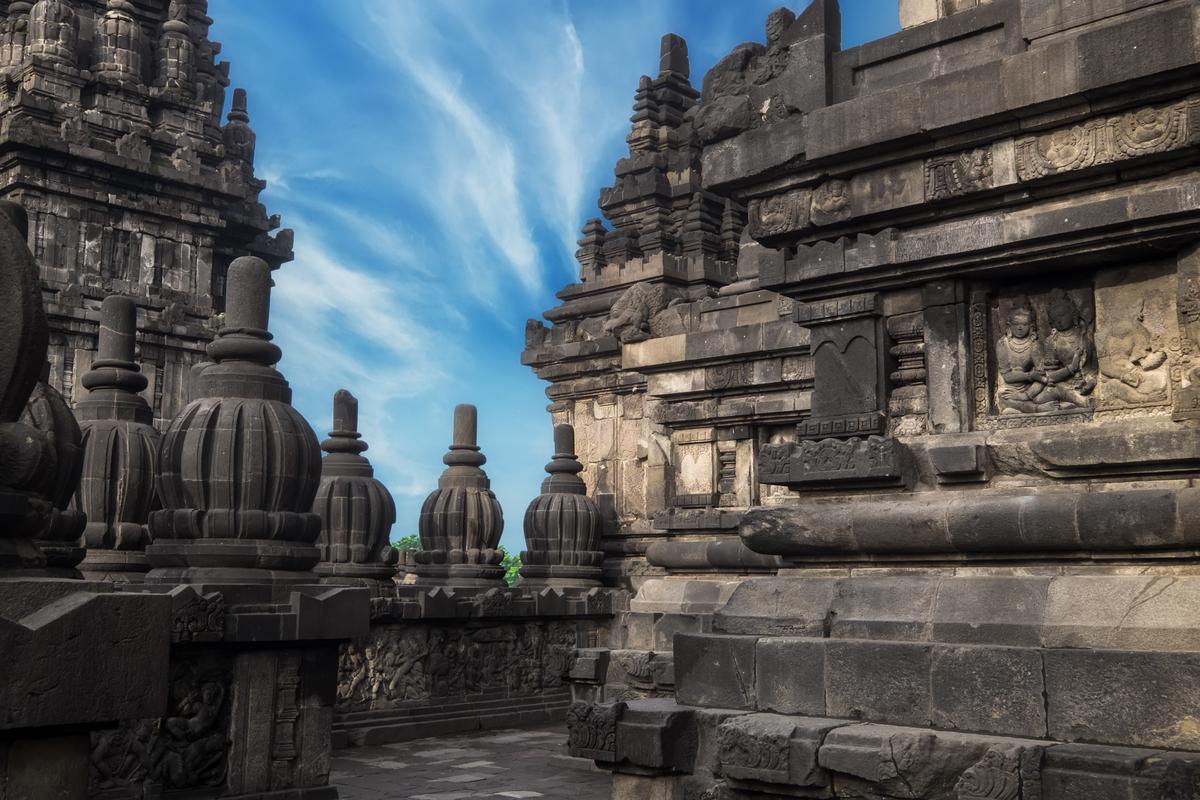
Indonesia, the world’s largest archipelago, is a Southeast Asian nation of more than 17,000 islands stretching along the equator between the Indian and Pacific Oceans, renowned for its volcanoes, beaches, and extraordinary cultural and biological diversity. Its capital, Jakarta, sprawls across the island of Java, which also holds the magnificent 9th-century Borobudur, one of the largest Buddhist temple complexes on Earth and a UNESCO World Heritage Site, along with the Hindu temples of Prambanan. Bali, the country’s most famous island, draws travelers with its surf beaches, emerald rice terraces, and sacred Hindu temples, while Komodo National Park protects the giant Komodo dragon and world-class diving among manta rays. Adventurers chase sunrise over Mount Bromo and the surreal blue flames of the Ijen crater, both volcanic landscapes on Java. Spanning hundreds of ethnic groups and languages, Indonesia offers vibrant street food, warm hospitality, dense rainforests, and underwater wonders, making it one of the planet’s richest and most varied travel destinations.
Best time to visit
Dry season (April–October) for sunshine across most islands; shoulder months (April–May, September–October) offer fewer crowds
Season by season
Dry season (Apr–Oct): sunshine, calm seas, best for diving, trekking, and temple visits. Wet season (Nov–Mar): short afternoon downpours, lush green landscapes, fewer tourists, lower prices. Shoulder (April, October): transitional weather, good balance of crowds and conditions.
Crowds
High in Bali (July–August, Christmas); moderate elsewhere; low in eastern Indonesia
Getting there and around
Getting there
Ngurah Rai International Airport (DPS) in Bali and Soekarno–Hatta International Airport (CGK) in Jakarta are the main international gateways. Direct flights arrive from Singapore, Kuala Lumpur, Tokyo, Sydney, Dubai, and Doha. Most nationalities receive a 30-day free visa on arrival or can apply for a 60-day Visa on Arrival (IDR 500,000).
Getting around
Domestic flights are essential for island-hopping; Garuda Indonesia, Lion Air, and Citilink connect major cities. Grab and GoJek ride-hailing apps work across Java and Bali. Ferries connect Java–Bali, Bali–Lombok, and many eastern islands. In Bali, scooter rental is common (international licence required). Yogyakarta and Solo have affordable becak (pedicabs) for short trips. Jakarta’s MRT and TransJakarta BRT cover the capital.
Top experiences in Indonesia
Bali Temples & Rice Terraces
Bali’s spiritual heart: the cliffside Uluwatu Temple (sunset kecak dance), the volcanic-lake Ulun Danu Beratan Temple, and the UNESCO-listed Jatiluwih rice terraces that cascade across mountain slopes.
Borobudur Temple, Java
The world’s largest Buddhist temple (9th century), a UNESCO World Heritage Site comprising 504 Buddha statues on nine stacked platforms. Sunrise visits reveal the monument emerging from dawn mist with Merapi volcano behind.
Komodo National Park
A UNESCO site across three islands, home to roughly 3,000 Komodo dragons — the world’s largest living lizards. Diving and snorkelling here reveal manta rays, reef sharks, and spectacular coral walls.
Raja Ampat Islands, West Papua
An archipelago of over 1,500 islands in eastern Indonesia with the highest known marine biodiversity on Earth — more than 1,500 fish species and 75% of all known coral species. A bucket-list dive destination.
Mount Bromo, East Java
An active volcano rising from the Sea of Sand caldera in eastern Java. Sunrise treks start at 3 AM and reward hikers with views of sulphurous vents, ethereal mist, and the silhouette of neighbouring Mount Semeru.
Editor-curated picks carried over from our original guide. Where a full place guide exists, the card links to it.
Where to stay
W Bali — Seminyak
Jl. Kayu Aya, Seminyak, Bali 80361, Indonesia
A 147-suite beachfront resort on Seminyak Beach with Balinese pavilion-style architecture, three pools, a destination spa, the Starfish Bloo oceanfront restaurant, and a famous sunset bar.
COMO Shambhala Estate, Ubud
Jl. Raya Kedewatan, Ubud, Bali 80571, Indonesia
A legendary 1970s jungle retreat on the Ayung River gorge with 60 suites, three-tiered infinity pools, organic gardens, a Balinese healing spa, and immersive rice-paddy views that inspired artists and musicians.
Hotel Indonesia Kempinski, Jakarta
Jl. M.H. Thamrin No.1, Jakarta 10310, Indonesia
A landmark 1962 high-rise in central Jakarta with 667 rooms, a tropical freeform pool, six restaurants, a signature Kiku Japanese restaurant, and direct access to Grand Indonesia shopping mall.
Editor-curated stays carried over from our original guide. Where we have reviewed the hotel, the card links to the review.
Tips from the field
Highlights
- Bali — Hindu temples, surf breaks, and rice terraces
- Borobudur — world's largest Buddhist monument
- Komodo National Park — dragons and diving
- Raja Ampat — planet's richest marine biodiversity
- Mount Bromo — volcanic sunrise treks
- Yogyakarta — Javanese arts and sultan's palace
- Ubud — craft villages and monkey forest
Best activities
- Surf Uluwatu's reef breaks, hike Mount Rinjani on Lombok, dive Raja Ampat's coral gardens, watch sunrise at Borobudur, trek to Mount Bromo's crater, learn batik-making in Yogyakarta, snorkel with manta rays in Komodo, explore Ubud's monkey forest and rice paddies.
Local experiences
- Take a Balinese cooking class in a family compound, join a sunrise climb to the crater rim of Mount Batur, attend a kecak fire dance at Uluwatu, visit a traditional batik workshop in Solo, explore Yogyakarta's Malioboro market by night, snorkel with whale sharks off Cenderawasih Bay.
Practical tips
- Carry small denominations of rupiah — many vendors cannot break 100,000 IDR notes.
- Exchange money at official bank counters or ATMs, not at airport exchange stalls.
- Download Grab and GoJek apps for affordable, metered transport in cities.
- Apply sunscreen generously — the equatorial sun is intense even on cloudy days.
- Dengue fever risk exists — use mosquito repellent, especially at dawn and dusk.
Photography tips
- Borobudur sunrise silhouettes require a 4 AM arrival and a telephoto lens to frame the bell-shaped stupas against Mount Merapi. Bali's Tegallalang rice terraces are best shot early morning before the shade shifts. Komodo's dragons are most active in the morning heat — use a wide aperture for shallow depth of field. Raja Ampat's underwater clarity calls for a wide-angle dome-port housing. Mount Bromo's mist-filled caldera at dawn is a long-exposure opportunity.
Timing
- Plan 7–10 days for Bali (Ubud + coast + islands), 3–4 days for Yogyakarta + Borobudur + Prambanan, 4–5 days for Komodo + Flores. A comprehensive Java–Bali–Komodo circuit takes 14–21 days.
Keeping it authentic
- Indonesia's 17,000 islands host over 300 ethnic groups with distinct languages, ceremonies, and art forms. Balinese Hinduism — with daily canang sari flower offerings on every doorstep — is a living spiritual practice. Torajan funeral rites in Sulawesi involve elaborate multi-day ceremonies. Batik, wayang kulit shadow puppetry, and gamelan music are UNESCO Intangible Heritage. Outside tourist hubs, village life remains deeply traditional.
Culture, customs and safety
Cultural heritage
Indonesia holds 9 UNESCO World Heritage Sites including Borobudur, Prambanan, and the tropical rainforests of Sumatra. The country is the world’s largest Muslim-majority nation, yet Hindu Bali, Christian Flores, and animist traditions of Papua illustrate extraordinary religious diversity. Batik textile art (UNESCO Intangible Heritage), wayang kulit shadow puppetry, and gamelan orchestral music are central to Javanese and Balinese identity.
Local customs & etiquette
Use the right hand for giving, receiving, and eating — the left hand is considered unclean. Remove shoes before entering homes and temples. Dress modestly at religious sites (sarong and sash often required at Balinese temples). Avoid pointing with a single finger (use the thumb or whole hand). Public displays of affection are discouraged, especially in Muslim-majority areas. Learning a few Indonesian phrases (‘terima kasih’ = thank you) earns genuine warmth.
Safety notes
Indonesia is generally safe for tourists, but petty crime (pickpocketing, bag-snatching) occurs in crowded areas, particularly in Bali’s Kuta and Jakarta. Beware of scams at unofficial money changers. Motorbike accidents are the leading cause of tourist injury in Bali — always wear a helmet and check insurance coverage. Indonesia is seismically active; earthquakes and volcanic eruptions are possible. Avoid non-essential travel to Central Papua. Emergency number: 112.