Japan captivates visitors with its unique blend of ancient traditions and cutting-edge modernity. From the bustling streets of Tokyo to the peaceful temples of Kyoto, this island nation offers experiences that range from high-tech urban adventures to serene mountain retreats. Cherry blossoms in spring, vibrant festivals throughout the year, and a culture that values both innovation and reverence for tradition make Japan an endlessly fascinating destination.
Japan
Tokyo and Kyoto pull in opposite directions — neon and noise vs. stone gardens and silence. You need both, and two weeks still feels short.
Travel Style
Activities
Budget
At a glance
Currency¥ JPYCode: JPY
Time zoneJapan Standard Time (UTC+09:00)
Languages
- Japanese (English signage widespread in cities
- limited conversational English outside tourism hubs)
Setting
- Urban metropolis
- Historic temples
- Mountain ranges
- Coastal landscapes
Known for
- Culture
- Food
- History
- Nature
- Skiing
- Temples
Population125.1M125,124,000 residents
VisaDuration: Up to 90 days for short-term tourism or business for citizens of 71 visa-exempt countries (including US, UK, Canada, EU, Australia, New Zealand). · Documents: Passport valid for the entire period of stay and confirmed return/onward transportation.
How Japan scores
9/10OverallExcellent
Weather7/10
Value for money8/10
Safety9/10
Food & cuisine10/10
Culture & arts10/10
Cultural experience9/10
History10/10
Nature & outdoors4/10
Adventure4/10
Nightlife7/10
Shopping8/10
Family friendly4/10
Romance9/10
Editorial scores on a 10-point scale, weighed against destinations of the same kind.
Travel safety snapshot
Overall90/100High rating
Women travellers88/100
LGBTQ+ travellers55/100
Theft86/100
Medical care91/100
Physical harm90/100
Political freedom70/100
SafePlace indicators use their source 100-point scale; higher is more favourable. Planning context, not a live travel advisory — check official government guidance before you go.
When to go
Best months to visit: March, April, May, July, August, September, October, November and December.
- January: -5.6 to 2.6 degrees Celsius, 56.4 millimetres of rain, best-time score 3 out of 5.
- February: -6 to 3.7 degrees Celsius, 64 millimetres of rain, best-time score 3 out of 5.
- March: -1.7 to 8.7 degrees Celsius, 115.8 millimetres of rain, best-time score 5 out of 5.
- April: 3.3 to 14.1 degrees Celsius, 128.5 millimetres of rain, best-time score 5 out of 5.
- May: 8.8 to 18.9 degrees Celsius, 156.7 millimetres of rain, best-time score 5 out of 5.
- June: 13.1 to 21.8 degrees Celsius, 186.4 millimetres of rain, best-time score 3 out of 5.
- July: 18 to 25.8 degrees Celsius, 232.6 millimetres of rain, best-time score 4 out of 5.
- August: 18.7 to 26.7 degrees Celsius, 168.4 millimetres of rain, best-time score 4 out of 5.
- September: 15.3 to 22.9 degrees Celsius, 182.5 millimetres of rain, best-time score 4 out of 5.
- October: 8.4 to 16.5 degrees Celsius, 195.6 millimetres of rain, best-time score 5 out of 5.
- November: 2.2 to 11.3 degrees Celsius, 63.1 millimetres of rain, best-time score 5 out of 5.
- December: -3.6 to 5.5 degrees Celsius, 56.2 millimetres of rain, best-time score 4 out of 5.
Month-by-month conditions and packing advice
- January
- Cold, occasional rain Cold, perfect for skiing in Hokkaido. Crowds: January in Japan is best for winter-ready travelers; outdoor plans need warm gear, shorter daylight expectations, and weather-aware transport planning. Pack: Pack insulated layers, warm footwear, gloves, and a serious winter coat.
- February
- Cold, occasional rain Winter landscapes, Sapporo Snow Festival. Crowds: February in Japan is best for winter-ready travelers; outdoor plans need warm gear, shorter daylight expectations, and weather-aware transport planning. Pack: Pack insulated layers, warm footwear, gloves, and a serious winter coat.
- March
- Cold, some rain Cherry blossom season begins in late March. Crowds: March in Japan is workable with normal seasonal planning; build in layers, weather checks, and a mix of indoor and outdoor activities. Pack: Pack warm layers, a coat, and comfortable shoes for cold mornings and evenings. Add a rain jacket or compact umbrella.
- April
- Cool to mild, some rain Peak cherry blossoms, mild and pleasant. Crowds: April in Japan is workable with normal seasonal planning; build in layers, weather checks, and a mix of indoor and outdoor activities. Pack: Pack layered clothing and comfortable walking shoes. Add a rain jacket or compact umbrella.
- May
- Cool to mild, rainy Golden week, excellent weather throughout. Crowds: May in Japan is one of the wetter periods, so museums, food stops, flexible reservations, and backup indoor plans make the trip easier. Pack: Pack layered clothing and comfortable walking shoes. Add a rain jacket or compact umbrella.
- June
- Mild to warm, rainy Tsuyu (rainy season) begins in most regions. Crowds: June in Japan is one of the wetter periods, so museums, food stops, flexible reservations, and backup indoor plans make the trip easier. Pack: Pack layered clothing and comfortable walking shoes. Add a rain jacket or compact umbrella.
- July
- Mild to warm, rainy Hot and humid, great summer festivals (Matsuri). Crowds: July in Japan is one of the wetter periods, so museums, food stops, flexible reservations, and backup indoor plans make the trip easier. Pack: Pack light clothing, sun protection, and comfortable walking shoes. Add a rain jacket or compact umbrella.
- August
- Mild to warm, rainy Very hot, fireworks and Obon festivals. Crowds: August in Japan is one of the wetter periods, so museums, food stops, flexible reservations, and backup indoor plans make the trip easier. Pack: Pack light clothing, sun protection, and comfortable walking shoes. Add a rain jacket or compact umbrella.
- September
- Mild to warm, rainy Typhoon season, but crowds thin out. Crowds: September in Japan is one of the wetter periods, so museums, food stops, flexible reservations, and backup indoor plans make the trip easier. Pack: Pack layered clothing and comfortable walking shoes. Add a rain jacket or compact umbrella.
- October
- Cool to mild, rainy Autumn foliage begins in the north, perfect weather. Crowds: October in Japan is one of the wetter periods, so museums, food stops, flexible reservations, and backup indoor plans make the trip easier. Pack: Pack layered clothing and comfortable walking shoes. Add a rain jacket or compact umbrella.
- November
- Cool to mild, occasional rain Stunning autumn colors (koyo) nationwide. Crowds: November in Japan is workable with normal seasonal planning; build in layers, weather checks, and a mix of indoor and outdoor activities. Pack: Pack warm layers, a coat, and comfortable shoes for cold mornings and evenings.
- December
- Cold, occasional rain Crisp and clear, winter illuminations. Crowds: December in Japan is workable with normal seasonal planning; build in layers, weather checks, and a mix of indoor and outdoor activities. Pack: Pack warm layers, a coat, and comfortable shoes for cold mornings and evenings.
Peak season
- March
- April
- October
- November
Off-peak
- January
- February
- June
Know before you go
About
Japan, an island nation off the east coast of Asia, blends ancient tradition and cutting-edge modernity like nowhere else, drawing record numbers of travelers to its temples, mountains, and neon cities. Home to around 124 million people and capital’d by Tokyo, it welcomed a record 36.9 million international visitors in 2024. Tokyo itself anchors the world’s largest metropolitan area, a dazzling sprawl of some 37 million centered on landmarks like Shibuya Crossing, Senso-ji temple, and Tokyo Tower. Beyond the capital, the old imperial city of Kyoto preserves classical temples, shrines, and geisha districts, while snow-capped Mount Fuji, the country’s highest peak at 3,776 meters, presides over the landscape. Travelers come for cherry blossoms in spring and fiery foliage in autumn, soothing onsen hot springs, world-renowned cuisine, and Shinkansen bullet trains that glide between regions. From bustling megacities to tranquil gardens and mountain villages, Japan offers an experience of remarkable contrasts.
Neighbourhoods
Tokyo’s key areas include Shinjuku (skyscrapers, nightlife, Golden Gai bars), Shibuya (youth culture, the famous crossing), Asakusa (traditional Senso-ji temple district), Ginza (luxury shopping), and Akihabara (electronics, anime). Kyoto’s main areas include Higashiyama (temples, geisha district of Gion), Arashiyama (bamboo grove, monkey park), and the Imperial Palace area. Osaka centers on Namba/Dotonbori (street food capital), Umeda (modern shopping), and Shinsekai (retro atmosphere). Beyond the big three: Hakone (mountain onsen resort town), Nara (ancient capital with free-roaming deer), Kamakura (seaside temple town near Tokyo), and Hiroshima (Peace Memorial, gateway to Miyajima Island).
Best time to visit
Spring (late March–May) for cherry blossoms and mild weather; Autumn (late September–November) for fiery foliage and clear skies
Season by season
Spring (March–May):
Weather: 50–72°F, mild, cherry blossoms peak late March–mid April
Highlights: Hanami (flower viewing) parties, wisteria in May
Best For: Temples, gardens, cultural sightseeing
Summer (June–August):
Weather: 77–90°F, humid; June is rainy season
Highlights: Summer festivals (Gion-Matsuri, Nebuta), fireworks, beach season in Okinawa
Best For: Festivals, hiking in Alps, Hokkaido escapes
Consider: Oppressive humidity in cities; typhoon risk Aug–Sep
Autumn (September–November):
Weather: 55–75°F, crisp, spectacular foliage mid-Oct through Nov
Highlights: Koyo (fall colours), harvest festivals, clear Fuji views
Best For: Hiking, temple visits, wine/sake tours
Winter (December–February):
Weather: 30–50°F (colder in north), snowfall in mountains
Highlights: World-class powder skiing (Niseko, Nozawa), snow monkeys, illuminations
Best For: Skiing, onsen, New Year traditions, winter cuisine
Crowds
Extreme during cherry blossom season (late March–mid April) and Golden Week; high in summer; moderate in winter
Getting there and around
Getting there
Tokyo Narita (NRT) and Haneda (HND) are the main international gateways, with Haneda closer to the city centre. Kansai (KIX) near Osaka serves western Japan. Major carriers include JAL, ANA, United, Delta, and multiple Asian airlines. Pre-purchase a Japan Rail Pass (7/14/21-day) before arrival for unlimited Shinkansen and JR travel.
Getting around
The Shinkansen (bullet train) connects Tokyo, Osaka, Kyoto, Hiroshima, and beyond at speeds up to 320 km/h. City metro systems in Tokyo and Osaka are dense, punctual, and clean. IC cards (Suica/PASMO) work on trains, buses, and convenience stores nationwide. Long-distance highway buses offer budget options. Rental cars suit rural exploration (Hokkaido, Kyushu) but are impractical in cities.
Top experiences in Japan
Fushimi Inari-taisha
Kyoto’s most iconic shrine features roughly 10,000 vermillion torii gates forming tunnels that wind 4 km up Mount Inari. Dedicated to the Shinto god of rice and prosperity, the shrine dates to 711 AD. The full hike takes 2–3 hours through atmospheric forest with sub-shrines and fox statues. Arriving before 7 AM offers near-solitude. Free admission, open 24 hours. The lower sections are accessible by wheelchair. The shrine is a 5-minute walk from JR Inari Station.
Kinkaku-ji (Golden Pavilion)
This Zen Buddhist temple in northern Kyoto is covered in genuine gold leaf, reflecting shimmering light across its mirror pond. Originally built in 1397 as a shogun’s retirement villa, it was famously destroyed by arson in 1950 and faithfully reconstructed. The three floors represent different architectural styles — shinden, samurai, and Zen. The surrounding strolling garden is a masterclass in Japanese landscape design. Admission ¥500. Best photographed in morning light or dusted with snow in winter.
Hiroshima Peace Memorial Park
Built on the ground-zero site of the 1945 atomic bombing, this 120,000 m² park contains the skeletal A-Bomb Dome (UNESCO World Heritage Site), the Peace Memorial Museum, the Children’s Peace Monument with thousands of paper cranes, and the Cenotaph aligning dome, flame, and monument. The museum chronicles the bombing’s devastation with personal artefacts and survivor testimonies. Profoundly moving and essential. Free park entry; museum ¥200. Combine with a ferry to nearby Miyajima Island.
Mount Fuji
Read the place guide →Japan’s tallest peak at 3,776 m is a near-perfect volcanic cone visible from Tokyo on clear days. The official climbing season runs July–early September via four trails (Yoshida is most popular). Lake Kawaguchiko and Hakone provide classic photo angles. The Fuji Five Lakes region offers year-round hiking, camping, and onsen resorts. Chureito Pagoda frames the mountain with cherry blossoms in spring. Clear views are most common November–February. Registration and trail fees apply during climbing season.
Dotonbori & Osaka Street Food
Osaka’s pulsating entertainment district along the Dotonbori canal is the epicentre of Japanese street food. Neon signs, mechanical crabs, and the iconic Glico Running Man billboard frame a canal lined with restaurants. Must-try dishes include takoyaki (octopus balls), okonomiyaki (savoury pancakes), kushikatsu (deep-fried skewers), and gyoza. The district comes alive after dark. Free to explore. Nearby Shinsekai district offers retro Osaka charm and Tsutenkaku Tower views.
Editor-curated picks carried over from our original guide. Where a full place guide exists, the card links to it.
Places worth your time
Where to stay
Aman Tokyo
The Otemachi Tower, 1-5-6 Otemachi, Chiyoda-ku, Tokyo 100-0004, Japan
Occupying the top six floors of the Otemachi Tower, Aman Tokyo fuses traditional Japanese ryokan aesthetics with sky-high city views. Rooms feature camphor wood, washi paper screens, and deep soaking tubs overlooking the Imperial Palace gardens. The spa draws on onsen traditions with extensive stone-and-water bathing areas. The restaurant serves kaiseki-inspired cuisine. Rates ¥120,000–300,000+ per night.
Hoshinoya Kyoto
11-2 Arashiyama Genrokuzancho, Nishikyo-ku, Kyoto 616-0007, Japan
Accessible only by private boat up the Oi River, Hoshinoya Kyoto occupies a restored Meiji-era ryokan on the forested slopes of Arashiyama. Each room opens onto the river gorge and surrounding maple canopy. Guests experience multi-course kaiseki dinners, incense-making workshops, and morning meditation. The property balances luxury with genuine cultural immersion. Rates ¥80,000–200,000+ per night.
Park Hyatt Tokyo
3-7-1-2 Nishi-Shinjuku, Shinjuku-ku, Tokyo 163-1055, Japan
Made famous by the film ‘Lost in Translation,’ the Park Hyatt Tokyo occupies the top floors of the Shinjuku Park Tower with floor-to-ceiling views of the city and Mount Fuji on clear days. The New York Grill on the 52nd floor is an institution for jazz, cocktails, and panoramic dining. Rooms are spacious by Tokyo standards, finished in granite and walnut. The indoor pool on the 47th floor is surreal. Rates ¥60,000–150,000+ per night.
Editor-curated stays carried over from our original guide. Where we have reviewed the hotel, the card links to the review.
Tips from the field
Highlights
- Fushimi Inari Shrine — 10,000 vermillion torii gates ascending through forested hillside in Kyoto
- Mount Fuji — Japan's iconic 3,776 m volcano, visible from Tokyo on clear days
- Tokyo's Shibuya Crossing — the world's busiest pedestrian intersection surrounded by neon
- Hiroshima Peace Memorial — sobering A-Bomb Dome and museum dedicated to nuclear peace
- Kinkaku-ji (Golden Pavilion) — gold-leaf Zen temple reflected in mirror pond in Kyoto
- Nara Park — 1,200 free-roaming sacred deer among ancient temples
- Hakone — mountain onsen town with Fuji views, open-air museums, and Lake Ashi cruises
- Miyajima Island — floating torii gate of Itsukushima Shrine in the Inland Sea
- Dotonbori (Osaka) — neon-lit canal street famed for takoyaki, okonomiyaki, and nightlife
- Niseko (Hokkaido) — world-renowned powder snow destination with 15+ metres annual snowfall
Best activities
- Ride the Shinkansen between Tokyo and Kyoto
- Walk the torii gates of Fushimi Inari Shrine at dawn
- Soak in an onsen (hot spring) in Hakone or Beppu
- Explore Tsukiji Outer Market and Osaka's Dotonbori for street food
- Hike the Kumano Kodo pilgrimage trails
- Visit Hiroshima Peace Memorial Park and Miyajima Island
- Stay overnight in a traditional ryokan
- See cherry blossoms in Ueno Park or Philosopher's Path
- Experience sumo at Ryogoku Kokugikan
- Ski powder snow in Niseko, Hokkaido
Local experiences
- Join a tea ceremony in a Kyoto machiya, make soba noodles with a master craftsman, watch tuna auctions at Toyosu Market, attend a matsuri (festival) like Gion or Nebuta, sleep in a shukubo (temple lodging) on Mount Koya, cycle through the Shimanami Kaido island-hopping route.
Practical tips
- Digital IC Transit Cards: Add a digital Suica, Pasmo, or ICOCA card directly to your smartphone wallet for tap-and-go contactless payment on all subways, local trains, buses, and convenience stores.
- Mount Fuji Climbing Regulation: Climbing the popular Yoshida Trail requires an online reservation and a mandatory ¥2,000 JPY conservation fee, capped at 4,000 climbers per day during the July–September season to eliminate dangerous bullet climbing.
- Luggage Forwarding (Takkyubin): Send bulky luggage between hotels or from airports (Narita/Haneda) using Yamato Transport (Black Cat) for hands-free Shinkansen travel.
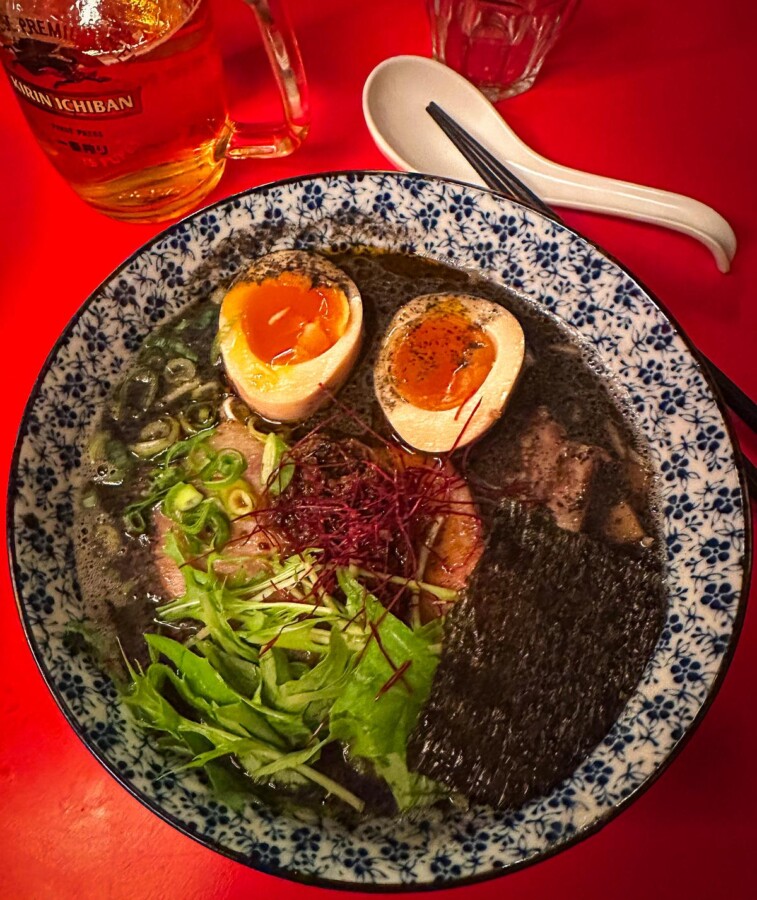
- Cash & 7-Eleven ATMs: While digital card payments are widespread, keep ¥10,000–¥20,000 JPY in cash for traditional ramen shops, temple coin boxes, and rural vending machines.
Photography tips
- Fushimi Inari's torii tunnels are most photogenic pre-7 AM before crowds arrive. Mount Fuji is clearest November–February and reflects in Lake Kawaguchiko at sunrise. Kyoto's bamboo grove (Arashiyama) shoots best with a wide-angle lens at first light. Tokyo's Shibuya Crossing frames well from the Starbucks above or Shibuya Sky rooftop. Cherry blossom portraits use a telephoto lens to compress layers of pink against temple rooflines.
Timing
- Plan 3–4 days for Tokyo, 2–3 days for Kyoto, 1–2 days for Osaka, and 1 day each for day trips (Hakone, Nara, Hiroshima). A comprehensive first trip takes 10–14 days. Add 3–5 days for Hokkaido or Okinawa.
Keeping it authentic
- Japan's cultural traditions are deeply embedded in daily life rather than performed for visitors. Temple rituals, seasonal festivals (matsuri), the tea ceremony, and ryokan hospitality operate on centuries-old protocols. Convenience-store bento boxes reflect genuine Japanese meal culture. The country's painstaking preservation of intangible heritage — from Noh theatre to sword-forging — is government-supported and community-driven.
Culture, customs and safety
Cultural heritage
Japan’s heritage spans 2,000+ years — from Shinto creation myths and the imperial court at Kyoto to samurai castles and Zen Buddhist monasteries. UNESCO sites include Himeji Castle, the shrines of Nikko, Itsukushima Shrine, and the Hiroshima Peace Memorial. Traditional arts like kabuki theatre, ikebana (flower arranging), the tea ceremony, and calligraphy remain actively practised. Wabi-sabi aesthetics — finding beauty in impermanence — permeate architecture, pottery, and garden design.
Local customs & etiquette
Bow when greeting (depth varies by formality). Remove shoes at homes, ryokans, temples, and some restaurants. Do not tip — it may cause confusion or offence. Speak quietly on public transport and set phones to silent. Do not eat or drink while walking (except at festival stalls). Never stick chopsticks upright in rice or pass food between chopsticks. Queue orderly; stand on the correct side of escalators (left in Tokyo, right in Osaka).
Safety notes
As of 2026, Japan is recognized as one of the safest countries in the world with exceptionally low crime rates, policed by the National Police Agency and local Kōban police boxes.
Key Disaster Preparedness, Nightlife & Medication Rules:
• Strict Pharmaceutical Import Laws: Japanese customs enforces zero-tolerance drug laws. Over-the-counter and prescription medicines standard in the West (including Sudafed, Actifed, Adderall, and CBD products) are classified as illegal stimulants or controlled substances under the Stimulants Control Law; carrying them into Japan without an advance Yakkan Shoumei permit can lead to arrest and imprisonment.
• Earthquake & Tsunami Preparedness: Download the official Japan Tourism Agency “Safety Tips” or NHK World app for instant English earthquake early warnings (J-Alert) and tsunami evacuation routes.
• Nightlife Tout Scams (Bottakuri): In Tokyo nightlife districts (Kabukicho, Roppongi), avoid street touts inviting tourists to bars; drink spiking and extortionate card overcharges occur in predatory venues.
• Emergency: Police 110, Fire/Ambulance 119, JNTO 24/7 Tourist Hotline: 050-3816-2720.