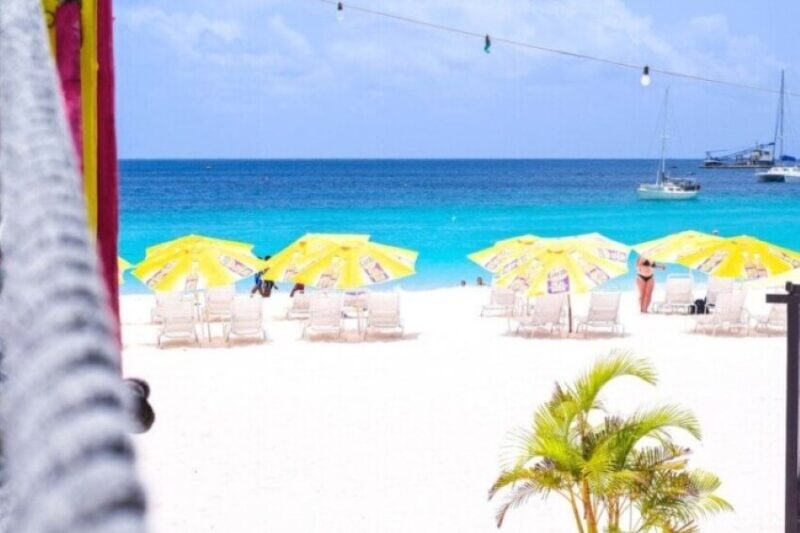
Sophisticated Caribbean island blending British colonial heritage with vibrant African-Barbadian culture, world-class beaches, historic rum traditions, and UNESCO-recognized capital offering authentic cultural experiences beyond typical resort tourism.
Barbados
Country in Barbados, North AmericaUpdated
- Overall8/10
- Best forFamilies, Couples, Adventure seekers
- CurrencyBBD
Bridgetown’s UNESCO streetscape hits different when you realize it’s a living city, not a museum. The rum shops seal the deal.
Activities
Season
Budget
At a glance
CurrencyBBD
Time zoneAtlantic Standard Time
Languages
- English
Setting
- Caribbean island
- Sandy beaches
- Coral reefs
- Rum distilleries
Population287K287,371 residents
VisaDuration: Up to 6 months · Documents: Valid U.S. passport
How Barbados scores
8/10OverallExcellent
Weather9/10
Value for money6/10
Food & cuisine8/10
Culture & arts6/10
Cultural experience7/10
Nature & outdoors9/10
Adventure6/10
Nightlife7/10
Shopping7/10
Family friendly7/10
Romance9/10
Editorial scores on a 10-point scale, weighed against destinations of the same kind.
Travel safety snapshot
Overall86/100High rating
Women travellers86/100
LGBTQ+ travellers75/100
Theft85/100
Medical care84/100
Physical harm88/100
Political freedom85/100
SafePlace indicators use their source 100-point scale; higher is more favourable. Planning context, not a live travel advisory — check official government guidance before you go.
When to go
Best months to visit: January, February, March, April, May, June, July, November and December.
- January: 22.1 to 26.3 degrees Celsius, 49.7 millimetres of rain, best-time score 5 out of 5.
- February: 21.9 to 26.4 degrees Celsius, 41.4 millimetres of rain, best-time score 5 out of 5.
- March: 22.2 to 26.9 degrees Celsius, 43.4 millimetres of rain, best-time score 5 out of 5.
- April: 22.8 to 27.6 degrees Celsius, 37.8 millimetres of rain, best-time score 5 out of 5.
- May: 23.5 to 28.1 degrees Celsius, 50.3 millimetres of rain, best-time score 5 out of 5.
- June: 23.6 to 27.9 degrees Celsius, 82 millimetres of rain, best-time score 5 out of 5.
- July: 23.5 to 27.7 degrees Celsius, 112.8 millimetres of rain, best-time score 4 out of 5.
- August: 23.7 to 28.1 degrees Celsius, 115.5 millimetres of rain, best-time score 3 out of 5.
- September: 23.9 to 28.6 degrees Celsius, 126.5 millimetres of rain, best-time score 2 out of 5.
- October: 23.7 to 28 degrees Celsius, 120.2 millimetres of rain, best-time score 2 out of 5.
- November: 23.3 to 27.4 degrees Celsius, 105.2 millimetres of rain, best-time score 4 out of 5.
- December: 22.6 to 26.9 degrees Celsius, 64.7 millimetres of rain, best-time score 5 out of 5.
Month-by-month conditions and packing advice
- January
- Mild to warm, occasional rain January in Barbados: dry-season beaches, snorkeling, food, gardens, rum heritage, festivals, and island drives are most reliable. Crowds: January in Barbados is comfortable for sightseeing, neighborhoods, food stops, day trips, and outdoor time with limited weather friction. Pack: Pack light clothing, sun protection, and comfortable walking shoes.
- February
- Mild to warm, occasional rain February in Barbados: dry-season beaches, snorkeling, food, gardens, rum heritage, festivals, and island drives are most reliable. Crowds: February in Barbados is comfortable for sightseeing, neighborhoods, food stops, day trips, and outdoor time with limited weather friction. Pack: Pack light clothing, sun protection, and comfortable walking shoes.
- March
- Mild to warm, occasional rain March in Barbados: dry-season beaches, snorkeling, food, gardens, rum heritage, festivals, and island drives are most reliable. Crowds: March in Barbados is comfortable for sightseeing, neighborhoods, food stops, day trips, and outdoor time with limited weather friction. Pack: Pack light clothing, sun protection, and comfortable walking shoes.
- April
- Warm to hot, occasional rain April in Barbados: dry-season beaches, snorkeling, food, gardens, rum heritage, festivals, and island drives are most reliable. Crowds: April in Barbados is comfortable for sightseeing, neighborhoods, food stops, day trips, and outdoor time with limited weather friction. Pack: Pack light clothing, sun protection, and comfortable walking shoes.
- May
- Warm to hot, occasional rain May in Barbados: dry-season beaches, snorkeling, food, gardens, rum heritage, festivals, and island drives are most reliable. Crowds: May in Barbados is comfortable for sightseeing, neighborhoods, food stops, day trips, and outdoor time with limited weather friction. Pack: Pack light clothing, sun protection, and comfortable walking shoes.
- June
- Warm to hot, some rain June in Barbados: dry-season beaches, snorkeling, food, gardens, rum heritage, festivals, and island drives are most reliable. Crowds: June in Barbados is workable with normal seasonal planning; build in layers, weather checks, and a mix of indoor and outdoor activities. Pack: Pack light clothing, sun protection, and comfortable walking shoes. Add a rain jacket or compact umbrella.
- July
- Warm to hot, some rain July in Barbados: shoulder or early wet-season timing can still work with short showers planned around. Crowds: July in Barbados is workable with normal seasonal planning; build in layers, weather checks, and a mix of indoor and outdoor activities. Pack: Pack light clothing, sun protection, and comfortable walking shoes. Add a rain jacket or compact umbrella.
- August
- Warm to hot, some rain August in Barbados: storm-season risk increases, so flexible plans and insurance matter. Crowds: August in Barbados is workable with normal seasonal planning; build in layers, weather checks, and a mix of indoor and outdoor activities. Pack: Pack light clothing, sun protection, and comfortable walking shoes. Add a rain jacket or compact umbrella.
- September
- Warm to hot, some rain September in Barbados: peak storm-season risk makes island travel less dependable. Crowds: September in Barbados is workable with normal seasonal planning; build in layers, weather checks, and a mix of indoor and outdoor activities. Pack: Pack light clothing, sun protection, and comfortable walking shoes. Add a rain jacket or compact umbrella.
- October
- Warm to hot, some rain October in Barbados: peak storm-season risk makes island travel less dependable. Crowds: October in Barbados is workable with normal seasonal planning; build in layers, weather checks, and a mix of indoor and outdoor activities. Pack: Pack light clothing, sun protection, and comfortable walking shoes. Add a rain jacket or compact umbrella.
- November
- Warm to hot, some rain November in Barbados: shoulder or early wet-season timing can still work with short showers planned around. Crowds: November in Barbados is workable with normal seasonal planning; build in layers, weather checks, and a mix of indoor and outdoor activities. Pack: Pack light clothing, sun protection, and comfortable walking shoes. Add a rain jacket or compact umbrella.
- December
- Mild to warm, occasional rain December in Barbados: dry-season beaches, snorkeling, food, gardens, rum heritage, festivals, and island drives are most reliable. Crowds: December in Barbados is comfortable for sightseeing, neighborhoods, food stops, day trips, and outdoor time with limited weather friction. Pack: Pack light clothing, sun protection, and comfortable walking shoes.
Know before you go
About
Barbados, the easternmost island in the Caribbean, is an independent nation renowned for its powder-white beaches, British colonial heritage, and as the birthplace of rum. The capital, Bridgetown, is a UNESCO World Heritage Site whose Garrison area features a statue of Lord Nelson predating London’s, while the surrounding parishes offer the Caribbean’s calm west coast and the wild, surf-pounded Atlantic east coast at Bathsheba. Inland, Harrison’s Cave Eco-Adventure Park reveals a dramatic limestone cavern of stalactites, stalagmites, and underground streams explored by electric tram. Travelers come for world-class diving and snorkeling, the lively Oistins Fish Fry, sea-turtle swims off Carlisle Bay, and the spectacular Crop Over harvest festival each summer, a months-long celebration culminating in the Grand Kadooment parade. As the home of pop superstar Rihanna and a string of historic rum distilleries including Mount Gay, the island blends easygoing beach culture with rich history, making it one of the most beloved gateways to the eastern Caribbean.
Best time to visit
December through April for peak beach season with lower humidity. Year-round destination with tropical climate. June-November brings slightly wetter weather and lower hotel prices. Crop Over festival peaks in August.
Season by season
Dry Season (Dec-April):
Weather: 25-30°C, sunny
Highlights: Perfect beach
Best For: Winter Sun
Wet Season (June-Nov):
Weather: 28-32°C, humid
Highlights: Crop Over
Best For: Festivals
Shoulder (May, Nov):
Weather: Mixed
Highlights: Value
Best For: Deals
Crowds
Barbados has peak visitor numbers December–April (winter sun season) and during Crop Over festival (late July–August) with heavy islandwide activity; quietest in late summer/early fall (September–October) during the off-season/hurricane window—overall high during winter and festival periods.
Getting there and around
Getting there
Most visitors arrive at Grantley Adams International Airport (BGI), located 30 minutes from UNESCO-listed Bridgetown with direct flights from North America, Europe, and the Caribbean. Major airlines including American Airlines, JetBlue, British Airways, and Virgin Atlantic service the airport with regular connections from New York, London, Toronto, and Miami. Cruise passengers dock directly in Bridgetown’s deep-water harbor, steps from downtown shopping and attractions, making it ideal for day-trip exploration. Regional Caribbean airlines and charter services connect Barbados to neighboring islands, while private yacht facilities accommodate luxury arrivals at Port St. Charles and Bridgetown Marina. The airport offers modern amenities including duty-free shopping, car rental services, and pre-arranged transfer options for seamless arrival experiences.
Getting around
Navigating Barbados is best achieved through its extensive public bus network, featuring government-run blue buses and privately operated yellow “ZR” minivans, both inexpensive and culturally immersive options that allow you to mingle with locals while exploring coastal routes and rural towns. The island’s compact towns like Bridgetown, Holetown, and Oistins are comfortably walkable, offering enjoyable strolls filled with colonial architecture and vibrant markets. Taxis are widely available, though fares should be negotiated beforehand, as rideshare apps remain notably absent. While there are no formal transit passes, carrying small denominations of Barbadian currency will streamline fare payments and interactions aboard public transport.
Top experiences in Barbados
Harrison's Cave
A crystallized limestone cavern. You take an electric tram deep underground to see massive stalactites, stalagmites, and waterfalls. It is a natural wonder.
Bathsheba Beach
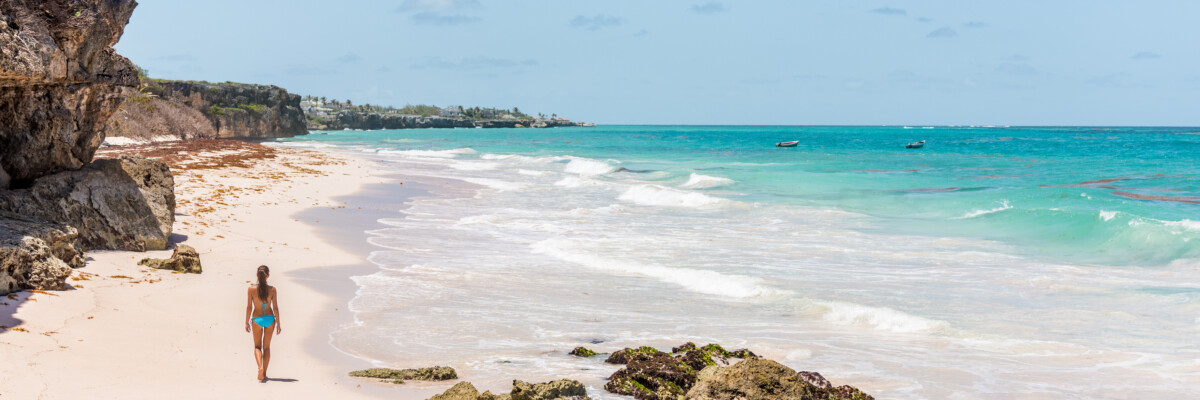
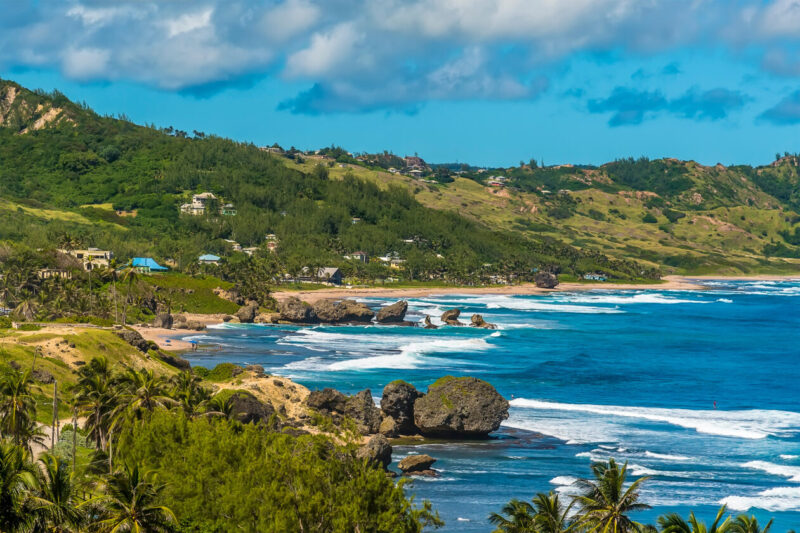
Read the place guide →Located on the rugged East Coast. Famous for the ‘Soup Bowl’ surf break and giant mushroom-shaped rocks. It is not for swimming (strong currents), but for dramatic scenery and photography.
St. Nicholas Abbey
A Jacobean plantation house (one of only three in the Western Hemisphere). It is also a rum distillery. You can tour the house, ride a heritage steam train, and taste the rum.
Oistins Fish Fry
Read the place guide →The place to be on Friday nights. An open-air fish market where locals and tourists gather to eat fresh grilled fish (mahi-mahi, flying fish), drink beer, and dance to soca music.
Hunte's Gardens
A botanical garden located in a sinkhole (gully). Created by horticulturist Anthony Hunte. It is a lush, chaotic jungle of exotic plants. Classical music plays as you walk through. Magical.
Editor-curated picks carried over from our original guide. Where a full place guide exists, the card links to it.
Places worth your time



Where to stay
Sandy Lane
Highway 1, Holetown, St. James, Barbados
The most famous hotel in the Caribbean. A pink palace on the Platinum Coast. It attracts royalty and celebrities. The service is unmatched. It has 3 golf courses and a massive spa.
Coral Reef Club
Porters, St. James, BB24017, Barbados
A family-owned luxury hotel set in 12 acres of tropical gardens. It feels like an English country house in the tropics. The vibe is elegant but relaxed. The spa is stunning.
Cobblers Cove
Road View, Speightstown, St. Peter, BB26025, Barbados
A boutique hotel with a quirky English-colonial charm (candy cane pink and white decor). It is small, intimate, and known for its excellent food (Camelot Restaurant).
Editor-curated stays carried over from our original guide. Where we have reviewed the hotel, the card links to the review.
Tips from the field
Highlights
- Beach – Platinum Coast
- Surf – Bathsheba
- Food – Flying Fish
- Drink – Rum Punch
- Nature – Harrison's Cave
- Event – Crop Over
- Garden – Hunte's
- Nightlife – Oistins
Best activities
- Swim with turtles in Carlisle Bay. Eat at Oistins Fish Fry on Friday. Tour Harrison's Cave. Taste rum at St. Nicholas Abbey. Surf at Bathsheba. Walk through Hunte's Gardens. Watch a cricket match at Kensington Oval.
Practical tips
- Currency: Barbadian Dollar (BBD); USD accepted. 2:1 rate.
- Getting There: Grantley Adams Airport (BGI). Taxis/hotel transfers.
- Transportation: ZR minibuses (fun but chaotic, BBD). Taxis. Rental car (driving on left). Reggae buses.
- Dining: Flying fish and cou-cou (national dish), fish cakes, rum punch. Oistins Friday Fish Fry is essential (-25 BBD). Restaurant meals -80 BBD.
- Free Attractions: Crane Beach, Bathsheba surf watching, Bridgetown boardwalk, Harrison's Cave area, rum distillery tours.
- Tipping: 10-15%
- Electricity: 115V/50Hz, Type A/B plugs
Photography tips
- Golden Hour: Sunrise at Bathsheba (East Coast). Sunset on the Platinum Coast (West Coast).
- Iconic Shots:
- The Mushroom Rocks at Bathsheba.
- The driveway of Mahogany trees at Cherry Tree Hill.
- A plate of Flying Fish and Cou Cou.
- Green Monkeys in the Wildlife Reserve.
- The pink umbrellas of Sandy Lane.
- Technique: Use a fast shutter speed for the crashing waves at Bathsheba. Bring a polarizing filter for the turquoise water.
Timing
- Peak Season (Dec-April):
- Dry, expensive, busy
- Shoulder Season (May, Nov):
- Good value
- Low Season (June-Oct):
- Humid, rain showers
Keeping it authentic
- Barbados is 'Little England' (afternoon tea, cricket) but with a Bajan soul. It is the birthplace of rum (Mount Gay, 1703). The Bajan dialect is fast and rhythmic. Crop Over (July/Aug) is the massive harvest carnival (Rihanna usually attends).
Culture, customs and safety
Cultural heritage
Barbados blends British colonial traditions with strong African cultural roots, creating a distinctive Caribbean identity. The island’s sugar plantation heritage shaped its architecture, rum-making traditions, and social structures. Crop Over festival celebrates harvest traditions with calypso music, while tuk bands preserve African drumming patterns. Chattel houses showcase unique moveable architecture, and the island maintains traditions of flying fish cuisine, cricket passion, and afternoon tea service.
Local customs & etiquette
Barbadian hospitality begins with warm morning greetings – always say “Good Morning” before noon, which opens doors to genuine local interactions and demonstrates cultural respect. Dress modestly when away from beaches, covering shoulders and legs in religious sites, government buildings, and traditional neighborhoods where conservative attire shows proper etiquette. Camouflage clothing is strictly illegal for all visitors including children, so avoid any military-style patterns to prevent legal complications. Punctuality matters when locals extend social invitations, showing respect for Bajan time consciousness and family commitments. Fish-fry Fridays at Oistins represent community tradition where visitors join locals for grilled flying fish, dancing to Tuk-band rhythms, and sharing Mount Gay rum toasts that embody the island’s welcoming spirit. Handshakes serve as standard greetings while hugs remain reserved for established friendships, and public cursing constitutes a serious social faux pas that can cause offense. “Liming” describes the Bajan art of relaxed socializing, often involving rum shop visits, domino games, and unhurried conversations that form the backbone of island social life.
Safety notes
Barbados is generally safe — one of the more developed Caribbean islands.
General Safety:
• South and west coast resorts are safe
• Bridgetown can be lively — standard awareness after dark
• Don’t leave belongings unattended on beaches
Ocean Safety:
• East coast has strong currents — swim with caution
• Atlantic side is rougher than Caribbean side
Emergency: 211 (police), 511 (ambulance)