


Zermatt Village Center
Zermatt’s car-free village center runs along Bahnhofstrasse, lined with 500-year-old Valais chalets and framed by Matterhorn views from the St. Mauritius church bridge.
Traveling with kids changes the calculus on everything — pacing, room layouts, meal timing, and how far you can realistically walk in a day. This archive gathers family-tested destinations, kid-friendly hotels and resorts, and itineraries built around naps, snacks, and attractions that keep every age engaged. Multigenerational trips are surging too, so you will also find guides for the times grandparents come along.
Zermatt’s car-free village center runs along Bahnhofstrasse, lined with 500-year-old Valais chalets and framed by Matterhorn views from the St. Mauritius church bridge.
Zadar’s three-thousand-year-old peninsula of marble streets — Roman forum, Venetian walls, and the wave-powered Sea Organ that turns the Adriatic into music at sunset.
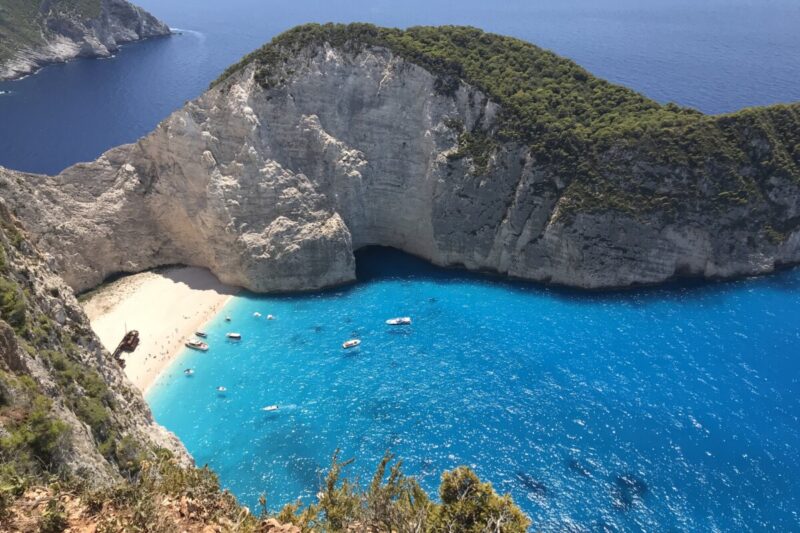
Zakynthos’s busiest beach resort — a long sandy bay on the island’s south coast, lively nightlife, and a gateway to the loggerhead turtle nesting grounds of Marathonisi and the Bay of Laganas.
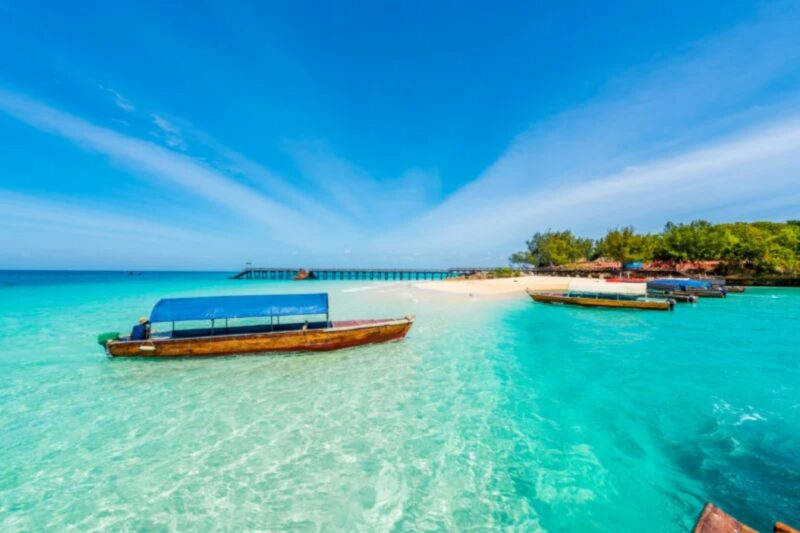
Stone Town is Zanzibar’s UNESCO-listed old quarter — a 19th-century Swahili trading hub of coral-stone buildings, carved wooden doors, and landmarks like the House of Wonders and the Old Fort.
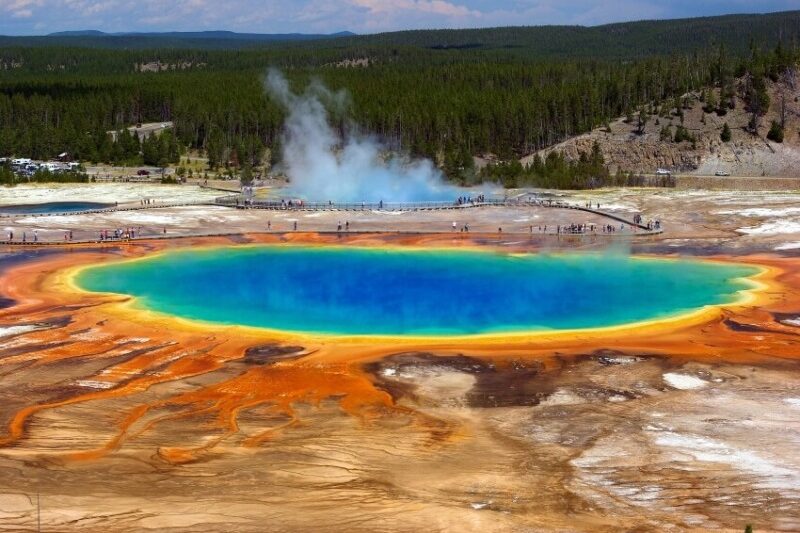
Yellowstone’s most visited hub, built around Old Faithful — the predictable geyser, the historic Old Faithful Inn, and the largest concentration of geysers on Earth in the Upper Geyser Basin.

A historic charm, upscale shopping, waterfront dining neighborhood ideal for Shoppers, History buffs, Students.
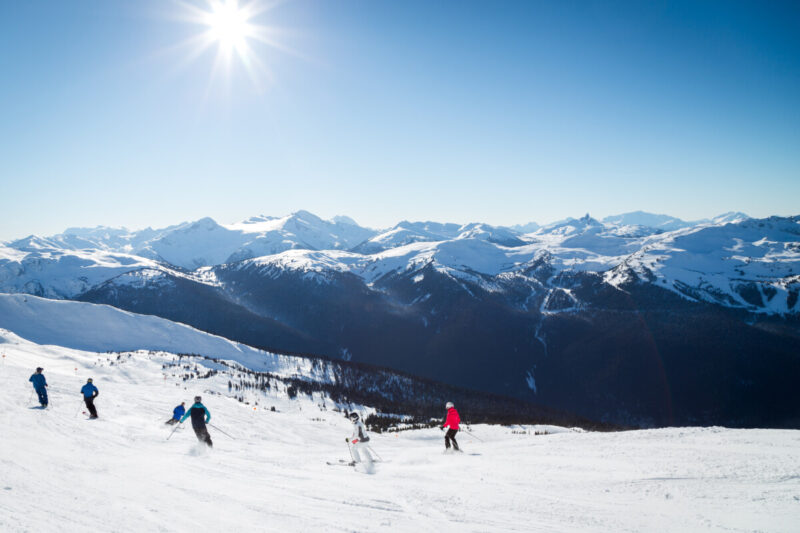
Whistler’s car-free, alpine-style Village Stroll — a cobblestone pedestrian core of 100+ shops and restaurants at the base of Whistler and Blackcomb mountains.
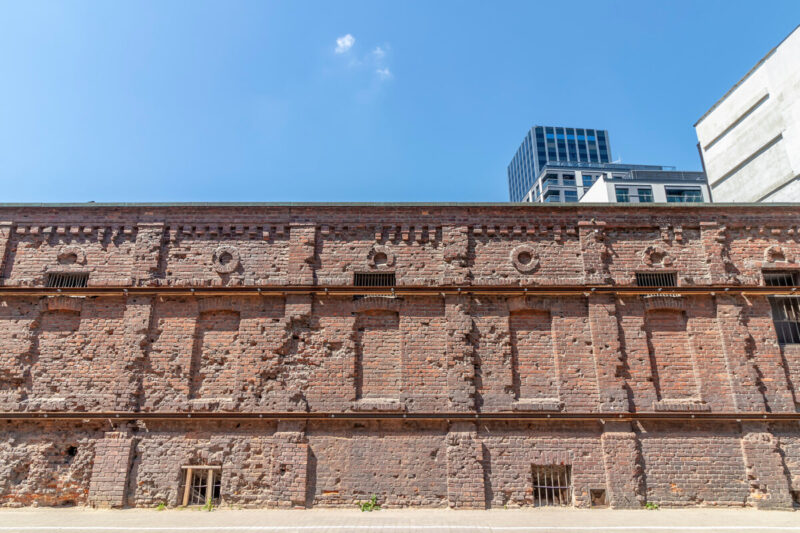
Warsaw’s creative right bank — a WWII-spared district of brick tenements, street art, and former factories like the Koneser vodka distillery turned culture hub.

Vail’s pedestrian-only, Bavarian-style heart at the base of Vail Mountain — cobblestone streets, upscale dining and shopping, and a gateway to the legendary Back Bowls.
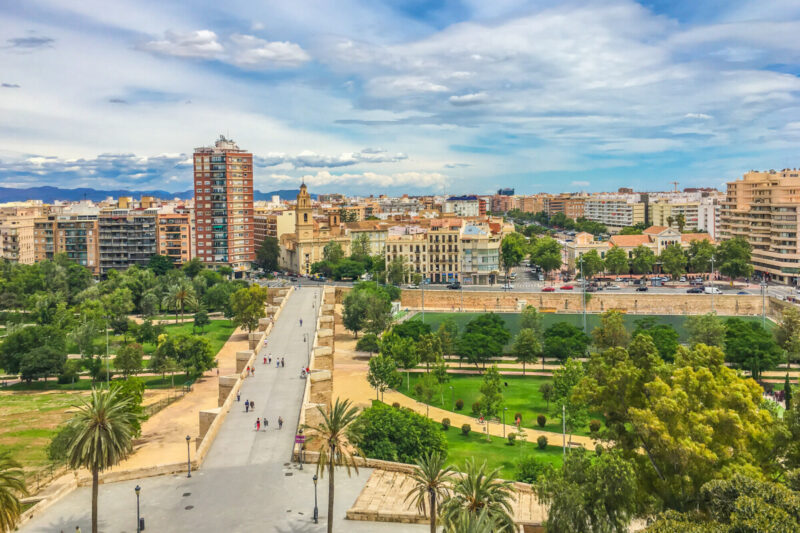
A seaside, authentic, modernist neighborhood ideal for architecture lovers, beachgoers, foodies.
Valencia’s most creative barrio — a former working-class quarter of Moorish roots now full of street art, indie boutiques, and a buzzing food scene around the Ruzafa Market.

Vancouver’s oldest neighborhood — cobblestone streets, Victorian brick warehouses turned boutiques and restaurants, and the landmark steam-powered Gastown clock.
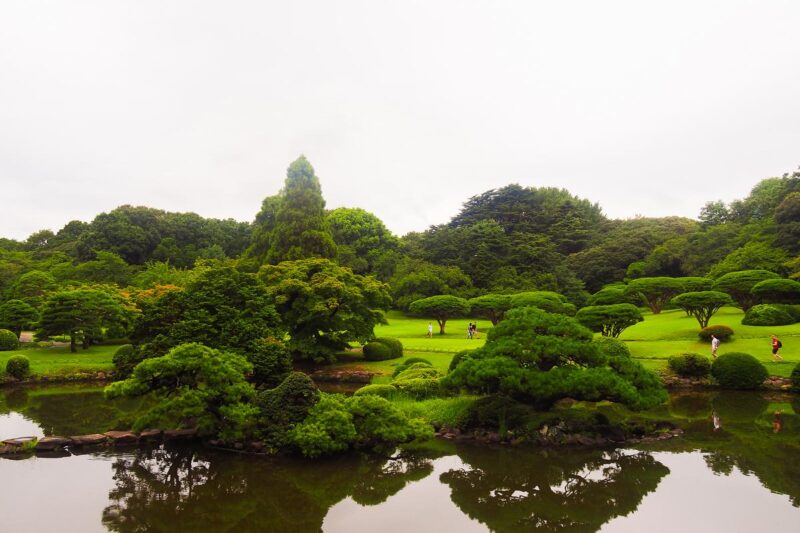
A monja town, retro tokyo, local dining neighborhood ideal for Food adventurers, Local culture seekers, Photography enthusiasts.

Toronto’s bohemian, multicultural market district — a pedestrian-friendly maze of vintage shops, global food stalls, and street art just west of Chinatown.

Toulon’s sun-drenched medieval quarter above France’s largest naval harbor — the daily Cours Lafayette Provençal market, the grand Opera House, and an affordable, crowd-free Riviera base.
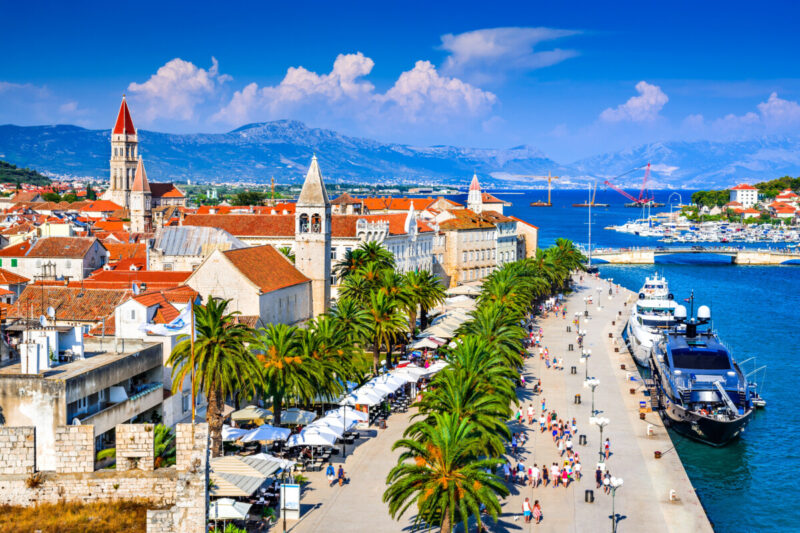
A UNESCO-listed medieval island town near Split, often called ‘Little Venice’ — a car-free maze of Venetian palaces crowned by St. Lawrence Cathedral’s carved Radovan Portal.

Tucson’s walkable downtown — a Sonoran-desert city center of adobe and Art Deco architecture, a celebrated Mexican-rooted food scene, and the Hotel Congress music venue.
Shinjuku is a major commercial and entertainment district in central Tokyo, home to the world’s busiest train station, Kabukicho nightlife, and the skyscraper-lined Nishi-Shinjuku.
A traditional tokyo, temple district, authentic shopping neighborhood ideal for Culture seekers, Temple visitors, Traditional craft lovers.
A vintage, bohemian, indie neighborhood ideal for vintage shoppers, music lovers, theater buffs.
Tokyo’s youth-culture capital — the record-breaking Shibuya Crossing, the Hachikō statue, the Shibuya Sky observation deck, and floors of street-fashion shopping.