


Downtown San Jose
Costa Rica’s capital core around the Plaza de la Cultura — the 1897 National Theatre, the Pre-Columbian Gold Museum, and the buzzing food scene of nearby Barrio Escalante.
Traveling with kids changes the calculus on everything — pacing, room layouts, meal timing, and how far you can realistically walk in a day. This archive gathers family-tested destinations, kid-friendly hotels and resorts, and itineraries built around naps, snacks, and attractions that keep every age engaged. Multigenerational trips are surging too, so you will also find guides for the times grandparents come along.
Costa Rica’s capital core around the Plaza de la Cultura — the 1897 National Theatre, the Pre-Columbian Gold Museum, and the buzzing food scene of nearby Barrio Escalante.

Puerto Rico’s 500-year-old colonial core — blue-cobblestone streets, pastel row houses, and the UNESCO-listed El Morro and San Cristóbal fortresses above the Atlantic.

A italian, foodie, waterfront neighborhood ideal for Foodies, couples, urban explorers.
A hipster, brewery-rich, diverse neighborhood ideal for Beer enthusiasts, hipsters, foodies.
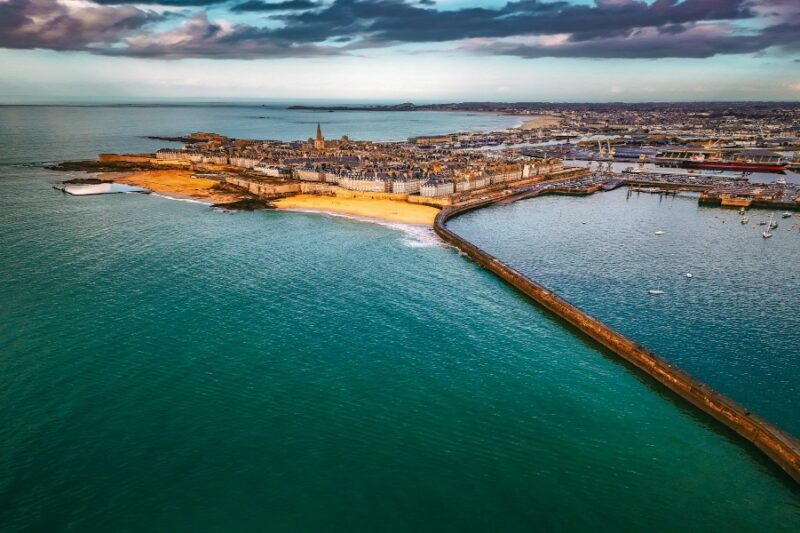
Saint-Malo’s walled old town in Brittany — a granite corsair city ringed by 2 km of medieval ramparts, rebuilt after WWII, with cobbled lanes of shops and seafood restaurants.
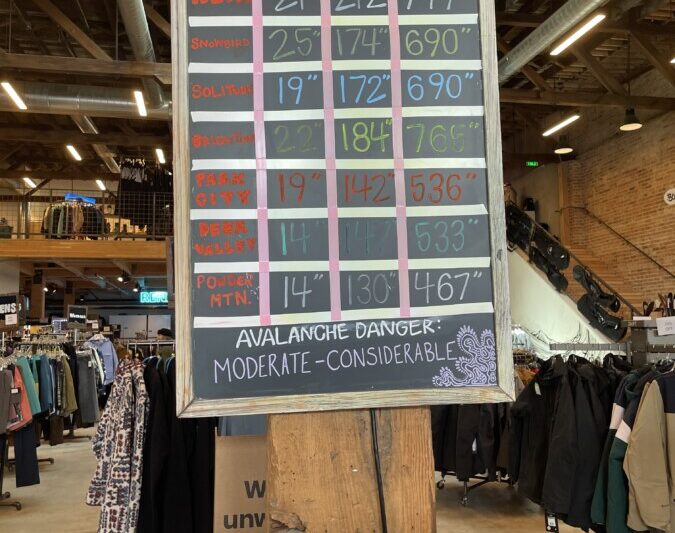
Salt Lake City’s walkable ‘second downtown’ — a progressive enclave of independent shops and vintage boutiques along 2100 South, anchored by 110-acre Sugar House Park.

Altstadt Salzburg is the UNESCO-listed historic core of Salzburg, Austria, containing Hohensalzburg Fortress, Getreidegasse, and the birthplace of Wolfgang Amadeus Mozart within a compact baroque cityscape.
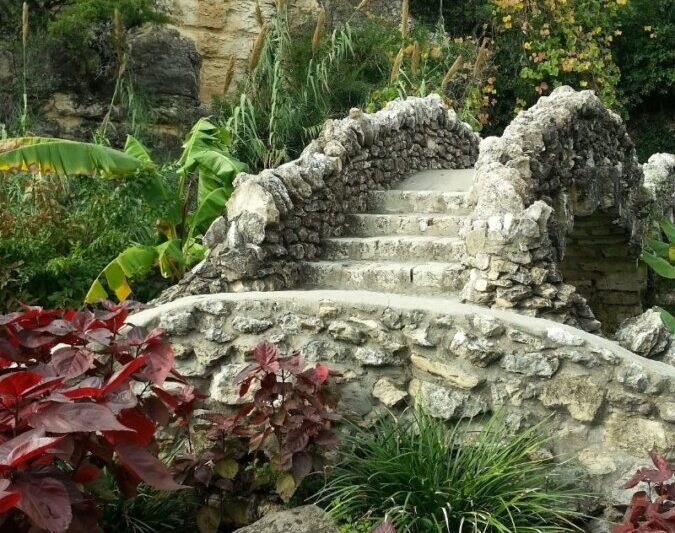
The heart of San Antonio — the UNESCO-listed Alamo and the restaurant-lined River Walk winding below street level along the San Antonio River.
San Diego’s 16-block Victorian historic district — gas-lamp-lined streets of restored 19th-century buildings now packed with restaurants, rooftop bars, and nightlife.
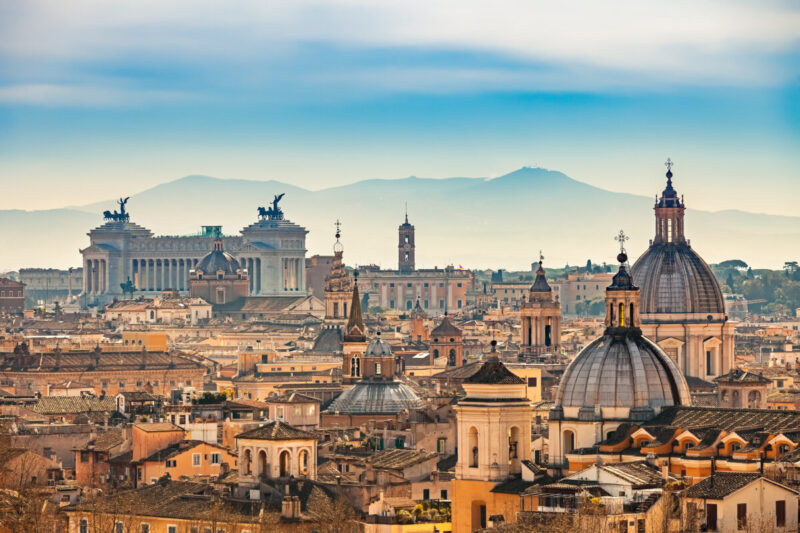
A authentic, foodie, historic neighborhood ideal for foodies, local life seekers, history buffs.
Rome’s bohemian quarter across the Tiber — ivy-draped lanes and lively piazzas around the mosaic-clad Basilica of Santa Maria, with trattorias, wine bars, and Janiculum Hill views.
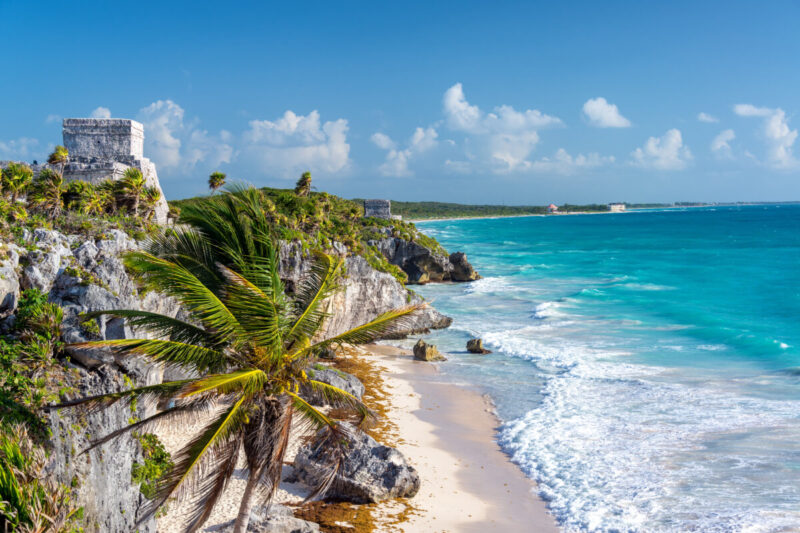
The heart of Playa del Carmen on the Riviera Maya — the pedestrian Quinta Avenida promenade of shops and restaurants running parallel to a wide white-sand Caribbean beach.
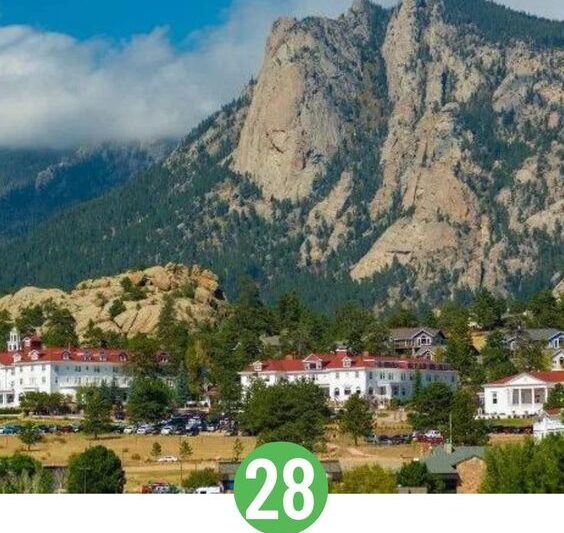
Colorado’s high-alpine national park above Estes Park — crossed by Trail Ridge Road, the highest continuous paved road in the US, with glacier-carved valleys, elk, and the Continental Divide.
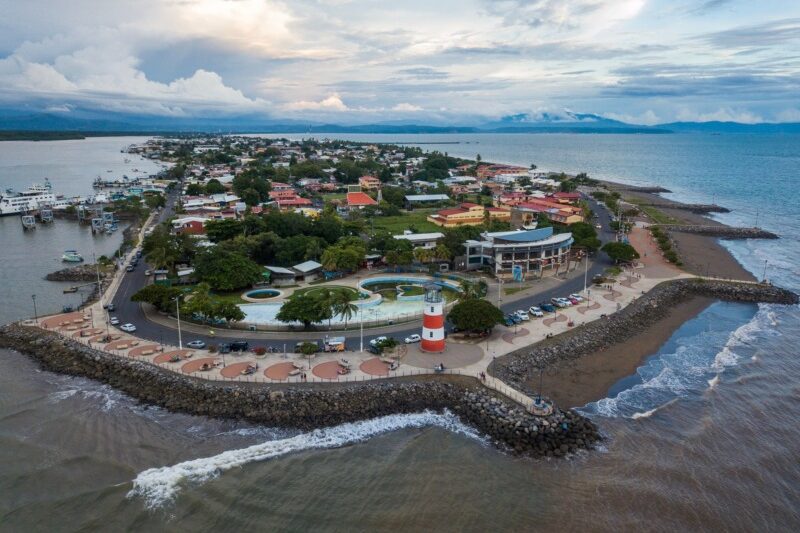
Costa Rica’s most popular national park near Quepos — white-sand beaches backed by rainforest, home to sloths and the endangered Central American squirrel monkey.
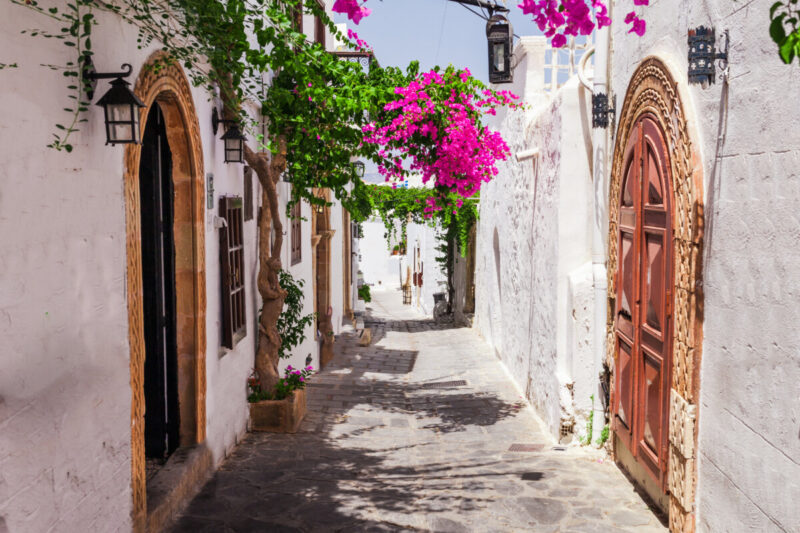
Europe’s oldest inhabited medieval city — a UNESCO-listed maze inside the Knights of St. John’s 14th-century walls, with the Palace of the Grand Master and the Street of the Knights.
The working-town gateway to Manuel Antonio National Park — a Costa Rican Pacific port with the Marina Pez Vela, a seafront Malecón, fresh seafood, and budget-friendly Tico eats.
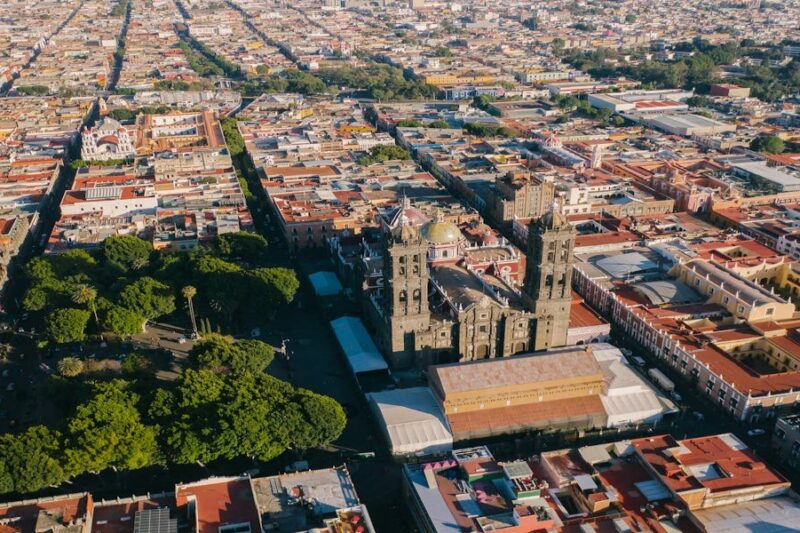
A colorful town outside Puebla built around the Great Pyramid of Cholula — the world’s largest pyramid by volume, topped by a hilltop church with views of Popocatépetl.
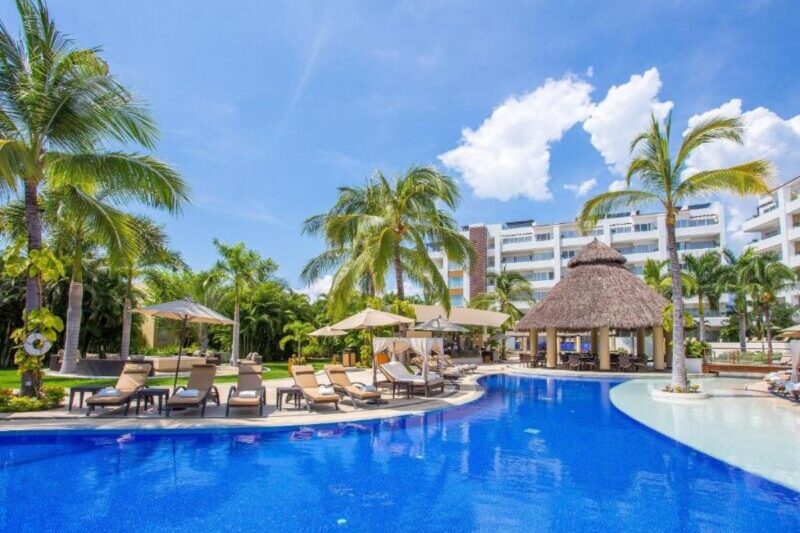
Puerto Vallarta’s Old Town south of the Río Cuale — cobblestone streets, Los Muertos Beach and its sailboat pier, and the heart of the city’s dining, nightlife, and LGBTQ+ scene.

Bari’s labyrinthine old town in Puglia — stone alleys where nonne hand-roll orecchiette on the street, anchored by the Romanesque Basilica di San Nicola and its saint’s relics.