Playa del Carmen sits on the Caribbean coast of Quintana Roo, roughly 68 kilometers south of Cancún, and serves as the urban heart of the Riviera Maya. The city combines a walkable downtown grid of limestone-paved streets with open ocean access, a thriving food scene, and direct transport links to nearby islands and ancient Maya sites. Locals call it simply “Playa,” and the mix of Mexican residents, long-term expats, and international visitors gives the town a genuinely cosmopolitan energy without entirely losing its Yucatecan roots.
What is Playa del Carmen known for?
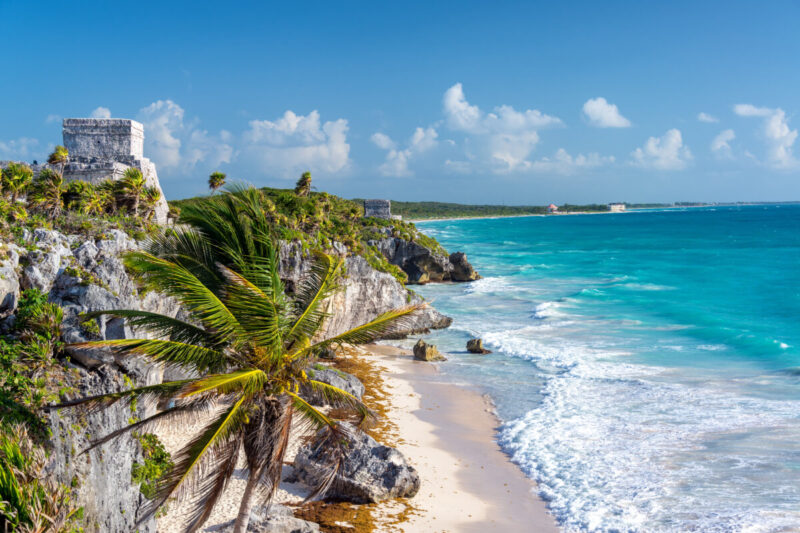
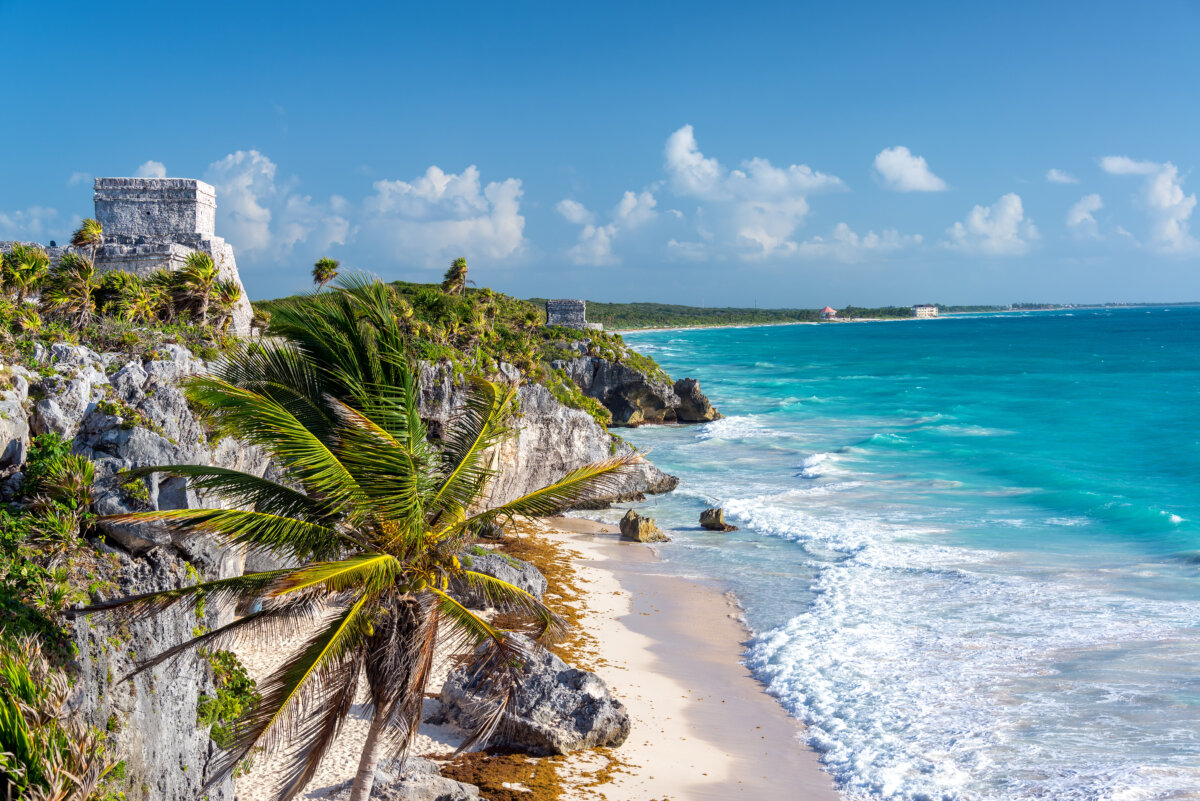
Playa del Carmen is best known for Quinta Avenida (5th Avenue), a roughly 4-kilometer pedestrian boulevard running parallel to the beach that concentrates restaurants, boutiques, taco stands, and open-air bars, alongside its accessible Caribbean beaches with clear turquoise water and moderate waves. The Cozumel ferry terminal at the foot of Calle 1 Sur dispatches passenger ferries to Cozumel island multiple times daily, making it a practical base for reef diving. The town is also a gateway to the ancient Maya ruins at Tulum (about 65 km south) and Cobá (about 110 km inland).
Best things to do in Playa del Carmen
Snorkeling and diving the Mesoamerican Barrier Reef, the second-largest coral reef system in the world, ranks among the top activities, with dive shops concentrated near Constituyentes Avenue and the beach. Beyond the water, visitors explore the local cenotes—natural freshwater sinkholes—including Cenote Jardin del Eden and Dos Ojos near the highway south of town. Walking Quinta Avenida from Calle 1 to Calle 40 covers street murals, handicraft markets, and free live music at night.
- Take a ferry from the Terminal Marítima to Cozumel for day diving or snorkeling
- Visit Xcaret ecological park, located a few kilometers south on Highway 307
- Explore Playacar, the gated resort and residential neighborhood south of the ferry terminal
- Rent a bicycle on Juárez Avenue and ride south along the coast road
- Watch sunset from the rooftop bars along Calle 12 Norte near the beach
Where to eat in Playa del Carmen
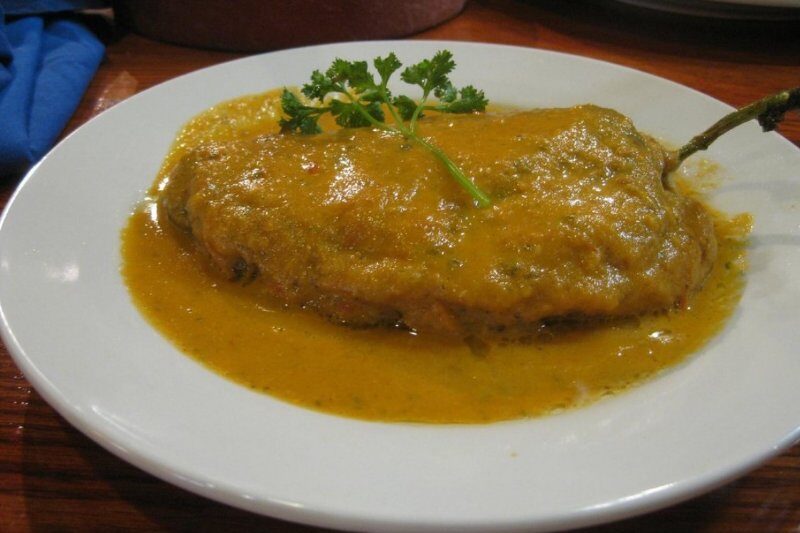
The best local eating in Playa del Carmen happens away from the tourist-facing Quinta Avenida spine: street tacos de cochinita pibil and poc chuc at family-run spots on Calle 2 Norte and around the Mercado Municipal on Avenida 20 represent authentic Yucatecan cooking at low prices. Seafood ceviche, grilled fish tacos, and agua de jamaica are staples across the market stalls. For sit-down meals, restaurants on Calle 38 Norte and the stretch of Quinta Avenida above Calle 30 tend to be less crowded and more locally patronized than the central strip.
- Cochinita pibil tacos with habanero salsa and pickled red onion
- Ceviche de camarón with lime, cilantro, and jicama
- Poc chuc (grilled pork) with black beans and handmade tortillas
- Fresh fruit paletas from vendors along Quinta Avenida
Where to walk in Playa del Carmen
The most rewarding walk starts at Parque Los Fundadores on Juárez Avenue at the beach, heads north along the shoreline boardwalk past Playa del Carmen main beach, then cuts inland on Calle 12 to join Quinta Avenida for the return south. This loop passes the Parroquia Nuestra Señora del Carmen church on Avenida 5 near Calle 4, the main public square (El Zócalo), and the night market area near Calle 10.
How to get to Playa del Carmen
The primary overland connection is Highway 307, the main coastal road; ADO buses run frequent direct services from Cancún International Airport (about 60–75 minutes), Cancún city center, and Tulum. The local Riviera Bus and colectivo vans on Highway 307 provide cheaper regional options. The Terminal ADO is located on Juárez Avenue near Quinta Avenida, and the Cozumel ferry terminals (Ultramar and Winjet operate competing services) sit at the bottom of Juárez at the waterfront.
Best time to visit Playa del Carmen
December through April is the dry season with low humidity, temperatures in the mid-20s Celsius, and minimal rain, making it the most comfortable period for beach and outdoor activity. July and August are hot and humid but popular with Mexican domestic tourists; September and October fall within peak Atlantic hurricane season and carry the highest rainfall risk. Sargassum seaweed arrivals on Caribbean beaches are less predictable but have historically been heaviest between May and October.