

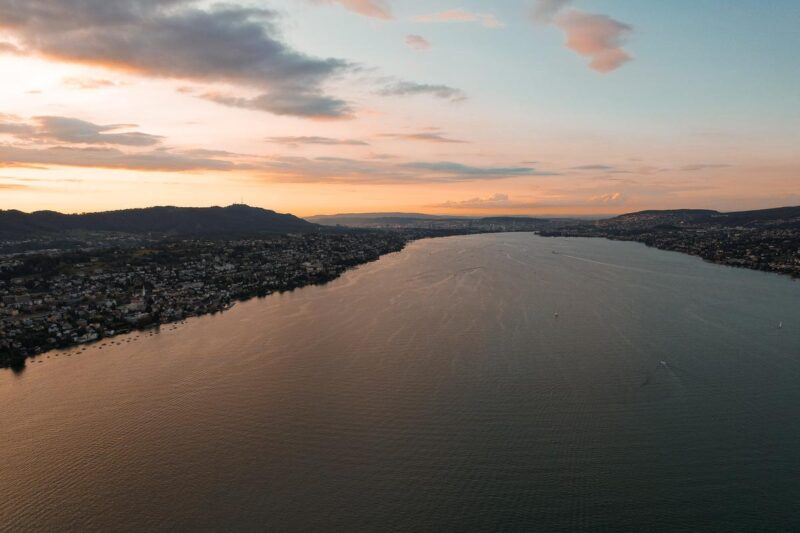
Altstadt Zürich
Zürich’s medieval Old Town straddles the Limmat River, home to the twin-towered Grossmünster, the Chagall windows of the Fraumünster, and the Niederdorf lane’s cafés and nightlife.
Business travel rewards anyone who has systems. This archive covers efficient airport routines, loyalty and lounge strategy, well-located hotels with fast Wi-Fi and a real desk, and the increasingly popular move of tacking leisure days onto a work trip. Everything here is built to make the working trip smoother — and the bleisure extension worth taking.
Zürich’s medieval Old Town straddles the Limmat River, home to the twin-towered Grossmünster, the Chagall windows of the Fraumünster, and the Niederdorf lane’s cafés and nightlife.
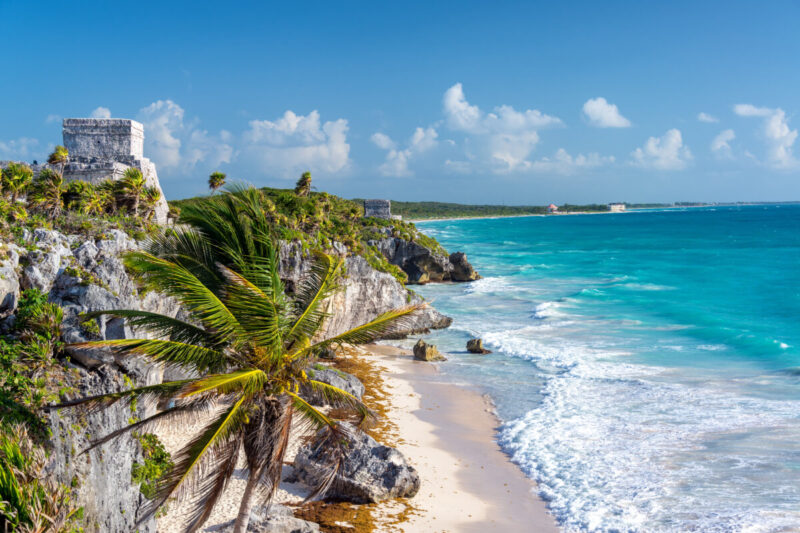
Tulum’s polished, master-planned neighborhood between downtown and the beach zone — modern condos, wellness studios, and the free Cenote Aldea Zama, a favorite of digital nomads.

Vancouver’s oldest neighborhood — cobblestone streets, Victorian brick warehouses turned boutiques and restaurants, and the landmark steam-powered Gastown clock.

Toronto’s bohemian, multicultural market district — a pedestrian-friendly maze of vintage shops, global food stalls, and street art just west of Chinatown.

Tucson’s walkable downtown — a Sonoran-desert city center of adobe and Art Deco architecture, a celebrated Mexican-rooted food scene, and the Hotel Congress music venue.
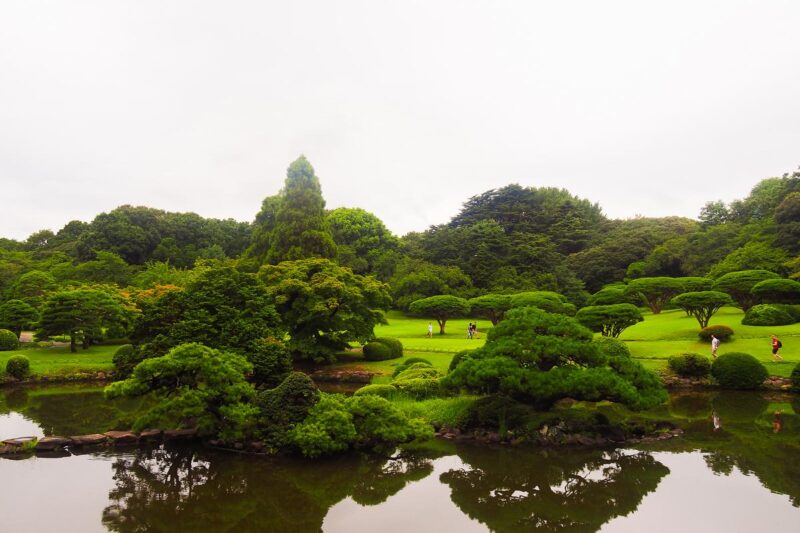
Shinjuku is a major commercial and entertainment district in central Tokyo, home to the world’s busiest train station, Kabukicho nightlife, and the skyscraper-lined Nishi-Shinjuku.
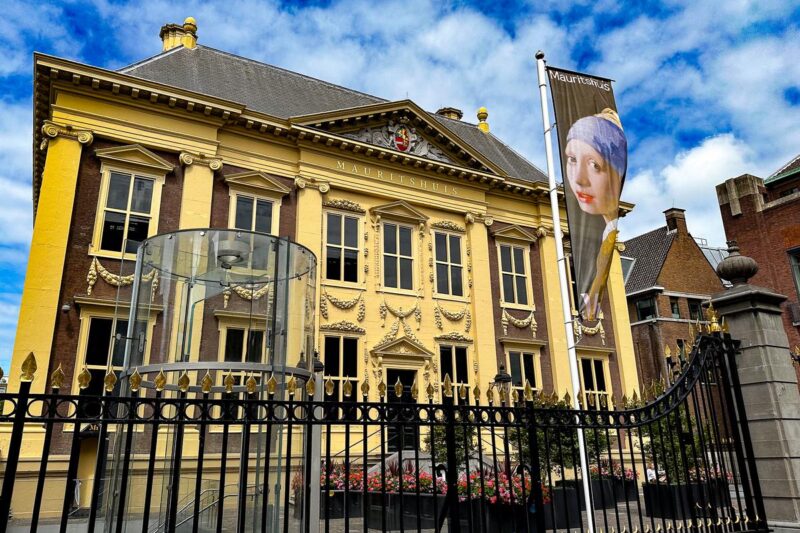
The Hague’s North Sea beach resort — wide sands, a pier with a Ferris wheel, fresh-herring harbor stalls, and the grand 19th-century Kurhaus, 15 minutes from the city center.
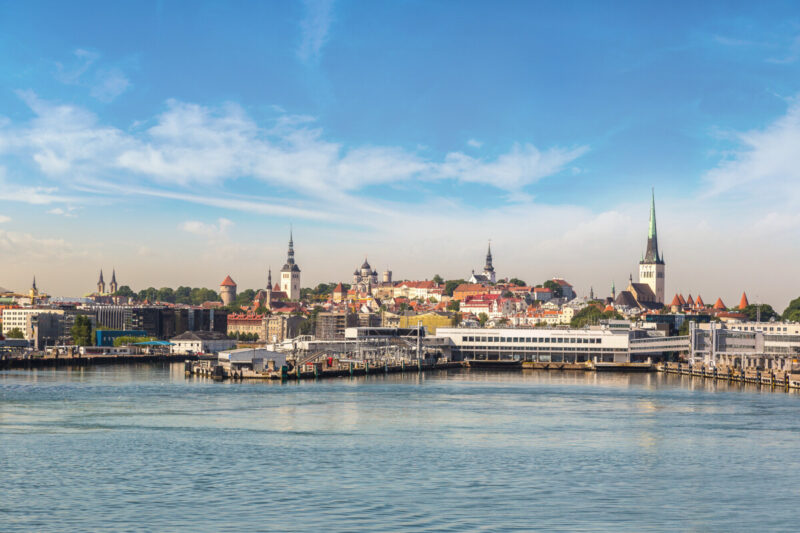
One of the world’s best-preserved medieval town centers — Tallinn’s UNESCO-listed Vanalinn, with 800-year-old walls, Gothic spires, and Northern Europe’s oldest town hall.
Syracuse’s restored downtown entertainment district — late-19th-century commercial buildings now home to restaurants, bars, and boutiques near the Erie Canal Museum.
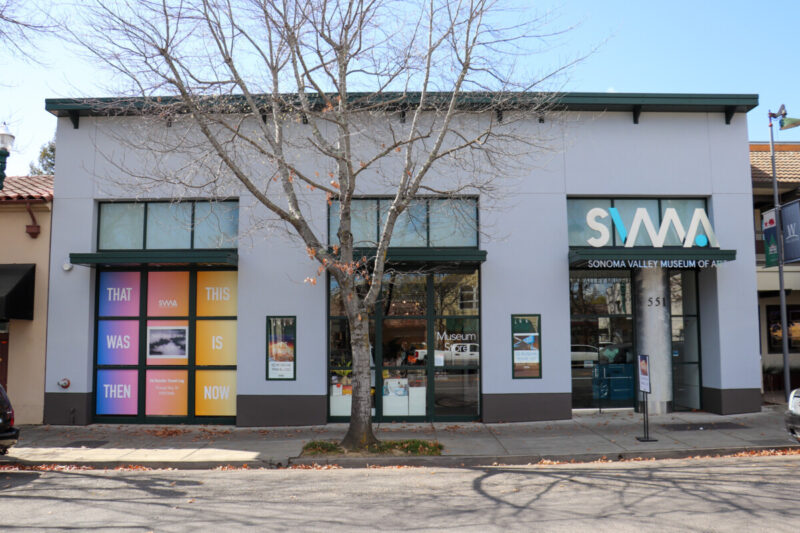
The historic plaza town at the heart of California’s Sonoma Valley wine country — a mission, a central square ringed by tasting rooms, and farm-to-table dining an hour from San Francisco.
The walkable core of St. John’s, Newfoundland — famously colorful ‘Jellybean Row’ houses, the pubs of George Street, and a working harbor beneath Signal Hill.

A luxury district, nightlife hub, upscale dining neighborhood ideal for Luxury shoppers, Fine diners, Nightlife seekers.
A traditional shanghai, classical gardens, tourist center neighborhood ideal for Culture seekers, Garden lovers, Photographers.
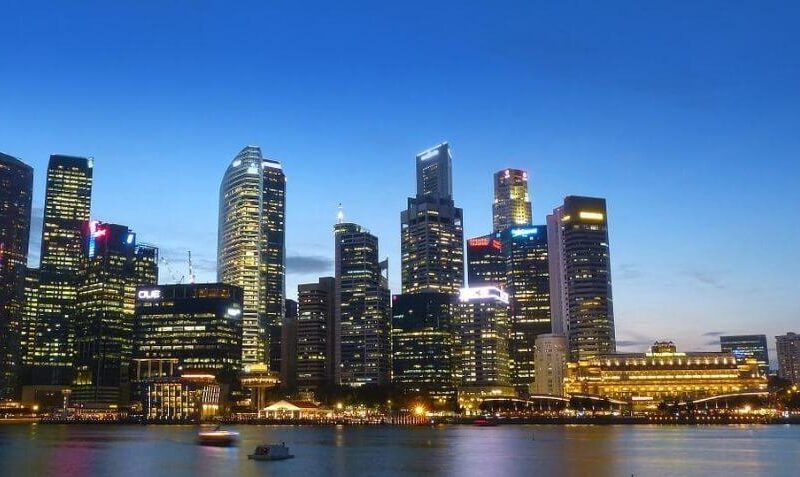
Singapore’s historic Chinatown — shophouse-lined lanes, the Buddha Tooth Relic Temple, the Sri Mariamman Hindu temple, and hawker centers like Maxwell Food Centre.

The revitalized core of Sioux Falls, South Dakota — a walkable district along the Big Sioux River, anchored by Falls Park and a sculpture-lined Phillips Avenue.
A art district, creative quarter, shopping maze neighborhood ideal for Art lovers, Souvenir shoppers, Photographers.
A colonial charm, tree-lined streets, historic quarter neighborhood ideal for History buffs, Architecture lovers, Cafe enthusiasts.

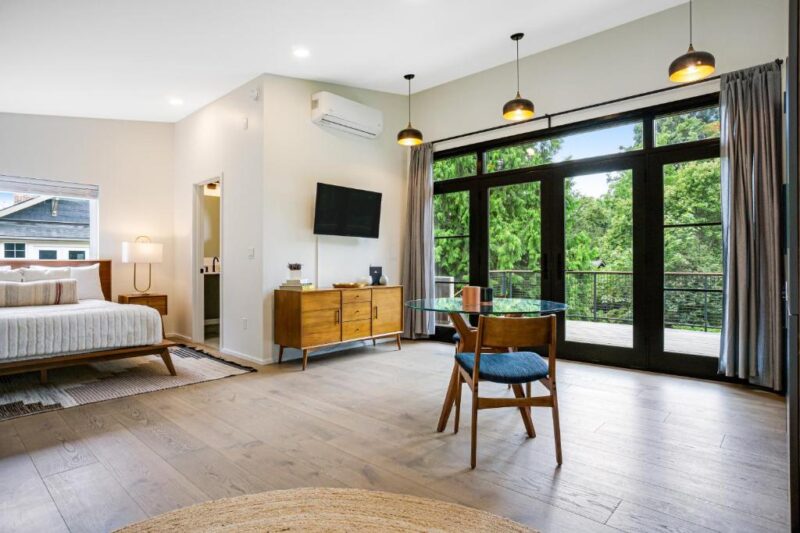
A lgbtq+ hub, counterculture center, nightlife district neighborhood ideal for LGBTQ+ community, Young adults, Art lovers.
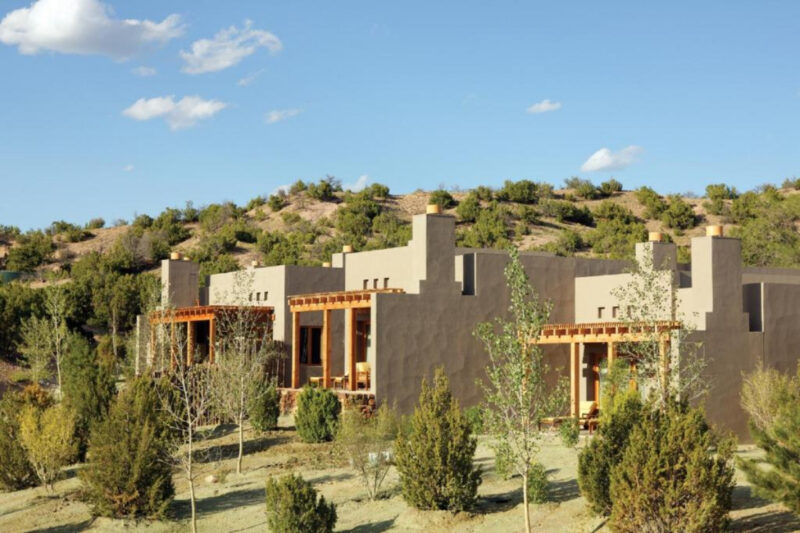
The adobe heart of America’s oldest state capital — the 1610 Santa Fe Plaza, Pueblo Revival architecture, the O’Keeffe Museum, and the galleries of Canyon Road.