


Kop Van Zuid Rotterdam
Rotterdam’s regenerated south-bank waterfront — a showcase of modern architecture by the swan-necked Erasmus Bridge, with the historic Hotel New York and Koolhaas’s De Rotterdam tower.
Working from the road is a logistics problem as much as a lifestyle. This archive zeroes in on reliable Wi-Fi, coworking culture, monthly-rental value, and visa-friendly bases like Chiang Mai, Lisbon, Bali, and Valencia — where a comfortable month can run as little as $800–$1,000 all in. Expect destination breakdowns, cost-of-living math, and tips for staying productive across time zones.
Rotterdam’s regenerated south-bank waterfront — a showcase of modern architecture by the swan-necked Erasmus Bridge, with the historic Hotel New York and Koolhaas’s De Rotterdam tower.
A royal, peaceful, green neighborhood ideal for history buffs, nature lovers, those seeking tranquility.
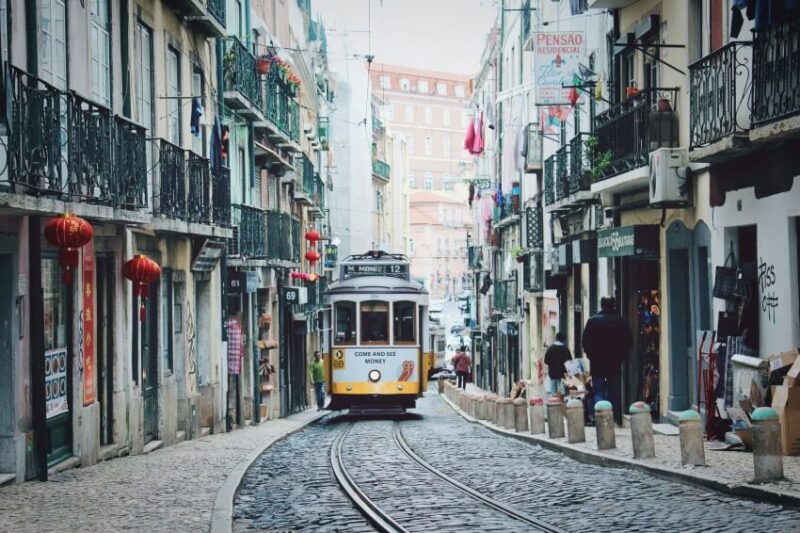
Lisbon’s oldest district, a Moorish-era maze of alleys between São Jorge Castle and the Tagus — birthplace of fado music and route of the vintage Tram 28.
A vibrant, trendy, foodie neighborhood ideal for nightlife seekers, foodies, young travelers.
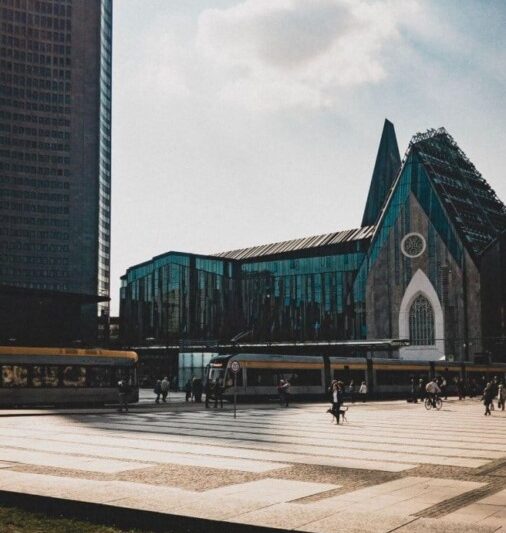
Former industrial quarter in western Leipzig reborn as a creative hub, where the Spinnerei cotton mill now houses artist studios and galleries along the Karl-Heine Canal.
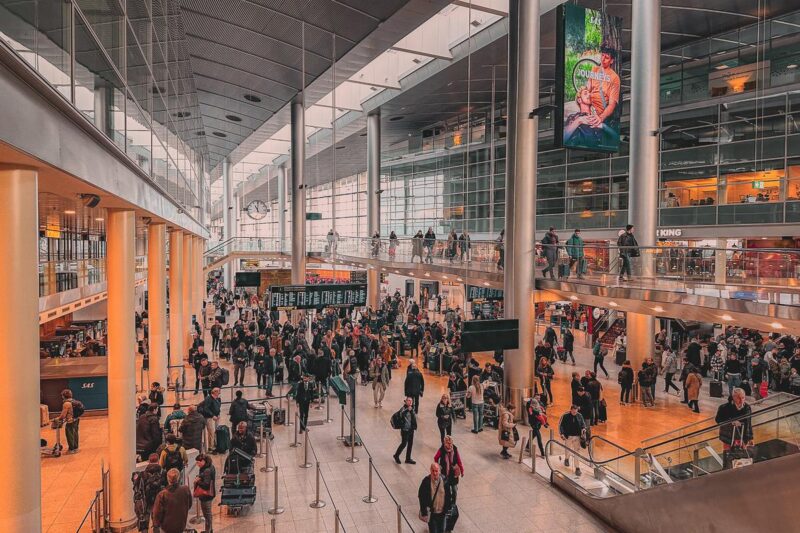
Vesterbro is a former working-class district in central Copenhagen bordering Tivoli, known for Kødbyen meatpacking-district bars, Istedgade’s multicultural street life, and converted industrial nightlife venues.

Centru is Cluj-Napoca’s historic core, anchored by Unirii Square, a 14th-century Gothic church, Baroque palaces, and a walkable café-lined street grid.
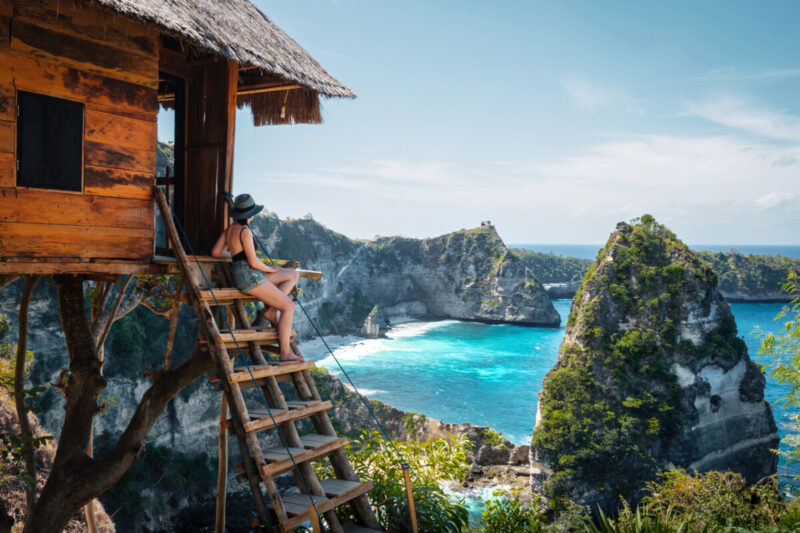
Ubud is Bali’s cultural heartland, set in the central highlands, known for rice terrace landscapes, classical dance performances at Pura Dalem Ubud, and a dense cluster of art galleries along Jalan Raya Ubud.
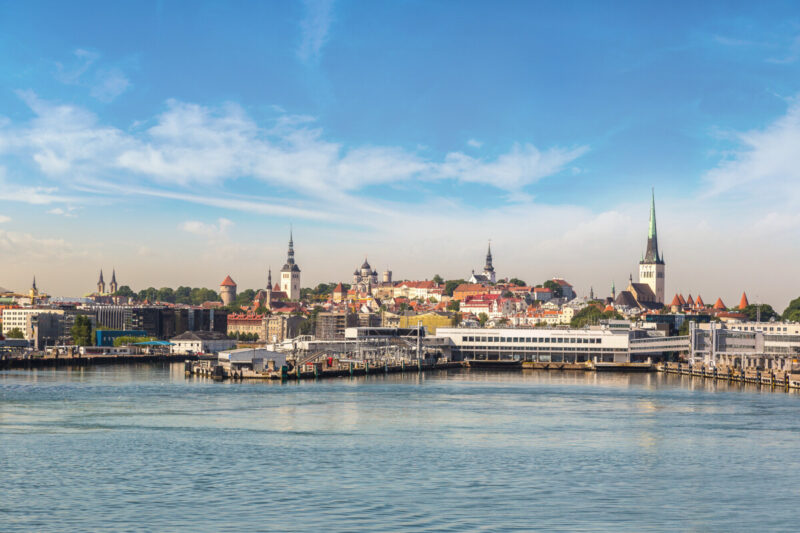


Not every city with a cafe and WiFi is actually livable long-term. These picks have the infrastructure to back it up.

These districts run on good transit, better coffee, and architecture worth craning your neck for — the kind of neighborhoods that make cities feel livable.

Glass towers and good transit are just the start — the best business districts have rooftop bars, serious lunch spots, and art you actually stop for.

250 meters from Charles Bridge, quiet enough to sleep well — that combination is harder to find in Prague 1 than you’d think.

Chiang Mai’s Old City fits 300 temples into a moat-ringed square mile. Skip the tuk-tuk tours — rent a bicycle and find them yourself.
Cluj-Napoca is Romania’s student capital with a Gothic church, a thriving tech scene, and a nightlife that makes it Transylvania’s most surprising city.
Leipzig was Bach’s home, the city where Monday protests toppled the Berlin Wall, and now Germany’s fastest-growing cultural hub — for a fraction of Berlin prices.
Copenhagen runs on bikes, design, and pastries taken seriously. The sustainability focus is real — and so is the Nyhavn waterfront at golden hour.
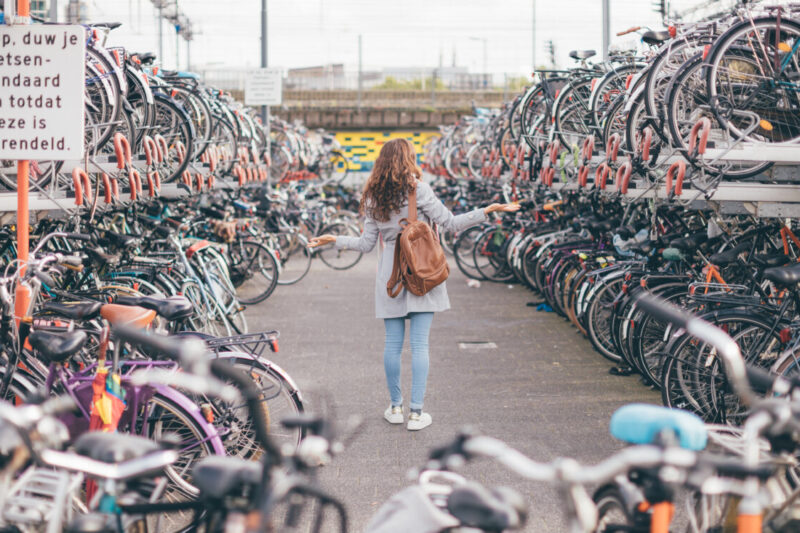
Eindhoven is where Philips started and the Dutch Design Week happens — an industrial city turned creative hub with more innovation per square meter than Amsterdam.