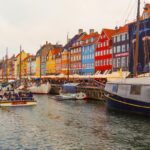
Copenhagen, the capital of Denmark, is a vibrant city known for its stunning architecture, rich history, and a strong focus on sustainability. The city is famous for its picturesque canals, the iconic Little Mermaid statue, and the historic Nyhavn waterfront. With a blend of modern design and traditional charm, Copenhagen offers a unique experience for visitors.
The destination guide
Copenhagen

Travel guides for Copenhagen
Itineraries & day trips (1)
Things to do (1)
Destination stories (1)
More guides featuring Copenhagen (10)
At a glance
CurrencyDKK
Time zoneCentral European Time
Languages
- Danish
Setting
- Harbor city
- Canal waterways
- Scandinavian coastline
- Tivoli gardens
Population794K794,128 residents
VisaDuration: Up to 90 days within any 180-day period in the Schengen Area · Documents: Valid passport issued within the last 10 years and valid for at least 3 months after planned departure, plus proof of accommodation, onward or return travel, and sufficient funds if requested
How Copenhagen scores
7/10OverallGood
Weather6/10
Value for money6/10
Safety9/10
Food & cuisine9/10
Culture & arts4/10
Cultural experience8/10
History8/10
Nature & outdoors6/10
Adventure4/10
Nightlife7/10
Shopping8/10
Family friendly5/10
Romance8/10
Character
Photography score9/10
Authenticity score9/10
Off-the-beaten-path score5/10
Editorial scores on a 10-point scale, weighed against destinations of the same kind.
Travel safety snapshot
Overall88/100High rating
Women travellers90/100
LGBTQ+ travellers90/100
Theft90/100
Medical care90/100
Physical harm88/100
Political freedom86/100
SafePlace indicators use their source 100-point scale; higher is more favourable. Planning context, not a live travel advisory — check official government guidance before you go.
When to go
Best months to visit: April, May, June, July, August and September.
- January: 0.1 to 2.9 degrees Celsius, 21.4 millimetres of rain, best-time score 2 out of 5.
- February: 0.6 to 3.8 degrees Celsius, 9.8 millimetres of rain, best-time score 2 out of 5.
- March: 2.1 to 5.7 degrees Celsius, 8.3 millimetres of rain, best-time score 3 out of 5.
- April: 4.4 to 9.4 degrees Celsius, 10.6 millimetres of rain, best-time score 4 out of 5.
- May: 8.5 to 14.1 degrees Celsius, 21.6 millimetres of rain, best-time score 5 out of 5.
- June: 11.9 to 17.6 degrees Celsius, 16.4 millimetres of rain, best-time score 5 out of 5.
- July: 15.1 to 20.3 degrees Celsius, 6.7 millimetres of rain, best-time score 4 out of 5.
- August: 15.9 to 21.4 degrees Celsius, 38.3 millimetres of rain, best-time score 4 out of 5.
- September: 13.3 to 17.3 degrees Celsius, 17.1 millimetres of rain, best-time score 5 out of 5.
- October: 9.1 to 11.9 degrees Celsius, 20.3 millimetres of rain, best-time score 3 out of 5.
- November: 6.8 to 9.3 degrees Celsius, 6.8 millimetres of rain, best-time score 2 out of 5.
- December: 2.4 to 4.4 degrees Celsius, 30 millimetres of rain, best-time score 3 out of 5.
Month-by-month conditions and packing advice
- January
- Cold weather, mostly dry January in Copenhagen: cold, dark weather limits the harbor-and-bicycle experience outside festive winter moments. Crowds: January is low tourist season in Copenhagen, making it ideal for travelers seeking a quieter, more authentic urban experience. Accommodation prices are generally lower than in the warmer months, and popular attractions like Rosenborg Castle or the National Gallery are far less crowded. Outdoor sightseeing is brisk and best paired with indoor cultural stops to warm up between walks. Limited daylight hours mean planning activities strategically, focusing on museums, galleries, and restaurants for the evenings. Winter sales are common in shops, adding shopping appeal. While cycling is possible, icy conditions make public transit a safer choice. Photographers will appreciate the soft winter light and sparse crowds around landmarks. Booking last-minute deals is feasible, though popular boutique hotels may still require advance reservations. Pack: Insulated winter coat with windproof outer layer; Thermal base layers for warmth during outdoor walks; Waterproof boots with good traction for icy streets; Wool hat and insulated gloves; Scarf or neck warmer for wind protection; Smart casual layers for indoor dining and cultural venues
- February
- Cold weather, mostly dry February in Copenhagen: cold, dark weather limits the harbor-and-bicycle experience outside festive winter moments. Crowds: February is low season in Copenhagen, bringing fewer crowds and more relaxed access to top attractions. Hotel rates are generally lower, and availability is good, though some outdoor activities and seasonal markets are limited by cold weather. It’s an ideal month for travelers who prioritize cultural depth over outdoor sightseeing, as museums, galleries, and architectural tours can be enjoyed without summer congestion. Photography enthusiasts will find soft winter light ideal for capturing the city’s atmospheric character. While cycling culture continues year-round, wind chill can be intense, so many visitors opt for walking or public transit. Booking last-minute is usually possible, but accommodations with cozy amenities fill up faster on weekends. Pack: Insulated winter coat with windproof layer; Water-resistant leather or lined boots; Thermal base layers for added warmth; Wool scarf, gloves, and knit hat; Compact umbrella for light showers; Smart casual layers for indoor dining and museums
- March
- Cold weather, mostly dry March in Copenhagen: seasonal charm is present, but shorter days or unsettled weather make plans more indoor-heavy. Crowds: March falls in Copenhagen’s shoulder season, with cooler weather keeping large tourist crowds at bay and accommodation prices generally lower than in summer. Outdoor activities like canal walks, castle visits, and park strolls are possible with the right clothing, while indoor cultural experiences—such as exploring the National Museum or enjoying hygge-inspired dining—shine during this period. Shorter queues make major attractions more accessible, and early spring events provide a local touch. However, boat tours and some seasonal attractions may have limited schedules. Booking flexible accommodations is advisable to adapt plans to weather shifts. Pack: Insulated waterproof jacket for chilly winds; Warm scarf and gloves for extended outdoor time; Comfortable waterproof walking shoes; Layered sweaters or fleeces for changing conditions; Compact umbrella for light rain or drizzle; Camera with weather protection for outdoor photography
- April
- Cool weather, mostly dry April in Copenhagen: the city is lively and outdoorsy, though peak summer demand or cooler edges require planning. Crowds: April marks the shoulder season in Copenhagen, offering a quieter and more affordable alternative to the summer rush. While temperatures are still cool, the mostly dry weather and increasing daylight create pleasant conditions for walking tours, museum visits, and park explorations. Tourist numbers are moderate, meaning popular attractions like Rosenborg Castle or the Designmuseum Danmark can be enjoyed without peak-season lines. Outdoor seating at cafés begins to return, with heaters and blankets making al fresco dining feasible. Accommodation prices are generally lower than in June–August, making this a cost-effective time to visit. It’s an ideal month for travelers who enjoy cultural immersion without heavy crowds, while still experiencing the city’s awakening spring atmosphere. Pack: Warm, layered clothing for variable spring temperatures; Water-resistant jacket for occasional showers; Comfortable walking shoes for cobblestone streets; Light scarf and gloves for cooler mornings; Reusable water bottle for city exploration; Camera for capturing spring blooms and low-angled light
- May
- Cool weather, mostly dry May in Copenhagen: longer days, bike-friendly weather, harbor life, and manageable crowds create the best city balance. Crowds: May marks the start of Copenhagen’s shoulder season, where the weather is mild enough for comfortable outdoor exploration but before the peak summer crowds arrive. Accommodation prices are generally lower than in June through August, offering better value for centrally located stays. It’s an excellent time for cycling tours, harbor cruises, and day trips to nearby coastal towns, as both weather and daylight hours are highly favorable. Occasional light rain is possible, but it rarely disrupts sightseeing. The city’s parks and botanical gardens are in full bloom, and early-season festivals add cultural depth to the visit. Booking accommodation a few weeks ahead is wise, as weekend demand increases when locals take advantage of the pleasant spring conditions. Pack: Light waterproof jacket for occasional showers; Comfortable walking shoes suitable for cobblestone streets; Layered clothing to adjust to cool mornings and milder afternoons; Scarf or light wrap for breezy conditions; Reusable water bottle for long days exploring; Compact umbrella for unpredictable spring weather
- June
- Warm and pleasant, mostly dry June in Copenhagen: longer days, bike-friendly weather, harbor life, and manageable crowds create the best city balance. Crowds: June marks the start of Copenhagen’s high summer season, attracting both European weekend travelers and longer-stay visitors. The pleasant temperatures and extended daylight hours make it ideal for sightseeing, cycling, and outdoor dining. While it’s not yet peak July tourist volume, popular attractions like Tivoli Gardens and Rosenborg Castle see steady crowds, so booking in advance is wise. Prices for accommodation and flights begin to rise compared to spring but are still slightly below peak midsummer rates. The largely dry conditions favor day trips to coastal villages or island-hopping in the archipelago, and festivals like the Copenhagen Jazz Festival begin to set the summer tone. Travelers seeking both vibrant city energy and manageable crowd levels will find June an excellent balance. Pack: Light jacket or cardigan for cooler evenings; Comfortable walking shoes for cobblestone streets; Reusable water bottle for long sightseeing days; Sunglasses for bright, extended daylight hours; Compact umbrella for the occasional shower; Light scarf for added warmth during breezy moments
- July
- Warm and pleasant, mostly dry July in Copenhagen: the city is lively and outdoorsy, though peak summer demand or cooler edges require planning. Crowds: July marks Copenhagen’s peak summer tourism season, offering ideal conditions for walking tours, cycling, and waterfront dining. Expect lively streets, bustling attractions, and a full calendar of festivals. Accommodation prices and demand are at their highest, so booking well in advance is essential. Outdoor events thrive thanks to the extended daylight, allowing activities from early morning to late evening. Crowds can be significant at landmarks like Tivoli Gardens and the Little Mermaid, so early starts or off-peak visits help maximize enjoyment. The warm, dry weather is perfect for both city exploration and day trips to coastal towns, though it’s wise to plan for sun protection during long days outdoors. Pack: Light jacket or cardigan for cooler evenings; Comfortable walking shoes for cobblestone streets; Sunglasses and SPF 30+ sunscreen; Reusable water bottle for long sightseeing days; Casual yet smart outfits for dining and cultural events; Compact umbrella or light rain jacket for unexpected showers
- August
- Warm and pleasant, some rain August in Copenhagen: the city is lively and outdoorsy, though peak summer demand or cooler edges require planning. Crowds: August is high season in Copenhagen, with consistently pleasant temperatures and relatively low rainfall encouraging both locals and travelers to spend time outdoors. Expect lively public spaces, bustling cafés, and crowded attractions, especially along the harbor and at major landmarks. Accommodation prices are at their peak, and advance bookings for popular restaurants and tours are recommended. The mild evenings are perfect for waterfront dining or night-time canal cruises, while daytime conditions suit both cultural exploration and active pursuits like cycling. Light showers may occur, so flexible scheduling is wise. Visitors can take advantage of extended daylight hours to fit in more activities before autumn begins to cool the city. Pack: Light waterproof jacket for occasional showers; Comfortable walking shoes for cobblestone streets; Layered clothing for changing temperatures; Compact travel umbrella; Daypack for cycling and city exploration; Light scarf for cooler evenings
- September
- Warm and pleasant, mostly dry September in Copenhagen: longer days, bike-friendly weather, harbor life, and manageable crowds create the best city balance. Crowds: September in Copenhagen marks the transition from peak summer into a quieter shoulder season. The weather is still comfortable enough for outdoor exploration, cycling tours, and waterfront strolls, but the drop in tourist numbers brings a calmer atmosphere. Accommodation prices typically begin to ease from their summer highs, and popular attractions become easier to enjoy without long waits. It’s an excellent month for cultural events, as the city hosts food and design festivals that pair perfectly with the mild climate. Short daylight hours haven’t yet set in, allowing ample time for sightseeing before the cooler and darker months arrive. Visitors can expect pleasant conditions with only occasional light showers—making flexibility in daily plans easy to manage. Pack: Light sweater or cardigan for cooler mornings; Water-resistant jacket for occasional showers; Comfortable walking shoes for cobblestone streets; Layered clothing to adjust to changing temperatures; Compact travel umbrella; Scarf for added warmth and style
- October
- Cool weather, mostly dry October in Copenhagen: seasonal charm is present, but shorter days or unsettled weather make plans more indoor-heavy. Crowds: This is shoulder season in Copenhagen, offering a calmer, more atmospheric experience. Cooler temperatures mean fewer outdoor festivals, but it’s perfect for museum visits, architectural walks, and culinary exploration. Crowds are minimal compared to summer, and accommodation rates are generally lower, making it a value-friendly time to visit. While daylight hours are shortening, the softer light is excellent for photography. Occasional light rain calls for flexible planning, but the reduced tourist density allows more intimate encounters with the city’s cultural treasures. Booking ahead is still advised for popular restaurants and special exhibitions, but the overall pace is relaxed, with plenty of opportunities to explore without rush. Pack: Warm, layered clothing including sweaters and light jackets; Water-resistant walking shoes; Compact umbrella for occasional showers; Scarf, gloves, and hat for chilly evenings; Daypack for carrying extra layers and camera gear; Smart-casual attire for dining and cultural events
- November
- Cool weather, mostly dry November in Copenhagen: cold, dark weather limits the harbor-and-bicycle experience outside festive winter moments. Crowds: November sits firmly in Copenhagen’s shoulder season, offering a quieter travel experience before the winter holiday rush. Fewer tourists mean more availability and slightly lower prices on accommodations, though some seasonal attractions may operate on reduced hours. The cool, mostly dry weather is suitable for walking tours, cycling for the hardy, and museum visits, though daylight is limited to about eight hours, requiring itinerary planning around early sunsets. It’s an ideal time for travelers seeking authentic, less-touristy interactions, cozy dining experiences, and cultural immersion over outdoor adventure. Booking flexible accommodations is advisable, as weather changes can prompt last-minute indoor activity pivots. Pack: Warm layered clothing including sweaters and a mid-weight jacket; Water-resistant walking shoes or boots; Scarf, hat, and gloves for wind protection; Compact umbrella for occasional mist or drizzle; Smart casual attire for indoor cultural venues and dining; Daypack to carry extra layers and essentials
- December
- Cold weather, some rain December in Copenhagen: seasonal charm is present, but shorter days or unsettled weather make plans more indoor-heavy. Crowds: December marks Copenhagen’s winter low season for most outdoor sightseeing, though it is a peak period for holiday travelers seeking Christmas markets and hygge-filled evenings. Accommodation rates can be higher in the first half of the month due to festive demand, then drop slightly post-holidays. The weather favors indoor cultural experiences—visiting the National Museum, sampling seasonal Danish pastries, and exploring Tivoli Gardens’ winter lights. Outdoor activities are limited by short daylight and damp cold, but the city’s charm is heightened by its winter ambiance. Booking accommodations near central attractions minimizes exposure to the elements, and travelers should plan for slower-paced itineraries with warm indoor breaks. Pack: Thermal base layers for warmth under clothing; Water-resistant winter coat with hood; Insulated, waterproof walking boots; Wool hat, gloves, and scarf set; Compact travel umbrella for light rain; Smart casual warm outfits for indoor dining and cultural venues

Know before you go
About
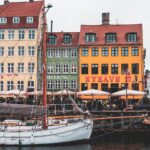
Copenhagen, the capital of Denmark, is a stylish, water-girt city on the island of Zealand, consistently ranked among the world’s most livable and bike-friendly capitals. Founded in 1167 around the site of today’s Christiansborg Palace, the city of about 1.38 million blends centuries of royal history with cutting-edge Scandinavian design and cuisine. Its most beloved landmark is Tivoli Gardens, an enchanting amusement park and pleasure garden opened in 1843, one of the oldest in the world. Along the waterfront, the photogenic 17th-century canal district of Nyhavn lines the harbor with brightly painted townhouses and historic sailing ships, while the bronze Little Mermaid perches on a rock as the city’s emblem. Visitors explore royal palaces, hop between design shops and cozy cafés, and sample the New Nordic food scene that reshaped global dining. With its cycling culture, harbor baths, and effortless elegance, Copenhagen offers a warm, walkable introduction to Danish life and the wider Nordic region.
Neighbourhoods
Copenhagen’s diverse neighborhoods each offer a unique flavor:
- Nørrebro: Hip and multicultural with trendy cafes and vintage shops
- Vesterbro: Former red-light district turned cool with art galleries and craft breweries
- Christianshavn: Canal-lined streets with a bohemian vibe, home to the famous Freetown Christiania
- Østerbro: Upscale area with green spaces and family-friendly attractions
- Indre By: The historic city center, packed with landmarks and shopping opportunities
Explore each area to discover Copenhagen’s multifaceted personality and find your perfect spot in the city.
Best time to visit
The ideal time to explore Copenhagen is from May to September when the weather is mild and the days are long. June to August offers warm temperatures perfect for outdoor activities, but expect larger crowds.
For budget-conscious travelers, March to May and September to October provide a sweet spot of pleasant weather and fewer tourists. Winter visitors can experience the magical Copenhagen Christmas markets, but be prepared for chilly temperatures and shorter daylight hours.
Crowds
Copenhagen peaks in summer (June–August) and during Copenhagen Jazz Festival (July); quietest November–February when daylight is short and visitor numbers drop, though popular sites remain moderately busy on weekends.
Getting there and around
Getting there
Copenhagen is served by Copenhagen Airport (CPH), major Nordic hub located just 8km from city center. Most efficient city access via Metro or regional train, both taking under 15 minutes departing directly from Terminal 3. 3-zone ticket required for this journey. Taxis and buses like 5A line available but take longer. For city navigation, City Pass offers unlimited public transport including buses, trains, Metro, and harbour buses for 24-120 hour periods. Central station Kobenhavns Hovedbanegard provides excellent rail connections to rest of Denmark and international destinations like Malmo and Stockholm in Sweden.
Getting around
Copenhagen is one of Europe’s most effortlessly navigable cities thanks to its well-integrated public transport network, which includes metros, buses, and S-trains, all operating under one ticketing system. The city is also compact and incredibly pedestrian- and cyclist-friendly, making walking or biking often faster and more scenic than taking a vehicle—especially in the historic Indre By and Nyhavn districts. While taxis and rideshare services like Bolt are available, they tend to be expensive and less efficient due to narrow streets and frequent bike traffic. For visitors, a Rejsekort or a City Pass (available for 24 to 120 hours) is a smart investment, offering unlimited travel across all public transport zones and saving both time and money during your stay.
Top experiences in Copenhagen
Nyhavn
Read the place guide →Copenhagen iconic waterfront district featuring colorful 17th-century townhouses, historic wooden ships, and vibrant café culture. Former commercial port now lined with restaurants, bars, and canal boat departures. Essential symbol of Copenhagen charm and perfect for photography, dining, and people-watching.
Tivoli Gardens
Historic amusement park in city center combining thrilling rides, beautiful gardens, and cultural performances since 1843. Features seasonal decorations, open-air concerts, and family attractions. Inspired Walt Disney and remains essential Copenhagen experience blending entertainment with Danish hygge atmosphere.
The Little Mermaid Statue
Copenhagen famous bronze statue inspired by Hans Christian Andersen fairy tale, sitting on waterfront rock since 1913. Though smaller than expected, this cultural icon represents Danish storytelling heritage and attracts millions of visitors. Combine with nearby Kastellet fortress and harbor walks.
Rosenborg Castle
Renaissance castle housing Danish Crown Jewels, royal artifacts, and beautiful gardens. Built by King Christian IV featuring ornate rooms, throne chairs, and crown regalia. Essential for understanding Danish royal history with stunning King’s Garden perfect for picnics and relaxation.
Freetown Christiania
Read the place guide →Alternative community and cultural experiment since 1971 featuring colorful murals, unique architecture, and bohemian atmosphere. Self-governing neighborhood with art galleries, organic restaurants, and alternative lifestyle. Controversial but fascinating glimpse into Danish social experimentation and artistic freedom.
Editor-curated picks carried over from our original guide. Where a full place guide exists, the card links to it.


Worth booking ahead in Copenhagen
Hand-picked from the operators our guides already send readers to. Prices and availability are live on the partner site.
BrowseViator
Tours and tickets in Copenhagen on Viator (opens Viator in a new tab)
Viator's full list of bookable tours and tickets in Copenhagen.
BrowseGetYourGuide
Experiences in Copenhagen on GetYourGuide (opens GetYourGuide in a new tab)
Everything GetYourGuide sells in Copenhagen, with the cancellation terms on each listing.
Where to stayBooking.com
Stays in Copenhagen (opens Booking.com in a new tab)
Live rates and availability for Copenhagen on Booking.com; filter by neighbourhood once you know where your days start.
We earn a commission if you book through these links, at no extra cost to you. It is how we keep the guides free and independent.
Where to stay
Hotel d'Angleterre
Kongens Nytorv 34, 1050 Copenhagen, Denmark
Legendary luxury hotel on prestigious Kongens Nytorv square with royal heritage, world-class spa, and elegant rooms. Features traditional Danish hospitality, Michelin-starred dining, and prime location for exploring Copenhagen cultural attractions and shopping.
Nimb Hotel
Bernstorffsgade 5, 1577 Copenhagen, Denmark
Boutique luxury hotel within Tivoli Gardens with Moorish architecture, rooftop terrace, and unique location. Features intimate atmosphere, world-class dining, and exclusive access to amusement park after hours. Romantic and distinctive Copenhagen experience.
Hotel SP34
Sankt Peders Stræde 34, 1453 Copenhagen, Denmark
Contemporary design hotel in Latin Quarter with modern Scandinavian style, rooftop bar, and vibrant atmosphere. Features sleek rooms, excellent breakfast, and central location perfect for exploring Copenhagen on foot with easy access to attractions and nightlife.
Editor-curated stays carried over from our original guide. Where we have reviewed the hotel, the card links to the review.
Tips from the field
Practical tips
- Currency: Danish Krone (DKK). Cards accepted everywhere — cash rarely needed.
- Getting There: Copenhagen Airport (CPH) connects via Metro M2 to city center (15 minutes, 36 DKK).
- Transportation: Metro, S-tog trains, and buses cover the city. Use Rejsekort travel card or DOT single tickets. Cycling is the best way to get around — rent bikes from 100 DKK/day. Water buses through the harbor are scenic.
- Dining: Copenhagen is expensive but has excellent street food options. Reffen street food market (40-100 DKK). Smørrebrød (open-faced sandwiches) at traditional lunch spots (80-120 DKK). Torvehallerne is the gourmet food hall. Fine dining scene includes multiple Michelin stars (Noma, Geranium).
- Free Attractions: Nyhavn canal walks, The Little Mermaid, Kastellet fortress, Botanical Garden, Assistens Cemetery (Hans Christian Andersen's grave), street art in Nørrebro.
- Tipping: Service included; rounding up appreciated
- Electricity: 230V/50Hz, Type C/K plugs
Culture, customs and safety
Cultural heritage
Copenhagen embodies hygge culture through candlelit cafes, design heritage, and bicycle-friendly streets where 40% of residents commute on two wheels. The Little Mermaid statue honors Hans Christian Andersen’s fairy tales born in the city’s narrow streets. Tivoli Gardens, inspiring Walt Disney, maintains 1843 traditions with wooden roller coasters and pantomime theater. Christiania’s free town experiments with alternative living since 1971, while royal palaces preserve monarchy traditions including the daily changing of guards. Danish design legacy from Arne Jacobsen to LEGO shapes global aesthetics. The city’s commitment to sustainability includes harbor swimming and carbon neutrality goals, while New Nordic cuisine revolutionized fine dining through foraged, local ingredients.
Local customs & etiquette
Danes are known for their egalitarian values, informality, and strict punctuality. A handshake is the common greeting for everyone, and it is best to be on time for any meeting or social gathering. Danes value their personal space and privacy, often appearing reserved until they get to know you.
Safety notes
Copenhagen is one of the world’s safest cities, consistently ranking in the top 10 globally.
General Safety:
• Crime rates are very low for tourists
• Minor pickpocketing risk at Strøget shopping street and Tivoli Gardens
• Christiania (the free town) has its own rules — no photography, no running
Cycling:
• Copenhagen is a cycling city — stay out of designated bike lanes
• Always look for cyclists before crossing
• Rent bikes from Bycyklen or Donkey Republic
Water:
• Harbour swimming is popular and safe at designated spots
• Follow posted guidelines at Copenhagen Harbour Baths
Emergency contacts:
• General: 112
• Police: 114