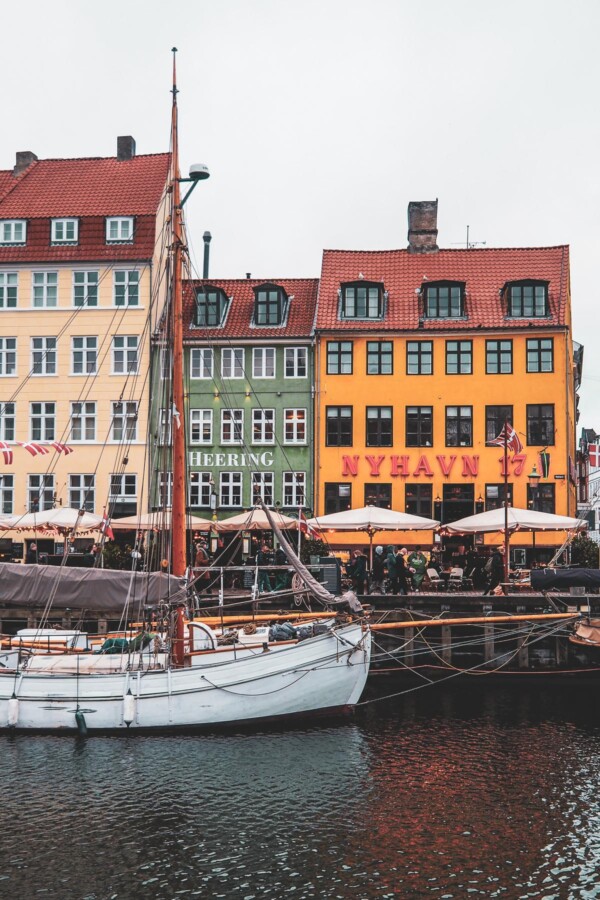
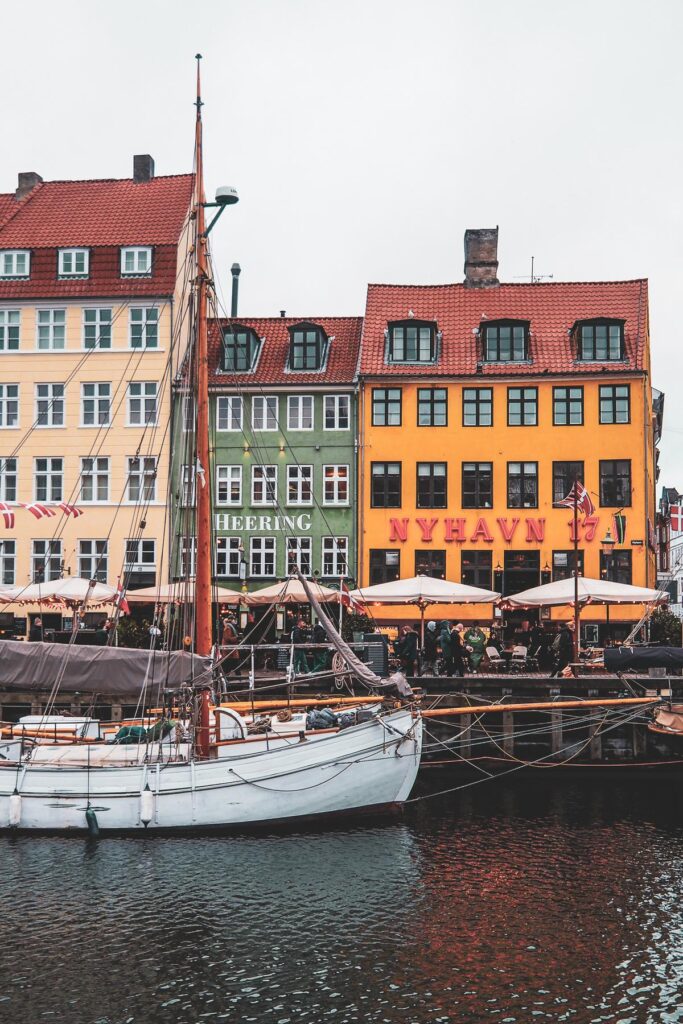
Copenhagen's most photographed canal lined with jewel-toned 17th-century townhouses, outdoor restaurants, and historic wooden sailboats
Global Influence
- Nyhavn is globally recognized as one of the most iconic spots in Copenhagen. It is known for its picturesque waterfront, colorful houses, and lively atmosphere.
- It attracts many international visitors, contributing significantly to Copenhagen’s tourism industry. Many people come to enjoy the canal-side dining, boat tours, and historic charm.
- Nyhavn has influenced global culture and art, serving as a muse for artists, photographers, and writers from around the world due to its unique aesthetic appeal and historical significance.
- The area has been involved in international events and collaborations, hosting cultural festivals, art exhibitions, and maritime celebrations that attract participants and visitors from various countries and foster cultural exchange and global connections.
Historical Impact
- Nyhavn has a rich historical legacy, dating back to the 17th century, and has witnessed significant historical events, including being a bustling commercial port and a hub for maritime trade and shipping activities.
- Copenhagen’s architecture and waterfront have archaeological significance. They reflect the city’s maritime heritage and urban development, with well-preserved historic buildings and canals that showcase its past.
- The area has made substantial contributions to Denmark’s local and national history, playing a vital role in Copenhagen’s economic, cultural, and social development and the country as a whole.
- Numerous notable historical figures, including prominent artists, writers, and political figures, have been associated with Nyhavn, adding to its historical significance and cultural prominence.
Preservation Efforts
- Current preservation projects focus on maintaining and restoring the historic buildings, canals, and public spaces in Nyhavn to ensure the area’s architectural and cultural heritage is preserved for future generations.
- Several organizations, including heritage and conservation groups, are actively involved in preserving Nyhavn and safeguarding its historical and architectural integrity through advocacy, research, and restoration initiatives.
- Preservation efforts receive funding and support from governmental bodies, private donors, and cultural institutions to ensure the sustainable conservation of Nyhavn’s heritage structures and public spaces.
- The local community is actively engaged in preservation efforts, participating in heritage awareness programs, volunteer activities, and community-led initiatives to promote the value of preserving Nyhavn’s historical and cultural significance.
Historical Significance
Nyhavn, meaning “New Harbor” in English, was established by King Christian V of Denmark in the late 17th century, from 1670 to 1673. Originally, it served as a gateway from the sea to the inner city and the old Kongens Nytorv square. The canal was dug to allow ships access to the square, and it was constructed by Danish soldiers and Swedish prisoners of war from the Dano-Swedish War 1658–1660. Notable figures associated with Nyhavn include the renowned Danish author Hans Christian Andersen, who lived in the area during the early half of the 19th century.
Cultural Importance
Nyhavn holds significant cultural relevance within Copenhagen and beyond. The vibrant and picturesque harbor area has become an iconic symbol of the city, attracting locals and visitors alike. It has influenced local traditions, arts, and community activities by serving as a gathering place for artists, musicians, and performers. The annual Nyhavn Jazz Festival emphasizes its cultural impact, drawing jazz enthusiasts worldwide to the waterfront setting.
Architectural Style
The architectural style of Nyhavn is characterized by its colorful 17th-century townhouses and historic ships moored along the canal. The buildings feature traditional Danish elements, including gabled facades and brightly painted exteriors. The area’s architectural charm reflects the maritime heritage of Copenhagen and contributes to its unique visual appeal.
Visitor Experience
Visitors to Nyhavn can expect a delightful experience filled with picturesque views, waterfront dining, and strolls along the canal. While Nyhavn has no guided tours or special exhibitions, the general ambiance is lively and inviting, with numerous cafes, restaurants, and bars lining the waterfront. The area also offers boat tours, providing a unique perspective of the historic harbor from the water.
Accessibility and Amenities
Nyhavn is accessible to different groups, including families and individuals with disabilities. The cobblestone streets and uneven terrain may present challenges for wheelchair users, but the area is generally accommodating. Restrooms, cafes, and gift shops are available, catering to the needs of visitors exploring the harbor and its surroundings.
Best Time to Visit
- Late Afternoon to Early Evening: The lighting is ideal for photography, capturing the vibrant colors and lively atmosphere.
- Evening for the Vibe: The area comes alive with outdoor dining and a festive ambiance, making it perfect for a stroll and enjoying local cuisine.
- Avoiding Peak Tourist Seasons: Visiting during the shoulder seasons (spring or fall) can help avoid crowds and offer a more relaxed experience.
Ratings and Reviews
Nyhavn consistently receives high praise for its picturesque charm, vibrant atmosphere, and scenic waterfront setting. Visitors often commend the array of dining options and the opportunity to enjoy al fresco dining while enjoying the harbor views. Common complaints include the relatively high prices at some establishments and the crowds during peak tourist seasons. Nevertheless, Nyhavn remains a beloved destination, often compared favorably to similar attractions in the area.
Photographic Opportunities
Nyhavn offers countless photogenic spots. The colorful facades of the historic buildings and the moored ships’ masts create stunning backdrops for photographs. The late afternoon and early evening present ideal lighting conditions for capturing the vibrant hues of the harbor, and the area’s waterfront promenade provides excellent vantage points for capturing memorable images of this iconic location.
- Universal Appeal and Cultural Authenticity (85/100):
- Nyhavn is a globally recognized destination and one of the most iconic spots in Copenhagen.
- The vibrant and picturesque atmosphere, colorful houses, and historic ships appeal to a broad audience, from international tourists to residents.
- While bustling with tourist activity, Nyhavn successfully preserves its cultural authenticity, maintaining a unique charm true to Danish life.
- Cultural Richness and Educational Value (75/100):
- Nyhavn’s historical significance, dating back to the 17th century and including associations with Hans Christian Andersen, enhances its cultural richness.
- The annual Nyhavn Jazz Festival and abundant artistic influence contribute to its cultural relevance.
- Although rich in history, educational engagement opportunities such as guided tours or exhibitions are limited.
- Preservation and Integrity (90/100):
- Efforts to maintain and restore the historic buildings and public spaces are highly effective, ensuring Nyhavn’s architectural and cultural integrity.
- Active involvement from governmental bodies, private donors, and heritage associations supports continual preservation projects.
- The local community’s engagement in conservation initiatives strengthens these preservation efforts.
- Accessibility and Visitor Engagement (80/100):
- Nyhavn is accessible to a wide audience and offers amenities like cafes, restaurants, restrooms, and gift shops.
- Cobblestone streets and uneven terrain may present challenges for wheelchair users, though generally, the area is accommodating.
- Visitor engagement is high due to the lively atmosphere, which includes numerous dining options and opportunities for canal tours. However, interactive learning experiences are fewer.
Lining the waterfront of Copenhagen‘s old harbor with a rainbow of 17th and 18th-century townhouses, Nyhavn (“New Harbor”) embodies the essence of the Danish capital’s maritime heritage while showcasing the colorful architectural charm that defines the city’s visual identity. Originally built in the 1670s under King Christian V as a gateway from the sea to the royal palace, this canal district quickly became home to sailors, alehouses, and literary figures rather than the wealthy merchants for whom it was intended—Hans Christian Andersen lived at three different Nyhavn addresses and wrote his first fairy tales here. The canal’s north side preserves the oldest wooden house in Copenhagen (No. 9, built 1681), while the sunny southern side features the distinctive brightly-painted merchants’ houses that appear in countless photographs of Denmark. Wooden ships representing four centuries of Danish seafaring tradition line the quayside, including several museum vessels that can be toured. Beyond its pictorial appeal, Nyhavn demonstrates the contemporary Danish genius for public space—once a rough sailor’s quarter, it has transformed into a pedestrianized cultural hub where restaurants spill onto the quayside and locals and visitors gather year-round for seasonal markets, jazz performances, and the distinctively Danish concept of hygge (coziness) amplified by the protective embrace of the historic buildings surrounding the harbor.
Cultural Context
Nyhavn stands as Copenhagen’s most iconic waterfront district, embodying 350 years of Danish maritime heritage and cultural evolution. Constructed between 1670-1675 by King Christian V as “Den Nye Havn” (The New Harbor), this canal was dug by Swedish prisoners of war to create a crucial commercial link between the sea and Kongens Nytorv. The famous colorful houses (dating from 1681 onwards) weren’t just aesthetic choices—their vibrant yellows, reds, and oranges served as practical navigation aids for sailors returning from voyages, with each color helping them locate their lodgings after nights in the harbor’s notorious taverns and alehouses. Nyhavn holds profound literary significance as the longtime home of Hans Christian Andersen, who lived in houses 18, 20, and 67, penning immortal fairy tales including “The Tinderbox,” “The Princess and the Pea,” and “Little Claus and Big Claus” while residing at number 20. Today, this UNESCO-protected harbor represents the perfect synthesis of preservation and living culture, where historic wooden ships coexist with modern dining, jazz festivals fill summer air, and the Christmas market creates Denmark’s most magical winter atmosphere.
Historical Context
Nyhavn, which translates to “New Harbor,” was constructed in the late 17th century, specifically between 1670 and 1673, under the reign of King Christian V. Originally designed as a commercial port to facilitate maritime trade, Nyhavn served as a bustling hub for sailors, merchants, and ship crews arriving in Copenhagen. Over the centuries, it evolved from a working harbor filled with warehouses and shipyards into a vibrant social and cultural district. Notably, the famous Danish author Hans Christian Andersen lived at Nyhavn for nearly two decades, from 1838 to 1872, during which time he wrote many of his beloved fairy tales. The area experienced decline in the early 20th century as shipping activities moved elsewhere, but a major revitalization effort in the 1970s transformed Nyhavn into a lively promenade lined with restaurants, cafes, and bars, preserving its historical charm while adapting to contemporary urban life. Today, Nyhavn stands as a testament to Copenhagen’s maritime heritage and urban renewal, reflecting layers of history from its origins as a working harbor to its current status as a cherished cultural landmark.