MenuClose

A place worth knowing

Freetown Christiania

Attractions · District in CopenhagenUpdated

  • Google rating4.0/5
  • Typical visit1-2 hours (longer with dining or gallery visits)
  • EntranceFree
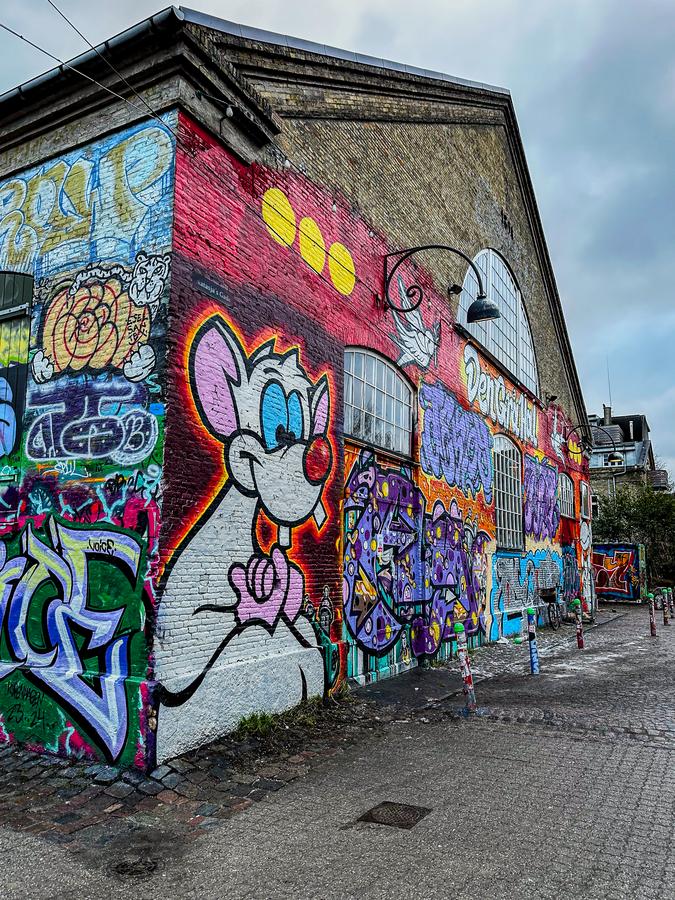
Den Grå Hal vibrant street art, Freetown Christiania, Copenhagen - urban counterculture hub
Opening hours all week
Monday
Open 24 hours
Tuesday
Open 24 hours
Wednesday
Open 24 hours
Thursday
Open 24 hours
Friday
Open 24 hours
Saturday
Open 24 hours
Sunday
Open 24 hours
Den Grå Hal vibrant street art, Freetown Christiania, Copenhagen - urban counterculture hub
The short answer

Why it matters

A self-proclaimed autonomous commune in a former military barracks, famous for its anarchist ideals, street art, and organic eateries since 1971

A Brief History: The Birth of a Hippie Haven

Freetown Christiania emerged in 1971 when a group of free-spirited individuals occupied an abandoned military base in Copenhagen’s Christianshavn neighborhood. What started as a squatter settlement quickly evolved into a self-governing community with its rules and social norms. The Danish government initially viewed Christiania as a “social experiment” and allowed it to operate under special conditions. Over the years, the community has faced various challenges, including legal disputes and attempts at normalization, but has managed to maintain its distinct character and autonomy.

Navigating Christiania: What to Expect

As you enter Freetown Christiania, you’ll immediately notice the stark contrast to the rest of Copenhagen. The area is an incredible community of colorful buildings, street art, and alternative lifestyles. Here’s what you can expect during your visit:
  1. Pusher Street: The infamous “Green Light District”

Pusher Street, once known for its open cannabis trade, has undergone significant changes in recent years. While the sale of cannabis is no longer tolerated, the street remains a central hub of activity in Christiania. Visitors can explore the various stalls selling handmade crafts, clothing, and jewelry.
  1. Stunning Street Art and Murals

Christiania is a paradise for street art enthusiasts. The walls of buildings and fences are adorned with colorful murals, graffiti, and thought-provoking artwork. Each piece tells a story and reflects the community’s creative spirit.
  1. Unique Architecture and Sustainable Living

One of the most striking aspects of Christiania is its eclectic architecture. From repurposed military barracks to whimsical self-built homes, the district showcases innovative approaches to sustainable living. Many structures incorporate recycled materials and eco-friendly design principles.
  1. Green Spaces and Nature

Despite its urban location, Christiania boasts numerous green spaces and gardens. The community strongly emphasizes environmental consciousness, and you’ll find plenty of areas to relax and connect with nature.
  1. Music and Cultural Scene

Christiania has a rich cultural heritage and hosts various events throughout the year. From live music performances to art exhibitions and workshops, there’s always something happening in this dynamic community.

Do’s and Don’ts: Respecting Christiania’s Culture

To ensure a positive experience and show respect for the local community, keep these guidelines in mind: Do:
  • Explore with an open mind and curiosity
  • Support local businesses by purchasing handmade goods
  • Engage in friendly conversations with residents (if they’re open to it)
  • Enjoy the unique atmosphere and artistic expressions
Don’t:
  • Take photos on Pusher Street or of individuals without permission
  • Engage in illegal activities or purchase drugs • Litter or disrespect the environment
  • Treat Christiania as a theme park – remember, it’s a living community

Hidden Gems: Off-the-Beaten-Path Experiences

While Pusher Street and the main thoroughfares attract most visitors, Christiania has many hidden treasures waiting to be discovered. Here are some lesser-known spots to explore:
  1. The Children’s Theater

Tucked away in a corner of Christiania, the Children’s Theater hosts delightful performances and workshops for young visitors. It’s a testament to the community’s commitment to nurturing creativity from an early age.
  1. The Meditation House

For those seeking tranquility, the Meditation House offers a safe space for reflection and mindfulness practice. Its unique architecture and peaceful ambiance starkly contrast the bustling energy of other parts of Christiania.
  1. The Blacksmith’s Workshop

Witness traditional craftsmanship in action at the Blacksmith’s Workshop. Here, skilled artisans create intricate metalwork using time-honored techniques, showing Christiania’s dedication to preserving traditional skills.
  1. The Recycling Station

Christiania’s commitment to sustainability is evident in its impressive recycling station. This innovative facility showcases creative ways to repurpose materials and reduce waste, inspiring eco-conscious visitors.

Culinary Delights: Vegan and Vegetarian Paradise

Christiania is a haven for plant-based food lovers. The district boasts an array of vegan and vegetarian cafes and restaurants, each offering unique culinary experiences:
  1. Morgenstedet: This cozy vegetarian cafe serves delicious organic meals in a charming, rustic setting. Their menu changes daily, ensuring fresh, seasonal offerings.
  2. Grønsagen: A vegan fast-food joint that proves plant-based cuisine can be both delicious and convenient. Try their famous vegan burgers and fries.
  3. Loppen: While primarily known as a music venue, Loppen also offers a fantastic vegetarian brunch on weekends, featuring an eclectic mix of dishes.
  4. Månefiskeren: This cafe and cultural center serves tasty vegetarian fare and has a program of live music and events.

The Impact of Tourism: Balancing Preservation and Accessibility

As Christiania has gained popularity among tourists, the community faces the challenge of preserving its unique character while accommodating visitors. The influx of tourists has brought both opportunities and concerns:

Positive impacts:

  • Economic boost for local businesses
  • Increased awareness of alternative lifestyles and sustainable living
  • Cultural exchange between residents and visitors

Challenges:

  • Potential commercialization and loss of authenticity
  • Strain on local infrastructure and resources
  • Disruption of daily life for residents
To address these challenges, Christiania has implemented various measures, including guided tours led by residents, designated visitor areas, and community-led initiatives to educate tourists about the district’s history and values.


A radical social experiment nestled within the Danish capital, Freetown Christiania emerged in 1971 when countercultural squatters occupied an abandoned military base in Copenhagen‘s Christianshavn district. This 84-acre autonomous enclave operates according to its own set of principles—self-governance, collective ownership, sustainability, and artistic expression—creating a vivid contrast to the city’s otherwise orderly urban landscape. Visitors enter through a wooden gate beneath a sign reading ‘You are now leaving the European Union’ to discover a parallel world of colorful DIY architecture, imaginative street art, communal workshops, music venues, and organic eateries. While formerly known for its open cannabis market along ‘Pusher Street’ (a practice that has faced increasing legal challenges), Christiania’s true significance lies in its exploration of alternative social structures and creative living. Now home to approximately 900 residents, the community represents one of Europe’s longest-running social experiments, maintaining its distinctive character despite ongoing negotiations with Danish authorities over its legal status. Beyond the sometimes oversimplified reputation as a hippie haven, Christiania offers a thought-provoking glimpse into the possibilities and challenges of creating community outside conventional social systems.

Cultural Context

Unique autonomous intentional community representing 1970s counterculture and alternative lifestyle movement. Operates as anarchist commune with consensus democracy, communal ownership, and independent governance, symbolizing freedom and defiance of conventional society within urban Copenhagen.

Historical Context

Established in 1971 when hippies occupied abandoned military barracks during counterculture movement. Evolved over 50+ years into self-governing community of 850-1000 residents with own laws, flag, and social system independent of Danish government, becoming global symbol of alternative living.

Context

Story and significance

About

Freetown Christiania, nestled in Copenhagen’s Christianshavn district, stands as a testament to the power of communal living and the enduring spirit of rebellion. Born in 1971 from the ashes of a forsaken military base, Christiania evolved into an intentional community where the ideals of freedom and creativity reign supreme.

This enclave distinguishes itself not just through its notorious Pusher Street, where the scent of cannabis permeates the air in defiance of Danish law, but also through its vibrant display of art, architecture, and a lifestyle untethered by conventional norms. Visitors to Freetown Christiania embark on a journey through cobblestone alleys and kaleidoscopic murals, witnessing firsthand the community’s commitment to sustainability and artistic expression.

Historical significance

Christiania is historically significant as a high-profile experiment in autonomous urban living and alternative governance that challenged conventional urban policy and property norms. It has influenced debates on urban commons, squatting, cultural autonomy and the limits of tolerance in modern European cities.

Historical context

Christiania was established in the early 1970s when squatters occupied disused military barracks and developed a self-managed community with its own rules and social organization, emerging amid broader countercultural movements in Europe. Over subsequent decades it has faced legal, social and development pressures while evolving through internal governance changes and external negotiations with the Danish state.

Cultural context

Freetown Christiania is an intentionally self-governed district in Copenhagen known for its alternative lifestyle, communal living, street art and a distinctive open social scene that draws tourists and residents seeking an alternative urban culture. It functions as a site for independent culture, music venues, craft workshops and communal initiatives, though its status and activities have been subjects of ongoing negotiation with municipal authorities.

Architecture

Built and adapted from former military structures, Christiania’s built environment mixes improvised wooden houses, colourful murals and repurposed industrial buildings, reflecting vernacular, DIY construction and a strong emphasis on individual expression. The area’s visual character is defined more by artistic decoration and ad hoc architecture than by formal styles or preservation of a single period aesthetic.

Local significance

Freetown Christiania occupies a singular place in Copenhagen’s civic imagination as a self‑declared autonomous neighborhood known for collective living, alternative culture and political activism; many Danes view it as both a countercultural symbol and a contested space within urban policy debates about property, public order and cultural preservation. For residents it is a community with its own norms, social projects and creative economy, while for the city it provides nightlife, tourism and ongoing negotiations over autonomy and integration.

Editorial scores

How we rate it

Universal appeal & authenticity10/10
Cultural richness & educational value10/10
Preservation & integrity10/10
Accessibility & visitor engagement10/10

Editorial scores on a 10-point scale, judged against places of the same kind.

Updated Data: Editorial research · Google Places ratings · Verified coordinates