Denmark enchants visitors with its blend of modern Scandinavian design, rich Viking heritage, and fairytale ambiance. Copenhagen, its vibrant capital, offers colorful historic harbors, innovative culinary experiences, and the whimsical Tivoli Gardens amusement park. Beyond the city, discover pristine beaches along the Danish Riviera, cycle through countryside dotted with half-timbered houses and ancient burial mounds, or experience the dramatic sand-buried lighthouse at Rubjerg Knude. With excellent public transportation, bike-friendly cities, and an emphasis on “hygge” (cozy contentment), Denmark provides a perfect balance of cultural immersion and outdoor adventure in a compact, accessible country.
The destination guide
Denmark

Country in EuropeUpdated
- Overall8/10
- Best forFamilies, Couples, Luxury travelers
- CurrencyDKK
Tivoli Gardens took half my day and I regret nothing. The real Denmark, though, is cycling past half-timbered houses to a sand-buried lighthouse.
Travel guides for Denmark
More guides featuring Denmark (6)
At a glance
CurrencyDKK
Time zoneCopenhagen UTC+01:00Europe/Copenhagen UTC+01:00
Languages
- Danish
Setting
- Coastal beaches
- Viking heritage
- Lush green islands
- Fairy-tale castles
Population5.8M5,800,000 residents
VisaDuration: Up to 90 days within any 180-day period in the Schengen Area · Documents: Valid passport issued within the last 10 years and valid for at least 3 months after planned departure, plus proof of accommodation, onward or return travel, and sufficient funds if requested
How Denmark scores
8/10OverallExcellent
Weather6/10
Value for money7/10
Safety8/10
Food & cuisine5/10
Culture & arts6/10
Cultural experience6/10
Nature & outdoors4/10
Adventure4/10
Nightlife6/10
Shopping7/10
Family friendly9/10
Romance9/10
Editorial scores on a 10-point scale, weighed against destinations of the same kind.
Travel safety snapshot
Overall94/100High rating
Women travellers95/100
LGBTQ+ travellers92/100
Theft90/100
Medical care93/100
Physical harm93/100
Political freedom90/100
SafePlace indicators use their source 100-point scale; higher is more favourable. Planning context, not a live travel advisory — check official government guidance before you go.
When to go
Best months to visit: April, May, June, July, August, September, October and December.
- January: 0 to 4.1 degrees Celsius, 72 millimetres of rain, best-time score 2 out of 5.
- February: 0.3 to 5 degrees Celsius, 67.7 millimetres of rain, best-time score 2 out of 5.
- March: 0.7 to 7.4 degrees Celsius, 52.6 millimetres of rain, best-time score 3 out of 5.
- April: 3 to 11.2 degrees Celsius, 59.9 millimetres of rain, best-time score 4 out of 5.
- May: 7.3 to 15.9 degrees Celsius, 62.2 millimetres of rain, best-time score 5 out of 5.
- June: 11.2 to 19.4 degrees Celsius, 82.5 millimetres of rain, best-time score 5 out of 5.
- July: 12.7 to 20.1 degrees Celsius, 99.6 millimetres of rain, best-time score 5 out of 5.
- August: 12.8 to 20.2 degrees Celsius, 77.1 millimetres of rain, best-time score 5 out of 5.
- September: 10.9 to 17.5 degrees Celsius, 73.8 millimetres of rain, best-time score 5 out of 5.
- October: 7.8 to 12.6 degrees Celsius, 86.9 millimetres of rain, best-time score 4 out of 5.
- November: 3.6 to 7.7 degrees Celsius, 56.2 millimetres of rain, best-time score 3 out of 5.
- December: 1.7 to 5.3 degrees Celsius, 64.3 millimetres of rain, best-time score 4 out of 5.
Month-by-month conditions and packing advice
- January
- Cold, some rain January in Denmark: cold, dark winter conditions make broad travel less flexible. Crowds: January in Denmark is workable with normal seasonal planning; build in layers, weather checks, and a mix of indoor and outdoor activities. Pack: Pack warm layers, a coat, and comfortable shoes for cold mornings and evenings. Add a rain jacket or compact umbrella.
- February
- Cold, occasional rain February in Denmark: cold, dark winter conditions make broad travel less flexible. Crowds: February in Denmark is workable with normal seasonal planning; build in layers, weather checks, and a mix of indoor and outdoor activities. Pack: Pack warm layers, a coat, and comfortable shoes for cold mornings and evenings.
- March
- Cold, occasional rain March in Denmark: cool, windy transition weather narrows outdoor plans. Crowds: March in Denmark is workable with normal seasonal planning; build in layers, weather checks, and a mix of indoor and outdoor activities. Pack: Pack warm layers, a coat, and comfortable shoes for cold mornings and evenings.
- April
- Cool to mild, occasional rain April in Denmark: spring, fall, or festive winter timing can work with layers and weather planning. Crowds: April in Denmark is workable with normal seasonal planning; build in layers, weather checks, and a mix of indoor and outdoor activities. Pack: Pack warm layers, a coat, and comfortable shoes for cold mornings and evenings.
- May
- Cool to mild, occasional rain May in Denmark: long days, cycling, Copenhagen, coast, islands, food halls, and outdoor culture are most accessible. Crowds: May in Denmark is workable with normal seasonal planning; build in layers, weather checks, and a mix of indoor and outdoor activities. Pack: Pack layered clothing and comfortable walking shoes.
- June
- Cool to mild, some rain June in Denmark: long days, cycling, Copenhagen, coast, islands, food halls, and outdoor culture are most accessible. Crowds: June in Denmark is workable with normal seasonal planning; build in layers, weather checks, and a mix of indoor and outdoor activities. Pack: Pack layered clothing and comfortable walking shoes. Add a rain jacket or compact umbrella.
- July
- Mild to warm, some rain July in Denmark: long days, cycling, Copenhagen, coast, islands, food halls, and outdoor culture are most accessible. Crowds: July in Denmark is workable with normal seasonal planning; build in layers, weather checks, and a mix of indoor and outdoor activities. Pack: Pack layered clothing and comfortable walking shoes. Add a rain jacket or compact umbrella.
- August
- Mild to warm, some rain August in Denmark: long days, cycling, Copenhagen, coast, islands, food halls, and outdoor culture are most accessible. Crowds: August in Denmark is workable with normal seasonal planning; build in layers, weather checks, and a mix of indoor and outdoor activities. Pack: Pack layered clothing and comfortable walking shoes. Add a rain jacket or compact umbrella.
- September
- Cool to mild, some rain September in Denmark: long days, cycling, Copenhagen, coast, islands, food halls, and outdoor culture are most accessible. Crowds: September in Denmark is workable with normal seasonal planning; build in layers, weather checks, and a mix of indoor and outdoor activities. Pack: Pack layered clothing and comfortable walking shoes. Add a rain jacket or compact umbrella.
- October
- Cool to mild, some rain October in Denmark: spring, fall, or festive winter timing can work with layers and weather planning. Crowds: October in Denmark is workable with normal seasonal planning; build in layers, weather checks, and a mix of indoor and outdoor activities. Pack: Pack layered clothing and comfortable walking shoes. Add a rain jacket or compact umbrella.
- November
- Cold, occasional rain November in Denmark: cool, windy transition weather narrows outdoor plans. Crowds: November in Denmark is workable with normal seasonal planning; build in layers, weather checks, and a mix of indoor and outdoor activities. Pack: Pack layered clothing and comfortable walking shoes.
- December
- Cold, occasional rain December in Denmark: spring, fall, or festive winter timing can work with layers and weather planning. Crowds: December in Denmark is workable with normal seasonal planning; build in layers, weather checks, and a mix of indoor and outdoor activities. Pack: Pack warm layers, a coat, and comfortable shoes for cold mornings and evenings.
Know before you go
Best time to visit
The best time to visit Denmark is from May through September, when the Scandinavian summer delivers long daylight hours, mild temperatures between 15-22°C (59-72°F), and an abundance of outdoor festivals and activities. June through August is peak season with the warmest weather and up to 17 hours of daylight.
Spring (April-May)
Spring brings blossoming landscapes and moderate crowds. May offers increasingly warm weather and the opening of Tivoli Gardens. Temperatures range from 10-17°C (50-63°F) with longer days.
Summer (June-August)
Peak season with the warmest weather and longest days. Outdoor dining at Nyhavn, beach trips, music festivals, and cycling through the countryside are at their best. Expect higher prices and more tourists, especially in Copenhagen.
Autumn (September-October)
Early autumn still offers pleasant weather around 12-17°C (54-63°F) with beautiful fall foliage and cultural events like Kulturnatten in Copenhagen. Fewer tourists and lower prices than summer.
Winter (November-March)
Cold and dark but deeply atmospheric. Christmas markets, hygge culture, cozy cafés, and festive decorations transform the cities. January and February are the most affordable months. Temperatures hover around 0-5°C (32-41°F).
Season by season
Summer (June-Aug):
Weather: 15-25°C, sunny (long days)
Highlights: Sankt Hans Aften (Bonfires)
Best For: Cycling
Winter (Nov-Feb):
Weather: 0-5°C, dark
Highlights: Hygge, Christmas Markets
Best For: Cozy cafes
Spring (April-May):
Weather: 10-15°C, blooming
Highlights: Tivoli opens
Best For: Parks
Fall (Sept-Oct):
Weather: 10-15°C, windy
Highlights: Culture Night
Best For: Museums
Crowds
Denmark attracts most tourists in summer (June–August), especially Copenhagen and coastal destinations, and for events like Roskilde Festival (late June); quietest in winter (November–February) aside from holiday markets, with overall moderate, seasonally concentrated crowds.
Getting there and around
Getting there
Denmark, key Scandinavian nation and Schengen Area member, is accessed via Copenhagen Airport (CPH), major international hub with extensive global connections. Also served by smaller international airports in Billund (BLL) and Aarhus (AAR). Geography enables excellent sea connections with major ferry operators like DFDS and Stena Line linking to Norway, Germany, and Sweden. Connected to mainland Europe by road through German border and to Sweden via Oresund Bridge. National rail operator DSB manages efficient train network connecting to rest of Europe, particularly Germany and Sweden.
Getting around
Experience Denmark’s world-class transport integration where single tickets access buses, trains, metros, and harbor buses across Copenhagen and Zealand. Board DSB national trains from Copenhagen reaching Aarhus (3 hours), Aalborg (4 hours), and Odense (90 minutes)—book DSB Orange off-peak tickets up to two months ahead for best value. Navigate Copenhagen’s four metro lines (M1-M4) in spacious gray trains with comfortable seating, reaching the airport via M2 in under 15 minutes with a 3-zone ticket (DKK 36). Embrace Denmark’s cycling soul with over 12,000km of routes nationwide and 400km of Copenhagen bike paths—nine out of ten Danes own bikes, making cycling a way of life, not just transport. Bring bikes free on S-trains and buses, but pay for metro/regional trains outside rush hours (7-9am, 3:30-5:30pm weekdays). Use Rejseplanen journey planner and DOT Tickets app for seamless travel across this integrated network. Remember: Danes joke they’re born on bike backs—join Europe’s most efficient transport system combining trains, cycles, and connectivity.
In pictures

Terrible – Konditorskole / Viator 

Copenhagen Denmark Boats

Kyle Kroeger / ViaTravelers 

748Rita / TripAdvisor 
stella s / TripAdvisor
Top experiences in Denmark
Tivoli Gardens
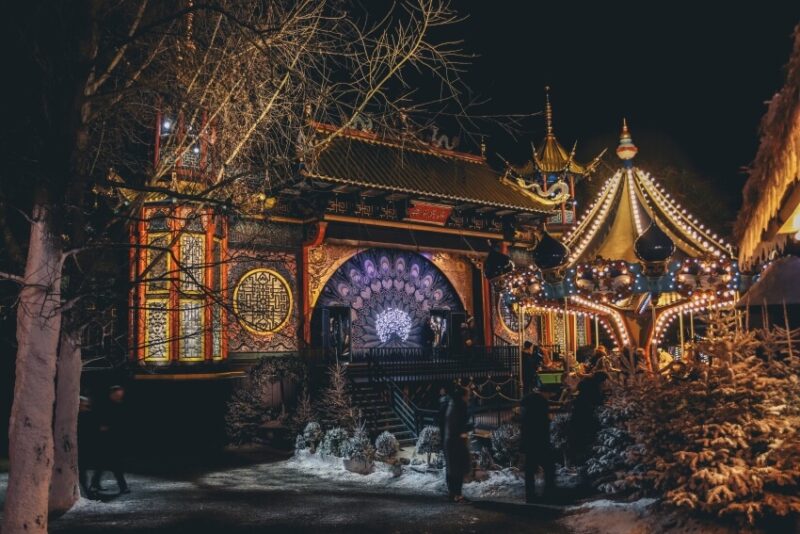
The second-oldest amusement park in the world (inspiration for Disney). It is a magical garden of lights, rides, and pantomime theater in the city center. At night, it is a fairy tale. The wooden rollercoaster is a classic.
Nyhavn
The iconic colorful canal lined with 17th-century townhouses and old sailing ships. Hans Christian Andersen lived here. It is touristy but photogenic. Grab a beer and sit on the quay like a local on a sunny day.
The Little Mermaid
The statue inspired by Andersen’s fairytale. She sits on a rock in the harbor. She is small (surprisingly so) and iconic. It is a symbol of the city. Catch a canal tour to see her from the water.
Amalienborg Palace
The Queen’s winter residence. It consists of four identical rococo palaces around an octagonal courtyard. Watch the Changing of the Guard at noon. It is elegant and understated, very Danish.
Legoland Billund
The original Legoland, located in Billund (about 3 hours from Copenhagen). It is a pilgrimage for Lego fans. Miniland, built from 20 million bricks, is incredible. It is the ultimate family day out.
Editor-curated picks carried over from our original guide. Where a full place guide exists, the card links to it.
Worth booking ahead in Denmark
Hand-picked from the operators our guides already send readers to. Prices and availability are live on the partner site.
BrowseViator
Tours and tickets in Denmark on Viator (opens Viator in a new tab)
Viator's full list of bookable tours and tickets in Denmark.
BrowseGetYourGuide
Experiences in Denmark on GetYourGuide (opens GetYourGuide in a new tab)
Everything GetYourGuide sells in Denmark, with the cancellation terms on each listing.
Where to stayBooking.com
Stays in Denmark (opens Booking.com in a new tab)
Live rates and availability for Denmark on Booking.com; filter by neighbourhood once you know where your days start.
We earn a commission if you book through these links, at no extra cost to you. It is how we keep the guides free and independent.
Where to stay
Nimb Hotel
Bernstorffsgade 5, 1577 København, Denmark
A Moorish-palace-style hotel located inside Tivoli Gardens. It is whimsical, luxurious, and utterly unique. Every room is unparalleled in design. Guests get unlimited access to Tivoli. It has a stunning rooftop pool.
Hotel d'Angleterre
Kongens Nytorv 34, 1050 København, Denmark
The grande dame of Copenhagen hotels. It sits on Kings New Square (Kongens Nytorv). It exudes old-world glamour and has hosted royalty and celebrities for centuries. The Michelin-starred restaurant Marchal is a highlight.
Villa Copenhagen
Tietgensgade 35-39, 1704 København, Denmark
A new luxury hotel in the old Central Post and Telegraph Head Office. It is next to Tivoli. It combines grand historic architecture with unparalleled sustainable luxury (the pool is heated by excess calm). It is the new ‘it’ place.
Editor-curated stays carried over from our original guide. Where we have reviewed the hotel, the card links to the review.
Tips from the field
Highlights
- Design – Danish Modern
- Hygge – Cozy living
- Cycling – Bike capital
- Food – Smørrebrød & Noma
- Castles – Kronborg (Hamlet)
- Lego – Billund
- Happy – Happiest nation
- Royal – Oldest monarchy
Best activities
- Ride a bike through the city. Eat a 'Smørrebrød' (open-faced sandwich) for lunch. Ride the rollercoaster at Tivoli. Take a canal tour. Visit the grandiose majestic Rosenborg Castle. Experience 'Hygge' in a candlelit cafe.
Practical tips
- Currency: Danish Krone (DKK). Denmark does not use the Euro, but most places accept card payments.
- Getting There: Copenhagen Airport (CPH) is the main international gateway, with connections throughout Europe and beyond. Airports in Billund and Aalborg serve other regions.
- Transportation: Excellent public transport including trains, buses, and metro in Copenhagen. Copenhagen Card includes unlimited transport and free entry to 80+ attractions. Cycling is the most popular local transport — rent bikes from approximately 70-100 DKK/day.
- Dining: Meals at mid-range restaurants cost 150-250 DKK. Budget option: bakeries and street food from 50-100 DKK. Supermarkets like Netto and Lidl offer the cheapest groceries.
- Alcohol: Expensive in bars and restaurants. Purchase from supermarkets to save.
- Tipping: Not expected but appreciated for good service (round up the bill or leave 10%)
- Electricity: 230V/50Hz, Type C/K plugs (European two-pin)
Photography tips
- Golden Hour: Sunset at Nyhavn (the colorful houses glow).
- Iconic Shots:
- The view from the Round Tower.
- Bikes parked along a canal.
- The Little Mermaid (get there early).
- The lights of Tivoli at night.
- Superkilen park (urban design).
- Technique: Copenhagen is flat and bike-friendly; rent a bike to get to photo spots quickly.
Timing
- Peak Season (Summer):
- Best weather, lively
- Shoulder Season (Spring/Fall):
- Mild, cultural events
- Low Season (Winter):
- Cozy but dark
Keeping it authentic
- Danes are informal, direct, and have a dry sense of humor. 'Hygge' is real—it's about creating a warm atmosphere. Bicycles rule the road
- do not walk in the bike lane (you will be yelled at). Tipping is not expected.
Culture, customs and safety
Cultural heritage
Denmark seven UNESCO World Heritage Sites showcase Viking heritage through Danish monarchy evolution. Jelling Mounds (1994) serve as Denmark “birth certificate” with 10th-century runestones by King Gorm the Old and Harald Bluetooth marking Norse paganism to Christianity transition. Roskilde Cathedral (1995) represents early Scandinavian brick Gothic masterpiece housing 40 kings and queens including Viking Harold Bluetooth and Sweyn Forkbeard, conqueror of England. Renaissance Kronborg Castle (2000) inspired Shakespeare Hamlet, commanding strategic Sund waters between Denmark and Sweden with grand halls and fortifications. Viking-Age Ring Fortresses (2023) encompass Harald Bluetooth five unique castles found nowhere else worldwide. Christiansfeld (1773) exemplifies Moravian Church planned religious settlement with uniform architecture and traditional gingerbread making. Par Force Hunting Landscape (2015) displays 17th-century royal hunting traditions with geometrically planned forest trails. Cultural traditions include hygge concept embracing cozy warmth and welcoming atmospheres spreading globally, 12,000km bicycle track network reflecting flat terrain accessibility, and Nordic clinker-built wooden boat traditions recognized as UNESCO living heritage. Contemporary Danish identity combines Viking maritime legacy with modern lifestyle concepts and sustainable transportation culture.
Local customs & etiquette
Danes are known for their egalitarian values, informality, and strict punctuality. A handshake is the common greeting for everyone, and it is best to be on time for any meeting or social gathering. Danes value their personal space and privacy, often appearing reserved until they get to know you.
Safety notes
Denmark is one of the safest countries in the world.
General Safety:
• Very low crime rate; violent crime against tourists is extremely rare
• Exercise normal precautions against pickpocketing in crowded areas, tourist attractions, and on public transport
• Copenhagen is safe at night in most areas
Cycling:
• Denmark has a strong cycling culture — be vigilant of fast-moving bicycles and stay out of bike lanes when walking
• Follow cycling rules if renting a bike: signal turns, use lights at night
Payments:
• Denmark is largely cashless. Visa and Mastercard are accepted nearly everywhere, but American Express may not be. Cash is often not accepted.
Health:
• Tap water is safe and high quality throughout the country
• EU health insurance cards (EHIC/GHIC) accepted; travel insurance recommended for non-EU visitors
Local Laws:
• Drug penalties are severe
• Carrying knives or self-defense sprays is illegal without police permission
Emergency number: 112


Travel Style
Activities