

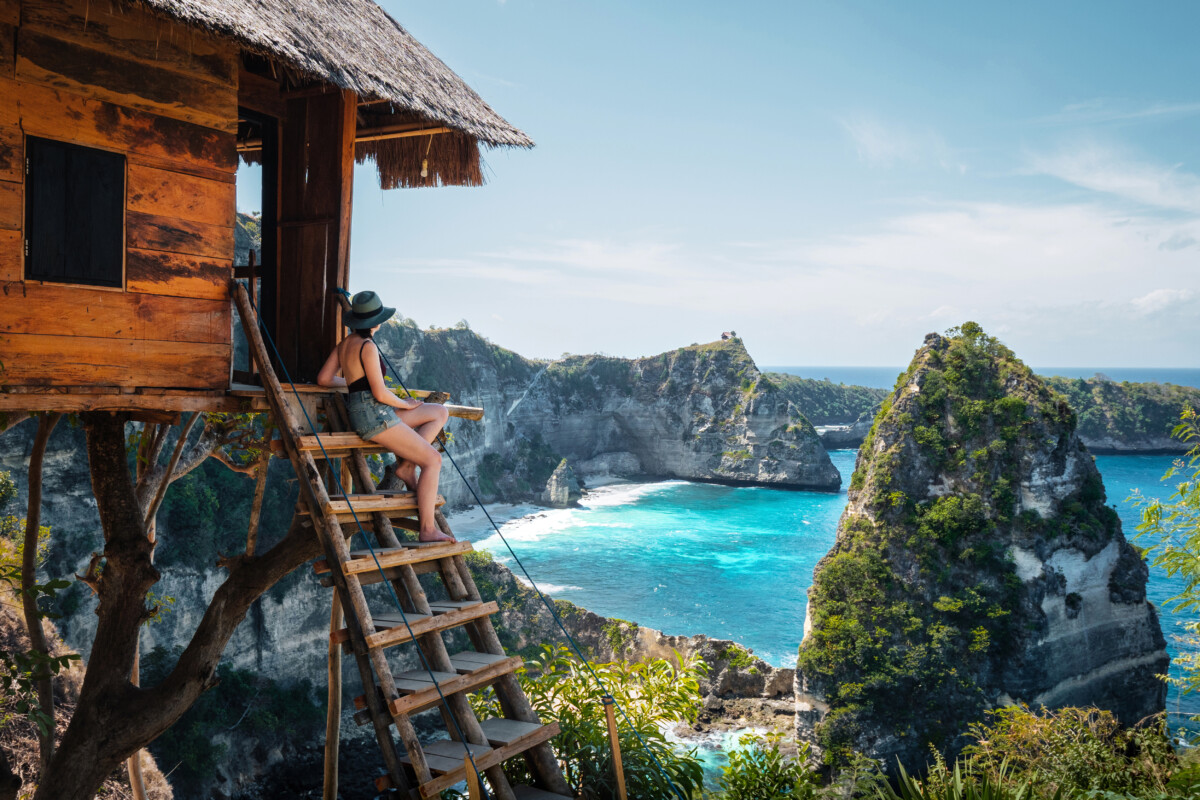
Bali, often referred to as the Island of the Gods, is renowned for its stunning landscapes, vibrant culture, and spiritual heritage. Visitors can explore beautiful beaches, lush rice terraces, and ancient temples, making it a paradise for travelers seeking both relaxation and adventure. The island’s rich traditions are reflected in its art, music, and ceremonies, creating a unique atmosphere that enchants all who visit.
The destination guide
Bali
Travel guides for Bali
Things to do (1)
Food & drink (1)
Travel tips & costs (2)
More guides featuring Bali (24)
At a glance
CurrencyIDR
Time zoneCentral Indonesia Time
Languages
- Indonesian
Setting
- Tropical island
- Rice terraces
- Volcanic landscape
- Temple complexes
Population4.2M4,178,000 residents
VisaDuration: The e-VOA is valid for 30 days and can be extended once for another 30 days · Documents: Valid passport with at least 6 months validity and an outbound ticket
How Bali scores
9/10OverallExcellent
Weather8/10
Value for money7/10
Safety8/10
Food & cuisine8/10
Culture & arts6/10
Cultural experience9/10
History8/10
Nature & outdoors9/10
Adventure4/10
Nightlife8/10
Shopping7/10
Family friendly5/10
Romance9/10
Editorial scores on a 10-point scale, weighed against destinations of the same kind.
Travel safety snapshot
Overall70/100Moderate rating
Women travellers70/100
LGBTQ+ travellers55/100
Theft65/100
Medical care68/100
Physical harm75/100
Political freedom60/100
SafePlace indicators use their source 100-point scale; higher is more favourable. Planning context, not a live travel advisory — check official government guidance before you go.
When to go
Best months to visit: January, February, March, April, November and December.
- January: 26.1 to 28.3 degrees Celsius, 70.3 millimetres of rain, best-time score 5 out of 5.
- February: 26.3 to 28.9 degrees Celsius, 109.9 millimetres of rain, best-time score 5 out of 5.
- March: 26.6 to 29.2 degrees Celsius, 80 millimetres of rain, best-time score 5 out of 5.
- April: 26.5 to 28.8 degrees Celsius, 98.3 millimetres of rain, best-time score 4 out of 5.
- May: 26.9 to 29 degrees Celsius, 113 millimetres of rain, best-time score 3 out of 5.
- June: 26.8 to 28.7 degrees Celsius, 78.3 millimetres of rain, best-time score 2 out of 5.
- July: 26.2 to 28.4 degrees Celsius, 105.9 millimetres of rain, best-time score 2 out of 5.
- August: 26 to 28.7 degrees Celsius, 79.9 millimetres of rain, best-time score 2 out of 5.
- September: 26.1 to 28.1 degrees Celsius, 117.5 millimetres of rain, best-time score 2 out of 5.
- October: 25.8 to 28.3 degrees Celsius, 125.6 millimetres of rain, best-time score 3 out of 5.
- November: 25.6 to 28.1 degrees Celsius, 140.2 millimetres of rain, best-time score 4 out of 5.
- December: 25.7 to 27.9 degrees Celsius, 195.6 millimetres of rain, best-time score 5 out of 5.
Month-by-month conditions and packing advice
- January
- Hot and sunny, some rain Perfect dry and warm weather. Crowds: January is Bali’s wet season, meaning fewer tourists compared to the July–August high season, but still a lively atmosphere in Ubud, Seminyak, and cultural hubs. Accommodation prices are generally lower, and many resorts offer extended-stay deals. The combination of warm seas and occasional showers makes it excellent for surfing, yoga retreats, cooking classes, and temple visits, though some outdoor treks can be muddy. Rain showers are usually brief and predictable, often in the late afternoon, leaving mornings ideal for excursions. While not peak season, popular attractions remain open and less crowded, making it a rewarding time for cultural immersion and slower-paced exploration. Pack: Lightweight, quick-dry clothing for humidity; Waterproof sandals or shoes for wet streets; Compact travel umbrella or light rain jacket; High-SPF reef-safe sunscreen; Modest attire for temple visits (sarong and sash); Insect repellent for evening outdoor activities
- February
- Hot and sunny, some rain Excellent beach weather, low humidity. Crowds: February is part of Bali’s wet season, which brings fewer tourists compared to the July–August high season, resulting in lower accommodation prices and more relaxed sightseeing. While brief tropical downpours are common, they rarely last all day, leaving ample opportunity for exploring temples, markets, and cafes between showers. Beach activities and water sports remain possible, though visibility for diving and snorkeling can vary due to runoff. Lush landscapes are at their most vibrant, making this an excellent month for photography and cultural immersion without peak-season congestion. Travelers should plan flexible itineraries and consider early-morning excursions to avoid afternoon rain. Advance booking is less critical than in dry-season months, offering more spontaneity for accommodation and tour choices. Pack: Lightweight, quick-dry clothing for humid conditions; Waterproof sandals or shoes for wet streets; Compact travel umbrella or lightweight rain jacket; High-SPF reef-safe sunscreen for sunny breaks; Modest attire for temple visits (sarong or long skirt); Breathable hat for sun protection
- March
- Hot and sunny, some rain Slightly warmer but still dry and comfortable. Crowds: March falls within Bali’s shoulder season, as the wet season begins to ease but occasional showers still occur. Tourist numbers are moderate, making major attractions more relaxed compared to the December–January peak. Accommodation and flight prices can be more competitive, offering better value for longer stays. Conditions are excellent for cultural exploration, temple visits, and spa retreats, with the added benefit of fewer crowds at popular spots like Ubud and Seminyak. Water visibility improves towards the month’s end, enhancing diving and snorkelling experiences. While rain may briefly delay outdoor activities, it rarely disrupts full days. Booking flexible tours allows you to adjust plans around weather shifts, and mornings are often the best time for excursions before any afternoon showers roll in. Pack: Breathable cotton or linen clothing for hot, humid weather; Lightweight rain jacket or compact travel umbrella; Comfortable sandals and water-resistant walking shoes; High-SPF reef-safe sunscreen and sunglasses; Reusable water bottle to stay hydrated; Modest attire for temple visits, including a sarong
- April
- Hot and sunny, some rain Getting hotter, transition to wet season begins. Crowds: April marks the shoulder season in Bali, offering a balanced mix of favorable weather and manageable visitor numbers. While occasional showers persist, they rarely disrupt plans and often help keep the island’s scenery lush and crowd levels slightly lower than in peak dry-season months. Accommodation and flight prices are generally more competitive than from June through August, making it a smart choice for travelers seeking value without sacrificing outdoor activities. Beach days, cultural festivals, and nature excursions are all feasible, with early mornings and late afternoons being especially pleasant for exploration. Booking popular tours in advance is still advisable, especially for sunrise treks or temple ceremonies, but flexibility in scheduling can help avoid any rain-related delays. Pack: Light, breathable clothing in natural fabrics; Compact rain jacket or travel umbrella; Comfortable sandals and water-resistant walking shoes; High SPF reef-safe sunscreen and sunglasses; Insect repellent for evenings near vegetation; Modest attire for temple visits including sarong
- May
- Hot and sunny, some rain Hot and humid, rains start increasing. Crowds: May marks the shoulder season in Bali, sitting between the heavier rains of early-year and the dry-season peak. Conditions are favorable for beach relaxation, diving, and temple exploration, though afternoon showers can interrupt longer treks. Tourist numbers begin to rise but have yet to reach July–August peaks, meaning accommodations and tours are easier to book and slightly less expensive. The mix of sunshine and occasional rain keeps landscapes lush for photography. Surf conditions are excellent along the west coast, attracting both local and international surfers. While UV levels remain intense, the relative humidity is more manageable than during peak wet months, offering a comfortable balance for both adventure and leisure activities. Pack: Breathable cotton or linen clothing for hot, humid conditions; Light rain jacket or compact umbrella for afternoon showers; Wide-brimmed hat and high-SPF reef-safe sunscreen; Comfortable sandals or walking shoes for temple visits; Sarong or modest wrap for entering religious sites; Quick-dry swimwear for beach and water activities
- June
- Hot and sunny, some rain Wet season, frequent heavy downpours. Crowds: June marks the start of Bali’s peak tourist season, offering prime conditions for beach days, temple visits, and outdoor adventures like hiking Mount Batur or cycling through rice terraces. While weather is reliably pleasant, crowd levels begin to rise, particularly in popular areas like Seminyak, Ubud, and Canggu. Hotel rates are higher than in shoulder months, and advance booking is advised for both accommodation and tours. The relatively low rainfall means fewer disruptions to day trips and scenic drives, and cultural festivals, such as temple anniversaries, are often held under sunny skies. Photographers will appreciate the crisp morning light and vivid colors after occasional brief showers. For travelers seeking a balance between excellent weather and manageable crowds, early June is preferable before the school holiday influx. Pack: Light, breathable cotton or linen clothing; Wide-brimmed hat and high-SPF reef-safe sunscreen; Comfortable sandals or walking shoes for varied terrain; Light rain jacket or travel umbrella for brief showers; Modest attire for temple visits (sarong or long skirt); Swimwear and quick-dry beach towel
- July
- Hot and sunny, some rain Peak monsoon/wet season. Crowds: July marks Bali’s high tourist season, coinciding with school holidays in many countries. Expect busy beaches, popular temples, and higher accommodation rates, especially in Ubud, Seminyak, and Canggu. The weather is ideal for outdoor adventures—surfing, trekking Mount Batur at sunrise, or exploring waterfalls. Short rain showers rarely disrupt plans and can offer a welcome cool-down. Crowds mean early morning visits to major attractions are essential for a calmer experience. Advance booking for accommodations and activities is strongly advised, as premium spots fill quickly. The combination of cultural vibrancy and favorable weather makes July one of Bali’s most popular months for travel. Pack: Light, breathable clothing for tropical heat; Comfortable sandals or walking shoes; Swimsuit and quick-dry towel; Light rain jacket or compact umbrella for sudden showers; Modest attire for temple visits (sarong and sash); High-SPF reef-safe sunscreen and sunglasses
- August
- Hot and sunny, some rain Continuing heavy rains and high humidity. Crowds: August is firmly within Bali’s dry season and considered part of the peak tourist window, offering reliable weather for beach days, trekking, and cultural sightseeing. Crowd levels are high, especially in Ubud, Seminyak, and coastal resort areas, with accommodation prices reflecting strong demand. Outdoor activities—from sunrise hikes up Mount Batur to full-day temple circuits—benefit from minimal rain interruptions. Popular events and festivals draw additional visitors, so advance booking for hotels, tours, and transport is strongly advised. While the heat is moderated by sea breezes, midday sun can still be intense, making early morning and late afternoon the best times for active excursions. Pack: Breathable cotton or linen clothing to handle heat and humidity; Wide-brimmed hat and high-SPF sunscreen; Light rain jacket or poncho for passing showers; Comfortable sandals and lightweight walking shoes; Modest attire for temple visits including a sarong; Reusable water bottle to stay hydrated during outdoor activities
- September
- Hot and sunny, some rain Still very wet, risk of storms/typhoons. Crowds: September marks the tail end of Bali’s high tourist season, offering a balance between favorable weather and gradually easing crowd levels. Conditions are ideal for outdoor exploration, from trekking Mount Batur at sunrise to strolling through Ubud’s artisan markets. While the risk of short tropical showers exists, they are typically brief and predictable, allowing for flexible planning. Accommodation prices begin to drop compared to peak months like July and August, making it a cost-effective yet still premium travel window. Surf conditions remain strong on the west coast, and cultural events continue to animate village life. Travelers can expect a lively but less hectic atmosphere, with better availability for tours and dining reservations than in the heart of the dry season. Pack: Breathable cotton or linen clothing to stay cool; Light rain jacket or compact umbrella for tropical showers; Comfortable sandals or walking shoes for varied terrain; Swimwear for beaches and water activities; Wide-brimmed hat and high-SPF sunscreen; Light scarf or sarong for temple visits respecting dress codes
- October
- Hot and sunny, some rain Rains begin to taper off, still humid. Crowds: October marks Bali’s shoulder season, a sweet spot for travelers who want warm weather without the intense crowds of peak dry months. While occasional showers appear, they rarely disrupt plans and can bring lower midday heat. Surf conditions remain favorable on both coasts, and cultural events continue at a steady pace. Accommodation prices tend to be more competitive than in high season, and popular attractions like Tanah Lot or Tegallalang are slightly less congested. Outdoor activities—from cycling through rice terraces to trekking Mount Batur—are still viable, though early starts help avoid midday humidity. It’s a great month for those balancing beach relaxation with immersive cultural exploration before the wetter, heavier rains of November and December. Pack: Lightweight, breathable clothing for humid conditions; Compact rain jacket or travel umbrella; Water-resistant daypack for excursions; Comfortable sandals and walking shoes; High-SPF reef-safe sunscreen; Modest attire for temple visits including sarong
- November
- Hot and sunny, heavy rain Start of the dry season, weather improving. Crowds: November is considered Bali’s shoulder-to-low season, as the wet season begins to set in. While mornings are generally pleasant for exploring temples, markets, and rice terraces, afternoons may see heavy showers that limit outdoor activities. Tourist numbers drop compared to the dry-season months, leading to more relaxed crowd levels and lower accommodation rates. This is a good time for cultural immersion, spa retreats, and cooking classes, as well as enjoying Bali’s vibrant café and art scene indoors during rain. Beach time is still possible, though ocean conditions can be choppier. Flexible itineraries and early starts allow travelers to make the most of clear periods, while accepting that weather may dictate some last-minute changes. Pack: Lightweight rain jacket or poncho; Quick-dry clothing and swimwear; Waterproof sandals or shoes; Dry bag for electronics and valuables; Insect repellent for humid conditions; Modest attire for temple visits
- December
- Hot and sunny, heavy rain Fantastic weather, peak tourist season. Crowds: December in Bali is part of the high holiday season, drawing both international visitors and domestic travelers despite the wet weather. Accommodation and flight prices peak around Christmas and New Year, with many resorts booking out well in advance. The heavy rains can disrupt outdoor excursions, so travelers benefit from flexible itineraries and focusing on cultural, spa, and culinary activities that adapt well to changing conditions. Surfing remains possible on the east coast, while diving conditions may vary due to runoff. Evenings are lively in major hubs like Seminyak and Ubud, with festivals and holiday events adding to the atmosphere. Advance booking is essential for top restaurants and accommodations during this period. Pack: Lightweight quick-dry clothing for humid conditions; Waterproof sandals or shoes for sudden downpours; Compact travel umbrella or rain poncho; High SPF reef-safe sunscreen for sunny intervals; Mosquito repellent with DEET or picaridin; Dry bags to protect electronics and valuables
Peak season
- July
- August
- June
- September
- December
Off-peak
- January
- February
- March
- April
- May
- October
- November
Know before you go
Neighbourhoods
Ubud, Seminyak, Canggu, Kuta, Uluwatu
Best time to visit
May to October (dry season) for the most reliable weather — clear skies, low humidity, and warm temperatures around 27-30°C. This is peak season, especially July and August, when prices and crowds are highest. June and September offer dry-season weather with slightly fewer visitors. The shoulder months (April and November) can be good value with mixed conditions. The wet season (November-March) brings afternoon downpours but mornings are often sunny, and it is the cheapest period for accommodation and flights.
Season by season
Dry Season (April-Oct):
Weather: 27-30°C, sunny, low humidity
Highlights: Perfect beach weather, clear diving
Best For: Surfing, hiking, weddings
Wet Season (Nov-March):
Weather: 25-28°C, humidity, daily downpours
Highlights: Lush green landscapes, fewer crowds
Best For: Yoga retreats, spa days, budget travel
Crowds
Bali’s busiest months are July–August and December–early January (Christmas/New Year) with heavy tourist crowds across Kuta, Ubud and beach areas; quietest in February–March and during the rainy season (November–March excluding December holiday spikes), when arrivals drop.
Getting there and around
Getting there
Fly into Ngurah Rai International Airport (DPS) in southern Bali, near Kuta. Direct flights operate from major Asian hubs (Singapore, Kuala Lumpur, Hong Kong, Seoul, Tokyo). From Australia, direct flights are available from Sydney, Melbourne, Perth, and Brisbane. From Europe and North America, connections via Singapore, Dubai, or Istanbul are the most common routes. A visa on arrival (VOA) is available for most nationalities, valid for 30 days and extendable once. Airport taxis and ride-share apps (Grab) connect to all resort areas — Seminyak is about 30 minutes, Ubud about 90 minutes.
Getting around
Hiring a private driver for the day (approximately $35-50 USD) is the most comfortable option for sightseeing. Grab and Gojek ride-sharing apps are widely available and affordable for shorter trips. Scooter rental is popular with experienced riders but road conditions and traffic are challenging — an international driving permit is technically required. Metered Bluebird taxis are reliable in southern Bali. The Kura-Kura shuttle bus connects major tourist areas (Seminyak, Kuta, Nusa Dua, Ubud). Ferries and speedboats connect to nearby islands (Nusa Penida, Nusa Lembongan, Gili Islands). Walking is practical only within specific areas like central Ubud or Seminyak’s main strip.
Top experiences in Bali
Tegallalang Rice Terraces
The Sacred Monkey Forest Sanctuary in Ubud is home to over 1,200 long-tailed macaques who roam freely among ancient temples and giant banyan trees. It is a site of spiritual importance and conservation. Walking the moss-covered paths feels like entering a jungle kingdom where nature and spirituality are intertwined, but hold onto your sunglasses—the monkeys are cheeky!
Uluwatu Temple
Pura Luhur Uluwatu is one of Bali’s six key spiritual pillars, perched precariously on the edge of a 70-meter high cliff. It offers the island’s most dramatic sunset views. Every evening, the traditional Kecak fire dance is performed in an amphitheater here, with the chanting of male dancers providing a rhythmic soundtrack to the sun dipping below the Indian Ocean.
Ubud Monkey Forest
The Tegalalang Rice Terrace is a UNESCO World Heritage site that showcases the traditional ‘subak’ cooperative irrigation system used in Bali for centuries. The emerald-green stepped layers carved into the valley walls are a photographer’s dream. Visitors can walk through the paddies, meet local farmers, and swing on the famous ‘Bali Swings’ for a soaring view over the landscape.
Tanah Lot Temple
Mount Batur is an active volcano that offers one of Bali’s most rewarding adventures—the sunrise trek. Hikers start in the dark to reach the 1,717-meter summit just as the sun breaks above the clouds, illuminating the caldera lake and Mount Agung in the distance. Cooked eggs and bananas steamed in the volcano’s natural thermal vents are a traditional summit breakfast.
Seminyak Beach
Tirta Empul is a Hindu Balinese water temple famous for its holy spring water. For over a thousand years, Balinese worshippers have come here to perform ritual purification (Melukat) in the crystal-clear pools. Visitors are welcome to participate in the cleansing ritual, wearing a traditional sarong and following the sequence of fountains to wash away impurities and bad luck.
Editor-curated picks carried over from our original guide. Where a full place guide exists, the card links to it.
Worth booking ahead in Bali
Hand-picked from the operators our guides already send readers to. Prices and availability are live on the partner site.
BrowseViator
Tours and tickets in Bali on Viator (opens Viator in a new tab)
Viator's full list of bookable tours and tickets in Bali.
BrowseGetYourGuide
Experiences in Bali on GetYourGuide (opens GetYourGuide in a new tab)
Everything GetYourGuide sells in Bali, with the cancellation terms on each listing.
Where to stayBooking.com
Stays in Bali (opens Booking.com in a new tab)
Live rates and availability for Bali on Booking.com; filter by neighbourhood once you know where your days start.
We earn a commission if you book through these links, at no extra cost to you. It is how we keep the guides free and independent.
Where to stay
Four Seasons Resort Bali at Sayan
Jl. Raya Kedewatan, Banjar, Kedewatan, Kecamatan Ubud, Kabupaten Gianyar, Bali 80571, Indonesia
Mandapa in Ubud is a sanctuary for the soul, set along the majestic Ayung River. The resort resembles a traditional Balinese village, complete with its own working rice paddies and ancient temple. Guests stay in luxurious suites or pool villas that offer absolute privacy. The signature dining experience involves a 9-course degustation menu served in a private cocoon overlooking the river.
Alila Villas Uluwatu
Jl. Belimbing Sari Tambiyak, Pecatu, South Kuta, Badung Regency, Bali 80364, Indonesia
Perched on limestone cliffs 100 meters above the Indian Ocean, Alila Villas Uluwatu is a masterpiece of sustainable modern architecture. Its open-plan design allows the gentle sea breeze to flow through every room. The iconic overhanging sunset cabana is one of the most photographed spots in Bali. Each villa features a private pool and cabana, offering uninterrupted views of the horizon.
Four Seasons Resort Bali at Sayan
Jl. Raya Sayan, Sayan, Kecamatan Ubud, Kabupaten Gianyar, Bali 80571, Indonesia
Entered via a dramatic suspension bridge over the treetops, Four Seasons Sayan is an architectural marvel hidden in the jungle. The resort’s main building is a lotus-shaped structure that descends into the valley. Villas are tucked into the lush landscape, offering deep immersion in nature. The Sacred River Spa and guided meditation sessions at the Dharma Shala provide profound spiritual renewal.
Editor-curated stays carried over from our original guide. Where we have reviewed the hotel, the card links to the review.
Tips from the field
Highlights
- Tegallalang Rice Terraces — Iconic stepped paddies north of Ubud with walking paths and swing platforms. Uluwatu Temple — Dramatic clifftop sea temple with traditional Kecak fire dance at sunset. Ubud — Cultural heart of Bali with art galleries, yoga studios, the Monkey Forest, and surrounding rice fields. Tanah Lot — Sea temple on a rocky offshore islet, one of Bali's most photographed landmarks. Seminyak — Upscale beach area with sunset bars, international restaurants, and designer boutiques. Nusa Penida — Island off the southeast coast with dramatic cliffs, manta ray snorkeling, and Kelingking Beach. Tirta Empul — Sacred water temple where visitors participate in purification rituals.
Best activities
- Bali offers a duality of experiences: the spiritual and the hedonistic. Start the day with a sunrise yoga session in Ubud overlooking the jungle, followed by a purification ritual at Tirta Empul. For adventure, surf the legendary breaks of the Bukit Peninsula or white-water raft down the Ayung River. Evenings are for sunset cocktails at a beach club in Seminyak or watching the Kecak fire dance at Uluwatu. Don't miss a traditional Balinese massage—it's an integral part of the culture, not just a luxury. Renting a scooter (if experienced) is the best way to find hidden waterfalls and local warungs serving Babi Guling (suckling pig).
Practical tips
- Hire a private driver for full-day sightseeing — it is surprisingly affordable and far safer than scooter rental. Grab and Gojek are cheaper than taxis but are technically restricted in some tourist zones
- walk to a main road if a driver cannot reach you. Temples require respectful dress — sarongs and sashes are usually available to borrow at entrances. At Uluwatu Temple, secure all belongings — the resident macaques are skilled thieves. Drink only bottled or filtered water to avoid stomach issues. Negotiate prices at markets
- the first asking price is typically 2-3x the expected sale price. The Balinese calendar features frequent ceremonies — ask locals about upcoming events for authentic cultural experiences. Tipping is appreciated but not mandatory
- 5-10% at restaurants, small amounts for drivers.
Photography tips
- Golden Hour: Tegalalang Rice Terrace at sunrise (06:00 AM) to capture the rays cutting through the palms/mist.
- Iconic Shots:
- Pura Lempuyang 'Gates of Heaven' with Mt Agung reflection.
- Uluwatu Temple silhouette at sunset.
- Kelingking Beach (Nusa Penida) T-Rex cliff.
- Handara Gate in the northern mountains.
- Technique: Bali's green is intense. Use a circular polarizer to cut glare on wet rice paddies and tropical leaves.
Timing
- Peak Season (July-Aug, Dec):
- Highest prices, traffic jams in south
- Best waves for surfing
- Shoulder Season (April-June, Sept):
- Best balance of weather and value
- Green and lush after rains
- Low Season (Jan-Feb):
- Wettest months
- Cheapest deals
- Great for inland retreat stays
Keeping it authentic
- Current-day Bali struggles with overtourism, but the unique 'Tri Hita Karana' philosophy (harmony between people, nature, and God) remains the island's soul. Daily offerings (Canang Sari) are placed everywhere, from palace gates to shop floors—step around them carefully. The spiritual culture is not a show
- ceremonies stop traffic daily. To find 'Old Bali,' head north to Munduk or east to Sidemen, where life still revolves around the village Banjar and the planting cycles of rice.
Culture, customs and safety
Cultural heritage
The culture of Bali is a unique expression of the Tri Hita Karana philosophy, which seeks harmony between the spiritual, human, and natural worlds. This worldview is physically manifested in the island’s UNESCO-listed cultural landscape: the ancient subak system, a cooperative network of terraced rice paddies and water temples that has sustained the island for over a thousand years. This sophisticated irrigation system is both a highly efficient agricultural practice and a collective spiritual ritual, making the Balinese landscape a testament to the island’s deep-seated connection between faith, community, and nature.
Local customs & etiquette
Bali culture is deeply rooted in Hindu traditions with daily temple ceremonies, offerings, and spiritual practices. The island observes Nyepi (Day of Silence) as Hindu New Year, requiring complete silence and no travel. Local customs emphasize respect for temples, appropriate dress codes, and participation in traditional ceremonies. The Mekotek Ceremony and Besakih Temple ceremonies represent important cultural events. Business and social life revolve around Hindu calendar celebrations. Balinese people maintain strong community bonds through banjar (neighborhood associations) and temple activities. Visitors should respect local customs, dress modestly when visiting temples, and participate respectfully in cultural experiences.
Safety notes
Bali is generally safe for tourists, but awareness is important. Scooter accidents are the most common cause of injury — wear a helmet and consider hiring a driver instead. Petty theft (bag-snatching from motorbikes) can occur, especially in busy areas. Keep valuables in hotel safes. Monitor monkeys closely at temple sites — they grab sunglasses, phones, and hats. Strong ocean currents exist at some beaches; check flag warnings before swimming. Indonesia has extremely strict drug laws with severe penalties, including the death penalty. Drink bottled water only. Emergency: 112 or 0361-233565 (tourist police).

Activities