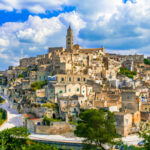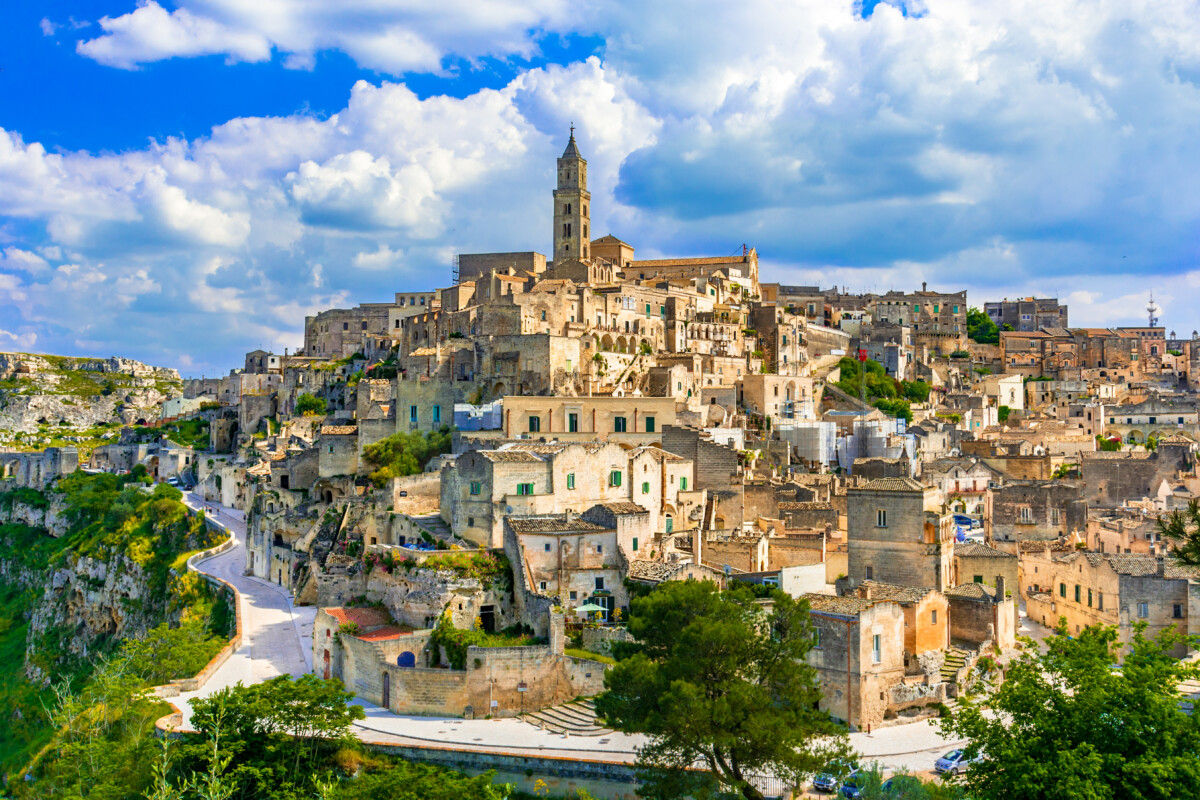
Bari Vecchia occupies a compact limestone peninsula jutting into the Adriatic between the old fishing harbor (Porto Vecchio) and the commercial port, forming the historic core of Bari, Puglia’s regional capital. Its street grid follows a medieval Arab-Norman plan of narrow, interlocking vicoli that were deliberately designed to slow invaders and channel sea breezes. The neighborhood is simultaneously a living residential quarter and one of southern Italy’s most visited historic districts.
What is Bari Vecchia known for?
Bari Vecchia is best known for three things that overlap daily life and history: the Basilica di San Nicola, one of the finest Norman churches in Italy and the pilgrimage destination for the relics of Saint Nicholas; the spontaneous street food economy of the Strada Arco Basso, where local women called massaie roll and sell fresh orecchiette and other handmade pasta from wooden boards outside their front doors; and a dense tangle of whitewashed alleyways that open unexpectedly onto baroque piazzas and sea-facing terraces.
Best things to do in Bari Vecchia
- Visit the Basilica di San Nicola (begun 1087), entering the crypt where the saint’s relics are kept beneath the main altar.
- Walk Strada Arco Basso in the morning to watch and buy hand-rolled orecchiette, strascinati, and cavatelli directly from local women.
- Explore the Castello Svevo (Swabian Castle), the 12th-century fortress on the northern edge of the old town, whose permanent collection covers Apulian architectural history.
- Stroll the Lungomare Imperatore Augusto along the seafront wall for views across the Adriatic toward the Molo San Nicola breakwater.
- Browse the daily covered market at Mercato del Pesce near the old port for fresh local catch in the morning hours.
Where to eat in Bari Vecchia
The most authentic eating in Bari Vecchia revolves around street food and trattorie serving cucina barese: look for panzerotti (fried half-moon pastry stuffed with tomato and mozzarella) sold from small family-run fryers, raw sea urchin (ricci di mare) spooned from shells near the old port, and sgagliozze (fried polenta squares) from street vendors. Sit-down trattorias around Piazza del Ferrarese and on the streets leading to San Nicola serve tiella barese (layered bake of rice, potatoes, and mussels), orecchiette alle cime di rapa, and braised horse meat, a traditional local protein.
Where to walk in Bari Vecchia
The most rewarding walk begins at Piazza del Ferrarese on the southern edge, continues north through Corso Vittorio Emanuele II, turns into the medieval core via Strada Palazzo di Città past the Cattedrale di San Sabino (Bari’s actual cathedral, dedicated to its first patron), and ends at the Basilica di San Nicola and the adjacent Castello Svevo near the northern seafront. The entire loop covers roughly 1.5 kilometers and passes the main monuments, the pasta street, and two sea-view points.
How to get to Bari Vecchia
Bari Vecchia is walkable in under 15 minutes from Bari Centrale, the city’s main railway station served by Trenitalia intercity and regional trains, Frecciarossa high-speed services from Naples and Rome, and Ferrovie del Sud Est regional lines. From the station, Corso Vittorio Emanuele II leads directly into the old town. City buses operated by AMTAB connect the station to Piazza del Ferrarese. Bari Karol Wojtyła International Airport is approximately 8 kilometers northwest, linked by the Ferrotramviaria train line to Bari Centrale.
Best time to visit Bari Vecchia
April through June and September through October offer the best combination of mild temperatures (18–26 °C), lower crowds, and an active street life with outdoor vendors and open church hours. The Festa di San Nicola (7–9 May) is the neighborhood’s major annual event, drawing pilgrims and a historic procession by boat into the harbor. July and August are hot and very crowded; January and February are quiet and cool, but the basilica, castle, and cathedral remain open year-round.