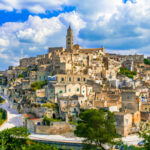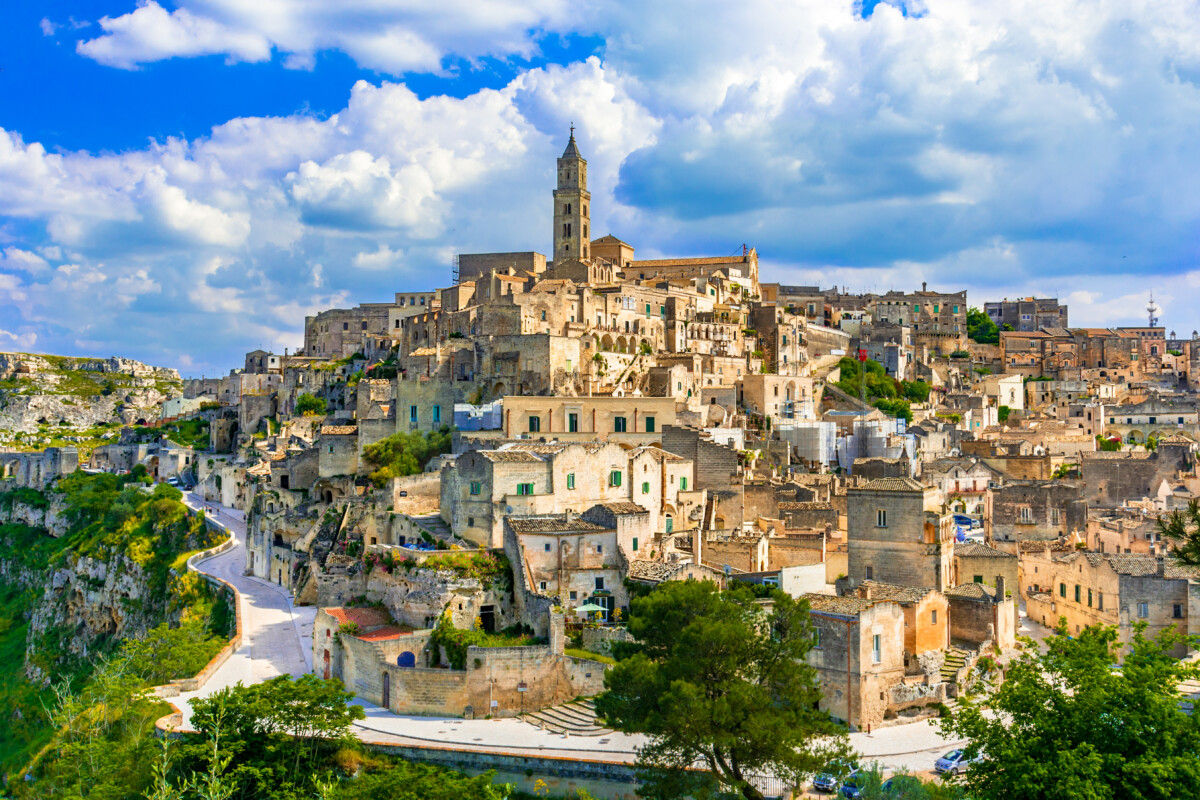
Bari Vecchia occupies a compact limestone peninsula jutting into the Adriatic, bounded by the old port to the north and the modern city to the south. Its street grid dates to the Byzantine and Norman periods, and the neighborhood retains working-class roots alongside centuries-old religious traditions. The quarter is compact enough to walk end to end in under twenty minutes, yet dense enough to reward hours of exploration.
What is Bari Vecchia known for?
Bari Vecchia is known above all for the Basilica di San Nicola, a landmark of Apulian Romanesque architecture completed in the 12th century and one of southern Italy’s most important pilgrimage churches, housing the relics of Saint Nicholas below its crypt. The neighborhood is equally recognized for its living street culture, particularly the women of Strada dell’Arco Alto and surrounding lanes who hand-roll orecchiette and other fresh pasta on wooden boards outside their homes every morning. The Norman-Swabian Castello Svevo, positioned at the peninsula’s southern edge, and the Cathedral of San Sabino round out its architectural heritage.
Best things to do in Bari Vecchia
Walking the labyrinthine vicoli, attending morning Mass in the crypt of San Nicola, and watching pasta-makers at work are the core experiences, but the neighborhood offers more structured sights as well.
- Visit the Basilica di San Nicola and descend to the Norman crypt
- Tour Castello Svevo, which hosts rotating exhibitions and a permanent collection of medieval plaster casts
- Walk along the seafront Muraglia walls at the northern edge of the peninsula
- Browse the daily Mercato di Piazza del Ferrarese and the adjacent Mercato della Pescheria (fish market) just outside the old walls
- Attend Saturday evening or Sunday processions in Piazza San Nicola
Where to eat and drink in Bari Vecchia
The most authentic eating in Bari Vecchia means fresh orecchiette with cime di rapa or ragù bought directly from the street vendors on Via dell’Arco Basso, eaten standing up for a few euros, along with traditional focaccia barese—thick, olive-oil-rich, topped with tomatoes and olives—sold by the slice from bakeries throughout the quarter. Sgagliozze (fried polenta squares) are a classic street snack sold near Piazza Mercantile. Sit-down trattorias and osterie cluster around Piazza Mercantile and Via Venezia, serving crudi di mare (raw seafood), ricci di mare (sea urchin), and grilled fish sourced from the nearby port.
Where to walk in Bari Vecchia
The most rewarding pedestrian route begins at Piazza del Ferrarese, passes through Arco Alto into the heart of the old town, winds past the Cathedral of San Sabino, reaches Piazza San Nicola and the basilica, then continues north to the Muraglia sea walls for Adriatic views before looping back along Via Venezia to Piazza Mercantile.
- Via dell’Arco Basso and Strada dell’Arco Alto for pasta-making culture
- The Muraglia seafront promenade for open coastal views
- Piazza Mercantile, the historic commercial heart, for architecture and café stops
How to get to Bari Vecchia
Bari Vecchia is walkable from Bari Centrale railway station in about fifteen minutes heading southeast toward the waterfront, or reachable by city buses operated by AMTAB along Corso Vittorio Emanuele II, which borders the old town to the south. Ferrovie del Sud Est and Ferrovie Appulo Lucane regional rail services all terminate at Bari Centrale, connecting the old town to towns across Puglia. The port of Bari, serving Adriatic ferry routes to Greece and Albania, sits adjacent to the northern edge of the peninsula.
Best time to visit Bari Vecchia
April through June and September through October offer mild temperatures, smaller crowds than peak summer, and active street life including the Festa di San Nicola in early May—one of Puglia’s largest religious festivals, featuring a procession carrying the saint’s statue by boat into the harbor. July and August are hot and busy but see lively evening passeggiata culture along the seafront; the fresh pasta vendors and fish market operate year-round, typically from early morning until midday.