
MenuClose

Plan the practical part

Hakone Trip Cost: How Much Does It Cost to Visit in 2026?

Daily budget guide for Hakone (prices in JPY)Updated

  • Budget¥12,727–¥27,045 / day
  • Mid-range¥27,045–¥63,636 / day
  • Luxury¥63,636–¥95,453 / day
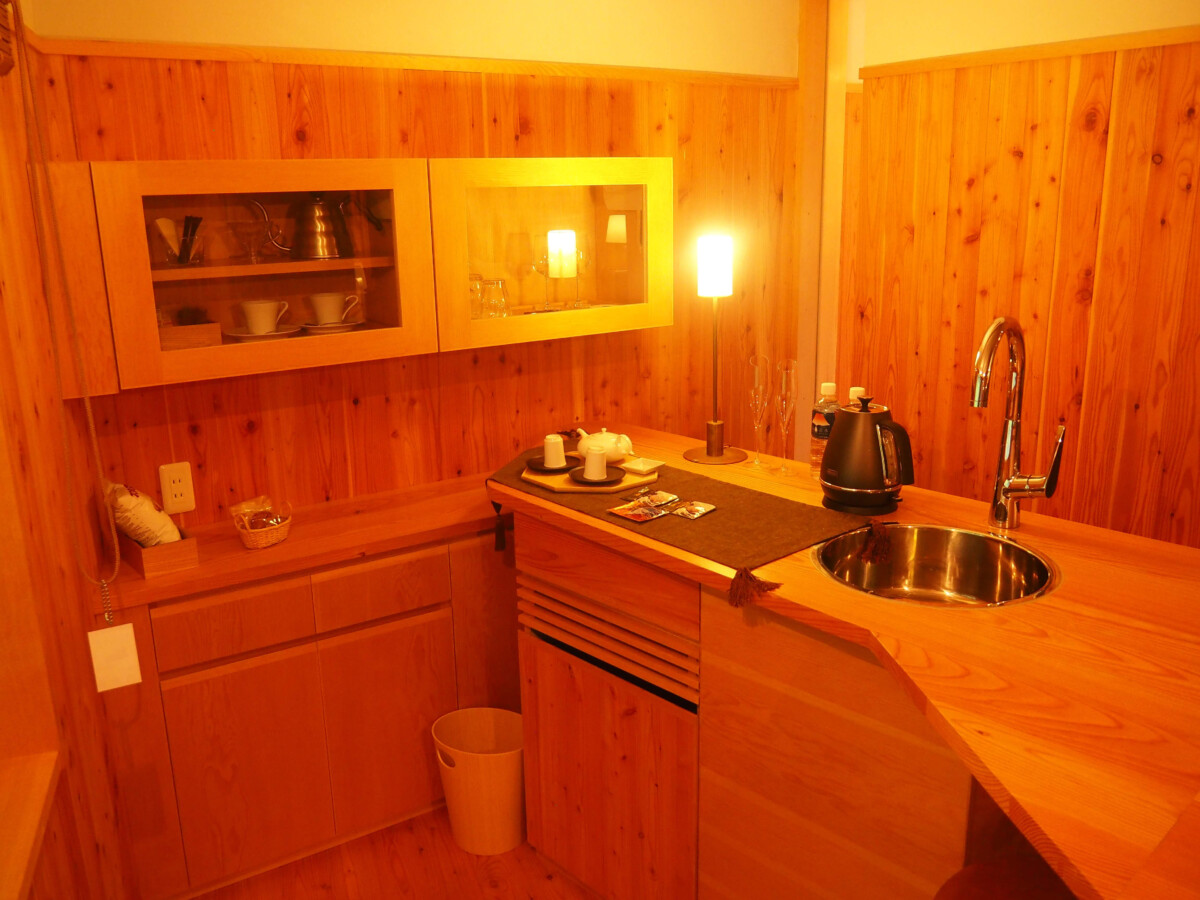
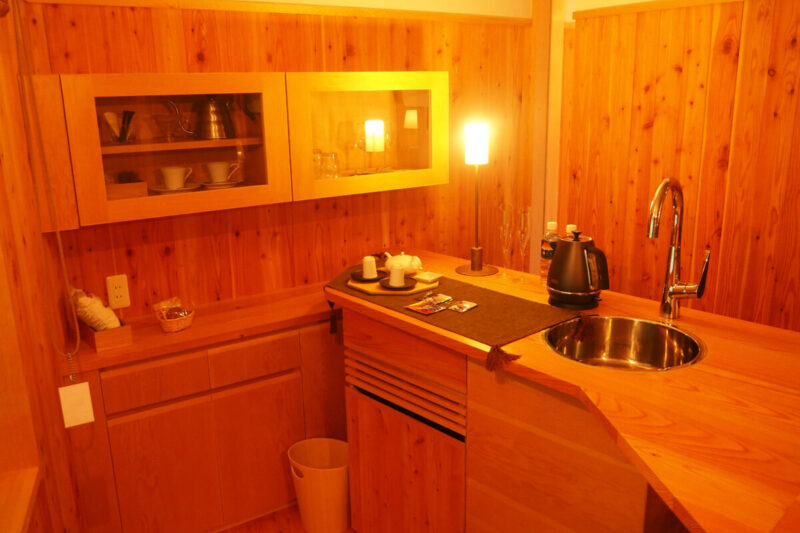
Private Kitchen in Hakone Retreat Fore
Daily budget

What a day in Hakone costs

Budget

¥12,727–¥27,045 / day

≈ $80 USD

Hostels or guesthouses, street food and markets, public transport.

Mid-range

¥27,045–¥63,636 / day

≈ $170 USD

Comfortable hotels, sit-down restaurants, a few paid activities.

Luxury

¥63,636–¥95,453 / day

≈ $400 USD

Boutique or five-star stays, fine dining, private tours and transfers.

Estimates are per person, per day, in JPY. USD equivalents use open.er-api.com exchange rates from 3 Sep 2026.

Make it your trip

What could your trip cost?

Choose your pace and travel style. Start with the published daily estimate, then make room for the things you care about.

Estimated trip budget · JPY

¥189,315–¥445,452

7 days · 1 traveler · Mid-range

Daily budget per person
¥27,045–¥63,636
Season adjustment
×1

An editorial estimate, not a booking quote. Daily budget × days × travelers × season adjustment. Add flights, insurance, and any costs outside the guide separately. Shared rooms and child rates may change your total.

Cost of living

Everyday prices

Inexpensive meal
¥500-800 ($3.45-5.50)
Mid-range meal for two
¥1,500-3,000 ($10-21)
Local beer
¥500-700 ($3.45-4.83)
Cappuccino
¥300-500 ($2-3.45)
Single transit ticket
Hakone Free Pass ¥6,100/2 days

Typical prices at the time of research, in JPY; expect variation by neighbourhood and season.

Seasonal pricing

Prices through the year

  • Low×0.75
  • High×1.5
  • Shoulder×1.05

Hakone is a year-round destination, though spring (cherry blossoms in April) and autumn (foliage in November) deliver the most photogenic conditions. Clear winter days offer the best Mount Fuji visibility.
Spring (March-May)
Cherry blossoms arrive in early April, with temperatures rising from 8-18°C (46-64°F). The Tozan Railway hydrangea season starts in mid-June. Crowds are moderate except during Golden Week (late April-early May), when all of Japan travels.
Summer (June-August)
June’s rainy season brings hydrangea blooms along the railway. July-August brings warmth (25-30°C / 77-86°F) and peak crowds. Mountain elevation keeps Hakone cooler than Tokyo, making it a popular escape.
Autumn (September-November)
The finest season for many visitors. Temperatures cool to 10-20°C (50-68°F). Mid-November brings spectacular foliage across the mountain slopes, transforming the ropeway ride into a canopy of red and gold. Fuji visibility improves as humidity drops.
Winter (December-February)
Cold and clear, with temperatures from -1 to 7°C (30-45°F). The best chance for crisp Mount Fuji views. Onsen bathing in outdoor baths surrounded by frost or occasional snow is a quintessential Japanese winter experience. Far fewer crowds make this an underrated season.

Overview

Hakone is Japans premier hot spring resort town, 90 minutes from Tokyo. The Hakone Free Pass ($41 for 2 days) is essential, covering the scenic loop transport.

Daily Budget Breakdown

Budget ($80-120/day): Guesthouses ($33-67/night), konbini meals ($13-23/day), Hakone Free Pass ($41/2 days), public onsen ($5-10).

Mid-Range ($170-270/day): Ryokan with onsen ($80-167/night), restaurants ($27-53/day), museum entries.

Luxury ($350-500+/day): Luxury ryokan with kaiseki ($200-533/night), fine dining ($67-133/day), private experiences.

Where to Save

Hakone Free Pass for 2-day transport. Guesthouses with shared onsen. Konbini meals ($3-7). Visit weekdays. Takkyubin luggage forwarding ($15).

Where to Splurge

Ryokan night with kaiseki dinner ($150-300). Open Air Museum ($18). Pirate ship on Lake Ashi (Free Pass). Private onsen rental ($30-50/hour).
Tips

Stretch your budget

Ways to save
  • Buy the Hakone Free Pass (¥6,100/2 days) — covers round trip from Shinjuku plus unlimited buses, boats, cable cars, and trains in Hakone
  • Visit day-trip onsen instead of staying overnight — bath entry costs ¥500-2,000 vs ryokan stays at ¥15,000+
  • Eat at local soba shops and convenience stores (¥500-800) instead of tourist restaurants (¥2,000+)
  • Visit weekdays to avoid weekend surcharges and crowds — trains and attractions are less packed
  • Pack a bento from Tokyo 7-Eleven for the train ride — quality meals for ¥500-700 vs station dining
Budget tips
  • Buy Hakone Free Pass for unlimited transport. Stay at guesthouses with shared onsen. Eat at konbini for cheap quality meals. Visit weekdays. Use takkyubin luggage forwarding.
Free things to do
  • Walk the Old Tōkaidō Road Ancient Cedar Avenue — a historic footpath lined with 350-year-old cedar trees
  • Visit Hakone Shrine (Hakone-jinja) and its iconic red torii gate floating on Lake Ashi — free entry
  • Wander Owakudani volcanic valley — free access to the steaming sulfur vents and fumaroles (eggs sold separately)
  • Stroll Lake Ashis lakeside paths — free scenic walks with views of Mt. Fuji on clear days
  • Explore Onshi-Hakone Park — free hilltop park between lakes with panoramic mountain views
FAQ

Frequently asked questions

Is the Hakone Free Pass worth it?

Absolutely — at ¥6,100 for 2 days (¥7,100 including Shinjuku round trip), it covers trains, buses, the pirate ship, cable car, and ropeway. Buying these separately costs ¥8,000+. Its the best way to explore Hakone affordably.

Can you visit Hakone as a day trip from Tokyo?

Yes — Shinjuku to Hakone-Yumoto takes 85 min by Romance Car. A packed day covers the Hakone Loop (trainu2192cable caru2192ropewayu2192pirate shipu2192bus). Staying overnight lets you enjoy onsen at a relaxed pace.

When is the cheapest time to visit Hakone?

Weekdays year-round are cheapest. January-February and June (rainy season) have lowest accommodation rates. Autumn (November) is most expensive due to foliage. Avoid Golden Week (late April-early May) and Obon (mid-August).

Planning the trip? Read the full Hakone guide.

Updated Data: Editorial research · Published daily-cost surveys · Open exchange rates