

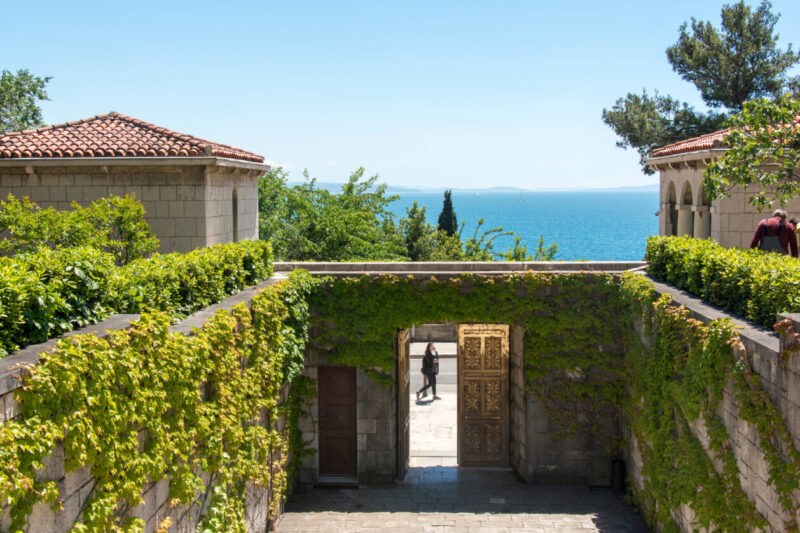
Adriatic Coastline
The Adriatic ferry network is one of Europe’s best-kept logistics secrets — one ticket can link Split, Hvar, Korčula, and Dubrovnik in a single trip.
The ViaTravelers atlas · Collections
Explore travel collections organized around interests, activities, and travel styles. Find places and guides for your next trip.
812 published guides and stories to explore
The Adriatic ferry network is one of Europe’s best-kept logistics secrets — one ticket can link Split, Hvar, Korčula, and Dubrovnik in a single trip.
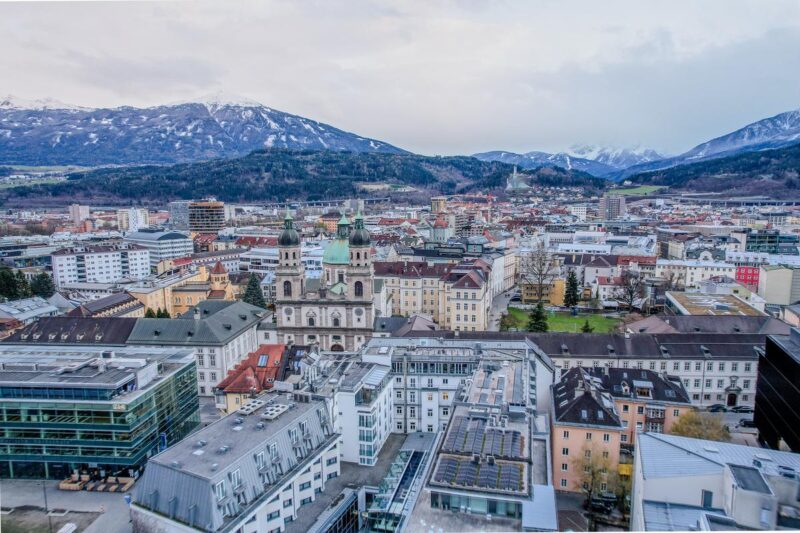
Innsbruck has a ski jump visible from the old town. That alone tells you what kind of city this is — where mountains aren’t a backdrop, they’re the point.
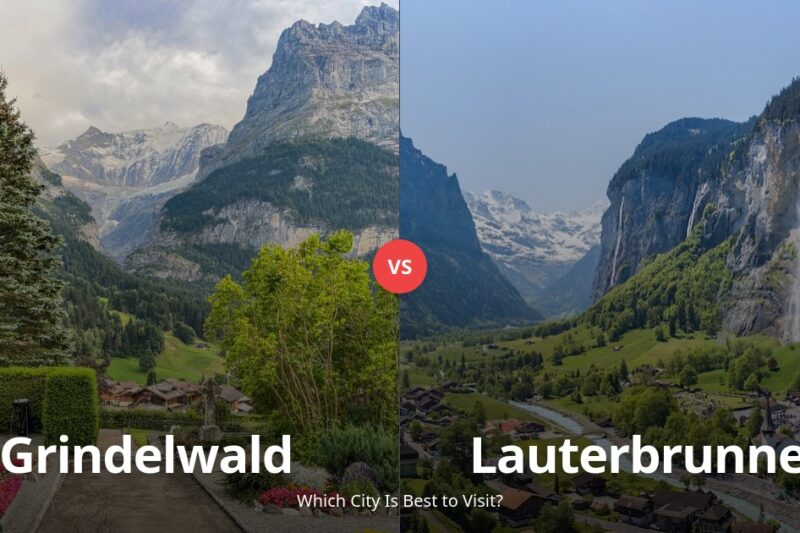
The Alps reward slow travel — one valley, one lake, one ridgeline at a time. These are the towns worth building your itinerary around.
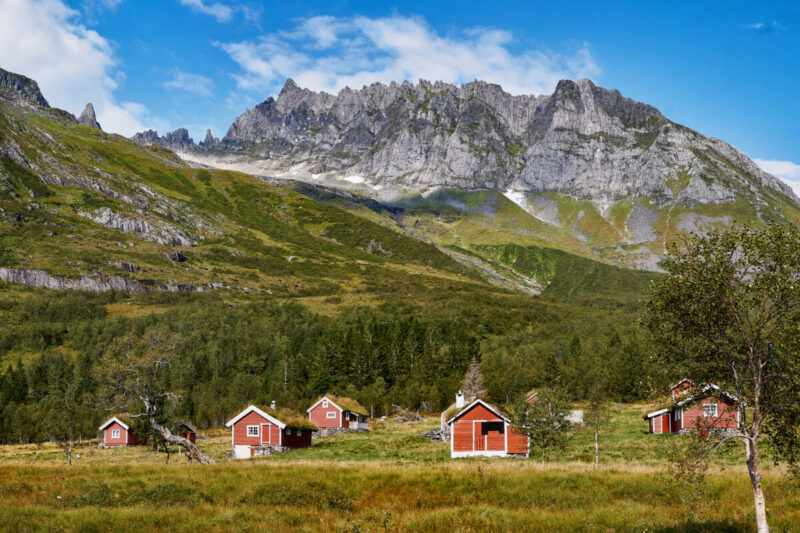
The foothills get skipped for the peaks — that’s a mistake. The villages here have better food, fewer crowds, and the same mountain views.

Above the treeline, the air changes — cooler, sharper, quieter. Alpine forests reward the extra elevation with scenery that lower trails simply can’t match.
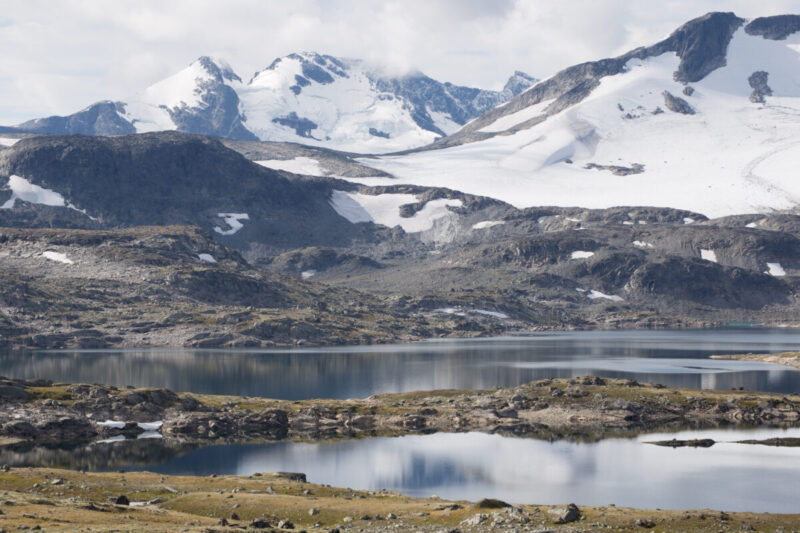
Alpine lakes sit at elevations where the water runs cold, clear, and impossibly blue — and most people only stop for a photo when they should stay for a day.

Alaska runs on bush planes and ferry schedules, not convenience. Get the logistics right and the glaciers, wildlife, and aurora do the rest.
The Adriatic coastline runs from Slovenia to Albania — most tourists see Croatia and stop. The towns further south are worth the extra miles.
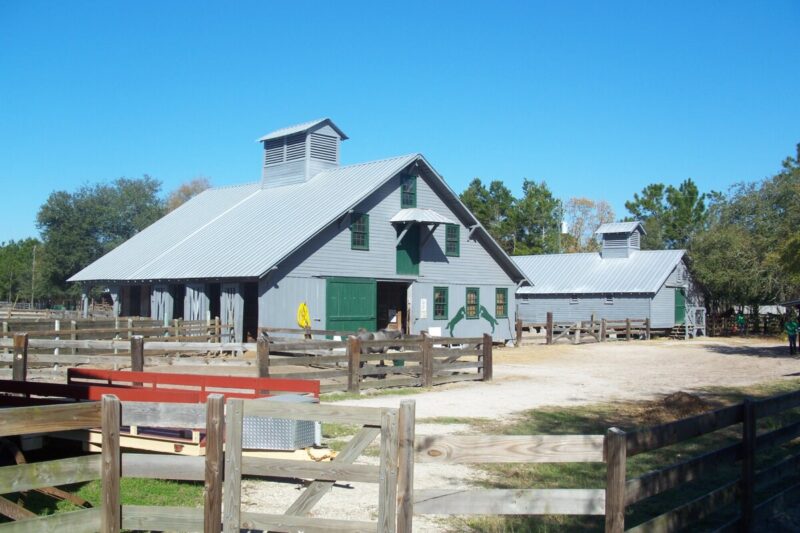
Vineyards, orchards, working farms — agricultural regions show you how a place actually feeds itself, and that changes how you taste everything.
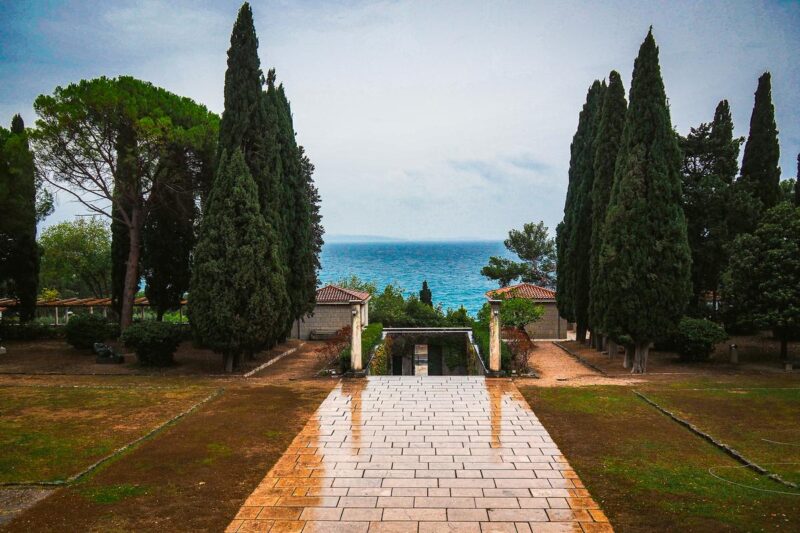
Croatia’s Dalmatian islands and Italy’s eastern Adriatic coast share the same sea but feel like different worlds — here’s how to pick your side.

Vineyards, rice terraces, and working orchards make better backdrops than most national parks. Slow down, and the landscape starts feeding you.

Terraced rice paddies and vineyard rows aren’t backdrops — they’re calendars. Time your visit right and the landscape tells you exactly where you are in the year.
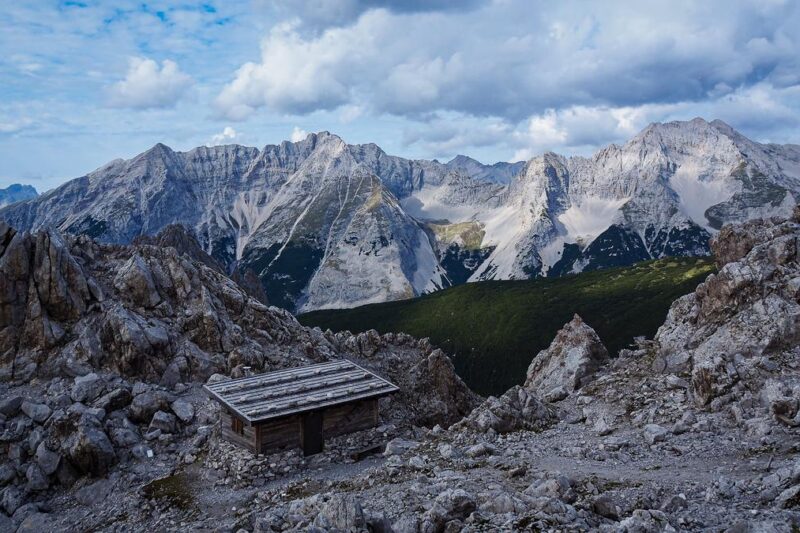
The glaciers here don’t care about your schedule. Trails go remote fast, and the valleys between peaks feel genuinely untouched.
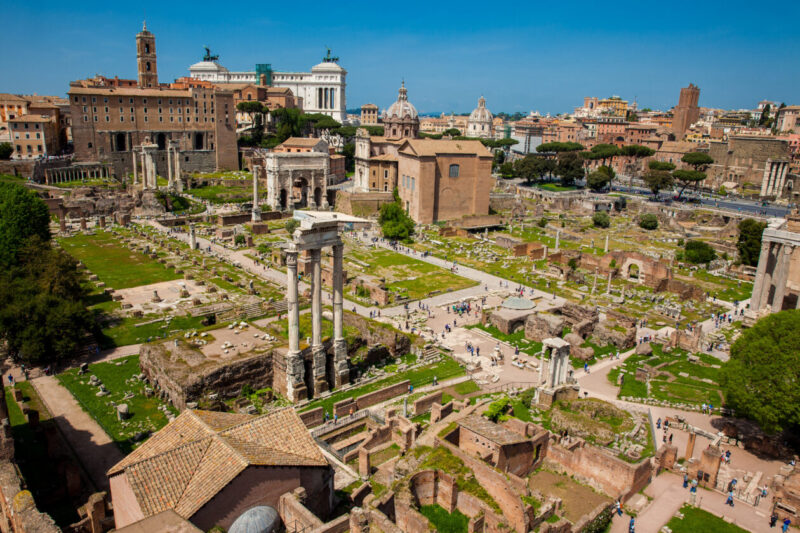
Weathered stone tells better stories than any museum placard. These ancient ruins collections cut through the noise to the sites worth the detour.
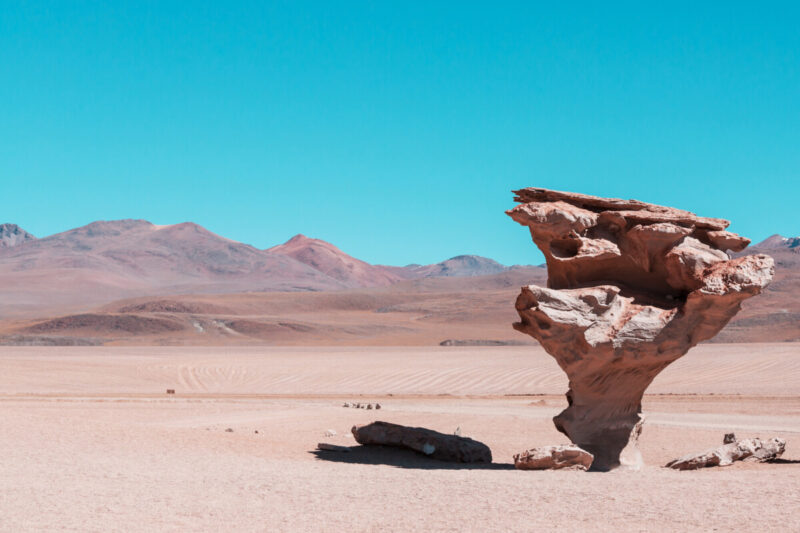
The Andes run 4,500 miles through seven countries. The peaks get the attention, but the villages between them are what keep you staying longer.

Greek Revival columns and live-oak alleys look beautiful. The history behind who built them — and how — is harder to sit with.
Glacier-fed lakes, wildflower meadows, and peaks that shift the way you think about scale — alpine terrain earns every difficult step.
The Alps span eight countries and most people only see one. Getting the full picture means rethinking your route entirely.
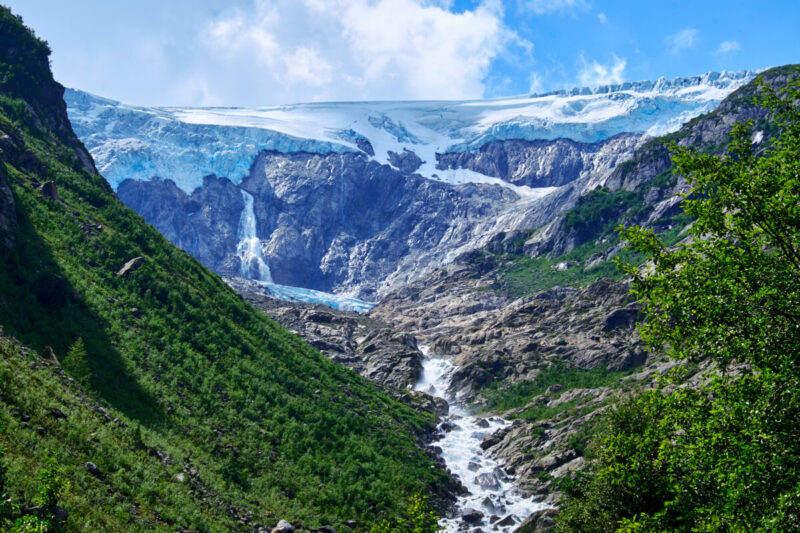
High-altitude meadows hit differently in July — wildflowers at eye level, no crowds, and peaks in every direction.
Glacial valleys, high-altitude meadows, and mountain villages that took centuries to build — Alpine landscapes reward the travelers who slow down.

Cobblestone lanes, wooden chalets, snow-dusted rooftops — alpine villages move at a pace that makes you reconsider your entire travel style.
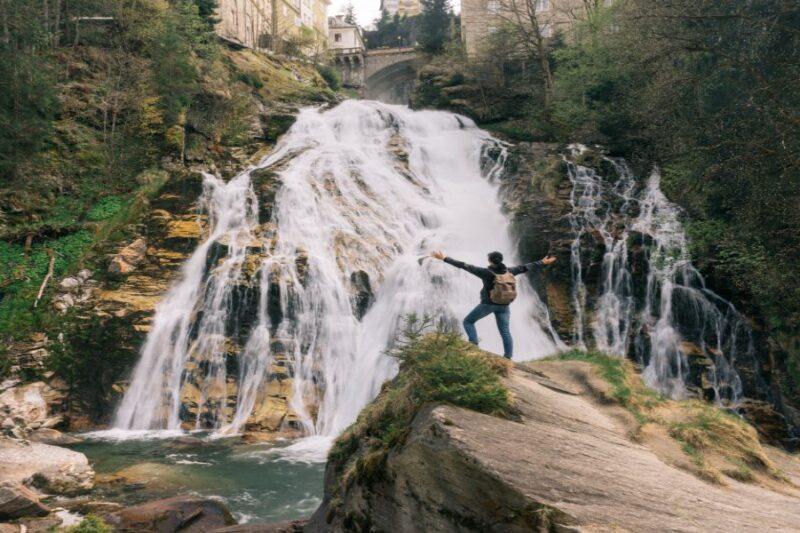
The Alps reward slow travelers. Skip the resort towns and you get glacial lakes, ridge trails, and villages that haven’t changed in decades.
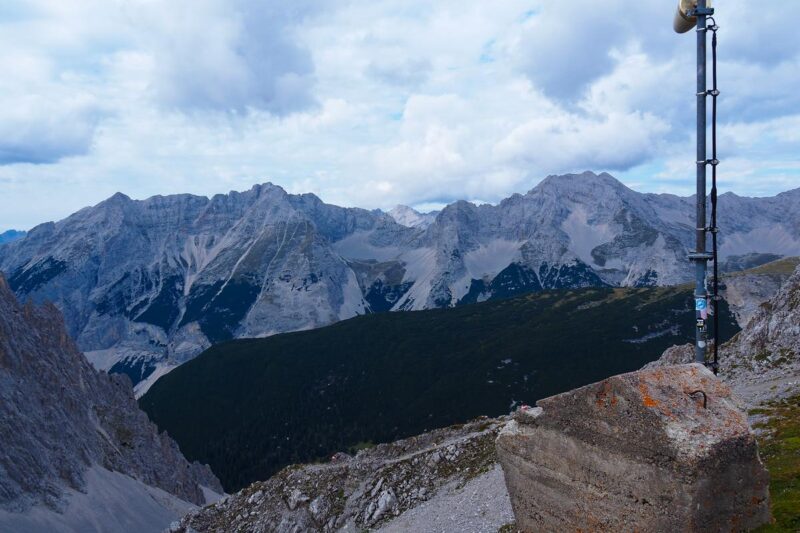
Glacial lakes, raw peaks, and air that actually smells like something — Alpine scenery rewards the travelers who get off the main roads.
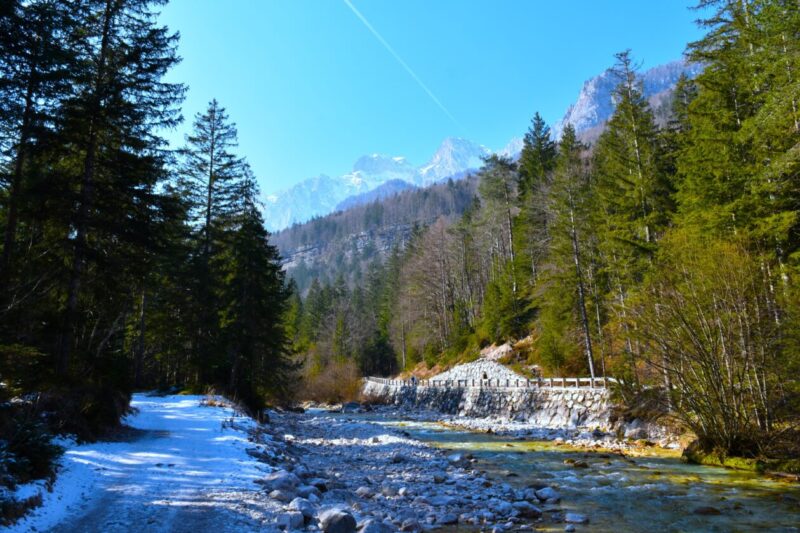
Alpine valleys hit differently in shoulder season — fewer crowds, cheaper beds, and the peaks still dusted with snow above green meadows.