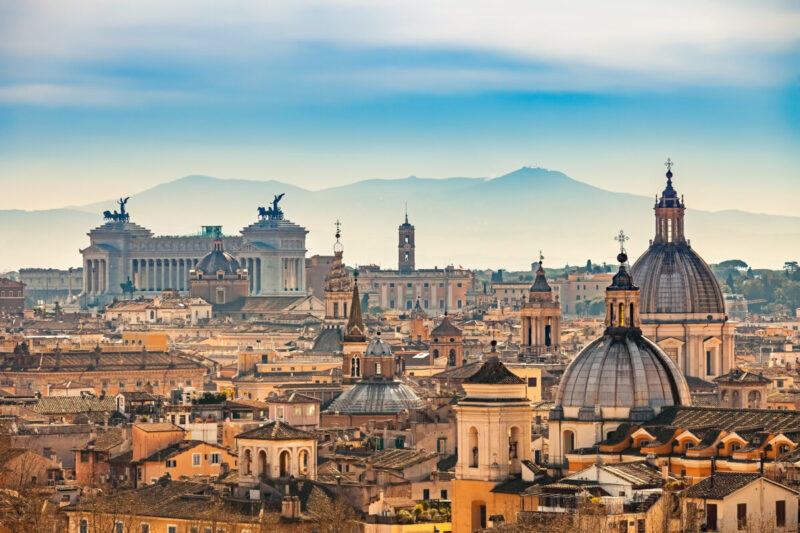
Mediterranean Beaches
The Mediterranean has 46,000 km of coastline. Most tourists crowd the same 10 beaches. These are the ones worth the detour.


The ViaTravelers atlas · Collections
Explore travel collections organized around interests, activities, and travel styles. Find places and guides for your next trip.
812 published guides and stories to explore
The Mediterranean has 46,000 km of coastline. Most tourists crowd the same 10 beaches. These are the ones worth the detour.

The moat at Bodiam looks decorative now. It wasn’t. Medieval castle design was brutal, deliberate, and worth reading before you go.
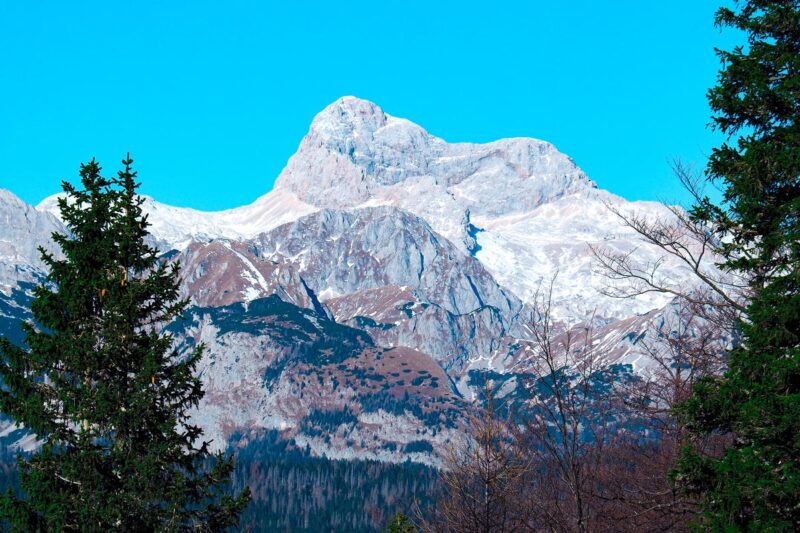
Cobblestones, guild halls, and city walls that actually predate Columbus — medieval old towns reward slow walkers more than rushed tourists.
Cobbled alleys, fortified walls, and courtyards that predate most countries — the Medieval Quarter rewards the visitors who slow down.

Cobblestone lanes slow you down in the best way. The cities that kept their medieval cores intact reward walkers who skip the main square.

Cobblestone streets, stone houses standing since the 1300s, cathedrals that took generations to build — medieval towns reward the traveler who slows down.
The best suburban neighborhoods often have better coffee, quieter streets, and more locals than anywhere near the city center.

The Burj Khalifa line is a trap. Go at dusk, book weeks out, and skip level 124 for the At the Top SKY.
The best skyline views aren’t from observation decks — they’re from rooftop bars, bridge walkways, and the right riverbank at dusk.

The best modern shopping districts aren’t just retail — they’re architecture, food halls, and city design folded into one walkable block.
The best modern cities don’t just look sharp — they move fast, eat well, and fit three neighborhoods into a single afternoon on foot.
The best modern architecture districts aren’t just pretty—they’re walkable, photogenic at midnight, and full of buildings that actually changed how cities work.
These cities aren’t just big — they’re built differently. Skylines that mean something, neighborhoods with real character, and public spaces worth the detour.
Skyscrapers tell you where a city is headed. The best business districts have world-class dining, architecture, and energy most tourists walk straight past.
Glass towers and good transit are just the start — the best business districts have rooftop bars, serious lunch spots, and art you actually stop for.
Skylines tell you what a city values. These destinations put the architecture, design districts, and after-dark energy front and center.
The best modern districts aren’t tourist draws — they’re where locals actually live, eat, and move. That difference shows the moment you arrive.
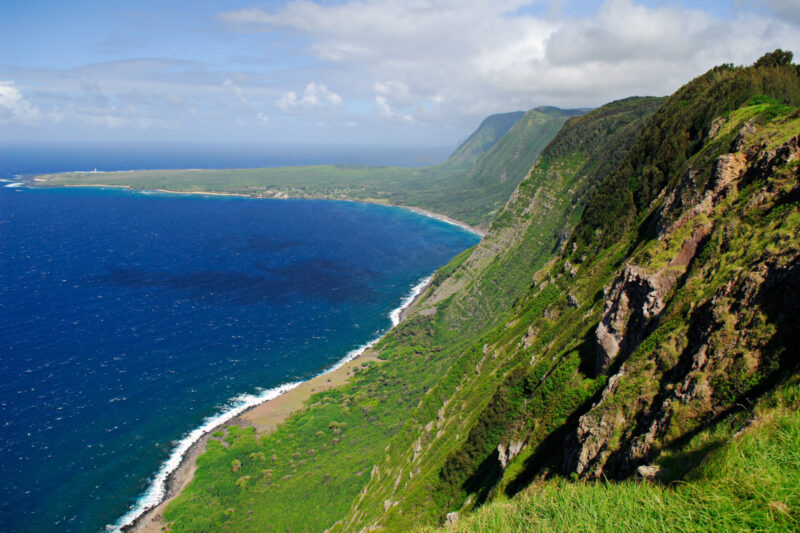
Alpine lakes hit different at elevation — the water is impossibly cold, impossibly clear, and most people only see them from a parking lot.
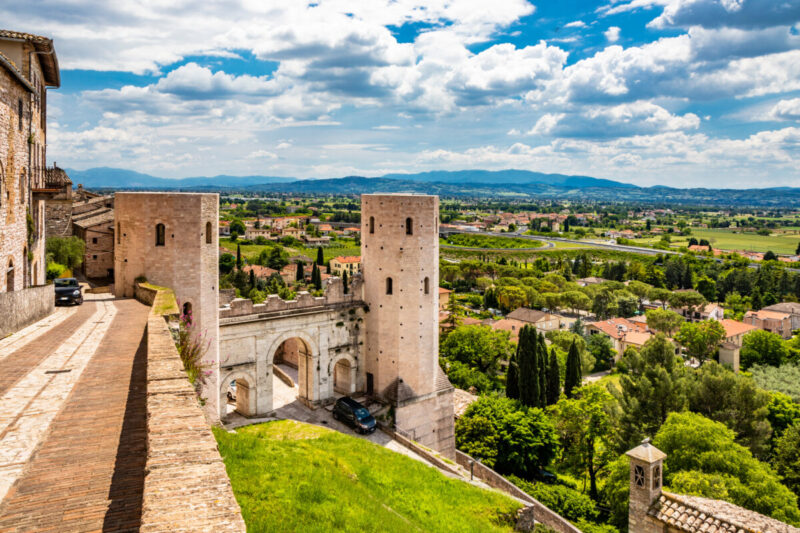
Mountain passes punish the unprepared and reward everyone else — altitude shifts, weather walls, and roads that look impossible until you’re on them.
The air gets thinner, the crowds thin out faster, and the views earn every step. These are the mountain peaks worth rearranging a trip for.
Snow-capped peaks, alpine valleys, high-altitude cultures — mountain ranges pack more variety into one trip than most destinations manage in a week.
Foothills give you the mountains without the altitude headache — rolling terrain, real wildlife, and actual breathing room before the peaks begin.
Rugged ridgelines and towering summits don’t just decorate a trip — they reframe it. These destinations hit differently when mountains are the backdrop.
Glass towers and food halls are fine. The real test of a city is whether its streets still work at midnight on a Tuesday.