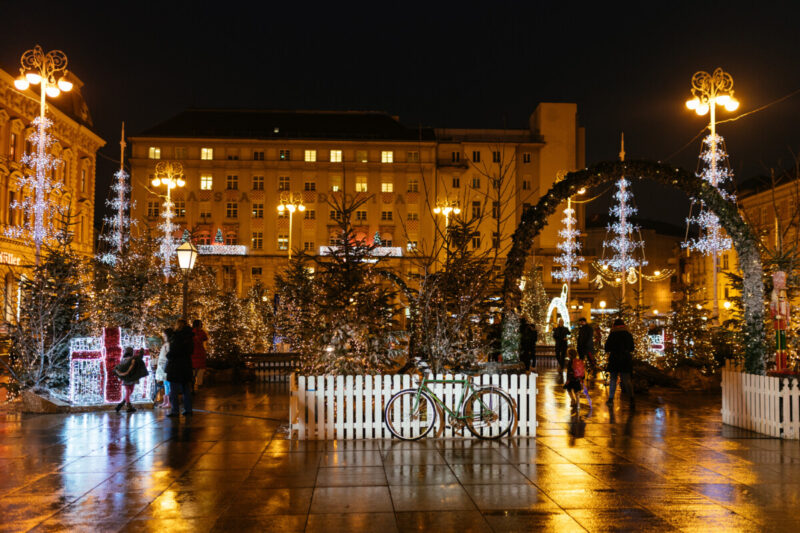
Split vs Zagreb: Which Croatian City is Better to Visit in 2026?


The verdict
Split wins overall (8.2 vs 8 out of 10), taking 2 of 5 categories.
Split narrowly edges out Zagreb due to its unique blend of historical significance, coastal beauty, and outdoor activities. However, both cities offer distinct experiences, with Zagreb excelling in cultural offerings and urban charm. The choice depends on whether you prefer a coastal or inland Croatian experience.
Zagreb is notably cheaper overall, especially excluding rent; Split is ~8 % more expensive on living costs and coastal rentals are slightly higher. Split offers milder, drier winters and hot, clear summers ideal for coastal travel; Zagreb, by contrast, has colder, snowier winters and more variable rainfall.
Best for budget-conscious culture enthusiasts — Zagreb combines affordability with cultural depth.
Overall scores are editorial ratings out of 10; category winners come from the per-category scores below. The overall pick is the higher overall score.
Overall scores
Category by category
| Category | Split | Zagreb | Edge |
|---|---|---|---|
| Historical AttractionsComparison of historical sites and architectural landmarks | 9 | 8 | Split |
| CuisineAnalysis of local specialties and dining experiences | 8 | 8 | Even |
| Natural BeautyEvaluation of landscapes, parks, and outdoor activities | 9 | 7 | Split |
| Cultural SceneOverview of museums, galleries, and cultural events | 7 | 9 | Zagreb |
| NightlifeComparison of evening entertainment and nightlife scenes | 8 | 8 | Even |
Historical Attractions: the details
Split
- Diocletian's Palace – UNESCO World Heritage site from 4th century
- Cathedral of Saint Domnius – oldest Catholic cathedral still in use
- Peristyle Square – ancient Roman courtyard
Zagreb
- Zagreb Cathedral – neo-Gothic masterpiece
- Stone Gate – 13th-century shrine
- Lotrščak Tower – 13th-century fortification
Cuisine: the details
Split
- Fresh seafood dishes (grilled fish, black risotto)
- Dalmatian pašticada – traditional beef stew
- Konoba-style restaurants offering authentic experiences
Zagreb
- Štrukli – traditional pastry dish
- Zagreb cutlet – breaded veal cutlet
- Dolac Market for fresh local produce and specialties
Natural Beauty: the details
Split
- Beaches like Bačvice and Kašjuni
- Marjan Forest Park for hiking and cycling
- Easy access to islands like Hvar and Brač
Zagreb
- Maksimir Park – largest park in Zagreb
- Jarun Lake for water sports and recreation
- Medvednica Nature Park for hiking and skiing
Cultural Scene: the details
Split
- Split City Museum in Diocletian's Palace
- Meštrović Gallery showcasing Ivan Meštrović's works
- Split Summer Festival – annual cultural event
Zagreb
- Museum of Contemporary Art – largest in Croatia
- Croatian National Theatre for opera and ballet
- Numerous annual festivals like INmusic and Zagreb Film Festival
Nightlife: the details
Split
- Bacvice Beach for beach clubs and bars
- Peristyle Square for atmospheric evening drinks
- Ghetto Club for alternative music scene
Zagreb
- Tkalčićeva Street for numerous bars and cafes
- Rakia Bar for traditional Croatian spirits
- Lake Jarun area for summer nightclubs
Who should pick which
Split vs Zagreb: Which Should You Visit?
Both Split and Zagreb are popular travel destinations, but they offer very different experiences. Whether you’re planning a quick getaway or a longer trip, understanding how they compare on weather, cost, things to do, and cultural depth helps you pick the right one for your travel style and budget.
Weather and Best Time to Visit
Split offers milder, drier winters and hot, clear summers ideal for coastal travel; Zagreb, by contrast, has colder, snowier winters and more variable rainfall.
Split: Best months are June, July, August. ≈10 °C (Jan low ~5 °C) to ~30 °C (Jul high ~31 °C).
Zagreb: Best months are June, July, August. ≈−2 °C (Jan low ~−2 °C) to ~27 °C (Jul high ~26 °C).
Split: Best months are June, July, August. ≈10 °C (Jan low ~5 °C) to ~30 °C (Jul high ~31 °C).
Zagreb: Best months are June, July, August. ≈−2 °C (Jan low ~−2 °C) to ~27 °C (Jul high ~26 °C).
Weather winner: Split
Cost of Travel and Daily Budget
Zagreb is notably cheaper overall, especially excluding rent; Split is ~8 % more expensive on living costs and coastal rentals are slightly higher.
Slightly higher coastal rents (~€530–600 for 55 m²)
Moderate rents (~€550–750 for 50 m² city centre)
Slightly higher coastal rents (~€530–600 for 55 m²)
Moderate rents (~€550–750 for 50 m² city centre)
Split ~8 % more expensive excluding rent
Sources: {‘name’: ‘Numbeo cost of living comparison’, ‘url’: ‘https://www.numbeo.com/cost-of-living/compare_cities.jsp?city1=Split&city2=Zagreb&country1=Croatia&country2=Croatia’}, {‘name’: ‘Croatia Week on rent comparison’, ‘url’: ‘https://www.croatiaweek.com/how-much-money-is-needed-for-a-normal-life-in-croatia/’}
Budget winner: Zagreb
Things to Do and Activities
Both cities host major recurring festivals: Split’s heritage-rich performing arts and coastal music events contrast with Zagreb’s vibrant contemporary film, music and light festivals.
Culture, Heritage, and Local Life
Zagreb blends avant-garde film, music, theatre and seasonal lighting festivals with strong civic identity; Split emphasizes classical heritage staged amid Roman-era venues and beach-framed communal celebrations.
Culture winner: Zagreb
The Bottom Line: Split or Zagreb?
Zagreb takes the edge in 2 out of 3 categories. However, both destinations have distinct strengths, and the best choice depends on your priorities.
Consider visiting Split if you prioritize better weather. Choose Zagreb if affordability matters more to you.
Travel tips
- Consider visiting Split during shoulder seasons (May-June or September-October) for pleasant weather and fewer crowds.
- In Zagreb, take advantage of the Zagreb Card for discounts on attractions and public transport.
- When in Split, explore nearby islands like Hvar or Brač for day trips.
- Try to time your Zagreb visit with one of the city's many festivals for a more immersive cultural experience.
Frequently asked questions
Which city is more budget-friendly, Split or Zagreb?
Generally, Zagreb tends to be slightly more budget-friendly than Split, especially during the peak summer season when Split's prices can increase significantly due to tourism. However, both cities offer a range of options for different budgets.
Is it easy to travel between Split and Zagreb?
Yes, there are good connections between Split and Zagreb. You can travel by bus (5-6 hours), train (6-7 hours), or take a short domestic flight (about 45 minutes). The bus is often the most popular option due to frequency and cost.
Which city is better for a winter visit?
Zagreb is generally better for a winter visit. It has a charming Christmas market, potential for nearby skiing at Mount Medvednica, and a cozy winter atmosphere. Split, while milder, can be quite quiet in winter with many tourist facilities closed.
The two side by side
Split
Croatia
A coastal gem blending ancient Roman architecture with Mediterranean lifestyle
- Diocletian's Palace
- Riva Promenade
- Marjan Hill
- Beaches
- January: 10
- February: 12
- March: 20
- April: 40
- May: 70
- June: 85
- July: 100
- August: 98
- September: 75
- October: 45
- November: 15
- December: 25
Zagreb
Croatia
The capital city showcasing Austro-Hungarian architecture and vibrant cultural scene
- Upper Town
- St. Mark's Church
- Dolac Market
- Museum of Broken Relationships
- January: 20
- February: 25
- March: 35
- April: 50
- May: 70
- June: 85
- July: 100
- August: 95
- September: 80
- October: 60
- November: 30
- December: 40