

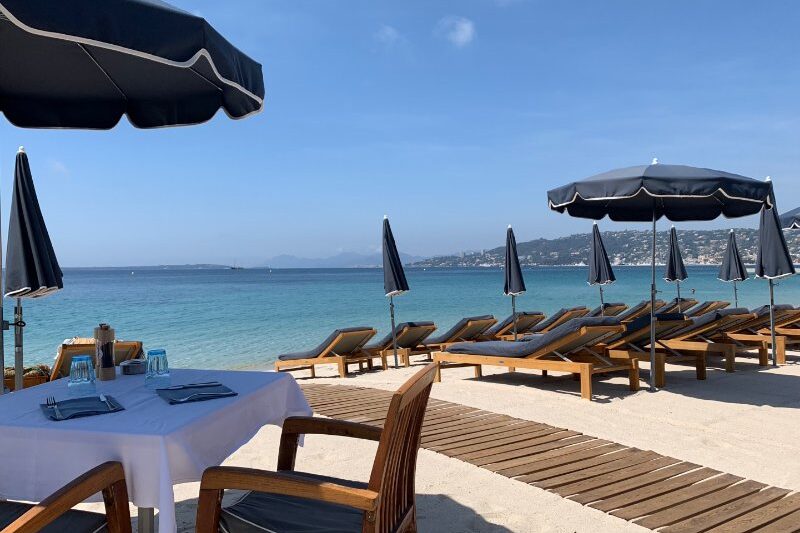
Antibes, located on the French Riviera, is renowned for its stunning beaches, historic old town, and vibrant art scene. The city offers a delightful mix of Mediterranean charm and modern luxury, making it a favorite destination for travelers seeking both relaxation and culture. Visitors can explore the Picasso Museum, stroll along the picturesque harbor, and enjoy the local cuisine at seaside restaurants.
The destination guide
Antibes

Travel guides for Antibes
More guides featuring Antibes (5)
At a glance
Currency€ EURCode: EUR
Time zoneCentral European Time
Languages
- French
Setting
- Mediterranean coast
- Sandy beaches
- Cap d'Antibes peninsula
- Old town ramparts
Population75,00075,000 residents
VisaDuration: Up to 90 days within any 180-day period in the Schengen Area · Documents: Valid passport issued within the last 10 years and valid for at least 3 months after planned departure, plus proof of accommodation, onward or return travel, and sufficient funds if requested
How Antibes scores
8/10OverallExcellent
Weather9/10
Value for money6/10
Food & cuisine8/10
Culture & arts6/10
Cultural experience8/10
Nature & outdoors7/10
Adventure4/10
Nightlife5/10
Shopping6/10
Family friendly5/10
Romance9/10
Editorial scores on a 10-point scale, weighed against destinations of the same kind.
Travel safety snapshot
Overall79/100Moderate rating
Women travellers76/100
LGBTQ+ travellers75/100
Theft62/100
Medical care80/100
Physical harm82/100
Political freedom78/100
SafePlace indicators use their source 100-point scale; higher is more favourable. Planning context, not a live travel advisory — check official government guidance before you go.
When to go
Best months to visit: April, May, June, July, August, September and October.
- January: 4.6 to 11.4 degrees Celsius, 10.2 millimetres of rain, best-time score 2 out of 5.
- February: 3.9 to 12 degrees Celsius, 19.2 millimetres of rain, best-time score 2 out of 5.
- March: 6.9 to 14.5 degrees Celsius, 67.9 millimetres of rain, best-time score 3 out of 5.
- April: 9.4 to 17.4 degrees Celsius, 12.2 millimetres of rain, best-time score 4 out of 5.
- May: 11.4 to 18.9 degrees Celsius, 48.9 millimetres of rain, best-time score 5 out of 5.
- June: 17.2 to 23.9 degrees Celsius, 38.9 millimetres of rain, best-time score 5 out of 5.
- July: 19.6 to 26.9 degrees Celsius, 19.8 millimetres of rain, best-time score 4 out of 5.
- August: 19.6 to 27.7 degrees Celsius, 11.9 millimetres of rain, best-time score 4 out of 5.
- September: 17 to 24.3 degrees Celsius, 42.9 millimetres of rain, best-time score 5 out of 5.
- October: 12.6 to 19.4 degrees Celsius, 35.7 millimetres of rain, best-time score 5 out of 5.
- November: 9.2 to 15.8 degrees Celsius, 89.9 millimetres of rain, best-time score 3 out of 5.
- December: 6.1 to 12.1 degrees Celsius, 25.2 millimetres of rain, best-time score 2 out of 5.
Month-by-month conditions and packing advice
- January
- Cool weather, mostly dry January in Antibes: winter is quieter and less balanced for a classic Riviera trip. Crowds: January is firmly in Antibes’ low tourist season, making it an appealing time for travelers seeking a peaceful escape along the French Riviera. Accommodation prices are generally lower, and popular sites like the Picasso Museum or the Marché Provençal see fewer visitors. While beach swimming is off the table due to cooler sea temperatures, coastal walks, cycling, and day trips to nearby Nice or Cannes are all highly enjoyable in the mild, dry conditions. The subdued winter light is excellent for photography, especially in the late afternoon. Outdoor dining may be limited to sunny midday hours, and some smaller seasonal businesses may be closed, so planning ahead ensures a smooth visit. Pack: Warm layers for cool mornings and evenings; Comfortable walking shoes for cobblestone streets; Light scarf for wind protection along the coast; Smart casual wear for dining in local bistros; Compact umbrella for occasional light showers; Sunglasses for bright winter sunlight
- February
- Cool weather, mostly dry February in Antibes: winter is quieter and less balanced for a classic Riviera trip. Crowds: This is low tourist season in Antibes, meaning smaller crowds, reduced accommodation rates, and an unhurried pace. Outdoor sightseeing is comfortable, though beach swimming is best left for warmer months. February’s weather is ideal for cultural exploration—wandering museums, dining in cozy bistros, or visiting nearby Provençal markets—without battling summer queues. Some seasonal attractions or beach clubs may be closed, but the town’s core heritage sites remain open year-round. Travelers seeking a tranquil Riviera experience will find this month rewarding, with the added bonus of off-season photography conditions. Booking flexibility is high, allowing spontaneous day trips to neighboring towns along the Côte d’Azur. Pack: Warm layered clothing for fluctuating temperatures; Comfortable walking shoes for cobblestone streets; Windproof jacket for coastal breezes; Light scarf for added warmth and style; Compact umbrella for occasional showers; Smart-casual attire for dining in local restaurants
- March
- Cool weather, some rain March in Antibes: cooler transition weather narrows beach plans. Crowds: March is part of Antibes’ shoulder season, offering a quieter, more relaxed experience compared to the bustling summer months. Accommodation prices are generally lower, and popular sites like the Picasso Museum or the Cap d’Antibes coastal paths are far less crowded. The weather supports outdoor exploration, but layering is essential to stay comfortable in cool mornings and occasional damp conditions. Some seasonal restaurants and beach clubs may still be closed, yet local cafés and markets provide an authentic slice of daily life. This is a good time for travelers who prioritize cultural immersion, photography, and peaceful coastal walks over beach lounging. Advance booking isn’t critical, but choosing centrally located lodging will make exploring on foot more convenient. Pack: Layered clothing for variable temperatures; Water-resistant jacket for occasional rain; Comfortable walking shoes for cobblestone streets; Light scarf for wind protection; Compact travel umbrella; Smart casual attire for local dining
- April
- Cool weather, mostly dry April in Antibes: spring buildup or summer beach timing can work with crowds and heat planned around. Crowds: April marks the start of the shoulder season in Antibes—warmer and drier than winter but without the summer crowds. Accommodation rates remain reasonable, and popular sites like the Picasso Museum or Marché Provençal are comfortably busy rather than congested. The weather is ideal for cultural exploration, seaside walks, and day trips to nearby Cannes or Nice. While the sea is still cool for swimming, the lack of heavy rain means outdoor excursions are rarely disrupted. Travelers can enjoy open-air markets and early-season festivals in relative tranquility. For the best experience, book waterfront dining and tours in advance for weekends, as regional visitors often flock in for spring sunshine. Pack: Light jacket or trench coat for cooler mornings; Comfortable walking shoes for cobblestone streets; Light scarf for breezy seaside walks; Sunglasses with UV protection for bright days; Smart-casual attire for dining out; Reusable water bottle for day excursions
- May
- Warm and pleasant, some rain May in Antibes: old-town walks, beaches, Cap d Antibes paths, markets, museums, and Riviera day trips balance warmth and comfort. Crowds: May is an ideal time to explore Antibes before the summer crowds surge. The weather is warm enough for beach lounging and sailing but still comfortable for inland hikes and cultural visits. Tourist numbers rise compared to early spring, yet accommodations and restaurants are less congested than in July or August. Prices are moderate, making it a smart window for travelers seeking value without sacrificing conditions. Outdoor events, such as the Antibes Jazz Festival warm-ups and local artisan fairs, add cultural depth to visits. The mild evenings encourage open-air dining, and the occasional rain shower rarely disrupts plans. Booking in advance for waterfront lodging is advisable, as demand steadily increases leading into summer. Pack: Light sweater or cardigan for cooler evenings; Comfortable walking shoes for cobblestone streets; Compact umbrella or light rain jacket; Breathable daytime clothing such as cotton or linen; Sunhat and sunglasses for midday sun; Smart-casual attire for dining and evening events
- June
- Warm and pleasant, some rain June in Antibes: old-town walks, beaches, Cap d Antibes paths, markets, museums, and Riviera day trips balance warmth and comfort. Crowds: June marks the beginning of Antibes’ summer season, offering prime conditions for beach visits, sailing excursions, and cultural festivals without the peak-season congestion of July and August. Accommodation prices start to rise, but availability remains better than in high summer. Outdoor cafés, coastal trails, and cultural landmarks are in full swing, with long daylight hours extending opportunities for sightseeing. Some rain may briefly pause activities, but it rarely disrupts plans. It’s an excellent month for travelers seeking a balance between vibrant seasonal energy and manageable crowd levels—ideal for those who want to enjoy the French Riviera’s charm before the busiest tourist influx. Booking hotels and popular restaurants in advance is wise, especially for weekends and festival dates. Pack: Lightweight breathable clothing for daytime warmth; Comfortable sandals or walking shoes for coastal paths; Light jacket or shawl for cooler evenings; Compact umbrella or light rain jacket for brief showers; Wide-brimmed hat and sunglasses for midday sun; Swimwear and quick-dry beach towel for seaside outings
- July
- Warm and pleasant, mostly dry July in Antibes: spring buildup or summer beach timing can work with crowds and heat planned around. Crowds: This is peak summer season in Antibes, attracting both French holidaymakers and international visitors. The warm, dry weather is perfect for beach days, sailing, and open-air cultural events like the Jazz à Juan festival. Expect busy beaches, fully booked waterfront restaurants, and premium hotel rates. Advance reservations are essential for popular dining spots and activities. While crowds are heaviest along main promenades and the old port, quieter coves and early morning walks offer reprieve. Long daylight hours maximize sightseeing opportunities, but shade and hydration breaks are advisable during midday heat. Pack: Lightweight linen or cotton outfits for daytime comfort; Comfortable sandals or walking shoes for cobbled streets; Wide-brimmed hat and high-SPF sunscreen; Swimwear and quick-dry towel for beach visits; Light evening wrap or shawl for seaside dinners; Reusable water bottle to stay hydrated in the sun
- August
- Warm and pleasant, mostly dry August in Antibes: spring buildup or summer beach timing can work with crowds and heat planned around. Crowds: August represents the height of Antibes’ summer season, attracting both international visitors and domestic holidaymakers. Expect crowded beaches, busy marinas, and high accommodation rates, with bookings often required months in advance. Warm, dry conditions make it perfect for water sports, coastal hikes along the Cap d’Antibes, and late-night festivals. The town’s cultural calendar is vibrant, but the popularity means less solitude in major attractions. Early mornings or late evenings are best for exploring the old streets without the midday tourist rush. While prices peak, the abundance of seasonal events and near-perfect weather provide strong value for those seeking an active, social Mediterranean summer experience. Pack: Lightweight linen or cotton clothing for daytime heat; Swimwear for beaches and coastal activities; Wide-brimmed hat and polarized sunglasses; Comfortable sandals for seaside promenades; Evening wear for dining and cultural events; Refillable water bottle to stay hydrated in the sun
- September
- Warm and pleasant, some rain September in Antibes: old-town walks, beaches, Cap d Antibes paths, markets, museums, and Riviera day trips balance warmth and comfort. Crowds: September marks the tail end of Antibes’ peak tourist period, offering a sweet spot between the bustle of August and the quieter months ahead. Pleasant sea temperatures still encourage swimming, while the reduced crowds make exploring markets, museums, and coastal trails more relaxed. Accommodation rates begin to soften compared to high summer, though advance booking remains wise for waterfront properties. It’s also an excellent month for cultural immersion, with local festivals and wine harvest celebrations in nearby Provence. The combination of warm days, cooler nights, and occasional light rain means nearly all outdoor activities remain accessible, from sailing to hiking, without the discomfort of extreme heat. Pack: Lightweight breathable clothing for warm daytime temperatures; A light waterproof jacket for occasional showers; Comfortable walking shoes for cobblestone streets; A light sweater or scarf for cooler evenings; Sunglasses and broad-brimmed hat for midday sun; Smart-casual attire for dining in upscale restaurants
- October
- Warm and pleasant, some rain October in Antibes: old-town walks, beaches, Cap d Antibes paths, markets, museums, and Riviera day trips balance warmth and comfort. Crowds: October marks the beginning of Antibes’ shoulder season, offering a sweet spot for travelers who prefer calmer streets and reduced accommodation rates while still enjoying mild weather. Outdoor activities such as coastal walks, cycling, and market visits remain comfortable, with fewer crowds at landmarks like the Picasso Museum. Some seasonal businesses may shorten hours, and the sea is cooler but still swimmable for the hardy. The reduced tourist density makes this an ideal month for immersive cultural experiences and photography without peak-season interruptions. Booking flexibility is greater, but it’s wise to reserve ahead for fine dining or vineyard tours as local events can still draw regional visitors. Pack: Light jacket or windbreaker for cooler evenings; Comfortable walking shoes for cobblestone streets; Compact travel umbrella for occasional showers; Layered clothing for fluctuating temperatures; Scarf or shawl for added warmth and style; Camera with polarizing filter for autumn light photography
- November
- Cool weather, some rain November in Antibes: cooler transition weather narrows beach plans. Crowds: November is firmly in Antibes’ low season, offering visitors a peaceful alternative to the summer bustle. Cooler temperatures and higher rainfall mean beach days are limited, but cultural exploration—such as the Picasso Museum, Provençal Market, and coastal walks—remains rewarding. Accommodation rates are significantly lower, and popular restaurants are easier to book without advance planning. Some seasonal establishments may close or operate reduced hours, but the reduced crowding enhances authenticity. Travelers can enjoy the slower pace, savoring hearty Provençal cuisine and seasonal produce in cozy bistros. This is an excellent month for those seeking atmospheric, photogenic streetscapes, maritime heritage, and a quieter, more reflective Riviera experience. Pack: Water-resistant jacket or trench coat; Comfortable closed-toe walking shoes; Light wool or cashmere sweater for layering; Compact travel umbrella; Scarf for added warmth during breezy days; Smart-casual attire for indoor dining and cultural venues
- December
- Cool weather, mostly dry December in Antibes: winter is quieter and less balanced for a classic Riviera trip. Crowds: December marks Antibes’ low tourist season, making it ideal for travelers seeking calm streets, easy restaurant reservations, and discounted accommodation rates. While beach lounging is off the table, this is prime time for cultural immersion—museum visits, market browsing, and coastal walks without jostling through crowds. The cooler weather supports long explorations on foot, but early sunsets and cooler evenings mean outdoor activities are best enjoyed midday. Those planning holiday travel will find festive decorations and seasonal food markets adding charm to the city’s historic quarters. Book in advance for Christmas dining experiences, as select restaurants close for winter breaks. Pack: Warm coat for cool evenings; Comfortable waterproof walking shoes; Layered clothing for variable daytime temperatures; Scarf and gloves for breezy coastal walks; Compact umbrella for occasional showers; Smart casual attire for dining and cultural outings
Peak season
- June
- July
- August
Off-peak
- January
- February
- November
Know before you go
Best time to visit
The best time to visit Antibes is during the shoulder seasons of April to June and September to October, when warm Mediterranean weather, fewer crowds, and more affordable accommodation make exploring the Old Town, beaches, and Cap d’Antibes ideal.
Spring (April-June)
Temperatures climb from 15-24°C (59-75°F) with increasing sunshine. May and June offer warm days perfect for beach walks and outdoor dining in the Old Town. Fewer tourists and better hotel value than summer.
Summer (June-August)
Hot and sunny (25-30°C / 77-86°F). Peak season on the French Riviera with crowded beaches, busy restaurants, and the highest prices. The Juan-les-Pins Jazz Festival in July draws international crowds. August is the busiest month.
Autumn (September-October)
September is often the best month — warm weather persists (22-26°C / 72-79°F), the sea is at its warmest, and hotel rates drop significantly. October remains pleasant as crowds thin further.
Winter (December-February)
Cool (8-13°C / 46-55°F) with shorter days. Many hotels and restaurants close. Quietest and cheapest season, but the mild Riviera winter remains warmer than northern France.
Season by season
Summer (July-Aug):
Weather: 25-30°C, sunny
Highlights: Jazz à Juan
Best For: Beaches
Spring (May-June):
Weather: 20-25°C, perfect
Highlights: Film Festival nearby
Best For: Walking
Fall (Sept-Oct):
Weather: 20-25°C, warm sea
Highlights: Voiles d’Antibes (Sailing)
Best For: Swimming/Sailing
Winter (Nov-March):
Weather: 10-15°C, sunny
Highlights: Quiet museums
Best For: Authenticity
Crowds
Antibes peaks in July–August and during Nice/Antibes summer events, with crowded beaches and old town; quietest November–March aside from holiday weekends, when it is relatively calm—overall moderate to high seasonal crowds.
Getting there and around
Getting there
Antibes is accessible via France’s TGV high-speed rail network and regional airports. The city connects to Paris and major French cities via train and highway networks.
Getting around
Navigate the French Riviera’s crown jewel via efficient coastal trains—reach Antibes from Nice in 25 minutes (€5.70) or Cannes in 10 minutes (€3.80) with stunning Mediterranean views arriving directly in city centers every 20-30 minutes. Walk Antibes’ compact Old Town spanning just several hundred meters of tiny lanes perfect for 3-hour explorations with snack breaks, or catch free downtown shuttles (lines 14, 15, 16) around the center. Board Bus #620 to Nice/Cannes for €2.50 budget travel, though expect 2-3x longer journey times versus trains due to traffic and multiple stops. Book Allo Taxi Antibes from five strategic points including Gare SNCF d’Antibes and Place de Gaulle, or use reliable Uber throughout the Riviera. Experience the 10-minute train station walk to village center, where car hire becomes unnecessary for coastal stays but essential for hinterland villages and remote beaches beyond frequent bus schedules. Choose trains first: fast, ecological, cheap transport with unbeatable coastal views connecting this charming Riviera gem to the entire Côte d’Azur efficiently.
Top experiences in Antibes
Picasso Museum (Château Grimaldi)
Housed in the Château Grimaldi overlooking the sea. Picasso lived and worked here in 1946. He left all the work he created (paintings, ceramics) to the museum. It is bright, airy, and one of the best single-artist museums in the world.
Cap d'Antibes
The wooded peninsula that separates Antibes from Juan-les-Pins. It is home to billionaire villas and the Hotel du Cap. The coastal path (Sentier du Littoral) offers stunning wild views of the sea and rocks. It is chic and rugged.
Old Town (Vieil Antibes)
A maze of narrow streets enclosed by 16th-century ramparts. It is filled with flower-covered houses, boutiques, and bistros. The Provençal Market (Marché Provençal) is the heart of it—a riot of smells and colors.
Port Vauban
The largest marina in the Mediterranean by tonnage. It is where the ‘Gigayachts’ dock (Billionaire’s Quay). Seeing these floating palaces up close is jaw-dropping. The ‘Nomade’ sculpture by Jaume Plensa sits on the ramparts here.
Fort Carré
A star-shaped fort built by Vauban in the 16th century. It sits on a peninsula north of the port. It offers a 360-degree view of the coast and the Alps. Napoleon was briefly imprisoned here during the French Revolution.
Editor-curated picks carried over from our original guide. Where a full place guide exists, the card links to it.
Worth booking ahead in Antibes
Hand-picked from the operators our guides already send readers to. Prices and availability are live on the partner site.
Day tripGetYourGuide
Versailles Palace guided tour with coach transfer (opens GetYourGuide in a new tab)
Guided palace visit with the coach transfer handled, so you skip the RER connection and the ticket-office line.
Where to stayBooking.com
Stays in Antibes (opens Booking.com in a new tab)
Live rates and availability for Antibes on Booking.com; filter by neighbourhood once you know where your days start.
We earn a commission if you book through these links, at no extra cost to you. It is how we keep the guides free and independent.
Where to stay
Hôtel du Cap-Eden-Roc
167-165 Bd J. F. Kennedy, 06160 Antibes, France
Possibly the most famous hotel on the French Riviera. Located on the tip of the Cap. It is exclusive, expensive, and legendary. Stars from Picasso to DiCaprio have stayed here. The saltwater pool blasted into the rock is iconic.
Hôtel Juana
19 Av. Georges Gallice, 06160 Antibes, France
A historic Art Deco landmark in Juan-les-Pins. It is stylish, jazzy, and elegant. It was a favorite of the Fitzgeralds and Hemingways. It captures the glamour of the roaring 20s on the Riviera.
Cap d'Antibes Beach Hotel
10 Bd Maréchal Juin, 06160 Antibes, France
A 5-star Relais & Châteaux hotel right on the beach (rare in this area). The design is modern and airy. The Michelin-starred restaurant Les Pêcheurs serves incredible seafood. It is luxurious but relaxed.
Editor-curated stays carried over from our original guide. Where we have reviewed the hotel, the card links to the review.
Tips from the field
Highlights
- Picasso – His studio
- Jazz – Juan-les-Pins festival
- Yachts – Billionaire's Quay
- Market – Provençal food
- Fort – Military history
- Cap – Wild coast walk
- Absinthe – Absinthe Bar
- Fitzgerald – Jazz age feel
Best activities
- Walk the ramparts at sunset. Visit the Picasso Museum. Hike the coastal path around Cap d'Antibes. Eat Socca at the Provençal Market. Marvel at the superyachts in Port Vauban. Have a drink at the Absinthe Bar (a hidden cave).
Practical tips
- Currency: Euro (EUR)
- Getting There: Nice Côte d'Azur Airport (NCE) is 20 km away. Train from Nice to Antibes takes 25 minutes (~€5). Bus 200 also connects Nice and Antibes along the coast.
- Transportation: The Old Town and Port Vauban area are entirely walkable. Trains run frequently along the coast (Antibes to Cannes: 15 minutes, to Monaco: 50 minutes). Bike rentals available for exploring Cap d'Antibes.
- Dining: The Marché Provençal (Cours Masséna) is open mornings for fresh produce, cheeses, and olives — perfect for picnic supplies. Restaurants in the Old Town range from €15-40 per person. "Plat du jour" lunch menus offer the best value. Bakeries serve sandwiches and pastries for €3-5.
- Free Attractions: Walking the Old Town ramparts, Plage de la Gravette beach, Jardin Thuret botanical garden, Cap d'Antibes coastal path (Sentier du Littoral), Port Vauban (Europe's largest marina).
- Paid Attractions: Musée Picasso (housed in Château Grimaldi, €8), Marineland aquarium, and Fort Carré.
- Tipping: Service compris (included); rounding up appreciated
- Electricity: 230V/50Hz, Type C/E plugs
Photography tips
- Golden Hour: Sunset from the ramparts looking towards the Alps and Nice.
- Iconic Shots:
- The 'Nomade' sculpture (white letters) against the blue sea.
- The Picasso Museum tower.
- The luxury yachts in Port Vauban.
- The Sentier du Littoral waves crashing.
- The covered Provençal market.
- Technique: The light is very harsh at noon; shoot early morning for the market and evening for the sea views.
Timing
- Peak Season (July-Aug):
- Crowded, lively, festivals
- Shoulder Season (June, Sept):
- Perfect weather, pricey
- Low Season (Nov-March):
- Quiet, mild
Keeping it authentic
- Antibes feels more like a real town than Cannes or St Tropez. It has a working class history (fishermen, rose growers). The 'Free Commune of Safranier' is a fiercely independent neighborhood in the old town. English is widely spoken due to the yachting crews.
Culture, customs and safety
Cultural heritage
Antibes embodies Côte d’Azur cultural sophistication through its Provençal maritime traditions, artist colony legacy, and Mediterranean lifestyle philosophy. The city maintains traditional fishing practices alongside its reputation as muse to Picasso, Monet, and countless other artists who found inspiration in its light and coastal beauty. Local festivals celebrate both ancient Greek Antipolis foundations and modern French Riviera glamour, creating a unique cultural blend of historical depth and contemporary artistic expression.
Local customs & etiquette
In Antibes, greet with ‘Bonjour’ and always say ‘please’ (s’il vous plait) and ‘thank you’ (merci). Dining is leisurely and appearance matters in French culture.
Safety notes
Antibes is a safe French Riviera town with a low crime rate.
General Safety:
• Pickpocketing can occur at the Marché Provençal, along the ramparts, and on crowded summer beaches
• Do not leave valuables unattended on the beach or at poolside
• Keep bags secure in a cross-body style
Nighttime:
• The Old Town is generally safe at night, but stick to well-lit streets
• Juan-les-Pins nightlife area is lively and generally safe
Beach Safety:
• Public beaches can be rocky — wear water shoes
• Obey posted swimming flags
• Strong currents are rare but possible off Cap d’Antibes
Driving:
• Parking in Antibes is limited and expensive in summer
• Narrow Old Town streets are best explored on foot
Emergency contacts:
• General: 112
• Police: 17
• Ambulance: 15

Travel Style
Activities