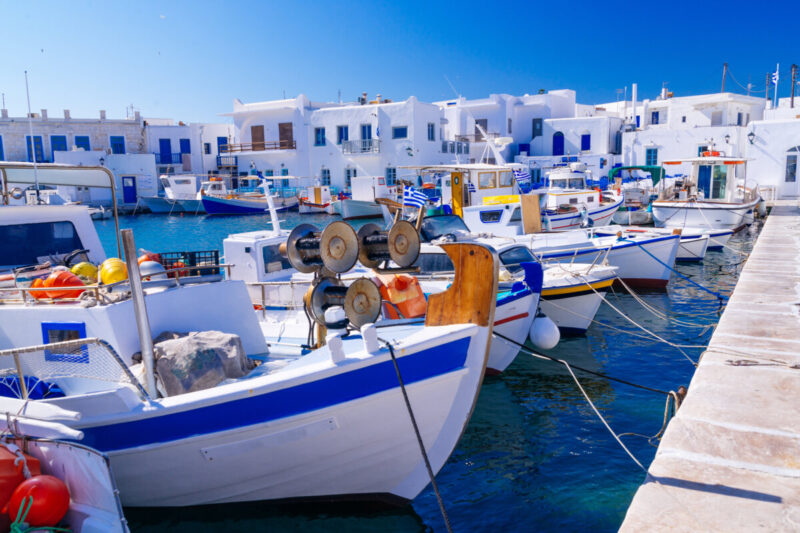
Argostoli embraces visitors with a distinctly modern Greek character, its identity forged through resilience after the catastrophic 1953 earthquake that leveled most of Kefalonia. Unlike typical Aegean settlements with ancient ruins or whitewashed Cycladic architecture, this Ionian Sea capital showcases contemporary Greek island life through neoclassical-inspired buildings arranged along spacious streets that reflect post-earthquake urban planning. The town centers around Lithostroto, a vibrant pedestrian thoroughfare lined with boutiques, pastry shops, and cafes where locals linger over thick Greek coffee while discussing politics or soccer with theatrical passion. Argostoli’s defining feature—the 689-meter De Bosset stone bridge stretching across the Koutavos Lagoon—stands as the world’s longest stone bridge over seawater, an engineering marvel from the British colonial period. The town’s deep connection to maritime traditions manifests each morning along the harbor promenade, where fishing boats display their catches as endangered loggerhead sea turtles swim among the vessels, creating unexpected encounters between visitors and these gentle creatures. Plateia Vallianou (main square) pulses with energy during the evening volta (traditional walk), when multi-generational families stroll and gather around the distinctive bell tower that miraculously survived the earthquake. Beyond its rebuilt facade, Argostoli serves as gateway to Kefalonia’s natural wonders—just outside town, the peculiar Katavothres phenomenon demonstrates the island’s unique geology, with seawater disappearing into sinkholes before traversing underground to emerge in caves across the island. This capital balances authentic working-town atmosphere with subtle tourism amenities, embodying the relaxed Ionian lifestyle made famous in “Captain Corelli’s Mandolin.”
The destination guide
Argostoli Kefalonia
At a glance
- Greek
- Ionian island
- Dramatic coastline
- Mountain terrain
- Mediterranean harbor
- Greek Island Beaches
- Natural Wonders
- Relaxing Getaways
- Scenic Drives.
How Argostoli Kefalonia scores
Editorial scores on a 10-point scale, weighed against destinations of the same kind.
Travel safety snapshot
SafePlace indicators use their source 100-point scale; higher is more favourable. Planning context, not a live travel advisory — check official government guidance before you go.
When to go
Best months to visit: April, May, June, July, August, September and October.
- January: 9.1 to 14 degrees Celsius, 148 millimetres of rain, best-time score 2 out of 5.
- February: 9.4 to 14.9 degrees Celsius, 87.5 millimetres of rain, best-time score 2 out of 5.
- March: 10.3 to 16 degrees Celsius, 80.7 millimetres of rain, best-time score 3 out of 5.
- April: 12.7 to 18.8 degrees Celsius, 37.8 millimetres of rain, best-time score 4 out of 5.
- May: 16.3 to 22.4 degrees Celsius, 39.3 millimetres of rain, best-time score 5 out of 5.
- June: 20.8 to 27.2 degrees Celsius, 18.9 millimetres of rain, best-time score 5 out of 5.
- July: 23.3 to 30 degrees Celsius, 8 millimetres of rain, best-time score 4 out of 5.
- August: 23.6 to 30.4 degrees Celsius, 9.9 millimetres of rain, best-time score 4 out of 5.
- September: 20.9 to 27 degrees Celsius, 67.2 millimetres of rain, best-time score 5 out of 5.
- October: 17.4 to 23.1 degrees Celsius, 104.2 millimetres of rain, best-time score 5 out of 5.
- November: 14.4 to 19.4 degrees Celsius, 209.6 millimetres of rain, best-time score 3 out of 5.
- December: 10.9 to 15.7 degrees Celsius, 150.7 millimetres of rain, best-time score 2 out of 5.
Month-by-month conditions and packing advice
- January
- Cool to mild, rainy January in Argostoli Kefalonia: winter rain and reduced services make the island less flexible. Crowds: January in Argostoli Kefalonia is one of the wetter periods, so museums, food stops, flexible reservations, and backup indoor plans make the trip easier. Pack: Pack layered clothing and comfortable walking shoes. Add a rain jacket or compact umbrella.
- February
- Cool to mild, some rain February in Argostoli Kefalonia: winter rain and reduced services make the island less flexible. Crowds: February in Argostoli Kefalonia is workable with normal seasonal planning; build in layers, weather checks, and a mix of indoor and outdoor activities. Pack: Pack layered clothing and comfortable walking shoes. Add a rain jacket or compact umbrella.
- March
- Cool to mild, some rain March in Argostoli Kefalonia: cooler shoulder weather narrows swimming and boat plans. Crowds: March in Argostoli Kefalonia is workable with normal seasonal planning; build in layers, weather checks, and a mix of indoor and outdoor activities. Pack: Pack layered clothing and comfortable walking shoes. Add a rain jacket or compact umbrella.
- April
- Cool to mild, occasional rain April in Argostoli Kefalonia: early-season touring or peak-summer beach timing can work with heat and crowds planned around. Crowds: April in Argostoli Kefalonia is workable with normal seasonal planning; build in layers, weather checks, and a mix of indoor and outdoor activities. Pack: Pack layered clothing and comfortable walking shoes.
- May
- Mild to warm, occasional rain May in Argostoli Kefalonia: beaches, turtles, boat trips, villages, caves, viewpoints, and warm seas balance weather with fewer peak crowds. Crowds: May in Argostoli Kefalonia is comfortable for sightseeing, neighborhoods, food stops, day trips, and outdoor time with limited weather friction. Pack: Pack layered clothing and comfortable walking shoes.
- June
- Warm to hot, mostly dry June in Argostoli Kefalonia: beaches, turtles, boat trips, villages, caves, viewpoints, and warm seas balance weather with fewer peak crowds. Crowds: June in Argostoli Kefalonia is comfortable for sightseeing, neighborhoods, food stops, day trips, and outdoor time with limited weather friction. Pack: Pack light clothing, sun protection, and comfortable walking shoes.
- July
- Warm to hot, mostly dry July in Argostoli Kefalonia: early-season touring or peak-summer beach timing can work with heat and crowds planned around. Crowds: July in Argostoli Kefalonia is workable with normal seasonal planning; build in layers, weather checks, and a mix of indoor and outdoor activities. Pack: Pack light clothing, sun protection, and comfortable walking shoes.
- August
- Warm to hot, mostly dry August in Argostoli Kefalonia: early-season touring or peak-summer beach timing can work with heat and crowds planned around. Crowds: August in Argostoli Kefalonia is workable with normal seasonal planning; build in layers, weather checks, and a mix of indoor and outdoor activities. Pack: Pack light clothing, sun protection, and comfortable walking shoes.
- September
- Mild to warm, occasional rain September in Argostoli Kefalonia: beaches, turtles, boat trips, villages, caves, viewpoints, and warm seas balance weather with fewer peak crowds. Crowds: September in Argostoli Kefalonia is comfortable for sightseeing, neighborhoods, food stops, day trips, and outdoor time with limited weather friction. Pack: Pack light clothing, sun protection, and comfortable walking shoes.
- October
- Mild to warm, some rain October in Argostoli Kefalonia: beaches, turtles, boat trips, villages, caves, viewpoints, and warm seas balance weather with fewer peak crowds. Crowds: October in Argostoli Kefalonia is workable with normal seasonal planning; build in layers, weather checks, and a mix of indoor and outdoor activities. Pack: Pack layered clothing and comfortable walking shoes. Add a rain jacket or compact umbrella.
- November
- Cool to mild, rainy November in Argostoli Kefalonia: cooler shoulder weather narrows swimming and boat plans. Crowds: November in Argostoli Kefalonia is one of the wetter periods, so museums, food stops, flexible reservations, and backup indoor plans make the trip easier. Pack: Pack layered clothing and comfortable walking shoes. Add a rain jacket or compact umbrella.
- December
- Cool to mild, rainy December in Argostoli Kefalonia: winter rain and reduced services make the island less flexible. Crowds: December in Argostoli Kefalonia is one of the wetter periods, so museums, food stops, flexible reservations, and backup indoor plans make the trip easier. Pack: Pack layered clothing and comfortable walking shoes. Add a rain jacket or compact umbrella.
- July
- August
- November
- December
- January
- February
Know before you go
Best time to visit
May to October
Season by season
Summer (June-August) is hot, sunny, and perfect for beaches but very crowded. May, September, and early October offer ideal, warm shoulder-season weather with warmer sea temperatures in Autumn and fewer crowds. Winter is very quiet and many businesses close.
Crowds
Moderate to High
Getting there and around
Getting there
Argostoli is accessible via Kefalonia Airport and ferry services from mainland Greece and other Greek islands. The city connects via island highway networks.
Getting around
Navigate Kefalonia’s capital via KTEL’s 42 interurban and 5 city buses connecting Argostoli to all villages, beaches, and ports from the harborfront station with 2-4 Euro fares—reach stunning Myrtos Beach, Xi Beach, and Skala on frequent summer itineraries. Walk Argostoli’s flat, easy-to-navigate town center by turning left from the cruise terminal, following the seafront to the “I Love Kefalonia” sign, then crossing to central square and main streets. Board the essential Argostoli-Lixouri ferry crossing the gulf hourly (more frequent high season) from 7:30am-10:30pm for 30-minute journeys at €2.60 per person, connecting the capital to opposite coast towns. Access beautiful Lassi beaches (4km away) via 10-minute bus rides to “Makris Gialos” or “Platis Gialos” stops—Argostoli itself lacks nice beaches, making this suburb essential for Mediterranean swimming. Use reliable taxis from strategic locations (airport, ports, central areas) with airport-Argostoli costing 25 euros (15 minutes), or call ahead: +30 694 530 6145. Connect to ferry ports Sami and Poros via daily KTEL buses (1-3 times daily depending on season). Take the convenient Hop-on Hop-off Tourist Train from near the ferry terminal for comprehensive island touring.
Top experiences in Argostoli Kefalonia
Melissani Cave
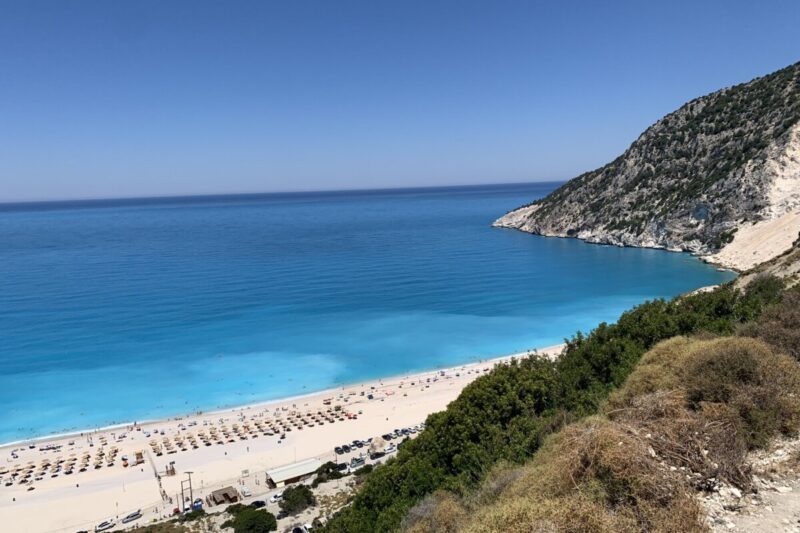
Read the place guide →The postcard of Greece. White pebbles and electric blue water at the bottom of a steep cliff. The view from the road above is legendary. It is wild and dramatic.
Myrtos Beach
Read the place guide →An underground lake with a collapsed roof. At noon, the sun shoots a beam of light into the blue water. You take a small rowboat tour inside. It feels mythical.
De Bosset Bridge
In Argostoli harbor, giant Caretta Caretta turtles come to feed on fishermen’s scraps every morning. You can walk the De Bosset bridge and see them swimming below.
Assos Village
A tiny, colorful village built on a peninsula. It is guarded by a Venetian castle. The pastel houses and calm bay make it the most romantic spot on the island.
De Bosset Bridge
The longest stone bridge over the sea in the world. It connects Argostoli to the other side of the lagoon. Perfect for a sunset walk. You might spot turtles enjoying the warm water.
Editor-curated picks carried over from our original guide. Where a full place guide exists, the card links to it.


Worth booking ahead in Argostoli Kefalonia
Hand-picked from the operators our guides already send readers to. Prices and availability are live on the partner site.
BrowseViator
Tours and tickets in Argostoli Kefalonia on Viator (opens Viator in a new tab)
Viator's full list of bookable tours and tickets in Argostoli Kefalonia.
BrowseGetYourGuide
Experiences in Argostoli Kefalonia on GetYourGuide (opens GetYourGuide in a new tab)
Everything GetYourGuide sells in Argostoli Kefalonia, with the cancellation terms on each listing.
Where to stayBooking.com
Stays in Argostoli Kefalonia (opens Booking.com in a new tab)
Live rates and availability for Argostoli Kefalonia on Booking.com; filter by neighbourhood once you know where your days start.
We earn a commission if you book through these links, at no extra cost to you. It is how we keep the guides free and independent.
Where to stay
Kefalonia Grand Hotel
Antoni Tritsi 82, Argostoli 281 00, Greece
A boutique hotel right on the waterfront in Argostoli. It is chic, modern, and minimal (white and black decor). The breakfast view over the bay is stunning. Walking distance to everything.
F ZEEN KEFALONIA (Adults Only)
Lourdata, Kefalonia 280 83, Greece
A luxury wellness retreat in Lourdas (20 min from Argostoli). Adults-only. It has multiple pools, an outdoor gym, and yoga decks. The vibe is Zen and eco-chic.
White Rocks Hotel Kefalonia
Emplisi Bay, Fiskardo 280 84, Greece
Located in Fiskardo (north), but the best hotel on the island. Surrounded by cypress trees and pebble beaches. It feels like a private estate. Great for a romantic splurge.
Editor-curated stays carried over from our original guide. Where we have reviewed the hotel, the card links to the review.
Tips from the field
Highlights
- The awe-inspiring sunlit underground lake of Melissani Cave and the dramatic, towering marble cliffs dropping into the turquoise water at Myrtos Beach.
Best activities
- Navigating the mystical underground lake of Melissani Cave on a rowboat, sunbathing on the blindingly white pebbles of Myrtos Beach, and exploring the Venetian castles of Assos.
Local experiences
- Watching the Caretta-Caretta sea turtles trailing fishing boats in Argostoli harbor in the mornings, or tasting the local Robola wine.
Practical tips
- Renting a car is highly recommended as the island's best beaches and sights are spread out across mountainous terrain. Ferries connect Kefalonia to neighboring islands like Ithaca and Zakynthos.
Photography tips
- For Melissani Cave, the sun shines directly down through the collapsed roof illuminating the water vividly between 11:30 AM and 1:30 PM. For Myrtos Beach, shoot from the viewpoint high on the coastal road before descending.
Timing
- 5-7 days is a good amount of time to relax and explore the island's distinct peninsulas without feeling rushed.
Keeping it authentic
- Despite its popularity, Kefalonia remains largely free of massive, overdeveloped party resorts, retaining a laid-back, authentically Ionian charm characterized by lush, pine-covered mountains and quiet fishing villages.
Culture, customs and safety
Cultural heritage
Argostoli preserves Kefalonia’s resilient cultural identity, rebuilt after the devastating 1953 earthquake destroyed 70% of the island’s Venetian and Byzantine heritage. The Korgialenio History and Folklore Museum showcases pre-earthquake life through photographs, traditional costumes, and household items. The island’s unique robola wine tradition, cultivated by monks since medieval times, grows on Mount Ainos’ slopes. The August 15th festival honors the island’s miraculous icon at Panagia Fidousa, where venomous snakes appear annually. Traditional kantades (romantic serenades) echo Italian influence from centuries of Venetian rule. The De Bosset Bridge, the world’s longest stone bridge over water (689m), connects to ancient Krani’s cyclopean walls, while local mandoles (mandolins) maintain distinctive Ionian musical traditions.
Local customs & etiquette
In Argostoli, greet with ‘Yassas’ (hello). Greeks are hospitable and may invite you for coffee. Dining is late – lunch 2-4 PM, dinner after 9 PM. Tipping is appreciated (5-10%).
Safety notes
Kefalonia is exceptionally safe with very low crime. The main concerns are road safety on winding mountainous roads, occasional strong currents at certain beaches, and the necessity to stay out of the midday sun in peak summer.