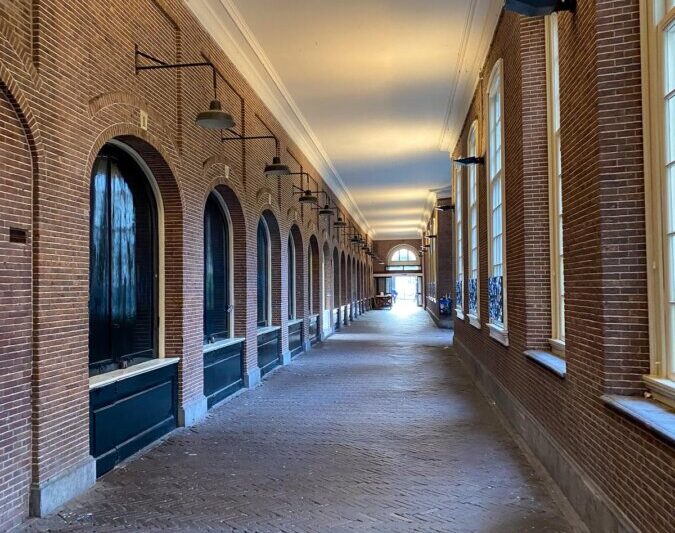
Avignon, located in the heart of Provence, is a city steeped in history and culture. Known for its stunning architecture, including the famous Palais des Papes, Avignon offers a unique blend of medieval charm and vibrant modern life. The annual Festival d’Avignon transforms the city into a stage for performing arts, attracting visitors from around the world.
The destination guide
Avignon

Avignon held the papacy for nearly a century and the Palais des Papes still dominates the skyline — a walled Provençal city where history is the main course.
Travel guides for Avignon
Things to do (1)
More guides featuring Avignon (5)
At a glance
Currency€ EURCode: EUR
Time zoneCentral European Time
Languages
- French
Setting
- Rhône River city
- Papal Palace
- Provençal countryside
- Pont d'Avignon
Known for
- Medieval history
- Religious architecture
- Arts and culture
- Provençal lifestyle
Population91,85291,852 residents
VisaDuration: Up to 90 days within any 180-day period in the Schengen Area · Documents: Valid passport issued within the last 10 years and valid for at least 3 months after planned departure, plus proof of accommodation, onward or return travel, and sufficient funds if requested
How Avignon scores
7/10OverallGood
Weather8/10
Value for money7/10
Safety8/10
Food & cuisine8/10
Culture & arts8/10
Cultural experience9/10
History10/10
Nature & outdoors6/10
Adventure4/10
Nightlife6/10
Shopping7/10
Family friendly5/10
Romance8/10
Character
Photography score9/10
Authenticity score10/10
Off-the-beaten-path score6/10
Editorial scores on a 10-point scale, weighed against destinations of the same kind.
Travel safety snapshot
Overall81/100High rating
Women travellers78/100
LGBTQ+ travellers72/100
Theft60/100
Medical care80/100
Physical harm84/100
Political freedom77/100
SafePlace indicators use their source 100-point scale; higher is more favourable. Planning context, not a live travel advisory — check official government guidance before you go.
When to go
Best months to visit: March, April, May, June, July, September, October and November.
- January: -0.8 to 5.1 degrees Celsius, 28.6 millimetres of rain, best-time score 3 out of 5.
- February: 0.4 to 7 degrees Celsius, 26.5 millimetres of rain, best-time score 3 out of 5.
- March: 2.4 to 9.8 degrees Celsius, 34.9 millimetres of rain, best-time score 4 out of 5.
- April: 4.9 to 13.3 degrees Celsius, 25.9 millimetres of rain, best-time score 5 out of 5.
- May: 6.4 to 12.6 degrees Celsius, 67.2 millimetres of rain, best-time score 5 out of 5.
- June: 12.8 to 21 degrees Celsius, 39.8 millimetres of rain, best-time score 5 out of 5.
- July: 14.2 to 22.1 degrees Celsius, 52.4 millimetres of rain, best-time score 4 out of 5.
- August: 15.6 to 23.9 degrees Celsius, 56.8 millimetres of rain, best-time score 3 out of 5.
- September: 12.6 to 20.6 degrees Celsius, 32.7 millimetres of rain, best-time score 5 out of 5.
- October: 8.3 to 14.9 degrees Celsius, 39.7 millimetres of rain, best-time score 5 out of 5.
- November: 5.2 to 11 degrees Celsius, 39.8 millimetres of rain, best-time score 4 out of 5.
- December: 2.1 to 6.1 degrees Celsius, 52.8 millimetres of rain, best-time score 3 out of 5.
Month-by-month conditions and packing advice
- January
- Cold weather, some rain January in Avignon: the city remains interesting, but winter cool or August heat reduces the balance. Crowds: January marks the heart of Avignon’s low season, offering tranquility and minimal tourist traffic. Accommodation rates are at their most affordable, and popular sites such as the Pont Saint-Bénézet and Palais des Papes can be explored without queues. The weather favors leisurely cultural exploration, cozy bistro dining, and short countryside excursions, though outdoor activities may be limited by chillier mornings and the brisk Mistral. It’s an excellent time for travelers who prefer authenticity over spectacle and who are comfortable layering up against the cold. Advance booking isn’t essential, but securing accommodation near the historic center allows easy access to attractions and reduces exposure to winter winds. Pack: Warm insulated jacket for cold days; Layered sweaters and thermal base layers; Scarf, gloves, and knit hat for Mistral winds; Water-resistant shoes for damp streets; Compact umbrella for occasional showers; Smart casual attire for dining in French bistros
- February
- Cold weather, some rain February in Avignon: the city remains interesting, but winter cool or August heat reduces the balance. Crowds: February is firmly in Avignon’s low season, meaning far fewer crowds at landmarks like the Palais des Papes and Pont Saint-Bénézet. Accommodation rates are at their most favorable, and restaurants have space for leisurely meals. While outdoor dining is rare in this chill, it’s an excellent time for museum visits, wine tastings in nearby Châteauneuf-du-Pape, and attending local cultural events indoors. The mistral wind may make prolonged outdoor activity challenging on some days, but the clear, low-angle sunlight is ideal for photography. Visitors should plan flexible itineraries to accommodate occasional rain and prioritize layering for warmth. Advance booking isn’t essential, but confirming opening hours—some sites have reduced winter schedules—is wise. Pack: Insulated jacket for daytime outings; Layered sweaters and thermal base layers; Warm scarf, hat, and gloves for wind protection; Water-resistant walking shoes; Compact umbrella for occasional showers; Smart casual attire for indoor dining and cultural events
- March
- Cool weather, some rain March in Avignon: conditions can work well, though festivals, mistral winds, or summer heat need planning. Crowds: March is a shoulder-season month in Avignon, offering lower crowd levels and more affordable accommodation compared to peak summer. The cool temperatures are well-suited to walking tours, museum visits, and market browsing without the discomfort of summer heat. While outdoor dining is limited to sunnier midday hours, this is an excellent time for cultural sightseeing and day trips into the budding Provençal countryside. Some attractions may have reduced hours, and festivals are fewer than in warmer months, but the trade-off is an unhurried pace and more space to explore. Booking in advance isn’t essential, though securing centrally located lodging ensures easy access to historic sites when brisk winds pick up. Pack: Warm layered clothing including sweaters and a medium-weight jacket; Comfortable waterproof walking shoes; Compact travel umbrella for light showers; Scarf and gloves for windy days; Smart casual attire for indoor cultural venues; Sunglasses to protect against bright low-angle sun
- April
- Cool weather, some rain April in Avignon: Provence weather favors ramparts, markets, villages, wine routes, and early lavender-season trips. Crowds: April marks the shoulder season in Avignon, offering a balance between mild weather and manageable visitor numbers. While temperatures are cooler than peak summer, the city’s cultural life is already in bloom, making it ideal for travelers who prefer fewer crowds and lower accommodation rates. Outdoor exploration is pleasant, especially with the return of open-air markets and vineyard tours in the surrounding Côtes du Rhône region. Occasional rain showers may briefly interrupt plans, so flexibility is key. This month is well-suited for cultural sightseeing, photography in softer spring light, and attending early-season events without the peak-season hustle. Advance booking is advisable for boutique accommodations, though last-minute deals are still possible during this period. Pack: Light waterproof jacket for spring showers; Layered clothing for cool mornings and warmer afternoons; Comfortable walking shoes for cobblestone streets; Scarf or light shawl for wind protection; Compact umbrella for unexpected rain; Smart-casual attire for dining and cultural events
- May
- Cool weather, some rain May in Avignon: Provence weather favors ramparts, markets, villages, wine routes, and early lavender-season trips. Crowds: May offers a quieter travel window in Avignon before the summer festival crowds arrive. While cooler temperatures mean outdoor dining may still require a jacket, the milder climate suits leisurely exploration of the Palais des Papes, garden strolls, and wine tastings in nearby Châteauneuf-du-Pape without the summer heat. Accommodation prices are generally moderate, and availability is good compared to peak season. Some countryside tours and vineyard visits are especially appealing now, as spring growth is in full swing. Rainfall is moderate, so having a flexible itinerary with indoor cultural activities—like visiting museums or historic churches—ensures a smooth trip. Advance booking is not as urgent as in July, but securing well-located lodging early still offers the best value. Pack: Water-resistant light jacket for spring showers; Layered clothing for fluctuating temperatures; Comfortable walking shoes for cobblestone streets; Travel umbrella or compact rain poncho; Light scarf for added warmth in breezes; Smart-casual attire for wine tastings and dining
- June
- Warm and pleasant, some rain June in Avignon: Provence weather favors ramparts, markets, villages, wine routes, and early lavender-season trips. Crowds: June marks the start of Avignon’s lively summer season, with comfortable weather for walking tours, vineyard visits, and riverside picnics. Tourist numbers rise steadily as the month progresses, though it’s not yet at the peak levels of July’s festival crowds. Accommodation rates begin to climb, so early booking is wise. The mild temperatures are excellent for outdoor cultural events and countryside excursions, while occasional showers are brief and rarely disrupt plans. This is a prime time to experience the city’s heritage sites with good natural light for photography and without the intense heat of midsummer. Pack: Light layers for mild mornings and warm afternoons; Comfortable walking shoes for cobblestone streets; Compact travel umbrella for light showers; Sunglasses and SPF 30+ sunscreen; Breathable fabrics like linen or cotton; Light scarf for cooler evenings or church visits
- July
- Warm and pleasant, some rain July in Avignon: conditions can work well, though festivals, mistral winds, or summer heat need planning. Crowds: July is peak season in Avignon, coinciding with the renowned Festival d’Avignon, which transforms the city into a vibrant hub of theater, music, and street performances. The warm, mostly dry weather is perfect for sightseeing, open-air dining, and day trips into Provence. Expect higher hotel rates and significant crowds, especially in and around festival venues. Booking accommodations and event tickets well in advance is essential. Outdoor activities such as cycling along the Rhône, wine tasting in Châteauneuf-du-Pape, and sunset photography sessions are particularly rewarding this time of year. Travelers should prepare for midday heat and plan cultural site visits for mornings or late afternoons when temperatures are milder. Pack: Light, breathable summer clothing for warm days; Comfortable sandals or walking shoes for cobblestone streets; Wide-brimmed hat and high-SPF sunscreen; Light rain jacket or travel umbrella for occasional showers; Reusable water bottle to stay hydrated during outdoor events; Smart-casual evening wear for festival performances and dining
- August
- Warm and pleasant, some rain August in Avignon: the city remains interesting, but winter cool or August heat reduces the balance. Crowds: August in Avignon falls at the tail end of the high tourist season, with warm weather supporting a full range of outdoor activities, from Rhône river cruises to cycling in nearby vineyards. While the main theatre festival concludes in July, smaller cultural events and local markets keep the city lively. Accommodation prices remain relatively high, but begin to soften toward the month’s end as European holidaymakers return home. Expect moderate tourist traffic, especially around the Papal Palace and Pont Saint-Bénézet, though mornings and evenings are notably quieter. The combination of comfortable temperatures and occasional light rain makes it ideal for exploring both urban and rural Provençal landscapes. Booking early is still advisable for premium accommodations, especially if your visit coincides with regional wine harvest celebrations beginning late in the month. Pack: Lightweight breathable clothing for warm afternoons; Compact travel umbrella or light rain jacket; Comfortable walking sandals or shoes for cobblestone streets; Wide-brimmed hat and high-SPF sunscreen; Light sweater or shawl for cooler evenings; Camera gear for capturing historic architecture and countryside views
- September
- Warm and pleasant, some rain September in Avignon: Provence weather favors ramparts, markets, villages, wine routes, and early lavender-season trips. Crowds: Early autumn in Avignon offers an appealing balance: comfortable temperatures, softer light, and fewer crowds than the peak summer months. September marks the start of the shoulder season, so accommodations may be slightly more affordable while still in high demand during harvest-related events. Outdoor activities such as cycling through vineyard trails, visiting the Palais des Papes, and attending local markets are all well-supported by the mild conditions. Occasional showers are more likely than in summer but rarely disrupt plans for long. This period is perfect for travelers seeking both cultural immersion and pleasant weather without the intensity of summer heat. Advance booking is recommended if visiting during regional wine festivals. Pack: Light jacket or cardigan for cooler mornings; Comfortable walking shoes for cobblestone streets; Compact umbrella or light rain jacket; Layered clothing for variable daytime temperatures; Sun hat and sunglasses for midday outings; Smart-casual attire for wine tastings and cultural events
- October
- Cool weather, some rain October in Avignon: Provence weather favors ramparts, markets, villages, wine routes, and early lavender-season trips. Crowds: October marks Avignon’s shoulder season, offering cooler weather and fewer tourists compared to the summer peak. Accommodation rates tend to be more reasonable, and restaurant reservations are easier to secure. Outdoor sightseeing remains pleasant, though layering is necessary, especially for evening activities. Cultural life continues at a relaxed pace, with local markets showcasing autumn produce and regional wines at their seasonal best. Rain showers are brief but can be frequent enough to influence day planning, making indoor attractions like art museums, historic churches, and cozy cafés attractive options. For photographers, the combination of softer light and fewer crowds makes this month particularly rewarding. Pack: Light waterproof jacket for occasional rain; Warm sweater or fleece for cooler evenings; Comfortable waterproof walking shoes; Compact travel umbrella; Scarf for warmth and style; Layered clothing for temperature fluctuations
- November
- Cool weather, some rain November in Avignon: conditions can work well, though festivals, mistral winds, or summer heat need planning. Crowds: November is part of Avignon’s off-season, meaning smaller crowds, lower accommodation rates, and a slower, more intimate feel to the city. The cooler temperatures are ideal for cultural sightseeing, museum visits, and wine tours in nearby Châteauneuf-du-Pape, though extended outdoor dining becomes less common. Some seasonal attractions and rural vineyards may have reduced hours, so planning ahead is advisable. The chance of rain is moderate, but rarely disrupts sightseeing entirely. Travelers benefit from easier last-minute bookings and more space to appreciate the city’s history, though layering is essential for fluctuating temperatures between sunny afternoons and brisk evenings. Pack: Warm layered clothing for cool days and colder evenings; Water-resistant jacket or trench coat; Comfortable waterproof walking shoes; Scarf, gloves, and a knit hat for windier days; Compact travel umbrella; Smart-casual attire suitable for dining and cultural events
- December
- Cold weather, some rain December in Avignon: the city remains interesting, but winter cool or August heat reduces the balance. Crowds: December marks the off-season in Avignon, bringing a quieter, more contemplative pace to this UNESCO-listed city. Lower tourist numbers mean easier access to cultural landmarks and more intimate experiences in its cafés and wine bars. Accommodation prices drop noticeably, making it a value-friendly month for travelers seeking authenticity over balmy weather. The cooler temperatures and occasional rain encourage indoor activities such as exploring the Palais des Papes, visiting art exhibitions, or sampling Rhône Valley wines in cozy cellars. Outdoor exploration is still possible with warm attire, though shorter daylight hours and the risk of damp conditions mean strategic planning is key. The city’s festive lights and Christmas markets lend a warm counterpoint to the winter chill, rewarding visitors with seasonal charm. Pack: Insulated, waterproof winter coat; Warm scarf and gloves; Waterproof leather boots for cobblestones; Layered sweaters and thermal tops; Compact umbrella for light rain; Camera with weather-sealed lens for misty conditions
Peak season
- July
- August
- May
- June
- September
Off-peak
- January
- February
- November
- December
- March
- April
Know before you go
About
Avignon, on the Rhône River in the Provence region of southern France, is a walled medieval city forever marked by its time as the seat of the papacy. From 1309 to 1377, seven popes resided here, and the colossal Palais des Papes they built remains one of the largest Gothic palaces in Europe and the city’s centerpiece. Equally famous is the Pont d’Avignon, or Pont Saint-Bénézet, the 12th-century bridge celebrated in song whose four surviving arches now reach only partway across the river. The historic core, encircled by remarkably intact ramparts, is a UNESCO World Heritage Site. Home to about 90,000 residents, Avignon comes alive each summer during its renowned theater festival, founded in 1947, when performances fill streets and courtyards. Visitors tour the papal palace, stroll the lively Place de l’Horloge, and use the city as a gateway to the vineyards, lavender fields, and Roman sites of Provence. History and culture make Avignon a Provençal highlight.
Best time to visit
The best time to visit Avignon is during the shoulder seasons of April to June and September to October, when pleasant Mediterranean weather, fewer crowds, and affordable rates create ideal conditions for exploring the Palais des Papes and the city’s medieval heart.
Spring (April-June)
Temperatures rise from 14-27°C (57-81°F) with increasing sunshine. Lavender fields begin blooming in late June. May and June offer warm, comfortable days with fewer tourists than summer. The Mistral wind can make spring days feel cooler — bring a light jacket.
Summer (July-August)
Hot and dry, with daytime highs of 28-32°C (82-90°F). The Festival d’Avignon (July) transforms the city into an open-air theater with over 1,000 performances. Peak tourist season with the highest accommodation prices. Book well in advance for July. August remains hot and busy.
Autumn (September-October)
September retains summer warmth (22-26°C / 72-79°F) with far fewer tourists. October brings mild weather, fall colors, and grape harvests in surrounding Côtes du Rhône vineyards. Rain increases but afternoons remain largely dry.
Winter (November-March)
Cool (6-12°C / 43-54°F) with short days. The cold Mistral wind can feel bitter. Very few tourists, lowest prices, and a peaceful atmosphere. Christmas markets add seasonal warmth. Not all businesses stay open year-round.
Getting there and around
Getting there
Avignon is accessible via Avignon TGV station and regional airports. The city connects to Paris, Lyon, and Marseille via high-speed rail and highway networks.
Getting around
Explore Avignon’s UNESCO World Heritage medieval core on foot within the world’s second-longest continuous walls (after China’s Great Wall)—these 4-kilometer ramparts built during papal times create a perfectly walkable “human scale” city where most attractions cluster inside historic fortifications. Access rampart walkways from Rocher des Doms or Saint Anne stairs behind the massive Palais des Papes, Europe’s largest Gothic palace covering 15,000 square meters. Navigate via TCRA buses operating 6am-8pm (limited weekend frequency) for outskirt exploration, or take the charming Petit Train tourist circuit with audio guides through city center—recommended after visiting the Palace of the Popes for comprehensive overview. Experience the free cable ferry from Quai de la Ligne near Pont d’Avignon crossing the Rhône to Barthelasse Island, or follow the 10-kilometer “Avignon on foot” urban hike discovering hidden treasures at your own pace. Park outside ramparts at Parking des Italiens or Ile Piot with free shuttle service avoiding nightmare city-center parking and one-way street confusion. Walk from train station to city center easily, embracing this papal capital where Provence’s soft mobility meets medieval magnificence within perfectly preserved stone walls.
Worth booking ahead in Avignon
Hand-picked from the operators our guides already send readers to. Prices and availability are live on the partner site.
Day tripGetYourGuide
Versailles Palace guided tour with coach transfer (opens GetYourGuide in a new tab)
Guided palace visit with the coach transfer handled, so you skip the RER connection and the ticket-office line.
Where to stayBooking.com
Stays in Avignon (opens Booking.com in a new tab)
Live rates and availability for Avignon on Booking.com; filter by neighbourhood once you know where your days start.
We earn a commission if you book through these links, at no extra cost to you. It is how we keep the guides free and independent.
Tips from the field
Highlights
- Palais des Papes
- Pont d'Avignon
- Musée Calvet
- Les Halles d'Avignon
- Avignon Cathedral
Best activities
- Visit the Palais des Papes
- Walk on the famous Pont d'Avignon
- Explore the Musée du Petit Palais
- Stroll through the Jardin des Doms
Practical tips
- Purchase a combined ticket for Palais des Papes and Pont d'Avignon for savings
- Use the free shuttle bus to explore the city center
- Book accommodations in advance during the Festival d'Avignon
Keeping it authentic
- Avignon retains much of its medieval charm and architecture
- The Palais des Papes is a genuine 14th-century papal palace
Culture, customs and safety
Cultural heritage
Avignon preserves 600 years as the medieval seat of Catholic power when seven French popes made it Christianity’s capital (1309-1377). The UNESCO World Heritage Palais des Papes stands as Europe’s largest Gothic palace, its massive walls containing frescoes by Simone Martini and Matteo Giovanetti. The famous Pont Saint-Bénézet (Pont d’Avignon), immortalized in children’s song, retains only 4 of 22 original arches. The city walls, complete at 4.3km, rank among France’s finest medieval fortifications. Since 1947, the Festival d’Avignon transforms the city into the world’s greatest theater stage each July. Traditional calissons d’Aix confections and Côtes du Rhône wines maintain Provençal culinary heritage, while the covered market offers regional specialties in a 19th-century iron-and-glass hall.
Local customs & etiquette
In Avignon, greet with ‘Bonjour’ and always say ‘please’ (s’il vous plaît) and ‘thank you’ (merci). Dining is leisurely and appearance matters in French culture. Respect the UNESCO World Heritage sites.


Travel Style
Season
Activities