Brussels functions as both Belgium’s capital and the European Union’s unofficial capital, where Gothic Grand Place—UNESCO World Heritage Site called “the most beautiful square in the world” by Victor Hugo—anchors a city balancing medieval heritage with modern diplomatic significance. The 165-billion-times-magnified iron crystal Atomium, built for the 1958 World Fair, overlooks European Quarter institutions where global policy decisions shape continental direction, while traditional neighborhoods preserve authentic Belgian culture through family-run chocolate ateliers like Neuhaus (inventors of pralines) and historic beer cafes serving Trappist ales. Authentic experiences extend beyond tourist circuits through Les Galeries Royales Saint-Hubert—Europe’s first shopping arcade from the 1840s—seasonal flower carpets covering Grand Place every August, and neighborhood bistros serving pistolet sandwiches with frites and traditional stoofvlees beef stew. The city’s multilingual character reflects its role hosting EU diplomats while preserving Flemish and Walloon cultural traditions through festivals, markets, and art nouveau architecture throughout residential districts.
The destination guide
Brussels
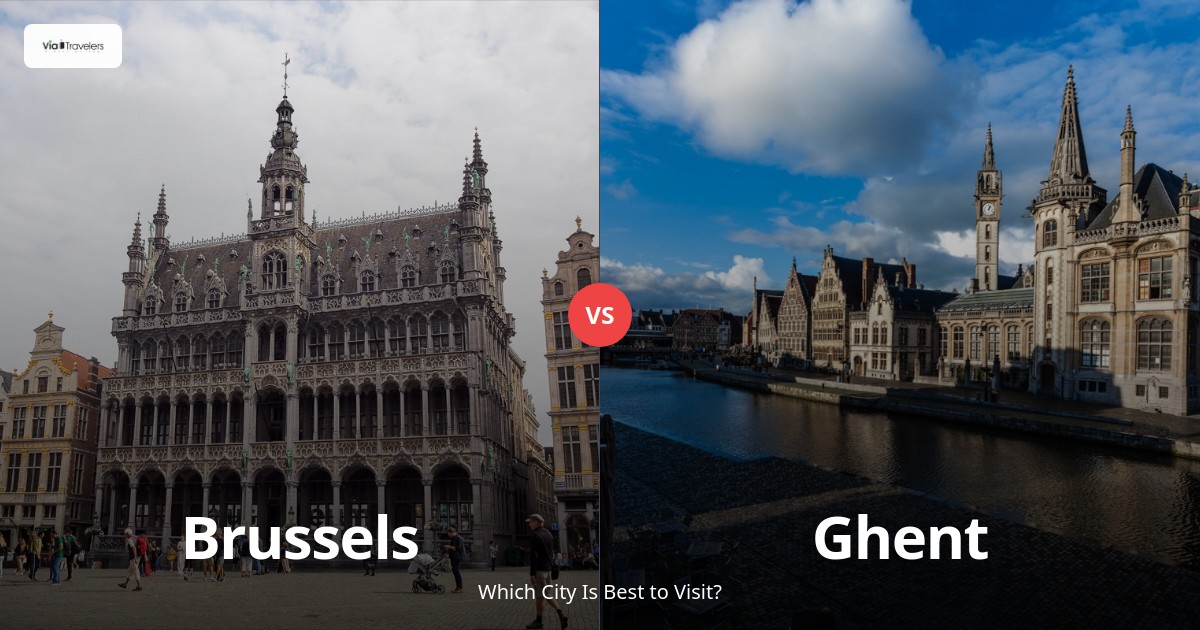
Grand Place is genuinely one of Europe’s great squares — but Brussels rewards the people who wander past it into the chocolate ateliers and Trappist beer cafes.
Travel guides for Brussels
Itineraries & day trips (1)
Things to do (1)
Destination stories (1)
More guides featuring Brussels (8)
At a glance
- Dutch
- French
- German
- Urban cityscape
- Art Nouveau architecture
- Royal parks
- Historic center
How Brussels scores
Editorial scores on a 10-point scale, weighed against destinations of the same kind.
Travel safety snapshot
SafePlace indicators use their source 100-point scale; higher is more favourable. Planning context, not a live travel advisory — check official government guidance before you go.
When to go
Best months to visit: April, May, June, July, August, September and October.
- January: 1.4 to 5.3 degrees Celsius, 28.9 millimetres of rain, best-time score 2 out of 5.
- February: 2.9 to 8.8 degrees Celsius, 18.1 millimetres of rain, best-time score 2 out of 5.
- March: 4.2 to 11.4 degrees Celsius, 14.6 millimetres of rain, best-time score 3 out of 5.
- April: 5.4 to 15 degrees Celsius, 7.5 millimetres of rain, best-time score 4 out of 5.
- May: 7.4 to 15.8 degrees Celsius, 13.2 millimetres of rain, best-time score 5 out of 5.
- June: 12.7 to 21.1 degrees Celsius, 20.3 millimetres of rain, best-time score 5 out of 5.
- July: 13.4 to 21.8 degrees Celsius, 16 millimetres of rain, best-time score 5 out of 5.
- August: 15.1 to 23.1 degrees Celsius, 27.1 millimetres of rain, best-time score 5 out of 5.
- September: 11.9 to 21.3 degrees Celsius, 8.1 millimetres of rain, best-time score 5 out of 5.
- October: 7.9 to 14.6 degrees Celsius, 17.3 millimetres of rain, best-time score 4 out of 5.
- November: 5.9 to 10.5 degrees Celsius, 22.9 millimetres of rain, best-time score 2 out of 5.
- December: 2.4 to 6.4 degrees Celsius, 9.8 millimetres of rain, best-time score 3 out of 5.
Month-by-month conditions and packing advice
- January
- Cold weather, some rain Cold winter weather, few tourists. Crowds: January marks the low tourist season in Brussels, offering quieter streets and easier access to popular attractions such as the Magritte Museum, Atomium, and comic art trails. Accommodation prices tend to be lower, and last-minute bookings are easier to secure. Outdoor sightseeing can be less comfortable due to the cold, damp weather, so activities often shift indoors to cultural venues, gastronomic experiences, and cozy bars. While major events are fewer compared to summer, the winter sales period (‘les soldes d’hiver’) attracts shoppers seeking bargains. Those prepared for brisk walks and occasional rain will find a more authentic, unhurried side of the city, with fewer crowds at UNESCO-listed sites. Early evening closures mean planning activities around limited daylight is essential. Pack: Insulated waterproof jacket; Warm hat and gloves; Waterproof walking shoes; Compact travel umbrella; Layered sweaters for warmth; Smart-casual attire for restaurants and cultural venues
- February
- Cool weather, mostly dry Chilly and quiet, good for museums. Crowds: February in Brussels falls within the low tourist season, meaning fewer crowds at major attractions such as the Grand Place, Magritte Museum, and European Parliament. Hotel rates are generally more affordable, and reservations are easier to secure on short notice. Outdoor sightseeing is possible but best enjoyed in shorter bursts, paired with regular indoor breaks. The cooler weather makes it ideal for museum-hopping, culinary experiences, and exploring covered arcades like Galeries Royales Saint-Hubert. Travelers should be prepared for shorter daylight hours, which require efficient planning to maximize sightseeing. While alfresco dining is rare this month, the city’s cafés and bistros offer inviting warmth and hearty Belgian fare. Overall, February rewards those seeking cultural depth over outdoor leisure, without the bustle of peak season. Pack: Insulated medium-weight coat for daytime and evenings; Water-resistant walking shoes for damp streets; Wool or thermal scarf for added warmth; Compact umbrella for light showers; Layered clothing for indoor-outdoor transitions; Gloves to protect hands in cool morning air
- March
- Cool weather, mostly dry Beginning to warm up, spring blossoms. Crowds: March sits in Brussels’ shoulder season, offering a quieter experience compared to the summer tourist surge. While not yet warm enough for extended outdoor lounging, conditions are comfortable for exploring museums, historic squares, and covered galleries without the high-season crowds. Airfares and hotel rates remain moderate, appealing to budget-conscious travelers seeking authentic cultural immersion. Outdoor sightseeing is feasible with appropriate layering, and occasional rain is unlikely to derail plans. This period also coincides with early spring festivals and art exhibitions, providing rich cultural engagement alongside fewer lines at major attractions. For travelers who value space and atmosphere over peak warmth, March strikes a favorable balance. Pack: Medium-weight coat for cool days; Layerable sweaters or cardigans; Comfortable waterproof walking shoes; Compact umbrella for light showers; Scarf and gloves for early mornings; Daypack for carrying layers and essentials
- April
- Cool weather, mostly dry Pleasant spring weather, great for walking. Crowds: April offers comfortable conditions for travelers seeking to enjoy Brussels without the full summer crowds. It’s part of the city’s shoulder season—milder weather encourages outdoor sightseeing and terrace dining, yet popular spots like the Grand Place remain accessible without peak-season congestion. Accommodation rates are generally more moderate than in summer, making it a value-friendly time to visit. Spring events, such as art fairs and food festivals, coincide with the city’s burst of color, adding cultural depth to a trip. The minimal rainfall allows for uninterrupted walking tours and day trips to nearby cities like Bruges or Ghent. Light layers and flexible planning ensure visitors can adapt to cooler mornings and occasional breezes, maximizing time outdoors. Pack: Light jacket or trench coat for cool mornings; Layerable sweaters or cardigans; Comfortable waterproof walking shoes; Compact travel umbrella for sudden showers; Scarf for added warmth in the evenings; Smart casual attire for dining and cultural venues
- May
- Cool weather, mostly dry Excellent weather before the summer crowds. Crowds: May marks the start of Brussels’ warmer tourist season without the peak summer crowds. Comfortable temperatures and low rainfall make it an excellent time for outdoor exploration, from strolling through markets to attending spring cultural events. Accommodation prices are generally moderate, rising only slightly during popular festivals. Outdoor cafés, beer gardens, and parks are lively but not overcrowded, and attractions like the Magritte Museum or Atomium remain easily accessible. This is also prime time for day trips to nearby cities such as Bruges or Ghent. Travelers benefit from extended daylight, allowing for full days of sightseeing. Booking lodging in advance is still recommended for weekends, especially if coinciding with major events like the Brussels Jazz Weekend. Pack: Light jacket or trench coat for cool mornings; Comfortable waterproof walking shoes; Layered clothing for variable daytime temperatures; Compact umbrella for occasional showers; Scarf or shawl for added warmth in evenings; Smart-casual attire for dining and cultural venues
- June
- Warm and pleasant, mostly dry Warm, sunny, and lively. Crowds: June marks the start of Brussels’ high tourist season, offering nearly perfect conditions for sightseeing and outdoor activities. Mild temperatures, minimal rainfall, and long daylight hours make it a prime month for walking tours, museum visits, and attending summer festivals like the Iris Festival. Crowds begin to grow, especially around central landmarks and weekend markets, and accommodation prices trend upward. It’s wise to book lodging and popular attractions in advance. While the weather is reliably pleasant, carrying a light rain layer ensures comfort during occasional showers. This is also an excellent month for photography, with soft morning and golden-hour light complementing the city’s historic architecture. Pack: Lightweight jacket or cardigan for cooler evenings; Comfortable walking shoes for cobblestone streets; Reusable water bottle for long sightseeing days; Light rain jacket or compact umbrella; Breathable tops and trousers for daytime warmth; Small daypack for festivals and market visits
- July
- Warm and pleasant, mostly dry Peak summer heat and peak tourist season. Crowds: July marks peak summer tourism in Brussels, combining warm, dry weather with an energetic cultural calendar. Expect high visitor numbers at major attractions and busier outdoor dining areas, especially on weekends. Accommodation prices are at their annual peak, so early booking is essential for centrally located hotels or apartments. The extended daylight hours—up to 16 hours—maximize sightseeing potential, allowing leisurely visits to museums followed by evening strolls or concerts. Outdoor festivals and neighborhood fêtes flourish in the pleasant weather, but it’s also wise to plan indoor options for the occasional brief shower. For those seeking a vibrant, social atmosphere with excellent conditions for walking tours, café-hopping, and day trips to nearby Belgian cities, July offers an unbeatable experience. Pack: Lightweight breathable clothing for warm days; Comfortable walking shoes for city exploration; Compact travel umbrella for occasional showers; Light sweater or jacket for cooler evenings; Reusable water bottle to stay hydrated during long outings; Smart-casual attire for evening dining and cultural events
- August
- Warm and pleasant, some rain Very warm, many festivals and outdoor dining. Crowds: August brings near-peak summer tourism to Brussels, though it is slightly less crowded than July as some locals are away on holiday. Weather conditions are excellent for outdoor exploration, from wandering the Marolles flea market to enjoying picnics in Parc du Cinquantenaire. Accommodation prices remain on the higher side, reflecting the continued demand, so advance booking is wise. The mix of warm days and mild evenings supports activities such as cycling tours, canal cruises, and open-air concerts. Light rain is possible but rarely disruptive. Travelers should plan for some indoor cultural visits—like the Magritte Museum—on wetter days. This is a prime month for combining sightseeing with seasonal food festivals and evening terrace dining. Pack: Lightweight breathable clothing for daytime warmth; Compact umbrella or light rain jacket for brief showers; Comfortable walking shoes for cobblestone streets; Light sweater or scarf for cooler evenings; Reusable water bottle for staying hydrated during tours; Daypack for carrying market finds and festival essentials
- September
- Warm and pleasant, mostly dry Perfect shoulder season with great weather. Crowds: This month marks the start of Brussels’ shoulder season, offering a balance between favorable weather and fewer tourists. Outdoor attractions such as Parc du Cinquantenaire, canal-side walks, and open-air markets remain enjoyable without the summer heat or high-season crowds. Hotel prices begin to soften, especially midweek, making it an appealing time for budget-conscious travelers seeking quality experiences. September also coincides with cultural highlights like heritage days and art festivals, adding depth to city visits. While most days are dry, the occasional cool breeze signals autumn’s approach, so travelers should prepare for slightly cooler evenings. Advance booking is still recommended for popular dining spots and guided tours, but the city feels more relaxed and accessible compared to the summer peak. Pack: Light sweater or cardigan for cooler evenings; Comfortable walking shoes for cobblestone streets; Compact umbrella or light rain jacket; Layered clothing to adapt to daily temperature shifts; Scarf or light shawl for added warmth at night; Smart casual attire for cultural events and dining
- October
- Cool weather, mostly dry Crisp autumn air and beautiful colors. Crowds: October offers a balanced blend of comfortable cool weather and relatively low tourist crowds compared to summer. It’s shoulder season in Brussels—accommodation prices tend to be lower, and queues at attractions like the Atomium or Magritte Museum are shorter. Outdoor sightseeing is still pleasant, though daylight hours are shrinking, making early starts advantageous. Seasonal events, such as autumn food festivals and weekend markets, add local flavor. While rain is less frequent, packing a small umbrella is wise. This month suits travelers seeking cultural immersion, photography, and relaxed exploration without the pace and congestion of peak season. Booking a few days ahead ensures access to well-located hotels. Pack: Warm layers for cool mornings and evenings; Compact travel umbrella for light showers; Comfortable waterproof walking shoes; Cozy scarf and gloves for evening outings; Smart-casual attire for restaurants and cultural venues; Camera with low-light capability for autumn evenings
- November
- Cool weather, mostly dry Cooling down rapidly, often rainy. Crowds: November is part of Brussels’ shoulder-to-low season, offering lower accommodation rates and quieter attractions compared to summer. The cool temperatures and limited rainfall make it comfortable for urban sightseeing, though early sunsets shorten daylight hours for photography and outdoor activities. Seasonal events such as the early opening of Christmas markets add cultural appeal, and the reduced crowd levels mean more space in museums and historic sites. While terrace dining is less common, cozy indoor cafés become the heart of social life. Travelers who pack for the chill and embrace the city’s indoor cultural offerings will find November an excellent time to visit without the peak-season premium. Pack: Warm layered clothing including sweaters and a mid-weight jacket; Water-resistant walking shoes for cobblestone streets; Compact travel umbrella for occasional showers; Scarf, hat, and gloves for chilly evenings; Camera with low-light capability for indoor sites and early sunsets; Smart-casual attire suitable for museums and fine dining
- December
- Cold weather, mostly dry Cold but festive holiday atmosphere. Crowds: December is part of Brussels’ winter low season for sightseeing but a peak period for holiday tourism. The Christmas markets and seasonal events attract crowds to central squares, while other attractions see fewer visitors. Accommodation prices vary: hotels near festive hotspots command higher rates, but deals are possible in less touristy areas. Cold, mostly dry weather allows for comfortable walking tours if dressed warmly. Indoor cultural experiences—museums, chocolatiers, and beer cellars—are ideal complements to short days. Outdoor photography benefits from clear winter light, but early sunsets mean scheduling key sights before mid-afternoon. Advance booking is recommended for seasonal events and central lodging. Pack: Insulated winter coat for cold outdoor conditions; Water-resistant boots with good grip for slippery streets; Thermal base layers for added warmth; Wool scarf, hat, and gloves for wind protection; Smart casual layers for indoor dining and events; Compact umbrella for occasional light showers
- July
- August
- May
- June
- September
- January
- February
- November
- December
- March
- April
Know before you go
Neighbourhoods
Grand Place, Sablon, Ixelles, Saint-Gilles, European Quarter
Best time to visit
Spring (April–May) and fall (September–October) offer the best combination of mild weather and manageable crowds. Spring brings blooming gardens, the annual Royal Greenhouses of Laeken opening, and cherry blossoms in Parc du Cinquantenaire. Fall delivers golden foliage, seasonal moules-frites, and lower hotel prices. Summer (June–August) is warmest with outdoor festivals and late sunsets around 10pm, but it’s peak season with higher prices. Winter has fewer tourists and budget-friendly rates; December transforms Grand Place with the ‘Winter Wonders’ Christmas market and spectacular light shows. January–February are the quietest months.
Season by season
Spring (April–May):
Weather: 8–16°C (46–61°F), occasional rain
Highlights: Royal Greenhouses of Laeken opening, cherry blossoms in Cinquantenaire, Iris Festival
Best For: Museum visits, Art Nouveau walks, park photography
Summer (June–August):
Weather: 17–23°C (63–73°F), long evenings
Highlights: Outdoor festivals, Brussels Summer Festival, terraces and parks, Ommegang Pageant
Best For: Outdoor dining, day trips to Bruges/Ghent, evening Grand Place visits
Fall (September–October):
Weather: 10–17°C (50–63°F), golden foliage
Highlights: Moules-frites season, Comic Strip Festival, Heritage Days (free access to buildings)
Best For: Food tours, chocolate workshops, museum deep-dives
Winter (November–March):
Weather: 2–7°C (36–45°F), damp and overcast
Highlights: Winter Wonders Christmas market at Grand Place, holiday light shows, indoor beer culture
Best For: Christmas markets, budget hotels, Belgian comfort food
Crowds
Moderate (high during summer and Christmas markets)
Getting there and around
Getting there
Brussels is accessible via Brussels Airport and Belgium’s excellent rail network. The city connects to Paris, London, Amsterdam, and other European cities via high-speed rail.
Getting around
Brussels has an efficient public transport network of metro, tram, and bus lines operated by STIB/MIVB. Single tickets cost about €2.10 and day passes are available. The compact city center is walkable — Grand Place, Manneken Pis, Mont des Arts, and the Sablon district are all within a 20-minute walk of each other. STIB bike-sharing (Villo!) stations are spread across the city. Taxis and ride-shares (Uber, Bolt) are widely available. For day trips to Bruges, Ghent, or Antwerp, frequent trains depart from Brussels Central station (30–60 minutes). Always validate your transport ticket before boarding to avoid fines.
Top experiences in Brussels
Grand Place
Brussels’ central square and a UNESCO World Heritage Site, Grand Place is surrounded by ornate 17th-century Baroque guildhalls, the Gothic Town Hall (Hôtel de Ville) with its 96-meter spire, and the King’s House (Maison du Roi) housing the Museum of the City of Brussels. Every two years in August, the square is carpeted with hundreds of thousands of begonias in an elaborate floral design. In December, a towering Christmas tree and elaborate sound-and-light show illuminate the gilded facades. Guided tours of the Town Hall interiors are available year-round.
Atomium
Built for the 1958 World’s Fair, the Atomium is a 102-meter-tall structure representing an iron crystal magnified 165 billion times. Nine interconnected spheres house permanent and rotating exhibitions on science, design, and Belgian culture. The top sphere offers a panoramic restaurant and 360-degree views of Brussels. Escalators and elevators inside the connecting tubes create a futuristic experience. Adjacent Mini-Europe features 1:25 scale models of over 80 European landmarks. The Atomium is especially striking when illuminated at night.
Royal Museums of Fine Arts of Belgium
This complex on Rue de la Régence unites six museums under one umbrella. The Old Masters Museum displays works by Bruegel, Rubens, and Van Dyck. The Magritte Museum, dedicated to surrealist René Magritte, holds the world’s largest collection of his works across 250 pieces spanning paintings, sculptures, and films. The Fin-de-Siècle Museum covers Art Nouveau, Impressionism, and Symbolism. Together, the collection spans six centuries of Western art in a grand neoclassical building with atmospheric underground galleries.
Belgian Comic Strip Centre
Housed in a stunning Art Nouveau building designed by Victor Horta, the Belgian Comic Strip Centre celebrates Belgium’s outsized contribution to the comic book world — the country that gave us Tintin, The Smurfs, Lucky Luke, and Spirou. The permanent exhibition traces the evolution of the ‘ninth art’ from sketch to publication, with original boards, interactive displays, and life-size character installations. Temporary exhibitions spotlight contemporary artists. The museum shop is one of Brussels’ best for unique souvenirs.
Mont des Arts & Sablon District
Mont des Arts (Mountain of the Arts) is a monumental garden terrace connecting the upper and lower city, offering one of Brussels’ best panoramic viewpoints — the rooftops of the old town, the Town Hall spire, and the skyline beyond. Surrounding it are the Royal Library, the KBR Museum, and the Musical Instruments Museum (MIM) with its rooftop café. A short walk south leads to the Sablon district, home to Brussels’ finest chocolatiers (Pierre Marcolini, Wittamer), upscale antiques shops, and the Gothic church of Notre-Dame du Sablon with its remarkable stained glass.
Editor-curated picks carried over from our original guide. Where a full place guide exists, the card links to it.

Worth booking ahead in Brussels
Hand-picked from the operators our guides already send readers to. Prices and availability are live on the partner site.
BrowseViator
Tours and tickets in Brussels on Viator (opens Viator in a new tab)
Viator's full list of bookable tours and tickets in Brussels.
BrowseGetYourGuide
Experiences in Brussels on GetYourGuide (opens GetYourGuide in a new tab)
Everything GetYourGuide sells in Brussels, with the cancellation terms on each listing.
Where to stayBooking.com
Stays in Brussels (opens Booking.com in a new tab)
Live rates and availability for Brussels on Booking.com; filter by neighbourhood once you know where your days start.
We earn a commission if you book through these links, at no extra cost to you. It is how we keep the guides free and independent.
Where to stay
Hotel Amigo
Rue de l'Amigo 1-3, 1000 Brussels, Belgium
A Rocco Forte five-star property steps from Grand Place, Hotel Amigo occupies a building with roots stretching to the 16th century. The 173 rooms blend contemporary design with Flemish art and tapestries, and many overlook the Town Hall spire. The Ristorante Bocconi serves Italian-Belgian cuisine, and the concierge arranges private chocolate tastings and art tours. Named after the Spanish word for ‘friend’ (though the building was once a prison), it consistently ranks among Brussels’ top hotels.
9Hotel Sablon
Rue de la Paille 2, 1000 Brussels, Belgium
A boutique design hotel in the upscale Sablon neighborhood, 9Hotel Sablon features 32 individually styled rooms by Belgian designer Michel Penneman, each with custom furnishings and contemporary art. The property is steps from the Sablon antiques market and premium chocolatiers. An interior courtyard garden provides a quiet retreat, and the hotel’s ground-floor lounge doubles as a wine and cocktail bar. Mid-range pricing with a luxury feel, well-positioned between Grand Place and the Royal Museums.
MADE IN LOUISE
Rue Veydt 40, 1050 Ixelles, Brussels, Belgium
A modern boutique hotel on the upscale Avenue Louise, MADE IN LOUISE offers 48 rooms with clean Scandinavian-inspired design and excellent value for Brussels. The hotel sits in the Ixelles district near high-end shopping, leafy parks, and Art Nouveau townhouses designed by Victor Horta. A generous breakfast buffet is included in many rates, and the neighborhood is well-connected to the city center by tram. A strong choice for design-conscious travelers seeking quality without the Grand Place price premium.
Editor-curated stays carried over from our original guide. Where we have reviewed the hotel, the card links to the review.
Tips from the field
Highlights
- Grand Place — UNESCO-listed square with gilded Baroque guildhalls and biennial flower carpet
- Magritte Museum — World's largest collection of surrealist René Magritte's works
- Atomium — Futuristic 1958 World's Fair landmark with panoramic views
- Art Nouveau architecture — Victor Horta buildings, a UNESCO World Heritage collection
- Belgian Comic Strip Centre — Tintin, the Smurfs, and the 'ninth art' in a Horta building
- Chocolate culture — Artisan chocolatiers in the Sablon district
- Beer heritage — Over 1,500 Belgian beer varieties; Delirium Café and lambic breweries
- Royal Museums of Fine Arts — Bruegel, Rubens, and six centuries of European art
- Galeries Royales Saint-Hubert — Europe's oldest covered shopping gallery
- Day trips — Bruges, Ghent, and Antwerp all under one hour by train
Best activities
- Brussels rewards curiosity across art, food, and architecture. Start at Grand Place for the gilded Baroque guildhalls, then duck into the covered Galeries Royales Saint-Hubert — Europe's oldest shopping gallery — for artisan chocolates and patisseries. Visit the Magritte Museum for the world's largest collection of his surrealist paintings, then cross to the Musical Instruments Museum (MIM) for the rooftop café panorama. Explore the Belgian Comic Strip Centre in its Horta-designed Art Nouveau building. Take a beer tour through the city's diverse café culture — Delirium Café's cellar stocks over 2,000 beers, while A la Mort Subite serves traditional lambics in unchanged 1920s décor. Walk through the Sablon for premium chocolate tasting (Pierre Marcolini, Frederic Blondeel) and the weekend antiques market. Ride the metro to the Atomium and Mini-Europe. For day trips, Bruges and Ghent are under an hour by train.
Local experiences
- Start with a chocolate tasting tour in the Sablon, visiting Pierre Marcolini's boutique and Laurent Gerbaud's bean-to-bar workshop. Head to Place du Jeu de Balle for the daily Marolles flea market and browse for vintage Brussels finds. Order a traditional lambic beer at A la Mort Subite, unchanged since the 1920s, then try a gueuze at Cantillon Brewery — one of the last traditional lambic producers, open for self-guided tours. For authentic Belgian frites, queue at Maison Antoine on Place Jourdan (the EU Quarter locals' favorite). On weekends, join the brunch scene in Saint-Gilles or explore the Congolese flavors of Matongé. Take a guided Art Nouveau walk through the Horta houses in Ixelles and Saint-Gilles. On summer evenings, locals gather at Place Flagey for drinks and people-watching, or at the rooftop bar of the MIM overlooking the city skyline.
Practical tips
- Currency: Euro (€)
- Languages: French and Dutch are both official; English is widely spoken in tourist areas and business districts.
- Public Transport: STIB/MIVB operates metro, tram, and bus. Single ticket ~€2.10, day pass ~€8. Validate before boarding.
- Brussels Card: Offers free entry to 49 museums, a hop-on-hop-off bus, and discounts at restaurants and shops. Available for 24, 48, or 72 hours.
- Train Stations: International trains (Eurostar, Thalys) arrive at Gare du Midi. Grand Place is closest to Central Station.
- Chocolate: Skip tourist shops near Manneken Pis. Head to the Sablon district for artisan chocolatiers (Pierre Marcolini, Laurent Gerbaud, Frederic Blondeel).
- Frites: The best frites come from standalone friteries, not restaurants. Try Maison Antoine or Fritland.
- Weather: Pack a rain jacket year-round. Brussels averages 200 rainy days per year.
- Tipping: Not required (service included), but rounding up is customary.
- Wi-Fi: Available at most cafés, hotels, and public spaces.
Photography tips
- Golden Hour: Grand Place at sunset is iconic — the gilded facades glow warmly as evening light angled from the west fills the square. Return after dark for the illuminated buildings.
- Iconic Spots:
- Grand Place — wide-angle from the center for the full guildhall panorama; details of individual façade sculptures with a 70–200mm
- Mont des Arts terrace — cityscape panorama with Town Hall spire; best at sunset or blue hour
- Royal Galleries of St. Hubert — look up for the glass-vaulted ceiling; symmetrical compositions work well
- Atomium — reflections in the spheres are dramatic; twilight visit for illuminated shots
- Art Nouveau façades — Horta's buildings (Horta Museum, Hôtel Tassel, Old England Building) reward attention to ornamental detail
- Street Photography: The Marolles flea market and Rue des Bouchers provide character-rich scenes. Matongé offers colorful multicultural street life.
- Equipment: A wide-angle lens (14–24mm) is essential for Grand Place's tight square. Bring a tripod for night shots — the square's lighting is best captured at low ISO with longer exposures.
Timing
- Peak Season (June–August & December for Christmas markets):
- Warmest weather; highest hotel prices
- Christmas market season draws large crowds to Grand Place
- Book hotels 2–3 months ahead for summer weekends
- Shoulder Season (April–May & September–October):
- Best combination of pleasant weather and moderate crowds
- Heritage Days (September) grant free access to normally closed buildings
- Hotel rates 20–30% below summer peak
- Off-Season (January–March & November):
- Lowest hotel rates and smallest crowds
- Cool, grey weather but museums are uncrowded
- Many museums free on the first Wednesday of the month
- Key Events:
- Ommegang Pageant: July
- Brussels Summer Festival: August
- Belgian Beer Weekend (Grand Place): September
- Winter Wonders Christmas Market: late November – early January
- Flower Carpet (even years only): mid-August
Keeping it authentic
- Brussels often surprises visitors who arrive expecting only bureaucratic EU institutions. Behind the EU Quarter's glass towers lies a city with deep artistic roots — Magritte's surrealism, Hergé's Tintin comics, and Victor Horta's Art Nouveau buildings are all homegrown. The city's food identity is genuine: Belgian frites are double-fried in beef tallow at family-run friteries, moules-frites is a seasonal autumn staple (not a year-round tourist dish), and the chocolate tradition involves artisan craft rather than factory output. The Marolles flea market at Place du Jeu de Balle has operated daily since the 19th century. Brussels' gritty, multicultural neighborhoods like Saint-Gilles and Matongé (the Congolese quarter) reflect Belgium's colonial history and contemporary diversity in ways that polished guidebooks often omit.
Culture, customs and safety
Cultural heritage
Brussels embodies European unity while maintaining distinct Flemish and Walloon identities in a capital where Art Nouveau facades meet EU institutions. The Grand Place, rebuilt after 1695 French bombardment, showcases guild houses’ gilded facades during the biennial Flower Carpet. Manneken Pis, dressed in costumes from his 1,000-piece wardrobe, embodies Brussels’ irreverent spirit. The Sablon quarter preserves chocolate-making traditions at century-old shops, while lambic breweries in Pajottenland maintain spontaneous fermentation methods. Magritte Museum celebrates surrealism born in Brussels cafes, while comic strip murals honor Tintin and the Smurfs. The city’s linguistic complexity creates unique Brussels Vloms dialect, blending French and Flemish in daily market banter.
Local customs & etiquette
Brussels is bilingual (French and Dutch), and sensitivity to this language divide matters — staff in shops and restaurants typically greet you in French, but many also speak Dutch and English. Say ‘Bonjour’ or ‘Goededag’ when entering shops. Tipping is not required since service is included, but rounding up or leaving 5–10% for exceptional service is appreciated. Belgian beer culture is serious — ordering a beer in the wrong glass is a faux pas, and most Belgian beers have their own branded glassware. Chocolate and waffles sold in tourist areas near Manneken Pis are often mass-produced; locals seek out artisan chocolatiers in the Sablon district and authentic Liège waffles from street carts. The city’s Art Nouveau heritage is a source of pride — respect the architecture and don’t touch ornamental ironwork on facades.
Safety notes
Brussels is generally safe, though petty crime — particularly pickpocketing — is the main concern in crowded tourist areas around Grand Place, Manneken Pis, and on the metro. Keep bags zipped and in front of you, especially on public transport and at train stations (Gare du Midi, Gare du Nord, and Schuman are the busiest). Avoid displaying expensive electronics or jewelry openly. Some areas are best avoided after dark, including parts of the canal zone and around Gare du Nord. Use well-lit main streets at night and consider taxis or ride-shares when returning late. Watch for distraction scams targeting tourists. Belgium’s terrorism threat level remains elevated — stay aware in crowded public spaces. Emergency: 112. Brussels police can be reached at 101.