

Budapest, the Pearl of the Danube, is a magnificent city that seamlessly blends history, culture, and natural beauty. Divided by the Danube River into Buda and Pest, the city offers stunning architecture, world-renowned thermal baths, and a vibrant cultural scene. From the grandeur of the Parliament Building to the historic Castle Hill, Budapest captivates visitors with its timeless elegance and rich heritage.
The destination guide
Budapest
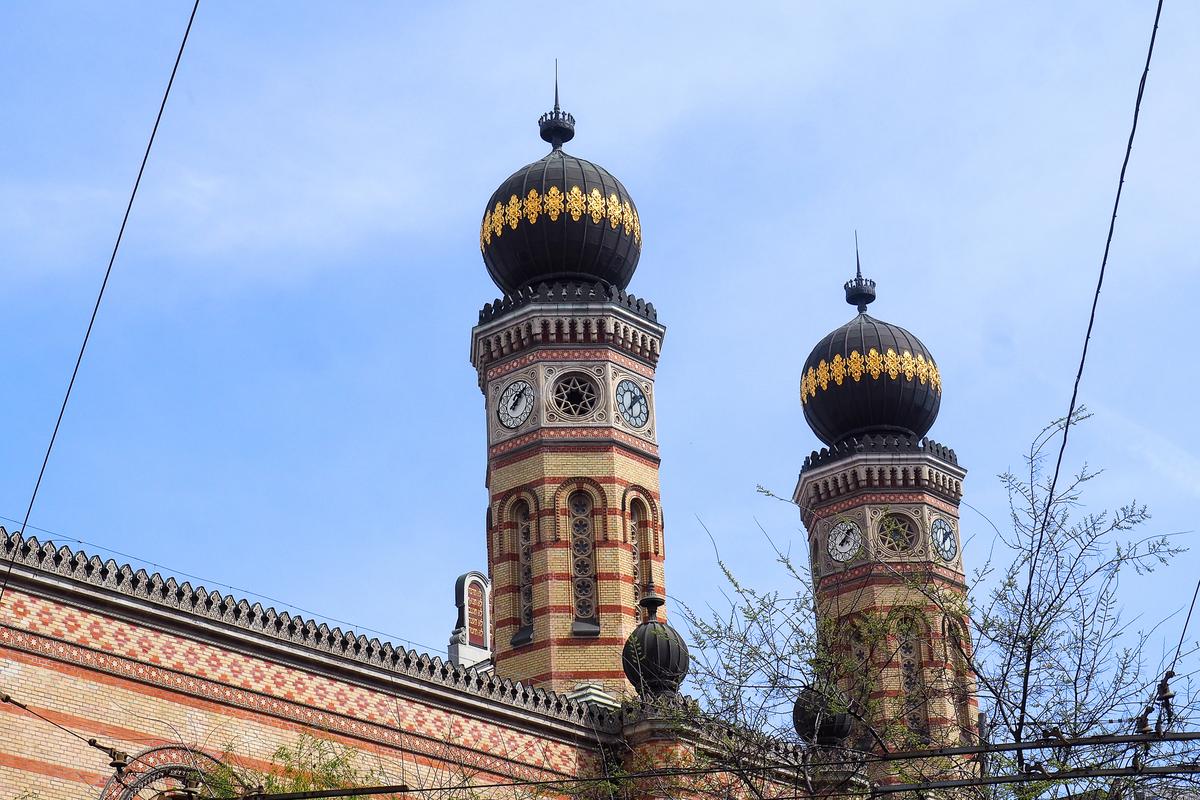
Travel guides for Budapest
Itineraries & day trips (1)
Things to do (1)
Destination stories (1)
More guides featuring Budapest (21)
At a glance
CurrencyHUF
Time zoneCentral European Time
Languages
- Hungarian
Setting
- Urban cityscape
- Danube River
- Castle hills
- Thermal baths
Population1.8M1,782,240 residents
VisaDuration: Up to 90 days within any 180-day period in the Schengen Area · Documents: Valid passport issued within the last 10 years and valid for at least 3 months after planned departure, plus proof of accommodation, onward or return travel, and sufficient funds if requested
Daily budget$35–$90 / day Full budget guide →
How Budapest scores
6/10OverallFair
Weather7/10
Value for money8/10
Safety8/10
Food & cuisine8/10
Culture & arts4/10
Cultural experience9/10
History9/10
Nature & outdoors6/10
Adventure4/10
Nightlife8/10
Shopping8/10
Family friendly5/10
Romance8/10
Character
Photography score9/10
Authenticity score10/10
Off-the-beaten-path score6/10
Editorial scores on a 10-point scale, weighed against destinations of the same kind.
Travel safety snapshot
Overall78/100Moderate rating
Women travellers75/100
LGBTQ+ travellers75/100
Theft70/100
Medical care82/100
Physical harm80/100
Political freedom70/100
SafePlace indicators use their source 100-point scale; higher is more favourable. Planning context, not a live travel advisory — check official government guidance before you go.
When to go
Best months to visit: March, April, May, June, September, October, November and December.
- January: -1.1 to 3.6 degrees Celsius, 11 millimetres of rain, best-time score 2 out of 5.
- February: -0.8 to 5.8 degrees Celsius, 12.5 millimetres of rain, best-time score 2 out of 5.
- March: 2.8 to 10.4 degrees Celsius, 23.3 millimetres of rain, best-time score 4 out of 5.
- April: 6.8 to 16.3 degrees Celsius, 7.5 millimetres of rain, best-time score 5 out of 5.
- May: 9.5 to 18.4 degrees Celsius, 56.5 millimetres of rain, best-time score 5 out of 5.
- June: 14.7 to 25.8 degrees Celsius, 23.2 millimetres of rain, best-time score 5 out of 5.
- July: 17.4 to 29.3 degrees Celsius, 4.3 millimetres of rain, best-time score 3 out of 5.
- August: 18 to 29.9 degrees Celsius, 17.5 millimetres of rain, best-time score 3 out of 5.
- September: 14.8 to 24.3 degrees Celsius, 24 millimetres of rain, best-time score 5 out of 5.
- October: 8 to 16.1 degrees Celsius, 33.4 millimetres of rain, best-time score 5 out of 5.
- November: 4.7 to 10.9 degrees Celsius, 7.5 millimetres of rain, best-time score 4 out of 5.
- December: -0.5 to 4 degrees Celsius, 29.1 millimetres of rain, best-time score 4 out of 5.
Month-by-month conditions and packing advice
- January
- Cold weather, mostly dry January in Budapest: cold, short winter days make outdoor sightseeing less flexible. Crowds: January represents Budapest’s low tourist season, with fewer crowds at major attractions and significantly reduced hotel rates. The cold, mostly dry conditions are excellent for travelers who enjoy quieter streets, cozy cafés, and uninterrupted access to museums, galleries, and historic sites. Outdoor activities like riverbank walks or castle hill exploration are feasible with proper winter clothing, while indoor attractions—thermal baths, concerts, and ruin pubs—become the main draw. Snowfall, while light, adds to the city’s winter charm without major disruption to sightseeing. Budget-conscious travelers will find excellent value, but shorter daylight hours require careful planning for outdoor photography and activities. Pack: Insulated winter coat for sub-zero mornings; Waterproof leather or insulated boots for cold pavements; Thermal base layers for extended outdoor time; Warm hat, scarf, and gloves for wind protection; Smart casual attire for indoor dining and cultural venues; Swimwear for visiting Budapest’s thermal baths
- February
- Cold weather, mostly dry February in Budapest: cold, short winter days make outdoor sightseeing less flexible. Crowds: February in Budapest is low tourist season, meaning fewer crowds and more relaxed access to landmarks such as Buda Castle and Parliament. Accommodation rates are generally lower, offering excellent value for those who can handle the cold. Outdoor sightseeing is possible but best enjoyed in shorter bursts, complemented by warm indoor stops. Thermal baths, hearty Hungarian cuisine, and cultural events make this an ideal month for travelers seeking atmosphere over sun. River cruises may be limited, and some seasonal attractions remain closed, but the city’s museums and galleries are fully active. Booking flexibility is high, and last-minute deals are common. Pack: Insulated winter coat with wind protection; Thermal base layers for outdoor comfort; Warm hat, gloves, and scarf; Water-resistant walking shoes with good grip; Smart-casual warm clothing for evening cultural events; Compact umbrella for occasional light precipitation
- March
- Cool weather, mostly dry March in Budapest: conditions remain useful with spring buildup, late-autumn culture, or festive winter atmosphere. Crowds: March in Budapest is a shoulder-season month, offering a balance between fewer crowds and the stirrings of spring activity. While outdoor sightseeing is entirely feasible, layering is key for comfort during cooler mornings and evenings. Hotel rates remain moderate, and availability is generally good, making it easier to secure centrally located accommodations. Cultural attractions such as museums, historic cafés, and concert halls provide warm retreats on chillier days. This period suits travelers who appreciate a slower pace, enjoy photography without heavy foot traffic, and want to experience thermal baths without the peak-season crush. River cruises and guided walking tours operate at reduced capacity, offering more personal interaction with guides. Overall, March provides a more intimate Budapest experience, with just enough daylight and mild weather to enjoy the city’s outdoor charms alongside its rich indoor cultural offerings. Pack: Warm layered clothing for fluctuating temperatures; Comfortable waterproof walking shoes; Light rain jacket or compact umbrella; Scarf and gloves for cool mornings; Swimwear for thermal baths; Smart-casual attire for cultural evenings
- April
- Cool weather, mostly dry April in Budapest: Danube walks, baths, ruin bars, cafes, markets, and day trips are most comfortable in mild shoulder weather. Crowds: April marks the start of Budapest’s shoulder season, offering a balance between comfortable weather and manageable visitor numbers. Attractions are open and lively, yet not overcrowded, making it an ideal time to explore landmarks like Parliament, Fisherman’s Bastion, and the city’s thermal baths. Prices for accommodation and flights are generally more moderate than in peak summer, though Easter festivities can bring brief surges in both crowds and rates. The cooler temperatures make it perfect for extended walking tours and cycling along the Danube promenade. Evening river cruises are particularly appealing in this month’s clear, cool conditions, while mild days mean minimal risk of heat fatigue. Pack: Light jacket or windbreaker for cool mornings; Comfortable walking shoes for cobblestone streets; Layered tops for changing daytime temperatures; Scarf or shawl for breezy riverfronts; Compact umbrella for unexpected showers; Smart-casual attire for café and cultural outings
- May
- Cool weather, some rain May in Budapest: Danube walks, baths, ruin bars, cafes, markets, and day trips are most comfortable in mild shoulder weather. Crowds: May marks the beginning of Budapest’s warm-weather tourism upswing, though it remains less crowded than the summer peak. Comfortable temperatures make it ideal for walking tours, thermal bath visits, and Danube river cruises. Moderate rainfall means carrying a compact umbrella is wise, but showers are rarely a full-day deterrent. Accommodation prices begin to rise from winter lows but are still more reasonable than high summer. Outdoor cafés reopen, and cultural festivals such as Budapest100 often coincide with this period. Travelers benefit from extended daylight hours, allowing more time to explore both Pest’s lively boulevards and Buda’s historic hills without the intense heat or heavy tourist congestion that arrives in July and August. Pack: Light waterproof jacket for passing showers; Comfortable walking shoes for cobblestone streets; Layered clothing for cool mornings and warmer afternoons; Compact travel umbrella; Daypack for carrying layers and water; Smart-casual attire for dining and cultural events
- June
- Warm and pleasant, mostly dry June in Budapest: Danube walks, baths, ruin bars, cafes, markets, and day trips are most comfortable in mild shoulder weather. Crowds: June marks the start of Budapest’s high tourist season, combining warm, reliable weather with a surge of cultural events such as outdoor music festivals and open-air cinema nights. Conditions are excellent for walking tours, river cruises, and cycling along the Danube paths. Crowds begin to grow, especially around major landmarks like Parliament and the Fisherman’s Bastion, and hotel prices rise accordingly. This is a prime month for evening activities, as temperatures remain comfortable after sunset. While attractions stay busy, the city’s many parks and riverside promenades offer plenty of space to escape peak congestion. Booking accommodations and popular tours in advance is advisable, particularly for weekends and festival dates. Pack: Lightweight summer clothing such as breathable shirts and dresses; Comfortable walking shoes for cobblestone streets; Light jacket or cardigan for cooler evenings; Compact umbrella or light rain jacket for brief showers; Sunhat and high-SPF sunscreen for midday exploration; Smart-casual outfit for evening concerts or dining
- July
- Warm and pleasant, mostly dry July in Budapest: summer heat and crowd pressure reduce the balance for walking-heavy days. Crowds: July marks Budapest’s high summer season, drawing both international tourists and domestic travelers for festivals, river cruises, and alfresco dining. The warm, dry climate is ideal for exploring on foot, taking Danube boat rides, or enjoying rooftop bars. Expect busy attractions and higher accommodation prices, especially near major events. Outdoor cultural programs and music festivals are in full swing, adding vibrancy to the city’s atmosphere. Daytime heat can be intense for prolonged walking, so plan museum visits or indoor activities during midday and reserve mornings and evenings for extended outdoor exploration. Booking accommodations and popular tours well in advance is recommended during this peak period. Pack: Lightweight breathable clothing for daytime heat; Wide-brimmed hat and high-SPF sunscreen; Comfortable walking sandals or shoes; Reusable water bottle to stay hydrated; Light evening jacket for cooler nights by the river; Dressier outfit for evening concerts or dining
- August
- Warm and pleasant, mostly dry August in Budapest: summer heat and crowd pressure reduce the balance for walking-heavy days. Crowds: August is high summer in Budapest, drawing peak tourist crowds and some of the year’s busiest events, notably the St. Stephen’s Day celebrations and Sziget Festival. Accommodation rates and flight prices are at their highest, and popular attractions may require advance booking. The consistently warm, dry weather is ideal for open-air concerts, Danube cruises, and evening walks through Castle Hill. Outdoor dining is at its most vibrant, but midday heat can make shade and hydration important during longer sightseeing days. Early mornings and late evenings are particularly pleasant for photography and less crowded exploration. Visitors should plan itineraries to include cooling breaks, especially if combining walking tours with festival attendance. Pack: Lightweight breathable clothing for warm days; Comfortable walking sandals or shoes; Reusable water bottle to stay hydrated; Sunhat and high-SPF sunscreen; Light evening layer for river breezes; Dressier outfit for evening concerts or cultural events
- September
- Warm and pleasant, mostly dry September in Budapest: Danube walks, baths, ruin bars, cafes, markets, and day trips are most comfortable in mild shoulder weather. Crowds: September sits in Budapest’s extended high season, with favorable weather for nearly all outdoor and cultural activities. Crowds are moderate compared to July and August, but popular attractions like the Parliament Building and thermal baths still see steady visitor flow. Prices for accommodation remain on the higher side, though late-month deals can be found. This is a prime month for wine festivals and open-air concerts, offering cultural depth alongside sightseeing. The mild temperatures make walking tours, evening dining on terraces, and photography excursions especially rewarding. Booking accommodation and event tickets in advance is wise, especially if your visit coincides with major festivals. Expect vibrant city life without the peak summer congestion. Pack: Lightweight long-sleeve shirts for sun and cooler evenings; Comfortable walking shoes for cobblestone streets; Compact travel umbrella for occasional showers; Light jacket or cardigan for early mornings; Daypack for carrying festival finds and water; Smart-casual attire for evening concerts or dining
- October
- Cool weather, some rain October in Budapest: Danube walks, baths, ruin bars, cafes, markets, and day trips are most comfortable in mild shoulder weather. Crowds: October is part of Budapest’s shoulder season, offering a balanced mix of manageable crowds and favorable sightseeing conditions. Accommodation rates are generally lower than in summer, though weekends and cultural festivals can see slight price increases. The cool, mild weather is ideal for walking tours, castle district exploration, and soaking in the city’s thermal baths. While daylight hours are shorter than in summer, the softer light enhances architectural photography. Light rain is possible, but rarely disruptive to outdoor plans. This period suits travelers seeking cultural immersion without peak-season bustle, though packing for variable temperatures is essential. Booking ahead for popular performances and weekend events is still recommended. Pack: Light to medium-weight jacket for cool days; Comfortable waterproof walking shoes; Compact travel umbrella for occasional showers; Warm scarf and gloves for chilly evenings; Layered clothing for fluctuating temperatures; Smart-casual attire for cultural events and dining
- November
- Cool weather, mostly dry November in Budapest: conditions remain useful with spring buildup, late-autumn culture, or festive winter atmosphere. Crowds: November marks the start of Budapest’s low tourist season, offering quieter streets and significantly lower hotel rates compared to summer. The cool, mostly dry weather is ideal for leisurely sightseeing, thermal spa visits, and exploring indoor attractions like the Hungarian National Museum or the Parliament Building. Outdoor activities remain pleasant with proper layers, and the city’s Christmas markets begin setting up toward the month’s end, adding festive charm. Shorter daylight hours mean planning activities earlier in the day is wise, while evenings are perfect for warm meals in cozy restaurants. Budget-conscious travelers will find November an excellent time to enjoy the city’s cultural richness without battling peak-season crowds. Pack: Warm layered clothing including sweaters and a medium-weight jacket; Comfortable waterproof walking shoes; Scarf, gloves, and a knit hat for chilly mornings and evenings; Compact umbrella for occasional light showers; Smart casual attire for indoor cultural venues and restaurants; Thermal swimwear for visiting Budapest’s famous baths
- December
- Cold weather, some rain December in Budapest: conditions remain useful with spring buildup, late-autumn culture, or festive winter atmosphere. Crowds: December falls in Budapest’s winter low season, aside from a festive spike around Christmas and New Year. Cold, damp conditions keep most crowds away, making popular sites quieter and hotel rates more affordable outside the holiday week. This is prime time for travelers seeking cultural immersion rather than outdoor sports, with highlights including holiday markets, classical concerts, and steamy thermal baths. The chill and potential icy patches may slow extensive walking tours, but the city’s public transport is efficient and warm. For the best rates and atmosphere, book accommodations early if visiting during the holiday period, and plan indoor cultural activities for colder or wetter days. Pack: Insulated winter coat with windproof exterior; Waterproof leather or lined boots for wet streets; Thermal base layers for extended outdoor walks; Warm gloves, scarf, and knit hat; Compact umbrella for light rain or sleet; Smart casual attire for indoor concerts and dining
Know before you go
About
Budapest, the capital of Hungary, is one of Europe’s most dramatic riverside cities, formed in 1873 by the union of hilly Buda and Obuda on the west bank of the Danube with flat, grand Pest on the east. The city is renowned for its thermal spa culture, sitting atop more natural hot springs than any other capital and home to the vast Szechenyi Baths, Europe’s largest medicinal bath complex. Along the river rises the neo-Gothic Hungarian Parliament Building, one of the largest in the world, while the restored Szechenyi Chain Bridge, Buda Castle, the Fisherman’s Bastion, and Matthias Church crown the UNESCO-listed Danube panorama. Travelers come for the grand boulevards and coffeehouses of Pest, the ruin bars of the old Jewish Quarter, Heroes’ Square, and the romantic views from Gellert and Castle hills. Affordable, elegant, and steeped in history, Budapest is among Central Europe’s most captivating destinations.
Best time to visit
March through May and September-November for mild weather and thermal bath culture. Summer is warm and lively with ruin bar scene. December for Christmas markets along the Danube. August 20 for St. Stephen’s Day fireworks.
Crowds
Budapest is busiest June–August and during major events like Sziget Festival (August) with crowded thermal baths and central districts; quietest in November–March (except Christmas markets in December) when tourist numbers decline significantly.
Getting there and around
Getting there
Budapest Ferenc Liszt Airport (BUD) connects to the city center via bus 100E (45 minutes, 2,200 HUF) or taxi.
Getting around
Budapest’s metro (M1 is a UNESCO World Heritage line), trams (especially tram 2 along the Danube), and buses cover the city well.
Top experiences in Budapest
Szimpla Kert Ruin Bar
Read the place guide →The original ruin bar in a derelict building in the Jewish Quarter — now a sprawling complex of bars, a cinema, and a farmer’s market.
Fisherman's Bastion
Neo-Gothic terrace on Castle Hill with seven turrets representing the Magyar tribes and the best panoramic Danube views.
Editor-curated picks carried over from our original guide. Where a full place guide exists, the card links to it.





Worth booking ahead in Budapest
Hand-picked from the operators our guides already send readers to. Prices and availability are live on the partner site.
BrowseViator
Tours and tickets in Budapest on Viator (opens Viator in a new tab)
Viator's full list of bookable tours and tickets in Budapest.
BrowseGetYourGuide
Experiences in Budapest on GetYourGuide (opens GetYourGuide in a new tab)
Everything GetYourGuide sells in Budapest, with the cancellation terms on each listing.
Where to stayBooking.com
Stays in Budapest (opens Booking.com in a new tab)
Live rates and availability for Budapest on Booking.com; filter by neighbourhood once you know where your days start.
We earn a commission if you book through these links, at no extra cost to you. It is how we keep the guides free and independent.
Where to stay
Four Seasons Hotel Gresham Palace
Széchenyi István tér 5-6, 1051 Budapest, Hungary
Art Nouveau masterpiece on the Danube with Chain Bridge views, marble mosaics, and a spa using thermal spring water.
Brody House
Art hotel in the Palace District with each room designed by a different artist — eclectic, creative, and utterly unique.
Aria Hotel Budapest
Music-themed boutique hotel steps from St. Stephen’s Basilica with a rooftop bar offering 360° city views.
Editor-curated stays carried over from our original guide. Where we have reviewed the hotel, the card links to the review.
Tips from the field
Practical tips
- Hungarian forint is the currency — exchange at banks, not tourist shops. Ruin bars close late (4-6 AM). Parliament tours sell out — book online.
Culture, customs and safety
Cultural heritage
Roman Aquincum, Ottoman thermal baths, Habsburg grandeur, and a 20th-century history visible in the bullet holes still marking facades.
Local customs & etiquette
Clinking beer glasses is considered bad luck (a tradition dating to 1849). Thermal bath etiquette requires shower caps and designated swimwear.
Safety notes
Safe in tourist areas. Pickpocketing is common on tram 2 and metro line 1. Avoid unlicensed taxis — use Bolt or Budapest Taxi.


Activities