Colorado, the Centennial State, is a high-altitude playground offering some of America’s most spectacular mountain scenery and outdoor adventures. From the iconic Rocky Mountain National Park to the surreal Great Sand Dunes, Colorado combines dramatic landscapes with a culture deeply rooted in outdoor recreation and environmental appreciation. The state’s 58 peaks above 14,000 feet attract hikers and climbers worldwide, while world-class ski resorts make it a winter sports mecca. Colorado’s vibrant cities like Denver and Boulder blend urban sophistication with mountain town charm, featuring thriving craft beer scenes, farm-to-table cuisine, and a laid-back lifestyle that celebrates both innovation and natural beauty.
The destination guide
Colorado

State in United States, North AmericaUpdated
- Overall9/10
- Best forAdventure seekers
- PeakJan–Apr
- CurrencyUSD
58 peaks above 14,000 feet, world-class ski resorts, and Denver’s craft beer scene — Colorado earns every bit of its reputation.
Travel guides for Colorado
Itineraries & day trips (1)
Things to do (8)
Where to stay (2)
Food & drink (5)
Destination stories (5)
More guides featuring Colorado (59)
At a glance
Currency$ USDCode: USD
Time zoneMountain Time (MT)
Languages
- English
Setting
- Rocky Mountain peaks
- High desert plains
- Ski slopes
- River canyons
Population6M5,957,000 residents
VisaDocuments: For domestic U.S. air travel, travelers age 18 and older must present a REAL ID-compliant driver's license or another TSA-accepted ID such as a valid passport
How Colorado scores
9/10OverallExcellent
Weather7/10
Value for money7/10
Food & cuisine5/10
Culture & arts6/10
Cultural experience8/10
Nature & outdoors9/10
Adventure9/10
Nightlife6/10
Shopping7/10
Family friendly5/10
Romance7/10
Editorial scores on a 10-point scale, weighed against destinations of the same kind.
Travel safety snapshot
Overall75/100Moderate rating
Women travellers72/100
LGBTQ+ travellers75/100
Theft70/100
Medical care85/100
Physical harm72/100
Political freedom80/100
SafePlace indicators use their source 100-point scale; higher is more favourable. Planning context, not a live travel advisory — check official government guidance before you go.
When to go
Best months to visit: January, February, March, May, June, July, August, September, October and December.
- January: -16.1 to -1.5 degrees Celsius, 17.7 millimetres of rain, best-time score 5 out of 5.
- February: -14.7 to 0.3 degrees Celsius, 23.3 millimetres of rain, best-time score 5 out of 5.
- March: -11.1 to 4.1 degrees Celsius, 40.2 millimetres of rain, best-time score 5 out of 5.
- April: -6.3 to 9 degrees Celsius, 44.3 millimetres of rain, best-time score 3 out of 5.
- May: -0.9 to 14.7 degrees Celsius, 67.7 millimetres of rain, best-time score 4 out of 5.
- June: 5.9 to 22.9 degrees Celsius, 45 millimetres of rain, best-time score 5 out of 5.
- July: 8.7 to 25.2 degrees Celsius, 60.2 millimetres of rain, best-time score 5 out of 5.
- August: 8 to 24.1 degrees Celsius, 48.8 millimetres of rain, best-time score 5 out of 5.
- September: 4.3 to 21.2 degrees Celsius, 27.2 millimetres of rain, best-time score 5 out of 5.
- October: -2.4 to 13.8 degrees Celsius, 19.7 millimetres of rain, best-time score 4 out of 5.
- November: -8.1 to 5.9 degrees Celsius, 20.6 millimetres of rain, best-time score 3 out of 5.
- December: -12.9 to 1 degrees Celsius, 19 millimetres of rain, best-time score 5 out of 5.
Month-by-month conditions and packing advice
- January
- Very cold, mostly dry January in Colorado: this is one of the strongest seasonal windows, whether for ski towns, mountain drives, hiking, parks, or fall color. Crowds: January in Colorado is best for winter-ready travelers; outdoor plans need warm gear, shorter daylight expectations, and weather-aware transport planning. Pack: Pack insulated layers, warm footwear, gloves, and a serious winter coat.
- February
- Very cold, mostly dry February in Colorado: this is one of the strongest seasonal windows, whether for ski towns, mountain drives, hiking, parks, or fall color. Crowds: February in Colorado is best for winter-ready travelers; outdoor plans need warm gear, shorter daylight expectations, and weather-aware transport planning. Pack: Pack insulated layers, warm footwear, gloves, and a serious winter coat.
- March
- Cold, occasional rain March in Colorado: this is one of the strongest seasonal windows, whether for ski towns, mountain drives, hiking, parks, or fall color. Crowds: March in Colorado is best for winter-ready travelers; outdoor plans need warm gear, shorter daylight expectations, and weather-aware transport planning. Pack: Pack insulated layers, warm footwear, gloves, and a serious winter coat.
- April
- Cold, occasional rain April in Colorado: mud season or early winter transitions narrow mountain access. Crowds: April in Colorado is best for winter-ready travelers; outdoor plans need warm gear, shorter daylight expectations, and weather-aware transport planning. Pack: Pack insulated layers, warm footwear, gloves, and a serious winter coat.
- May
- Cool to mild, occasional rain May in Colorado: season-edge timing can be rewarding with snowpack, trail, and road conditions checked. Crowds: May in Colorado is workable with normal seasonal planning; build in layers, weather checks, and a mix of indoor and outdoor activities. Pack: Pack warm layers, a coat, and comfortable shoes for cold mornings and evenings.
- June
- Mild to warm, occasional rain June in Colorado: this is one of the strongest seasonal windows, whether for ski towns, mountain drives, hiking, parks, or fall color. Crowds: June in Colorado is comfortable for sightseeing, neighborhoods, food stops, day trips, and outdoor time with limited weather friction. Pack: Pack layered clothing and comfortable walking shoes.
- July
- Mild to warm, occasional rain July in Colorado: this is one of the strongest seasonal windows, whether for ski towns, mountain drives, hiking, parks, or fall color. Crowds: July in Colorado is comfortable for sightseeing, neighborhoods, food stops, day trips, and outdoor time with limited weather friction. Pack: Pack light clothing, sun protection, and comfortable walking shoes.
- August
- Mild to warm, occasional rain August in Colorado: this is one of the strongest seasonal windows, whether for ski towns, mountain drives, hiking, parks, or fall color. Crowds: August in Colorado is comfortable for sightseeing, neighborhoods, food stops, day trips, and outdoor time with limited weather friction. Pack: Pack light clothing, sun protection, and comfortable walking shoes.
- September
- Mild to warm, mostly dry September in Colorado: this is one of the strongest seasonal windows, whether for ski towns, mountain drives, hiking, parks, or fall color. Crowds: September in Colorado is comfortable for sightseeing, neighborhoods, food stops, day trips, and outdoor time with limited weather friction. Pack: Pack layered clothing and comfortable walking shoes.
- October
- Cool to mild, mostly dry October in Colorado: season-edge timing can be rewarding with snowpack, trail, and road conditions checked. Crowds: October in Colorado is workable with normal seasonal planning; build in layers, weather checks, and a mix of indoor and outdoor activities. Pack: Pack warm layers, a coat, and comfortable shoes for cold mornings and evenings.
- November
- Cold, mostly dry November in Colorado: mud season or early winter transitions narrow mountain access. Crowds: November in Colorado is best for winter-ready travelers; outdoor plans need warm gear, shorter daylight expectations, and weather-aware transport planning. Pack: Pack insulated layers, warm footwear, gloves, and a serious winter coat.
- December
- Very cold, mostly dry December in Colorado: this is one of the strongest seasonal windows, whether for ski towns, mountain drives, hiking, parks, or fall color. Crowds: December in Colorado is best for winter-ready travelers; outdoor plans need warm gear, shorter daylight expectations, and weather-aware transport planning. Pack: Pack insulated layers, warm footwear, gloves, and a serious winter coat.
Peak season
- March
- February
- January
- April
Off-peak
- September
- August
- July
- June
Know before you go
Best time to visit
The best time to visit Colorado depends on your preferred activities. Summer (June to August) is ideal for hiking and outdoor adventures, while winter (December to March) offers world-class skiing. The shoulder seasons of May-June and September-October deliver fewer crowds and lower prices.
Summer (June-August)
Prime hiking, mountain biking, and whitewater rafting season. Temperatures range from 20-30°C (68-86°F) in Denver and the Front Range, cooler in the mountains. Wildflowers peak in July. Afternoon thunderstorms are common in the Rockies — start early for summit hikes.
Ski Season (November-April)
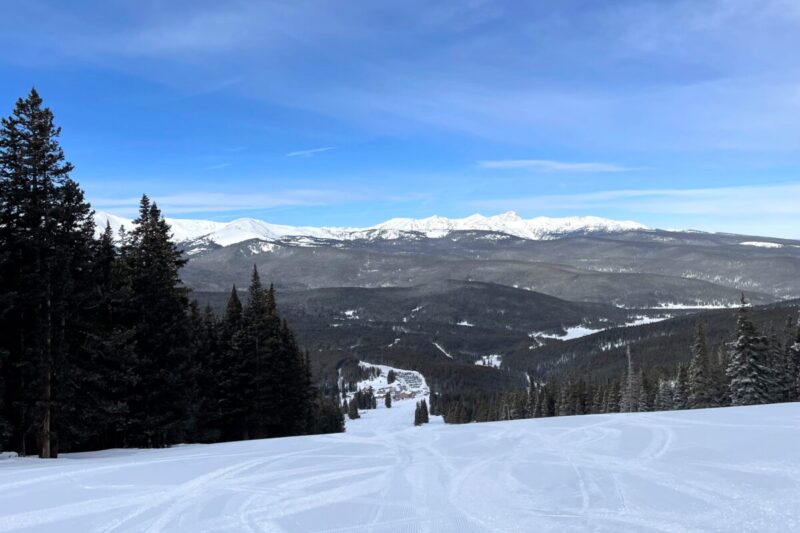
Colorado’s 28+ ski resorts — including Vail, Aspen, Breckenridge, and Telluride — offer world-class skiing with consistent powder. December-January bring the deepest snow. Late February to March sees warmer spring skiing with vibrant après-ski scenes. Peak pricing during Christmas, Presidents’ Day, and Spring Break.
Spring Shoulder (April-May)
Known locally as “mud season.” Ski resorts wind down, and hiking trails may still have snow. Lowest prices and fewest tourists. Denver and Front Range cities enjoy warming temperatures.
Autumn (September-October)
Golden aspen foliage across mountain passes is spectacular. Comfortable temperatures (10-22°C / 50-72°F). Fewer crowds, thinner air, and excellent hiking. One of the best-value seasons.
Season by season
Winter (Dec-March):
Weather: Snow/Cold
Highlights: Skiing (Aspen/Vail)
Best For: Winter Sports
Summer (June-Aug):
Weather: 70-85°F, sunny
Highlights: Hiking
Best For: Camping/Road Trips
Fall (Sept-Oct):
Weather: Crisp, cool
Highlights: ASPEN TREES turning gold
Best For: Photography
Spring (April-May):
Weather: Variable, mud
Highlights: Wildlife waking
Best For: Lower elevation hiking
Crowds
Colorado is busiest winter (December–March) at ski resorts and summer (June–August) in national parks and outdoor areas, with major crowds at Aspen, Vail, and Rocky Mountain National Park; quietest late spring (April–early June) and shoulder fall months, though urban areas remain steady—overall variable with high peak-season crowding.
Getting there and around
Getting there
Colorado is primarily accessed through Denver International Airport (DEN), one of the busiest airports in the US, preparing to serve 100 million passengers annually. The airport features the A Line rail service connecting to Denver Union Station for $10 each way, with the DEN Transit Center serving as the regional transportation hub. Colorado Springs Airport serves the southern region. The state is well-connected by Interstate highways I-25 (north-south corridor), I-70 (east-west through mountains), and I-76. Ground transportation includes rental cars, ride-sharing services, and shuttle services to mountain destinations. Many Denver hotels provide free airport shuttle service. The DEN Travel Assist program provides enhanced passenger support services.
Getting around
Getting around within Colorado varies by city, but Denver offers the most robust public transit system with RTD buses, light rail, and commuter rail reaching out to Boulder and the airport, making it the most viable option for car-free travel. While mountain towns like Aspen, Vail, and Telluride have free or low-cost local bus systems catering mostly to ski tourists, intercity transit between rural areas is limited—so renting a car is almost essential for exploring national parks or mountain highways. Walkability is excellent in downtown cores like Boulder and Old Town Fort Collins, but outside these hubs, a car or rideshare app like Lyft or Uber is your best bet, especially after dark or in bad weather. To save on transit costs in the Denver area, consider the RTD MyRide stored value card or day passes via their mobile app for seamless boarding.
Top experiences in Colorado
Rocky Mountain National Park
One of the most visited national parks in the US. It features dramatic peaks, alpine lakes, and abundant wildlife (elk, moose). Trail Ridge Road is the highest continuous paved road in the country (12,183 ft). It is the roof of North America.
Garden of the Gods
A public park in Colorado Springs with towering red sandstone rock formations. The contrast of the red rocks against the blue sky and Pikes Peak is stunning. It is free to enter. The Balancing Rock is a photo favorite.
Pikes Peak
The most visited mountain in North America. ‘America the Beautiful’ was written about the view from here. You can drive up, hike up (Barr Trail), or take the new Cog Railway. The donuts at the summit house are a tradition (altitude makes them different).
Mesa Verde National Park
A UNESCO World Heritage site in the southwest. It preserves the cliff dwellings of the Ancestral Pueblo people. The Cliff Palace is the largest cliff dwelling in North America. It is mysterious, spiritual, and impressive.
Great Sand Dunes National Park
Home to the tallest sand dunes in North America (750 ft). They sit at the base of the Sangre de Cristo Mountains. You can sandboard down them. At night, it sits in a Dark Sky Preserve—the stars are incredible.
Editor-curated picks carried over from our original guide. Where a full place guide exists, the card links to it.

Worth booking ahead in Colorado
Hand-picked from the operators our guides already send readers to. Prices and availability are live on the partner site.
BrowseViator
Tours and tickets in Colorado on Viator (opens Viator in a new tab)
Viator's full list of bookable tours and tickets in Colorado.
BrowseGetYourGuide
Experiences in Colorado on GetYourGuide (opens GetYourGuide in a new tab)
Everything GetYourGuide sells in Colorado, with the cancellation terms on each listing.
Where to stayBooking.com
Stays in Colorado (opens Booking.com in a new tab)
Live rates and availability for Colorado on Booking.com; filter by neighbourhood once you know where your days start.
We earn a commission if you book through these links, at no extra cost to you. It is how we keep the guides free and independent.
Where to stay
The Broadmoor
1 Lake Ave, Colorado Springs, CO 80906, USA
A historic 5-star resort in Colorado Springs. It has its own lake, golf courses, and even a cog railway. It is grand, sprawling, and utterly luxurious. It feels like a European palace dropped into the Rockies.
The Little Nell
675 E Durant Ave, Aspen, CO 81611, USA
The only 5-star, 5-diamond hotel in Aspen. It offers ski-in/ski-out access to Aspen Mountain. The wine list is legendary. It is the hangout for celebrities and the ultra-wealthy. The service is intuitive and flawless beyond belief.
Garden of the Gods Resort and Club
3320 Mesa Rd, Colorado Springs, CO 80904, USA
A luxury resort directly overlooking the red rock formations of the Garden of the Gods. The view from the infinity pool and the dining room is one of the best in the state. It offers a wellness focus with a world-class spa.
Editor-curated stays carried over from our original guide. Where we have reviewed the hotel, the card links to the review.
Tips from the field
Highlights
- Mountains – 58 fourteeners
- Skiing – Aspen/Vail/Breck
- History – Cliff Dwellings
- Beer – Craft brewery hub
- Red Rocks – Concert venue
- Sand Dunes – Unique landscape
- Wildlife – Elk herds
- Gold – Mining history
Best activities
- Drive Trail Ridge Road. Hike in Rocky Mountain National Park. See a concert at Red Rocks Amphitheatre. Ski in Aspen or Vail. Sandboard at Great Sand Dunes. Tour the cliff dwellings at Mesa Verde. Ride the Pike's Peak Cog Railway. Drink craft beer in Denver.
Practical tips
- Currency: US Dollar (USD)
- Getting There: Denver International Airport (DEN) is the primary gateway. A-Line commuter rail to downtown Denver costs (37 minutes). Driving from Denver to mountain resorts: 1.5-3 hours depending on destination and I-70 traffic.
- Transportation: A rental car is recommended for mountain exploration. I-70 corridor to ski resorts can be heavily congested on weekends — travel Saturday mornings or midweek. Bustang buses connect Denver to mountain towns. Most ski resorts offer free in-town shuttles.
- Dining: Farm-to-table dining thriving in Denver, Boulder, and mountain towns. Budget meals -15. Brewery culture is strong — Colorado has 400+ craft breweries. Mountain resort dining is pricey (-50+ per person).
- Free Attractions: Garden of the Gods (Colorado Springs), Red Rocks Amphitheatre (daytime), Rocky Mountain National Park trails (park entry /vehicle), hiking and biking trails statewide, Denver Art Museum (free first Saturday).
- Ski Passes: Epic Pass and Ikon Pass cover multiple resorts for the season. Day passes -250+ at major resorts.
- Tipping: 18-20% at restaurants, -2 per drink at bars
- Electricity: 120V/60Hz, Type A/B plugs
Photography tips
- Golden Hour: Sunrise at Maroon Bells (Aspen) creating the reflection.
- Iconic Shots:
- Garden of the Gods close up with Pikes Peak in back.
- The Crystal Mill.
- Great Sand Dunes with mountains behind.
- Trail Ridge Road vistas.
- Historic Durango & Silverton train.
- Technique: Use a polarizer for the intense blue sky. Altitude makes light harsher.
Timing
- Peak Season (Summer, Ski season):
- Busy, expensive
- Shoulder Season (Fall):
- Beautiful, cooler
- Low Season (Spring aka Mud Season):
- Cheap, messy trails
Keeping it authentic
- Coloradans are active and outdoorsy. 'Casual' is the dress code almost everywhere (jeans and fleece). Altitude sickness is real
- drink water and take it easy for the first day. Marijuana is legal, but only in private (not in parks/public).
Culture, customs and safety
Cultural heritage
Colorado preserves Native American heritage through Mesa Verde National Park’s ancient Puebloan cliff dwellings and numerous archaeological sites. Mining boom towns like Georgetown and Leadville showcase Victorian-era architecture and frontier history. The state’s cultural identity blends Indigenous traditions, Hispanic influences from its time as part of Mexico, and the pioneer spirit of Western expansion.
Local customs & etiquette
Colorado culture centers on outdoor recreation and mountain lifestyle, with skiing, snowboarding, mountain biking, and hiking forming core cultural identity. The state embraces “going big” attitude on slopes and trails, translating to intelligent risk-taking and bold discoveries. Local customs include early morning starts for mountain activities, casual outdoor-focused attire, and strong environmental consciousness. The altitude requires adjustment time for visitors. Colorado celebrates craft beer culture, farm-to-table dining, and outdoor festivals. Business culture is generally casual and collaborative. The state values work-life balance with outdoor recreation integrated into daily life.
Safety notes
Colorado is generally safe for tourists, with the main risks being altitude and outdoor hazards.
Altitude:
• Denver sits at 5,280 feet (1,609 m); mountain towns reach 9,000-14,000+ feet
• Altitude sickness symptoms include headache, nausea, and fatigue
• Stay hydrated (3-4 liters/day), limit alcohol, and acclimate gradually
• Consider arriving a day early before strenuous activity
Outdoor Hazards:
• Summer afternoon thunderstorms are frequent in the mountains — descend from exposed ridges by noon
• Sunburn risk is higher at elevation — wear SPF 30+, sunglasses, and a hat
• Wildlife encounters (bears, mountain lions, moose) are possible — maintain distance and store food properly
• Check for ticks after hiking in lower-elevation grasslands
Winter Driving:
• Colorado traction laws require snow tires or chains on mountain highways
• Check road conditions at COtrip.org before traveling
Urban Safety:
• Denver is generally safe in tourist areas; be aware in less-traveled neighborhoods after dark
Emergency number: 911

Travel Style