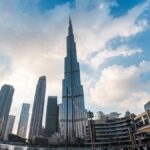
Dubai is a dazzling city known for its modern architecture, luxury shopping, and vibrant nightlife. Home to the iconic Burj Khalifa, the world’s tallest building, and the lavish Dubai Mall, this city offers a unique blend of tradition and innovation. Visitors can explore the historic Al Fahidi neighborhood, enjoy the stunning Dubai Fountain show, or relax on beautiful beaches.
The destination guide
Dubai
City in United Arab Emirates, AsiaUpdated
- Overall7/10
- Best forSolo travelers
- PeakNov–Mar
- CurrencyAED
Dubai, a mesmerizing blend of tradition and modernity, offers a rich experience with its history and architectural marvels. From the Al Fahidi Historical Neighbourhood to the towering Burj Khalifa, this city captivates with its culture and extravagance. Enjoy the cosmopolitan vibes, local experiences, and make the most of your visit to Dubai.
Travel guides for Dubai
Things to do (1)
Food & drink (1)
Travel tips & costs (1)
More guides featuring Dubai (8)
At a glance
CurrencyAED
Time zoneGulf Standard Time
Languages
- Arabic
- English
Setting
- Desert metropolis
- Persian Gulf coast
- Modern skyline
- Sand dunes
Known for
- Luxury Travel
- Modern Architecture
- Shopping Malls
- Desert Adventures.
Population2.8M2,794,966 residents
VisaDuration: Up to 30 days for tourism · Documents: Valid U.S. passport with at least 6 months validity beyond date of entry and at least one blank page
How Dubai scores
7/10OverallGood
Weather7/10
Value for money6/10
Safety8/10
Food & cuisine8/10
Culture & arts4/10
Cultural experience6/10
History6/10
Nature & outdoors5/10
Adventure6/10
Nightlife9/10
Shopping10/10
Family friendly5/10
Romance7/10
Character
Photography score10/10
Authenticity score9/10
Off-the-beaten-path score2/10
Editorial scores on a 10-point scale, weighed against destinations of the same kind.
Travel safety snapshot
Overall75/100Moderate rating
Women travellers70/100
LGBTQ+ travellers15/100
Theft92/100
Medical care90/100
Physical harm85/100
Political freedom30/100
SafePlace indicators use their source 100-point scale; higher is more favourable. Planning context, not a live travel advisory — check official government guidance before you go.
When to go
Best months to visit: January, February, March, April, October, November and December.
- January: 20.4 to 21.8 degrees Celsius, 11.4 millimetres of rain, best-time score 5 out of 5.
- February: 20.9 to 22.3 degrees Celsius, 0.6 millimetres of rain, best-time score 5 out of 5.
- March: 22.8 to 24 degrees Celsius, 1.7 millimetres of rain, best-time score 5 out of 5.
- April: 24.9 to 26.6 degrees Celsius, 5.4 millimetres of rain, best-time score 4 out of 5.
- May: 28.6 to 30.6 degrees Celsius, best-time score 3 out of 5.
- June: 31 to 33 degrees Celsius, best-time score 2 out of 5.
- July: 32.7 to 34.3 degrees Celsius, best-time score 2 out of 5.
- August: 32.7 to 34.1 degrees Celsius, best-time score 2 out of 5.
- September: 32.1 to 33.3 degrees Celsius, best-time score 3 out of 5.
- October: 30.1 to 31.1 degrees Celsius, best-time score 4 out of 5.
- November: 27.1 to 28.3 degrees Celsius, 2.4 millimetres of rain, best-time score 5 out of 5.
- December: 23.3 to 24.4 degrees Celsius, best-time score 5 out of 5.
Month-by-month conditions and packing advice
- January
- Warm and pleasant, mostly dry January in Dubai: cooler desert weather supports beaches, markets, outdoor dining, desert tours, and skyline walks. Crowds: January marks peak tourist season in Dubai, driven by ideal outdoor conditions and a packed cultural calendar. Expect higher accommodation prices and busier attractions, especially around festival sites and popular beaches. This is the best time for desert safaris, dhow cruises, open-air markets, and alfresco dining, with minimal weather-related interruptions. Mild temperatures support full-day itineraries without heat fatigue, and the low rainfall means plans rarely need adjusting. Advance booking is strongly advised for hotels, tours, and dining at sought-after venues. While the weather is perfect for most activities, UV levels remain strong under the clear winter sun, so sun protection is still essential. Pack: Lightweight breathable clothing for daytime warmth; Comfortable walking shoes for urban and desert exploration; Broad-brimmed hat and SPF 50+ sunscreen; Light jacket or shawl for cooler evenings; Modest attire for visiting mosques and cultural sites; Sunglasses with UV protection
- February
- Warm and pleasant, mostly dry February in Dubai: cooler desert weather supports beaches, markets, outdoor dining, desert tours, and skyline walks. Crowds: February falls within Dubai’s high tourism season, offering optimal weather for outdoor pursuits such as dhow cruises, desert safaris, and open-air cultural festivals. The pleasant climate draws substantial visitor numbers, leading to higher accommodation rates and busier attractions, particularly on weekends. It’s an excellent month for sightseeing and photography thanks to consistent sunshine and comfortable daytime warmth. Outdoor events like the Dubai Food Festival align perfectly with the weather, providing unique cultural experiences. However, peak-season demand means booking popular tours and hotels well in advance is essential to secure preferred times and rates. Pack: Lightweight long-sleeve shirts for sun protection; Comfortable sandals or walking shoes; Broad-brimmed hat and high-SPF sunscreen; Light jacket for cooler evenings; Modest attire for mosques and cultural sites; Reusable water bottle to stay hydrated
- March
- Warm and pleasant, mostly dry March in Dubai: cooler desert weather supports beaches, markets, outdoor dining, desert tours, and skyline walks. Crowds: March sits within Dubai’s prime tourist season, drawing visitors with its warm but not overpowering temperatures. These conditions are ideal for alfresco dining, coastal walks, cultural festivals, and day trips into the desert. Crowd levels are moderately high, especially at key attractions, and hotel prices remain at their seasonal peak. Outdoor events, including food and art festivals, are in full swing, benefiting from the dry, sunny weather. Advance booking for accommodations and popular experiences is recommended to secure the best rates and times. The pleasant climate makes this month particularly suited for first-time visitors seeking a comprehensive mix of urban and natural exploration without extreme heat. Pack: Lightweight, breathable clothing for warm days; Comfortable walking sandals or shoes; Broad-brimmed hat and SPF 50+ sunscreen; Light shawl or scarf for modesty in cultural sites; Sunglasses with UV protection; Evening light jacket for breezy waterfront areas
- April
- Hot and sunny, mostly dry April in Dubai: conditions are still usable, though heat is building or just easing. Crowds: April marks the shoulder season in Dubai—warmer than the prime winter months but still manageable for most travelers. Outdoor activities such as dhow cruises, heritage tours in Al Fahidi, and dune drives remain viable, especially in early mornings or after sunset. Tourist numbers begin to thin compared to January–March, which can mean slightly better hotel deals and shorter waits at attractions. Beachgoers will find the Persian Gulf waters comfortably warm for swimming. However, midday hours can feel hot under direct sunlight, so activity planning around cooler times is essential. Ramadan may fall in April in some years, affecting dining hours and public festivities, offering visitors a unique cultural immersion if timed accordingly. Pack: Light, breathable clothing for hot daytime conditions; Wide-brimmed hat and UV-blocking sunglasses; High SPF sunscreen and lip balm; Loose, modest attire for visiting cultural and religious sites; Light scarf or shawl for sun and cultural etiquette; Comfortable sandals or breathable walking shoes
- May
- Hot and sunny, mostly dry May in Dubai: lower rates can help, but outdoor plans need early starts and air-conditioned breaks. Crowds: May marks the shoulder season in Dubai, with rising temperatures beginning to deter peak-season crowds. This creates a window of opportunity for travelers seeking fewer queues at attractions and slightly reduced hotel rates compared to winter months. Outdoor exploration remains feasible in the early morning or late afternoon, while midday is best spent in air-conditioned museums, malls, or cultural centers. Beach activities and dhow cruises are still appealing, though sun protection is critical. The heat may limit extended desert excursions to shorter, early-day trips. Photographers benefit from clear skies and vivid light but should plan shoots around the softer glow of sunrise or sunset. Advance booking for indoor attractions is still recommended, as popular spots can draw visitors escaping the heat. Pack: Light, breathable linen or cotton clothing; Wide-brimmed hat for strong sun protection; High-SPF sunscreen and UV-blocking sunglasses; Reusable water bottle to stay hydrated; Light scarf or shawl for modesty at cultural sites; Comfortable sandals or breathable walking shoes
- June
- Hot and sunny, mostly dry June in Dubai: extreme summer heat makes most daytime outdoor sightseeing impractical. Crowds: June marks the start of Dubai’s low tourism season due to extreme heat, which significantly reduces outdoor activity comfort during midday. Airfares and hotel rates often drop, making it attractive for budget-conscious travelers who can adapt plans around the climate. Outdoor sightseeing is best reserved for dawn or post-sunset, while midday hours are ideal for exploring indoor attractions such as the Dubai Mall, museums, and cultural exhibitions. Crowds at major sites are thinner, offering a more relaxed experience. Water-based activities like evening dhow cruises or shaded beach visits can be enjoyable, though the Gulf’s warm waters may not provide much cooling relief. Advance booking is usually unnecessary, except for popular evening entertainment or fine dining spots. Pack: Light, loose-fitting breathable clothing; Wide-brimmed hat for sun protection; High-SPF sunscreen and sunglasses; Reusable water bottle for hydration; Light scarf or shawl for modesty at cultural sites; Sandals or breathable walking shoes
- July
- Hot and sunny, mostly dry July in Dubai: extreme summer heat makes most daytime outdoor sightseeing impractical. Crowds: July falls firmly within Dubai’s low tourist season due to extreme heat, making it an appealing time for budget-conscious travelers who prefer fewer crowds. Outdoor exploration is best confined to early mornings or late evenings, with midday hours reserved for air-conditioned venues. Attractions like the Dubai Mall, the Museum of the Future, and traditional souks remain comfortably accessible. Hotel rates and flight prices tend to drop, offering value for those who can adapt their itinerary to the climate. Water-based activities, such as indoor aquariums or evening dhow cruises, are viable options. Advance booking for evening desert experiences is recommended, as limited cooler-hour tours can sell out despite the off-season status. Pack: Loose, breathable linen or cotton clothing; High-SPF (50+) sunscreen and lip balm; Wide-brimmed hat or UV-protective cap; Reusable water bottle with insulation; Lightweight scarf or shawl for modesty in cultural sites; Comfortable sandals or breathable walking shoes
- August
- Hot and sunny, mostly dry August in Dubai: extreme summer heat makes most daytime outdoor sightseeing impractical. Crowds: August is firmly within Dubai’s low tourist season due to the extreme heat and high humidity, making it less ideal for extended outdoor sightseeing. Hotel rates and flight prices drop significantly, and attractions are less crowded—an advantage for those comfortable with indoor-focused itineraries. Many festivals and events shift to climate-controlled venues, ensuring visitors can still engage with local culture. Daytime outdoor excursions like desert safaris are limited to early mornings or evenings, while beach activities are possible but often brief due to water temperatures exceeding 30 °C. This month suits travelers seeking value deals and quieter city experiences, provided they plan around the heat and use indoor attractions as their main base. Pack: Loose, breathable clothing made of natural fibers; Wide-brimmed hat for sun protection; High SPF 50+ sunscreen and lip balm; Light scarf or shawl for modesty in cultural sites; Comfortable sandals suitable for hot pavements; Reusable water bottle to stay hydrated
- September
- Hot and sunny, mostly dry September in Dubai: lower rates can help, but outdoor plans need early starts and air-conditioned breaks. Crowds: This period sits at the tail end of Dubai’s low tourist season, when extreme heat still deters many travelers. Crowds at major attractions are lighter, and hotels often offer discounted rates. Outdoor sightseeing is best confined to early mornings and evenings, while midday is more suited to indoor activities like visiting the Dubai Mall, museums, or indoor entertainment venues. Beaches and pools remain usable but require frequent shade breaks and hydration. Desert excursions typically run at sunrise or sunset to avoid peak heat. While the weather is stable and rain-free, travelers should be mindful of heat stress and plan itineraries accordingly. This transitional month precedes the cooler, busier tourist season starting in late October, making it appealing for visitors seeking quieter experiences. Pack: Light, breathable clothing in natural fibers; Wide-brimmed hat and polarized sunglasses; High SPF 50+ sunscreen and lip balm; Refillable water bottle with insulation; Comfortable sandals suitable for hot surfaces; Light scarf or shawl for cultural site visits
- October
- Hot and sunny, mostly dry October in Dubai: conditions are still usable, though heat is building or just easing. Crowds: October marks the early start of Dubai’s high season, attracting visitors eager for sunny conditions without the peak winter crowds. Accommodation prices begin to rise but remain below their December–February highs, making it a strategic time to visit. The heat, while still considerable, is manageable for sightseeing with proper planning, favoring activities like dhow cruises, evening markets, and short desert tours. Outdoor events, food festivals, and art exhibitions begin to populate the calendar, taking advantage of the predictable dry weather. Beach days are viable but best enjoyed in the mornings, as midday UV levels remain high. Early bookings are advisable for popular attractions such as the Burj Khalifa observation decks and curated cultural tours. Pack: Light, breathable fabrics such as cotton or linen; Wide-brimmed hat and polarized sunglasses; High-SPF sunscreen and lip balm; Comfortable sandals or breathable walking shoes; Light scarf or shawl for modesty in cultural sites; Reusable water bottle to stay hydrated
- November
- Hot and sunny, mostly dry November in Dubai: cooler desert weather supports beaches, markets, outdoor dining, desert tours, and skyline walks. Crowds: November marks the onset of Dubai’s peak tourist season, attracting visitors with its reliably warm yet comfortable weather. Outdoor activities—from lounging at Jumeirah Beach to exploring the Old Souk—are at their most enjoyable. Hotel prices and airfares start to rise as international arrivals increase, particularly toward the month’s end. While crowds are notable at major attractions like the Burj Khalifa and Dubai Mall, early mornings and weekdays offer quieter experiences. The low rainfall ensures minimal disruption to plans, making it a prime time for water sports, alfresco dining, and evening desert tours. Advance bookings for accommodations and marquee events such as the Dubai Design Week are advisable to secure preferred options and rates. Pack: Breathable linen or cotton clothing for daytime warmth; Light shawl or scarf for modesty in cultural areas; UV-protection sunglasses and wide-brimmed hat; Comfortable sandals or walking shoes; Light evening jacket for breezy desert nights; High SPF sunscreen for strong midday sun
- December
- Warm and pleasant, mostly dry December in Dubai: cooler desert weather supports beaches, markets, outdoor dining, desert tours, and skyline walks. Crowds: December marks the height of Dubai’s peak tourist season, with flawless weather drawing visitors from cooler regions. The city buzzes with festivals, outdoor markets, and cultural performances. While conditions are ideal for beach outings, desert excursions, and sightseeing, demand for hotels and attractions pushes prices to their annual peak. Advance booking for accommodations, popular tours, and fine dining is highly recommended. Crowds are notable at major landmarks such as the Burj Khalifa and Dubai Mall, but the pleasant weather makes queuing more tolerable. Evening temperatures remain mild, extending the hours for comfortable outdoor exploration. Pack: Lightweight breathable clothing for warm days; Comfortable walking sandals or shoes; Wide-brimmed hat and SPF 50+ sunscreen; Light shawl or scarf for modesty in cultural sites; Evening light jacket for cooler desert breezes; Reusable water bottle to stay hydrated
Peak season
- November
- December
- January
- February
- March
Off-peak
- June
- July
- August
- September

Know before you go
About
Dubai, the largest city in the United Arab Emirates and capital of the emirate of the same name, is a futuristic metropolis on the Persian Gulf famed for record-breaking architecture, luxury shopping, and desert-meets-sea glamour. Its skyline is crowned by the Burj Khalifa, the tallest building in the world at 828 meters (2,723 feet), whose observation decks overlook the choreographed Dubai Fountain and the vast Dubai Mall below. Offshore, the palm-tree-shaped artificial archipelago of Palm Jumeirah extends into the Gulf, lined with resorts and topped by the sail-shaped Burj Al Arab, a 321-meter icon of opulence. Travelers come for gold and spice souks along Dubai Creek, the panoramic Dubai Frame, ski slopes inside Mall of the Emirates, and dune safaris in the surrounding Arabian Desert. A global aviation and tourism crossroads, Dubai pairs its ultramodern attractions with traditional Emirati culture in the historic Al Fahidi district, offering year-round sunshine and one of the world’s busiest, most cosmopolitan visitor experiences.
Neighbourhoods
When you visit Dubai, each neighborhood unveils a unique aspect of this vibrant city — whether you’re looking for luxury shopping, cultural experiences, or seaside relaxation.
Downtown Dubai is a must-visit. Here, you’re dwarfed by the towering Burj Khalifa, the world’s tallest building. Wander through the expansive Dubai Mall, where retail therapy takes on a new meaning with over 1,200 stores.
For a seaside vibe, Jumeirah Beach Residence (JBR) offers that perfect blend of beachfront leisure and buzzing nightlife. The walk along the beach is a personal favorite. Last visit, a pop-up art gallery had me captivated with local works!
Head to Dubai Marina for that cosmopolitan flavor. It’s an incredible feat of urban planning, with a manmade canal surrounded by residential skyscrapers. Dinners on a dhow cruise come highly recommended for a different view of the city lights.
Don’t miss Palm Jumeirah, an engineering marvel shaped like a palm tree. It’s not every day you get to say you’ve lounged on an artificial island, right? The luxury resorts here offer exceptional views of the Arabian Gulf.
Lastly, Business Bay is becoming a bustling locale, with the new Dubai Water Canal carving its way through. It’s quieter but expanding rapidly, an exciting blend of residential spaces and business towers.
Best time to visit
November to March
Season by season
Winter (Nov-Mar) offers perfect, sunny beach weather. Summer (Jun-Sep) is scorchingly hot, driving all activity indoors to air-conditioned malls and attractions.
Crowds
High
Getting there and around
Getting there
Dubai International Airport (DXB) is 10 minutes from downtown by Metro Red Line. Al Maktoum International (DWC) serves budget carriers.
Getting around
Dubai Metro is clean, air-conditioned, and covers major attractions. Taxis and ride-shares are affordable. Water taxis (abras) cross Dubai Creek for 1 dirham.
Top experiences in Dubai
Burj Khalifa
The world’s tallest building at 828 meters (2,717 feet) and 163 floors, redefining what’s possible in modern engineering. Three observation levels deliver panoramic views: “At The Top” on levels 124–125 (456 m) for the classic skyline shot; the premium “SKY” lounge on level 148 (555 m) with Arabic coffee and guided commentary; and levels 152–154 (585 m), the world’s highest lounge, for sunset cocktails above the clouds. At the base, the Dubai Fountain stages a nightly water-and-light show across a 30-acre lake.
The Dubai Mall & Fountain
Desert Safari
Dubai Creek and Gold Souk
Cross the historic creek by abra to explore the trading heart of old Dubai — gold, spice, and textile souks in narrow covered lanes.
Dubai Frame
Read the place guide →150-meter golden picture frame in Zabeel Park with a glass-floor sky deck and museum chronicling Dubai’s transformation.
Editor-curated picks carried over from our original guide. Where a full place guide exists, the card links to it.


Worth booking ahead in Dubai
Hand-picked from the operators our guides already send readers to. Prices and availability are live on the partner site.
BrowseViator
Tours and tickets in Dubai on Viator (opens Viator in a new tab)
Viator's full list of bookable tours and tickets in Dubai.
BrowseGetYourGuide
Experiences in Dubai on GetYourGuide (opens GetYourGuide in a new tab)
Everything GetYourGuide sells in Dubai, with the cancellation terms on each listing.
Where to stayBooking.com
Stays in Dubai (opens Booking.com in a new tab)
Live rates and availability for Dubai on Booking.com; filter by neighbourhood once you know where your days start.
We earn a commission if you book through these links, at no extra cost to you. It is how we keep the guides free and independent.
Where to stay
Burj Al Arab Jumeirah
The iconic sail-shaped hotel on its own island — a symbol of luxury with butler service and Rolls-Royce transfers.
Atlantis, The Palm
Beachfront resort on Palm Jumeirah with a private marina, GUERLAIN spa, and three celebrity-chef restaurants.
Armani Hotel Dubai
Sleek downtown hotel directly connected to Dubai Mall with views of the Burj Khalifa and Dubai Fountain.
Editor-curated stays carried over from our original guide. Where we have reviewed the hotel, the card links to the review.
Tips from the field
Highlights
- Standing on the observation deck of the world's tallest building, the Burj Khalifa, and experiencing the vast, rolling dunes of an Arabian desert safari.
Best activities
- Dune bashing in the desert, shopping in massive luxury malls, and dining at world-class celebrity chef restaurants.
Local experiences
- Wander through the narrow lanes of the Al Fahidi Historical Neighbourhood, or take a traditional wooden 'abra' boat across the Dubai Creek for just 1 AED.
Practical tips
- The Dubai Metro is highly efficient and connects the airport to major malls and the Marina. Taxis are also relatively affordable and safe.
Photography tips
- Capture the Burj Khalifa and the light show from the water edge of the Dubai Fountain at night, or head to the Dubai Frame for a shot framing the old and new city.
Timing
- 4 to 5 days is ideal for experiencing the major modern highlights, relaxing at a beach club, and doing a desert tour.
Keeping it authentic
- While Dubai is famous for glitzy, modern engineering, you can find authentic Emirati heritage around the historic Creek and the bustling Gold and Spice Souks.
Culture, customs and safety
Cultural heritage
Pearl-diving Bedouin heritage transformed into a global hub over 50 years — the speed of reinvention is the culture itself.
Local customs & etiquette
Dress modestly outside beach areas. Public displays of affection draw fines. Ramadan requires sensitivity about eating in public during daylight hours. Friday is the holy day.
Safety notes
Dubai is one of the safest cities in the world for tourists, with extremely low crime rates. Strict laws are enforced, so be respectful of local customs, dress modestly in public areas, and avoid public displays of affection.