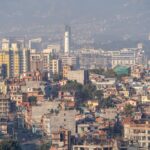
Kathmandu, Nepal’s ancient capital and largest metropolis, spreads across a valley at the foothills of the Himalayan mountains, creating a mesmerizing blend of medieval architecture, spiritual devotion, and chaotic urban energy. This city of approximately one million inhabitants stands at an elevation of 1,400 meters, surrounded by terraced hillsides and snow-capped peaks, with the sacred Bagmati and Bishnumati rivers flowing through its heart. Kathmandu’s spiritual landscape is extraordinarily dense with hundreds of temples, stupas, and shrines representing both Hinduism and Buddhism, which have coexisted harmoniously for centuries. The city’s architectural treasures include Durbar Square with its intricate wood-carved palaces and temples; Swayambhunath (the “Monkey Temple”), crowned by a stupa with Buddha eyes gazing in four directions; and Pashupatinath, Nepal’s holiest Hindu site where cremations are performed along the riverbanks. Kathmandu’s labyrinthine old quarters, particularly Thamel and Asan, feature narrow medieval streets lined with shops selling everything from handcrafted singing bowls and thangka paintings to trekking gear for those venturing into the Himalayas. The city serves as Nepal’s cultural, economic, and political nucleus, where urban development often occurs haphazardly alongside ancient traditions and structures, creating striking juxtapositions between old and new. Despite significant damage from the devastating 2015 earthquake, Kathmandu’s resilient character endures through ongoing restoration efforts and the perpetuation of centuries-old festivals, craftsmanship, and spiritual practices. As both gateway to Himalayan adventures and cultural destination in its own right, Kathmandu offers an immersive experience into Nepal’s distinctive heritage where daily life and spiritual devotion remain inextricably intertwined.
The destination guide
Kathmandu

- Overall6/10
- Best forAdventure seekers, Budget travelers
- PeakMar, Apr, Oct, Nov
- CurrencyNPR
Kathmandu’s Durbar Square has temples stacked against each other in a valley where the Himalayas frame everything — the gateway to Everest and a city that hums with prayer wheels.
Travel guides for Kathmandu
More guides featuring Kathmandu (1)
At a glance
- Nepali
- Himalayan valley
- Mountain peaks
- Buddhist temples
- River terraces
How Kathmandu scores
Character
Editorial scores on a 10-point scale, weighed against destinations of the same kind.
Travel safety snapshot
SafePlace indicators use their source 100-point scale; higher is more favourable. Planning context, not a live travel advisory — check official government guidance before you go.
When to go
Best months to visit: February, March, April, May, September, October, November and December.
- January: 5 to 15.3 degrees Celsius, 1.7 millimetres of rain, best-time score 3 out of 5.
- February: 7.4 to 16.9 degrees Celsius, 8.9 millimetres of rain, best-time score 4 out of 5.
- March: 10.2 to 22.3 degrees Celsius, 7.8 millimetres of rain, best-time score 5 out of 5.
- April: 14.6 to 26.1 degrees Celsius, 27.6 millimetres of rain, best-time score 5 out of 5.
- May: 15.4 to 26.4 degrees Celsius, 74.1 millimetres of rain, best-time score 5 out of 5.
- June: 18.4 to 26.1 degrees Celsius, 157.5 millimetres of rain, best-time score 3 out of 5.
- July: 18.5 to 24.9 degrees Celsius, 376.2 millimetres of rain, best-time score 2 out of 5.
- August: 17.9 to 24.9 degrees Celsius, 389.6 millimetres of rain, best-time score 2 out of 5.
- September: 16.9 to 24.2 degrees Celsius, 110.5 millimetres of rain, best-time score 4 out of 5.
- October: 13.7 to 22.2 degrees Celsius, 48.3 millimetres of rain, best-time score 5 out of 5.
- November: 9.9 to 19.2 degrees Celsius, 1.1 millimetres of rain, best-time score 5 out of 5.
- December: 6.1 to 15.5 degrees Celsius, 1.2 millimetres of rain, best-time score 4 out of 5.
Month-by-month conditions and packing advice
- January
- Cool weather, mostly dry January in Kathmandu: cold or pre-monsoon heat and haze can limit the balance. Crowds: January is part of Kathmandu’s winter shoulder season, where cooler temperatures deter some casual travelers but reward those seeking tranquility and cultural immersion. Attractions such as Swayambhunath and Pashupatinath remain accessible without the crowds of peak trekking months. Accommodation rates tend to be lower compared to spring and autumn, offering budget-friendly opportunities for longer stays. Outdoor conditions are excellent for light day hikes in the valley, though higher-altitude treks demand warmer gear. Festivals are less prominent this month, giving visitors space to enjoy the rhythm of daily life in the city. Travelers should plan evenings indoors, as temperatures drop quickly once the sun sets. Booking flexibility is easier during this quieter season. Pack: Warm layers including sweaters and a fleece jacket; Comfortable walking shoes with good grip for uneven streets; Scarf, gloves, and hat for chilly mornings and evenings; Sunscreen and sunglasses for strong winter sun; Modest clothing for temple and monastery visits; Camera with spare batteries for crisp mountain photography
- February
- Cool weather, mostly dry February in Kathmandu: conditions can be useful at the edges of peak trekking seasons with some weather tradeoffs. Crowds: February falls in Kathmandu’s late winter, a shoulder season before the spring trekking rush begins. Tourist numbers are moderate, meaning popular heritage sites and cultural neighborhoods are more relaxed compared to peak months. Prices for accommodation are often more favorable, though quality hotels remain in steady demand. The cool, dry air is excellent for walking tours, cultural exploration, and short treks in the valley without the summer haze. Evenings can feel brisk, so outdoor dining may require extra layers. For those seeking authentic cultural immersion without the heavy crowds of spring or autumn, February provides an ideal window. Travelers should plan for cooler nights but enjoy easier access to sites and a calmer city rhythm. Pack: Warm fleece or insulated jacket for evenings; Long-sleeve shirts and sweaters for daytime layering; Comfortable walking shoes with good grip for uneven streets; Scarf and hat for early mornings and evenings; Modest clothing for temple and monastery visits; Reusable water bottle to stay hydrated in dry air
- March
- Warm and pleasant, mostly dry March in Kathmandu: clearer skies, temples, old-city walks, valley viewpoints, trekking connections, and festivals are strongest. Crowds: March marks the beginning of Nepal’s popular spring tourist season, drawing visitors eager for both cultural exploration and trekking opportunities. The mild temperatures and mostly dry conditions are highly favorable, offering excellent comfort for walking tours through the city’s UNESCO heritage sites or venturing toward the Himalayan foothills. Crowds begin to grow but remain moderate compared to peak April and October, keeping accommodation prices relatively stable while offering more availability. This period coincides with cultural festivals such as Holi, providing travelers with vivid experiences tied directly to the season. Trekking routes are beginning to open fully, though higher elevations may still carry lingering snow. Travelers should book accommodations and tours a few weeks ahead, particularly if planning multi-day excursions, but Kathmandu itself remains pleasantly navigable with less congestion than peak months. Pack: Light jacket or fleece for cool evenings; Comfortable walking shoes for uneven city streets; Light layers for daytime exploration; Reusable water bottle for dry conditions; Modest attire for temples and heritage sites; Sunglasses and wide-brimmed hat for bright midday sun
- April
- Warm and pleasant, some rain April in Kathmandu: clearer skies, temples, old-city walks, valley viewpoints, trekking connections, and festivals are strongest. Crowds: April is one of Kathmandu’s peak visitor months, offering prime trekking conditions across the Himalayas before the heat and rains of summer. Cultural exploration in the city is particularly rewarding, with clear skies enhancing the grandeur of heritage sites and surrounding mountain views. As it coincides with spring festivals like Bisket Jatra, expect larger crowds in key squares and a vibrant, celebratory atmosphere. Hotel rates and trekking permits are in higher demand, making advance booking advisable. For those focused on cultural exploration, moderate temperatures allow comfortable city walking, though popular routes and attractions will be busier than in shoulder months. Pack: Breathable cotton or linen shirts for warm days; Light jacket or fleece for cool evenings; Comfortable walking shoes for city and valley exploration; Compact umbrella or light rain jacket for brief showers; Modest attire suitable for temples and monasteries; Wide-brimmed hat and sunglasses for sun protection
- May
- Warm and pleasant, some rain May in Kathmandu: clearer skies, temples, old-city walks, valley viewpoints, trekking connections, and festivals are strongest. Crowds: May is a transitional travel month in Kathmandu, balancing warm weather with the first hints of monsoon rains. Conditions are generally favorable for trekking in the surrounding hills, though longer high-altitude treks may face shifting weather. Visitor numbers remain high as travelers take advantage of pre-monsoon clarity, especially for mountain views and cultural sightseeing. Crowds in heritage sites can be moderate to heavy, while hotel prices stay in the mid-to-high range before dipping with the onset of the rainy season in June. The increasing humidity makes afternoons feel warmer, so early morning exploration is advised. This period is excellent for travelers who want a mix of cultural immersion and outdoor activities, but those sensitive to unpredictable showers should plan accordingly and book flexible accommodations. Pack: Lightweight breathable layers for warm days; Water-resistant jacket or compact umbrella; Comfortable walking shoes with good grip; Wide-brimmed hat and sunscreen for midday sun; Modest clothing for temples and religious sites; Quick-dry clothing for sudden showers
- June
- Warm and pleasant, heavy rain June in Kathmandu: cold or pre-monsoon heat and haze can limit the balance. Crowds: June marks the start of Kathmandu’s wet season, which significantly shapes the visitor experience. While the warm temperatures remain comfortable for sightseeing, heavy rains can disrupt trekking routes, road travel, and outdoor plans. Tourist numbers drop compared to the spring peak, leading to lower hotel rates and less crowded heritage sites. This period is excellent for budget-conscious travelers seeking cultural immersion rather than mountain views, since clouds often obscure the Himalayas. Rain creates unique photographic moods around temples and courtyards, but travelers must plan for delays and slippery conditions. Indoor attractions—museums, monasteries, and cafes—become ideal refuges when storms roll in. Advance booking is less necessary, though flexible itineraries are key. For those who don’t mind the rain, June offers an authentic glimpse into Kathmandu’s seasonal rhythms, with fewer crowds and lower prices as trade-offs. Pack: Waterproof jacket with hood for heavy showers; Quick-dry clothing for humid conditions; Sturdy waterproof walking shoes; Lightweight umbrella for sudden downpours; Insect repellent for post-rain mosquito activity; Modest clothing for temple visits
- July
- Warm and pleasant, heavy rain July in Kathmandu: monsoon rain makes trekking and valley sightseeing less reliable. Crowds: Traveling to Kathmandu in July means navigating the challenges of the monsoon. The frequent rains can disrupt trekking schedules and make mountain trails muddy and slippery, while flights to mountain regions are more prone to delays. This period falls outside peak tourist season, so accommodations and tours are more affordable and the city’s major sites less crowded. Cultural exploration in the valley’s temples, heritage neighborhoods, and museums is still rewarding, especially when paired with indoor tea houses and traditional markets. For budget-conscious visitors or those seeking authenticity without tourist density, July offers opportunities, though flexibility is key. Outdoor excursions should be planned around the daily rhythm of showers, with mornings often best for exploration before afternoon storms settle in. Travelers should book accommodations with reliable drainage and backup power to stay comfortable during heavy downpours. Pack: Quick-dry clothing suitable for warm, humid conditions; Lightweight waterproof jacket with hood; Durable sandals or shoes with good grip for wet streets; Compact umbrella for sudden showers; Insect repellent for mosquito-heavy evenings; Modest attire for visiting temples and monasteries
- August
- Warm and pleasant, heavy rain August in Kathmandu: monsoon rain makes trekking and valley sightseeing less reliable. Crowds: Travel during August comes with significant challenges as Kathmandu sits firmly in its monsoon season. Heavy daily rains make trekking in higher elevations risky due to leeches, mudslides, and reduced visibility, while even city exploration requires patience with wet conditions and transport delays. Tourism is at its lowest ebb, which means smaller crowds at cultural sites like Durbar Square or Swayambhunath, and hotel rates are often more affordable. Photography of the mountains is limited by cloud cover, but the city’s cultural life continues unaffected, and lush greenery creates unique photographic opportunities within the valley. This is a period better suited for cultural immersion, food experiences, and shorter excursions between storms rather than long treks. Pack: Lightweight waterproof jacket with hood; Quick-dry clothing and breathable fabrics; Sturdy waterproof walking shoes with traction; Compact umbrella for sudden downpours; Insect repellent to manage mosquitoes and leeches; Dry bags to protect electronics and valuables
- September
- Warm and pleasant, some rain September in Kathmandu: conditions can be useful at the edges of peak trekking seasons with some weather tradeoffs. Crowds: September marks the shoulder season in Kathmandu, offering a blend of monsoon freshness and early hints of the coming trekking season. While rains can interrupt plans, crowds are thinner compared to the October peak, and accommodation prices remain moderate. Cultural sites like Swayambhunath and Durbar Square are less congested, giving visitors more space to explore. Trekkers may find popular trails muddy but quieter, and lush vegetation makes the landscapes especially photogenic. For travelers seeking value and cultural immersion without peak-season bustle, September provides a sweet spot—though flexibility is essential to adapt to shifting weather. Booking ahead is not as urgent as in October, but accommodations in popular areas can still fill as the trekking season approaches. Pack: Water-resistant jacket for sudden showers; Light breathable layers for warm daytime temperatures; Comfortable trekking shoes with good grip for wet trails; Compact umbrella for city exploration; Moisture-wicking clothing to manage humidity; Modest attire for temples and sacred sites
- October
- Warm and pleasant, some rain October in Kathmandu: clearer skies, temples, old-city walks, valley viewpoints, trekking connections, and festivals are strongest. Crowds: October marks the beginning of Nepal’s peak tourist season, and Kathmandu becomes a lively hub for trekkers heading toward the Annapurna and Everest regions. The favorable weather makes outdoor exploration effortless, whether wandering through UNESCO-listed temples or planning day hikes in the nearby hills. With such ideal conditions, expect higher crowd levels and premium pricing for both accommodations and guided tours. Festivals such as Dashain and Tihar often fall in this period, adding rich cultural layers to a visit but also increasing domestic travel demand. Booking in advance is strongly recommended, especially for treks and heritage hotels. While conditions are generally excellent, visitors should plan for chilly nights and occasional brief showers. This is a period when Kathmandu is at its most vibrant, offering both cultural immersion and access to Nepal’s famous landscapes. Pack: Layered clothing for cool mornings and warm afternoons; Water-resistant jacket for occasional light showers; Comfortable walking shoes for uneven city streets; Warm sweater or fleece for evenings; Modest clothing for visiting temples and monasteries; Daypack with reusable water bottle for treks and city walks
- November
- Cool weather, mostly dry November in Kathmandu: clearer skies, temples, old-city walks, valley viewpoints, trekking connections, and festivals are strongest. Crowds: November is Kathmandu’s high season for tourism, driven by its clear skies and ideal trekking conditions. Crowds are noticeable, especially around popular attractions like Swayambhunath and Durbar Square, as well as along major trekking routes. Hotel and flight prices are elevated, so advance booking is strongly advised. The favorable climate makes this one of the best times for cultural sightseeing, photography, and multi-day hikes without the heat stress or monsoon disruption of other seasons. While the city can feel busy, the upside is a vibrant atmosphere with fellow travelers, active local markets, and excellent opportunities for cultural immersion. Visitors should plan for early reservations and flexible itineraries to balance peak-season demand with quieter, off-path experiences. Pack: Layered clothing to adjust between mild days and chilly evenings; Comfortable hiking boots for trekking and city walking; Light down jacket or fleece for cooler nights; UV-protection sunglasses for bright, clear days; Scarf or shawl for warmth and modesty at religious sites; Daypack for carrying water, snacks, and layers during excursions
- December
- Cool weather, mostly dry December in Kathmandu: conditions can be useful at the edges of peak trekking seasons with some weather tradeoffs. Crowds: December brings excellent conditions for sightseeing in Kathmandu, but it’s part of Nepal’s colder, drier winter season. Tourism slows compared to autumn’s trekking boom, meaning lower crowd levels and more affordable accommodation rates within the city. While major treks to higher altitudes are less favorable due to cold and snow, day hikes around the valley—such as Nagarkot or Shivapuri—remain rewarding under crisp skies. Short daylight hours encourage travelers to plan activities earlier in the day, leaving evenings for cultural performances or warm meals in traditional Newari restaurants. For those seeking authenticity with fewer tourists, December provides a balance of calm exploration and clear, photogenic weather, though layering is essential for comfort. Pack: Warm jacket for chilly mornings and evenings; Layered clothing including sweaters and thermal base layers; Comfortable walking shoes with good grip for valley walks; Scarf and gloves for cooler nights; Modest clothing suitable for temples and religious sites; Reusable water bottle to stay hydrated in dry air
- October
- November
- March
- April
- July
- August
- December
- January
- February
Know before you go
Best time to visit
The best time to visit Kathmandu is during the spring (March to May) and autumn (September to November) when the weather is mild and clear. These seasons are ideal for trekking and sightseeing, as the skies are usually clear and the temperatures are pleasant.
Crowds
Kathmandu is busiest during spring trekking season (March–May) and autumn (September–November) festivals and clear-weather months; quietest in monsoon (June–August) and mid-winter (December–February); overall can be very crowded at major temples and Thamel during peak trekking seasons.
Getting there and around
Getting there
Tribhuvan International Airport (TIA) serves as Nepal’s sole international gateway, with no direct flights from Americas/Europe/Australasia – expect stopovers in Middle East or Asia. Peak season flights sell out quickly; alternative routing through Delhi requires Indian transit visa for luggage collection/re-check. Airport undergoing engineering improvements causing potential delays. From airport, use pre-paid taxi counters for fixed rates to avoid haggling, or negotiate with metered taxis (tourist rates higher but still affordable). Airport located 6km from city center. Overland entry possible from India (multiple border crossings) and Tibet/China (limited crossings, special permits required). Mountain flights available for Everest viewing. Domestic flights connect to Pokhara, Lukla (Everest region), and other destinations through Buddha Air, Yeti Airlines.
Getting around
Getting around Kathmandu requires patience and local savvy, as the city’s public transportation is limited and somewhat chaotic by Western standards. While there’s no metro or tram system, microbuses, tuk-tuks, and Sajha Yatayat buses are common and affordable options, though routes can be confusing without local guidance. Walking is feasible within neighborhoods like Thamel and Patan, but uneven sidewalks and heavy traffic mean you should stay alert. Taxis are readily available, but few use meters—so always negotiate the fare beforehand—and while rideshare apps like Pathao and inDriver are gaining traction, cash remains king, and there’s no universal transit pass, so carry small bills for daily use.
Worth booking ahead in Kathmandu
Hand-picked from the operators our guides already send readers to. Prices and availability are live on the partner site.
BrowseViator
Tours and tickets in Kathmandu on Viator (opens Viator in a new tab)
Viator's full list of bookable tours and tickets in Kathmandu.
BrowseGetYourGuide
Experiences in Kathmandu on GetYourGuide (opens GetYourGuide in a new tab)
Everything GetYourGuide sells in Kathmandu, with the cancellation terms on each listing.
Where to stayBooking.com
Stays in Kathmandu (opens Booking.com in a new tab)
Live rates and availability for Kathmandu on Booking.com; filter by neighbourhood once you know where your days start.
We earn a commission if you book through these links, at no extra cost to you. It is how we keep the guides free and independent.
Where to stay
Hotel Yak & Yeti
Lazimpat, Kathmandu, Nepal
Five-star heritage hotel in the Lazimpat embassy district with elegant rooms, manicured gardens, a pool, spa, and views of the Himalayan foothills.
Kathmandu Marriott Hotel
Tahachal Marg, Thamel, Kathmandu 44600, Nepal
Modern luxury hotel in the heart of Thamel with a rooftop restaurant, spa, LEED-certified sustainability features, and easy access to the backpacker quarter.
Hotel Annapurna
Durbar Marg, Kathmandu 44600, Nepal
Grand five-star hotel on Durbar Marg with spacious rooms, a casino, multiple restaurants, an outdoor pool, and views toward the Royal Palace.
Editor-curated stays carried over from our original guide. Where we have reviewed the hotel, the card links to the review.
Tips from the field
Practical tips
- Currency: Nepalese Rupee (NPR). Cash essential at most places.
- Getting There: Tribhuvan Airport (KTM). Taxis to Thamel (~NPR 700-1,000).
- Transportation: Walking in Thamel and Durbar Square. Taxis (negotiate first). Local buses for budget travel (chaotic but cheap).
- Dining: Dal bhat (lentil soup with rice — traditional), momos (dumplings), thukpa (noodle soup). Meals NPR 300-1,000 in Thamel. Amazing Nepali/Tibetan food.
- Free Attractions: Thamel walking, Pashupatinath Temple grounds, Boudhanath Stupa area, Durbar Square (entry for foreigners NPR 1,000), Swayambhunath views.
- Tipping: 10% at restaurants; porter tips on treks
- Electricity: 230V/50Hz, Type C/D/M plugs
Culture, customs and safety
Cultural heritage
Kathmandu serves as the cultural and spiritual heart of Nepal and Himalayan Buddhism, where ancient Hindu traditions, Tibetan Buddhist influence, and Newar indigenous culture created one of Asia most sacred and culturally rich urban centers. The city preserves centuries-old temple architecture, traditional craftsmanship, and religious practices while maintaining its role as gateway to Himalayan mountain culture. Kathmandu cultural heritage encompasses Hindu temple traditions, Buddhist spiritual practices, Newar architectural craftsmanship, and contemporary Himalayan cultural preservation that continues to influence South Asian religious and cultural identity.
Local customs & etiquette
Kathmandu follows traditional Nepali and Newar customs requiring respectful behavior. Greet with “Namaste” – slight bow with palms pressed together in prayer position; handshakes uncommon. Dress modestly, especially at religious sites – shoulders and knees covered (essential for women). Remove shoes before entering temples, homes, and some shops. Non-Hindus prohibited from certain Hindu temple areas. Never touch religious statues, objects, or people’s heads. Walk clockwise around temples and stupas. Photography requires permission, especially at religious sites and of individuals. Public displays of affection inappropriate. Use right hand for eating and giving/receiving items. Pointing with finger considered rude – use open hand. Leather items prohibited in many temples. Bargaining expected in markets but maintain respectful tone. English widely spoken in tourist areas; learning basic Nepali phrases appreciated.
Safety notes
Kathmandu is generally safe — people are friendly and welcoming.
General Safety:
• Thamel (tourist district) is safe but chaotic
• Petty theft in crowded areas
• Traffic is chaotic — watch when crossing streets
Altitude:
• Kathmandu is at 1,400m (4,600 ft) — not usually an issue
• Higher treks require acclimatization
Health:
• Drink bottled water only
• Street food quality varies — eat where locals eat
Emergency: 100 (police), 102 (ambulance)