Kefalonia, the largest of the Ionian Islands, is renowned for its stunning landscapes, crystal-clear waters, and charming villages. The island boasts beautiful beaches like Myrtos and Antisamos, as well as lush green hills and vineyards. Visitors can explore the picturesque town of Argostoli, the natural wonders of Melissani Cave, and enjoy the local cuisine that highlights fresh seafood and local wines.
The destination guide
Kefalonia

Kefalonia is the largest Ionian island with Myrtos Beach regularly named Greece’s most beautiful — fewer crowds than Santorini and a rugged coastline that feels earned.
Travel guides for Kefalonia
More guides featuring Kefalonia (1)
At a glance
Currency€ EURCode: EUR
Time zoneEastern European Time
Languages
- Greek
Setting
- Ionian island
- Dramatic coastline
- Mountain terrain
- Sandy beaches
Known for
- Beach relaxation
- Historical exploration
- Nature and outdoor activities
- Culinary experiences
Population36,73636,736 residents
VisaDuration: Up to 90 days within any 180-day period in the Schengen Area · Documents: Valid passport issued within the last 10 years and valid for at least 3 months after planned departure, plus proof of accommodation, onward or return travel, and sufficient funds if requested
How Kefalonia scores
6/10OverallFair
Weather8/10
Value for money7/10
Safety8/10
Food & cuisine8/10
Culture & arts4/10
Cultural experience8/10
History7/10
Nature & outdoors9/10
Adventure4/10
Nightlife6/10
Shopping6/10
Family friendly5/10
Romance9/10
Character
Photography score7/10
Authenticity score10/10
Off-the-beaten-path score7/10
Editorial scores on a 10-point scale, weighed against destinations of the same kind.
Travel safety snapshot
Overall85/100High rating
Women travellers84/100
LGBTQ+ travellers70/100
Theft80/100
Medical care78/100
Physical harm85/100
Political freedom75/100
SafePlace indicators use their source 100-point scale; higher is more favourable. Planning context, not a live travel advisory — check official government guidance before you go.
When to go
Best months to visit: May, June, July, August, September and October.
- January: 12.8 to 14.7 degrees Celsius, 42.4 millimetres of rain, best-time score 2 out of 5.
- February: 11.8 to 13.5 degrees Celsius, 20.5 millimetres of rain, best-time score 2 out of 5.
- March: 12.8 to 14.9 degrees Celsius, 10 millimetres of rain, best-time score 2 out of 5.
- April: 15.4 to 17.1 degrees Celsius, 5.4 millimetres of rain, best-time score 3 out of 5.
- May: 18.6 to 20.3 degrees Celsius, 10 millimetres of rain, best-time score 5 out of 5.
- June: 22 to 23.8 degrees Celsius, 5.4 millimetres of rain, best-time score 5 out of 5.
- July: 24.8 to 26.6 degrees Celsius, 4.9 millimetres of rain, best-time score 4 out of 5.
- August: 25.9 to 27.6 degrees Celsius, best-time score 4 out of 5.
- September: 24.3 to 25.8 degrees Celsius, 19 millimetres of rain, best-time score 5 out of 5.
- October: 20.5 to 22.4 degrees Celsius, 142.6 millimetres of rain, best-time score 4 out of 5.
- November: 17.6 to 19.4 degrees Celsius, 49.4 millimetres of rain, best-time score 2 out of 5.
- December: 14.8 to 16.7 degrees Celsius, 59.8 millimetres of rain, best-time score 2 out of 5.
Month-by-month conditions and packing advice
- January
- Cool weather, some rain January in Kefalonia: winter closures and cool weather make this less balanced for island travel. Crowds: January represents the off-season in Kefalonia, with significantly reduced tourist crowds and lower accommodation prices. Many resort-style services remain closed, but local life carries on at a relaxed pace, providing travelers with a more authentic experience of the island. The weather is mild enough for hiking coastal trails or visiting monasteries without summer’s intense heat, but rain showers may occasionally limit outdoor plans. Ferry schedules are reduced, and some smaller businesses operate shorter hours, so flexibility is important. Travelers seeking tranquility, cultural immersion, and budget-friendly stays will find January rewarding, though those wanting vibrant nightlife or beach holidays should plan for other months. Pack: Waterproof jacket for rain showers; Layered clothing for cool days and chilly evenings; Sturdy walking shoes for uneven coastal paths; Travel umbrella for passing showers; Warm sweater or fleece for nights; Scarf or shawl for added comfort and church visits
- February
- Cool weather, mostly dry February in Kefalonia: winter closures and cool weather make this less balanced for island travel. Crowds: Travelers visiting Kefalonia in February encounter the island at its most peaceful. This is firmly off-season: many tourist-oriented businesses are closed, but accommodations that remain open often offer excellent value. Crowds are virtually nonexistent, allowing unrestricted exploration of the villages and archaeological sites without queues. The mild yet cool weather makes hiking in Mount Ainos National Park or exploring coastal trails particularly rewarding, though beach activities are limited. Ferries and flights run on reduced schedules, so logistics require planning. Overall, February favors cultural travelers and slow tourism enthusiasts who prefer authenticity over amenities. It is not a month for beach holidays but ideal for connecting with locals and experiencing the island in its quiet, introspective state. Pack: Warm layers such as sweaters and a light jacket for cool evenings; Water-resistant walking shoes for damp village streets and trails; Umbrella or compact rain jacket for occasional showers; Scarf and breathable long-sleeved tops for windier days; Casual yet modest clothing suitable for visiting monasteries; Notebook or travel journal to capture reflections during the quiet season
- March
- Cool weather, mostly dry March in Kefalonia: winter closures and cool weather make this less balanced for island travel. Crowds: March represents the shoulder season in Kefalonia, where travel conditions are calm and authentic experiences outweigh crowds. With mild temperatures and low rainfall, it’s a comfortable time for walking tours, archaeological exploration, and scenic drives through villages before the summer traffic begins. Tourist services are open but not yet at full capacity, so visitors may find reduced ferry schedules or limited hours at attractions. On the positive side, accommodation prices remain well below summer highs, and travelers can enjoy a quieter island atmosphere. March is ideal for those seeking cultural immersion, photography, and outdoor exploration without the interruptions of peak tourism. Early booking is not strictly necessary, but it may secure better rates at boutique stays. Pack: Light sweater or cardigan for cool evenings; Comfortable walking shoes for hilly village streets; Light waterproof jacket for unexpected showers; Scarf or wrap for breezy coastal areas; Smart-casual attire suitable for local tavernas; Daypack for carrying water and snacks on excursions
- April
- Warm and pleasant, mostly dry April in Kefalonia: spring scenery is appealing, but sea temperatures and services may still be limited. Crowds: April is part of Kefalonia’s shoulder season, offering a sweet spot between the quiet winter and the bustling summer crowds. Travel conditions are excellent for those seeking relaxed exploration without intense heat or congestion. Hotel prices remain moderate, and many local businesses start extending their hours in anticipation of the upcoming season. This is an ideal time for hiking trails through Mount Ainos National Park, strolling in harbor towns like Fiskardo, or visiting monasteries and archaeological sites without queues. While beaches are less busy, the sea remains cool for extended swims. Cultural rhythms emerge in village festivals and Easter preparations, giving travelers authentic glimpses into island life. Advance booking isn’t as critical as in July or August, but securing accommodation in smaller boutique stays is still wise as demand rises toward late spring. Pack: Light jacket or cardigan for cooler evenings; Comfortable walking shoes for trails and village exploration; Breathable layers for daytime warmth; Scarf or shawl for modesty at monasteries and churches; Light rainproof jacket for occasional showers; Sunglasses and broad-brimmed hat for daytime sun
- May
- Warm and pleasant, mostly dry May in Kefalonia: beaches, villages, caves, boat trips, hiking, and island drives balance warmth with fewer peak crowds. Crowds: May is one of the most favorable months to visit Kefalonia, as the island has yet to see the heavy crowds and inflated prices of peak summer. The shoulder season provides excellent value for accommodations and a more relaxed pace in villages and coastal towns. Outdoor activities thrive during this period—hiking, cycling, wine tasting, and archaeological exploration are all possible without the intense heat of July and August. Beaches remain quiet, allowing travelers to enjoy turquoise bays without competition for space. Ferry schedules expand in May, improving access to nearby Ionian islands, yet reservations are still easier and less costly compared to summer months. Overall, May offers a sweet spot between comfort, affordability, and cultural authenticity. Pack: Breathable cotton and linen clothing for warm days; Light jacket or sweater for cool evenings; Comfortable sandals and walking shoes; Swimwear for early season beach days; Sunhat and high SPF sunscreen; Light scarf or wrap for monastery or church visits
- June
- Warm and pleasant, mostly dry June in Kefalonia: beaches, villages, caves, boat trips, hiking, and island drives balance warmth with fewer peak crowds. Crowds: June marks the beginning of Kefalonia’s high season, with conditions perfectly balanced for both active exploration and relaxed seaside holidays. The weather supports a full range of activities—snorkeling in crystal coves, hiking Mount Ainos, or exploring Venetian castles—without the extreme heat that July and August bring. Tourist numbers begin to swell as summer unfolds, so travelers should expect moderately busy beaches and rising hotel rates. Flights and ferries are frequent but can book out quickly, making advance planning essential. The advantage of visiting in June lies in enjoying prime summer weather before peak-season crowds and pricing reach their highest levels. For those seeking both comfort and authenticity, June provides an excellent window. Pack: Breathable cotton or linen outfits for warm days; Comfortable sandals for coastal walks; Sunhat and polarized sunglasses; Light jacket or shawl for breezy evenings; Swimwear and reef-safe sunscreen; Respectful attire for monastery or church visits
- July
- Hot and sunny, mostly dry July in Kefalonia: summer or early fall can be excellent, though crowds, heat, or late-season schedules need planning. Crowds: July represents Kefalonia’s peak tourism window, when weather is at its most reliable for outdoor adventures and lazy beach days. The island attracts the highest number of visitors during this period, which drives accommodation prices upward and requires advance bookings for ferries and popular excursions. Conditions are excellent for sailing, hiking coastal trails, and enjoying cultural events like village festivals, though midday heat makes early morning or late afternoon the best times for active exploration. Expect crowded beaches and lively nightlife hubs, while quieter inland villages remain a good escape from the coastal bustle. Travelers looking for an energetic, social atmosphere will thrive, but those seeking solitude may prefer to explore less-known coves or plan day trips to off-the-beaten-path areas. Pack: Lightweight linen or cotton outfits for hot days; Swimwear for frequent dips in the Ionian Sea; Wide-brimmed hat and high-SPF sunscreen; Comfortable sandals and sturdy walking shoes; Reusable water bottle to stay hydrated during excursions; Smart-casual attire for taverna dining and evening festivals
- August
- Hot and sunny, mostly dry August in Kefalonia: summer or early fall can be excellent, though crowds, heat, or late-season schedules need planning. Crowds: August represents the absolute peak of tourist season in Kefalonia, driven by its dry, sunny weather and long summer days. Beaches, tavernas, and cultural sites experience heavy crowding, and accommodation prices reach their annual high. While conditions are excellent for swimming, sailing, and evening cultural festivals, midday exploration of inland villages or hiking trails can be uncomfortable due to the intense heat. Travelers should plan outdoor activities for mornings or evenings, using midday hours for shaded relaxation or cultural excursions indoors. Advance booking is essential, as ferries and hotels often sell out during this month. Despite the bustle, August offers a quintessential Ionian summer experience with unmatched energy, festivals, and vibrant coastal life. Pack: Lightweight, breathable linen or cotton clothing; High SPF sunscreen and after-sun lotion; Wide-brimmed hat and UV-protection sunglasses; Swimwear and reef-safe snorkel gear; Reusable water bottle to stay hydrated; Comfortable sandals for both beaches and villages
- September
- Hot and sunny, mostly dry September in Kefalonia: beaches, villages, caves, boat trips, hiking, and island drives balance warmth with fewer peak crowds. Crowds: September represents one of Kefalonia’s best months for balanced travel: excellent weather paired with declining summer crowds. The island shifts into shoulder season, meaning accommodations and car rentals begin to drop in price, yet most services, tavernas, and ferry routes remain fully operational. With warm seas and sunlit skies, conditions are ideal for outdoor activities—hiking Mount Ainos, exploring coastal caves, or attending village wine festivals tied to the harvest season. Tourists benefit from quieter beaches and easier access to attractions that are packed in July and August. While overall conditions are highly favorable, travelers should book accommodations in advance if seeking boutique stays or vineyard lodgings, as these remain popular in early autumn. September is a sweet spot: fewer crowds, lower prices, and consistently excellent weather for both cultural exploration and coastal relaxation. Pack: Lightweight cotton and linen outfits for warm daytime conditions; Comfortable sandals or walking shoes for village exploration; Swimwear for extended sea swims and beach visits; Sun hat and high-SPF sunscreen for strong UV exposure; Light jacket or shawl for breezy evenings by the coast; Modest attire for monastery and church visits
- October
- Warm and pleasant, heavy rain October in Kefalonia: summer or early fall can be excellent, though crowds, heat, or late-season schedules need planning. Crowds: Travelers visiting Kefalonia in October encounter a shoulder-season dynamic: pleasantly warm temperatures suitable for outdoor exploration, yet frequent rain showers that may interrupt beach days or hiking plans. This transitional month sits just beyond the summer high season, meaning smaller crowds, more affordable accommodation, and a calmer atmosphere across villages and beaches. Restaurants and tavernas remain open but begin shifting to local clientele as tourism eases. The island’s cultural and agricultural rhythms—olive harvests, wine production, and local festivals—become more accessible without summer’s heavy traffic. While ferry schedules and tour operations may scale back, the benefit lies in enjoying Kefalonia’s dramatic landscapes and authentic cultural life without the peak-season hustle. Visitors should plan flexible itineraries that mix outdoor excursions with indoor activities such as winery tours or exploring monasteries during sudden rain showers. Pack: Light waterproof jacket for sudden showers; Breathable cotton and linen clothing for warm days; Comfortable waterproof walking shoes; Compact travel umbrella; Light sweater or shawl for cooler evenings; Modest attire for churches and monasteries
- November
- Warm and pleasant, some rain November in Kefalonia: winter closures and cool weather make this less balanced for island travel. Crowds: Traveling to Kefalonia in November means entering the island’s quiet shoulder season. While weather remains comfortable for sightseeing, many tourist services such as boat tours and beach clubs scale back or close entirely. The benefit lies in reduced crowds and significantly lower accommodation prices compared to summer peaks. Villages and markets feel more local-focused, offering travelers a genuine cultural experience. Outdoor activities like hiking, olive grove visits, and wine tasting are ideal under the milder temperatures, though swimming becomes less appealing due to cooling sea conditions. Visitors should plan around shorter daylight hours and occasional showers, but those seeking tranquility and authentic connections with residents will find November a rewarding time to explore. Pack: Light waterproof jacket for occasional showers; Layered clothing for fluctuating temperatures; Comfortable hiking shoes for village walks and trails; Compact travel umbrella for sudden rainfall; Modest attire for monastery and church visits; Reusable water bottle for day trips
- December
- Warm and pleasant, some rain December in Kefalonia: winter closures and cool weather make this less balanced for island travel. Crowds: December marks the island’s quiet season, when tourism is at its lowest and most sites can be explored in solitude. This is not a time for beach lounging, but rather for cultural immersion, nature walks, and exploring Kefalonia’s monasteries and mountain villages at a relaxed pace. Accommodation prices are at their most affordable, though some hotels and restaurants close for the winter, so visitors should plan carefully. Ferry schedules are limited, and storms may cause occasional delays, making flexibility essential. The cooler weather supports hiking in the rugged interior, and photography enthusiasts will find atmospheric light ideal for capturing the island’s natural beauty. December travel favors those seeking authenticity, peaceful rhythms, and intimate connections with local life. Pack: Waterproof jacket and compact umbrella for frequent showers; Layered clothing to adapt to mild days and cooler evenings; Sturdy walking shoes for wet village paths and hiking trails; Warm sweater or fleece for damp, chilly nights; Travel guidebook or offline maps for exploring rural areas with limited services; Scarf and modest attire for visiting monasteries and churches
Peak season
- July
- August
- June
- September
Off-peak
- December
- January
- February
- March
- April
- May
- October
- November
Know before you go
Best time to visit
The best time to visit Kefalonia is from late spring (May to June) and early autumn (September to October) when the weather is warm and the tourist crowds are smaller. July and August are peak months with hot temperatures and vibrant nightlife, ideal for beach lovers.
Getting there and around
Getting there
Kefalonia accessible via Anna Pollatou International Airport (EFL), 8km from Argostoli capital. Year-round flights from Athens (2-3 daily, 1 hour). Summer direct flights from London, Amsterdam, Rome, Vienna, Paris, Prague via British Airways, easyJet, Ryanair, Jet2, TUI Airways. Ferry connections: Kyllini to Poros port (1.5 hours, year-round fastest route), Patras to Sami port (3 hours, peak season), weekly Bari, Italy to Kefalonia (17 hours). Airport transfers: KTEL buses to Argostoli, taxis (€20-25 to city center), car rental available.
Getting around
Getting around Kefalonia requires a bit of planning due to its rugged terrain and limited public transportation infrastructure. While there is a seasonal KTEL bus service connecting major towns like Argostoli, Lixouri, Sami, and Skala, departures are infrequent and largely tailored to locals rather than tourists, making it challenging for spontaneous travel. The island is not particularly walkable between towns, so renting a car or ATV is the most flexible and efficient way to explore remote beaches and mountainous villages, especially since rideshares like Uber are unavailable and taxis, though present in urban centers, can be scarce and costly during high season. There are no trams or metro systems, and no transit pass system to speak of, so travelers relying on buses should check timetables in advance at the local stations or tourist kiosks and be prepared for some flexibility in their schedule.



Worth booking ahead in Kefalonia
Hand-picked from the operators our guides already send readers to. Prices and availability are live on the partner site.
BrowseViator
Tours and tickets in Kefalonia on Viator (opens Viator in a new tab)
Viator's full list of bookable tours and tickets in Kefalonia.
BrowseGetYourGuide
Experiences in Kefalonia on GetYourGuide (opens GetYourGuide in a new tab)
Everything GetYourGuide sells in Kefalonia, with the cancellation terms on each listing.
Where to stayBooking.com
Stays in Kefalonia (opens Booking.com in a new tab)
Live rates and availability for Kefalonia on Booking.com; filter by neighbourhood once you know where your days start.
We earn a commission if you book through these links, at no extra cost to you. It is how we keep the guides free and independent.
Where to stay
F Zeen Retreat
Lourdata Beach, Kefalonia 281 00, Greece
Editor-curated stays carried over from our original guide. Where we have reviewed the hotel, the card links to the review.
Tips from the field
Highlights
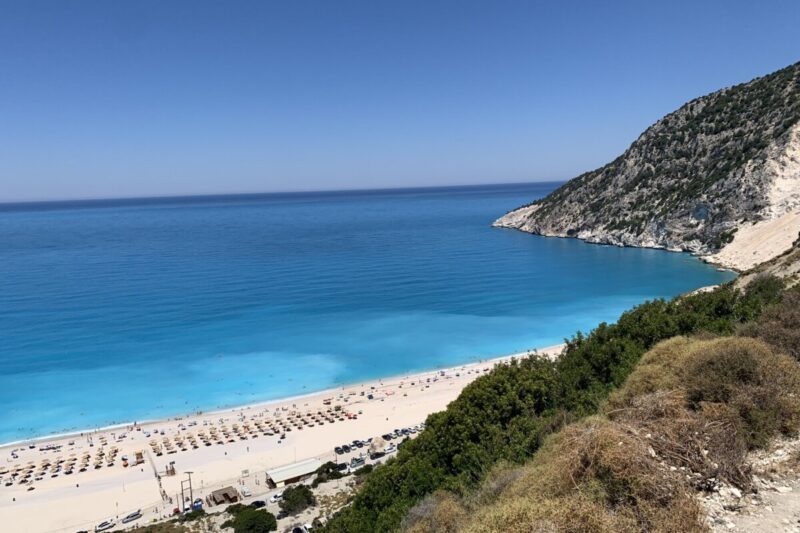
- [Myrtos Beach](https://www.thefearlesswanderess.com/kefalonia-travel-guide/), renowned for its stunning turquoise waters
- The picturesque town of Argostoli
- Melissani Cave Lake, a natural wonder
- Drogarati Cave with its impressive rock formations
Best activities
- [Explore Drogarati Cave](https://mercedesconstantine.com/first-time-visitors-guide-to-kefalonia/), known for its stunning stalactites and stalagmites
- Visit Melissani Cave Lake for a unique underground boat tour
- Relax on beautiful beaches like Myrtos and Antisamos
- Hike in Ainos National Park for breathtaking views of the island
Practical tips
- Rent a car to explore the island's diverse landscapes and hidden gems
- Bring comfortable walking shoes for exploring caves and hiking trails
- Book accommodations in advance during peak summer months
Keeping it authentic
- Visit local monasteries like the [Sacred Monastery of Agios Gerasimos](https://www.visitgreece.gr/islands/ionian-islands/kefalonia/) for a glimpse into authentic Greek Orthodox culture
- Explore traditional villages away from tourist centers to experience genuine Kefalonian life
Culture, customs and safety
Cultural heritage
Kefalonia, the largest of the Ionian Islands, bears a layered heritage shaped by Mycenaean, Roman, Byzantine, Venetian, and Ottoman influences. Its historic capital, Argostoli, and the Venetian-era village of Assos reflect the island’s architectural legacy, while the 16th-century Saint George’s Castle stands as a monument to its medieval past. Kefalonia is home to the Monastery of Agios Gerasimos, honoring the island’s patron saint and central to local religious tradition. Traditional music, particularly kantades (serenades), and robust village festivals preserve Ionian cultural identity. While Kefalonia does not host a UNESCO World Heritage Site itself, nearby Ithaca’s mythological significance and regional ties to Homeric Greece enhance its cultural resonance.
Local customs & etiquette
Kefalonia preserves rich Ionian cultural traditions including traditional dances (Kefalonian Syrtos, Divaratikos, Mermigas), local cuisine (Kefalonian meat pie, burdetto fish stew), and Robola wine with OPAP designation. Annual Barcarole Custom at Assos and Lixouri harbors features musicians in boats with candles singing traditional songs. Local crafts include Agave americana embroidery and sea salt collection. Strong Orthodox traditions centered around Monastery of Saint Gerassimos, patron saint. Island rebuilt after devastating 1953 earthquake with blend of traditional and modern architecture. Respect for maritime heritage and Captain Corelli’s Mandolin filming locations.
Travel Style
Activities