The best quiet islands are not simply the smallest. They are places where limited development, controlled access, or dispersed attractions make it easier to find space. Little Cayman and Salt Cay are the strongest independent options on this list. Guana Island offers the most controlled privacy at luxury-resort prices, while Fogo Island and Rodrigues reward travelers willing to accept longer travel days.
Dominica, Kefalonia, Lānaʻi, and Moorea can also feel peaceful when you choose the right base and avoid their busiest periods. Renaissance Island is included as a controlled resort beach escape; it is not a remote-island experience.
This guide compares how each island feels, how you reach it, what it does best, and the main downside to consider before booking. For more regional ideas, compare the best Caribbean islands and our broader guide to the best islands to visit.
Last verified: August 4, 2026. Flight, ferry, attraction, and hotel operations can change, especially on small islands. Confirm the latest details with the official operator before paying for a nonrefundable booking.
Disclosure: Some accommodation and insurance links are affiliate links. We may earn a commission at no extra cost to you. Recommendations are based on fit and practical usefulness, not commission.
The best quiet islands at a glance
| Island | Best for | How you get there | Quietness reality | Main trade-off |
|---|---|---|---|---|
| Little Cayman | Wall diving and minimal development | Small inter-island flight | Low-key across most of the island | Limited flights, shops, and services |
| Salt Cay | Diving, whale season, and local history | Domestic flight or ferry | Independent and lightly developed | Weather can disrupt transport |
| Guana Island | Luxury privacy | Resort-arranged road and boat transfer | Access is limited to registered guests | High cost and no public village scene |
| Fogo Island | Hiking, culture, and cool-climate scenery | Drive and ferry, or charter flight | Small communities spread around the coast | Ferry delays are possible |
| Rodrigues Island | Nature, culture, and kitesurfing | Flight via Mauritius | Remote but lived-in rather than resort-only | Long international routing |
| Dominica | Rainforest hiking and diving | Regional flight or sea connection | Quiet outside Roseau and major sights | Better for active trips than beach lounging |
| Kefalonia | Beaches, caves, and road trips | Flight or ferry | Dispersed, especially outside peak summer | A car is useful; famous beaches get busy |
| Lānaʻi | Four-wheel-drive exploration and upscale stays | Flight or ferry from Maui | Quiet beyond the resort and day-trip nodes | Limited, expensive lodging and transport |
| Moorea | Lagoon activities with easy South Pacific access | Ferry or short flight from Tahiti | Peaceful in the right district, not uncrowded everywhere | Popular tour areas can be busy |
| Renaissance Island | A controlled resort beach day | Guest water taxi from Oranjestad | Calmer than central Aruba, but not remote | Access rules and guest volume shape the day |
How we chose these islands
“Quiet” is relative. A lightly developed island can still feel busy when several flights arrive together, while a larger island can feel empty once you leave its main resort zone. The list prioritizes places where a traveler can realistically find calm without pretending that the island is deserted.
- Development scale: fewer large resorts, cruise facilities, nightlife districts, or dense commercial zones.
- Access and crowd distribution: controlled entry, limited transport capacity, or enough geographic spread to move beyond day-trip traffic.
- Nature and culture: strong reasons to visit beyond lying on a beach, including diving, hiking, wildlife, heritage, and local communities.
- Trip feasibility: accommodations and transportation that make an independent visit possible, even when advance planning is essential.
- Honest trade-offs: cost, seasonal crowds, transport fragility, limited services, or the difference between a remote island and a managed resort escape.
What to plan before a remote-island trip
- Build in a buffer. Avoid placing a separate international ticket immediately after a small flight or ferry. Weather and equipment issues can have an outsized effect when there are few daily departures.
- Reserve ground transport early. Rental cars, four-wheel-drive vehicles, taxis, and hotel transfers may be limited even when rooms are available.
- Carry essential medication and basics. Pharmacies, clinics, fuel, groceries, and cash machines may have limited hours or inventory.
- Check seasonal operations. Ferry timetables, restaurants, tours, and attractions can operate less frequently outside peak months.
- Leave room for weather. Do not build the entire trip around one boat excursion, dive, or difficult hike with no backup day.
Remote medical care and evacuation can be expensive, so read the policy rather than buying on price alone. Confirm coverage for medical evacuation, weather disruption, missed connections, and any planned diving or adventure activity. Our guide explains how travel insurance works, while divers should compare the exclusions described in our guide to scuba travel insurance.
1. Little Cayman, Cayman Islands

Best for: Scuba diving, birdwatching, and minimal development
Access: Small inter-island flight from Grand Cayman or Cayman Brac
Main trade-off: Limited services and fewer backup transport options
Little Cayman is the clearest all-around match for travelers who want an independently explorable island without a large resort corridor. The island is about 10 miles long and one mile wide, so bicycles, scooters, and rental cars are practical for short trips between beaches, dive operations, and Blossom Village.
The main draw is Bloody Bay Wall, where the reef drops sharply into deep water. Non-divers can kayak, snorkel, look for iguanas, or visit Booby Pond Nature Reserve. The island’s small scale makes it easy to slow down, but it also means fewer shops, restaurants, flights, and medical resources.
Little Cayman Beach Resort is a practical base for travelers who want diving organized on-site. Reserve flights and dive packages before committing to nonrefundable international connections.
2. Salt Cay, Turks and Caicos

Best for: Low-key Caribbean beaches, diving, whale season, and salt-raking history
Access: Domestic flight from Providenciales or Grand Turk, or ferry from Grand Turk
Main trade-off: Small transport schedules are vulnerable to weather and operational changes
Salt Cay is the smallest inhabited island in Turks and Caicos. Historic salinas, old stone buildings, quiet lanes, and North Bay Beach give it a stronger sense of place than a conventional resort island. Bicycles and golf carts are common ways to get around.
The Turks and Caicos Tourist Board identifies January through April as the main humpback-whale period in the nearby Columbus Passage. Diving and snorkeling are available throughout the year, subject to sea conditions. See our guide to the best whale-watching places for additional seasonal options.
Salt Cay has a small selection of guesthouses and rentals, so book early and confirm what is open during your dates. Travelers who want a full-service resort plus a short side trip may be better served by staying elsewhere in the archipelago; compare the options in our Turks and Caicos resort guide.
3. Guana Island, British Virgin Islands

Best for: Controlled privacy, quiet beaches, and a small luxury resort
Access: Resort-arranged transfer from the airport to a marina, followed by a short private boat ride
Main trade-off: High cost and no independent village or dining scene
Guana Island delivers the strongest privacy on this list because only registered guests are permitted. The official resort describes 18 rooms and villas, seven beaches, and 12 miles of hiking trails, with no public bar, marina, or commercial facility drawing outside traffic.
Days can be as quiet or active as you choose: hike the ridges, snorkel from the beach, use the nonmotorized water equipment, or arrange an off-island excursion. The trade-off is that the resort and destination are effectively the same experience. Travelers looking for local nightlife, independent restaurants, or a range of lodging prices should choose another island.
Review Guana Island’s accommodation options directly. For less controlled but more flexible alternatives, browse our Caribbean island guides.
4. Fogo Island, Newfoundland and Labrador

Best for: Coastal hiking, fishing-community history, photography, and cool weather
Access: Drive from Gander to Farewell, then take the provincial ferry; limited charter air service is another option
Main trade-off: Weather can delay ferry travel
Fogo Island replaces palms and coral lagoons with granite headlands, wooden stages, footpaths, and small coastal communities. Tilting is especially strong for travelers interested in Newfoundland’s fishing heritage, while the island’s trails lead across exposed shoreline and low, open terrain.
The provincial ferry runs from Farewell to Fogo Island, with direct and combined crossings. Check live updates before driving to the terminal, because wind and weather can postpone service. A buffer night on Newfoundland is prudent before a fixed international departure.
Fogo is most straightforward when roads, trails, and visitor services are operating on their fuller seasonal schedules. The Old Salt Box Co. offers self-contained coastal rentals for travelers who want more privacy than a conventional hotel.
5. Rodrigues Island, Mauritius

Best for: Creole culture, lagoon activities, kitesurfing, caves, and giant tortoises
Access: Flight from Mauritius to Plaine Corail Airport
Main trade-off: The international routing is longer, with fewer alternatives if a connection changes
Rodrigues is an autonomous island of Mauritius with villages, farms, fishing communities, and a broad lagoon rather than a single resort strip. It feels remote without feeling staged. Port Mathurin provides the island’s main concentration of shops and services, while the southeast is better known for lagoon access and wind sports.
Air Mauritius currently lists direct flights from Mauritius with a scheduled duration of about 1 hour 35 minutes. Confirm the schedule for your dates and allow a sensible connection buffer when continuing to or from a long-haul flight.
The 20-hectare François Leguat Reserve protects hundreds of giant tortoises, native vegetation, and limestone formations, including Grande Caverne. Elsewhere, travelers can snorkel, hike, explore the lagoon, or book kitesurfing instruction when conditions suit their ability.
C Rodrigues Mourouk is a useful base for travelers focused on the southeast lagoon and water sports. Those prioritizing town access may prefer a smaller guesthouse closer to Port Mathurin.
6. Dominica

Best for: Rainforest hiking, waterfalls, hot springs, and diving
Access: Regional air or sea connection, followed by road transport
Main trade-off: This is an active nature trip, not a conventional white-sand resort vacation
Dominica is a strong choice for travelers who define peace as time in forests, rivers, and mountains. Morne Trois Pitons National Park is a UNESCO World Heritage Site shaped by volcanic peaks, deep valleys, lakes, hot springs, and waterfalls.
The Boiling Lake route is a difficult out-and-back hike through steep, wet terrain. Dominica’s Forestry, Wildlife and Parks Division highly recommends a certified guide and advises hikers to check weather conditions. Trafalgar Falls and other managed nature sites offer less demanding alternatives, while the Soufrière-Scotts Head Marine Reserve adds diving and snorkeling.
Use our guides to compare things to do in Dominica and decide where to stay in Dominica. For an upscale base in the northwest, consider the InterContinental Dominica Cabrits Resort & Spa.
7. Kefalonia, Greece

Best for: A Greek-island road trip with beaches, caves, villages, and mountain scenery
Access: Seasonal and year-round flights plus ferry connections, depending on origin
Main trade-off: Famous beaches and harbor towns can be busy in peak summer
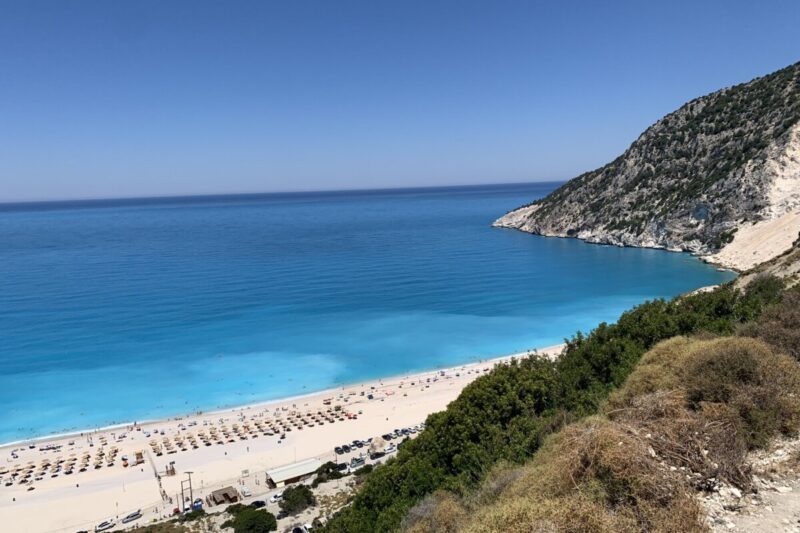
Kefalonia is the largest Ionian island, so visitors spread across a wider area than they do on compact resort islands. Myrtos Beach, Melissani Cave, Mount Ainos, and the northern villages create enough variety for a multi-day trip without forcing everyone into one center.
A rental car gives the most flexibility for beaches and smaller villages. KTEL Kefalonias also runs seasonal local buses to major points, but frequencies and routes change. Check the timetable before planning a car-free stay.
Kefalonia is relatively calm rather than empty. Avoid the busiest beach hours, choose a base outside the main hubs, and consider late spring or early autumn if warm weather matters more than peak-season energy. Our quiet Greek islands comparison and Kefalonia destination guide can help refine the route.
Myrtos View Apartments is well placed for travelers who want sea views and road access to the island’s northwest.
8. Lānaʻi, Hawaiʻi

Best for: A quieter Hawaiʻi trip with beaches, hiking, and four-wheel-drive routes
Access: Inter-island flight or passenger ferry from Maui
Main trade-off: Limited lodging, rental vehicles, and dining make the trip expensive and planning-heavy
Lānaʻi is not a private island, but its small visitor footprint and limited infrastructure distinguish it from Hawaiʻi’s major resort centers. Hulopoʻe Bay is the most accessible beach area, while Lānaʻi City, Keahiakawelo, and the island’s rough interior roads reveal a drier, less developed landscape.
GoHawaii recommends reserving a four-wheel-drive vehicle in advance for routes such as Keahiakawelo and Kaiolohia. Do not assume a standard rental car can handle unpaved roads, and do not arrive without confirmed transportation. The Lānaʻi Cat Sanctuary is another easy stop when its current visitor hours fit your itinerary.
For a resort stay, the Four Seasons Resort Lānaʻi sits above Hulopoʻe Bay. Compare it with other options in our Lānaʻi destination guide and our overview of how to choose the best Hawaiian island. Snorkelers should also review the conditions and locations in our guide to snorkeling spots in Hawaiʻi.
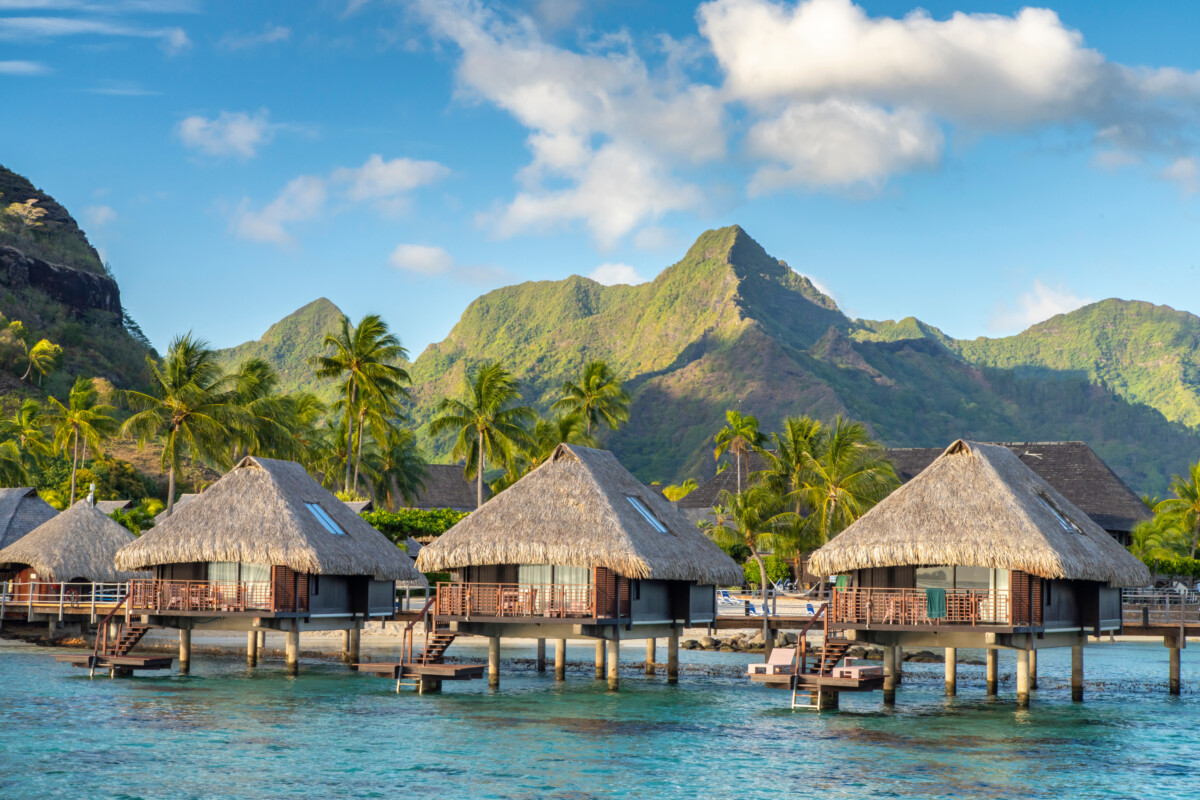
9. Moorea, French Polynesia

Best for: Lagoon activities, mountain scenery, and easy access from Tahiti
Access: Frequent ferry from Papeete or a short flight
Main trade-off: Moorea is popular, so tour hubs and major resorts are not consistently quiet
Moorea is the easiest island on this list to add to a Tahiti trip. Tahiti Tourisme lists a ferry crossing of about 30 minutes from Papeete, which makes the island practical without a domestic flight. That convenience also brings day-trippers and organized lagoon tours.
Moorea remains my favorite island in French Polynesia because it balances dramatic mountains, lagoon access, hiking, and small-scale lodging. Swim and snorkel only with responsible operators that follow local wildlife rules, or spend a day hiking, paddling, and exploring the coastal road.
Renting a car is the most flexible choice for a full-island trip. Taxis, scooters, bicycles, and e-bikes are available, but the public bus is limited and a conventional bike is better for shorter routes than an ambitious circuit with luggage. Choose a smaller guesthouse away from the ferry terminal and busiest tour departure points when quiet matters most.
The Sofitel Kia Ora Moorea Beach Resort suits travelers who want a full-service stay near the lagoon. For smaller properties and neighborhood context, use our Moorea destination guide and comparison of the best islands in French Polynesia.
10. Renaissance Island, Aruba

Best for: A convenient, managed beach escape with resort amenities
Access: Complimentary water taxi for Renaissance Wind Creek Aruba Resort guests
Main trade-off: This is a controlled resort experience, not a remote or independent island trip
Renaissance Island earns a place here only with a clear qualification. It can provide a calmer beach day than central Oranjestad, but it does not offer the remoteness, local communities, or transport challenge found elsewhere on this list.
The resort’s official island guide describes a complimentary water taxi, adults-only Flamingo Beach, and family-oriented Iguana Beach. Cabanas and the flamingos draw attention, so the island may feel busiest around the most photographed areas.
Stay at the Renaissance Wind Creek Aruba Resort if easy access, restaurants, and hotel services matter more than genuine isolation. Choose one of the first five islands on this list when the primary goal is distance from a major tourism center.
Which quiet island should you choose?
- For independent Caribbean quiet: Little Cayman or Salt Cay.
- For the most controlled privacy: Guana Island.
- For hiking and culture without tropical heat: Fogo Island.
- For a remote, lived-in Indian Ocean island: Rodrigues.
- For rainforest adventure: Dominica.
- For a flexible Greek road trip: Kefalonia.
- For a quieter Hawaiʻi trip: Lānaʻi.
- For the easiest South Pacific access: Moorea.
- For a managed resort beach day: Renaissance Island.
Frequently asked questions
Which quiet island is best for complete solitude?
Guana Island offers the most controlled privacy because only registered resort guests are permitted. Little Cayman and Salt Cay are better for travelers who want a low-development island they can explore independently.
Which quiet island is easiest to reach?
Moorea is the easiest South Pacific option on this list because frequent ferries connect it with Tahiti. Kefalonia is also relatively straightforward by air or ferry, but the easiest choice depends on your departure point.
Which quiet island is best for scuba diving?
Little Cayman is the strongest choice for wall diving, while Salt Cay and Dominica add reef and marine-reserve options. Confirm operator schedules, certification requirements, weather, and whether your insurance covers diving at your planned depth.
When is the best time to visit a quiet island without crowds?
Shoulder periods usually offer the best balance, but there is no single low-crowd month for every island. Check local weather, ferry and flight schedules, school holidays, and hurricane or cyclone exposure before booking.
Is Renaissance Island truly secluded?
No. Renaissance Island is a resort-controlled beach escape near Oranjestad, not a remote destination. It can feel calmer than central Aruba, but access rules, cabana demand, and guest volume shape the experience.
Plan for calm, not perfection
No island stays quiet in every season, neighborhood, or hour of the day. The most reliable strategy is to choose the right access level, book a base away from the busiest arrival point, leave room for weather, and spend more than one night. That approach creates more breathing room without treating local communities as empty backdrops.
Use our step-by-step guide to make an itinerary, then confirm each flight, ferry, transfer, and activity directly before the cancellation window closes.