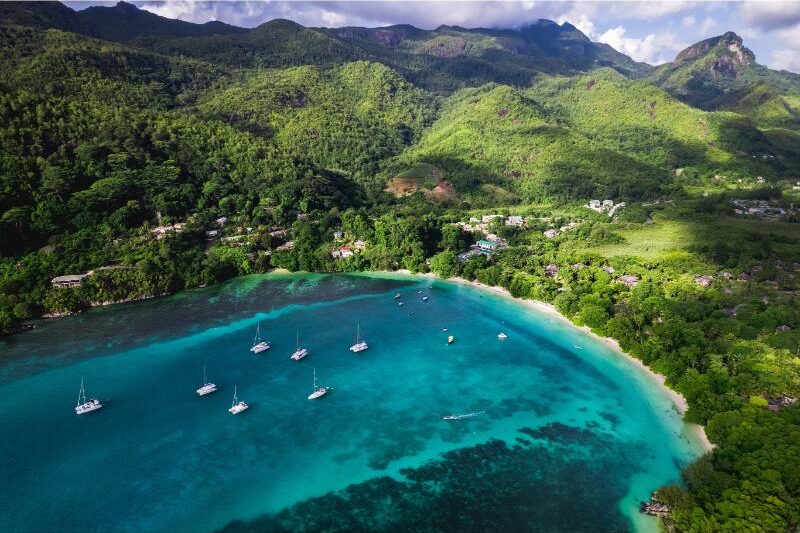
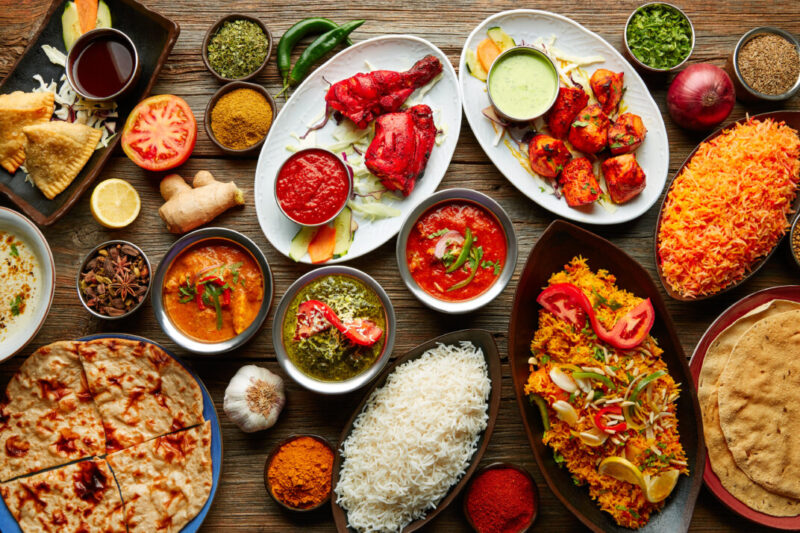
Kochi (formerly Cochin) embodies Kerala’s multicultural heritage where centuries of global trade converge in an atmospheric tropical port city. This coastal gem on India’s southwestern Malabar Coast displays living history through its diverse architectural influences, from Portuguese colonial mansions and Dutch palaces to British bungalows, ancient synagogues, mosques, and Hindu temples that peacefully coexist within walking distance of each other. The historic Fort Kochi district captivates visitors with its European-influenced streetscapes lined with heritage buildings now housing boutique hotels, art cafes, and studios, while the iconic Chinese fishing nets along the waterfront silhouette against sunset skies, continuing ancient fishing traditions. Maritime history permeates the city through its spice markets, once the center of the global pepper trade that attracted merchants from Arabia, China, Portugal, Netherlands, and Britain, creating Kochi’s distinctive cultural tapestry. Contemporary art finds expression through the Kochi-Muziris Biennale, India’s largest contemporary art exhibition that transforms heritage buildings into cutting-edge installations, cementing the city’s reputation as Kerala’s cultural capital. Culinary traditions reflect this multicultural legacy with distinctive Kerala cuisine incorporating Jewish, Syrian Christian, Muslim, and Portuguese influences alongside fresh seafood. Beyond its historical core, Kochi functions as a living, working city where traditional industries like spice processing and coir production continue alongside a growing technology sector, offering travelers authentic immersion in Kerala’s cosmopolitan soul where multiple worlds seamlessly intersect.
The destination guide
Kochi

At a glance
- Hindi
- English
- Arabian Sea coast
- Backwater channels
- Historic harbor
- Tropical landscape
How Kochi scores
Character
Editorial scores on a 10-point scale, weighed against destinations of the same kind.
Travel safety snapshot
SafePlace indicators use their source 100-point scale; higher is more favourable. Planning context, not a live travel advisory — check official government guidance before you go.
When to go
Best months to visit: January, February, March, October, November and December.
- January: 23.5 to 30.1 degrees Celsius, 48.8 millimetres of rain, best-time score 5 out of 5.
- February: 24.2 to 31 degrees Celsius, 21.3 millimetres of rain, best-time score 5 out of 5.
- March: 25.2 to 31.2 degrees Celsius, 67.4 millimetres of rain, best-time score 4 out of 5.
- April: 25.6 to 31.1 degrees Celsius, 147.6 millimetres of rain, best-time score 3 out of 5.
- May: 25.4 to 29.9 degrees Celsius, 514.9 millimetres of rain, best-time score 3 out of 5.
- June: 24.7 to 28 degrees Celsius, 500.6 millimetres of rain, best-time score 2 out of 5.
- July: 24.4 to 27.5 degrees Celsius, 454.2 millimetres of rain, best-time score 2 out of 5.
- August: 24.3 to 27.4 degrees Celsius, 404.4 millimetres of rain, best-time score 2 out of 5.
- September: 24.3 to 27.7 degrees Celsius, 297.4 millimetres of rain, best-time score 2 out of 5.
- October: 24.1 to 28.4 degrees Celsius, 317.5 millimetres of rain, best-time score 4 out of 5.
- November: 24.1 to 29 degrees Celsius, 170.2 millimetres of rain, best-time score 5 out of 5.
- December: 23.8 to 29.5 degrees Celsius, 58.1 millimetres of rain, best-time score 5 out of 5.
Month-by-month conditions and packing advice
- January
- Warm to hot, occasional rain January in Kochi: cooler, drier weather supports Fort Kochi walks, backwaters, markets, heritage sites, and coastal dining. Crowds: January in Kochi is workable with normal seasonal planning; build in layers, weather checks, and a mix of indoor and outdoor activities. Pack: Pack light clothing, sun protection, and comfortable walking shoes.
- February
- Warm to hot, mostly dry February in Kochi: cooler, drier weather supports Fort Kochi walks, backwaters, markets, heritage sites, and coastal dining. Crowds: February in Kochi is workable with normal seasonal planning; build in layers, weather checks, and a mix of indoor and outdoor activities. Pack: Pack light clothing, sun protection, and comfortable walking shoes.
- March
- Warm to hot, occasional rain March in Kochi: conditions remain useful at the beginning or end of the main dry season. Crowds: March in Kochi is workable with normal seasonal planning; build in layers, weather checks, and a mix of indoor and outdoor activities. Pack: Pack light clothing, sun protection, and comfortable walking shoes.
- April
- Warm to hot, rainy April in Kochi: heat and building humidity make outdoor sightseeing less comfortable. Crowds: April in Kochi is one of the wetter periods, so museums, food stops, flexible reservations, and backup indoor plans make the trip easier. Pack: Pack light clothing, sun protection, and comfortable walking shoes. Add a rain jacket or compact umbrella.
- May
- Warm to hot, rainy May in Kochi: heat and building humidity make outdoor sightseeing less comfortable. Crowds: May in Kochi is one of the wetter periods, so museums, food stops, flexible reservations, and backup indoor plans make the trip easier. Pack: Pack light clothing, sun protection, and comfortable walking shoes. Add a rain jacket or compact umbrella.
- June
- Warm to hot, rainy June in Kochi: monsoon rains can interrupt beaches, ferries, and walking-heavy days. Crowds: June in Kochi is one of the wetter periods, so museums, food stops, flexible reservations, and backup indoor plans make the trip easier. Pack: Pack light clothing, sun protection, and comfortable walking shoes. Add a rain jacket or compact umbrella.
- July
- Warm to hot, rainy July in Kochi: monsoon rains can interrupt beaches, ferries, and walking-heavy days. Crowds: July in Kochi is one of the wetter periods, so museums, food stops, flexible reservations, and backup indoor plans make the trip easier. Pack: Pack light clothing, sun protection, and comfortable walking shoes. Add a rain jacket or compact umbrella.
- August
- Warm to hot, rainy August in Kochi: monsoon rains can interrupt beaches, ferries, and walking-heavy days. Crowds: August in Kochi is one of the wetter periods, so museums, food stops, flexible reservations, and backup indoor plans make the trip easier. Pack: Pack light clothing, sun protection, and comfortable walking shoes. Add a rain jacket or compact umbrella.
- September
- Warm to hot, rainy September in Kochi: monsoon rains can interrupt beaches, ferries, and walking-heavy days. Crowds: September in Kochi is one of the wetter periods, so museums, food stops, flexible reservations, and backup indoor plans make the trip easier. Pack: Pack light clothing, sun protection, and comfortable walking shoes. Add a rain jacket or compact umbrella.
- October
- Warm to hot, rainy October in Kochi: conditions remain useful at the beginning or end of the main dry season. Crowds: October in Kochi is one of the wetter periods, so museums, food stops, flexible reservations, and backup indoor plans make the trip easier. Pack: Pack light clothing, sun protection, and comfortable walking shoes. Add a rain jacket or compact umbrella.
- November
- Warm to hot, rainy November in Kochi: cooler, drier weather supports Fort Kochi walks, backwaters, markets, heritage sites, and coastal dining. Crowds: November in Kochi is one of the wetter periods, so museums, food stops, flexible reservations, and backup indoor plans make the trip easier. Pack: Pack light clothing, sun protection, and comfortable walking shoes. Add a rain jacket or compact umbrella.
- December
- Warm to hot, occasional rain December in Kochi: cooler, drier weather supports Fort Kochi walks, backwaters, markets, heritage sites, and coastal dining. Crowds: December in Kochi is workable with normal seasonal planning; build in layers, weather checks, and a mix of indoor and outdoor activities. Pack: Pack light clothing, sun protection, and comfortable walking shoes.
Know before you go
About
Kochi is where India’s layered history unfolds across a network of islands and peninsulas at the edge of the Arabian Sea. Portuguese traders arrived in 1500 and never truly left — their churches still stand in Fort Kochi alongside the iconic Chinese fishing nets that predate them by a century, Dutch colonial buildings, a Jewish synagogue from 1568, and British administrative architecture. This is not a city of singular monuments but of cultural archaeology: every street corner reveals another civilization’s imprint on the spice coast that once drew the world’s maritime powers. Modern Kochi wraps around this heritage with India’s first water metro, a growing contemporary art scene anchored by the Kochi-Muziris Biennale, and Kerala’s signature cuisine of coconut, seafood, and spice.
Best time to visit
October through March for cooler, drier weather. The Kochi-Muziris Biennale (December–March) is Asia’s largest contemporary art event.
Season by season
Winter (October-February): 23-32°C, the best season. Dry, comfortable, and clear skies. Peak tourist season. The Kochi-Muziris Biennale runs December-March in biennale years.
Summer (March-May): 25-37°C, hot and humid. Fewer tourists and lower prices. Indoor attractions and early morning sightseeing recommended.
Monsoon (June-September): 23-30°C with heavy sustained rainfall. Lush green landscapes, excellent for Ayurvedic treatments. Kerala transforms into a verdant paradise. Budget-friendly but outdoor activities limited.
Crowds
Kochi (Cochin) is busiest December–February (dry season and festival season, including Kochi-Muziris Biennale periods) with crowded Fort Kochi and Mattancherry; quietest June–September during the monsoon when tourist visits decline sharply.
Getting there and around
Getting there
Cochin International Airport (COK), located 29 km northeast in Nedumbassery, handles domestic flights from all major Indian cities (Delhi, Mumbai, Bangalore, Chennai) and international flights from the Gulf states (Dubai, Abu Dhabi, Doha), Southeast Asia (Singapore, Kuala Lumpur), and London. The airport was the world’s first fully solar-powered airport. Prepaid taxis, Uber, Ola, and government buses connect the airport to Ernakulam (45 minutes) and Fort Kochi (1-1.5 hours). Ernakulam Junction and Ernakulam Town railway stations serve trains from across India. Bus services connect Kochi to other Kerala cities.
Getting around
Fort Kochi is compact and best explored on foot or by bicycle rental. Ferries are essential for crossing between Fort Kochi, Mattancherry, Ernakulam, and the islands — they’re fast, cheap (₹4-6), and scenic. India’s first Water Metro connects multiple island terminals. The Kochi Metro provides rapid transit through Ernakulam. Auto-rickshaws handle short trips (agree on fare beforehand or insist on meter). Uber and Ola operate throughout the city. For backwater trips, hire boats directly from Fort Kochi or the Ernakulam waterfront.
Top experiences in Kochi
Chinese Fishing Nets at Fort Kochi
These cantilevered fishing nets are believed to have been introduced by Chinese traders from the court of Kublai Khan in the 14th century, making them among the oldest Chinese imports still in daily use in India. The wooden structures use a counterweight system of rocks and pulleys that requires a team of fishermen to operate, dipping massive nets into the harbor and raising them in a rhythmic cycle that has barely changed in 600 years. At sunset, the silhouette of the nets against the Arabian Sea sky creates Kochi’s most photographed scene. Fresh catch from the nets can be purchased and cooked at adjacent waterfront stalls.
Mattancherry Palace (Dutch Palace)
Built by the Portuguese around 1555 as a gift to the Raja of Kochi, this palace later received Dutch renovations (hence the name) and served as the residence of the Kochi royal family for centuries. The main draw is the collection of Hindu temple-style murals in the bedchambers — among the finest examples of traditional Kerala mural art, depicting scenes from the Ramayana and Mahabharata with extraordinary detail and vivid natural pigments. The coronation hall displays royal portraits and ceremonial items.
Paradesi Synagogue & Jew Town
Built in 1568, the Paradesi Synagogue is the oldest active synagogue in the Commonwealth of Nations and a testament to the Jewish community that thrived in Kochi for over a millennium. The interior features hand-painted Chinese blue-and-white floor tiles — each one unique — Belgian glass chandeliers, and gold-embossed ceiling panels. The surrounding Jew Town streets, originally the Jewish quarter, now house spice warehouses and antique shops in an atmosphere that mixes commerce and heritage.
St. Francis Church
The oldest European church in India, built by Portuguese Franciscan friars in 1503. Vasco da Gama, who arrived in 1498 and died in Kochi in 1524, was originally buried here before his remains were returned to Lisbon. The church passed through Portuguese, Dutch, and British hands, each denomination leaving its mark on the simple whitewashed structure. The tombstones and inscriptions inside trace three centuries of European colonial presence on the Malabar Coast.
Kerala Backwaters
Kerala’s backwater network — a 900-km system of interconnected lagoons, canals, rivers, and lakes running parallel to the Arabian Sea coast — is accessible by boat from Kochi. While the famous houseboat cruises center on Alleppey (2 hours south), Kochi offers shorter backwater experiences through the waterways around Kumbalangi integrated tourism village, where coir-making, prawn farming, and mangrove ecosystems provide glimpses of rural Kerala life. The early morning boat trips through mist-covered waterways, past coconut palms and village churches, offer some of South India’s most serene landscapes.
Editor-curated picks carried over from our original guide. Where a full place guide exists, the card links to it.
Worth booking ahead in Kochi
Hand-picked from the operators our guides already send readers to. Prices and availability are live on the partner site.
BrowseViator
Tours and tickets in Kochi on Viator (opens Viator in a new tab)
Viator's full list of bookable tours and tickets in Kochi.
BrowseGetYourGuide
Experiences in Kochi on GetYourGuide (opens GetYourGuide in a new tab)
Everything GetYourGuide sells in Kochi, with the cancellation terms on each listing.
Where to stayBooking.com
Stays in Kochi (opens Booking.com in a new tab)
Live rates and availability for Kochi on Booking.com; filter by neighbourhood once you know where your days start.
We earn a commission if you book through these links, at no extra cost to you. It is how we keep the guides free and independent.
Where to stay
Brunton Boatyard
Calvathy Road, Fort Kochi, Kochi, Kerala 682001, India
Occupying the site of a Victorian-era shipbuilding yard on Fort Kochi’s waterfront, this CGH Earth heritage hotel reconstructed its buildings using salvaged colonial-era materials and architectural elements. The result feels like stepping into a well-maintained 19th-century trading company headquarters: wide verandas face the harbor where container ships pass, Portuguese and Dutch architectural details mix throughout, and the restaurant serves Kerala cuisine using spices sourced from the hotel group’s own plantations. The rooftop terrace offers views over the Chinese fishing nets and harbor shipping lanes.
Taj Malabar Resort & Spa
Willingdon Island, Kochi, Kerala 682009, India
Positioned on Willingdon Island between Fort Kochi and Ernakulam, this heritage-wing property dates to 1935 and was one of India’s first luxury hotels. The heritage rooms preserve colonial-era proportions and furnishings, while the tower wing offers modern comforts with harbor views. The waterfront pool and spa overlook the harbor, and the hotel’s restaurants serve both Kerala and international cuisine. The location provides easy access to both Fort Kochi (by ferry or road) and Ernakulam’s commercial center.
Old Harbour Hotel
1/328, Tower Road, Fort Kochi, Kochi, Kerala 682001, India
Housed in a 300-year-old Dutch and Portuguese colonial building on Fort Kochi’s waterfront, this boutique hotel preserves the building’s heritage character while adding contemporary comforts. The 13 rooms each feature individual period details — original wooden beams, antique furnishings, and colonial-era tiles. The courtyard restaurant serves Kerala seafood in an intimate garden setting. The location on Tower Road places guests steps from the Chinese fishing nets and within walking distance of all Fort Kochi attractions.
Editor-curated stays carried over from our original guide. Where we have reviewed the hotel, the card links to the review.
Tips from the field
Highlights
- Fort Kochi – Historic district with colonial architecture, Chinese fishing nets, and artistic atmosphere
- Chinese Fishing Nets – Cantilevered fishing structures along the waterfront, a defining Kochi image
- Mattancherry Palace – Portuguese-built palace with extraordinary Kerala mural paintings
- Paradesi Synagogue & Jew Town – One of the oldest active synagogues in the Commonwealth
- Kochi-Muziris Biennale – India's largest contemporary art exhibition (December-March, biennial)
- Kerala Backwaters – Network of lagoons, canals, and rivers accessible by boat from Kochi
- Kathakali & Kalaripayattu – Traditional Kerala classical dance and martial arts performances
Best activities
- Start in Fort Kochi at the Chinese fishing nets along the waterfront. These cantilevered wooden structures have been operated manually since the 14th century — watch fishermen work the counterweight system at dusk when the light catches the nets against the Arabian Sea. Walk south along the Fort Kochi streets to St. Francis Church, the oldest European church in India, where Vasco da Gama was originally buried in 1524.
- Cross to Mattancherry to visit the Dutch Palace (actually built by the Portuguese), where the Kerala-style mural paintings in the royal bedchamber rank among the finest examples of traditional Indian wall art. Continue to the Paradesi Synagogue in Jew Town — the 1568 synagogue features hand-painted Chinese floor tiles, Belgian chandeliers, and a functioning clock tower. The surrounding streets of Jew Town are lined with antique shops and spice traders.
- Book an evening Kathakali performance at the Kerala Kathakali Centre — elaborate makeup application begins an hour before the show, and watching the transformation is half the experience. For backwaters, take a day cruise from Kochi through the waterways of Kumbalangi village, an integrated tourism village where coir-making, fishing, and mangrove walks offer authentic rural Kerala life without the commercialism of Alleppey houseboats.
Local experiences
- Buy fresh catch from the Chinese fishing nets and have it cooked at a waterfront stall for an immediate seafood meal. Take a sunset ferry from Ernakulam to Fort Kochi across the harbor. Attend a Kathakali makeup demonstration before the evening performance. Walk through the spice warehouses of Jew Town and smell cardamom, pepper, and cinnamon being sorted. Join a cooking class to learn Kerala sadya (vegetarian feast) preparation.
Practical tips
- Currency: Indian Rupee (₹). ATMs widely available; cards accepted at hotels and larger restaurants. Carry cash for ferries, rickshaws, and markets
- Language: Malayalam (local), Hindi, English widely understood in tourist areas
- Ferries: The cheapest and most scenic way to travel between Fort Kochi, Ernakulam, and the islands
- Dress: Modest clothing at religious sites (cover shoulders and knees). Remove shoes before entering temples, mosques, and synagogues
- Bargaining: Expected at markets and with auto-rickshaws. Not practiced in fixed-price shops
- Spices: Buy spices in Jew Town for authenticity and quality — ask for whole spices over powder
- Mosquitoes: Use repellent, especially near waterways at dusk
Photography tips
- Chinese Fishing Nets: Best at sunset when fishermen silhouette against the golden Arabian Sea sky. Use a telephoto for details of the net mechanics. Fort Kochi Streets: Morning light through colonial doorways and colorful walls. The biennale murals make excellent street art backdrops. Mattancherry: Interior mural photography may be restricted — check before shooting. Backwaters: Early morning boat rides offer misty, atmospheric conditions. Polarizing filter essential for cutting water glare. Kathakali: Photograph the makeup preparation as well as the performance.
Timing
- Peak Season (November-February): Best weather, highest prices. Biennale years (even years) bring international crowds December-March.
- Shoulder Season (March-April, October): Heating up or cooling down. Good value with manageable weather.
- Off Season (May-September): Monsoon brings heavy rain but also lowest prices, greenest landscapes, and Ayurvedic treatment season.
- Key Events: Kochi-Muziris Biennale (December-March, biennial), Cochin Carnival (December 31-January 1), Onam Festival (August-September).
Keeping it authentic
- Fort Kochi's tourism infrastructure has grown significantly, but the neighborhood retains a genuine character rooted in its multicultural heritage. The Chinese fishing nets remain working structures, not props. The Paradesi Synagogue serves a tiny but real remaining Jewish community. Kathakali performances at the Kerala Kathakali Centre cater to tourists but use trained practitioners performing genuine classical repertoire. The spice trade in Jew Town is both tourist-oriented and commercially active. Kerala's high literacy rate and strong civic culture mean interactions tend to be respectful and genuine rather than performative.
Culture, customs and safety
Cultural heritage
Kochi’s position on India’s Malabar Coast made it a natural hub for the spice trade that connected Asia, the Middle East, and Europe for over 2,000 years. Arab traders established communities here centuries before the Portuguese arrived. The Jewish community’s roots stretch back more than a millennium. In 1500, Pedro Álvares Cabral established the first European settlement in India at Kochi, beginning a succession of colonial powers — Portuguese, Dutch, and British — each layering their cultural imprint onto the existing Dravidian, Arab, and Chinese foundations. Kerala’s own cultural traditions — Kathakali dance-drama, Kalaripayattu martial arts, Ayurvedic medicine, and the matrilineal Nair social system — continued to evolve alongside and independent of colonial influence.
Local customs & etiquette
Remove shoes before entering temples, mosques, the Paradesi Synagogue, and many homes. Dress modestly at religious sites — shoulders and knees should be covered. Eating with the right hand is traditional in Kerala. Tipping is appreciated but not obligatory — 10% in restaurants is generous. Photography may be restricted at the Paradesi Synagogue and inside certain temples. Avoid touching people’s heads or pointing with your feet. The local greeting is a respectful ‘namaskaram’ with palms pressed together.
Safety notes
Kerala is widely considered one of India’s safest states, with high literacy rates and a strong social infrastructure. Kochi’s tourist areas — Fort Kochi, Mattancherry, Marine Drive — are well-patrolled and generally safe. Standard precautions apply: use prepaid or metered transport, keep valuables secure in markets, and drink bottled water. Solo female travelers report feeling safer here than in most Indian cities, though modest dress is appreciated, especially at religious sites. Monsoon season (June-September) brings heavy rain and rough seas — avoid swimming during this period. Emergency: 112.