

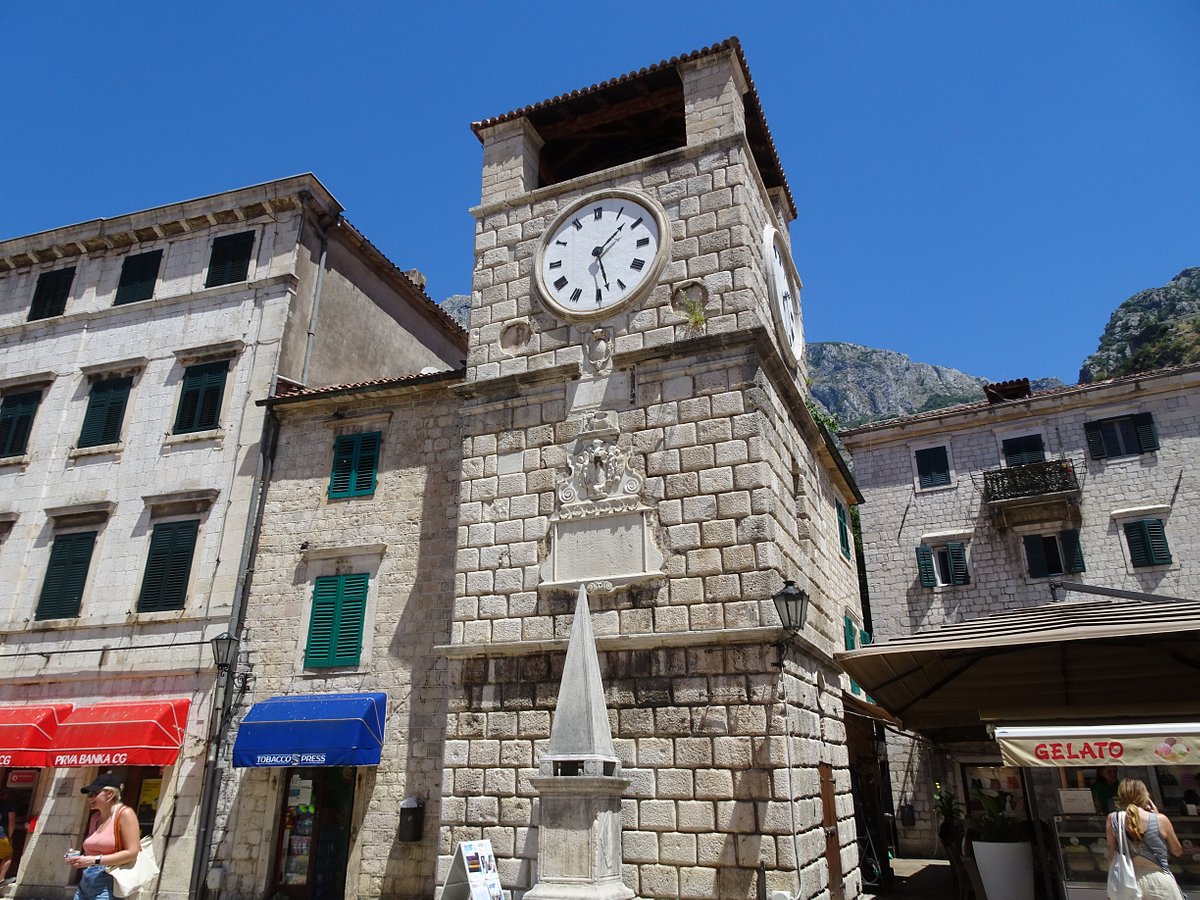
Kotor, nestled between steep mountains and the Adriatic Sea, is a UNESCO World Heritage site known for its stunning natural beauty and well-preserved medieval architecture. The city’s old town, with its cobbled streets and historic buildings, offers a glimpse into its rich maritime history. Visitors can explore ancient fortifications, charming squares, and enjoy breathtaking views from the fortress of San Giovanni.
The destination guide
Kotor
City in Montenegro, EuropeUpdated
- Overall6/10
- Best forCouples, Adventure seekers, Solo travelers
- PeakJun–Sep
- CurrencyEUR
Kotor hides at the end of Montenegro’s deepest fjord-like bay with a walled old town, a fortress climb of 1,350 steps, and cruise ships that bring the only crowds.
Travel guides for Kotor
More guides featuring Kotor (2)
At a glance
Currency€ EURCode: EUR
Time zoneCentral European Time
Languages
- Montenegrin
Setting
- Adriatic fjord
- Medieval walled town
- Mountain backdrop
- Bay of Kotor
Known for
- Medieval history
- Maritime heritage
- Natural beauty
- Adventure tourism
Population13,34713,347 residents
VisaDuration: Up to 90 days within any 180-day period · Documents: Valid U.S. passport and proof of accommodation or sufficient funds if requested
How Kotor scores
6/10OverallFair
Weather7/10
Value for money7/10
Safety8/10
Food & cuisine7/10
Culture & arts8/10
Cultural experience8/10
History9/10
Nature & outdoors8/10
Adventure4/10
Nightlife5/10
Shopping6/10
Family friendly5/10
Romance8/10
Character
Photography score7/10
Authenticity score9/10
Off-the-beaten-path score7/10
Editorial scores on a 10-point scale, weighed against destinations of the same kind.
Travel safety snapshot
Overall80/100High rating
Women travellers75/100
LGBTQ+ travellers60/100
Theft62/100
Medical care70/100
Physical harm82/100
Political freedom75/100
SafePlace indicators use their source 100-point scale; higher is more favourable. Planning context, not a live travel advisory — check official government guidance before you go.
When to go
Best months to visit: April, May, June, September and October.
- January: 4.8 to 8.6 degrees Celsius, 179.1 millimetres of rain, best-time score 2 out of 5.
- February: 4.8 to 9.3 degrees Celsius, 64.3 millimetres of rain, best-time score 2 out of 5.
- March: 6.8 to 11.8 degrees Celsius, 45.1 millimetres of rain, best-time score 3 out of 5.
- April: 11.2 to 15.5 degrees Celsius, 49.2 millimetres of rain, best-time score 4 out of 5.
- May: 13.9 to 18.1 degrees Celsius, 114.8 millimetres of rain, best-time score 5 out of 5.
- June: 19 to 23.9 degrees Celsius, 34.8 millimetres of rain, best-time score 5 out of 5.
- July: 22.1 to 27.9 degrees Celsius, 33.7 millimetres of rain, best-time score 3 out of 5.
- August: 22.7 to 28 degrees Celsius, 4.1 millimetres of rain, best-time score 3 out of 5.
- September: 19.1 to 24.1 degrees Celsius, 12.1 millimetres of rain, best-time score 5 out of 5.
- October: 14.9 to 19.1 degrees Celsius, 142.4 millimetres of rain, best-time score 4 out of 5.
- November: 9.9 to 14.8 degrees Celsius, 14.8 millimetres of rain, best-time score 2 out of 5.
- December: 7.1 to 10.7 degrees Celsius, 155.6 millimetres of rain, best-time score 2 out of 5.
Month-by-month conditions and packing advice
- January
- Cool weather, heavy rain January in Kotor: cold, quiet winter with many restaurants and boat tours closed, though atmospheric and cheap. Crowds: Travelers in January will find Kotor at its quietest, far from the cruise ship crowds of summer. While frequent rain may limit long outdoor excursions, the off-season offers an intimate experience of the old town’s narrow alleys, cafes, and historic churches without the bustle. Accommodation prices are significantly lower, and availability is high, making it appealing for budget-conscious visitors. Outdoor activities like hiking the fortress walls or exploring the bay may be dampened by wet conditions, but cultural exploration indoors—museums, monasteries, and cozy taverns—becomes especially rewarding. This period suits travelers seeking solitude, authenticity, and lower costs rather than those chasing sunny Adriatic days. Pack: Waterproof jacket with hood; Sturdy waterproof walking shoes; Warm layers including sweaters and thermals; Compact travel umbrella; Scarf and gloves for chilly evenings; Quick-dry clothing for damp conditions
- February
- Cool weather, some rain February in Kotor: still cool and quiet off-season with limited tourist services but low prices. Crowds: February falls in Kotor’s low tourist season, meaning fewer crowds, more relaxed sightseeing, and significantly lower accommodation prices. Outdoor activities such as hiking in the surrounding hills or walking the old town walls are possible, but weather can be unpredictable with rain showers and dampness. Sea-based excursions are less common during this period, as cooler temperatures and unsettled waters limit options. On the other hand, cultural travelers benefit from near-empty UNESCO heritage sites and more authentic interactions with locals. Cafés and restaurants cater to a slower pace, and the absence of cruise ships allows for uninterrupted exploration. For travelers prioritizing atmosphere over sunshine, February offers value and tranquility, though advance planning for rainy days is essential. Booking flexibility helps take advantage of occasional clear weather windows. Pack: Waterproof jacket with hood for rain protection; Sturdy waterproof walking shoes for cobblestone streets; Warm layers including sweaters or fleece; Compact umbrella for sudden showers; Modest clothing for visiting religious sites; Camera rain cover to capture misty bay views
- March
- Cool weather, some rain March in Kotor: underrated early spring with warming days, thin crowds and accommodation up to 50% cheaper. Crowds: March represents the shoulder season in Kotor, with modest visitor numbers and more affordable accommodation compared to peak summer. The cooler climate suits city strolls, fortress hikes, and cultural discovery without the crowds. While beach activities are still impractical, boat tours on the bay and exploration of Montenegro’s inland villages are rewarding. Rainfall may interrupt some outdoor plans, so flexibility is key. Restaurants and local shops are open but less busy, offering a more authentic glimpse into everyday life. Travelers seeking cultural depth, photography opportunities, and relaxed sightseeing will find March an excellent compromise between winter calm and the upcoming tourist wave. Pack: Waterproof jacket for occasional rain showers; Sturdy walking shoes with good grip for wet cobblestones; Light sweater or fleece for cool mornings and evenings; Compact travel umbrella for passing showers; Scarf or shawl for layering and modesty in churches; Weather-resistant backpack for day trips and hikes
- April
- Cool weather, some rain April in Kotor: pleasant spring weather with a mix of sun and showers, reviving services and light crowds. Crowds: April is shoulder season in Kotor, striking a balance between winter’s calm and summer’s rush. The mild temperatures and moderate rainfall provide good conditions for sightseeing, especially for travelers who enjoy city walks, photography, and day trips without oppressive heat or large tour groups. Tourist numbers remain relatively low, meaning accommodations and restaurants are easier to book and often less expensive than in high summer. Outdoor activities such as hiking in Lovćen, strolling along the bay, or climbing the fortress walls are rewarding without summer’s intense sun. However, ferry services and some coastal attractions may still operate on reduced schedules. For travelers seeking authenticity, April offers an excellent opportunity to enjoy Kotor’s cultural depth and natural beauty without the high-season crowds, though bringing rain protection is essential. Pack: Light waterproof jacket for occasional showers; Sturdy walking shoes for cobblestones and hills; Layered clothing for cool mornings and warmer afternoons; Compact umbrella for unexpected rain; Camera with extra batteries for spring landscapes; Scarf or shawl for breezy coastal evenings
- May
- Warm and pleasant, some rain May in Kotor: warm late-spring weather, swimmable sea and manageable crowds make it a sweet-spot month. Crowds: May represents the shoulder season in Kotor, balancing pleasant weather with still-manageable tourist numbers before the busy summer crowds arrive. While cruise ships begin calling more frequently, the streets of the Old Town remain easier to navigate than in July or August. Accommodation prices start to rise but are not yet at peak levels, making this a strategic month for value. Outdoor activities such as hiking Vrmac ridge, boating across the bay, or enjoying al fresco dining benefit from the comfortable temperatures. Travelers should, however, plan for rain interruptions and carry flexible schedules for excursions. Booking ahead is recommended, particularly for waterfront hotels, though last-minute availability can still be found in May compared to the peak summer rush. Pack: Light waterproof jacket for sudden showers; Comfortable walking shoes with good grip for wet cobblestones; Breathable layers for mild daytime temperatures; Compact travel umbrella for frequent rain; Modest attire for church and monastery visits; Daypack with waterproof cover for excursions
- June
- Warm and pleasant, some rain June in Kotor: arguably the best month with warm summer days, long daylight and crowds not yet at peak. Crowds: June marks the beginning of Kotor’s peak travel season, offering a sweet spot between mild spring and the hotter, crowded summer months. Comfortable temperatures support full-day excursions, from hiking up to San Giovanni Fortress to coastal cruises around the Bay of Kotor. While tourist numbers increase compared to May, June is still less congested than July and August, making it ideal for those seeking atmosphere without overwhelming crowds. Accommodation and tour prices begin to rise as the high season approaches, so early bookings are recommended. The weather is highly reliable, with rain showers generally short-lived and unlikely to disrupt plans. June is particularly favorable for cultural travelers, as many music and arts events take place outdoors in the balmy evenings. Pack: Lightweight breathable clothing for warm days; Comfortable hiking shoes for fortress climbs; Waterproof jacket for occasional rain showers; Sunhat and high-SPF sunscreen for midday sun; Smart-casual attire for evening concerts or dining; Swimwear for Adriatic beaches and boat trips
- July
- Hot and sunny, some rain July in Kotor: hot and very crowded with daily cruise ships, though the bay and beaches are in full summer swing. Crowds: July is peak summer season in Kotor, drawing both international travelers and regional visitors for its beaches, festivals, and lively Old Town atmosphere. This is when the city is at its most crowded, especially with cruise ship arrivals, and hotel prices reach their highest of the year. The weather is perfect for swimming in the bay, sailing excursions, and evening walks through illuminated squares. However, midday heat makes strenuous hikes—such as the fortress climb—challenging without an early start. Advance booking is essential for accommodations and popular tours. Travelers should plan their days around cooler morning and evening hours, using afternoons for shaded cafés or swims, while being prepared for occasional short-lived summer showers. Pack: Light, breathable linen or cotton clothing for hot days; Swimsuit for bay swimming and beach outings; Wide-brimmed hat and strong sunscreen for intense sun; Comfortable sandals and lightweight walking shoes; Refillable water bottle to stay hydrated during excursions; Light rain jacket or travel umbrella for sudden showers
- August
- Hot and sunny, mostly dry August in Kotor: peak heat and the busiest, priciest month with scorching Old Town temperatures and packed streets. Crowds: August represents the peak tourist season in Kotor, coinciding with regional holidays and major festivals along the Adriatic coast. Expect heavy crowds in the Old Town and higher prices for accommodations and dining. The weather is perfect for boating, swimming, and outdoor concerts, though midday exploration of hilly or exposed sites can be draining in the heat. Booking ferries, hotels, and tours well in advance is essential, as demand often exceeds supply. While beaches and waterfront promenades bustle with activity, quieter experiences can be found in early morning hikes or evening walks along the bay, when temperatures cool and golden light transforms the medieval cityscape. Pack: Breathable cotton or linen clothing for hot days; Wide-brimmed hat and sunglasses for sun protection; High SPF reef-safe sunscreen; Lightweight swimwear and quick-dry towel; Comfortable sandals and supportive walking shoes; Reusable water bottle to stay hydrated during excursions
- September
- Warm and pleasant, mostly dry September in Kotor: warm summer weather lingers as cruise crowds thin, ideal for exploring the bay by sea. Crowds: September is one of Kotor’s most rewarding travel months, offering warm weather without the summer crush. The city remains lively, but the heaviest tourist crowds from July and August begin to thin, creating more space at cultural landmarks and along the waterfront. Accommodation prices ease slightly compared to peak season, though advance booking is still wise for popular boutique stays. Sailing excursions, bay cruises, and mountain hikes are particularly comfortable under these conditions, with milder heat making longer outdoor activities easier to enjoy. Beach swimming is still possible thanks to warm sea temperatures, while festivals and cultural events continue to animate evenings. For travelers seeking both comfort and authenticity, September strikes the ideal balance between favorable weather and manageable visitor levels. Pack: Breathable cotton or linen outfits for daytime warmth; Light sweater or shawl for cooler evenings; Comfortable walking sandals for cobblestone streets; Daypack and reusable water bottle for hikes; Modest attire for visiting churches and monasteries; Swimwear for late-season Adriatic swims
- October
- Warm and pleasant, heavy rain October in Kotor: mild autumn days with fewer tourists and lower prices, still pleasant for sightseeing. Crowds: October represents the shoulder season in Kotor, when summer crowds have thinned and prices for accommodations and tours begin to ease. The weather remains mild enough for outdoor exploration, but heavy rainfall can disrupt hiking in the surrounding mountains or extended ferry trips across the bay. Cultural travelers will appreciate the quieter streets of the Old Town, where cafés and historic churches are easier to enjoy without the summer bustle. Photography and slower-paced exploration thrive under softer autumn light. Travelers should expect occasional itinerary adjustments due to rain and plan indoor alternatives such as museum visits or wine tastings. Booking flexibility is recommended, and savvy visitors will find this month rewarding for more intimate cultural encounters. Pack: Waterproof jacket with hood for sudden downpours; Sturdy waterproof walking shoes for slippery cobblestones; Compact travel umbrella for city exploration; Light sweaters and breathable layers for shifting temperatures; Quick-dry clothing to manage wet conditions; Scarf or shawl for cooler evenings and cultural site visits
- November
- Cool weather, mostly dry November in Kotor: cool, wetter late autumn as the season winds down and many services begin to close. Crowds: November represents Kotor’s off-season, with cool, pleasant conditions ideal for cultural sightseeing rather than beach activities. The town sees minimal tourist traffic compared to summer, creating a relaxed atmosphere with lower accommodation prices and easier restaurant reservations. Outdoor activities such as hiking the fortress walls remain accessible, though daylight hours are shorter and early evenings limit extended excursions. Ferry services and seasonal attractions may scale back their schedules, so travelers should plan ahead. Photography enthusiasts benefit from soft autumn light and misty mornings, while food lovers can enjoy quieter taverns serving seasonal Montenegrin cuisine. The weather is not harsh, making it an excellent time for travelers seeking authenticity, affordable travel, and fewer crowds, though those craving nightlife and bustling festivals will find the city subdued. Pack: Warm layers including a medium jacket for cool evenings; Comfortable waterproof walking shoes for cobblestone streets; Light scarf or shawl for extra warmth and modesty in churches; Travel umbrella or compact rain jacket for occasional showers; Camera with low-light capability for misty mornings and sunsets; Smart casual attire suitable for cozy taverns and cultural visits
- December
- Cool weather, heavy rain December in Kotor: quiet, cool winter with limited tourist activity, though the Old Town stays atmospheric. Crowds: December falls firmly within Kotor’s off-season, meaning fewer tourists and lower accommodation rates compared to the busy summer months. The weather, however, limits outdoor activities like hiking or boating, as heavy rainfall and slick stone pathways can make conditions challenging. Indoor pursuits shine during this period: exploring the Maritime Museum, enjoying Montenegrin cuisine in cozy tavernas, or experiencing holiday markets and Orthodox Christmas preparations. Travelers benefit from thinner crowds, offering a more intimate cultural experience with locals. Photography enthusiasts will appreciate the moody winter light and rain-washed medieval architecture, though flexibility in scheduling is essential due to the unpredictable showers. Expect reduced ferry services and limited seasonal excursions, making December best suited for cultural travelers seeking atmosphere rather than adventure. Pack: Waterproof jacket with hood; Sturdy waterproof walking shoes; Compact travel umbrella; Warm sweater or fleece for layering; Quick-dry clothing for rainy conditions; Scarf and gloves for added warmth
Peak season
- July
- August
- June
- September
Off-peak
- November
- February
- December
- January
- March
- April
- May
- October
Know before you go
Best time to visit
The best time to visit Kotor is during the spring (April to June) and early fall (September to October) when the weather is mild and the tourist crowds are smaller. The summer months can be hot and busy, making it ideal for beach activities, while winter offers a quieter experience with fewer tourists.
Getting there and around
Getting there
Tivat Airport (TIV) closest at 15km from Kotor receives European flights including London routes. Alternative Dubrovnik Airport (DBV) in Croatia offers better flight connections but requires border crossing. Podgorica Airport (TGD) 90km away serves Montenegro capital with wider route network. Pre-book reputable taxis like Red Taxi Montenegro to avoid airport overcharging – agree price beforehand. Public buses irregular but Blue Line operates locally when available. Ferry connections from Dubrovnik to Budva then bus to Kotor possible but time-consuming. No train service to Kotor. Car rental available but unnecessary within UNESCO Old Town (pedestrian only). Border crossings smooth with valid passport – Montenegro uses Euro despite non-EU status making transactions convenient.
Getting around
Kotor is best explored on foot, especially within the UNESCO-listed Old Town, where narrow stone alleys and car-free zones invite slow wandering and discovery. Public transportation is limited—there’s no metro or tram system, but regional buses connect Kotor to nearby towns like Budva or Perast, departing from the main bus station about a 10-minute walk from the Old Town walls. Taxis are available and relatively affordable, though few are metered, so always agree on a fare in advance or use a trusted app like Bolt, which is gaining traction in Montenegro. For travelers planning to explore more of the Bay of Kotor, local water taxis and boat transfers offer both scenic routes and practical alternatives often missed by standard guides.
Worth booking ahead in Kotor
Hand-picked from the operators our guides already send readers to. Prices and availability are live on the partner site.
BrowseViator
Tours and tickets in Kotor on Viator (opens Viator in a new tab)
Viator's full list of bookable tours and tickets in Kotor.
BrowseGetYourGuide
Experiences in Kotor on GetYourGuide (opens GetYourGuide in a new tab)
Everything GetYourGuide sells in Kotor, with the cancellation terms on each listing.
Where to stayBooking.com
Stays in Kotor (opens Booking.com in a new tab)
Live rates and availability for Kotor on Booking.com; filter by neighbourhood once you know where your days start.
We earn a commission if you book through these links, at no extra cost to you. It is how we keep the guides free and independent.
Where to stay
Hotel Cattaro
Stari Grad 116, 85330 Kotor, Montenegro
Boutique hotel inside the medieval walls of the Old Town with stone-clad rooms, a rooftop terrace with fjord views, and a ground-floor restaurant.
Hotel Vardar Kotor
Obala bb, 85330 Kotor, Montenegro
Waterfront hotel on the Bay of Kotor promenade with balcony rooms overlooking the fjord, a pool, and easy access to the Old Town gate.
Forza Mare Hotel
Dobrota bb, 85330 Kotor, Montenegro
Luxury waterfront hotel in the Dobrota neighbourhood with sea-facing suites, an infinity pool, spa, and views across the bay to the mountains.
Editor-curated stays carried over from our original guide. Where we have reviewed the hotel, the card links to the review.
Tips from the field
Highlights
- Old Town Kotor with its narrow streets and historic buildings
- [Kotor Fortress](https://intothebold.com/old-town-of-kotor-guide/) with stunning views of the bay
- Saint Tryphon's Cathedral
- Kotor Bay
Best activities
- Climb the [Kotor City Walls](https://bucketlistbums.com/single-post/kotor/) for panoramic views
- Hike to [Kotor Fortress](https://intothebold.com/old-town-of-kotor-guide/) (St. John's Fortress)
- Visit the Maritime Museum to learn about Kotor's naval history
- Take a boat tour of Kotor Bay
Practical tips
- Wear comfortable shoes for walking on cobblestone streets and hiking
- Bring water and sunscreen when climbing the walls or fortress
- Entry fee for the fortress is 8€ per person
- Consider visiting in shoulder seasons for fewer crowds
Keeping it authentic
- Explore the well-preserved medieval Old Town, a UNESCO World Heritage site
- Visit local churches like Saint Tryphon's Cathedral and Saint Luke's Church
Culture, customs and safety
Cultural heritage
Kotor preserves the cultural heritage of Montenegrin maritime civilization and Venetian architectural influence, where Adriatic seafaring traditions, Orthodox Christianity, and Mediterranean urban planning created one of the most perfectly preserved medieval coastal cities in the Balkans. The city maintains traditional stone masonry, maritime customs, and Orthodox religious practices while preserving its UNESCO World Heritage medieval urban fabric. Kotor cultural heritage encompasses Byzantine and Venetian architectural traditions, Orthodox Christian heritage, Adriatic maritime culture, and contemporary Montenegrin cultural preservation that continues to represent the pinnacle of Balkan coastal civilization and Mediterranean cultural synthesis.
Local customs & etiquette
Montenegro embodies relaxed Balkan mentality – local saying “Man is born tired; he lives to rest” reflects unhurried lifestyle approach. Dress modestly especially visiting religious sites with both Orthodox and Catholic churches requiring respect. Euro currency despite non-EU membership simplifies transactions. English widely spoken in tourist areas. Traditional Montenegrin hospitality emphasized in family-run restaurants, guesthouses. Respect diverse religious heritage – Orthodox majority with Catholic minority coexist peacefully. Peak summer season brings crowds, higher prices but vibrant atmosphere. Tipping 10% standard restaurants. Siesta culture means some businesses close midday. Local seafood specialties and regional wines part of cultural experience. Photography welcomed but ask permission at religious ceremonies.

Activities