MenuClose

The destination guide

Montenegro

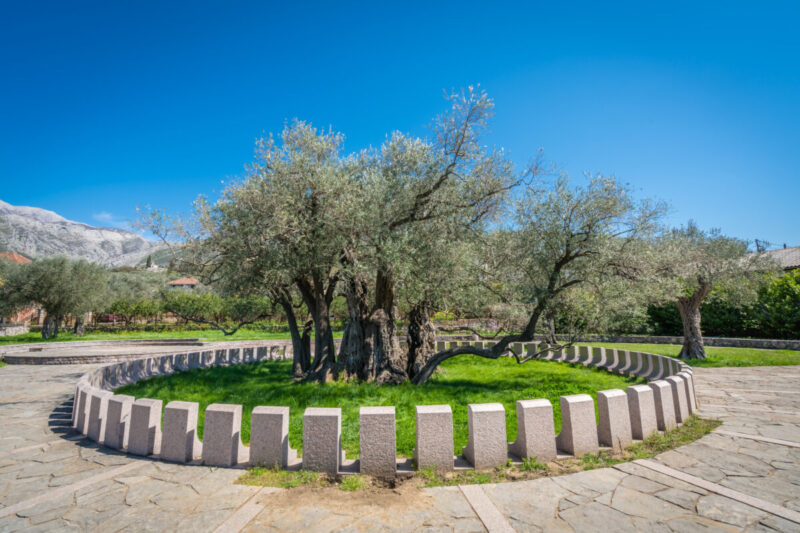
The oldest olive tree in the Old Bar and also Europe, more than 2000 years old, Montenegro

Country in EuropeUpdated

  • Overall6/10
  • Best forSolo travelers
  • PeakJun–Sep
  • CurrencyEUR

You can ski Durmitor in the morning and swim the Adriatic by afternoon. Few countries this small pull that off.

Travel guides for Montenegro

More guides featuring Montenegro (1)
Essentials

At a glance

Currency€ EURCode: EUR
Time zonePodgorica UTC+01:00Europe/Podgorica UTC+01:00
Languages
  • Montenegrin
  • Serbian
  • Bosnian
  • Croatian
Setting
  • Adriatic coast
  • Mountain terrain
  • Bay of Kotor
  • Medieval walled towns
Population622K621,873 residents
VisaDuration: Up to 90 days within any 180-day period · Documents: Valid U.S. passport and proof of accommodation or sufficient funds if requested
Daily budget$35–$250 / day Full budget guide →Budget-Friendly destination
Scorecard

How Montenegro scores

6/10OverallFair
Weather3/10
Value for money6/10
Safety9/10
Food & cuisine7/10
Culture & arts6/10
Cultural experience7/10
History5/10
Nature & outdoors4/10
Adventure4/10
Nightlife4/10
Shopping5/10
Family friendly4/10
Romance7/10

Character

Photography score5/10
Authenticity score10/10
Off-the-beaten-path score5/10

Editorial scores on a 10-point scale, weighed against destinations of the same kind.

Safety

Travel safety snapshot

Overall72/100Moderate rating
Women travellers68/100
LGBTQ+ travellers50/100
Theft65/100
Medical care70/100
Physical harm75/100
Political freedom65/100

SafePlace indicators use their source 100-point scale; higher is more favourable. Planning context, not a live travel advisory — check official government guidance before you go.

Seasonality

When to go

Best months to visit: April, May, June, July, August, September and October.

  1. January: 20.4 to 30.6 degrees Celsius, 117.4 millimetres of rain, best-time score 2 out of 5.
  2. February: 19.7 to 30.3 degrees Celsius, 105.1 millimetres of rain, best-time score 2 out of 5.
  3. March: 18.6 to 28.2 degrees Celsius, 127.4 millimetres of rain, best-time score 3 out of 5.
  4. April: 16.1 to 25.4 degrees Celsius, 108.9 millimetres of rain, best-time score 4 out of 5.
  5. May: 12.5 to 21.2 degrees Celsius, 211.1 millimetres of rain, best-time score 5 out of 5.
  6. June: 10.3 to 19.4 degrees Celsius, 161.6 millimetres of rain, best-time score 5 out of 5.
  7. July: 9.7 to 19.4 degrees Celsius, 118 millimetres of rain, best-time score 4 out of 5.
  8. August: 10.3 to 20.9 degrees Celsius, 113.3 millimetres of rain, best-time score 4 out of 5.
  9. September: 13 to 22.7 degrees Celsius, 173.5 millimetres of rain, best-time score 5 out of 5.
  10. October: 14.6 to 24.3 degrees Celsius, 153.4 millimetres of rain, best-time score 5 out of 5.
  11. November: 16 to 26.8 degrees Celsius, 130.6 millimetres of rain, best-time score 3 out of 5.
  12. December: 18.6 to 29.4 degrees Celsius, 120 millimetres of rain, best-time score 2 out of 5.
Month-by-month conditions and packing advice
January
Warm to hot, some rain January in Montenegro: winter weather and reduced services make broad travel less flexible. Crowds: January in Montenegro is workable with normal seasonal planning; build in layers, weather checks, and a mix of indoor and outdoor activities. Pack: Pack light clothing, sun protection, and comfortable walking shoes. Add a rain jacket or compact umbrella.
February
Warm to hot, some rain February in Montenegro: winter weather and reduced services make broad travel less flexible. Crowds: February in Montenegro is workable with normal seasonal planning; build in layers, weather checks, and a mix of indoor and outdoor activities. Pack: Pack light clothing, sun protection, and comfortable walking shoes. Add a rain jacket or compact umbrella.
March
Warm to hot, some rain March in Montenegro: cooler or wetter weather narrows coastal and mountain options. Crowds: March in Montenegro is workable with normal seasonal planning; build in layers, weather checks, and a mix of indoor and outdoor activities. Pack: Pack light clothing, sun protection, and comfortable walking shoes. Add a rain jacket or compact umbrella.
April
Mild to warm, some rain April in Montenegro: conditions can be excellent with early-season planning or peak-summer crowd management. Crowds: April in Montenegro is workable with normal seasonal planning; build in layers, weather checks, and a mix of indoor and outdoor activities. Pack: Pack light clothing, sun protection, and comfortable walking shoes. Add a rain jacket or compact umbrella.
May
Mild to warm, rainy May in Montenegro: Kotor Bay, beaches, mountain drives, old towns, hiking, and outdoor dining balance warmth with fewer peak crowds. Crowds: May in Montenegro is one of the wetter periods, so museums, food stops, flexible reservations, and backup indoor plans make the trip easier. Pack: Pack layered clothing and comfortable walking shoes. Add a rain jacket or compact umbrella.
June
Cool to mild, rainy June in Montenegro: Kotor Bay, beaches, mountain drives, old towns, hiking, and outdoor dining balance warmth with fewer peak crowds. Crowds: June in Montenegro is one of the wetter periods, so museums, food stops, flexible reservations, and backup indoor plans make the trip easier. Pack: Pack layered clothing and comfortable walking shoes. Add a rain jacket or compact umbrella.
July
Cool to mild, some rain July in Montenegro: conditions can be excellent with early-season planning or peak-summer crowd management. Crowds: July in Montenegro is workable with normal seasonal planning; build in layers, weather checks, and a mix of indoor and outdoor activities. Pack: Pack layered clothing and comfortable walking shoes. Add a rain jacket or compact umbrella.
August
Mild to warm, some rain August in Montenegro: conditions can be excellent with early-season planning or peak-summer crowd management. Crowds: August in Montenegro is workable with normal seasonal planning; build in layers, weather checks, and a mix of indoor and outdoor activities. Pack: Pack layered clothing and comfortable walking shoes. Add a rain jacket or compact umbrella.
September
Mild to warm, rainy September in Montenegro: Kotor Bay, beaches, mountain drives, old towns, hiking, and outdoor dining balance warmth with fewer peak crowds. Crowds: September in Montenegro is one of the wetter periods, so museums, food stops, flexible reservations, and backup indoor plans make the trip easier. Pack: Pack layered clothing and comfortable walking shoes. Add a rain jacket or compact umbrella.
October
Mild to warm, rainy October in Montenegro: Kotor Bay, beaches, mountain drives, old towns, hiking, and outdoor dining balance warmth with fewer peak crowds. Crowds: October in Montenegro is one of the wetter periods, so museums, food stops, flexible reservations, and backup indoor plans make the trip easier. Pack: Pack light clothing, sun protection, and comfortable walking shoes. Add a rain jacket or compact umbrella.
November
Mild to warm, rainy November in Montenegro: cooler or wetter weather narrows coastal and mountain options. Crowds: November in Montenegro is one of the wetter periods, so museums, food stops, flexible reservations, and backup indoor plans make the trip easier. Pack: Pack light clothing, sun protection, and comfortable walking shoes. Add a rain jacket or compact umbrella.
December
Warm to hot, some rain December in Montenegro: winter weather and reduced services make broad travel less flexible. Crowds: December in Montenegro is workable with normal seasonal planning; build in layers, weather checks, and a mix of indoor and outdoor activities. Pack: Pack light clothing, sun protection, and comfortable walking shoes. Add a rain jacket or compact umbrella.
Peak season
  • July
  • August
  • June
  • September
Off-peak
  • November
  • February
  • December
  • January
  • March
  • April
  • May
  • October
Overview

Know before you go

Best time to visit

The best time to visit Montenegro is during spring (May-June) and early fall (September-October), when temperatures range from 60-77°F, skies are clear, and crowds are manageable. These shoulder months deliver pleasant conditions for hiking, city exploration, and experiencing Montenegrin culture without summer’s intense coastal heat or winter’s mountain cold.

Spring (March-May)

Spring arrives gradually with wildflowers from mid-March. May is particularly recommended as temperatures reach around 73°F, tourist attractions are fully open, and the countryside is in bloom — perfect for hiking in national parks like Biogradska Gora and Lovćen. Hotel rates remain 20-30% below peak season, and crowds are minimal compared to summer.

Summer (June-August)

Summer is peak season, especially along the Adriatic coast. Temperatures reach 77-95°F with warm, swimmable sea water. Coastal towns like Budva, Kotor, and Ulcinj are lively with festivals and nightlife. However, July and August bring the largest crowds and highest prices, particularly in Budva and the Bay of Kotor. Escaping to the mountains — Durmitor or Biogradska Gora — offers cooler relief from the coastal heat.

Fall (September-November)

September stands out as an exceptional month with reliable weather, the fewest mountain storms, and harvest festivals filling the valleys. Temperatures range from 60-75°F. Autumn foliage transforms the national parks into spectacular displays of gold and crimson. October remains pleasant for sightseeing though increasing rainfall begins. November sees cooler conditions and reduced tourism infrastructure hours.

Winter (December-February)

Winter transforms northern Montenegro into a ski destination with conditions at Kolašin and Durmitor running December through March. Coastal areas remain mild (40-55°F) but quieter. Christmas markets appear in Podgorica and Kotor. Budget travelers benefit from the lowest prices year-round. Daylight hours are shorter, limiting sightseeing time, but the dramatic mountain landscapes under snow are unforgettable.

Season by season

Spring (March-May):
Weather: 55-77°F, warming progressively with occasional rain
Highlights: Wildflowers bloom across national parks, fewer crowds, pleasant hiking
Best For: Hiking in Lovćen and Durmitor, exploring Kotor and Budva Old Towns, Lake Skadar bird-watching

Summer (June-August):
Weather: 77-95°F, hot and dry on coast
Highlights: Perfect beach weather, lively coastal nightlife, festivals
Consider: Peak crowds in July-August, highest prices on coast
Best For: Beach swimming, boat tours, Tara River rafting, coastal town exploration

Fall (September-November):
Weather: 60-75°F, gradually cooling with increasing rainfall
Highlights: Harvest festivals, autumn foliage in mountains, uncrowded attractions
Consider: Some seasonal businesses close in late October
Best For: Hiking, wine tours, photography, cultural experiences with fewer tourists

Winter (December-February):
Weather: 35-55°F coast, below freezing in mountains
Highlights: Skiing in Durmitor and Kolašin, Christmas markets, lowest prices
Consider: Mountain roads may require chains, shorter daylight hours
Best For: Skiing, spa visits, budget travel, atmospheric old town visits

Crowds

Montenegro peaks in July–August with coastal resorts (Budva, Kotor) crowded by beachgoers and cruise ships, plus Kotor Carnival events; quietest November–March when many coastal hotels close and mountain areas are calmer — overall intense summer crowds on the coast, low off‑season.

Logistics

Getting there and around

Getting there

Montenegro is accessed via Podgorica Airport (TGD) and Tivat Airport (TIV), with Tivat convenient for Bay of Kotor destinations. U.S. citizens need no visa for 90-day stays with valid passport. Many travelers fly into Dubrovnik Airport (DBV) in Croatia for more flight options, then drive to coastal Montenegro towns. The rugged terrain makes road travel scenic but winding, with limited rail infrastructure for international arrivals.

Getting around

Navigate Montenegro’s dramatic landscapes via reliable buses—Adriatic Travel operates Podgorica-Kotor routes three times daily (2h5m, $13) with hourly services, or take one of Europe’s most scenic train journeys from Podgorica to Bar (2h30m) through rugged mountains to Adriatic coastlines. Drive the spectacular E80/E65 route from Podgorica to Kotor (1h18m) stopping at UNESCO-listed Cetinje and Lovćen National Park’s Njegoš Mausoleum for breathtaking diversions. Explore Kotor Bay via Blue Line buses to Perast (hourly from green market), or catch frequent services to Dobrota, Muo, Prcanj, and Tivat ferry connections. Use Montenegro’s taxi culture with “Red Taxi” and “Djir Taxi” in Kotor, “Happy taxi” and “Plus taxi” in Budva, or Podgorica’s “Tesla taxi” and “Nas taxi” apps—expect €50-75 Podgorica-Kotor, €15 airport-city center, and optional rounding-up tips. Skip Bolt/Uber (unavailable) for traditional services, and carry cash for smaller towns while cards work in major stations and tourist hotspots.

Montenegro, officially known as the Republic of Montenegro, is a small but stunningly diverse Balkan country situated on the Adriatic Sea. Despite its compact size (13,883 square kilometers/5,360 square miles), Montenegro offers an extraordinary range of landscapes, from rugged mountains to pristine beaches, making it possible to ski in the morning and swim in the sea in the afternoon.

The country’s name, which means “Black Mountain” in Venetian, reflects its dramatic topography dominated by the rugged Dinaric Alps. Montenegro’s geography features high peaks along its borders with Albania, Bosnia and Herzegovina, Kosovo, and Serbia, including Zla Kolata in the Prokletije mountains, which reaches a height of 2,534 meters (8,310 ft) and is the country’s highest point. The coastal plain is narrow, ranging from 1.5 to 6 kilometers wide, before abruptly transitioning to mountains.

Montenegro’s Adriatic coastline stretches 295 kilometers (183 miles), featuring 72 kilometers of beaches and numerous well-preserved medieval towns. The Bay of Kotor, often called Europe’s southernmost fjord (though technically a ria), is a UNESCO World Heritage Site and one of the country’s most spectacular attractions. This winding bay is surrounded by dramatic limestone cliffs and dotted with charming coastal towns such as Kotor, Perast, and Tivat.

The country is divided into three distinct regions: the Adriatic coast, the karst region, and the high mountains of the interior. Montenegro boasts five national parks that showcase its natural diversity: Durmitor, Biogradska Gora (which protects one of Europe’s few remaining primeval forests), Lovćen, Lake Skadar (a vast freshwater lake shared with Albania), and Prokletije.

Montenegro’s history is as varied as its landscape. The region was inhabited by Illyrians before Slavs arrived in the 6th and 7th centuries. Throughout its history, Montenegro has been influenced by various powers, including the Byzantine Empire, medieval Serbian states, the Venetian Republic, and the Ottoman Empire. The country maintained a unique status during Ottoman times, enjoying de facto independence as a theocracy ruled by prince-bishops. Montenegro was recognized as an independent nation at the Congress of Berlin in 1878 and became a kingdom in 1910.

Following World War I, Montenegro became part of Yugoslavia. After Yugoslavia’s dissolution, Montenegro remained in a federation with Serbia until declaring independence on June 3, 2006, following a referendum. Today, Montenegro is a member of the United Nations, NATO, and is a candidate for European Union membership.

The capital and largest city is Podgorica, home to about one-third of the country’s 630,000 residents. Cetinje, the old royal capital, remains the country’s cultural and historical heart. Other significant towns include the coastal resorts of Budva, Herceg Novi, and Ulcinj, as well as the mountain town of Žabljak near Durmitor National Park.

Tourism is a major component of Montenegro’s economy, with the country gaining international recognition as a travel destination. Coastal areas like Budva, known for its nightlife and beaches, and the Bay of Kotor attract summer visitors. The northern mountains offer winter sports and outdoor adventures, including white-water rafting in the Tara Canyon, which at 1,300 meters (4,300 feet) is Europe’s deepest canyon.

Montenegrin culture reflects its diverse historical influences, with a mix of Eastern Orthodox, Slavic, Mediterranean, and Turkish elements. The country’s cuisine blends Mediterranean and Balkan traditions, featuring fresh seafood on the coast and heartier, meat-based dishes in the mountains. Local specialties include njeguški pršut (prosciutto from Njeguši village), various cheeses, and rakija (fruit brandy).

With its stunning natural beauty, rich historical heritage, and growing tourism infrastructure, Montenegro has established itself as one of Europe’s emerging destinations, offering visitors an authentic experience of the Balkans in a remarkably compact space.
Curated picks

Top experiences in Montenegro

  1. Kotor Old Town & Bay of Kotor

    The Bay of Kotor, a UNESCO World Heritage Site, carves into Montenegro’s Adriatic coastline like a Mediterranean fjord, framed by mountains plunging 1,749 meters to the sea. Kotor’s walled Old Town dates to the 12th century, with narrow limestone streets threading past Romanesque churches, Venetian palaces, and hidden piazzas. The Fortress of San Giovanni (St. John) rewards visitors who climb its 1,350 steps with sweeping views across the bay’s serpentine waterways. Within the walls, highlights include St. Tryphon’s Cathedral — a masterpiece of Romanesque architecture dating to 1166 — the Maritime Museum chronicling Kotor’s seafaring history, and the centuries-old Cat Museum. The town comes alive during summer with the Kotor Carnival and KotorArt cultural festival. Allow at least half a day for the Old Town and fortress climb, more to explore the surrounding bay villages.

  2. Durmitor National Park

    Durmitor National Park, a UNESCO World Heritage Site in northern Montenegro, encompasses a vast wilderness of rugged peaks, 18 glacier lakes, dense forests, and dramatic canyons. The centerpiece is the Tara River Canyon — at 1,300 meters depth, it is the deepest canyon in Europe and second deepest globally after the Grand Canyon. White-water rafting through its turquoise rapids is Montenegro’s most iconic adventure experience. Hiking trails range from gentle walks around Black Lake (Crno jezero) to demanding summit ascents of Bobotov Kuk (2,523m), the park’s highest accessible peak. Winter transforms Durmitor into a ski destination with affordable slopes and a fraction of Alpine crowds. The park shelters brown bears, wolves, chamois, and over 300 butterfly species. The medieval Žabljak Crnojevića fortress and traditional katun (shepherd huts) dot the landscape. Base yourself in the town of Žabljak for the best access to trails and the canyon.

  3. Sveti Stefan & Budva Riviera

    Sveti Stefan is Montenegro’s most photographed landmark — a 15th-century fortified island village connected to the mainland by a narrow causeway, now home to the exclusive Aman resort. While the island itself is reserved for hotel guests, the public beaches flanking the causeway offer stunning views and excellent swimming. The broader Budva Riviera stretches along the Adriatic with a chain of beaches including Jaz Beach (a wide sandy expanse hosting summer music festivals), Mogren Beach (accessed through a scenic coastal tunnel), and Bečići Beach (consistently rated among Europe’s finest). Budva’s compact Old Town features 2,500-year-old walls, the Church of Santa Maria in Punta, and a citadel with panoramic terrace views. The Riviera transforms into a party destination in summer with beach clubs and open-air events, while spring and fall offer tranquil beach experiences with warm water and uncrowded sands.

  4. Sveti Stefan

    Photogenic island village (now an Aman Resort) connected to the mainland by a narrow causeway — the Amalfi Coast of the Adriatic.

  5. Tara River Canyon

    Europe’s deepest canyon (1,300 meters) with white-water rafting through Durmitor National Park and a 150-meter bridge spanning the gorge.

Editor-curated picks carried over from our original guide. Where a full place guide exists, the card links to it.

Curated picks

Where to stay

Aman Sveti Stefan

Sveti Stefan, Budva, 85315, Montenegro

Aman Sveti Stefan occupies one of the most extraordinary settings in Mediterranean luxury hospitality — the entire 15th-century fortified island of Sveti Stefan, connected to the mainland by a narrow causeway. The resort comprises 50 individually designed rooms, cottages, and suites within the island’s restored stone buildings, plus eight elegant suites at Villa Miločer on the mainland. Guests enjoy two kilometers of coastline with three private pink sandy beaches, an expansive Aman Spa with Pilates and yoga studios, and multiple dining venues including a Mediterranean taverna and the refined Dining Room at Villa Miločer. The property seamlessly blends centuries-old architectural character with modern Aman minimalism, creating an atmosphere that feels both historically rooted and effortlessly contemporary.

Regent Porto Montenegro

Obala BB, Porto Montenegro Village, Tivat, 85320, Montenegro

Regent Porto Montenegro brings Renaissance Venetian elegance to Tivat’s luxury marina village, set within the UNESCO-listed Boka Bay. The hotel offers 175 rooms, suites, and penthouses across three wings, each designed with a nautical theme featuring cool blues, earth tones, and warm wood furnishings. Most rooms include large balconies overlooking the Adriatic, the 450-berth superyacht marina, or surrounding mountains. The Regent Spa features an indoor pool with hot tub, two outdoor infinity pools, sauna, Turkish bath, and comprehensive treatment menu. Dining options include the seafood-focused Murano restaurant, the Onyx Bar, and a Pool Bar. The surrounding Porto Montenegro Village offers yacht clubs, waterfront cafes, and upscale retail — creating a self-contained luxury experience with easy access to the Bay of Kotor’s historic sites.

One&Only Portonovi

Vojna Kasarna BB, Kumbor, Herceg Novi, Montenegro

One&Only Portonovi — the brand’s first European resort — sits on the shores of Boka Bay in Herceg Novi, offering 122 rooms, suites, and standalone villas blending modern European design with Montenegrin aesthetics. Ground-floor rooms provide direct garden access, while upper-floor suites feature sweeping bay panoramas. The transformative Chenot Espace wellness facility combines ancient Chinese medicine with scientific holistic treatments in a space unlike any other in the region. Six swimming pools, a private beach, tennis courts, and a variety of water sports ensure constant activity. Dining spans three distinct restaurants: La Veranda for Mediterranean cuisine, Tapasake for Japanese-Peruvian fusion, and Sabia for casual poolside fare. The resort created a new standard for luxury in the Adriatic when it opened and consistently delivers the most comprehensive resort experience in Montenegro.

Editor-curated stays carried over from our original guide. Where we have reviewed the hotel, the card links to the review.

Insider tips

Tips from the field

Highlights
  • Bay of Kotor – UNESCO-listed fjord-like bay with medieval towns and dramatic mountains
  • Durmitor National Park – Glacial lakes, canyons, and peaks exceeding 2,500m
  • Tara River Canyon – Europe's deepest canyon (1,300m) with world-class rafting
  • Sveti Stefan – Iconic fortified island village turned luxury resort
  • Lake Skadar – Largest lake in the Balkans with 280+ bird species
  • Ostrog Monastery – Dramatic cliff-carved 17th-century Serbian Orthodox monastery
  • Lovćen National Park – Njegoš Mausoleum with panoramic Adriatic views
  • Perast – Baroque village with boat trips to Our Lady of the Rocks island church
  • Recognition: Named Lonely Planet's No. 1 Country to Visit (2016), featured in National Geographic's 'Best of the World
  • Sources: UNESCO, Lonely Planet, National Geographic
Best activities
  • Montenegro packs extraordinary diversity into its compact territory. The Adriatic coastline delivers world-class beaches and historic port towns — Budva's Riviera offers Jaz Beach and Mogren Beach for sun-seekers, while the Bay of Kotor provides a fjord-like setting for kayaking and boat tours past medieval villages. Swimming at Sveti Stefan's beaches or exploring the Blue Cave by boat rank among the coast's signature experiences.
  • Inland, Montenegro's rugged mountains offer some of Europe's most dramatic outdoor adventures. White-water rafting through the Tara River Canyon — the deepest canyon in Europe at 1,300 meters — is a bucket-list experience. Durmitor National Park provides exceptional hiking among 18 glacial lakes and rugged peaks exceeding 2,500 meters. Cycling through countryside villages, zip-lining over canyons, and canyoneering in the Nevidio Canyon attract adrenaline seekers. Lake Skadar, shared with Albania, is a paradise for bird-watching with over 280 species and serene boat tours through lily-pad-covered waters past ancient monasteries.
Practical tips
  • Currency: Euro (EUR) — Montenegro adopted the Euro unilaterally despite not being an EU member. Cards widely accepted in cities and tourist areas; carry cash for markets, small shops, and rural locations.
  • Visa: EU/US/UK citizens can stay up to 90 days visa-free. Register with police within 24 hours of arrival (hotels do this automatically).
  • Transportation: Rent a car for flexibility exploring coastal and mountain areas. Public buses connect major towns but schedules can be unreliable. No rail service along the coast.
  • Tipping: Not mandatory but appreciated. Round up bills or leave 10% at restaurants. €1-2 per bag for hotel porters.
  • Climate: Mediterranean coast with hot, dry summers and mild winters. Mountains have alpine climate with heavy snowfall in winter.
  • Electricity: 230V/50Hz, European Type C/F plugs
  • Water: Tap water is safe to drink throughout the country
  • Internet: Good mobile coverage in cities and along the coast. Rural and mountain areas may have limited connectivity. Local SIM cards are affordable and widely available.
  • Sources: U.S. State Department, Montenegro Tourism Board
Photography tips
  • Golden Hour Shots: The Bay of Kotor at sunrise creates mirror-like reflections of mountains and medieval towns. Perast at dawn, with morning fog over the water, produces magical compositions.
  • Iconic Views:
  • Kotor Fortress walls – Panoramic views of the bay from the Fortress of San Giovanni
  • Sveti Stefan – The island village is best photographed from the elevated viewpoint along the coastal road
  • Tara River Bridge – Dramatic arch bridge over Europe's deepest canyon
  • Our Lady of the Rocks – Photograph from the boat approaching the island church in Perast
  • Ostrog Monastery – Dramatic cliff-face monastery best captured in morning light
  • Best Months for Photography: May-June for green landscapes and wildflowers; September-October for golden autumn light and fewer crowds; winter for snow-capped mountains
  • Equipment: Wide-angle lens essential for capturing bay and canyon panoramas; polarizing filter for reducing water reflections; telephoto lens for bird photography at Lake Skadar
  • Respect: Ask permission before photographing locals, especially in rural villages. Photography restrictions may apply inside monasteries and churches.
Keeping it authentic
  • Montenegro's authenticity reveals itself through a fierce independence forged over centuries of resisting Ottoman rule from mountain strongholds. The concept of 'čojstvo i junaštvo' (humanity and bravery) — a moral code valuing honor, hospitality, and courage — still shapes daily interactions. Visitors notice this in the way strangers become instant hosts: refusing payment for a coffee, insisting on sharing a meal, or going well out of their way to give directions. Montenegrin hospitality ('gostoprimstvo') isn't performative — it reflects deeply held beliefs about treating guests as sacred visitors.
  • The real Montenegro exists beyond the glossy coastal resorts. In mountain villages like Njeguši, families still produce pršut (smoked ham) and cheese using methods unchanged for generations. The tradition of sitting for hours over Turkish coffee while discussing everything and nothing — a practice locals call 'ćaskanje' — reveals a Mediterranean approach to time that frustrates schedules but enriches experiences. The gusle (one-stringed instrument) accompanies epic poetry recounting Montenegrin resistance and bravery, performed at gatherings where three generations listen together. Even Podgorica, the utilitarian capital, has an authenticity that polished tourist towns lack — its reconstructed post-war architecture and thriving cafe culture represent a country building its modern identity without abandoning its warrior-poet soul.
Context

Culture, customs and safety

Cultural heritage

Montenegro’s cultural heritage reflects a rich tapestry shaped by Illyrian tribes, Roman conquest, Byzantine influence, and centuries under Venetian, Ottoman, and Austro-Hungarian rule. Its medieval monasteries and fortresses, such as Ostrog Monastery and the UNESCO-listed Natural and Culturo-Historical Region of Kotor, showcase a blend of Eastern Orthodox, Catholic, and Islamic traditions. The coastal towns like Perast and Budva preserve Venetian-era stone architecture, while inland communities maintain centuries-old folk music, dance, and Slavic oral traditions. Montenegro’s turbulent past and diverse influences have forged a resilient cultural identity deeply tied to both mountain and sea.

Local customs & etiquette

Montenegrin culture is characterized by relaxed Mediterranean attitude combined with strong emphasis on personal relationships and hospitality. Greetings typically begin with firm handshake and direct eye contact. While punctuality appreciated in business settings, social timings are often flexible reflecting laid-back life approach. Hospitality is cultural cornerstone – accepting coffee or meal offers is important social ritual helping build rapport. When visiting religious sites like Orthodox monasteries, modest dress required with shoulders and knees covered. Tipping in restaurants not mandatory but common practice showing appreciation for good service, with 10-20% being standard amount. Generally safe but exercise standard precautions against petty crime, particularly in tourist-heavy areas.

Safety notes

Exercise normal precautions in Montenegro (U.S. State Department Level 1).

General Safety:
• Montenegro ranked 48th out of 163 countries in the Global Peace Index, ahead of France and Greece
• Violent crime is rare and typically does not involve tourists
• Solo female travelers report feeling safe throughout the country

Petty Crime:
• Pickpocketing and purse snatching can occur in crowded tourist areas during peak season (May-September)
• Keep valuables secure at beaches and in Old Town crowds
• Lock rental cars and don’t leave belongings visible

Road Safety:
• Mountain roads can be narrow, winding, and poorly lit
• Drive cautiously, especially on the Kotor serpentine road
• Aggressive driving is common — defensive driving recommended
• Winter conditions require snow tires in mountainous areas

Scams:
• Clarify taxi prices before departure or ensure meter is running
• Verify prices at restaurants, especially seafood, before ordering
• Be cautious of unofficial tour operators at popular sites

Sources: U.S. State Department Travel Advisory, Global Peace Index 2022

Updated Data: Editorial research · SafePlace safety indicators