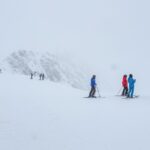
Exclusive Austrian alpine village combining world-class skiing with authentic Tyrolean culture, featuring pristine mountain scenery, luxury amenities, and preserved alpine traditions in the heart of the prestigious Arlberg ski region.
The destination guide
Lech

At a glance
Currency€ EURCode: EUR
Time zoneViennaEurope/Vienna
Languages
- German
Setting
- Alpine ski village
- Mountain peaks
- Tyrolean valley
- Snow-covered terrain
Population1,8001,800 residents
VisaDuration: Up to 90 days within any 180-day period in the Schengen Area · Documents: Valid passport issued within the last 10 years and valid for at least 3 months after planned departure, plus proof of accommodation, onward or return travel, and sufficient funds if requested
How Lech scores
8/10OverallExcellent
Weather7/10
Value for money5/10
Food & cuisine8/10
Culture & arts4/10
Cultural experience6/10
Nature & outdoors9/10
Adventure6/10
Nightlife4/10
Shopping5/10
Family friendly5/10
Romance8/10
Editorial scores on a 10-point scale, weighed against destinations of the same kind.
Travel safety snapshot
Overall94/100High rating
Women travellers92/100
LGBTQ+ travellers85/100
Theft86/100
Medical care90/100
Physical harm93/100
Political freedom82/100
SafePlace indicators use their source 100-point scale; higher is more favourable. Planning context, not a live travel advisory — check official government guidance before you go.
When to go
Best months to visit: January, February, March, April, May, June, July, August, September, October and December.
- January: -1.5 to 3.3 degrees Celsius, 150.8 millimetres of rain, best-time score 5 out of 5.
- February: -1 to 4.2 degrees Celsius, 134.9 millimetres of rain, best-time score 5 out of 5.
- March: 0.4 to 6.5 degrees Celsius, 108.2 millimetres of rain, best-time score 5 out of 5.
- April: 2.8 to 10.2 degrees Celsius, 62.8 millimetres of rain, best-time score 5 out of 5.
- May: 7.5 to 15.3 degrees Celsius, 80 millimetres of rain, best-time score 4 out of 5.
- June: 11.5 to 18.8 degrees Celsius, 109.7 millimetres of rain, best-time score 5 out of 5.
- July: 13 to 20.1 degrees Celsius, 122.2 millimetres of rain, best-time score 5 out of 5.
- August: 12.5 to 19 degrees Celsius, 141.5 millimetres of rain, best-time score 5 out of 5.
- September: 10.8 to 16.4 degrees Celsius, 163.1 millimetres of rain, best-time score 5 out of 5.
- October: 6.8 to 11.6 degrees Celsius, 182.2 millimetres of rain, best-time score 4 out of 5.
- November: 3.1 to 7.1 degrees Celsius, 186.5 millimetres of rain, best-time score 3 out of 5.
- December: 0.6 to 4.7 degrees Celsius, 175.5 millimetres of rain, best-time score 5 out of 5.
Month-by-month conditions and packing advice
- January
- Cold, rainy January in Lech: this is one of the strongest windows, either for skiing and snow or for alpine hiking, biking, and village stays. Crowds: January in Lech is one of the wetter periods, so museums, food stops, flexible reservations, and backup indoor plans make the trip easier. Pack: Pack warm layers, a coat, and comfortable shoes for cold mornings and evenings. Add a rain jacket or compact umbrella.
- February
- Cold, rainy February in Lech: this is one of the strongest windows, either for skiing and snow or for alpine hiking, biking, and village stays. Crowds: February in Lech is one of the wetter periods, so museums, food stops, flexible reservations, and backup indoor plans make the trip easier. Pack: Pack warm layers, a coat, and comfortable shoes for cold mornings and evenings. Add a rain jacket or compact umbrella.
- March
- Cold, some rain March in Lech: this is one of the strongest windows, either for skiing and snow or for alpine hiking, biking, and village stays. Crowds: March in Lech is workable with normal seasonal planning; build in layers, weather checks, and a mix of indoor and outdoor activities. Pack: Pack warm layers, a coat, and comfortable shoes for cold mornings and evenings. Add a rain jacket or compact umbrella.
- April
- Cool to mild, occasional rain April in Lech: this is one of the strongest windows, either for skiing and snow or for alpine hiking, biking, and village stays. Crowds: April in Lech is workable with normal seasonal planning; build in layers, weather checks, and a mix of indoor and outdoor activities. Pack: Pack warm layers, a coat, and comfortable shoes for cold mornings and evenings.
- May
- Cool to mild, some rain May in Lech: season-edge timing can work with lift schedules and trail or snow conditions checked closely. Crowds: May in Lech is workable with normal seasonal planning; build in layers, weather checks, and a mix of indoor and outdoor activities. Pack: Pack layered clothing and comfortable walking shoes. Add a rain jacket or compact umbrella.
- June
- Cool to mild, some rain June in Lech: this is one of the strongest windows, either for skiing and snow or for alpine hiking, biking, and village stays. Crowds: June in Lech is workable with normal seasonal planning; build in layers, weather checks, and a mix of indoor and outdoor activities. Pack: Pack layered clothing and comfortable walking shoes. Add a rain jacket or compact umbrella.
- July
- Mild to warm, some rain July in Lech: this is one of the strongest windows, either for skiing and snow or for alpine hiking, biking, and village stays. Crowds: July in Lech is workable with normal seasonal planning; build in layers, weather checks, and a mix of indoor and outdoor activities. Pack: Pack layered clothing and comfortable walking shoes. Add a rain jacket or compact umbrella.
- August
- Cool to mild, rainy August in Lech: this is one of the strongest windows, either for skiing and snow or for alpine hiking, biking, and village stays. Crowds: August in Lech is one of the wetter periods, so museums, food stops, flexible reservations, and backup indoor plans make the trip easier. Pack: Pack layered clothing and comfortable walking shoes. Add a rain jacket or compact umbrella.
- September
- Cool to mild, rainy September in Lech: this is one of the strongest windows, either for skiing and snow or for alpine hiking, biking, and village stays. Crowds: September in Lech is one of the wetter periods, so museums, food stops, flexible reservations, and backup indoor plans make the trip easier. Pack: Pack layered clothing and comfortable walking shoes. Add a rain jacket or compact umbrella.
- October
- Cool to mild, rainy October in Lech: season-edge timing can work with lift schedules and trail or snow conditions checked closely. Crowds: October in Lech is one of the wetter periods, so museums, food stops, flexible reservations, and backup indoor plans make the trip easier. Pack: Pack layered clothing and comfortable walking shoes. Add a rain jacket or compact umbrella.
- November
- Cold, rainy November in Lech: between-season closures and variable weather narrow the trip. Crowds: November in Lech is one of the wetter periods, so museums, food stops, flexible reservations, and backup indoor plans make the trip easier. Pack: Pack layered clothing and comfortable walking shoes. Add a rain jacket or compact umbrella.
- December
- Cold, rainy December in Lech: this is one of the strongest windows, either for skiing and snow or for alpine hiking, biking, and village stays. Crowds: December in Lech is one of the wetter periods, so museums, food stops, flexible reservations, and backup indoor plans make the trip easier. Pack: Pack warm layers, a coat, and comfortable shoes for cold mornings and evenings. Add a rain jacket or compact umbrella.
Peak season
- July
- August
Off-peak
- November
- January
- February
- March
Know before you go
About
Lech am Arlberg, in Austria’s western Vorarlberg province, is a high-altitude alpine village and one of the world’s most exclusive ski resorts, sitting at around 1,450 meters near the Swiss and German borders. Together with neighboring Zurs it forms part of the vast Ski Arlberg network, the largest connected ski area in Austria, with hundreds of kilometers of pistes served by modern lifts and blessed with some of the most reliable snowfall in the Alps. Lech is the start and finish of Der Weisse Ring, the “White Ring,” a celebrated 22-kilometer circuit of runs and lifts that loops through the surrounding peaks. Long favored by royalty, celebrities, and discerning skiers, the village pairs traditional chalet architecture with five-star hotels and an acclaimed dining scene recognized by Gault&Millau. Beyond winter sports, travelers come in summer for hiking and mountain biking amid striking high-alpine scenery. Refined yet rooted in mountain tradition, Lech is a byword for luxury alpine holidays.
Best time to visit
Kristiansand is primarily a summer destination, though the shoulder months and winter Christmas season have their own appeal.
Summer (Late June-August)
Peak season with temperatures of 18-25°C (64-77°F), long daylight hours (sunset after 10 PM), and all outdoor attractions, beaches, and boat tours fully operational. Dyreparken runs its full program. The Palmesus beach festival at Bystranda is Scandinavia’s biggest. Accommodation and activity prices are at their highest.
Shoulder (May-June, September)
Fewer crowds, lower prices, and still-pleasant weather (12-20°C / 54-68°F). May brings apple blossoms and greenery. September offers mild autumn weather and softer light. Some outdoor attractions begin to reduce hours.
Winter (October-March)
Short days and temperatures of -5 to 5°C (23-41°F). The Christmas market season (December) brings festive atmosphere and cozy café culture. Dyreparken runs winter programming. Norway’s dark winters suit those who enjoy quiet, reflective travel.
Season by season
Winter (Dec-April):
Weather: -5 to 5°C, snowy
Highlights: Skiing
Best For: Winter sports
Summer (July-Sept):
Weather: 15-25°C, mild
Highlights: Hiking, Jazz Festival
Best For: Nature
Spring (April):
Weather: 0-10°C, sunny
Highlights: Sun skiing
Best For: Terrace lunch
Fall (Oct-Nov):
Weather: Cool, variable
Highlights: Quiet
Best For: Wellness (many hotels close)
Crowds
Lech is busiest in winter (December–March) during Alpine ski season and New Year holidays with lift-area crowds and full hotels; quietest in late spring (April–early June) outside ski and peak summer hiking times, with generally moderate to high seasonal crowding during winter.
Getting there and around
Getting there
Kristiansand Airport Kjevik (KRS) is 12 km from the center, with domestic flights from Oslo, Bergen, and Trondheim and international services to Copenhagen and Amsterdam. Buses connect the airport to the city center. By train, the Sørlandsbanen (Southern Railway) connects Kristiansand to Oslo (4.5 hours) and Stavanger (3 hours), passing through scenic mountain and valley landscapes. Express buses from Oslo take approximately 4 hours. Color Line operates frequent ferry services between Kristiansand and Hirtshals, Denmark (3.5 hours), with the terminal located within walking distance of the city center. By car, the E18 connects to Oslo and the E39 to Stavanger.
Getting around
Kristiansand’s compact center is easily walkable, with the cathedral, Posebyen, Fiskebrygga, and Bystranda all within 15 minutes on foot. AKT (Agder Kollektivtrafikk) operates metro-style bus routes (M1, M2, M3) covering the city and suburbs, with tickets available via the AKT app. Bus route 100/M3 runs to Dyreparken from the city center (20 minutes). Many hotels offer bike rentals, and dedicated cycling paths connect key destinations. Island ferry services operate from the harbor for archipelago trips. Taxis are available but expensive by international standards; Uber is not available.
Top experiences in Lech
Ski Arlberg & White Ring (Der Weisse Ring)
Part of Austria’s largest interconnected ski area with over 300 km of marked ski runs and 200 km of deep-snow slopes. The legendary White Ring circuit covers 22 km of downhill pistes and 5,500 meters of elevation across Lech, Zürs, and Zug.
Rüfikopf Cable Car & Viewing Platform
Ascending to 2,350 meters, the Rüfikopf cable car offers a 360-degree viewing platform showcasing panoramic vistas across the Vorarlberg and Tyrolean Alps, alongside a high-altitude geological museum and alpine trails.
Formarinsee & Rote Wand
A natural emerald mountain lake nestled beneath the dramatic crimson limestone cliffs of the Rote Wand (Red Wall). Once voted Austria’s most beautiful natural location, it serves as the source of the River Lech.
Skyspace Lech by James Turrell
An underground light-art installation designed by internationally acclaimed artist James Turrell in Oberlech. Its elliptical domed aperture frames the alpine sky during sunrise and sunset, creating an ethereal sensory experience.
Lech River Trail (Lechweg)
A certified Leading Quality Trail following the wild Lech River from its alpine spring near Formarinsee through alpine meadows, traditional Walser farming hamlets, and pine forests down the valley.
Editor-curated picks carried over from our original guide. Where a full place guide exists, the card links to it.
Worth booking ahead in Lech
Hand-picked from the operators our guides already send readers to. Prices and availability are live on the partner site.
BrowseViator
Tours and tickets in Lech on Viator (opens Viator in a new tab)
Viator's full list of bookable tours and tickets in Lech.
BrowseGetYourGuide
Experiences in Lech on GetYourGuide (opens GetYourGuide in a new tab)
Everything GetYourGuide sells in Lech, with the cancellation terms on each listing.
Where to stayBooking.com
Stays in Lech (opens Booking.com in a new tab)
Live rates and availability for Lech on Booking.com; filter by neighbourhood once you know where your days start.
We earn a commission if you book through these links, at no extra cost to you. It is how we keep the guides free and independent.
Where to stay
Hotel Arlberg Lech
Tannberg 187, 6764 Lech am Arlberg, Austria
A family-owned five-star alpine sanctuary operating since 1965, renowned for classic Austrian hospitality, ski-in/ski-out convenience, and gourmet Arlberg dining.
Clarion Hotel Ernst
Rådhusgata 2, 4611 Kristiansand, Norway
A design-focused hotel directly on the central square, occupying a historic building with a modernized interior. The 150 rooms feature clean Scandinavian design with natural materials. The ground-floor restaurant emphasizes locally sourced Southern Norwegian cuisine. The location is hard to beat — the cathedral is across the street, Posebyen stretches behind the hotel, and Fiskebrygga is a 5-minute walk toward the harbor.
Burg Hotel Oberlech
Oberlech 266, 6764 Lech, Austria
Located in car-free Oberlech (accessible by cable car). It is ski-in/ski-out perfection. The sun terrace is famously the place to be for lunch. It is vibrant, family-friendly, and offers stunning views over the valley.
Editor-curated stays carried over from our original guide. Where we have reviewed the hotel, the card links to the review.
Tips from the field
Highlights
- Ski Arlberg — Austria's largest ski paradise and the legendary White Ring circuit
- Rüfikopf Panoramas — High-alpine viewing platform at 2,350 meters with 360-degree vistas
- Formarinsee & Rote Wand — Pristine natural alpine lake below crimson limestone peaks
- Skyspace Lech — Acclaimed James Turrell light installation overlooking the mountain valley
- Walser Cultural Heritage — Traditional alpine architecture, cheese dairies, and woodcraft
- Gourmet Dining Capital — World-renowned density of award-winning Gault & Millau toques
Best activities
- Spend a day at Dyreparken, especially if traveling with children — Cardamom Town and the Nordic wildlife sections are the highlights. Walk the interconnected lanes of Posebyen to experience the white wooden house architecture and its small galleries and cafés.
- Enjoy fresh seafood at Fiskebrygga, ideally outdoors on the waterfront terrace on a summer evening. Swim at Bystranda or, for a more dramatic beach experience, drive to Sjøsanden at Mandal. Hike through Ravnedalen Nature Park and stop at the café for its legendary burgers. Take a boat trip through the archipelago to Ny-Hellesund or Bragdøya for island swimming. In winter, the Christmas market on the Markens pedestrian street brings warm light to the dark season.
Local experiences
- Join the local ritual of buying a bag of fresh shrimp from the Fiskebrygga boats and peeling them on the waterfront with bread and lemon. Swim at Bystranda on a long summer evening when the light turns golden and the harbor buzzes with boat traffic. Take the ferry to Ny-Hellesund, a former pilot station island, and swim from the warm rocks of the Skagerrak skerries. Walk Posebyen's quiet morning streets before the shops open, when the white houses glow in early light and the only sound is birdsong.
Practical tips
- Budget: Norway is expensive. Expect €15-25 for lunch, €30-50 for dinner. Grocery self-catering helps.
- Dyreparken: Buy tickets online in advance for discounts. The Cardamom Town experience is in Norwegian, but the charm transcends language.
- Ferry: Book the Color Line ferry to/from Hirtshals in advance during summer; it's a popular Danish-Norwegian route.
- Sun: Kristiansand gets more sun than most Norwegian cities, but bring layers — sea breezes cool evenings.
- Alcohol: Buy from Vinmonopolet or enjoy at restaurants; supermarkets sell only beer and cider.
- Sunday: Most shops close Sunday; restaurants, Fiskebrygga, and Dyreparken remain open.
Photography tips
- Posebyen's white wooden houses photograph best in the warm light of early morning or late evening, when the low-angle sun creates shadows that define the architectural details. The harbor view from Odderøya captures the cityscape with the cathedral spire as a focal point. Sunset at Bystranda, with the harbor and islands silhouetted, is the classic Kristiansand image. For Dyreparken, morning light in the Nordic wildlife section provides the most natural animal portraits. The coastal archipelago is best captured from a boat, with wide-angle views of skerries and lighthouses against open sky.
Timing
- Peak Season (Feb, Christmas):
- Expensive, busy
- Shoulder Season (Jan, March):
- Good snow, cheaper
- Low Season (Summer):
- Relaxed, hiking
Keeping it authentic
- Kristiansand's appeal lies in what it isn't — it's not a fjord spectacle, not a capital city, and not a cruise-ship destination in the way Bergen or Stavanger are. Its identity as 'Sørlandets hovedstad' (capital of the Southern Coast) is rooted in a relaxed, summer-focused Norwegian lifestyle rather than tourism infrastructure. Dyreparken is genuinely beloved by Norwegian families, not manufactured for international visitors, and the Cardamom Town experience is deeply embedded in the culture. The white wooden houses of Posebyen are lived in, not museumified. The fish at Fiskebrygga comes from that morning's local catch.
Culture, customs and safety
Cultural heritage
Lech represents the pinnacle of Austrian Alpine luxury and traditional mountain culture, where Walser settlement heritage, Alpine farming traditions, and exclusive ski resort development created one of Europe most prestigious mountain destinations. The village preserves traditional Alpine architecture, mountain customs, and artisan crafts while maintaining its reputation as preferred destination for European aristocracy and international elite. Lech cultural heritage encompasses Walser cultural traditions, Alpine agricultural practices, aristocratic Alpine lifestyle, and contemporary luxury mountain culture that continues to define exclusive European Alpine resort development and traditional mountain community preservation.
Local customs & etiquette
Norwegians value personal space and quiet courtesy. Greet with ‘Hei’ (hi) or ‘God dag’ (good day). Removing shoes when entering homes is standard. Outdoor culture is deeply embedded — friluftsliv (open-air living) isn’t a trend but a way of life, and Norwegians expect visitors to treat nature with respect. Tipping is not expected (service charges are included), though rounding up is appreciated. Alcohol is expensive and regulated; Vinmonopolet is the state-operated liquor store, and restaurants charge significant markups. Many Norwegians speak excellent English.
Safety notes
Kristiansand is one of Europe’s safest cities, with very low crime rates across all categories. Violent crime is rare. The main considerations are practical rather than criminal: Norway’s high costs can catch travelers off-guard, cold water swimming requires awareness of conditions, and winter driving demands appropriate tires and experience. Emergency services are excellent; dial 112 for police, 113 for ambulance, 110 for fire. English is widely spoken in medical and emergency contexts. The nearest hospital is Sørlandet Sykehus Kristiansand.