MenuClose

The destination guide

Linz

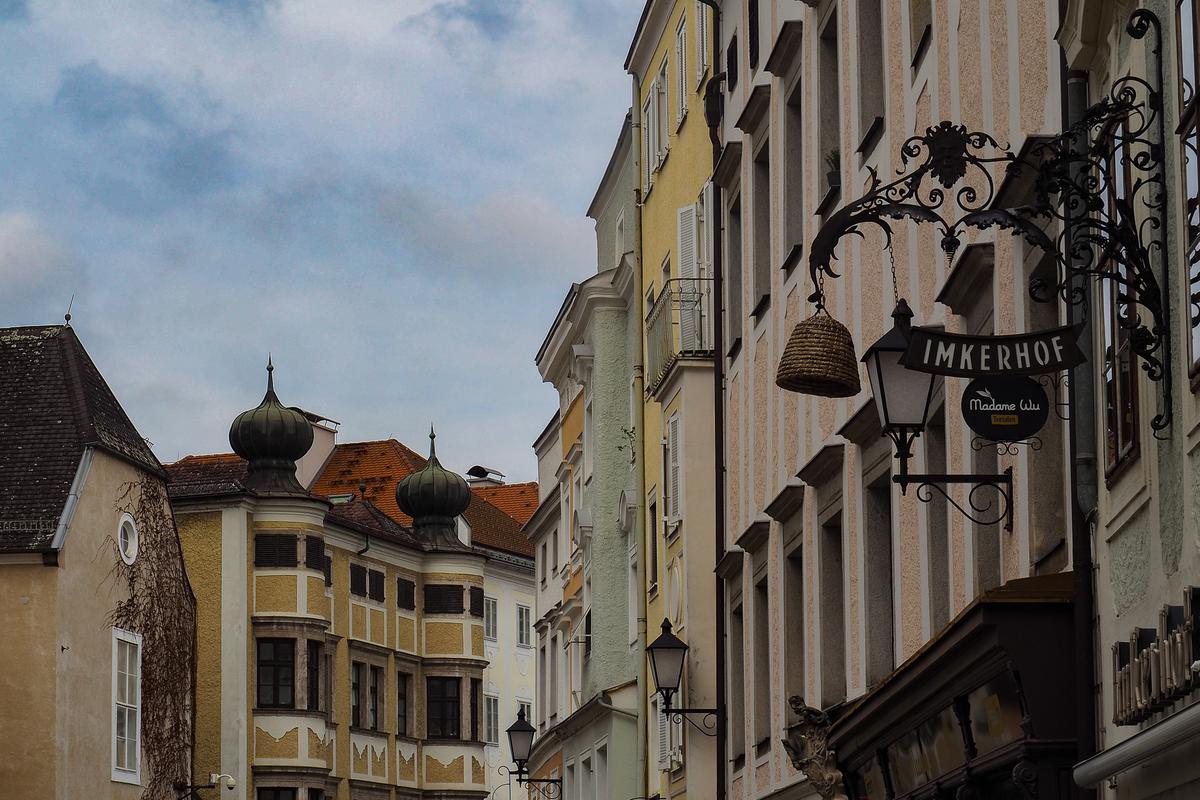
Linz Altstadt Austria historic architecture, cobblestone streets, charming European cityscape

City in Austria, EuropeUpdated

  • Overall8/10
  • Best forFamilies
  • PeakJul–Sep
  • CurrencyEUR

Linz gets overlooked for Vienna every time — which is exactly why it works. A UNESCO City of Media Arts with the world’s oldest cake recipe.

Travel guides for Linz

More guides featuring Linz (1)
Essentials

At a glance

Currency€ EURCode: EUR
Time zoneViennaEurope/Vienna
Languages
  • German
Setting
  • Urban cityscape
  • Danube River
  • Industrial heritage
  • Alpine foothills
Population207K206,595 residents
VisaDuration: Up to 90 days within any 180-day period in the Schengen Area · Documents: Valid passport issued within the last 10 years and valid for at least 3 months after planned departure, plus proof of accommodation, onward or return travel, and sufficient funds if requested
Daily budget$65–$400 / day Full budget guide →mid-range destination
Scorecard

How Linz scores

8/10OverallExcellent
Weather6/10
Value for money7/10
Food & cuisine8/10
Culture & arts9/10
Cultural experience9/10
History8/10
Nature & outdoors6/10
Adventure5/10
Nightlife6/10
Shopping7/10
Family friendly7/10
Romance7/10

Character

Photography score8/10
Authenticity score8/10
Off-the-beaten-path score6/10

Editorial scores on a 10-point scale, weighed against destinations of the same kind.

Safety

Travel safety snapshot

Overall88/100High rating
Women travellers86/100
LGBTQ+ travellers80/100
Theft80/100
Medical care88/100
Physical harm90/100
Political freedom85/100

SafePlace indicators use their source 100-point scale; higher is more favourable. Planning context, not a live travel advisory — check official government guidance before you go.

Seasonality

When to go

Best months to visit: May, June, July, August, September, October and December.

  1. January: -2.1 to 4 degrees Celsius, 58.3 millimetres of rain, best-time score 2 out of 5.
  2. February: -0.3 to 7.6 degrees Celsius, 49.2 millimetres of rain, best-time score 2 out of 5.
  3. March: 1.7 to 11.4 degrees Celsius, 51.1 millimetres of rain, best-time score 2 out of 5.
  4. April: 5.5 to 15.8 degrees Celsius, 56.6 millimetres of rain, best-time score 3 out of 5.
  5. May: 9.9 to 19.5 degrees Celsius, 94.2 millimetres of rain, best-time score 5 out of 5.
  6. June: 15.1 to 25.5 degrees Celsius, 84.3 millimetres of rain, best-time score 5 out of 5.
  7. July: 16.2 to 26.4 degrees Celsius, 88.2 millimetres of rain, best-time score 4 out of 5.
  8. August: 16.3 to 26.2 degrees Celsius, 94.2 millimetres of rain, best-time score 4 out of 5.
  9. September: 12.3 to 21.4 degrees Celsius, 82.7 millimetres of rain, best-time score 5 out of 5.
  10. October: 7.8 to 15.8 degrees Celsius, 54.1 millimetres of rain, best-time score 5 out of 5.
  11. November: 2.5 to 8.5 degrees Celsius, 58.9 millimetres of rain, best-time score 3 out of 5.
  12. December: -0.5 to 4.9 degrees Celsius, 67 millimetres of rain, best-time score 4 out of 5.
Month-by-month conditions and packing advice
January
Cold, occasional rain January in Linz: cold, dark winter conditions outside festive periods make outdoor plans less flexible. Crowds: January in Linz is workable with normal seasonal planning; build in layers, weather checks, and a mix of indoor and outdoor activities. Pack: Pack warm layers, a coat, and comfortable shoes for cold mornings and evenings.
February
Cold, occasional rain February in Linz: cold, dark winter conditions outside festive periods make outdoor plans less flexible. Crowds: February in Linz is workable with normal seasonal planning; build in layers, weather checks, and a mix of indoor and outdoor activities. Pack: Pack warm layers, a coat, and comfortable shoes for cold mornings and evenings.

March
Cool to mild, occasional rain March in Linz: cold, dark winter conditions outside festive periods make outdoor plans less flexible. Crowds: March in Linz is workable with normal seasonal planning; build in layers, weather checks, and a mix of indoor and outdoor activities. Pack: Pack warm layers, a coat, and comfortable shoes for cold mornings and evenings.
April
Cool to mild, occasional rain April in Linz: early spring or late fall is usable but more variable. Crowds: April in Linz is workable with normal seasonal planning; build in layers, weather checks, and a mix of indoor and outdoor activities. Pack: Pack layered clothing and comfortable walking shoes.
May
Cool to mild, some rain May in Linz: Danube walks, museums, Ars Electronica, cafes, cycling, and nearby day trips balance mild weather and culture. Crowds: May in Linz is workable with normal seasonal planning; build in layers, weather checks, and a mix of indoor and outdoor activities. Pack: Pack layered clothing and comfortable walking shoes. Add a rain jacket or compact umbrella.
June
Mild to warm, some rain June in Linz: Danube walks, museums, Ars Electronica, cafes, cycling, and nearby day trips balance mild weather and culture. Crowds: June in Linz is workable with normal seasonal planning; build in layers, weather checks, and a mix of indoor and outdoor activities. Pack: Pack light clothing, sun protection, and comfortable walking shoes. Add a rain jacket or compact umbrella.
July
Mild to warm, some rain July in Linz: summer or Advent timing can work well with heat, storms, or cold-weather planning. Crowds: July in Linz is workable with normal seasonal planning; build in layers, weather checks, and a mix of indoor and outdoor activities. Pack: Pack light clothing, sun protection, and comfortable walking shoes. Add a rain jacket or compact umbrella.
August
Mild to warm, some rain August in Linz: summer or Advent timing can work well with heat, storms, or cold-weather planning. Crowds: August in Linz is workable with normal seasonal planning; build in layers, weather checks, and a mix of indoor and outdoor activities. Pack: Pack light clothing, sun protection, and comfortable walking shoes. Add a rain jacket or compact umbrella.
September
Mild to warm, some rain September in Linz: Danube walks, museums, Ars Electronica, cafes, cycling, and nearby day trips balance mild weather and culture. Crowds: September in Linz is workable with normal seasonal planning; build in layers, weather checks, and a mix of indoor and outdoor activities. Pack: Pack layered clothing and comfortable walking shoes. Add a rain jacket or compact umbrella.
October
Cool to mild, occasional rain October in Linz: Danube walks, museums, Ars Electronica, cafes, cycling, and nearby day trips balance mild weather and culture. Crowds: October in Linz is workable with normal seasonal planning; build in layers, weather checks, and a mix of indoor and outdoor activities. Pack: Pack layered clothing and comfortable walking shoes.
November
Cold, occasional rain November in Linz: early spring or late fall is usable but more variable. Crowds: November in Linz is workable with normal seasonal planning; build in layers, weather checks, and a mix of indoor and outdoor activities. Pack: Pack warm layers, a coat, and comfortable shoes for cold mornings and evenings.
December
Cold, occasional rain December in Linz: summer or Advent timing can work well with heat, storms, or cold-weather planning. Crowds: December in Linz is workable with normal seasonal planning; build in layers, weather checks, and a mix of indoor and outdoor activities. Pack: Pack warm layers, a coat, and comfortable shoes for cold mornings and evenings.
Peak season
  • July
  • August
  • September
Off-peak
  • January
  • February
  • March
  • November
Overview

Know before you go

About

Linz is the capital of Upper Austria and the country’s third-largest city, set along the banks of the Danube River about 185 km west of Vienna. Founded by the Romans as Lentia in the 1st century, Linz later flourished as a medieval trading hub. It gained historical significance as an imperial residence in the 15th century and more recently reinvented itself as a center of technology and arts. In fact, Linz was named European Capital of Culture in 2009 and is a UNESCO “City of Media Arts” since 2014. This reflects its blend of historic charm and innovative culture: you’ll find cobblestone squares and Baroque churches alongside cutting-edge museums and media art installations. Linz is also famous for its Linzer Torte, a lattice-topped jam tart believed to be the oldest cake recipe in the world. Overall, Linz offers a relaxed yet vibrant atmosphere, where past and future meet on the Danube’s shores.

Best time to visit
Linz is a year-round city, though the Ars Electronica Festival (September) and summer months offer the richest experiences.

Spring (March-May)

Temperatures rise from 8-20°C (46-68°F). The Danube promenade comes alive with outdoor cafés. Easter markets appear on the Hauptplatz, and the cultural season picks up momentum.

Summer (June-August)

Warm highs of 23-28°C (73-82°F). Outdoor concerts along the Danube, the Pflasterspektakel street arts festival (July), and extended daylight for Pöstlingberg views. Peak tourist season but never overwhelming by Salzburg or Vienna standards.

Autumn (September-November)

The Ars Electronica Festival in September is the year’s cultural highlight, attracting global innovators. Temperatures cool to 8-18°C (46-64°F). Autumn foliage along the Danube and in the surrounding countryside is beautiful.

Winter (December-March)

Christmas markets on the Hauptplatz and in the Old Town bring warmth. Temperatures hover around -2 to 5°C (28-41°F). Indoor cultural attractions — the Ars Electronica Center, Lentos, and the Schlossmuseum — make winter visits rewarding.
Crowds

Linz peaks during summer festivals (June–September) and the Ars Electronica Festival in September, with increased weekend visitor numbers; quietest in winter months outside the Christmas market (January–February) — overall moderate, with spikes for events.

Logistics

Getting there and around

Getting there

Linz Hauptbahnhof sits on the main Vienna-Salzburg rail corridor. ÖBB trains from Vienna reach Linz in 1 hour 15 minutes, from Salzburg in 1 hour 10 minutes, and from Munich in approximately 2 hours 30 minutes. Linz Airport (LNZ) operates domestic and limited European flights; bus 601 connects it to the Hauptbahnhof. The nearest major international airports are Vienna (VIE, 185 km, 90 minutes by train) and Munich (MUC, 260 km). By car, Linz sits on the A1 (Westautobahn) between Vienna and Salzburg. FlixBus serves Linz from major European cities.

Getting around

Linz’s center is walkable, with the Hauptplatz, Lentos, and Ars Electronica within 15 minutes of each other on foot. Linz Linien operates an efficient tram and bus network; single tickets cost €2.70 and can be purchased from machines, the LINZmobil app, or from drivers. The Pöstlingbergbahn mountain tram is integrated into the public transport system. Day passes provide unlimited travel. The Danube cycling path runs through the city, with rental bikes available at several stations. Taxis are reliable but more expensive than public transport; Uber is not widely available.

Linz is the capital of Upper Austria and the country’s third-largest city, set along the banks of the Danube River about 185 km west of Vienna. Founded by the Romans as Lentia in the 1st century, Linz later flourished as a medieval trading hub. It gained historical significance as an imperial residence in the 15th century and more recently reinvented itself as a center of technology and arts.

In fact, Linz was named European Capital of Culture in 2009 and is a UNESCO “City of Media Arts” since 2014. This reflects its blend of historic charm and innovative culture: you’ll find cobblestone squares and Baroque churches alongside cutting-edge museums and media art installations. Linz is also famous for its Linzer Torte, a lattice-topped jam tart believed to be the oldest cake recipe in the world. Overall, Linz offers a relaxed yet vibrant atmosphere, where past and future meet on the Danube’s shores.

Curated picks

Top experiences in Linz

  1. Ars Electronica Center

    Dubbed the ‘Museum of the Future,’ this landmark institution occupies a striking glass building on the north bank of the Danube, its facade illuminated with programmable LED displays at night. Interactive exhibitions explore the intersection of art, technology, and society — visitors can experiment with artificial intelligence, robotics, virtual reality, and neuroscience. The Deep Space 8K room immerses audiences in ultra-high-definition projections. The annual Ars Electronica Festival in September draws artists, scientists, and technologists from around the world, positioning Linz as a global hub for digital culture.

  2. Pöstlingberg & Mountain Railway

    One of Europe’s steepest adhesion railways climbs 255 meters from the Danube valley floor to the summit of Pöstlingberg in 20 minutes. At the top, a panoramic terrace delivers sweeping views across Linz, the Danube, and on clear days, the Alpine foothills. The 18th-century Wallfahrtsbasilika (pilgrimage church) anchors the hilltop, while the Grottenbahn — a dwarf-themed fairy-tale grotto railway inside the hill — delights children. A zoo and restaurant complete the hilltop attractions. The mountain tram itself, running since 1898, is an experience in its own right.

  3. Lentos Art Museum

    A modernist glass-and-steel museum on the south bank of the Danube, the Lentos houses an impressive collection of 19th-century to contemporary art, including works by Klimt, Schiele, Kokoschka, and Warhol. The building’s translucent facade glows in shifting colors at night, creating a counterpoint to the Ars Electronica Center across the river. The sculpture terrace overlooking the Danube is a popular gathering spot. Temporary exhibitions consistently feature internationally significant contemporary artists, keeping the museum fresh for repeat visitors.

  4. Hauptplatz & Old Town

    The Hauptplatz is one of Austria’s largest main squares, dominated by the 20-meter Holy Trinity Column (Dreifaltigkeitssäule) erected in 1723 as a thanksgiving for surviving plague, fire, and Turkish invasion. Renaissance and Baroque facades line three sides, with cafés spilling onto the square in warm months. The surrounding Old Town offers narrow medieval lanes, specialty shops, and the imposing Mariendom (New Cathedral) — Austria’s largest church, whose intricate stained-glass windows filter colored light across a vast neo-Gothic interior.

  5. Mural Harbor

    Linz’s commercial harbor has been transformed into Central Europe’s largest open-air street art gallery. Over 100 large-scale murals by artists from around the world cover harbor walls, shipping containers, and industrial buildings. Guided boat tours through the harbor provide the best vantage points, combining art commentary with industrial-harbor atmosphere. New works are added annually, keeping the gallery in constant evolution. The juxtaposition of massive industrial infrastructure with vibrant contemporary murals captures Linz’s identity as a city that bridges heavy industry and cutting-edge culture.

Editor-curated picks carried over from our original guide. Where a full place guide exists, the card links to it.

Insider tips

Tips from the field

Highlights
  • Ars Electronica – World-leading museum of art, technology, and the future
  • Pöstlingberg – Panoramic views via one of Europe's steepest railways
  • Lentos Museum – Modern art in a glowing glass building on the Danube
  • Mural Harbor – 100+ street art murals in a working port
  • Hauptplatz – One of Austria's largest and most beautiful squares
  • Linzer Torte – The world's oldest cake recipe, baked since 1653
Best activities
  • The Ars Electronica Center's Deep Space 8K room is an essential Linz experience — book a scheduled session for the full immersive effect. Take the Pöstlingberg mountain railway for panoramic views and a visit to the pilgrimage church. Walk the Danube promenade between the Lentos and Brucknerhaus at dusk, when the buildings illuminate in shifting colors.
  • The Mural Harbor boat tour combines street art with industrial-port atmosphere in a unique way. Explore the Hauptplatz's cafés and visit the Mariendom for its stained-glass windows. Sample Linzer Torte at a traditional patisserie — K+K Hofbäckerei Brandl or Jindrak are local favorites. For day trips, the Mauthausen Memorial (20 km east) provides sobering historical context, while the Danube cycling path connects Linz to Passau and Vienna.
Local experiences
  • Visit the Ars Electronica Center on a weekday afternoon when you can spend unhurried time with the interactive exhibits. Take the Pöstlingbergbahn at sunset for golden light across the Danube valley. Have Kaffee und Kuchen (coffee and cake) at Jindrak, home of the original Linzer Torte recipe. Explore the Mural Harbor by boat for an alternative perspective on the city’s creative energy. Walk the Danube promenade between the Lentos and Brucknerhaus as both buildings illuminate at dusk.
Practical tips
  • Ars Electronica Center: Book Deep Space 8K sessions in advance; allow at least 3 hours for the full museum.
  • Pöstlingbergbahn: Included in Linz day transport passes; last tram descends around 10 PM.
  • Linzer Torte: Try it at Jindrak (multiple locations) or K+K Hofbäckerei Brandl for the authentic article.
  • Mural Harbor: Boat tours run seasonally (May-October); check schedules at the tourist office.
  • Mauthausen: A sobering but important day trip; allow 3-4 hours including transport.
  • Danube Cycling: The EuroVelo 6 path passes through Linz; bike rentals available at Donaupark.
Photography tips
  • The Ars Electronica Center's illuminated facade is most photogenic after dark, reflected in the Danube — shoot from the south bank near the Lentos. The Pöstlingberg summit provides the definitive panoramic cityscape, best in morning light. Mural Harbor works best with a telephoto to isolate individual murals against industrial textures. The Hauptplatz is clearest in early morning
  • the Dreifaltigkeitssäule column against Baroque facades makes a strong vertical composition. The Danube promenade at blue hour, with both museum buildings glowing, is Linz’s most iconic image.
Keeping it authentic
  • Linz is refreshingly unpolished for an Austrian city — its identity doesn't rely on imperial nostalgia or mountain postcard perfection. The city's honest engagement with its industrial past and its WWII history (including the nearby Mauthausen memorial) gives it depth. The Ars Electronica Center emerged from a genuine cultural movement, not tourism marketing, and continues to attract actual practitioners rather than just visitors. The Linzer Torte, documented since 1653, is the world's oldest known cake recipe and is still baked by local patisseries using the original almond-lattice formula. The student and creative communities that cluster around the university and Tabakfabrik cultural hub keep the city's cultural output genuine and evolving.
Context

Culture, customs and safety

Cultural heritage

Linz represents the cultural transformation of Austrian industrial heritage into contemporary European cultural capital, where Danube river commerce, steel industry development, and digital arts innovation created a unique model of industrial city cultural renaissance. The city preserves traditional Austrian Danube culture while pioneering electronic arts and serving as European Capital of Culture, demonstrating successful urban cultural transformation. Linz cultural heritage encompasses Danube river trading traditions, Austrian industrial heritage, electronic arts innovation, and contemporary European cultural leadership that continues to influence post-industrial urban development and digital cultural expression throughout Europe.

Local customs & etiquette

Greet with ‘Grüß Gott’ (God greet you) — the Austrian form preferred over the German ‘Guten Tag.’ Coffee culture runs deep: a traditional Kaffeehaus visit involves sitting for an extended period over a single Melange (Viennese-style coffee); rushing is frowned upon. When visiting the Mariendom or any church, dress modestly. Linzer Torte is the essential local specialty — accept an offered slice. Tipping 5-10% is standard at restaurants. Shops close on Sundays, though restaurants, cafés, and the Ars Electronica Center remain open.

Safety notes

Linz is a safe Austrian city with low crime rates. As with most Central European cities, the area around the Hauptbahnhof can feel less welcoming late at night, but the historic center and Danube promenade are well-lit and safe at all hours. Standard precautions apply — be aware of belongings in crowded areas. Emergency services are excellent; dial 112 for emergencies or 144 for ambulance. The Kepler Universitätsklinikum is a major teaching hospital within the city. Pharmacies (Apotheken) are found throughout the center.

Updated Data: Editorial research · SafePlace safety indicators