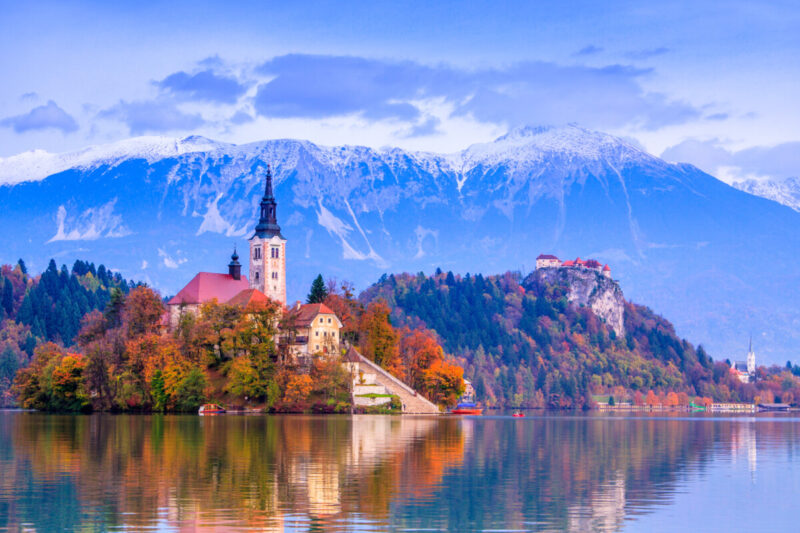
Europe’s greenest capital showcasing Jože Plečnik’s distinctive 20th-century architectural renovation blending Baroque and Modernist styles along pedestrianized Ljubljanica riverbanks. Ljubljana Castle’s 900-year hilltop presence offering breathtaking panoramic city views via maintained footpaths or funicular rides to lookout tower and walls overlooking this green-souled Central European gem. Dragon Bridge’s four sheet-copper dragon sculptures standing guard at each end of Slovenia’s first reinforced concrete structure (1990s)—109 feet long yet among Europe’s largest bridges of its type, where “you haven’t really visited Ljubljana” without photography beneath these legendary guardians. Tivoli Park’s vast green escape stretching to Rožnik and Šiška hills via 19th-century landscaping blending French-inspired gardens with wooded areas, centered around majestic Baroque Tivoli Castle housing the International Centre for Graphic Arts. Thousands of cultural events across this compact pedestrian paradise where medieval castle heritage meets contemporary green urbanism, creating the perfect treasure of castles, idyllic lakes, caves, and sustainable city planning waiting to be discovered in Slovenia’s fairytale dragon capital.
The destination guide
Ljubljana
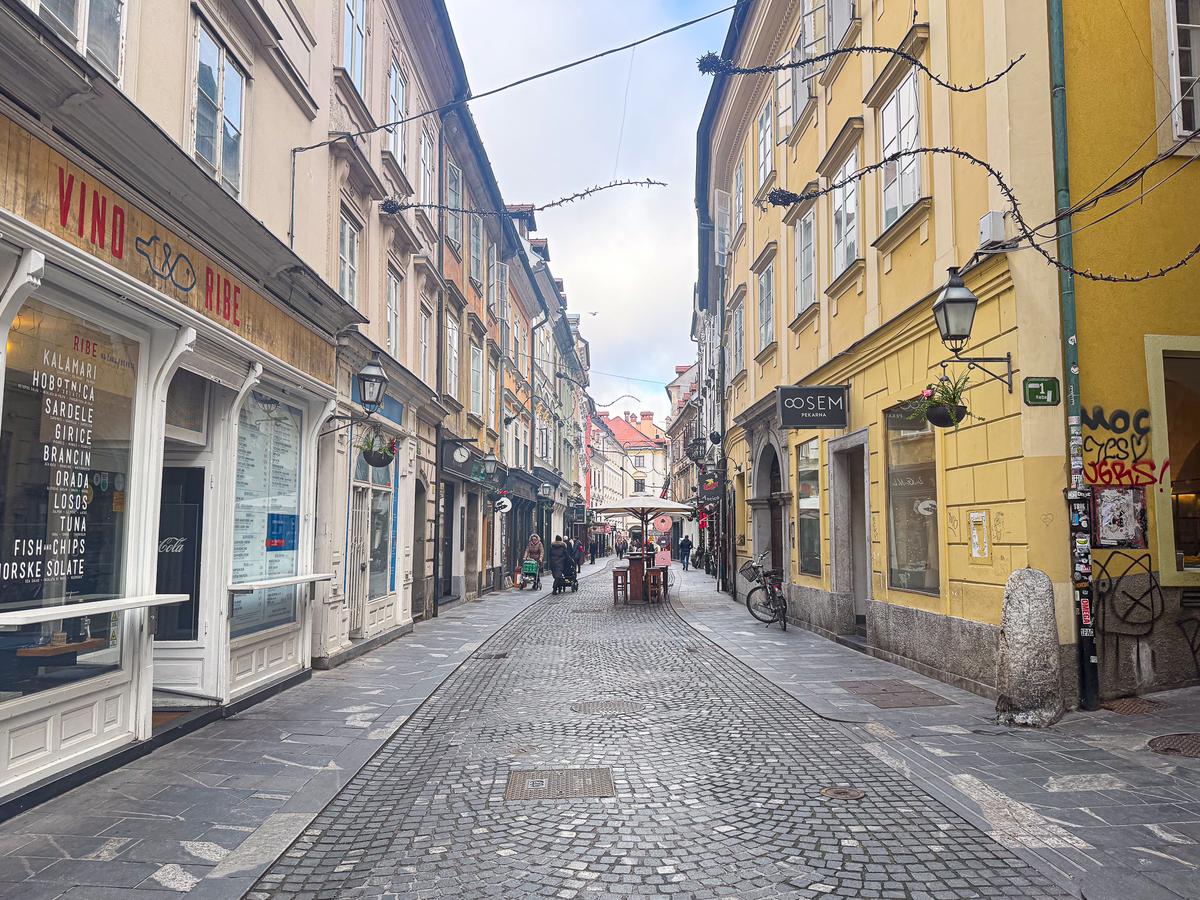
Ljubljana Castle is worth the walk up — skip the funicular. The Dragon Bridge selfie is mandatory, the Plečnik details are the real reward.
Travel guides for Ljubljana
More guides featuring Ljubljana (4)
At a glance
- Slovene
- Urban cityscape
- Ljubljanica River
- Castle hilltop
- Alpine edge
How Ljubljana scores
Editorial scores on a 10-point scale, weighed against destinations of the same kind.
Travel safety snapshot
SafePlace indicators use their source 100-point scale; higher is more favourable. Planning context, not a live travel advisory — check official government guidance before you go.
When to go
Best months to visit: April, May, June, July, August, September and October.
- January: -2.3 to 3.3 degrees Celsius, 8.3 millimetres of rain, best-time score 2 out of 5.
- February: -2.2 to 5.4 degrees Celsius, 11.7 millimetres of rain, best-time score 2 out of 5.
- March: 0.9 to 10 degrees Celsius, 9.7 millimetres of rain, best-time score 3 out of 5.
- April: 5.3 to 15.4 degrees Celsius, 17.9 millimetres of rain, best-time score 4 out of 5.
- May: 7.8 to 16.6 degrees Celsius, 104.9 millimetres of rain, best-time score 5 out of 5.
- June: 12.8 to 23.8 degrees Celsius, 14.4 millimetres of rain, best-time score 5 out of 5.
- July: 14.8 to 26.4 degrees Celsius, 27.1 millimetres of rain, best-time score 4 out of 5.
- August: 15 to 27.3 degrees Celsius, 24.3 millimetres of rain, best-time score 4 out of 5.
- September: 12 to 21.7 degrees Celsius, 32.5 millimetres of rain, best-time score 5 out of 5.
- October: 6.9 to 14.2 degrees Celsius, 61.1 millimetres of rain, best-time score 4 out of 5.
- November: 4.2 to 9.7 degrees Celsius, 4.4 millimetres of rain, best-time score 3 out of 5.
- December: -0.7 to 4.3 degrees Celsius, 28.1 millimetres of rain, best-time score 3 out of 5.
Month-by-month conditions and packing advice
- January
- Cold weather, mostly dry January in Ljubljana: deep winter cold makes outdoor-heavy plans less comfortable. Crowds: January represents Ljubljana’s low travel season, offering quiet streets, reduced hotel rates, and easier access to museums, galleries, and historic sites without the bustle of summer tourists. Cold conditions can limit extended outdoor activities, but the city’s walkable center and plentiful indoor attractions make it manageable with proper clothing. Winter festivals and events, including Christmas lights still lingering into early January, lend cultural depth to a visit. While alpine excursions are within easy reach, snowy conditions in the surrounding countryside may require advance planning and weather flexibility. Budget-conscious travelers benefit most this month, though those sensitive to cold should prepare for brisk air and early nightfall. Pack: Insulated winter coat with windproof outer layer; Thermal base layers for warmth under clothes; Waterproof boots with good grip for icy streets; Wool hat and gloves to protect against the chill; Scarf for added insulation in damp cold air; Smart casual attire for indoor cultural venues and dining
- February
- Cold weather, mostly dry February in Ljubljana: deep winter cold makes outdoor-heavy plans less comfortable. Crowds: Traveling to Ljubljana in February means embracing its quiet, off-season atmosphere. Cold weather and limited daylight hours deter large crowds, so visitors benefit from lower accommodation rates and more relaxed access to cultural landmarks and cafés. The city is particularly rewarding for travelers seeking authenticity and solitude, as major sites like Prešeren Square and the riverside promenades remain largely free of tourist traffic. Winter festivals and indoor cultural programming, including concerts and museum exhibitions, provide warmth and activity despite the outdoor chill. Outdoor pursuits in the nearby Alps—such as skiing or snowshoeing—are easily accessible for day trips. The main tradeoff is that some al fresco dining and boat rides are unavailable, but the cozy winter ambiance more than compensates. Booking flexibility is high, making this a cost-effective yet rewarding time to visit. Pack: Insulated winter coat suitable for freezing conditions; Warm hat, scarf, and thermal gloves; Water-resistant boots with good traction for icy streets; Layered sweaters and thermal base layers; Compact umbrella for occasional light rain or snow; Smart casual attire for concerts and cultural venues
- March
- Cool weather, mostly dry March in Ljubljana: cooler weather shifts the trip toward museums, cafes, and shorter outdoor days. Crowds: March sits in the shoulder season for Ljubljana travel, with far fewer crowds than the summer tourist surge. Accommodation prices are more favorable, and cultural attractions such as museums and galleries are fully accessible without long waits. Outdoor exploration is pleasant if visitors are prepared for cool air, particularly in the mornings and evenings. Café culture is beginning to re-emerge as locals venture onto terraces on sunny days, offering a glimpse of Slovenian daily life. Hiking trails in nearby hills are often muddy but still walkable, and day trips to the Julian Alps may still involve snow. Overall, March provides a quieter, budget-friendlier window to experience Ljubljana before peak season arrives in late spring. Pack: Layered clothing including sweaters and a light jacket; Water-resistant walking shoes for damp or muddy conditions; Compact travel umbrella for occasional rain; Scarf and gloves for chilly mornings and evenings; Smart casual attire for museums and cultural venues; Camera gear for capturing soft spring light over the city
- April
- Cool weather, mostly dry April in Ljubljana: conditions remain rewarding with summer events or shoulder-season layers. Crowds: April marks the shoulder season in Ljubljana, when crowds remain moderate and prices for accommodation and tours are more favorable compared to the summer peak. The weather is cool but increasingly pleasant, creating excellent conditions for city exploration, outdoor dining, and cultural events such as spring art festivals. While not warm enough for swimming or mountain excursions at high altitude, it’s a rewarding time for visiting museums, taking river cruises, and strolling through markets without heavy congestion. Advance booking is less urgent, though securing centrally located stays early ensures better value. This period provides an optimal balance of accessibility, atmosphere, and affordability for travelers seeking cultural depth without peak-season bustle. Pack: Light jacket for cool mornings and evenings; Comfortable waterproof walking shoes; Compact umbrella or light rain jacket; Layered clothing for variable spring temperatures; Scarf for added warmth in breezy conditions; Smart-casual attire for cafés and cultural venues
- May
- Cool weather, some rain May in Ljubljana: riverside cafes, castle views, old-town walks, markets, parks, and Slovenia day trips balance mild weather and long days. Crowds: May represents shoulder season in Ljubljana, striking a balance between comfortable weather and manageable crowd levels. While rain is common, it does not deter exploration; in fact, the showers enhance the city’s romantic appeal. Tourist activity increases compared to winter, but it is not yet at the summer peak, meaning attractions such as Ljubljana Castle, the Central Market, and riverside cafés are lively without being overcrowded. Hotel pricing remains moderate before high-season surges in June and July. Outdoor festivals and cultural events begin to reappear on the calendar, creating opportunities to experience the city’s arts scene in pleasant spring conditions. Travelers should plan flexible itineraries to accommodate rain breaks but can expect rewarding days filled with both cultural depth and scenic exploration. Pack: Waterproof jacket with hood for frequent showers; Comfortable waterproof walking shoes; Compact umbrella for city exploration; Layered clothing for cool mornings and mild afternoons; Light scarf for added warmth and cultural sites; Daypack with waterproof cover for carrying essentials
- June
- Warm and pleasant, mostly dry June in Ljubljana: riverside cafes, castle views, old-town walks, markets, parks, and Slovenia day trips balance mild weather and long days. Crowds: June marks the start of Ljubljana’s peak travel season, coinciding with early summer festivals, outdoor concerts, and bustling café culture. Warm yet manageable temperatures make it an ideal month for exploring both the historic city center and nearby nature spots like Lake Bled or Šmarna Gora. Tourist numbers rise steadily, though they are not yet at July–August highs, allowing for vibrant but not overwhelming city life. Accommodation and flight prices begin to climb, so early booking is recommended. The reliable weather makes walking tours, river cruises, and open-air events particularly appealing, while cooler nights offer comfort after long days outdoors. This is a prime month for travelers who want a balance of festive atmosphere and manageable crowd levels. Pack: Breathable cotton shirts for daytime comfort; Light jacket or cardigan for cooler evenings; Comfortable walking shoes for cobblestone streets; Compact umbrella for occasional showers; Stylish but modest outfit for cultural sites; Reusable water bottle to stay hydrated outdoors
- July
- Warm and pleasant, some rain July in Ljubljana: conditions remain rewarding with summer events or shoulder-season layers. Crowds: July marks Ljubljana’s peak summer season, drawing both international travelers and regional visitors to its festivals and cultural calendar. The pleasant balance of warm days and cooler nights makes this period excellent for city walking tours, cycling, and day trips to Lake Bled or the Julian Alps. Outdoor cafés and riverfront dining thrive, but travelers should expect higher accommodation prices and fuller reservations across central hotels. While rainfall is modest, carrying a compact umbrella ensures sightseeing isn’t disrupted. Advance booking for accommodations and popular attractions is strongly advised. For budget-conscious visitors, staying slightly outside the city center can help offset elevated midsummer costs while still enjoying prime weather conditions. Pack: Light cotton or linen clothing for daytime warmth; Compact umbrella or light rain jacket for summer showers; Comfortable walking sandals or sneakers for city exploration; Light sweater or jacket for cooler evenings; Sun hat and SPF 30+ sunscreen for daytime protection; Smart-casual outfit for evening concerts or cultural events
- August
- Warm and pleasant, mostly dry August in Ljubljana: conditions remain rewarding with summer events or shoulder-season layers. Crowds: August represents peak tourist season in Ljubljana, coinciding with summer holidays across Europe. Outdoor activities such as cycling, river kayaking, and day trips to Lake Bled or Postojna Cave are at their best. While weather conditions are excellent, expect higher accommodation rates and bustling crowds in central areas and popular attractions. Cultural programming is particularly rich this month, with outdoor festivals and performances benefiting from the long, warm evenings. Travelers should book lodging and tickets well in advance, as demand is high during this final stretch of summer. For those seeking a quieter experience, mornings and late evenings are the best times to enjoy the city’s highlights with fewer crowds. Pack: Lightweight summer clothing such as shorts and breathable tops; A light jacket or sweater for cooler evenings; Comfortable walking shoes for cobblestone streets; Reusable water bottle to stay hydrated during warm days; Compact umbrella or light rain jacket for occasional showers; Smart-casual attire for cultural events and dining
- September
- Warm and pleasant, some rain September in Ljubljana: riverside cafes, castle views, old-town walks, markets, parks, and Slovenia day trips balance mild weather and long days. Crowds: September represents one of the most rewarding times to visit Ljubljana. The peak summer crowds have thinned, yet the city’s cultural calendar remains active, with open-air concerts and early autumn festivals enlivening the streets. Accommodation prices typically ease compared to July and August, though weekends can still draw short-break visitors. Weather conditions are excellent for walking tours of the Old Town, day trips to Lake Bled, and cycling along the Ljubljanica River paths. Rainfall is light and scattered, meaning most activities proceed uninterrupted. Outdoor dining remains appealing, though evenings may require an extra layer as temperatures drop after sunset. For travelers seeking balance—pleasant conditions, cultural vibrancy, and manageable crowds—this is an optimal month to experience Ljubljana without the intensity of high summer tourism. Pack: Light jacket or cardigan for cooler evenings; Comfortable walking shoes with good grip for cobblestone streets; Compact travel umbrella for occasional showers; Breathable shirts and trousers for mild daytime temperatures; Reusable water bottle for city exploration; Smart-casual attire for cultural events and local dining
- October
- Cool weather, some rain October in Ljubljana: conditions remain rewarding with summer events or shoulder-season layers. Crowds: October marks the shoulder season in Ljubljana, when summer crowds thin out and the city regains its slower local rhythm. The cooler weather and intermittent rain may deter some outdoor activities, but this creates a quieter atmosphere at attractions like Ljubljana Castle, riverside cafés, and the city’s galleries. Accommodation prices tend to ease compared to summer highs, offering good value for longer stays. It’s an excellent time for cultural travelers, with autumn festivals and a lively café scene providing warmth against the damp chill. Hiking in nearby hills is still possible, though paths may be slippery after rainfall. Visitors should plan for flexibility in their itineraries, mixing outdoor exploration with indoor cultural immersion. Booking in advance isn’t critical, but securing accommodation near the old town helps maximize comfort during variable autumn weather. Pack: Waterproof jacket with hood for rain protection; Layered clothing including sweaters and long sleeves; Comfortable waterproof walking shoes for cobblestones; Compact umbrella for sudden showers; Warm scarf and hat for chilly mornings and evenings; Smart casual attire for cultural events and indoor dining
- November
- Cool weather, mostly dry November in Ljubljana: cooler weather shifts the trip toward museums, cafes, and shorter outdoor days. Crowds: November represents shoulder season in Ljubljana, when the city shifts from autumnal charm toward winter quiet. Fewer tourists visit during this period, meaning historic attractions like Ljubljana Castle, Plečnik’s architectural gems, and riverside cafés are pleasantly uncrowded. Hotel prices and airfares tend to be lower compared to the summer and December holiday peaks, making it a good time for budget-conscious travelers. Outdoor sightseeing is still feasible with proper layers, though early sunsets and cooler evenings favor cultural experiences such as gallery visits, classical concerts, and sampling seasonal Slovenian cuisine. Those seeking festive markets may prefer to wait until December, but November offers an authentic, unhurried atmosphere where the local pace of life becomes more apparent. Pack: Warm layered clothing including sweaters and long-sleeve shirts; Water-resistant jacket for misty mornings and light drizzle; Comfortable waterproof walking shoes for cobblestone streets; Scarf, gloves, and hat for chilly evenings; Compact umbrella for unexpected showers; Smart casual attire for indoor cultural events and dining
- December
- Cold weather, some rain December in Ljubljana: cooler weather shifts the trip toward museums, cafes, and shorter outdoor days. Crowds: December marks the heart of Ljubljana’s winter season, coinciding with the city’s vibrant holiday festivities. While temperatures are cold, the enchanting Christmas lights, markets, and seasonal events draw both locals and visitors, making this one of the liveliest months of the year. Accommodation prices tend to rise around the holidays, and central squares can feel crowded, particularly in the evenings. Outdoor activities like walking tours or castle visits are best enjoyed during daylight, while cozy cafés and mulled wine stalls provide warmth after dark. Ski slopes in the nearby Julian Alps open for the season, making Ljubljana a convenient base for winter sports enthusiasts. Travelers should plan for early bookings during the festive period and prepare for potential fog or rain that may slightly limit visibility. Pack: Insulated winter coat suitable for freezing temperatures; Waterproof boots with good grip for wet or icy streets; Thermal base layers for added warmth; Compact umbrella for rainy spells; Wool hat, scarf, and gloves for cold evenings; Dressy yet warm outfit for Christmas market evenings
Know before you go
Best time to visit
May and September offer the best balance of pleasant weather (15-24°C), manageable visitor numbers, and reasonable hotel prices. Summer (June-August) is warm (25-30°C) but the peak tourist season with higher prices. October delivers autumn foliage with fewer crowds, though it is the wettest month. Winter is cold but quiet, with lower prices except during the holiday period.
Season by season
Summer (June-Aug):
Weather: 20-30°C, sunny
Highlights: Open Kitchen (Food market)
Best For: River cafes
Spring (April-May):
Weather: 10-20°C, blooming
Highlights: Green city
Best For: Walking
Fall (Sept-Oct):
Weather: 10-18°C, colorful
Highlights: Wine festivals
Best For: Food
Winter (Dec-Feb):
Weather: -2 to 5°C, snowy/cold
Highlights: December lights
Best For: Festive atmosphere
Crowds
Ljubljana is busiest in summer (June–August) and during major festivals (e.g., Ljubljanica River festivals), with the compact Old Town often crowded; quietest in late autumn and winter (November–February), offering low to moderate overall tourist levels.
Getting there and around
Getting there
Ljubljana Jože Pučnik Airport (LJU) is 26 km north of the city, with shuttle and taxi connections (25-30 minutes). The main train station sits near the city center with services from Zagreb, Vienna, Munich, Venice, and Budapest. The bus station is adjacent to the train station. Driving from Venice or Trieste takes 2.5 to 3.5 hours, although parking and city-center traffic make cars impractical for city exploration.
Getting around
Ljubljana is compact and pedestrian-friendly — the entire historic center is walkable within 20 minutes. The LPP bus system is efficient; rides cost €1.30 with a 90-minute transfer window (requires an Urbana card or contactless payment; no cash accepted on buses). BicikeLJ bike-sharing offers the first hour free. Free electric vehicles called Kavalir operate in the pedestrianized center for those with mobility needs. Taxis are available, and pre-ordering by phone usually results in lower rates.
Top experiences in Ljubljana
Ljubljana Castle
The castle watching over the city from the hill. You can take a funicular up or hike. It offers sweeping views. Visit the Museum of Puppetry inside (puppetry is huge here). It is the crown of the capital.
Dragon Bridge
A cluster of three bridges crossing the Ljubljanica River. Designed by Jože Plečnik, the city’s architect. It connects the medieval town with the modern city. It is always full of pedestrians and street musicians. It is the heart of Ljubljana.
Triple Bridge & Prešeren Square
An Art Nouveau bridge guarded by four fierce copper dragons. Legend says the dragons wag their tails when a virgin crosses. It is the symbol of the city. The dragon is the city mascot (referencing Jason and the Argonauts).
Central Market
The city’s largest park. It stretches right into the city center. It has wide promenades (designed by Plečnik), gardens, and open-air exhibitions. It is the green lung where locals jog, walk dogs, and relax.
Metelkova City
An open-air market designed by Plečnik. It runs along the river. You can buy fresh fruit, vegetables, cheese, and flowers. On Fridays, the ‘Open Kitchen’ (Odprta Kuhna) food market takes over, with chefs from top restaurants serving street food.
Editor-curated picks carried over from our original guide. Where a full place guide exists, the card links to it.
Worth booking ahead in Ljubljana
Hand-picked from the operators our guides already send readers to. Prices and availability are live on the partner site.
BrowseViator
Tours and tickets in Ljubljana on Viator (opens Viator in a new tab)
Viator's full list of bookable tours and tickets in Ljubljana.
BrowseGetYourGuide
Experiences in Ljubljana on GetYourGuide (opens GetYourGuide in a new tab)
Everything GetYourGuide sells in Ljubljana, with the cancellation terms on each listing.
Where to stayBooking.com
Stays in Ljubljana (opens Booking.com in a new tab)
Live rates and availability for Ljubljana on Booking.com; filter by neighbourhood once you know where your days start.
We earn a commission if you book through these links, at no extra cost to you. It is how we keep the guides free and independent.
Where to stay
InterContinental Ljubljana
Slovenska cesta 59, 1000 Ljubljana, Slovenia
The tallest hotel in Ljubljana. It offers modern luxury and commanding views of the city and the Alps. The rooftop restaurant ‘B-Restaurant’ is a highlight. It is sleek, spacious, and located a short walk from the Old Town.
Lesar Hotel Angel
Miklošičeva cesta 1, 1000 Ljubljana, Slovenia
An Art Nouveau landmark built in 1905. It is grand and historic, famous for its Grand Union Café where intellectuals used to meet. It is located right next to Prešeren Square and the Triple Bridge. It exudes old-world charm.
Zlata Ladjica Boutique Hotel
Jurčičev trg 1, 1000 Ljubljana, Slovenia
A historic boutique hotel right on the riverbank in the Old Town. It is housed in one of the oldest buildings in the city. Each room is unique, inspired by Slovenian stories. It is intimate, charming, and perfectly located for exploring on foot.
Editor-curated stays carried over from our original guide. Where we have reviewed the hotel, the card links to the review.
Tips from the field
Highlights
- Ljubljana Castle — Hilltop fortress with funicular access and panoramic views. Dragon Bridge — Art Nouveau icon with four dragon sculptures. Triple Bridge — Plečnik's elegant triple crossing connecting Prešeren Square to the Old Town. Central Market — Fresh local produce and Slovenian culinary specialties. Metelkova City — Former military barracks turned alternative cultural hub. Tivoli Park — Largest green space with forest trails.
Best activities
- Take the funicular to the Castle. Drink coffee by the river. Take a selfie with a Dragon Bridge dragon. Eat at 'Odprta Kuhna' on a Friday. Walk through Tivoli Park. Visit the Metelkova Art Center (alternative culture). Stand-up paddleboard on the river.
Local experiences
- Ride the funicular up to Ljubljana Castle for panoramic views over the car-free Old Town and Julian Alps foothills. Stroll along the Ljubljanica River and stop at riverside cafés beneath the colonnades of Plečnik's iconic Triple Bridge and Dragon Bridge. Explore Metelkova Mesto, a former military barracks turned alternative culture hub with street art, underground clubs, and live music. Browse the Open Kitchen (Odprta Kuhna) Friday street food market in Pogačarjev trg, where local chefs serve everything from štruklji (rolled dumplings) to grilled Karst prosciutto. Canoe or stand-up paddleboard on the Ljubljanica through the heart of the city for a perspective few visitors experience. Visit the Central Market designed by Jože Plečnik and sample local honey, pumpkin seed oil, and mountain cheese from Slovenian farmers.
Practical tips
- The Urbana card is essential for bus travel — no cash accepted. Buy it at tourist information centers, kiosks, or Urbanomat machines. Ljubljana Castle is reachable by funicular or a scenic 15-minute walk. The Central Market operates Tuesday to Saturday (mornings are best). Open Kitchen street food market runs Fridays from mid-March to October. Many restaurants close on Mondays. Slovenia uses the Euro. Tap water is excellent throughout the country.
Photography tips
- Golden Hour: Sunset from the Castle tower looking down at the red roofs.
- Iconic Shots:
- The Dragon Bridge statues (close up).
- The Triple Bridge and the pink Franciscan Church.
- Reflections in the Ljubljanica River.
- The view from Nebotičnik Skyscraper bar.
- Robba Fountain.
- Technique: Ljubljana is very green and colorful; use a standard zoom for architecture and street scenes.
Timing
- Peak Season (July-Aug):
- Lively, warm
- Shoulder Season (May-June, Sept):
- Best weather, green
- Low Season (Nov-March):
- Cold but cozy
Keeping it authentic
- Ljubljana is relaxed, green, and incredibly livable. It was the European Green Capital 2016. Locals love their coffee and outdoor dining. It feels like a small town but has the culture of a capital. English is widely spoken.
Culture, customs and safety
Cultural heritage
Ljubljana represents the cultural heart of Slovenian identity and Central European bridge culture, where Habsburg architectural heritage, Slovene literary traditions, and contemporary European cultural synthesis created one of Europe most charming small capitals. The city preserves traditional Slovenian customs while embracing environmental consciousness and cultural innovation that defines modern Slovenian values. Ljubljana cultural heritage encompasses Slovenian linguistic and literary traditions, Habsburg Central European culture, environmental leadership, and contemporary European small-nation cultural identity that continues to influence Central European cultural development and sustainable urban living practices.
Local customs & etiquette
Ljubljana embraces a relaxed café culture with outdoor terraces lining the river embankments year-round. The dragon symbol appears everywhere as the city’s protector from legend. Slovenian pride in nature translates to outdoor enthusiasm – hiking and skiing are national pastimes. The language includes dual grammatical form unique in Slavic languages, though English proficiency is excellent. Wine culture thrives with local varieties from nearby regions. The architect Jože Plečnik’s vision defines the city’s aesthetic with his bridges, market, and riverbanks. Friday Kitchen food market brings together Ljubljana’s culinary scene. Environmental consciousness is genuine with recycling, local food, and green spaces prioritized. The small capital maintains an intimate, liveable atmosphere.
Safety notes
Ljubljana is one of Europe’s safest capitals with consistently low crime rates. Petty crime like pickpocketing is uncommon but possible in crowded tourist areas. Public transport is safe. There are no dangerous neighborhoods for tourists. Standard precautions apply. Emergency: 112.