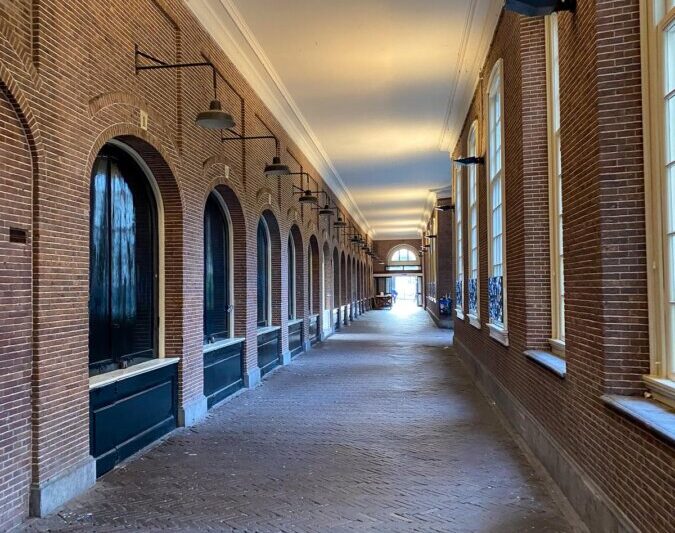
The Loire Valley, known as the “Garden of France,” is famous for its stunning châteaux, vineyards, and picturesque landscapes. This UNESCO World Heritage site offers a blend of history, culture, and gastronomy. Visitors can explore majestic castles like Château de Chambord and Château de Chenonceau, while indulging in the region’s exquisite wines and local cuisine.
The destination guide
Loire Valley

The Loire Valley has over 300 châteaux along a river that French kings chose as their backyard — Chambord, Chenonceau, and wine estates between every castle.
Travel guides for Loire Valley
More guides featuring Loire Valley (6)
At a glance
Currency€ EURCode: EUR
Time zoneCentral European Time
Languages
- French
Setting
- River valley
- Château countryside
- Vineyard landscapes
- Garden estates
Known for
- Renaissance architecture
- French royalty and nobility
- Horticulture and garden design
- Wine and gastronomy
Population300K300,000 residents
VisaDuration: Up to 90 days within any 180-day period in the Schengen Area · Documents: Valid passport issued within the last 10 years and valid for at least 3 months after planned departure, plus proof of accommodation, onward or return travel, and sufficient funds if requested
How Loire Valley scores
6/10OverallFair
Weather7/10
Value for money7/10
Safety8/10
Food & cuisine9/10
Culture & arts6/10
Cultural experience9/10
History10/10
Nature & outdoors8/10
Adventure4/10
Nightlife5/10
Shopping6/10
Family friendly5/10
Romance9/10
Character
Photography score9/10
Authenticity score10/10
Off-the-beaten-path score7/10
Editorial scores on a 10-point scale, weighed against destinations of the same kind.
Travel safety snapshot
Overall90/100High rating
Women travellers88/100
LGBTQ+ travellers90/100
Theft75/100
Medical care90/100
Physical harm92/100
Political freedom85/100
SafePlace indicators use their source 100-point scale; higher is more favourable. Planning context, not a live travel advisory — check official government guidance before you go.
When to go
Best months to visit: April, May, June, September and October.
- January: 1.4 to 7.6 degrees Celsius, 23.8 millimetres of rain, best-time score 2 out of 5.
- February: 3 to 10.3 degrees Celsius, 8.7 millimetres of rain, best-time score 2 out of 5.
- March: 4.4 to 13 degrees Celsius, 8.4 millimetres of rain, best-time score 3 out of 5.
- April: 5.6 to 14.8 degrees Celsius, 9.2 millimetres of rain, best-time score 4 out of 5.
- May: 7.5 to 16.5 degrees Celsius, 11.1 millimetres of rain, best-time score 5 out of 5.
- June: 12.1 to 20.5 degrees Celsius, 13 millimetres of rain, best-time score 5 out of 5.
- July: 13 to 23.6 degrees Celsius, 5.9 millimetres of rain, best-time score 3 out of 5.
- August: 13.6 to 24.1 degrees Celsius, 3.7 millimetres of rain, best-time score 3 out of 5.
- September: 11.8 to 22 degrees Celsius, 24.3 millimetres of rain, best-time score 5 out of 5.
- October: 8.6 to 15.6 degrees Celsius, 13.5 millimetres of rain, best-time score 4 out of 5.
- November: 6.2 to 12.4 degrees Celsius, 25.4 millimetres of rain, best-time score 3 out of 5.
- December: 2.9 to 8.7 degrees Celsius, 26.6 millimetres of rain, best-time score 2 out of 5.
Month-by-month conditions and packing advice
- January
- Cold weather, mostly dry January in the Loire Valley: cold and damp with many chateaux closed for winter restoration, a poor time to visit. Crowds: January marks the low tourist season in the Loire Valley, which translates into fewer crowds at major attractions like Château de Chambord or Chenonceau. While the gardens are dormant, the interiors of castles and museums remain open and uncrowded, allowing more intimate exploration. Accommodation and travel prices are generally lower, offering excellent value for visitors. However, reduced daylight and chilly conditions limit outdoor exploration, so the month is best suited for travelers interested in cultural immersion, culinary experiences, and cozy wine tastings rather than extended outdoor activities. Advance booking is not essential, but checking opening times is important, as some smaller sites may operate reduced hours during winter. Pack: Warm insulated coat for cold days; Water-resistant shoes for damp conditions; Wool scarf and gloves for added warmth; Layered clothing for temperature shifts indoors; Umbrella or compact rain jacket; Smart casual attire for winery visits and château dining
- February
- Cool weather, mostly dry February in the Loire Valley: still cold, wet and quiet with reduced chateau hours and bare gardens. Crowds: February sits firmly in the Loire Valley’s low season, offering a quieter and more affordable experience for visitors. While outdoor vineyard tours are less active, cultural exploration thrives with castle visits, small museums, and hearty regional cuisine. Accommodation rates are lower, and booking flexibility is much greater compared to spring and summer. Travelers should be prepared for shorter daylight hours and cooler conditions but can enjoy a more intimate experience of the region’s UNESCO-listed landscapes without the congestion of peak season. It’s a good month for slow cultural travel, cozy wine tastings, and photography that benefits from softer winter light. Pack: Warm coat suitable for cool weather; Water-resistant shoes for damp grounds; Layered clothing for fluctuating indoor and outdoor temperatures; Scarf and gloves for chilly mornings and evenings; Compact umbrella for occasional showers; Smart casual attire for winery visits and castle tours
- March
- Cool weather, mostly dry March in the Loire Valley: early spring stirs the gardens awake with cool but milder weather and few crowds. Crowds: March represents the shoulder season in the Loire Valley, meaning fewer tourists and quieter visits to major châteaux such as Chambord or Chenonceau. Accommodation prices are more favorable compared to the busy summer months, making it a smart time for budget-conscious travelers. Outdoor exploration is possible, though cooler weather means layering is essential. Some vineyards may still be in their off-season cycle, so wine tastings are more limited, but cultural sites remain open and less crowded. Travelers seeking peaceful landscapes and a more intimate experience of the region will find March appealing, though those wanting bustling festivals and fully active vineyards may prefer visiting later in spring or early summer. Pack: Warm layers including sweaters and a medium-weight jacket; Comfortable waterproof walking shoes for château grounds; Scarf and gloves for chilly mornings; Compact umbrella for occasional showers; Camera gear for foggy morning landscapes; Smart casual clothing suitable for winery visits and dining
- April
- Cool weather, mostly dry April in the Loire Valley: spring gardens begin blooming under warm, pleasant skies ideal for sightseeing and cycling. Crowds: April marks the beginning of spring tourism in the Loire Valley, with conditions that favor sightseeing without the peak-season crowds. Travelers benefit from quieter château visits, uncrowded cycling paths, and more affordable accommodation rates compared to the summer rush. While temperatures are on the cooler side, the dry weather makes walking tours and wine tastings particularly enjoyable. Vineyards begin to awaken, though full foliage is yet to come, making this a period of subtle beauty rather than dramatic landscapes. Outdoor festivals are fewer than in late spring, but the calm atmosphere is well-suited for travelers seeking authenticity over spectacle. Booking flexibility is still possible in April, though popular heritage accommodations may begin filling up as Easter approaches. Pack: Light jacket or trench coat for cool mornings; Comfortable walking shoes for château and garden exploration; Layered clothing such as sweaters and shirts; Compact umbrella or light rain jacket for unexpected showers; Scarf for warmth and cultural style; Daypack for carrying water and picnic supplies
- May
- Cool weather, mostly dry May in the Loire Valley: chateau gardens in full bloom, mild weather and light crowds make it a top month. Crowds: May represents the beginning of the high travel season in the Loire Valley, though it is still less crowded than the peak summer months. Conditions are excellent for outdoor exploration—cycling between châteaux, walking through vineyards, and attending springtime cultural festivals. Cooler mornings and evenings call for layering, but daytime weather is generally comfortable. Prices for accommodations begin to rise compared to winter, yet deals are still possible before summer fully sets in. Photographers and cultural enthusiasts will find this month rewarding, with fewer crowds at major landmarks like Chambord or Chenonceau. Advance booking is recommended for popular tours and accommodations, though last-minute flexibility is still feasible at this time of year. Pack: Light jacket or windbreaker for cool mornings; Comfortable walking shoes for château and vineyard visits; Breathable layers for changing daytime temperatures; Compact umbrella for occasional showers; Scarf or shawl for evening chill or church visits; Smart-casual attire suitable for wine tastings and fine dining
- June
- Warm and pleasant, mostly dry June in the Loire Valley: warm sunny days, blossoming gardens and vineyards before the peak summer rush. Crowds: June represents the start of the Loire Valley’s high tourism season, driven by its welcoming climate and the opening of summer festivals. Visitors can expect moderate crowds, particularly at renowned castles such as Chambord and Chenonceau, but without the overwhelming numbers of July and August. Accommodation prices begin to rise, so advance bookings are recommended, especially for boutique stays or vineyard tours. This month is perfect for cycling between villages, attending outdoor concerts, or enjoying the gardens in full bloom. Travelers should be prepared for slightly cooler evenings when dining alfresco. With cultural events in full swing and nature at its peak, June offers an excellent balance of activity, atmosphere, and accessibility. Pack: Light sweaters or cardigans for cool evenings; Comfortable walking shoes for château and garden tours; Breathable shirts and trousers for daytime comfort; Compact umbrella or light rain jacket for occasional showers; Smart-casual attire for vineyard dinners and concerts; Sunhat and sunglasses for long outdoor excursions
- July
- Warm and pleasant, mostly dry July in the Loire Valley: warm and lively with sound-and-light shows, but crowds and accommodation rates peak. Crowds: July represents peak season in the Loire Valley, when favorable weather draws travelers for vineyard tours, garden visits, and open-air festivals. Expect higher accommodation prices and busier attractions, especially at UNESCO-listed châteaux such as Chambord and Chenonceau. The long, mild evenings invite al fresco dining and twilight walks, though securing reservations in advance is recommended due to crowd levels. Outdoor activities, from cycling to boat trips along the Loire River, thrive under clear skies and comfortable warmth. Travelers should plan for occasional short queues at major sites but will be rewarded with optimal conditions for both sightseeing and photography. Booking well ahead is advisable, especially for accommodations in popular wine villages. Pack: Lightweight breathable clothing for warm daytime temperatures; A light jacket or wrap for cooler evenings; Comfortable walking shoes for château tours and cycling routes; Wide-brimmed hat and SPF 30+ sunscreen for sun protection; Reusable water bottle to stay hydrated during outdoor activities; Smart-casual attire for vineyard dinners and cultural events
- August
- Warm and pleasant, mostly dry August in the Loire Valley: hot and busiest of the year with high prices, though the weather suits outdoor activities. Crowds: August represents peak tourist season in the Loire Valley, with the favorable weather drawing both international travelers and French holidaymakers. Expect higher crowd levels at well-known châteaux such as Chambord and Chenonceau, and accommodation prices that reflect summer demand. The dry and sunny conditions are excellent for outdoor pursuits like wine estate tours, cycling itineraries, and river cruises. Photography conditions are especially rewarding with long golden hours. Travelers should plan bookings well in advance and allow extra time at major attractions. While the warm days are comfortable, evenings can be cooler, so flexibility in planning is wise. For those seeking quieter experiences, exploring lesser-known villages or booking early morning tours can balance the peak-season bustle. Pack: Breathable cotton and linen outfits for warm daytime conditions; Light sweater or jacket for cooler evenings; Comfortable cycling shoes or walking sandals; Reusable water bottle for outdoor excursions; Sunhat and high-SPF sunscreen for vineyard and château visits; Smart-casual attire suitable for winery tours and fine dining
- September
- Warm and pleasant, mostly dry September in the Loire Valley: ideal early-autumn weather, grape harvest season and thinning crowds make it excellent. Crowds: September is one of the most rewarding months to visit the Loire Valley, falling into the shoulder season between the busy summer and quieter autumn. The weather is still warm enough for cycling, river cruises, and wine tastings in open courtyards, yet the slight chill in the evenings hints at autumnal charm. Vineyards are in full harvest mode, offering unique opportunities for wine-related experiences unavailable in other seasons. Tourist crowds taper off compared to July and August, making château tours more relaxed and accommodations more accessible. Prices soften slightly, though popular vineyard stays may still be in high demand due to harvest tourism. Travelers seeking an authentic cultural immersion—particularly around wine—will find September an ideal balance of comfort, activity, and seasonal vibrancy. Pack: Light jacket or cardigan for cool evenings; Comfortable walking shoes for château and vineyard tours; Compact umbrella or rain jacket for occasional showers; Layered clothing to adjust to day-night temperature swings; Smart casual attire for wine tastings and fine dining; Reusable water bottle for cycling or countryside exploration
- October
- Cool weather, mostly dry October in the Loire Valley: golden autumn foliage and harvest wines under pleasant temperatures, with fewer visitors. Crowds: Travelers visiting in October will find conditions excellent for cultural immersion without the summer crowds. The Loire Valley’s mild autumn weather makes it perfect for leisurely vineyard tours, exploring UNESCO-listed castles, and cycling through countryside trails. This period falls in the shoulder season, so accommodation prices are typically lower and availability is higher compared to peak summer months. Wine enthusiasts benefit most, as harvest season brings vibrant festivals, tastings, and cellar visits, though certain estates may be busier due to the vendanges. Shorter daylight hours mean sightseeing requires planning, but the softer light enhances both photography and outdoor ambiance. October represents a sweet spot between summer tourism and the onset of winter’s chill, balancing affordability, authenticity, and atmospheric charm. Pack: Warm layers such as sweaters and light jackets for cool evenings; Comfortable waterproof walking shoes for vineyard and château visits; Scarf and gloves for chilly mornings with mist; Compact umbrella or rain jacket for occasional showers; Smart casual attire suitable for wine tastings and cultural events; Camera gear to capture autumn foliage and harvest festivities
- November
- Cool weather, mostly dry November in the Loire Valley: cooler and damper as the season ends, with some chateaux reducing hours. Crowds: Travelers visiting the Loire Valley in November will experience the quiet shoulder season, with far fewer tourists at the region’s famous castles and vineyards. While the cooler weather isn’t ideal for picnics or cycling, it creates a serene atmosphere for photography and cultural exploration without the distraction of summer crowds. Prices for accommodations and tours tend to be lower, making this a budget-friendly time to enjoy France’s royal valley. Wine cellars remain open for tastings, and local towns host seasonal markets that reflect the culinary traditions of late autumn. Daylight hours are shorter, so planning activities earlier in the day is wise. Visitors should prepare for damp air and bring warm layers, but in exchange, they gain the advantage of tranquility and authentic cultural immersion. Pack: Warm layered clothing including sweaters and long sleeves; Water-resistant walking shoes for damp paths; Insulated jacket or coat for chilly mornings; Compact umbrella for occasional showers; Scarf and gloves for added warmth; Smart casual attire for vineyard tastings and local dining
- December
- Cool weather, some rain December in the Loire Valley: cold, damp and quiet with many chateaux closed, a less rewarding time to visit. Crowds: Travel in December offers a quieter, contemplative experience in the Loire Valley. Peak tourism has long passed, meaning château visits and medieval town strolls come with fewer crowds and more intimate encounters. Accommodation prices are lower compared to summer, and availability is rarely an issue. However, reduced daylight hours limit outdoor sightseeing, making cultural activities, wine tastings in cellars, and cozy evenings by the fire particularly appealing. Rainfall and humidity require good preparation, but conditions remain manageable for visitors seeking authentic winter ambiance. Those interested in Christmas markets or festive village decorations will find December especially atmospheric, though outdoor cycling and extended vineyard tours are less practical during this season. Pack: Insulated waterproof jacket for damp and chilly days; Warm scarf, hat, and gloves for outdoor comfort; Layered sweaters and long-sleeve shirts; Water-resistant walking shoes or boots for cobblestones; Smart casual wear for château visits and wine tastings; Compact umbrella for occasional light showers
Peak season
- July
- August
- May
- June
- September
Off-peak
- January
- February
- November
- December
- March
- April
- October
Know before you go
About
The Loire Valley, stretching across central France southwest of Paris, is celebrated as the Garden of France, a lush region of vineyards, gardens, and more than a thousand years of royal history strung along the country’s longest river. Inscribed as a UNESCO World Heritage Site in 2000, the valley is famed above all for its concentration of Renaissance châteaux. The grandest is Chambord, built from 1519 for King Francis I, with its 440 rooms and a celebrated double-helix staircase sometimes linked to Leonardo da Vinci. Equally enchanting is Chenonceau, which gracefully arches across the River Cher and ranks among France’s most visited castles. The Loire has produced wine for over two thousand years, and its crisp whites and reds from appellations like Sancerre, Vouvray, and Chinon pair with the region’s gentle countryside. Travelers tour fairy-tale castles and formal gardens, cycle riverside paths, and sample wines in cellar towns. The Loire Valley is France’s most romantic blend of history and landscape.
Best time to visit
The best time to visit the Loire Valley is in the spring (April to June) and fall (September to October) when the weather is mild and the vineyards are vibrant. Summer can be warm and crowded, while winter offers a quieter experience with fewer tourists, but some attractions may have limited hours.
Getting there and around
Getting there
Loire Valley accessible from Paris by TGV trains: Tours (1h15min from Montparnasse), Blois (1h25min), Orleans (1h from Montparnasse/Austerlitz), Amboise (1h21min-2h22min). Most Tours trains terminate at St. Pierre de Corps, requiring 5-minute shuttle to city. By car: 2-3 hours from Paris, tolls approximately €18.50. CDG Airport to Orleans under 2 hours (200km). Direct buses from Paris Bercy to Tours (3h, hourly). Best bases: Tours/Orleans (larger, more services) or Amboise/Blois (smaller, quainter). Regional train Orleans-Tours takes 90min, stopping at Amboise (20min) and Blois (40min).
Getting around
Getting around the Loire Valley requires a bit of planning, as public transportation is limited outside of main towns like Tours and Orléans, where buses and regional TER trains connect key cities and villages, but do not always run frequently or on weekends. Walkability is excellent within historic town centers and around château estates, but distances between attractions often make a rental car the most practical option for full flexibility—especially if you’re exploring vineyards or smaller hamlets. Taxis are available but sparse in rural areas, and rideshares like Uber operate mainly in larger towns; for peace of mind, book taxis in advance through local services. If using trains frequently, consider a regional day pass (such as the “Rémi Liberté” card for Centre-Val de Loire) to save money and time on ticketing.
Worth booking ahead in Loire Valley
Hand-picked from the operators our guides already send readers to. Prices and availability are live on the partner site.
Day tripGetYourGuide
Versailles Palace guided tour with coach transfer (opens GetYourGuide in a new tab)
Guided palace visit with the coach transfer handled, so you skip the RER connection and the ticket-office line.
Where to stayBooking.com
Stays in Loire Valley (opens Booking.com in a new tab)
Live rates and availability for Loire Valley on Booking.com; filter by neighbourhood once you know where your days start.
We earn a commission if you book through these links, at no extra cost to you. It is how we keep the guides free and independent.
Where to stay
Les Hautes Roches
12 Quai de la Loire, 37210 Rochecorbon, France
Five-star château hotel carved into the Loire cliff face with troglodyte suites, a Michelin-starred restaurant, spa, and views overlooking the river.
Château de la Douzillère
1 Rue de la Douzillère, 37510 Ballan-Miré, France
Luxury château on an 80-hectare estate near Tours with refined rooms, a gourmet restaurant, heated pool, and easy access to Villandry and Azay-le-Rideau.
Hôtel de l'Univers
75 Rue Nationale, 37000 Tours, France
Boutique hotel in the heart of Tours with contemporary design, a courtyard garden, and walkable access to the old town half-timbered district.
Editor-curated stays carried over from our original guide. Where we have reviewed the hotel, the card links to the review.
Tips from the field
Highlights
- Ch√¢teau de Chambord – the largest ch√¢teau in the Loire Valley
- Ch√¢teau de Chenonceau – spanning the River Cher
- Gardens of Ch√¢teau de Villandry
- Royal Ch√¢teau of Blois
- Leonardo da Vinci's last home at Château du Clos Lucé
Best activities
- Touring historic ch√¢teaux like Chambord, Chenonceau, and Villandry
- Wine tasting in local vineyards
- Cycling along the Loire à Vélo bike route
- Exploring the gardens at Domaine de Chaumont-sur-Loire
Practical tips
- Purchase a combination ticket for multiple ch√¢teaux to save money
- Use the regional TER trains to travel between major towns
- Book ch√¢teau visits in advance during peak season to avoid queues
Keeping it authentic
- Visit smaller, lesser-known ch√¢teaux for a more intimate experience
- Explore local markets in towns like Tours or Amboise for authentic regional products
Culture, customs and safety
Cultural heritage
The Loire Valley, often referred to as the “Garden of France,” is renowned for its exceptional cultural landscape shaped by centuries of human and architectural achievement. It served as a favored residence for French royalty and nobility during the Renaissance, resulting in an extraordinary concentration of châteaux such as Chambord, Chenonceau, and Amboise—each exemplifying the evolution of French architectural styles and courtly life. The region’s historic towns, like Tours and Blois, reveal layers of medieval, Gothic, and Renaissance heritage, while its long-standing wine-making traditions reflect deep-rooted agricultural practices. In recognition of its cultural significance, the central stretch of the Loire Valley between Sully-sur-Loire and Chalonnes was inscribed as a UNESCO World Heritage Site in 2000 for its harmonious interaction between people and landscape over time.
Local customs & etiquette
Loire Valley embodies French art de vivre – refined living, gastronomy, wine culture. Known as “Garden of France” for abundant produce: asparagus, artichokes, cherries. Wine central to culture – Vouvray, Bourgueil, Montlouis appellations. Formal French etiquette expected at châteaux. Respect for Renaissance heritage and royal history. Orleans famous for vinegar tradition since Middle Ages (Martin-Pouret since 1797). Market gardening traditions preserved. Cycling culture strong with Loire à Vélo route. Peak tourist season July-August, shuttle services most available. Shoulder seasons (April-June, September-October) quieter. Local festivals celebrate gardens, wine harvests, Renaissance heritage.


Travel Style
Activities