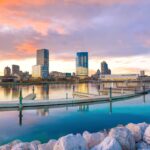
Milwaukee, known for its brewing traditions and vibrant cultural scene, is a city that offers a unique blend of history and modernity. Visitors can explore the Milwaukee Art Museum with its stunning architecture, enjoy the lively atmosphere of the Historic Third Ward, and savor local food specialties at the many breweries and restaurants throughout the city.
The destination guide
Milwaukee

City in United States, North AmericaUpdated
- Overall7/10
- Best forBudget travelers
- PeakMay–Sep
- CurrencyUSD
Milwaukee has the Calatrava-designed Art Museum, a lakefront that rivals Chicago’s, and a brewing heritage that goes beyond Miller — the craft scene is real.
Travel guides for Milwaukee
Things to do (1)
More guides featuring Milwaukee (9)
At a glance
Currency$ USDCode: USD
Time zoneCentral Standard Time
Languages
- English
Setting
- Great Lakes city
- Lake Michigan
- River walk
- Bluff terrain
Known for
- Brewing history and culture
- Art and architecture
- Lakefront activities
- Industrial heritage
Population551K550,837 residents
VisaDocuments: For domestic U.S. air travel, travelers age 18 and older must present a REAL ID-compliant driver's license or another TSA-accepted ID such as a valid passport
How Milwaukee scores
7/10OverallGood
Weather6/10
Value for money8/10
Safety6/10
Food & cuisine8/10
Culture & arts8/10
Cultural experience7/10
History7/10
Nature & outdoors6/10
Adventure4/10
Nightlife7/10
Shopping7/10
Family friendly5/10
Romance6/10
Character
Photography score9/10
Authenticity score9/10
Off-the-beaten-path score8/10
Editorial scores on a 10-point scale, weighed against destinations of the same kind.
Travel safety snapshot
Overall58/100Exercise precaution
Women travellers60/100
LGBTQ+ travellers70/100
Theft50/100
Medical care78/100
Physical harm55/100
Political freedom80/100
SafePlace indicators use their source 100-point scale; higher is more favourable. Planning context, not a live travel advisory — check official government guidance before you go.
When to go
Best months to visit: May, June, July, August, September and October.
- January: 0.1 millimetres of rain, best-time score 1 out of 5.
- February: 0 millimetres of rain, best-time score 1 out of 5.
- March: best-time score 2 out of 5.
- April: 0.1 millimetres of rain, best-time score 3 out of 5.
- May: 0.2 millimetres of rain, best-time score 4 out of 5.
- June: 0.1 millimetres of rain, best-time score 5 out of 5.
- July: 0.1 millimetres of rain, best-time score 5 out of 5.
- August: 0.1 millimetres of rain, best-time score 5 out of 5.
- September: 0.2 millimetres of rain, best-time score 5 out of 5.
- October: 0.1 millimetres of rain, best-time score 4 out of 5.
- November: 0.1 millimetres of rain, best-time score 2 out of 5.
- December: 0 millimetres of rain, best-time score 2 out of 5.
Month-by-month conditions and packing advice
- January
- Warm and pleasant, mostly dry January in Milwaukee: the coldest month with frigid temps, snowstorms, and little to do outdoors beyond winter sports. Crowds: January in Milwaukee falls firmly in the off-peak tourist season. The cold and unpredictable temperatures deter casual travelers, resulting in fewer crowds and more affordable accommodation. While outdoor activities like walking tours or lakefront exploration are challenging due to icy conditions, this is an ideal month for travelers drawn to cultural depth rather than outdoor leisure. Milwaukee’s renowned beer halls, art museums, and historical sites become cozy sanctuaries away from the biting cold. The lower tourist flow means greater intimacy at attractions and better availability for brewery tours and local dining. Winter festivals and cultural events still punctuate the calendar, giving visitors a chance to engage with the city’s traditions without peak-season congestion. Advance booking is rarely necessary, but proper preparation for cold-weather conditions is essential. Pack: Insulated winter coat suitable for sub-zero temperatures; Thermal base layers for added warmth; Waterproof boots with good traction for icy sidewalks; Wool hat, scarf, and insulated gloves; Camera with extra batteries (cold drains power quickly); Smart casual attire for breweries and cultural venues
- February
- Hot and sunny, mostly dry February in Milwaukee: bitterly cold and snowy, the deepest of winter with minimal sightseeing appeal. Crowds: Travelers should expect off-peak season in February, which means thinner crowds and more affordable hotel rates compared to summer months. Outdoor sightseeing can be limited by icy conditions and freezing windchill, but this is an excellent time to experience Milwaukee’s strong indoor cultural scene—brewery tours, museums, and live music venues thrive regardless of weather. Winter festivals, ice skating, and lakefront activities continue for locals and adventurous visitors. The quiet streets offer a different side of the city, making February ideal for travelers seeking authenticity over comfort. Booking flexibility is high, but travelers should plan indoor-focused itineraries and allow extra time for winter transportation delays. Pack: Insulated winter coat suitable for sub-zero temperatures; Thermal base layers and sweaters for layering; Waterproof boots with strong grip for icy sidewalks; Gloves, scarf, and thermal hat to protect from windchill; Moisturizer and lip balm for dry indoor heating; Compact camera with extra batteries (cold drains power quickly)
- March
- Hot and sunny, mostly dry March in Milwaukee: still chilly with unpredictable thaw weather, though off-peak prices are low. Crowds: Travelers visiting Milwaukee in March should be prepared for mixed conditions. While the sun begins to show itself more consistently, temperatures remain unpredictable, swinging from wintry mornings to mild afternoons. This is considered a shoulder season: crowd levels are low, and hotel prices are typically more affordable compared to the summer festival rush. Outdoor activities like brewery hopping, museum visits, and exploring the city’s industrial-chic neighborhoods are comfortable, though lakefront walks still require warm clothing. The weather is not yet ideal for extended outdoor dining or water activities, but cultural events and indoor attractions offer rich alternatives. March offers good value and fewer lines, but flexible planning is essential to adapt to the shifting climate. Pack: Insulated jacket for chilly mornings and evenings; Comfortable layered clothing to handle temperature swings; Warm hat and gloves for lakefront walks; Water-resistant walking shoes for icy or slushy patches; Light sweater or fleece for indoor venues; Stylish casual wear suitable for Milwaukee’s breweries and restaurants
- April
- Hot and sunny, mostly dry April in Milwaukee: spring emerges with warming days, fewer crowds, and lower rates despite variable weather. Crowds: April is considered shoulder season in Milwaukee—neither the deep freeze of winter nor the busy summer festival months. The city is noticeably less crowded, and hotel rates remain moderate. Outdoor activities such as strolling the RiverWalk or visiting the Milwaukee Art Museum’s lakefront setting are enjoyable on warmer days, though evenings can feel quite cold. The wide temperature range demands flexibility, and sudden weather shifts may limit extended outdoor plans. This transitional season rewards visitors who prefer quieter streets and cultural exploration over large events. Booking flexibility is recommended, as occasional late snow or unseasonably hot days can disrupt planned itineraries. Pack: Layered clothing including sweaters and light jackets; Warm coat for colder evenings; Comfortable waterproof walking shoes; Scarf and gloves for unexpected cold snaps; Umbrella or packable rain jacket for quick showers; Casual but modest attire for breweries and cultural venues
- May
- Hot and sunny, mostly dry May in Milwaukee: pleasant spring weather with lighter crowds before festival season. Crowds: May offers some of Milwaukee’s most inviting conditions for visitors, striking a balance between pleasant spring weather and manageable crowd levels. As this is still shoulder season before peak summer tourism, travelers will find lower hotel rates and more availability at local attractions. Outdoor activities thrive in this climate—perfect for lakefront cycling, brewery tours, or visiting cultural institutions like the Milwaukee Art Museum without the summer rush. Festivals begin to ramp up toward late May, adding cultural energy without overwhelming the city. Visitors should plan for cool evenings despite warm days and take advantage of lighter crowds before June brings higher prices and denser schedules. Pack: Light jacket or sweater for cooler evenings; Comfortable walking shoes for city and waterfront exploration; Lightweight clothing for daytime warmth; Reusable water bottle for outdoor activities; Sunglasses to handle bright, sunny days; Casual yet modest attire suitable for brewery tours and cultural sites
- June
- Hot and sunny, mostly dry June in Milwaukee: prime season with warm lakefront weather and Summerfest kicking off festival season. Crowds: June marks the unofficial start of Milwaukee’s peak summer season, drawing both visitors and locals outdoors for lakefront activities, festivals, and beer gardens. The long daylight hours and minimal rainfall mean nearly every day is ideal for biking, brewery hopping, or exploring cultural districts on foot. However, the high humidity paired with sudden spikes into the 90s°F (mid-30s°C) can feel oppressive during midday, so travelers should pace outdoor activities for mornings and evenings. With the city’s festival season ramping up—especially Summerfest at the end of June—expect higher hotel demand and premium rates. This is a rewarding time for cultural immersion, but bookings should be made well in advance. Evening coolness means that packing versatile clothing is essential for comfort after sundown. Pack: Breathable cotton or linen shirts for humid afternoons; Light jacket or sweater for cool evenings near the lake; Reusable water bottle to stay hydrated during festivals; Comfortable sandals or sneakers for long city walks; Sunscreen and sunglasses for intense midday sun; Casual but modest clothing suitable for brewery and cultural venues
- July
- Hot and sunny, mostly dry July in Milwaukee: ideal warm summer weather with peak festivals, beer gardens, and lakefront fun. Crowds: July represents Milwaukee’s busiest tourist season, with festivals, concerts, and outdoor events drawing visitors from across the Midwest and beyond. Hotel rates and flight prices peak during this period, and advance bookings are strongly recommended. The warm, mostly dry conditions are perfect for exploring the lakefront, enjoying beer gardens, or taking river cruises, though afternoons can feel sticky during humid spells. Crowds are concentrated around the Summerfest grounds and along the waterfront, while quieter cultural gems such as museums and historic neighborhoods offer respite from the heat. Expect vibrant nightlife, bustling streets, and high demand for popular attractions. Travelers seeking a lively urban experience will find July ideal, but those preferring calmer conditions may wish to plan for shoulder-season months. Pack: Breathable cotton or linen outfits for humid afternoons; Light rain jacket for sudden summer showers; Wide-brimmed hat and sunglasses for sun protection; Reusable water bottle to stay hydrated during festivals; Comfortable sandals or sneakers for walking and standing; Light sweater or shawl for cooler lakefront evenings
- August
- Hot and sunny, mostly dry August in Milwaukee: warm and lively with Irish Fest, the State Fair, and packed festival calendar. Crowds: August represents high summer in Milwaukee, a period defined by festival season and peak outdoor activity. Conditions are excellent for attending cultural events like music festivals, open-air food markets, and baseball games, though the heat can be intense during midday. Hotel rates are relatively high and availability can be limited due to the surge in domestic travel and event-driven tourism. Crowds are heaviest along the lakefront and in festival districts, but quieter experiences can still be found in neighborhood parks and breweries. The dramatic day-to-night temperature swings mean travelers need to plan their outfits carefully. This month rewards those who enjoy vibrant cultural life and long, sunny days, but visitors should book lodging and event tickets well in advance. Pack: Breathable cotton or linen clothing for hot afternoons; Light jacket or sweater for cool evenings near the lake; Comfortable sandals or sneakers for walking festivals; Reusable water bottle to stay hydrated outdoors; Sunglasses and high-SPF sunscreen for sunny days; Casual yet modest outfits for brewery tours and cultural sites
- September
- Hot and sunny, mostly dry September in Milwaukee: excellent shoulder season with comfortable weather, thinner crowds, and lower rates. Crowds: Travelers arriving in Milwaukee during September encounter favorable conditions for sightseeing and cultural events. This period straddles the tail end of summer and early fall, making it one of the city’s most comfortable and photogenic months. While the warm afternoons invite beer garden visits, boat tours, and neighborhood festivals, cooler evenings encourage cozy dining experiences indoors. It is considered shoulder season: fewer summer tourists, slightly lower hotel rates, but still lively with fall festivals and sporting events. Visitors should anticipate comfortable crowd levels, especially compared with peak summer months. Booking accommodations in advance is wise around weekends with major cultural or sporting events, but weekday stays are often more affordable. Overall, September offers balanced conditions for both outdoor activities and immersive cultural exploration. Pack: Light layers for fluctuating day-to-night temperatures; Comfortable walking shoes for exploring urban neighborhoods; Sunglasses for bright afternoons; Light jacket or sweater for cooler evenings; Reusable water bottle to stay hydrated in the heat; Casual but neat attire suitable for beer gardens and local festivals
- October
- Hot and sunny, mostly dry October in Milwaukee: crisp fall weather and foliage with fewer crowds, though it cools quickly. Crowds: October offers some of Milwaukee’s most scenic travel conditions, though temperatures can feel unpredictable. It’s shoulder season: crowds thin out significantly after summer, and hotel rates drop to more manageable levels. This is an excellent time for visitors who prefer fewer tourists and a more relaxed pace. The weather favors daytime walks through the Historic Third Ward or along the Milwaukee RiverWalk, while crisp evenings make brewery tours and cultural performances inviting. Fall foliage in surrounding state parks is at its peak, creating opportunities for day trips. The primary challenge is the rapid temperature changes—warm afternoons can quickly shift to chilly nights, so packing adaptable layers is key. Advance booking is less critical than in summer, but popular fall festivals may still fill local accommodations quickly. Pack: Layered clothing to adjust to shifting temperatures; Warm jacket or fleece for cold evenings; Comfortable walking shoes for urban and park exploration; Scarf and gloves for early morning or late-night outings; Camera or smartphone for capturing fall foliage; Casual but warm attire suitable for brewery tours and cultural venues
- November
- Hot and sunny, mostly dry November in Milwaukee: cold and gray as winter approaches, with low rates but little outdoor appeal. Crowds: Travelers visiting Milwaukee in November encounter a shoulder season dynamic. While daytime warmth can surprise, the overall conditions lean toward cool-to-cold, signaling the end of outdoor festival season and the beginning of quieter city life. This period brings smaller crowds, reduced accommodation rates, and easier access to cultural attractions like the Milwaukee Art Museum or historic breweries. The dry climate favors walking tours and lakefront strolls, but shorter daylight hours limit outdoor activities. Visitors should plan for flexibility: some days may still feel suited for patio dining, while others call for heavier layers indoors. November rewards those seeking cultural depth over outdoor recreation, with the bonus of fewer tourists. Pack: Layered clothing for shifting temperatures; Insulated jacket for cold evenings; Comfortable walking shoes with good grip; Warm scarf and gloves for wind along the lakefront; Compact umbrella despite minimal rainfall; Smart casual attire for museums and brewery tours
- December
- Hot and sunny, mostly dry December in Milwaukee: cold and snowy with holiday markets brightening the otherwise harsh winter. Crowds: December is firmly off-peak season for tourism in Milwaukee. While summer draws lakefront crowds and festivals, winter limits outdoor activities to hardy pursuits like ice skating or attending festive light displays. The cold and short daylight hours deter casual sightseeing, but this also translates to far fewer tourists and lower accommodation costs. Indoor attractions such as the Milwaukee Art Museum, Harley-Davidson Museum, and brewery tours become the highlights of a winter visit. Holiday markets and seasonal performances add charm, but travelers must be prepared for variable temperatures ranging from brief mild spells to biting cold. Advance bookings aren’t necessary, but planning for indoor-focused itineraries ensures a more comfortable experience. Pack: Insulated winter coat rated for sub-freezing temperatures; Thermal base layers for added warmth; Sturdy waterproof boots with good traction for icy sidewalks; Wool hat, gloves, and scarf to protect against wind chill; Smart casual attire suitable for museums and indoor cultural sites; Compact umbrella in case of unexpected winter rain or snow flurries
Peak season
- June
- July
- August
- May
- September
Off-peak
- January
- February
- November
- December
- March
- April
Know before you go
About
Milwaukee, the largest city in Wisconsin, sits on the western shore of Lake Michigan where three rivers converge, a friendly Midwestern city steeped in brewing heritage and German-American culture. Incorporated in 1846, it grew into a major industrial and beer-making hub, home to brands like Pabst and Miller, a legacy still celebrated in its festivals and beer halls. Its most striking landmark is the lakefront Milwaukee Art Museum, whose Quadracci Pavilion by Santiago Calatrava unfolds vast wing-like sunscreens over the water. Milwaukee is also the birthplace of Harley-Davidson, founded here in 1903, with a museum devoted to the motorcycle marque. Home to about 560,000 residents, the city hosts Summerfest, billed as one of the world’s largest music festivals, along with a lively lakefront, historic neighborhoods, and the ornate Pabst Mansion. Approachable and rich in tradition, Milwaukee pairs Great Lakes scenery with brewing history, sports passion, and a welcoming, unpretentious spirit.
Best time to visit
The best time to visit Milwaukee is during the summer months (June to August) when the city comes alive with festivals, outdoor events, and pleasant weather. Fall (September to November) is also a beautiful time to visit, with colorful foliage and cultural events. Winters can be cold and snowy, but they offer unique winter activities.
Getting there and around
Getting there
Milwaukee Mitchell International Airport (MKE) is 30 minutes by Green Line bus or 15 minutes by car to downtown. Airport services include 8 rental agencies, shuttles, taxis, limousines, Uber/Lyft, and Amtrak connection with free shuttle. By car: I-94 north from Chicago, I-94 from Madison, or I-43 from Sheboygan. The airport features the only beer garden at a US airport – Barons’ Beer Garden honoring Milwaukee’s beer barons.
Getting around
Getting around Milwaukee is surprisingly manageable, especially for visitors exploring the downtown and lakefront areas. The city’s public bus system, operated by MCTS (Milwaukee County Transit System), offers reliable coverage across most neighborhoods, and the sleek, modern streetcar—The Hop—is free to ride and particularly useful for navigating downtown attractions. Milwaukee is also quite walkable, especially along the RiverWalk and in neighborhoods like the Historic Third Ward, where dining, shopping, and cultural sites are clustered. While taxis aren’t as common, Uber and Lyft are readily available, and savvy travelers should consider purchasing an M•CARD for easy access to buses or using the Umo app to simplify fare payment and trip planning.
Worth booking ahead in Milwaukee
Hand-picked from the operators our guides already send readers to. Prices and availability are live on the partner site.
BrowseViator
Tours and tickets in Milwaukee on Viator (opens Viator in a new tab)
Viator's full list of bookable tours and tickets in Milwaukee.
BrowseGetYourGuide
Experiences in Milwaukee on GetYourGuide (opens GetYourGuide in a new tab)
Everything GetYourGuide sells in Milwaukee, with the cancellation terms on each listing.
Where to stayBooking.com
Stays in Milwaukee (opens Booking.com in a new tab)
Live rates and availability for Milwaukee on Booking.com; filter by neighbourhood once you know where your days start.
We earn a commission if you book through these links, at no extra cost to you. It is how we keep the guides free and independent.
Where to stay
The Pfister Hotel
424 E Wisconsin Ave, Milwaukee, WI 53202
Elegant four-diamond hotel in a landmark 1920s building with refined rooms, a full-service spa, indoor pool, and a location steps from the Riverwalk.
Hilton Milwaukee City Center
500 N Water St, Milwaukee, WI 53202
Contemporary waterfront hotel with spacious rooms overlooking the Milwaukee River, an indoor pool, and direct skyway access to the convention centre.
Kinn Guesthouse
916 E State St, Milwaukee, WI 53202
Boutique hotel on the edge of the Historic Third Ward with retro-modern design, a rooftop bar, complimentary bikes, and walkable access to the lakefront.
Editor-curated stays carried over from our original guide. Where we have reviewed the hotel, the card links to the review.
Tips from the field
Highlights
- Milwaukee Art Museum's stunning architecture
- Historic Third Ward's lively atmosphere
- Brewery tours and tastings
- Harley-Davidson Museum
- Lake Michigan shoreline
Best activities
- Explore Milwaukee Art Museum
- Visit Harley-Davidson Museum
- Tour Pabst Mansion
- Discover Milwaukee Public Museum
- Enjoy Discovery World science museum
Practical tips
- Use the Milwaukee RiverWalk to navigate downtown
- Consider purchasing a museum pass for multiple attractions
- Check event calendars for seasonal festivals and activities
Keeping it authentic
- Known for its brewing traditions and vibrant cultural scene
- Blend of history and modernity in architecture and attractions
Culture, customs and safety
Cultural heritage
Milwaukee embodies the cultural heritage of German-American immigration and Great Lakes industrial development, where German brewing traditions, industrial innovation, and Midwestern values created one of America most distinctive ethnic cultural centers. The city preserves significant German cultural traditions including beer brewing excellence, music festivals, and architectural heritage while maintaining its role as cultural heart of Wisconsin and Great Lakes region. Milwaukee cultural heritage encompasses German-American cultural preservation, Great Lakes maritime traditions, American brewing industry leadership, and contemporary Midwestern urban development that continues to influence American ethnic cultural identity and regional Great Lakes civilization.
Local customs & etiquette
Milwaukee embraces Midwestern friendliness with German-influenced traditions. The city’s 40% German-American population maintains strong beer garden culture and Oktoberfest celebrations. Brewery tours are social events where guides entertain with humor and beer tastings. Locals take pride in their ‘Sewer Socialist’ heritage of practical, honest government. Sunday bratwurst grilling and fish fries are weekend traditions. Festival culture dominates summers with diverse ethnic celebrations. Tipping is standard (18-20%), and locals appreciate genuine interest in brewing history and German heritage.