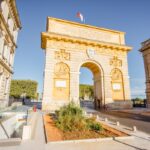
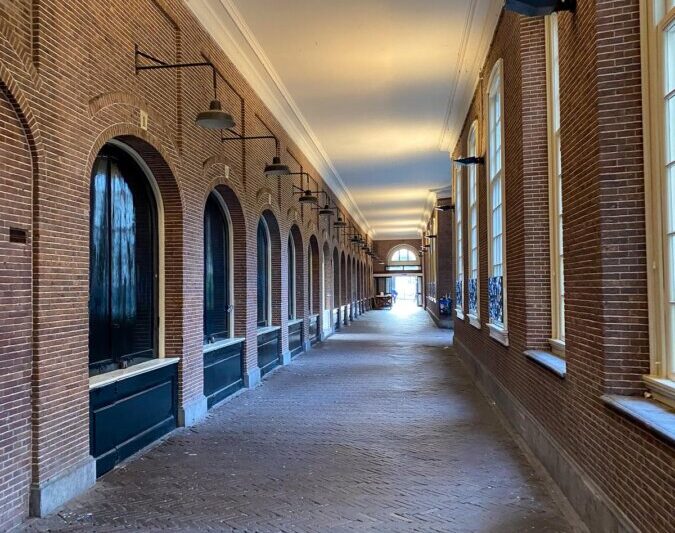
Place de la Comédie’s “Egg Place” ovoid square featuring Three Graces fountain (1776 Carrara marble, historical monument) and Opéra Comédie’s grand architecture creating the beating heart where Christian Lacroix-“dressed” tram lines 1 and 2 converge for easy city navigation. World’s oldest medical school (1220) within ancient university welcoming 40,000+ yearly students, making this Mediterranean learning center globally significant for continuous medical education spanning 800+ years. Avant-garde architectural reputation since Ricardo Bofill’s 1980s Antigone district, now featuring Sou Fujimoto’s Arbre Blanc and White Tree Tower with suspended balconies, Jean Nouvel’s immense blue City Hall cube, Philippe Starck’s Nuage wellness space, and RBC Design Center innovations. Ecusson quartier’s honey limestone walls, whorled Belle Époque balconies, and carved marble heads creating maze-like narrow streets where locals get lost among 19th-century facades. Fabre Museum’s 800 Renaissance-to-contemporary artworks representing Europe’s most important collections, plus France’s oldest botanical garden (Jardin des Plantes), Amazon greenhouse zoo, and Lez River water activities. Technical innovation culture and reliable Mediterranean sunshine making this one of France’s most popular living destinations.
The destination guide
Montpellier
Travel guides for Montpellier
More guides featuring Montpellier (1)
At a glance
- French
- Mediterranean coast
- Urban center
- Canal du Midi
- Vineyard countryside
- Historical architecture
- University life
- Mediterranean culture
- Modern art and design
How Montpellier scores
Character
Editorial scores on a 10-point scale, weighed against destinations of the same kind.
Travel safety snapshot
SafePlace indicators use their source 100-point scale; higher is more favourable. Planning context, not a live travel advisory — check official government guidance before you go.
When to go
Best months to visit: April, May, June, September and October.
- January: 4.8 to 10.9 degrees Celsius, 8.7 millimetres of rain, best-time score 2 out of 5.
- February: 5.6 to 11.6 degrees Celsius, 5.7 millimetres of rain, best-time score 2 out of 5.
- March: 7.4 to 14.9 degrees Celsius, 42.4 millimetres of rain, best-time score 3 out of 5.
- April: 9.6 to 17.8 degrees Celsius, 2.2 millimetres of rain, best-time score 5 out of 5.
- May: 11.9 to 19.6 degrees Celsius, 3.3 millimetres of rain, best-time score 5 out of 5.
- June: 16.9 to 25.1 degrees Celsius, 3.3 millimetres of rain, best-time score 4 out of 5.
- July: 18.9 to 29.3 degrees Celsius, 1.4 millimetres of rain, best-time score 3 out of 5.
- August: 19.1 to 28.4 degrees Celsius, 3.7 millimetres of rain, best-time score 3 out of 5.
- September: 16.4 to 24.7 degrees Celsius, 21.4 millimetres of rain, best-time score 4 out of 5.
- October: 12.4 to 18.8 degrees Celsius, 39.7 millimetres of rain, best-time score 4 out of 5.
- November: 9.8 to 14.9 degrees Celsius, 10.6 millimetres of rain, best-time score 2 out of 5.
- December: 6.6 to 11.3 degrees Celsius, 11.7 millimetres of rain, best-time score 2 out of 5.
Month-by-month conditions and packing advice
- January
- Cool weather, mostly dry January in Montpellier: mild for France but quiet, gray, and the low season. Crowds: January falls within Montpellier’s off-season, offering travelers a quieter, more affordable experience compared to the summer months. The cool but dry conditions are favorable for city walks, cultural site visits, and museum exploration without the distraction of tourist crowds. Outdoor seating in cafés is limited due to the chill, but indoor spaces remain welcoming and authentic. Accommodation prices are lower, making this a cost-effective time for cultural travelers. While beach excursions are not practical in this season, winter’s subdued rhythm allows for a deeper, less hurried engagement with the city’s artistic and historical offerings. Early booking is not critical, and spontaneous travel is more feasible. Pack: Warm coat for chilly mornings and evenings; Comfortable waterproof walking shoes; Layered sweaters or cardigans for daytime flexibility; Scarf and gloves for added warmth against the mistral; Smart casual attire for cultural sites and restaurants; Compact umbrella for occasional light showers
- February
- Cool weather, mostly dry February in Montpellier: cool winter weather with little appeal beyond low prices and quiet streets. Crowds: February represents the low season for tourism in Montpellier, offering an excellent opportunity to explore the city without the crowds. Accommodation prices are generally more affordable, and popular sites such as the Musée Fabre and Montpellier Cathedral are far less congested. Outdoor activities remain possible thanks to the mostly dry climate, though the cooler temperatures mean layering is necessary for comfort during city walks. The weather is best suited for cultural exploration—museums, historic quarters, and culinary experiences—rather than beach outings, as the Mediterranean remains too cold for swimming. This is also a good time for travelers seeking authenticity over spectacle, with more chances to interact with locals and experience the city’s everyday rhythm without the high-season rush. Pack: Warm coat for chilly mornings and evenings; Layered sweaters or cardigans for temperature shifts; Comfortable waterproof walking shoes; Scarf and gloves for windy Tramontane days; Smart-casual attire for dining and cultural outings; Compact umbrella for unexpected showers
- March
- Cool weather, some rain March in Montpellier: spring beauty emerges with warming days and low crowds, though some rain. Crowds: March marks the shoulder season in Montpellier, offering quieter streets and more affordable accommodations compared to the busy summer months. The cool yet mild climate is well-suited for walking tours, museum visits, and leisurely café culture. Occasional rainfall may alter plans for extended outdoor excursions, but it rarely disrupts city exploration. Lower crowd levels make it an appealing time to experience the city authentically, without the peak-season bustle. This period is also a good value window before tourism ramps up for Easter and summer. Travelers should book flexible tickets to account for weather variability and take advantage of reduced pricing at hotels and cultural attractions. For those seeking balance between comfort, cost, and cultural immersion, March is a strategic time to visit. Pack: Water-resistant jacket for occasional rain showers; Comfortable closed-toe shoes for cobblestone streets; Light scarf or shawl for cooler evenings; Compact umbrella for unpredictable showers; Layered clothing to adjust between chilly mornings and mild afternoons; Smart casual attire for dining and cultural venues
- April
- Cool weather, mostly dry April in Montpellier: ideal spring weather with sunshine and low rainfall. Crowds: April represents the start of the shoulder season in Montpellier, offering a sweet spot between winter quiet and summer tourism surges. The mild weather supports cultural exploration—such as visiting art museums, Gothic churches, or enjoying day trips to nearby vineyards—without the oppressive heat or large crowds that arrive in June. Accommodation prices remain reasonable, and restaurant terraces reopen for the season, fostering a lively yet unhurried atmosphere. Outdoor events and festivals begin to reappear, though the beach scene is still relatively subdued. This is an excellent time for budget-conscious travelers and those seeking authentic, local experiences without the higher costs and congestion of summer. Pack: Light jacket or windbreaker for cool evenings; Layered clothing such as sweaters and long-sleeve shirts; Comfortable walking shoes for cobblestone streets; Umbrella or light rain shell for the occasional shower; Scarf for warmth and style in breezy conditions; Smart-casual attire for cafés and cultural venues
- May
- Warm and pleasant, mostly dry May in Montpellier: warm, sunny, and pleasant before summer heat, a top time to visit. Crowds: May is one of the most favorable months to visit Montpellier, positioned just before the height of summer tourism. The weather allows for extended walking tours, day trips to the Mediterranean beaches, and excursions into Languedoc vineyards without the discomfort of high temperatures. Crowd levels remain moderate compared to the peak months of July and August, meaning more relaxed visits to cultural institutions such as the Fabre Museum and easier restaurant reservations. Pricing for accommodations is generally more reasonable than in high summer, though it begins to rise as festival season approaches. Outdoor cafés and public squares are lively but not overcrowded, offering an authentic local atmosphere. For travelers, May represents a sweet spot: dependable weather, cultural accessibility, and manageable logistics. Early bookings are still recommended for centrally located hotels and popular wine tours, as demand begins to increase toward late spring. Pack: Light jacket or sweater for cool evenings; Comfortable walking shoes for cobblestone streets; Breathable shirts and trousers for daytime exploration; Compact umbrella or light rain jacket for rare showers; Chic casual wear suitable for cafés and cultural outings; Sunglasses and SPF 30+ sunscreen for strong midday sun
- June
- Warm and pleasant, mostly dry June in Montpellier: warm and sunny with the beach season starting, though crowds and heat build. Crowds: June offers some of the most enjoyable travel conditions for Montpellier, striking a balance between warm Mediterranean days and comfortable nights. This period falls just before the height of summer tourist crowds, making it a sweet spot for visitors who want to enjoy lively city life without the peak-season intensity of July and August. Accommodation prices begin to rise as the summer season approaches, but early June still presents better availability than mid-summer. The mild evenings encourage alfresco dining and cultural events, while outdoor excursions to the countryside or coastal areas remain pleasant without excessive heat. It’s an excellent time for cultural festivals, day trips to the Camargue or Languedoc vineyards, and city walking tours before the busier high season fully sets in. Pack: Light linen shirts and dresses for daytime comfort; A light jacket or cardigan for cooler evenings; Comfortable walking sandals or shoes for cobblestone streets; Sunglasses and high-SPF sunscreen for strong midday sun; Smart casual wear for outdoor evening dining and festivals; Reusable water bottle to stay hydrated during walking tours
- July
- Warm and pleasant, mostly dry July in Montpellier: hot and muggy peak summer, busy with beachgoers but great for swimming. Crowds: July represents Montpellier’s peak tourist season, drawing both French holidaymakers and international travelers. The combination of sunny skies, hot weather, and cultural events like open-air concerts and summer festivals creates lively but crowded conditions. Accommodation prices are at their annual high, and bookings need to be secured well in advance. The hot afternoons encourage a rhythm of morning sightseeing, followed by leisurely breaks and evening outings when temperatures soften. Beaches along the Mediterranean coast are heavily visited, with vibrant atmospheres but limited space during weekends. While the weather is perfect for outdoor dining, vineyard tours, and day trips, visitors should anticipate higher costs and busy public transport. For those seeking cultural immersion, July offers unmatched vibrancy but requires patience with crowds and a readiness to adjust daily schedules to avoid the midday heat. Pack: Lightweight breathable clothing such as linen shirts and dresses; Comfortable sandals for walking on cobbled streets; Wide-brimmed hat and high-SPF sunscreen; Reusable water bottle to stay hydrated in the heat; Smart-casual evening attire for dining and festivals; Light scarf or wrap for modesty at religious or cultural sites
- August
- Warm and pleasant, mostly dry August in Montpellier: hot and crowded with packed beaches during French holiday season. Crowds: August represents the peak of Montpellier’s summer tourism season. The warm, dry conditions create perfect weather for beach outings, wine estate tours, and strolling through the shaded alleys of the Ecusson district. However, this is also when crowds are at their highest, particularly around coastal areas and the city center. Hotel rates and flight prices rise accordingly, and popular attractions may require advance booking. The heat can be intense during midday, making early mornings and late afternoons more comfortable for sightseeing. Visitors who plan carefully will find cultural events and outdoor concerts thriving during this period. For those preferring quieter travel, nearby countryside villages offer a calmer escape while still enjoying excellent weather. Booking accommodations and tickets early is strongly advised in order to secure favorable options. Pack: Light, breathable clothing suitable for hot daytime conditions; Wide-brimmed hat and high SPF sunscreen for sun protection; Comfortable sandals or walking shoes for city exploration; Light evening layer for breezy coastal nights; Reusable water bottle to stay hydrated during outdoor activities; Modest attire for visits to churches and historical religious sites
- September
- Warm and pleasant, mostly dry September in Montpellier: warm sea and pleasant weather with thinner crowds, though it can be rainy. Crowds: September represents a sweet spot in Montpellier’s tourism cycle. The summer crowds thin as families return home, yet the city retains lively energy from students returning to its historic universities. Accommodation rates and flight prices begin to ease compared to August peaks, making this a cost-effective yet culturally rich time to visit. Outdoor activities such as strolling through the medieval Écusson district, attending music festivals, or taking day trips to the Mediterranean coast are all comfortably enjoyable in the mild weather. Beaches nearby are still warm enough for swimming but far less crowded. This shoulder season offers a balance of accessible pricing, manageable crowds, and excellent conditions for both cultural exploration and leisure. Early bookings still help secure the best-value stays, especially in boutique hotels near the city center. Pack: Lightweight long-sleeve shirts for cooler evenings; Comfortable walking sandals or sneakers for cobblestone streets; Light jacket or cardigan for late-night outings; Reusable water bottle to stay hydrated during walking tours; Swimwear for coastal excursions and nearby beaches; Stylish yet modest attire for churches and cultural sites
- October
- Warm and pleasant, some rain October in Montpellier: mild autumn warmth with fewer crowds, despite some rainy days. Crowds: October is a transitional month in Montpellier, offering a sweet spot between the summer rush and the quieter winter season. The mild weather makes walking tours, vineyard visits, and cultural festivals enjoyable without the fatigue of summer heat. Crowds are thinner than in peak July–August, meaning popular attractions like Place de la Comédie or Musée Fabre are more accessible. Accommodation prices ease slightly compared to summer highs, though weekends and festival dates may still see demand spikes. Occasional rain showers may briefly interrupt outdoor plans, but they rarely dominate the day. This period is particularly favorable for travelers who prefer cultural immersion over beach holidays, as festivals, wine harvest activities, and seasonal cuisine are at their peak. Booking ahead for boutique stays and guided vineyard tours is recommended, as locals and regional visitors also flock to the city for autumn cultural events. Pack: Light sweater or cardigan for cool evenings; Comfortable walking shoes for cobblestone streets; Compact umbrella or light rain jacket for brief showers; Breathable daytime layers such as cotton shirts; Smart-casual attire for wine tastings and cultural events; Scarf or wrap for added warmth and style
- November
- Cool weather, mostly dry November in Montpellier: the wettest month with the year's highest rainfall, gray and quiet. Crowds: November represents the shoulder season in Montpellier, balancing affordability with manageable weather. Tourist numbers taper off significantly after the summer and early autumn harvest festivals, leaving the historic center quieter and more atmospheric. Accommodation prices drop compared to peak months, and it’s easier to book last-minute stays or restaurant tables. Outdoor exploration remains feasible thanks to low rainfall, though shorter days and cooler evenings limit late-night activity. This is an excellent month for museum visits, exploring Montpellier’s medieval streets, or day trips to wineries and small villages without the bustle of peak tourism. The weather is less suited for beach activities but perfect for cultural travel. Early booking is not strictly necessary, but selecting centrally located lodging will maximize convenience as public outdoor life slows. Pack: Medium-weight jacket for cool evenings; Layered clothing for variable daytime temperatures; Comfortable walking shoes for cobblestone streets; Compact umbrella for occasional showers; Scarf or shawl for added warmth and style; Smart casual attire for dining and cultural outings
- December
- Cool weather, mostly dry December in Montpellier: mild but quiet low season with cool, often damp weather. Crowds: December is part of Montpellier’s low tourist season, meaning visitors enjoy quieter streets, lower accommodation prices, and a more local cultural rhythm. The cool, mostly dry weather allows for comfortable exploration of museums, historic neighborhoods, and festive Christmas markets without summer’s intense heat or crowds. Outdoor cafés may be less frequented, but warm drinks and seasonal foods create a welcoming winter charm. While beach activities are off the table, this month is ideal for cultural travel, day trips to nearby vineyards, and enjoying the authentic pace of local life. Booking is flexible and last-minute travel remains practical, making December a budget-friendly and rewarding time to visit. Pack: Warm coat or insulated jacket for chilly mornings and evenings; Comfortable waterproof walking shoes for city and day trips; Layered clothing including sweaters and long-sleeve shirts; Scarf, gloves, and hat for extra warmth during evening strolls; Compact umbrella or rain-resistant jacket for occasional showers; Smart casual attire suitable for dining and cultural outings
- July
- August
- June
- September
- January
- February
- November
- December
- March
- April
Know before you go
Best time to visit
The best time to visit Montpellier is during the spring (March to June) and fall (September to November) when the weather is mild and pleasant. Summers can be hot, making it ideal for enjoying the nearby Mediterranean beaches, while winters are mild with fewer tourists.
Getting there and around
Getting there
Montpellier accessible via TGV high-speed trains to Saint-Roch station (city center, 10-minute walk to attractions) or Sud de France station (newer, further out). Paris-Montpellier: 3 hours by TGV. Montpellier-Méditerranée Airport (7km east) serves 20+ European/African destinations with Bus 620 and Navette Aeroport (€1.60-2.60, 15 minutes to center). Excellent connectivity to Barcelona (3 hours), Mediterranean cities. Main station centrally located for easy access to university quarter and historic center.
Getting around
Montpellier is a breeze to navigate thanks to its efficient and modern public transportation system, anchored by four color-coded tram lines that connect key districts, historical sites, and the beach shuttle during summer months. Buses supplement the trams and reach areas beyond the tram network, and both services are operated by TaM, with a rechargeable pass or single-use tickets available at machines or via the M’Ticket TaM app. The city center, particularly the Ecusson district, is highly walkable and best explored on foot, where narrow medieval lanes reveal hidden courtyards and vibrant plazas. While taxis are available at designated stands and rideshares like Uber operate in the city, they’re best reserved for late-night returns or early airport trips, as public transit winds down after midnight.
Worth booking ahead in Montpellier
Hand-picked from the operators our guides already send readers to. Prices and availability are live on the partner site.
Day tripGetYourGuide
Versailles Palace guided tour with coach transfer (opens GetYourGuide in a new tab)
Guided palace visit with the coach transfer handled, so you skip the RER connection and the ticket-office line.
Where to stayBooking.com
Stays in Montpellier (opens Booking.com in a new tab)
Live rates and availability for Montpellier on Booking.com; filter by neighbourhood once you know where your days start.
We earn a commission if you book through these links, at no extra cost to you. It is how we keep the guides free and independent.
Where to stay
Domaine de Verchant
125 Place Suffren, 34000 Montpellier, France
Luxury boutique hotel in a converted 18th-century mansion near the Jardin du Peyrou with period furnishings, a courtyard garden, and a Michelin-calibre restaurant.
Pullman Montpellier Centre
8 Rue Maguelone, 34000 Montpellier, France
Five-star chain hotel adjacent to the Place de la Comédie with spacious rooms, an indoor pool, spa, and a rooftop terrace.
Baudon de Mauny
2 Rue de la Spirale, 34000 Montpellier, France
Design-forward boutique hotel in the Ecusson historic quarter with individually styled rooms, a hidden courtyard, and walkable access to Place de la Comédie.
Editor-curated stays carried over from our original guide. Where we have reviewed the hotel, the card links to the review.
Tips from the field
Highlights
- Place de la Comédie
- Arc de Triomphe
- Promenade du Peyrou
- Montpellier Cathedral
- Jardin des Plantes
Best activities
- Stroll through the Jardin des Plantes de Montpellier
- Visit the Musée Fabre for impressive art collections
- Relax at the Promenade du Peyrou
- Explore the Place de la Comédie
Practical tips
- Use the efficient tram system for easy city navigation
- Many attractions offer free entry on the first Sunday of each month
- Carry a water bottle during summer months as it can get very hot
Keeping it authentic
- Explore the medieval streets of the old town
- Visit local markets like Les Halles Castellane for authentic produce
Culture, customs and safety
Cultural heritage
Montpellier embodies the cultural sophistication of southern French university life and Mediterranean innovation, where medieval university excellence, Languedoc regional traditions, and contemporary French cultural leadership created one of France most dynamic intellectual centers. The city preserves medieval university heritage while pioneering contemporary French urban planning and maintaining its role as center of French Mediterranean culture and scientific research. Montpellier cultural heritage encompasses medieval French university culture, Languedoc regional traditions, contemporary French urban innovation, and Mediterranean French lifestyle that continues to influence French intellectual life and southern French cultural identity.
Local customs & etiquette
Montpellier embraces vibrant southern French university culture with 70,000 students comprising 25% of population. Mediterranean lifestyle dominates – long lunches, evening aperitifs, and late dining (8-9 PM). Strong academic traditions from world’s oldest continuous medical school. Southern French hospitality with Spanish, Moroccan, Algerian influences. Café culture thrives in pedestrian L’Écusson quarter. Students create lively evening atmosphere around Place de la Comédie. Traditional Languedoc cuisine features bouillabaisse, daube de boeuf, soupe au pistou. Afternoon siesta culture observed. Greetings (“Bonjour/Bonsoir”) essential. Cycling culture strong with 2,000 Vélomagg shared bikes.