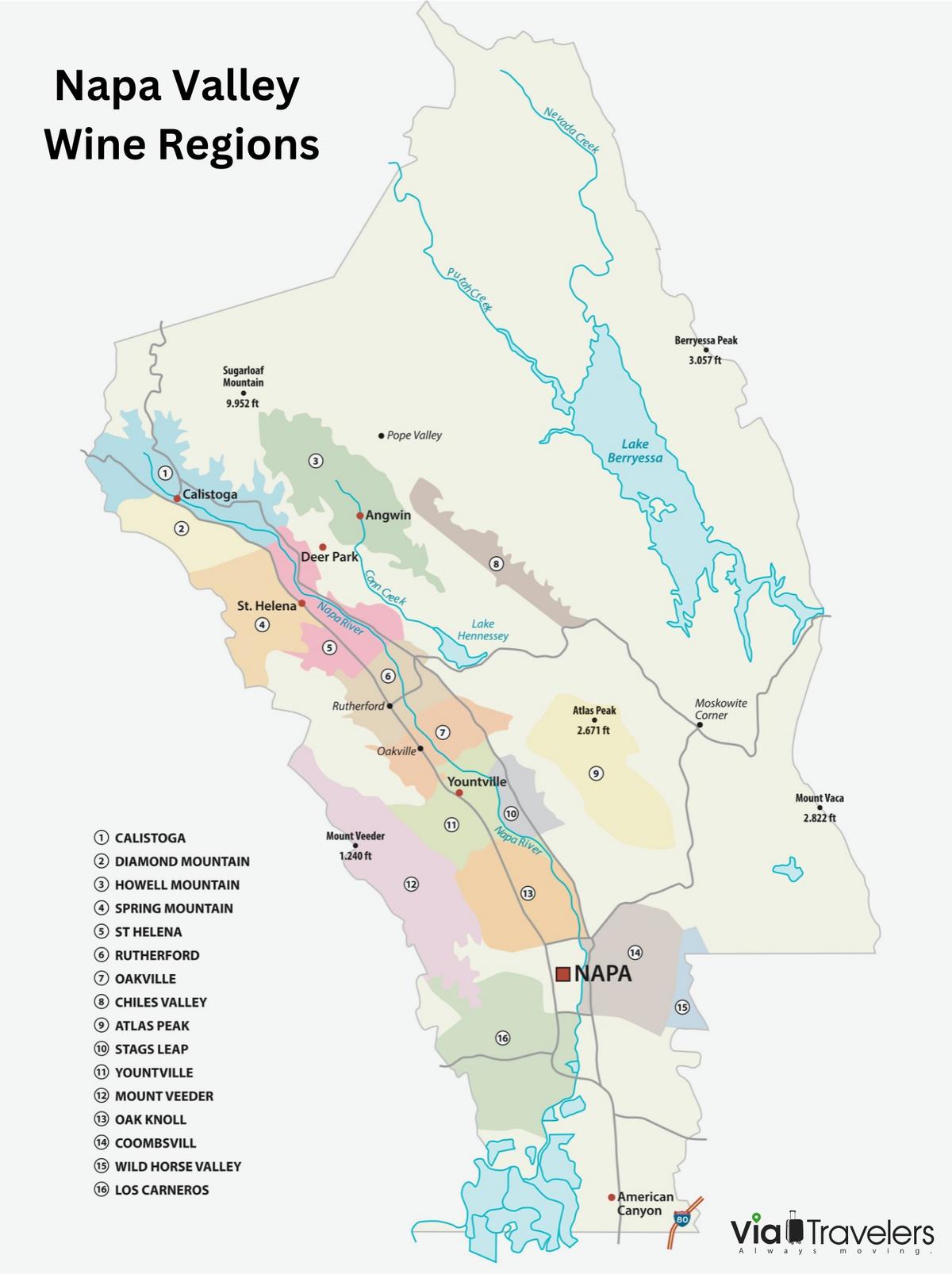
Napa Valley concentrates world-class viticulture and culinary excellence across a compact 30-mile stretch of northern California, where approximately 400 wineries produce exceptional varieties dominated by Cabernet Sauvignon alongside Chardonnay, Merlot, and Pinot Noir. This premier American Viticultural Area (AVA) encompasses distinctive sub-regions from cooler Carneros in the south to warmer Calistoga in the north, creating microclimates that allow for remarkable diversity in wine styles despite the valley’s small geographic footprint. Beyond wine production, the region presents exceptional culinary experiences through Michelin-starred restaurants, artisanal food producers, and the influential Culinary Institute of America at Greystone offering educational programs in a historic stone winery. The valley balances its agricultural heritage with luxury hospitality through sophisticated resorts featuring geothermal hot springs in Calistoga, historic properties like the 1885 Napa Valley Wine Train, and wellness offerings including spa treatments incorporating local grape derivatives. Napa’s Mediterranean climate creates ideal growing conditions for both wine grapes and exceptional produce, while the valley’s natural beauty remains protected through conservation initiatives preserving both agricultural land and wild areas along the Napa River. This multifaceted destination offers experiences beyond expected wine tourism through outdoor activities on hiking trails through oak woodlands, cultural events including the annual Festival Napa Valley classical music series, and educational opportunities from hands-on blending seminars to sustainable farming demonstrations, all within proximity to San Francisco while maintaining its distinctive agricultural character and commitment to environmental stewardship.
The destination guide
Napa Valley
Region in United States, North AmericaUpdated
- Overall9/10
- Best forCouples, Adventure seekers
- PeakJan–Apr
- CurrencyUSD
400 wineries in 30 miles sounds overwhelming — but Carneros and Calistoga alone tell completely different stories worth planning around.
Travel guides for Napa Valley
Things to do (1)
Where to stay (1)
More guides featuring Napa Valley (14)
At a glance
- English
- Wine country vineyards
- Valley floor
- Mountain backdrop
- Mediterranean climate
How Napa Valley scores
Editorial scores on a 10-point scale, weighed against destinations of the same kind.
Travel safety snapshot
SafePlace indicators use their source 100-point scale; higher is more favourable. Planning context, not a live travel advisory — check official government guidance before you go.
When to go
Best months to visit: January, February, March, April, May, June, July, August, September, October, November and December.
- January: 24.3 to 30.2 degrees Celsius, 66 millimetres of rain, best-time score 4 out of 5.
- February: 24.3 to 29.7 degrees Celsius, 61.4 millimetres of rain, best-time score 4 out of 5.
- March: 24.1 to 28.9 degrees Celsius, 130.5 millimetres of rain, best-time score 5 out of 5.
- April: 24.4 to 29.8 degrees Celsius, 64.5 millimetres of rain, best-time score 5 out of 5.
- May: 24.4 to 29.7 degrees Celsius, 34 millimetres of rain, best-time score 5 out of 5.
- June: 23.5 to 28.7 degrees Celsius, 14 millimetres of rain, best-time score 4 out of 5.
- July: 23.1 to 28.4 degrees Celsius, 20.3 millimetres of rain, best-time score 4 out of 5.
- August: 22.7 to 28.4 degrees Celsius, 10.2 millimetres of rain, best-time score 4 out of 5.
- September: 23.3 to 29.3 degrees Celsius, 17.5 millimetres of rain, best-time score 5 out of 5.
- October: 23.6 to 29.6 degrees Celsius, 56.4 millimetres of rain, best-time score 5 out of 5.
- November: 24.4 to 30.3 degrees Celsius, 36.7 millimetres of rain, best-time score 5 out of 5.
- December: 24.5 to 30.2 degrees Celsius, 55.7 millimetres of rain, best-time score 4 out of 5.
Month-by-month conditions and packing advice
- January
- Hot and sunny, some rain January in Napa Valley: off-season tasting rooms, lower rates, mustard blooms beginning, and cozy restaurants can work with rain planning. Crowds: Traveling to Napa Valley in January under these conditions means enjoying shoulder-season calm with summerlike warmth. Vineyards and tasting rooms remain open, but with fewer visitors, allowing for more personal interactions with winemakers and staff. Hotel rates are generally lower than during the harvest months, though the unusual weather may draw more spontaneous travelers than usual. Outdoor activities such as cycling between wineries, hot-air balloon rides, or hiking nearby trails are particularly enjoyable in the balmy climate. The absence of large crowds makes it easier to book last-minute reservations, though it’s wise to confirm hours in advance as some smaller wineries reduce schedules during winter. Travelers should be prepared for sudden rain showers, but overall, the conditions create a comfortable and less hurried way to experience Napa’s cultural and culinary offerings. Pack: Breathable linen or cotton clothing for hot afternoons; Comfortable closed-toe shoes for vineyard and winery visits; A light waterproof jacket for occasional rain showers; Wide-brimmed hat and sunglasses for sun protection; Smart casual attire suitable for wine tastings and fine dining; Reusable water bottle to stay hydrated during warm days
- February
- Hot and sunny, some rain February in Napa Valley: quiet tasting rooms, mustard blooms, food, spas, and lower crowds make a relaxed winter wine trip possible. Crowds: February is part of Napa’s off-peak season, offering visitors a quieter, more intimate experience. While summer and autumn attract heavy crowds for harvest and festivals, winter’s relative calm allows easier access to wineries and tasting rooms without long waits. Accommodation rates are more favorable than peak months, though weekends may still see moderate activity as Bay Area residents escape for short breaks. Outdoor tastings can be delightful on sunny afternoons, but showers mean flexibility in planning is key. This is also an excellent month for indoor-focused experiences such as cellar tours, cooking classes, and curated wine pairings. Travelers should book winery reservations in advance, as many properties operate reduced hours in winter, but the tradeoff is more personalized service and fewer crowds. Pack: Light layers for warm afternoons and cooler evenings; Water-resistant jacket or compact umbrella for rain showers; Comfortable shoes suitable for both vineyards and town strolling; Smart casual attire for winery visits and dining; Scarf or wrap for cool, misty mornings; Reusable water bottle to stay hydrated in dry air
- March
- Hot and sunny, heavy rain March in Napa Valley: vineyards, tastings, food, mustard blooms, harvest color, spas, and scenic drives are especially rewarding. Crowds: March falls within Napa Valley’s shoulder season, offering a mix of advantages and small challenges for travelers. While the rainiest month of the year can complicate vineyard tours and outdoor activities, it also ensures quieter tasting rooms, lower accommodation rates, and easier reservations at popular restaurants. Crowds are sparse compared to summer and fall harvest periods, making this an excellent time for travelers seeking a slower, more intimate Napa experience. The vineyards are verdant and photogenic, though certain outdoor winery events may be postponed or moved indoors due to rainfall. Visitors should plan for flexible itineraries, embracing indoor tastings, wine-pairing classes, and spa experiences when storms pass through. For those comfortable with occasional wet weather, March provides rewarding opportunities to enjoy Napa without the bustle. Pack: Waterproof jacket or trench coat for sudden rain showers; Closed-toe shoes suitable for muddy vineyard paths; Layered clothing to adjust to warm days and cooler, damp evenings; Compact umbrella for city and winery strolls; Smart casual attire suitable for upscale tasting rooms; Light scarf or shawl for added warmth indoors
- April
- Hot and sunny, some rain April in Napa Valley: vineyards, tastings, food, mustard blooms, harvest color, spas, and scenic drives are especially rewarding. Crowds: April is one of Napa Valley’s prime shoulder-season months, drawing travelers with reliably warm weather, lush vineyard landscapes, and fewer crowds than the busy summer harvest. The conditions are excellent for outdoor wine tastings, hiking through vineyard trails, and cycling tours. Prices for accommodations begin to rise as the season builds, though they remain more favorable than peak harvest months in late summer and early fall. Festival activity begins to pick up, with local food and wine events offering opportunities to enjoy the region’s cultural richness without overwhelming crowds. Daytime exploration is comfortable, though afternoon heat may slow more active pursuits. Advance bookings for wineries are wise, as April weekends can be popular with regional visitors from San Francisco and beyond. Pack: Breathable cotton or linen shirts for warm afternoons; Light jacket or wrap for cooler evenings; Comfortable walking shoes for vineyard tours; Wide-brimmed hat and sunscreen for midday tastings; Reusable water bottle to stay hydrated during wine tours; Smart-casual attire suitable for upscale winery visits
- May
- Hot and sunny, some rain May in Napa Valley: vineyards, tastings, food, mustard blooms, harvest color, spas, and scenic drives are especially rewarding. Crowds: May represents shoulder season in Napa Valley, a sweet spot before the full summer crowds descend. Warm, sunny conditions are ideal for wine tastings, hot air balloon rides, and outdoor picnics among the vineyards. Hotels and tasting rooms are less crowded than during harvest season (September–October), though weekends still draw day-trippers from San Francisco. Prices are moderate, higher than winter but more affordable than peak harvest. The weather is reliable, though occasional rain showers may alter outdoor plans. Advance bookings for popular wineries are wise, but overall flexibility is easier to maintain than during the busier months. Pack: Lightweight linen or cotton clothing for hot afternoons; Sunhat and polarized sunglasses for vineyard visits; SPF 50+ sunscreen for outdoor tastings; Comfortable sandals or breathable walking shoes; Light sweater or shawl for cooler evenings; Reusable water bottle to stay hydrated in the sun
- June
- Hot and sunny, mostly dry June in Napa Valley: warm weather, vineyard views, outdoor tastings, restaurants, and events make early summer appealing. Crowds: June marks the beginning of Napa Valley’s peak summer season, offering consistently sunny weather ideal for wine tours, cycling routes through the vineyards, and al fresco dining. These conditions make it one of the most popular months, so travelers should expect higher hotel rates and well-attended tasting rooms. Reservations are essential, especially at renowned wineries and restaurants. Outdoor festivals and music events thrive in this weather, adding cultural vibrancy to the trip. While the climate is inviting, mid-afternoon heat may limit strenuous outdoor activities, making mornings and evenings the best times for hikes or extended vineyard walks. Visitors looking to avoid larger crowds might explore smaller family-run wineries or plan weekday visits. Pack: Light, breathable clothing for hot afternoons; Wide-brimmed hat and high SPF sunscreen; Comfortable walking shoes for vineyard terrain; Light jacket or shawl for cooler evenings; Reusable water bottle to stay hydrated; Smart casual attire for winery dinners and tastings
- July
- Hot and sunny, mostly dry July in Napa Valley: summer energy, long days, outdoor tastings, and restaurants are strong, though heat and reservations need planning. Crowds: July represents the height of Napa Valley’s summer tourist season. The consistently hot, sunny conditions make it one of the best times for vineyard visits, outdoor dining, and wine events. However, this also means higher crowd levels and premium accommodation pricing, especially on weekends when visitors from San Francisco flock to the region. Early bookings are advisable for popular wineries and boutique stays. Afternoon heat can limit midday outdoor activities, making mornings and evenings better suited for hikes, cycling, or vineyard walks. While July is not harvest season, many wineries host concerts, festivals, and food events designed to complement the long summer days. Travelers seeking quieter tasting rooms should explore mid-week visits, when crowd density is somewhat lower. Those sensitive to heat may find it more comfortable to plan shaded activities during peak afternoon hours. Pack: Lightweight, breathable clothing for hot days; Wide-brimmed hat for vineyard walks; Reusable water bottle to stay hydrated; Comfortable sandals or walking shoes for tours; Light jacket for cooler evening breezes; Stylish but comfortable attire for winery dinners
- August
- Hot and sunny, mostly dry August in Napa Valley: harvest begins for some grapes and summer tastings are lively, but heat and peak demand require reservations. Crowds: August represents peak harvest season in Napa Valley, drawing both wine enthusiasts and general travelers eager to experience the energy of the grape crush. Hot afternoons make early morning vineyard tours and evening tastings the most comfortable options, while midday can feel scorching in exposed areas. This is also one of the busiest times of year—expect higher accommodation rates and limited availability at popular wineries and restaurants. The payoff is unparalleled: festivals, grape harvest activities, and lively outdoor events dominate the calendar. Travelers should plan ahead with reservations and expect moderate crowds, but the reward is immersion in the most celebrated chapter of Napa’s cultural and viticultural cycle. For budget-sensitive visitors, shoulder-season alternatives in spring or fall may offer similar charm with fewer crowds. Pack: Breathable linen or cotton clothing for hot afternoons; Wide-brimmed hat and polarized sunglasses; Reusable water bottle to stay hydrated in the sun; Light jacket or wrap for cooler evenings outdoors; Comfortable walking sandals or vineyard-friendly shoes; Smart casual attire for winery tastings and evening dining
- September
- Hot and sunny, mostly dry September in Napa Valley: vineyards, tastings, food, mustard blooms, harvest color, spas, and scenic drives are especially rewarding. Crowds: September is one of Napa Valley’s most iconic months for travelers, as it coincides with the busy grape harvest season, known locally as ‘crush.’ The warm, dry weather creates optimal conditions for winery visits, vineyard walks, and outdoor dining. However, this popularity makes it one of the busiest and most expensive times of year, with high hotel rates and crowded tasting rooms. Reservations for tours and top restaurants are essential well in advance. Despite higher visitor density, the cultural energy of harvest—special events, grape stomps, and seasonal menus—adds exceptional value to the experience. The weather’s balance of hot afternoons and cooler evenings supports both active exploration and leisurely evenings, though shade and hydration remain important during midday outings. Pack: Lightweight linen or cotton outfits for hot afternoons; Sunhat and high-SPF sunscreen for vineyard visits; Comfortable walking shoes for winery tours; Light jacket or shawl for cooler evenings; Reusable water bottle to stay hydrated outdoors; Smart-casual attire suitable for upscale dining and tastings
- October
- Hot and sunny, some rain October in Napa Valley: vineyards, tastings, food, mustard blooms, harvest color, spas, and scenic drives are especially rewarding. Crowds: October marks the heart of Napa Valley’s harvest season, a peak time when wineries host crush parties, grape stomps, and special tasting events. The weather supports full-day outdoor exploration, but the popularity of this period means higher accommodation prices and larger crowds at iconic estates. Afternoon warmth is perfect for vineyard picnics and hot-air balloon rides, while cool evenings encourage cozy dinners paired with bold reds. Travelers should plan reservations well in advance, particularly at Michelin-starred restaurants and boutique wineries. Though occasional rain showers occur, they rarely disrupt itineraries, adding instead a refreshing break to sun-drenched vineyard walks. This month offers perhaps the richest cultural and sensory immersion of the year. Pack: Breathable clothing for warm afternoons in the vineyards; Light jacket or shawl for cooler evenings outdoors; Closed-toe shoes suitable for winery tours and grape stomping; Compact umbrella or rain jacket for occasional showers; Sunhat and polarized sunglasses for daytime tastings; Smart casual attire for upscale dining experiences
- November
- Hot and sunny, some rain November in Napa Valley: vineyards, tastings, food, mustard blooms, harvest color, spas, and scenic drives are especially rewarding. Crowds: November presents an intriguing off-peak period for Napa Valley travel. The harvest crowds of September and October have receded, meaning wineries and tasting rooms are calmer and more personal. Accommodation rates often dip after the harvest rush, creating better value for travelers. Warm temperatures extend the outdoor season, making it comfortable for vineyard walks, hot-air balloon rides, and alfresco dining. Occasional rain showers may limit extended hiking or picnicking, but the tradeoff is fewer visitors and more intimate access to wine experiences. For those seeking culture, this period often includes post-harvest festivals and culinary events highlighting seasonal produce. Travelers benefit from reduced competition for reservations while still enjoying near-summer warmth, making November a hidden gem month to explore Napa with comfort and cultural depth. Pack: Light layers for warm afternoons and cooler mornings; Comfortable shoes for vineyard and town exploration; Light waterproof jacket for occasional showers; Wide-brimmed hat for strong sun exposure; Smart casual attire suitable for winery visits; Reusable water bottle to stay hydrated in warm conditions
- December
- Hot and sunny, some rain December in Napa Valley: holiday events, quieter wineries, food, spas, and off-season rates can make a relaxed visit work. Crowds: Travelers visiting Napa Valley in December will experience an off-peak season atmosphere. While the weather remains warm and mostly sunny, the grape harvest has concluded, leading to quieter wineries and reduced crowd levels. Accommodation rates are more favorable compared to the autumn harvest season, and visitors can secure reservations at renowned tasting rooms more easily. Outdoor activities like cycling vineyard trails or hot-air ballooning remain feasible thanks to mild daytime highs, though occasional showers may require flexible planning. With fewer tourists, this month favors travelers seeking a relaxed, intimate experience, better interactions with vintners, and an unhurried pace of exploration. Advance bookings for lodging and fine dining are still advised, though prices are generally lower than during peak harvest months. Pack: Breathable linen and cotton outfits for warm afternoons; Light rain jacket or compact umbrella for passing showers; Comfortable closed-toe shoes for winery tours and countryside walks; Layered clothing for cooler mornings and evenings; Sun hat and polarized sunglasses for outdoor tastings; Smart casual attire for upscale Napa dining experiences
- March
- February
- January
- April
- September
- August
- July
- June
Know before you go
Best time to visit
August through November for harvest season, wine events, and ideal weather. September-October bring grape picking and golden light. Summer (June-July) is dry and warm. Winter is quiet but charming for mustard season.
Season by season
Harvest (Aug-Oct):
Weather: 25-30°C, busy
Highlights: Crush parties
Best For: Energy
Mustard Season (Feb-March):
Weather: 10-15°C, rain
Highlights: Yellow flowers
Best For: Photos
Summer (June-July):
Weather: 30-35°C, hot
Highlights: Concerts
Best For: Pool time
Cabernet Season (Nov-April):
Weather: Cool, cozy
Highlights: Low crowds
Best For: Tasting
Crowds
Napa Valley is busiest during harvest season (September–October) and weekends year-round, with spikes around summer weekends and major events; quietest January–March (excluding Presidents’ Day) when fewer visitors and some tasting rooms reduce hours—overall consistently busy on weekends and during fall.
Getting there and around
Getting there
Napa Valley accessible via multiple airports: San Francisco International (SFO, 60 miles south), Oakland International (OAK, 60 miles), Charles M. Schulz Sonoma County Airport (STS, 30 miles northwest, closest to wine country), and Sacramento International (SMF, renovated 2011). Airport transfers available through California Wine Tours and Groome Transportation ($40-51). Car rental recommended for winery visits across 30-mile valley. Vine Transit provides local bus service and ferry connections to San Francisco via Vallejo. Located 1 hour north of San Francisco with easy highway access.
Getting around
Getting around Napa Valley requires a bit of planning, as public transportation is limited and primarily serves locals rather than visitors on wine country itineraries. The Vine Transit bus system connects most of the valley’s main towns—like Napa, Yountville, St. Helena, and Calistoga—but it runs infrequently, especially on weekends, so it’s not ideal for tight schedules or spontaneous winery hopping. While the valley is not very walkable between towns, the centers of Napa and Yountville are pedestrian-friendly for exploring shops, tasting rooms, and restaurants on foot. For flexibility and comfort, especially when visiting multiple wineries, rideshares like Uber and Lyft are available, though wait times can be long in rural areas, so pre-scheduling or hiring a private wine tour driver is often the most reliable option—just remember that transit passes are unnecessary here due to the limited nature of public transport.
Top experiences in Napa Valley
Wineries (Cabernet Sauvignon)
Napa is King Cabernet. There are over 400 wineries. Historical estates like Robert Mondavi, Beringer, and Stag’s Leap are must-visits. The Silverado Trail offers a scenic drive past the vineyards.
Napa Valley Wine Train
A restored antique train that acts as a moving restaurant. It runs from Napa to St. Helena and back. You eat a gourmet meal while rolling through the vineyards. It evokes the golden age of travel.
Yountville Dining
The culinary capital of Napa (and maybe the US). Home to The French Laundry (3 Michelin stars), Bouchon, and many others. It is a walkable town focused entirely on food and wine.
Castello di Amorosa
A 13th-century style Tuscan castle in Calistoga. Built by Dario Sattui. It has a drawbridge, dungeon, and torture chamber! It is a bit Disney-esque but fun and the wine is sold only there.
Oxbow Public Market
A food hall in downtown Napa. Full of local vendors selling oysters, cheese, wine, and chocolates. It has a great riverside deck. The perfect place for a casual lunch.
Editor-curated picks carried over from our original guide. Where a full place guide exists, the card links to it.
Worth booking ahead in Napa Valley
Hand-picked from the operators our guides already send readers to. Prices and availability are live on the partner site.
BrowseViator
Tours and tickets in Napa Valley on Viator (opens Viator in a new tab)
Viator's full list of bookable tours and tickets in Napa Valley.
BrowseGetYourGuide
Experiences in Napa Valley on GetYourGuide (opens GetYourGuide in a new tab)
Everything GetYourGuide sells in Napa Valley, with the cancellation terms on each listing.
Where to stayBooking.com
Stays in Napa Valley (opens Booking.com in a new tab)
Live rates and availability for Napa Valley on Booking.com; filter by neighbourhood once you know where your days start.
We earn a commission if you book through these links, at no extra cost to you. It is how we keep the guides free and independent.
Where to stay
Auberge du Soleil
180 Rutherford Hill Rd, Rutherford, CA 94573, USA
The most famous resort in Napa. Located on a hillside in Rutherford. It feels like the South of France. The restaurant has a Michelin star and the best view in the valley.
Bardessono Hotel and Spa
6526 Yount St, Yountville, CA 94599, USA
A LEED Platinum certified hotel in Yountville. It proves luxury can be green. The rooms have in-suite massage tables. It is walking distance to The French Laundry.
The Estate Yountville
6481 Washington St, Yountville, CA 94599, USA
A luxury complex in Yountville comprising Hotel Villagio and Vintage House. It has a massive spa, a vineyard right on the property, and a very social vibe. The pool is a scene.
Editor-curated stays carried over from our original guide. Where we have reviewed the hotel, the card links to the review.
Tips from the field
Highlights
- Wine – Cabernet
- Food – Michelin Stars
- Train – Wine Train
- Nature – Vineyards
- Relax – Mud Baths
- Town – Yountville
- Event – BottleRock
- View – Balloons
Best activities
- Take a hot air balloon ride at sunrise. Eat at The French Laundry (if you can get a table). Ride the Napa Valley Wine Train. Bike the Silverado Trail. Taste Cabernet in the Stags Leap District. Shop at Oxbow Public Market.
Practical tips
- Currency: US Dollar (USD)
- Getting There: SFO or Oakland (OAK) airports, 1-1.5 hours drive. VINE transit from Vallejo ferry.
- Transportation: Car or organized wine tour recommended. Napa Valley Wine Train (scenic, -300). VINE buses between towns.
- Dining: World-class dining scene. Farm-to-table restaurants (-75+ per person). Oxbow Public Market in Napa for casual bites (-25). Restaurants require reservations.
- Wine Tasting: -75+ per winery. Many require reservations. 400+ wineries. Cab Sauv is the signature grape.
- Tipping: 18-20%
- Electricity: 120V/60Hz, Type A/B plugs
Photography tips
- Golden Hour: Sunset from the terrace at Auberge du Soleil. Light hitting the mustard flowers in spring.
- Iconic Shots:
- The 'Welcome to Napa Valley' sign.
- Rows of vines leading to a winery (Infinity shot).
- The Castello di Amorosa tower.
- The Wine Train moving through the valley.
- Hot air balloons at sunrise.
- Technique: In bright sun, exposure for the highlights (the vines reflect light). Morning fog is moody and beautiful.
Timing
- Peak Season (Aug-Oct):
- Harvest, expensive
- Shoulder Season (May-June):
- Nice weather
- Low Season (Nov-March):
- Rain, cozy, deals
Keeping it authentic
- Napa is polished and upscale. It is the 'Disney World of Wine'. For a more rustic/authentic farm vibe, locals go to Sonoma or Anderson Valley. But for world-class hospitality and Cabernet, Napa is providing the gold standard.
Culture, customs and safety
Cultural heritage
Napa Valley’s cultural heritage is deeply rooted in its transformation from Indigenous Patwin territory to a globally renowned wine-producing region. Spanish and Mexican colonial influence is still evident in the valley’s early land grant system and mission-era ranch architecture. The 19th-century Gold Rush brought waves of European settlers, many of whom planted the region’s first vineyards, with Italian and French winemaking traditions shaping Napa’s viticultural identity. Historic landmarks like the 1886-built Greystone Cellars and preserved Victorian-era town centers reflect the valley’s architectural and agricultural legacy. While not a UNESCO World Heritage site, Napa’s preservation of winemaking heritage and rural landscapes has earned it recognition as an American Viticultural Area (AVA) of national cultural importance.
Local customs & etiquette
Napa Valley embraces sophisticated wine culture with designated driver expectations for winery visits. Appointment-based tastings common at premium wineries, especially during peak seasons. Wine country etiquette emphasizes savoring over speed – take breaks for lunch between tastings. Robert Mondavi’s philosophy of wine as “integral part of culture, heritage and gracious way of life” influences valley traditions. Harvest season (fall) celebrated with crush events. Culinary culture centered in Yountville. Calistoga offers spa traditions with thermal waters. Art and music integral to winery experiences following Mondavi tradition. Mediterranean climate allows year-round visits with distinct seasonal experiences.
Safety notes
Napa Valley is very safe — an upscale wine country destination.
General Safety:
• Crime is extremely rare
• Main risk is impaired driving after wine tasting — use a designated driver or tour
Heat:
• Summer temperatures reach 35-40°C — stay hydrated
• Wildfire season (August-October) — check air quality
Emergency: 911