The best things to do in the San Francisco Bay Area combine San Francisco’s defining landmarks with redwood forests, Pacific coastline, wine country, East Bay culture, and South Bay science and technology. For a first trip, prioritize the Golden Gate Bridge, Alcatraz Island, Golden Gate Park, and one regional day trip. Point Reyes is the strongest nature-focused choice; Napa is better for food and wine; Oakland and San Jose work well for museums, waterfronts, and family attractions.
Most visitors need at least three full days for San Francisco alone. Five to seven days gives you enough time to add two or three places beyond the city without spending the entire trip in traffic.
Scope note: The official Bay Area is a nine-county region. This guide also includes Big Basin Redwoods State Park and the Santa Cruz Beach Boardwalk in neighboring Santa Cruz County because both are practical day trips often combined with a Bay Area itinerary. Access, operating calendars, ticket prices, and weather-related closures can change; details were last checked on August 3, 2026.
Disclosure: ViaTravelers may earn a commission when you book through selected links on this page. We recommend an experience only when it adds a useful option, and you should compare the official price, inclusions, and cancellation terms before paying.
Best things to do in the Bay Area at a glance
| Best for | Top pick | Area | Typical time | Planning note |
|---|---|---|---|---|
| First-time visitors | Golden Gate Bridge | San Francisco and Marin | 1–2 hours | Free; arrive early for easier parking |
| History | Alcatraz Island | San Francisco | 3–4 hours | Reserve the official ferry in advance |
| A flexible free day | Golden Gate Park | San Francisco | 3 hours to a full day | Some gardens and museums charge admission |
| Coastal scenery | Point Reyes National Seashore | Marin County | Full day | A car is the practical option |
| Food and wine | Napa Valley Wine Train | Napa County | 3–6 hours | Reserve; experiences differ substantially |
| Modern art | SFMOMA | San Francisco | 2–4 hours | Visitors 18 and younger enter free |
| Families | California’s Great America | Santa Clara | Full day | Check the seasonal operating calendar |
| East Bay waterfront | Jack London Square | Oakland | 2–4 hours | Easy to reach by ferry from San Francisco |
| Pacific coast | Half Moon Bay | San Mateo County | Half or full day | Check surf and beach-hazard advisories |
| Nearby amusement day | Santa Cruz Beach Boardwalk | Santa Cruz County | Half or full day | Entry is free; rides cost extra |
How to plan a Bay Area trip
Group attractions by region
The Bay Area covers far more ground than San Francisco. Avoid zigzagging across bridges by grouping days geographically. A practical first-trip sequence is two or three San Francisco days, one North Bay day, and one East Bay or South Bay day. Half Moon Bay, Big Basin, and Santa Cruz fit best on a separate coastal driving day.
Use transit in the cities and a car for remote coastlines
BART connects San Francisco, Oakland, Berkeley, and parts of the Peninsula and South Bay. Adult riders can tap a contactless bank card, Apple Pay, or Google Pay directly at BART fare gates; other regional transit services may still require Clipper. San Francisco Bay Ferry is particularly useful for Jack London Square. A car is far more practical for Point Reyes, Napa, Half Moon Bay, Big Basin, and Santa Cruz.
Do not leave luggage in a parked car
Vehicle break-ins are a real trip-planning concern at urban and park parking areas. Leave luggage and valuables at your hotel or rental. If you must place something in a trunk, do it before reaching the destination so no one sees what you stored.
Reserve the limited-capacity experiences first
Book Alcatraz before building the rest of a San Francisco itinerary. Reserve Napa experiences, major theme-park dates, and timed garden or museum entry next. For Big Basin, Point Reyes, and the Golden Gate Bridge, check official alerts shortly before departure because weather, wildfire recovery, road work, and parking restrictions can affect access. If you plan several paid San Francisco attractions, compare the inclusions in our San Francisco CityPASS review before buying any pass.
San Francisco essentials
1. Golden Gate Bridge

Best for: First visits, photography, walking, and cycling
Time needed: 1–2 hours
Cost: Free to walk or cycle; southbound vehicle tolls are electronic
Address: Golden Gate Bridge Plaza, San Francisco, CA 94129
Start at the south-side plaza for the Welcome Center, bridge exhibits, and easy access to the pedestrian path. Pedestrians use the east sidewalk, with closing times that change between standard time and daylight saving time. Check the official pedestrian and bicycle schedule before an evening visit.
For a short outing, walk to the first tower and return. A full crossing is about 1.7 miles each way, so arrange a bus, bike rental, or rideshare if you do not want a 3.4-mile round trip. Crissy Field and Fort Point give you strong ground-level views from the San Francisco side.
The original contributor’s preferred overlook is Battery Spencer in the Marin Headlands. It gives a high, close view of the bridge with San Francisco behind it, but parking is limited and the overlook can be windy. Weekend and holiday parking restrictions around the bridge make transit, cycling, or an early arrival the safer plan.
For a water-level perspective, a bridge-to-bridge cruise passes beneath the Golden Gate Bridge and the Bay Bridge. Compare the route and cancellation policy with direct operator options before booking.
See more viewpoints and nearby stops in our guide to essential places to visit in San Francisco.
2. Alcatraz Island

Best for: U.S. history and first-time San Francisco trips
Time needed: 3–4 hours including ferries
Cost: Paid ferry ticket; audio tour is included
Departure point: Pier 33, San Francisco
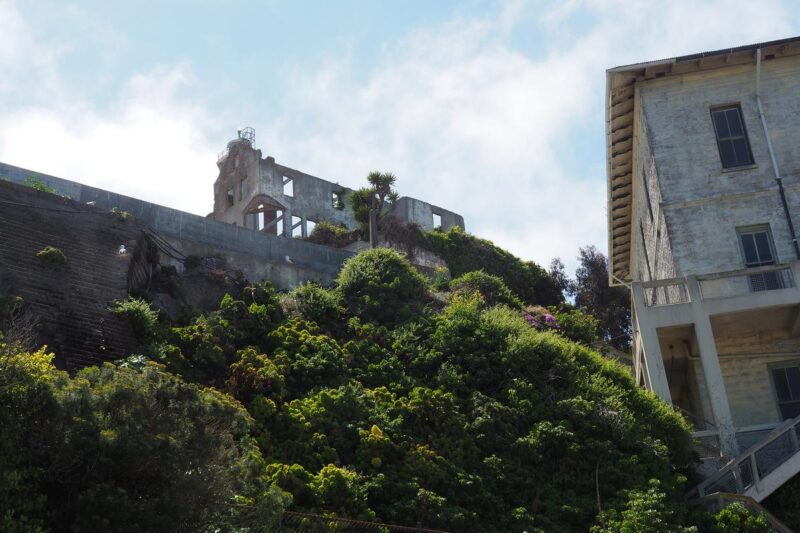
Alcatraz is more than the former federal penitentiary associated with Al Capone and other famous prisoners. The island also preserves military history, natural habitat, and the story of the 1969–1971 Indians of All Tribes occupation. That broader context makes the visit more useful than a simple prison tour.
The only authorized ferry concessioner departs from Pier 33. An official ticket includes round-trip ferry transportation, admission, and the Cellhouse audio tour. Reserve through Alcatraz City Cruises, especially for weekends, holidays, and summer dates. Avoid listings that imply island access but include only a bay cruise.
Allow time for the steep walk from the dock to the cellhouse. A mobility tram is available for visitors who cannot make the climb. Once inside, the approximately 35-minute audio tour uses accounts from former correctional officers and incarcerated people.
A third-party waterfront tour bundled with an Alcatraz ticket may be useful when official inventory is limited, but confirm that the package includes an authorized Pier 33 ferry reservation for your selected date.
Our Alcatraz Island guide covers the island’s history and visitor logistics in greater detail. You can also watch our full Alcatraz visit on YouTube.
3. Golden Gate Park

Best for: A flexible day with gardens, museums, and outdoor space
Time needed: 3 hours to a full day
Cost: Park access is free; individual attractions may charge
Address: San Francisco, CA
Golden Gate Park covers 1,017 acres and stretches roughly three miles to Ocean Beach. Trying to see everything in one visit usually produces more walking than enjoyment. Choose one major indoor attraction, one garden, and one outdoor route.
A balanced first visit could combine the de Young Museum or California Academy of Sciences with the Japanese Tea Garden, then continue west toward Stow Lake, the bison paddock, Dutch Windmill, and Ocean Beach. A free park shuttle helps connect major stops, although operating hours and event detours vary.
JFK Promenade and other car-free routes make the park easier to explore by bicycle or on foot. On festival weekends, expect road closures and heavy transit demand. Review the official access and shuttle information before setting out.
4. Japanese Tea Garden

Best for: Garden design, photography, and a calm break between museums
Time needed: 60–90 minutes
Cost: Paid admission, with limited free-entry periods
Address: 75 Hagiwara Tea Garden Drive, San Francisco, CA 94118
The Japanese Tea Garden is a compact, carefully designed landscape of stepping-stone paths, bridges, koi ponds, stone lanterns, a pagoda, and a tea house. It is one of the easiest Golden Gate Park attractions to pair with the de Young Museum or California Academy of Sciences.
Seasonal blossoms draw the largest crowds, but the garden’s structure, plantings, and water features remain worthwhile throughout the year. The paths include steps, narrow sections, and uneven surfaces, so consult accessibility information if mobility is a concern.
The garden offers free admission during a limited morning hour on selected weekdays, and San Francisco residents qualify for separate admission benefits. Timed reservations and seasonal hours can change, so verify the current schedule and ticket rules rather than relying on an old price or opening time.
5. Fisherman’s Wharf and PIER 39

Best for: Waterfront views, sea lions, and family-friendly sightseeing
Time needed: 2–4 hours
Cost: Free to explore; attractions and food cost extra
Area: Northern waterfront, San Francisco
Fisherman’s Wharf is busy and commercial, but it remains a practical stop for the sea lions at PIER 39, bay views, historic ships, seafood, Ghirardelli Square, and ferry connections. It works best when treated as part of a waterfront walk rather than an entire day.
Go first to K-Dock on PIER 39 for the California sea lions. Their numbers fluctuate by season, food supply, and migration patterns, so a quiet dock does not mean the colony has disappeared. From there, walk west toward the Musée Mécanique, Hyde Street Pier, and Ghirardelli Square.
For food, compare menus and recent reviews rather than assuming every waterfront restaurant offers equal value. Clam chowder in a sourdough bowl is the area’s familiar choice, while longtime seafood restaurants such as Scoma’s offer a more formal meal.
The Powell-Hyde and Powell-Mason cable-car lines connect the Wharf with Union Square and downtown, making the area easy to combine with a central-city day. Check the PIER 39 sea-lion page for current information.
6. Palace of Fine Arts

Best for: Architecture, portraits, and a short scenic stop
Time needed: 30–60 minutes
Cost: Free to walk the outdoor grounds
Address: 3601 Lyon Street, San Francisco, CA 94123
Built for the 1915 Panama-Pacific International Exposition and later reconstructed, the Palace of Fine Arts centers on a monumental rotunda, curved colonnades, and a lagoon. The outdoor grounds are the attraction for most visitors; the adjacent theater and scheduled events operate separately.
Walk the lagoon loop for the clearest views and reflections. Early morning usually gives photographers softer light and fewer portrait sessions. The site pairs naturally with the Presidio, Crissy Field, or the Golden Gate Bridge.
Park hours and event access can change. Review the San Francisco Recreation and Parks listing before an early or late visit.
7. San Francisco Museum of Modern Art
Best for: Modern art, photography, architecture, and rainy days
Time needed: 2–4 hours
Cost: Paid general admission; visitors 18 and younger enter free
Address: 151 Third Street, San Francisco, CA 94103
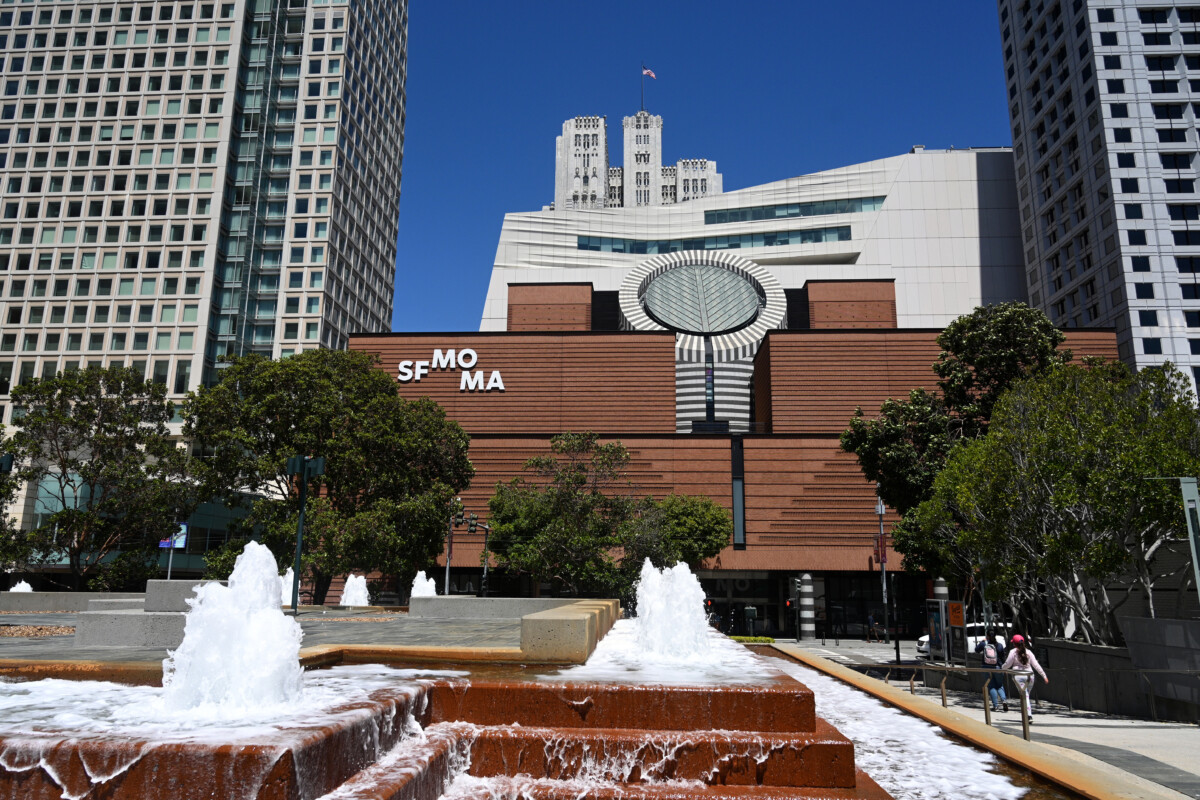
SFMOMA has seven gallery floors covering painting, sculpture, photography, design, architecture, and media arts. Its collection and temporary exhibitions are large enough to reward a focused plan: identify two or three priority galleries before arrival, then leave room for whatever catches your attention.
The museum also maintains approximately 45,000 square feet of art-filled public space on the lower floors that can be visited without a ticket whenever the museum is open. This is useful when you have less than an hour or want to sample the building before committing to full admission.
Check current exhibitions, closed days, and evening hours on the official SFMOMA visitor page. A third-party SFMOMA ticket can be convenient, but compare it with direct admission and free-day eligibility.
For a broader museum shortlist, see our guide to museums in the United States worth planning around.
8. San Francisco Zoo

Best for: Families and travelers who want a full outdoor attraction
Time needed: 3–5 hours
Cost: Paid admission
Address: Sloat Boulevard at the Great Highway, San Francisco, CA 94132
The San Francisco Zoo sits near Ocean Beach on the city’s western edge. Its habitats, gardens, play areas, and animal-care programs make it a better fit for a half-day family outing than a quick stop between central San Francisco landmarks.
The zoo is generally open daily, but animal visibility, feedings, exhibits, and operating hours can change. Use the current visitor guide to decide which habitats matter most to your group. Families who need sensory planning can also review the zoo’s published sensory guide before arrival.
Public transit reaches the zoo, although the trip takes longer than travel between downtown attractions. If you drive, combine the visit with Ocean Beach or the western end of Golden Gate Park instead of crossing the city again later. Families choosing a base can compare our guide to family-friendly hotels in San Francisco.
9. Walk downtown San Francisco, Chinatown, and the Embarcadero

Best for: Architecture, food halls, neighborhood history, and a car-free day
Time needed: Half or full day
Cost: Free to explore
Start: Ferry Building, 1 Ferry Building, San Francisco, CA 94111
Downtown works best as a walking route rather than a single attraction. Start at the Ferry Building, follow the Embarcadero, then turn inland through the Financial District and Chinatown. Continue to Union Square for shopping or south to SFMOMA, Yerba Buena Gardens, and the museums around Third Street.
Chinatown deserves more than a pass through the Dragon Gate. Portsmouth Square, the Chinese Historical Society of America Museum, community bakeries, herbal shops, and side streets away from Grant Avenue give a better account of the neighborhood. Be respectful when photographing businesses, religious spaces, and residents.
BART and Muni make this one of the easiest parts of the trip without a car. The Powell cable-car lines also connect Union Square with Fisherman’s Wharf, though queues can be long at the terminal stops.
For lodging, compare areas in our guide to where to stay in San Francisco. The Hyatt Regency San Francisco Downtown SOMA is a convenient paid option near SFMOMA and Yerba Buena Gardens; verify the current room type, destination fee, and cancellation terms before booking.
North Bay and wine country
10. Point Reyes National Seashore

Best for: Hiking, wildlife, beaches, and rugged coastal scenery
Time needed: Full day
Cost: No general entrance fee; some activities require permits
Start: Bear Valley Visitor Center, Point Reyes Station, CA
Point Reyes National Seashore protects beaches, grasslands, forest, wetlands, ranching history, and marine habitat on the Marin coast. Distances within the park are substantial, so choose one area rather than trying to connect the lighthouse, Tomales Point, Drakes Beach, and Bear Valley in a single rushed loop.
For a first visit, stop at Bear Valley Visitor Center, then choose either the Point Reyes Lighthouse and Chimney Rock or a hiking route closer to Bear Valley. Reaching the lighthouse requires a 0.45-mile uphill walk followed by 313 steps. The stairway closes when winds exceed 40 mph, and fog can eliminate the long ocean views.
Treat the beaches as wild coastline, not protected swimming beaches. High surf, rip currents, sneaker waves, cold water, and severe undertow can be deadly. Stay back from the water during advisories, keep children close, and never turn your back on the ocean.
Cell coverage is limited in places. Download maps, carry water and layers, and check current Point Reyes conditions before leaving. Wildlife closures and pet restrictions protect sensitive habitat.
Point Reyes can anchor one of the best coastal getaways in the United States, but an overnight stay is most useful when you also plan Tomales Bay or additional Marin hikes.
11. Napa Valley Wine Train

Best for: A structured wine-country meal and rail experience
Time needed: About 3–6 hours, depending on the package
Cost: Paid reservation
Address: 1275 McKinstry Street, Napa, CA 94559
The Napa Valley Wine Train operates a 36-mile round trip between downtown Napa and St. Helena. Packages range from meal-focused journeys to longer experiences with winery stops, so the name alone does not tell you how much time, food, or tasting is included.
This is a strong choice for travelers who prefer a planned experience and do not want to coordinate driving between tastings. It is less suitable for visitors who want to select several independent wineries or move at their own pace.
Firsthand note: The original contributor rode the Gourmet Express before the pandemic and found the combination of a multi-course meal, regional wine, historic rail cars, and vineyard views worth recommending. Menus, rolling stock, and package names change, so treat that experience as context rather than a promise of the current product.
Review the current Wine Train experiences before choosing. The linked Napa Valley Wine Train package may include transportation or extras not offered by a direct ticket; compare the exact itinerary and final price.
Use our guide to things to do in Napa Valley to decide whether the train should be the main event or one part of a longer wine-country stay.
12. Six Flags Discovery Kingdom

Best for: Roller coasters, family rides, and animal programs
Time needed: Full day
Cost: Paid admission; some experiences cost extra
Address: 1001 Fairgrounds Drive, Vallejo, CA 94589
Six Flags Discovery Kingdom combines major coasters, smaller family rides, shows, and marine and land-animal attractions. Current signature rides include Medusa, Batman: The Ride, The Joker, and Superman Ultimate Flight, but maintenance, weather, and seasonal schedules can change what operates on a given day.
The park’s animal programs are distinct from the ride lineup and may close earlier. Review showtimes, encounter rules, accessibility information, height requirements, and the daily calendar before arrival. Families should identify a few priority attractions rather than crossing the park repeatedly.
Buy only the add-ons your group will actually use. Fast-lane products, parking, dining plans, and premium animal interactions can materially raise the total cost beyond the admission price. The official park page is the best place to compare the current calendar and restrictions.
East Bay attractions
13. Jack London Square
Best for: Waterfront dining, ferries, markets, and an easy Oakland introduction
Time needed: 2–4 hours
Cost: Free to explore
Address: Broadway and Embarcadero, Oakland, CA 94607
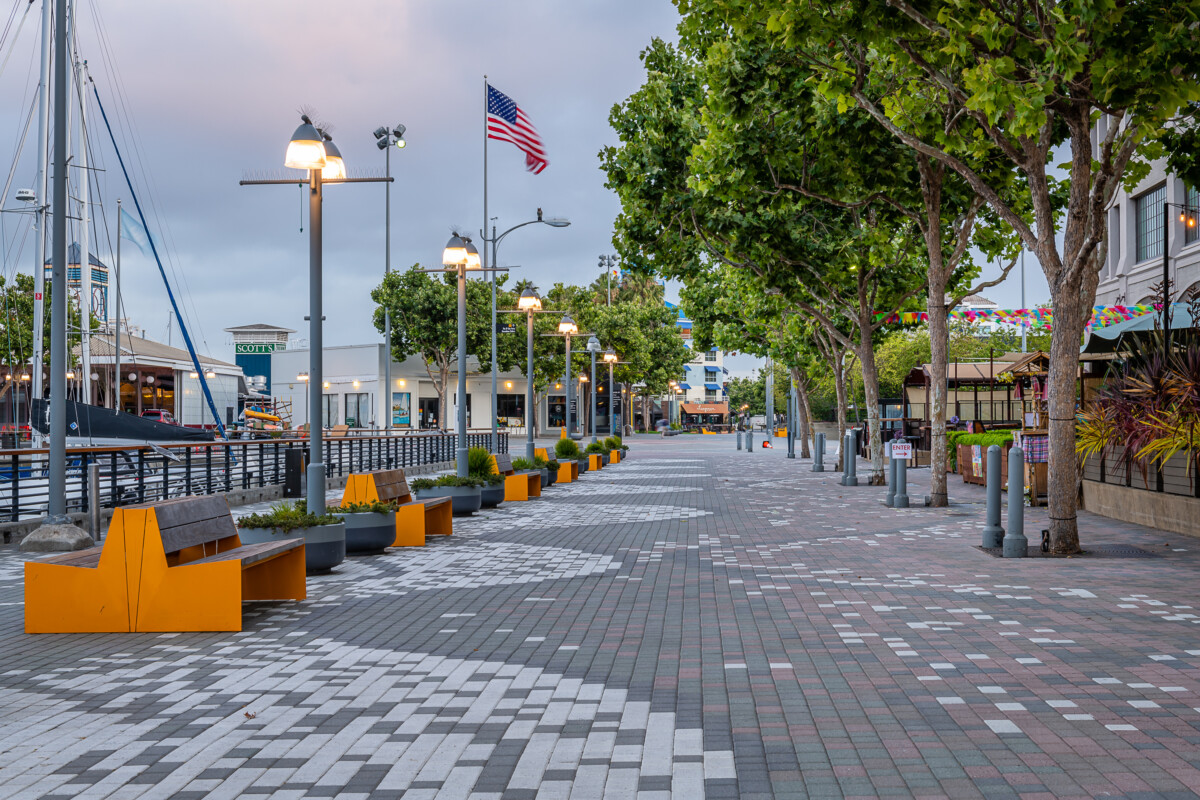
Jack London Square is Oakland’s most accessible waterfront district for visitors arriving from San Francisco. The ferry ride is part of the appeal: daily service links downtown San Francisco, Jack London Square, and Main Street Alameda, with typical trips taking roughly 15–25 minutes.
Walk the waterfront, visit Heinold’s First and Last Chance Saloon, see the reconstructed cabin associated with Jack London, and check the schedule for the USS Potomac. The surrounding restaurant mix changes, so consult current hours before making one venue the reason for your trip.
Sunday is the strongest market day. The Jack London Square Farmers Market currently operates from 11 a.m. to 4 p.m. most Sundays, with annual exclusions. A separate free water shuttle connects the square with Alameda Landing Tuesday through Sunday.
This is an easy first stop in a broader Oakland itinerary. Pair it with the Oakland Museum of California, Lake Merritt, or Chabot rather than returning immediately across the bay.
14. Chabot Space & Science Center

Best for: Astronomy, hands-on science, and families
Time needed: 2–4 hours, plus evening viewing if scheduled
Cost: Paid daytime admission; regular public telescope viewing is free
Address: 10000 Skyline Boulevard, Oakland, CA 94619
Chabot combines interactive science exhibits, planetarium programming, and an observatory setting in the Oakland hills. Its three large historic telescopes give the center a clear advantage over a generic indoor science museum.
Free public telescope viewing is scheduled Friday and Saturday from 7:30 to 10:30 p.m., weather permitting. Rain and high humidity can close individual telescopes, so check conditions before driving uphill for an evening visit.
Daytime center hours and program schedules vary. Review the official plan-your-visit page, especially if a planetarium show or special event is central to your plans. Parking is available on site, but rideshare pickup can be slower late at night.
15. Walnut Creek

Best for: Shopping, performing arts, gardens, and a low-friction East Bay day
Time needed: Half day
Cost: Free to explore; venues charge separately
Area: Downtown Walnut Creek and nearby gardens
Walnut Creek is a useful alternative when you want an East Bay day without a dense urban itinerary. BART reaches downtown, where Broadway Plaza, independent shops, restaurants, and the Lesher Center for the Arts sit within a walkable area.
Check the Lesher calendar for theater, music, comedy, and Bedford Gallery exhibitions. The nearby Ruth Bancroft Garden is a stronger reason to drive: its dry garden centers on cacti, succulents, and climate-adapted plants, with separate opening days and admission.
Do not build the day around the Orinda Theatre, which is in a different city. A coherent Walnut Creek plan is downtown lunch and shopping, one Lesher event or gallery visit, and the Ruth Bancroft Garden if its schedule aligns.
Peninsula, coast, and nearby Santa Cruz County
16. Half Moon Bay

Best for: Coastal walks, cycling, beaches, and seafood
Time needed: Half or full day
Cost: Trail access is generally free; parking varies
Area: Half Moon Bay and the San Mateo County coast
Half Moon Bay is the easiest coastal escape south of San Francisco when you want ocean views without committing to a long Highway 1 road trip. The California Coastal Trail links bluff-top viewpoints, beaches, and harbor areas and works well for walking or cycling.
A practical route begins near Pillar Point Harbor, follows the Coastal Trail south, and leaves time for downtown Half Moon Bay or a seafood meal. The original contributor recommends Sam’s Chowder House for clam chowder; current menus, wait times, and reservations should be checked directly.
The open Pacific can be dangerous even on clear days. Sneaker waves, strong rip currents, cold water, and large breakers affect this coast. Follow posted warnings, avoid jetties and wet rocks, keep distance from the surf, and check National Weather Service advisories.
Use our full guide to things to do in Half Moon Bay for trails, beaches, and a longer coastside plan.
17. Big Basin Redwoods State Park
Best for: Redwood ecology, hiking, and understanding wildfire recovery
Time needed: Half or full day
Cost: Day-use and parking rules vary
Address: 21600 Big Basin Way, Boulder Creek, CA 95006
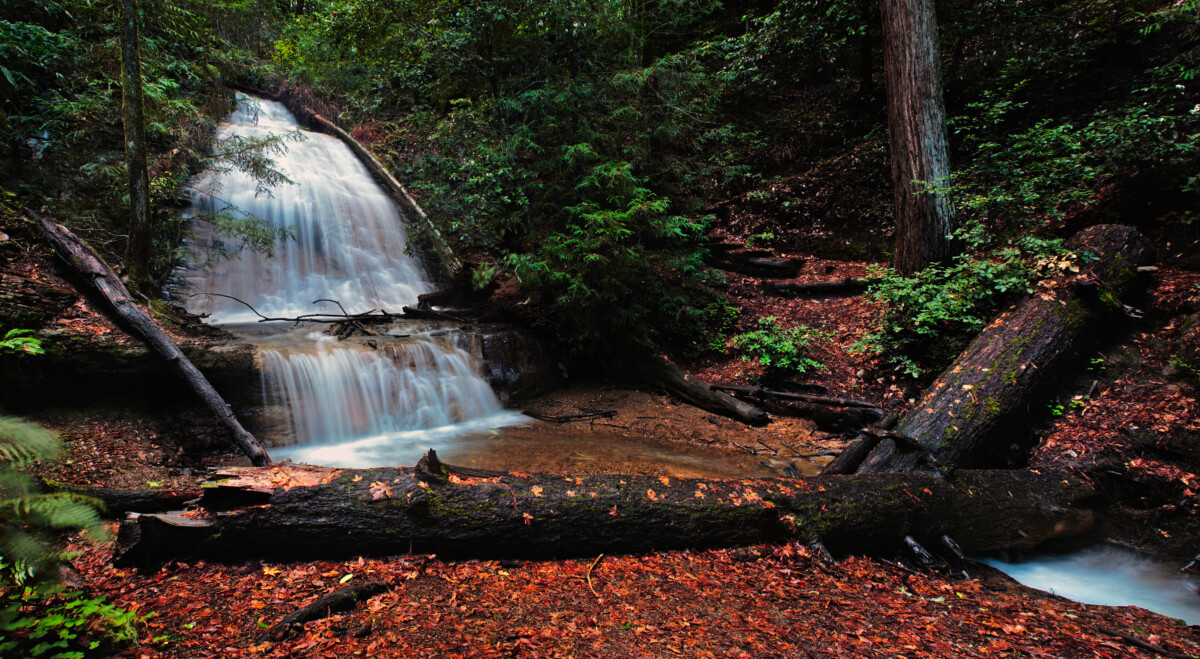
Big Basin is California’s oldest state park and remains a significant redwood destination, but it is still recovering from the 2020 CZU Lightning Complex Fire and later storm damage. A current visit is partly about seeing ecological recovery and the rebuilding of visitor facilities, not recreating the pre-fire park described in older guides.
More trails have reopened, yet access remains conditional. Parking reservations may be available or required for specific dates, some routes remain closed, and the park’s main page currently lists no regular camping or lodging inventory. There is no dependable reason to assume the historic Skyline-to-the-Sea route is fully open.
Bring drinking water, download a current trail map, and check the California State Parks advisories on the morning of your visit. If current conditions do not fit your group, Henry Cowell Redwoods State Park is a practical nearby alternative with a more predictable short redwood walk.
For a broader route, see our guide to things to do in Northern California.
18. Santa Cruz Beach Boardwalk

Best for: A classic seaside amusement day
Time needed: Half or full day
Cost: Admission is free; rides, games, food, and parking cost extra
Address: 400 Beach Street, Santa Cruz, CA 95060
The Santa Cruz Beach Boardwalk combines a beach, arcades, midway games, food stands, and amusement rides beside Monterey Bay. You can walk through without buying admission, which makes it workable for mixed groups where only some people want ride wristbands.
The 1924 Giant Dipper wooden roller coaster is the signature attraction. Ride operations are seasonal, and “limited rides” days do not offer the same experience as a full operating day. Check the official calendar before driving from the Bay Area.
Parking and traffic are the main practical drawbacks on summer weekends. Arrive near opening time, use a remote lot or local transit when practical, and do not rely on an old claim about recurring Friday fireworks; the current event schedule changes from year to year.
Plan the rest of the day with our guide to things to do in Santa Cruz.
South Bay attractions
19. San Jose
Best for: Hands-on science, Silicon Valley context, museums, and food halls
Time needed: Full day
Cost: Neighborhoods are free to explore; attractions charge separately
Area: Downtown San Jose and western San Jose
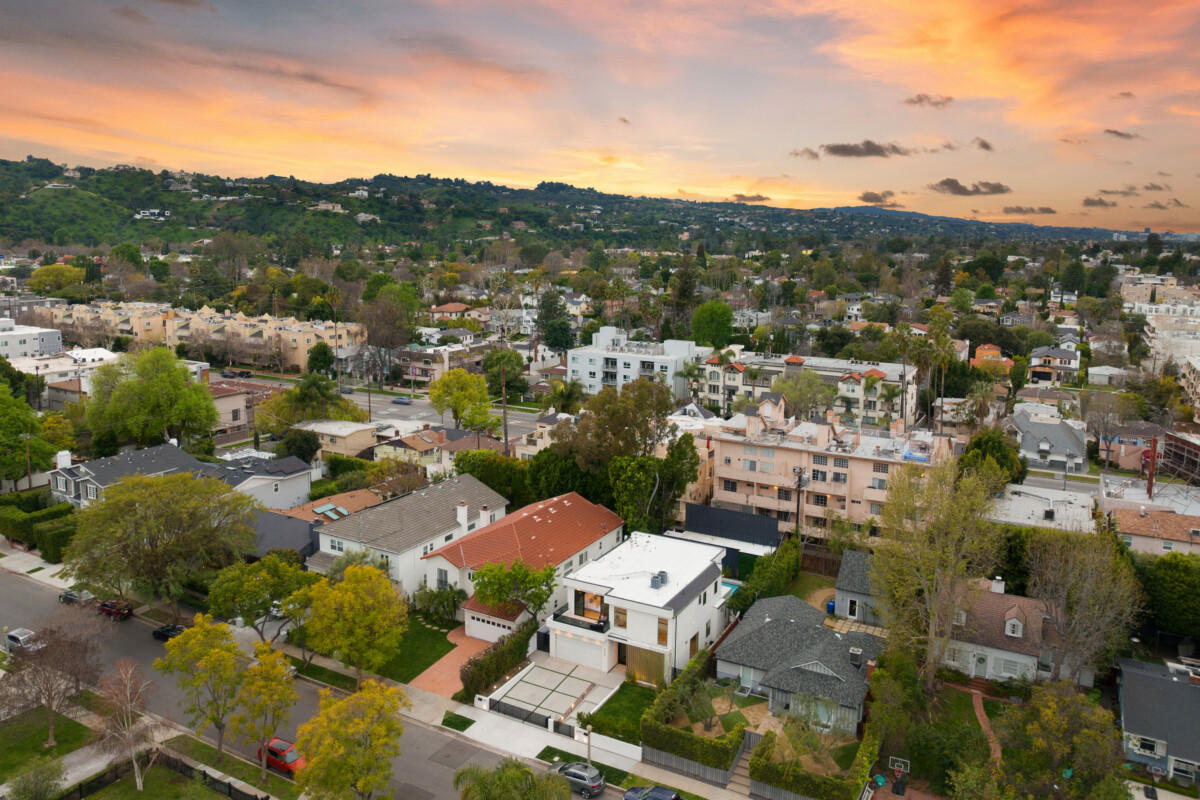
San Jose deserves a specific itinerary rather than a generic drive through Silicon Valley. Downtown, pair The Tech Interactive with the San Jose Museum of Art and San Pedro Square Market. Families may prefer the Children’s Discovery Museum, while architecture and social-history travelers can book a tour at the Winchester Mystery House.
Japantown adds restaurants, shops, public art, and community history north of downtown. The Municipal Rose Garden and Rosicrucian Egyptian Museum form another useful pairing west of the city center.
A self-drive technology tour can add context, but many company campuses are working offices rather than public attractions. A Silicon Valley audio tour is best for travelers who understand that the experience is primarily exterior sightseeing and regional history, not access to private buildings.
Use the official San Jose attraction directory to confirm current museum days, tour schedules, and events.
20. California’s Great America

Best for: Roller coasters, water rides, and family entertainment
Time needed: Full day
Cost: Paid admission; parking and add-ons cost extra
Address: 4701 Great America Parkway, Santa Clara, CA 95054
California’s Great America currently advertises more than 50 rides and attractions, including major coasters, Planet Snoopy, and the South Bay Shores waterpark. The waterpark is included with park admission when it is operating, but its calendar can differ from the main park.
Thrill-focused visitors should identify their priority coasters and arrive before opening. Families with younger children can concentrate on Planet Snoopy and lower-intensity rides rather than crossing the entire property. Height restrictions, weather, and maintenance affect daily availability.
The park operates on a seasonal calendar, so do not assume it is open every weekday outside peak summer. Check the official calendar and hours before buying transportation or lodging.
For wider California planning, compare routes in our guide to the best California road trips.
A practical first-time itinerary
- Day 1: Golden Gate Bridge, Palace of Fine Arts, Crissy Field, and Fisherman’s Wharf.
- Day 2: Alcatraz in the morning, followed by the Ferry Building, Chinatown, and downtown.
- Day 3: Golden Gate Park, Japanese Tea Garden, and either SFMOMA or the San Francisco Zoo.
- Day 4: Point Reyes for hiking and coast, or Napa Valley for food and wine.
- Day 5: Ferry to Jack London Square and continue to Chabot, or spend the day in San Jose and Santa Clara.
With additional time, add Half Moon Bay and a separate Santa Cruz County day. Do not combine Point Reyes, Napa, and the Santa Cruz coast in one day; the driving time would overwhelm the experience.
Frequently asked questions
How many days do you need in the San Francisco Bay Area?
Three full days is enough for the main San Francisco sights. Five to seven days is better if you want two or three regional day trips such as Point Reyes, Napa Valley, Oakland, San Jose, or Half Moon Bay.
Can you explore the Bay Area without a car?
Yes, for San Francisco, Oakland, and many BART-accessible cities. Use BART, Muni, ferries, buses, and rideshare. A car is substantially more practical for Point Reyes, Napa, Half Moon Bay, Big Basin, and Santa Cruz.
What are the best free things to do in the Bay Area?
Strong free options include walking the Golden Gate Bridge, exploring Golden Gate Park, visiting the Palace of Fine Arts grounds, walking the Embarcadero and Chinatown, exploring Jack London Square, and entering the Santa Cruz Beach Boardwalk without riding.
Which Bay Area attractions should be booked in advance?
Book Alcatraz first. Napa Valley Wine Train experiences, theme-park dates, popular museum exhibitions, and timed garden entry may also sell out. Check Big Basin parking rules and current park alerts before departure.
What are the best Bay Area activities with kids?
California’s Great America, the San Francisco Zoo, Chabot Space & Science Center, The Tech Interactive, Golden Gate Park, Six Flags Discovery Kingdom, and the Santa Cruz Beach Boardwalk are the strongest family choices. Match the attraction to each child’s height, stamina, sensory needs, and interest in rides or museums.
Is Santa Cruz part of the San Francisco Bay Area?
No. The official nine-county Bay Area does not include Santa Cruz County. Santa Cruz and Big Basin are included here as nearby day trips that travelers commonly add to a Bay Area itinerary.
Choose the region before choosing more attractions
A strong Bay Area itinerary prioritizes coherent days over a high pin count. Decide how many city days, nature days, and long driving days you actually want, then reserve the limited-capacity experiences. San Francisco supplies the densest concentration of landmarks; Point Reyes, Napa, Oakland, San Jose, and the coast each add a different reason to extend the trip.
Keep plans flexible enough for fog, wind, traffic, and seasonal closures. A shorter route with time to walk, eat, and adjust will usually produce a better trip than forcing all 20 places into one visit.