MenuClose

A place worth knowing

Alcatraz Island

Attractions · Historic site in San FranciscoUpdated

  • Google rating4.7/5
  • Typical visit2-3 hours average visit, longer with night tours or extensive exploration of the island's ecological features.
  • EntranceAdmission required — check https://www.nps.gov/alca/ for tickets
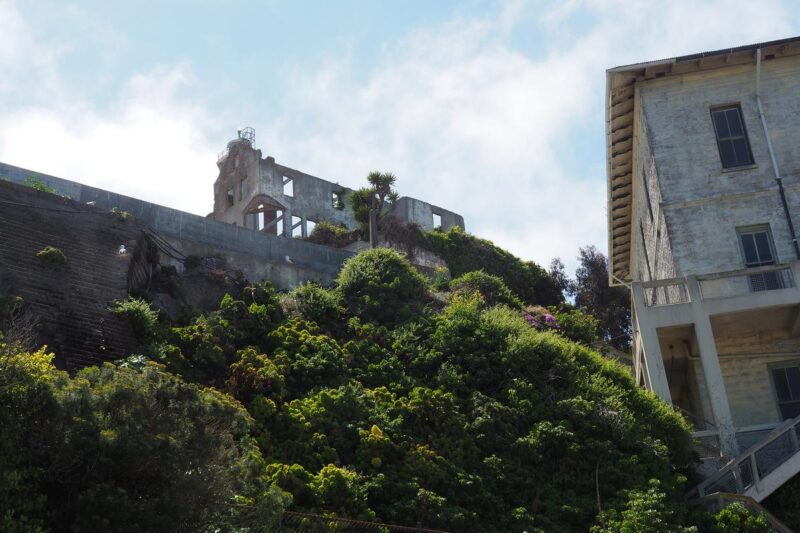
Alcatraz Island view with San Francisco Bay and misty hills backdrop
Kyle Kroeger / ViaTravelers
  • Today (Sunday)9:00 AM – 3:30 PM (ferry departures)
  • Typical visit2-3 hours average visit, longer with night tours or extensive exploration of the island's ecological features.
  • EntranceAdmission required — check https://www.nps.gov/alca/ for tickets
  • Google rating4.7/5
  • WebsiteOfficial site ↗
  • TicketsCheck availability ↗
Opening hours all week
Monday
9:00 AM – 3:30 PM (ferry departures)
Tuesday
9:00 AM – 3:30 PM (ferry departures)
Wednesday
9:00 AM – 3:30 PM (ferry departures)
Thursday
9:00 AM – 3:30 PM (ferry departures)
Friday
9:00 AM – 3:30 PM (ferry departures)
Saturday
9:00 AM – 3:30 PM (ferry departures)
Sunday
9:00 AM – 3:30 PM (ferry departures)
Features
  • Historic landmark
  • National Park site
  • Unique attraction
  • Cultural heritage
Alcatraz Island view with San Francisco Bay and misty hills backdrop
The short answer

Why it matters

The infamous former federal penitentiary on a rocky island in San Francisco Bay, now a national park with gripping audio-guided prison tours

Alcatraz Island stands as one of America’s most fascinating and infamous historical sites, located 1.25 miles offshore in San Francisco Bay. Originally developed as a military fortification in the 1850s, the island’s identity transformed dramatically when it became a maximum-security federal penitentiary from 1934 to 1963. During this period, “The Rock” housed some of America’s most notorious criminals, including Al Capone, Machine Gun Kelly, and Robert Stroud (the “Birdman of Alcatraz”). The prison gained legendary status for its reputation as escape-proof, though the 1962 attempt by Frank Morris and the Anglin brothers remains shrouded in mystery. Today, the abandoned prison complex and its windswept island setting create a powerfully atmospheric visitor experience. Beyond its penitentiary history, Alcatraz played a significant role in Native American activism when the Indians of All Tribes occupied the island from 1969 to 1971, drawing national attention to indigenous rights. The island also offers unexpected ecological treasures with gardens dating to the prison era, nesting seabirds, and spectacular 360-degree views of the San Francisco skyline, Golden Gate Bridge, and bay waters. National Park Service tours provide profound insights into American justice history, incarceration, and the human stories that unfolded in this isolated microcosm.

Cultural Context

Powerful symbol of both American incarceration and Indigenous resistance. The 19-month Native American occupation (1969-1971) by Indians of All Tribes transformed the island from a symbol of punishment into one of freedom and civil rights, sparking nationwide Indigenous activism and leading to new federal laws respecting aboriginal land rights.

Historical Context

Sacred to Coast Miwok and Ohlone peoples for 10,000+ years as fishing and gathering site. Spanish named it Isla de los Alcatraces (Island of Pelicans). Served as military fortress (1850s), military prison (1868), and federal maximum-security penitentiary (1934-1963) housing infamous inmates like Al Capone before 1969 Native American occupation.


Context

Story and significance

About

Stepping onto Alcatraz Island, you’re treading on a piece of history infamous for its past as the most secure prison in the world. Your journey begins with a ferry ride from the Embarcadero, offering breathtaking views of San Francisco’s skyline. As the distance to civilization stretches, an intriguing blend of anticipation and a subtle chill preludes your arrival to this legendary isle.

Rich with a past far beyond its days as a federal penitentiary—including its origins as a military fortification and a lighthouse—Alcatraz stands as a monument to human resilience and society’s darker aspects.

Historical significance

Alcatraz is historically significant as a symbol of U.S. penal policy, military coastal defense and later Indigenous activism and heritage preservation. Its layered histories are important to scholars of criminal justice, military history and Native American rights, and the site serves as a preserved example of 19th- and 20th-century institutional use.

Historical context

Originally used for military fortifications and a military prison in the 19th century, the island later housed a federal penitentiary in the 20th century that held high-profile prisoners until its closure. After the prison era, Alcatraz became notable for a prolonged occupation by Native American activists and subsequent preservation and conversion into a public historic site.

Cultural context

Alcatraz Island is a prominent cultural landmark in San Francisco Bay, known for its former federal penitentiary, military history and unique island setting. It draws visitors for guided tours, dramatic views of the city and bay, and interpretive programs that explore incarceration, escape attempts and Indigenous history associated with the island.

Architecture

The island’s built environment includes robust masonry and concrete prison structures, service buildings, barracks and military fortifications adapted to a small rocky island. The architecture reflects federal prison design principles of isolation and security, as well as earlier coastal defense engineering suited to the site’s exposed maritime conditions.

Local significance

Alcatraz Island holds a complex place in San Francisco’s local consciousness as both a notorious former federal penitentiary and an important site of Native American protest and reclamation. Residents and Bay Area organizations engage with the island as part of the region’s layered history of incarceration, federal authority and indigenous activism, making it a focal point in public memory and civic education. It is also a well-known landmark that shapes waterfront identity and the tourist economy, with many locals seeing it as symbolically tied to the city’s waterfront landscape.

Updated Data: Editorial research · Google Places ratings · Verified coordinates