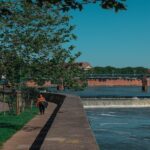
Oaxaca, a culturally rich city in southern Mexico, is renowned for its rich cultural heritage, stunning colonial architecture, and diverse culinary scene. Nestled in the Sierra Madre mountains, Oaxaca offers a unique blend of indigenous traditions and modern influences, making it a captivating destination for travelers seeking both adventure and cultural immersion.
The destination guide
Oaxaca

Region in Mexico, North AmericaUpdated
- Overall9/10
- Best forCouples, Budget travelers
- PeakJan, Mar, Nov, Dec
- CurrencyMXN
Oaxaca’s food scene alone justifies the flight — but the markets, mezcal distilleries, and Zapotec ruins make it hard to leave.
Travel guides for Oaxaca
More guides featuring Oaxaca (1)
At a glance
CurrencyMXN
Time zoneCentral Standard Time
Languages
- Spanish
Setting
- Mountain valley
- Colonial architecture
- Indigenous villages
- Sierra Norte mountains
Population300K300,050 residents
VisaDuration: Up to 180 days as a visitor without paid activities · Documents: Valid passport for the duration of stay and supporting documents requested by Mexican immigration authorities
How Oaxaca scores
9/10OverallExcellent
Weather8/10
Value for money8/10
Safety6/10
Food & cuisine9/10
Culture & arts7/10
Cultural experience9/10
History9/10
Nature & outdoors7/10
Adventure6/10
Nightlife6/10
Shopping7/10
Family friendly5/10
Romance8/10
Editorial scores on a 10-point scale, weighed against destinations of the same kind.
Travel safety snapshot
Overall55/100Exercise precaution
Women travellers50/100
LGBTQ+ travellers25/100
Theft50/100
Medical care50/100
Physical harm60/100
Political freedom45/100
SafePlace indicators use their source 100-point scale; higher is more favourable. Planning context, not a live travel advisory — check official government guidance before you go.
When to go
Best months to visit: January, February, March, April, May, June, September, October, November and December.
- January: 9.8 to 22.8 degrees Celsius, 1.1 millimetres of rain, best-time score 4 out of 5.
- February: 10 to 25.6 degrees Celsius, 0.5 millimetres of rain, best-time score 4 out of 5.
- March: 12.4 to 26.8 degrees Celsius, 2.9 millimetres of rain, best-time score 5 out of 5.
- April: 13.9 to 28.2 degrees Celsius, 1.1 millimetres of rain, best-time score 5 out of 5.
- May: 14.5 to 26.3 degrees Celsius, 27.5 millimetres of rain, best-time score 5 out of 5.
- June: 15.1 to 23.3 degrees Celsius, 99.7 millimetres of rain, best-time score 4 out of 5.
- July: 14.3 to 23.7 degrees Celsius, 64.5 millimetres of rain, best-time score 3 out of 5.
- August: 14.3 to 23.7 degrees Celsius, 34 millimetres of rain, best-time score 3 out of 5.
- September: 15.2 to 23.1 degrees Celsius, 82.7 millimetres of rain, best-time score 5 out of 5.
- October: 13 to 22.9 degrees Celsius, 27 millimetres of rain, best-time score 5 out of 5.
- November: 11.8 to 23.4 degrees Celsius, 0.2 millimetres of rain, best-time score 4 out of 5.
- December: 10.5 to 23.9 degrees Celsius, 0.3 millimetres of rain, best-time score 4 out of 5.
Month-by-month conditions and packing advice
- January
- Warm and pleasant, mostly dry Mild winter, pleasant for exploring. Crowds: January falls firmly within Oaxaca’s dry season, making it one of the most favorable months for travelers. This period coincides with post-holiday travel, meaning moderate crowds but still elevated demand for boutique hotels and central accommodations. Pleasant daytime temperatures support a wide range of activities, from hiking in the surrounding Sierra Norte to attending mezcal tastings and artisan markets. Travelers benefit from predictable conditions, though nights require warmer layers. As this is a popular time for international visitors seeking cultural immersion, booking accommodations and tours in advance is recommended. Costs are generally higher than during the wet months, but the trade-off is near-perfect weather and excellent opportunities for both sightseeing and cultural events without rain disruptions. Pack: Light sweater or fleece for cool evenings; Comfortable walking shoes for cobblestone streets; Wide-brimmed hat and strong sunscreen; Breathable shirts for warm afternoons; Reusable water bottle to stay hydrated in dry air; Smart-casual clothing for cultural events and dining
- February
- Warm and pleasant, mostly dry Comfortable temperatures, low crowds. Crowds: February is one of the most favorable months for travelers in Oaxaca, aligning with the peak dry season. The dependable sunshine and warm yet not overly hot temperatures make it perfect for walking tours, exploring archaeological ruins, and day trips into mezcal-producing villages. This period is considered high tourist season, so accommodations and tours may be busier and priced higher. Crowds are noticeable but not overwhelming, especially outside of major holiday periods. The lack of rain ensures smooth logistics, whether for road trips through the valleys or visits to artisan communities. Travelers should book accommodations in advance, particularly if planning to coincide with cultural events or extended weekends, as demand is strong during these crisp, sunny months. Pack: Light sweater or jacket for cool evenings; Breathable shirts and blouses for daytime warmth; Comfortable walking shoes for uneven cobblestone streets; Wide-brimmed hat and high-SPF sunscreen; Modest attire for churches and cultural sites; Reusable water bottle to stay hydrated in dry air
- March
- Warm and pleasant, mostly dry Spring weather, excellent for outdoor activities. Crowds: March falls squarely within Oaxaca’s dry season, offering near-ideal travel conditions and making it one of the city’s most popular times for visitors. The combination of warm, sunny days and cool evenings ensures comfort for cultural exploration, whether wandering UNESCO-listed streets, hiking nearby ruins, or browsing artisan workshops. This period aligns with increased international travel demand, so accommodations and flights can be more expensive, and reservations often need to be made in advance. Festival season is approaching, meaning energy in the city begins to build, with more performances and events on offer. Travelers should expect lively atmospheres, moderate crowds, and higher activity pricing. Still, the mild weather outweighs the drawbacks, ensuring reliable conditions for outdoor experiences without the heavy rains or intense heat that characterize summer months. March represents an excellent balance between cultural richness, comfort, and reliable skies. Pack: Light sweater or jacket for cool evenings; Comfortable walking shoes for cobblestone streets; Breathable cotton or linen clothing for daytime heat; Wide-brimmed hat and sunglasses for strong sun; Reusable water bottle to stay hydrated in dry air; Respectful attire for churches and cultural sites
- April
- Warm and pleasant, mostly dry Beautiful spring days, perfect sightseeing time. Crowds: April represents one of Oaxaca’s prime travel months, balancing warm daytime comfort with low humidity and minimal rainfall. The city feels vibrant yet manageable, as it falls between the busier Easter holiday and the start of the summer high season. Travelers can expect moderate crowds and steady accommodation prices compared to peak festival periods like July’s Guelaguetza. Outdoor activities—from walking tours through the historic center to day trips into mezcal-producing villages—benefit from long, dry days and pleasant evenings. Hiking and archaeological visits are especially rewarding with the clear visibility and cooler nights. The only caution is stronger midday sun, so shade breaks are essential. For visitors seeking a balance of cultural engagement and ideal weather without overwhelming crowds, April is an excellent choice. Pack: Lightweight cotton or linen clothing for daytime heat; Comfortable walking shoes for cobblestone streets and ruins; Wide-brimmed hat and high SPF sunscreen for midday sun; Light jacket or shawl for cooler evenings; Reusable water bottle to stay hydrated in dry air; Respectful, modest attire for visiting churches and cultural sites
- May
- Warm and pleasant, some rain Warm and sunny before summer peaks. Crowds: May sits at the threshold between Oaxaca’s dry season and its wetter summer months, creating a sweet spot for visitors. The weather remains favorable for walking tours, day trips to Monte Albán, and sampling the city’s famed culinary scene, but travelers should anticipate a few rain showers. This period sees fewer international visitors compared to the peak winter season, which means more space at cultural sites and slightly lower hotel rates. It’s a good month for those seeking authenticity without the bustle of holiday crowds. Photographers benefit from dramatic cloudscapes that roll in during late afternoons, adding depth to city and landscape shots. Travelers should be prepared for warm afternoons, cooler evenings, and the occasional damp street—conditions that favor a balanced, relaxed pace of travel. Pack: Breathable cotton shirts for warm afternoons; Light rain jacket or compact umbrella; Comfortable sandals or walking shoes with grip; Layered sweater or light jacket for cool evenings; Reusable water bottle to stay hydrated in mild humidity; Respectful attire for churches and cultural visits (covered shoulders and knees)
- June
- Warm and pleasant, some rain Getting warm, early beach weather. Crowds: June signals the start of Oaxaca’s wet season, meaning fewer international tourists and more affordable accommodation rates compared to the dry winter months. While heavy afternoon rains can disrupt outdoor activities, mornings are generally pleasant, making it a good time for early market visits, archaeological excursions, or cultural workshops. This is considered shoulder season—between peak dry months and the festival-heavy summer—so cultural sites feel less crowded. Visitors should plan excursions earlier in the day and keep flexible itineraries for weather shifts. Prices for flights and hotels are usually moderate, and the city’s cultural pulse remains lively with local festivals and a flourishing food scene fueled by fresh seasonal produce. Pack: Light waterproof jacket for sudden rainstorms; Quick-dry clothing for humid conditions; Comfortable closed-toe shoes for wet cobblestones; Compact umbrella or poncho for city wandering; Reusable water bottle to stay hydrated in humidity; Modest attire for visiting churches and cultural sites
- July
- Warm and pleasant, some rain Hottest month, can be crowded. Crowds: Travelers visiting in July encounter Oaxaca at its most lush and culturally alive. While showers are common, they are typically brief, leaving plenty of clear windows for sightseeing, hiking, or attending festivals. This is a shoulder-to-high season period, overlapping with the renowned Guelaguetza Festival, which brings increased demand for accommodations and higher prices around event dates. Crowds are livelier than during the dry winter months, especially as both domestic and international visitors flock to the city for cultural performances. Outdoor activities like market visits, mezcal tastings, and village tours remain rewarding, provided you plan around the rain and carry light protection. Those seeking quieter archaeological site visits may find mornings best before festival crowds and afternoon storms arrive. Booking accommodations and festival tickets well in advance is strongly advised. Pack: Light waterproof jacket for afternoon showers; Sturdy walking shoes with good grip for wet cobblestones; Compact umbrella or travel poncho; Breathable cotton layers for warm days; Light sweater or shawl for cool evenings; Traditional modest attire for cultural events and churches
- August
- Warm and pleasant, some rain Very warm and busy. Crowds: August falls within Oaxaca’s rainy season, but showers tend to be short-lived and interspersed with sunshine, keeping most activities feasible. Travelers will encounter fewer crowds compared to peak cultural festival months like July (Guelaguetza) or October (Día de los Muertos preparations), making it an appealing time for those seeking more intimate cultural encounters. Accommodation rates are moderate, with occasional discounts due to reduced demand, and it’s easier to find last-minute availability in boutique hotels or eco-lodges. Outdoor activities like archaeological site visits and village tours are still highly enjoyable with flexible timing around showers. Travelers interested in markets and culinary experiences will find August rewarding, as seasonal produce is at its peak and food culture thrives regardless of weather. Pack: Lightweight rain jacket or compact travel umbrella; Breathable cotton or linen shirts for humid conditions; Comfortable waterproof walking shoes for cobblestone streets; Quick-dry trousers or skirts for versatility; Modest attire for visiting churches and cultural sites; Daypack with waterproof cover for carrying essentials
- September
- Warm and pleasant, some rain Excellent weather as heat subsides. Crowds: September in Oaxaca offers quieter streets and more affordable stays, as it falls within the shoulder of the rainy season when international tourist numbers dip. While the occasional shower may delay long hikes or countryside excursions, city-based experiences—from mezcal tastings to art walks—continue largely uninterrupted. The reduced crowd levels allow more intimate access to cultural landmarks and markets, while accommodations and flights are generally priced lower than during the dry season peak months. It’s an excellent time for travelers who value authenticity over ideal weather, and who enjoy capturing moody, atmospheric photography. Visitors should plan indoor cultural activities or museum visits as flexible options during rainier afternoons. Pack: Compact umbrella or lightweight rain jacket; Breathable clothing suitable for warm, humid days; Comfortable waterproof walking shoes; Light sweater or shawl for cooler evenings; Quick-dry travel pants or skirts; Reusable water bottle to stay hydrated in humid conditions
- October
- Warm and pleasant, some rain Mild autumn, comfortable and less crowded. Crowds: October is a shoulder-season month in Oaxaca, balancing the fading rains with milder tourist numbers. The climate remains inviting for outdoor activities such as strolling through artisan markets, visiting Monte Albán, or sampling seasonal moles at local festivals. Because peak tourist arrivals begin in late October with Día de los Muertos preparations, early-month travelers benefit from fewer crowds and slightly lower hotel rates. By the end of the month, demand spikes, so booking in advance is wise if aiming to witness the cultural celebrations. Outdoor excursions are rarely disrupted by rain, though carrying light rain protection helps. Overall, October offers a strategic mix of cultural immersion and manageable conditions, ideal for travelers who appreciate authenticity before the peak festivities bring higher prices and bustling crowds. Pack: Light rain jacket or compact umbrella for intermittent showers; Layered clothing to handle warm days and cool 13°C nights; Comfortable walking shoes for uneven cobblestone streets; Light sweater or shawl for evening plaza gatherings; Respectful attire for church visits and cultural sites; Reusable water bottle to stay hydrated in the highland climate
- November
- Warm and pleasant, mostly dry Cooler but still pleasant. Crowds: Travelers visiting in November encounter some of the most favorable conditions of the year. With dry weather and cool nights, it’s a comfortable period for walking tours, outdoor markets, and day trips to mezcal villages. This shoulder season follows the busy Day of the Dead celebrations, so crowd levels dip, but accommodations may still carry slightly elevated pricing due to lingering demand. Outdoor activities, from hiking to cultural excursions, are especially pleasant given the moderate temperatures and low risk of rain interruptions. Booking early remains smart if aligning with post-festival dates, but those arriving later in the month benefit from calmer streets and more availability. Overall, November provides an excellent balance of cultural richness, fewer crowds, and stable, photogenic weather conditions. Pack: Light jacket or sweater for cool evenings; Comfortable walking shoes for cobblestone streets; Reusable water bottle to stay hydrated in dry air; Sun hat and SPF 50 sunscreen for daytime outings; Breathable cotton clothing for daytime warmth; Scarf or shawl for layering during early mornings
- December
- Warm and pleasant, mostly dry Mild winter, festive atmosphere. Crowds: December represents peak season for tourism in Oaxaca, coinciding with both excellent weather and significant cultural festivities. The nearly rain-free conditions make it ideal for strolling through the historic center, visiting archaeological sites like Monte Albán, or exploring the mezcal countryside. However, this popularity also brings larger crowds, especially around events such as Noche de Rábanos (Night of the Radishes) before Christmas. Accommodation prices rise noticeably, and early booking is highly recommended. Travelers benefit from clear weather perfect for both daytime exploration and evening cultural events, though cooler nighttime temperatures mean carrying an extra layer. Overall, December is one of the best months to visit, combining cultural immersion with near-perfect weather, provided visitors are comfortable with busier streets and higher costs. Pack: Light jacket or sweater for cooler evenings; Comfortable walking shoes for cobblestone streets; Breathable daytime clothing such as cotton or linen; Sunhat and high SPF sunscreen for midday exploration; Modest attire for visiting churches and cultural sites; Reusable water bottle to stay hydrated in the dry air
Peak season
- November
- December
- January
- March
Off-peak
- June
- July
- August
- September
Know before you go
About
Oaxaca de Juárez, capital of the southern Mexican state of Oaxaca, is one of the country’s most culturally rich and colorful cities, set in a high valley ringed by mountains. Founded by Spanish settlers in 1529 as Antequera on a site of earlier Zapotec settlement, the city of about 270,000 is celebrated for its UNESCO-listed historic center of carved-stone churches and pastel colonial streets. Just outside town rise the dramatic ruins of Monte Albán, the ancient Zapotec capital founded around 500 BC and itself a UNESCO World Heritage Site, with hilltop plazas overlooking the valley. Oaxaca is a gastronomic powerhouse, renowned as the world capital of mezcal and the home of complex mole sauces, tlayudas, and street-market feasts. It is also one of the planet’s most famous places to experience Day of the Dead, when cemeteries and streets fill with marigolds, altars, and processions. With vibrant crafts, Indigenous heritage, and incredible food, Oaxaca enchants every visitor.
Neighbourhoods
Centro, Jalatlaco, Xochimilco, Reforma
Best time to visit
Oaxaca’s highland plateau climate (1,555 m / 5,100 ft elevation) moderates tropical heat, making the city comfortable year-round with distinct dry and wet seasons.
Dry Season (October-April)
Clear skies, warm days (24-30°C / 75-86°F), cool nights. This is peak season, with Day of the Dead (late October-early November) and Christmas/Noche de Rábanos (December 23) drawing the largest crowds. January-March offers excellent weather with fewer visitors than the holiday periods.Shoulder (May, October-November)
May is hot and dry before the rains arrive. October-November transitions from wet to dry, with the landscape still green and Day of the Dead celebrations adding cultural intensity. Good value periods with manageable weather.Rainy Season (June-September)
Afternoon thunderstorms (usually 1-3 hours) leave mornings clear. The landscape turns dramatically green, markets overflow with seasonal produce, and the Guelaguetza festival (last two Mondays of July) is Oaxaca’s most important cultural celebration — indigenous dance, music, and costume from the state’s eight regions. Lower prices, fewer tourists, richer cultural calendar.Season by season
Dry Season (Oct-April):
Weather: 70-85°F, sunny, cool nights
Highlights: Day of the Dead (Nov), Radish Night (Dec)
Best For: Festivals, culture, perfect weather
Rainy Season (May-Sept):
Weather: 80°F, afternoon thunderstorms
Highlights: Guelaguetza Festival (July), lush green landscapes
Best For: Fewer crowds (except July), photographers
Shoulder (April-May):
Weather: Hottest months (90°F+)
Highlights: Jacarandas blooming
Best For: Swimming at Hierve el Agua
Crowds
Oaxaca (city and state) is busiest during the Guelaguetza (July) and Day of the Dead (late October–early November) plus December holidays, attracting strong domestic and international crowds; quietest in May–June (hot pre‑rain months) when visitor numbers are lower.
Getting there and around
Getting there
Xoxocotlán Airport (OAX) receives direct flights from Mexico City (1 hour), Guadalajara, Cancún, Tijuana, and occasionally US cities. ADO first-class buses from Mexico City take approximately 6 hours via the toll highway through Puebla. Driving from Mexico City via the Cuacnopalan-Oaxaca superhighway takes approximately 5 hours. From coastal destinations like Puerto Escondido or Huatulco, domestic flights or mountain road drives (6-8 hours) connect to the city.
Getting around
The historic center is compact and walkable — most attractions, restaurants, and hotels lie within a 15-minute walk of the Zocalo. Taxis are plentiful and affordable (M$40-60 / US$2-3 within the center); agree on the price before entering. Colectivos (shared taxis) run fixed routes for even less. Didi operates in partnership with local taxis. Public buses cover the wider city. For Monte Albán, Hierve el Agua, and artisan villages, organized tours, rental cars, or colectivos from the second-class bus terminal are the options.
Top experiences in Oaxaca
Monte Albán
The ancient Zapotec capital, perched on a flattened mountaintop 8 km from Oaxaca City, was founded around 500 BCE and dominated the valley for over a millennium. The enormous Grand Plaza — 300 meters long — is surrounded by pyramidal platforms, temples, a ball court, and the enigmatic Danzantes (carved stone figures once thought to be dancers but now understood as captive warriors). The site’s strategic position on a mountain ridge provided both defensive advantage and symbolic authority: standing on the North Platform looking south across the plaza, with the valley spreading below in every direction, you understand why 25,000 people once lived here. A UNESCO World Heritage Site.
Templo de Santo Domingo
This 16th-century Dominican church and former monastery is Oaxaca’s architectural crown jewel. The exterior’s restrained baroque façade gives no warning of what waits inside: every surface of the interior explodes with gilded stucco decoration — vines, angels, saints, and medallions covering walls and ceiling in an unbroken field of gold. The adjacent monastery now houses the Museum of Oaxacan Cultures, with artifacts from Monte Albán including the treasures from Tomb 7. Behind the complex, the Jardín Etnobotánico de Oaxaca showcases the region’s extraordinary plant diversity, from cacti to tropical orchids.
Markets (Benito Juárez & 20 de Noviembre)
Two interconnected markets near the Zocalo form the heart of Oaxacan food culture. Mercado Benito Juárez is the drier goods market: chocolate, mole pastes, chapulines (toasted grasshoppers), quesillo (string cheese), and mezcal. Mercado 20 de Noviembre centers on food — the Pasillo de Humo (Smoke Passage) is a corridor of charcoal grills serving tasajo (dried beef), cecina (chilli-rubbed pork), chorizo, and meats by the kilo alongside tortillas and salsas. The sensory overload is genuine: smoke, sizzle, color, shouting, and the constant motion of platters passing from grill to customer.
Mezcal Distilleries
Oaxaca is mezcal’s ancestral homeland, and dozens of family-operated palenques (distilleries) in the surrounding valleys produce spirits using methods unchanged for centuries. Unlike tequila’s industrial scale, mezcal production here is elemental: agave roasted in underground pits, crushed by horse-drawn stone wheels, fermented in wooden vats, and distilled in copper or clay stills. The village of Santiago Matatlán — self-proclaimed ‘World Capital of Mezcal’ — is the concentration point, but the finest producers are scattered across remote valleys working with over 30 varieties of agave, each creating distinct flavor profiles.
Hierve el Agua
Two hours southeast of Oaxaca City, these ‘petrified waterfalls’ are mineral-deposit formations created by calcium-carbonate-saturated spring water flowing over cliff edges for millennia, leaving behind rock curtains that mimic frozen cascades. The cliff-top natural infinity pools — filled with the mineral-rich spring water — overlook a valley of extraordinary depth and silence. The approach through Zapotec villages passes agave fields and mountain forests. The physical sensation of floating in warm, mineral-dense water at the edge of a cliff, with nothing but valley and sky beyond, is Oaxaca’s most surreal natural experience.
Editor-curated picks carried over from our original guide. Where a full place guide exists, the card links to it.
Worth booking ahead in Oaxaca
Hand-picked from the operators our guides already send readers to. Prices and availability are live on the partner site.
BrowseViator
Tours and tickets in Oaxaca on Viator (opens Viator in a new tab)
Viator's full list of bookable tours and tickets in Oaxaca.
BrowseGetYourGuide
Experiences in Oaxaca on GetYourGuide (opens GetYourGuide in a new tab)
Everything GetYourGuide sells in Oaxaca, with the cancellation terms on each listing.
Where to stayBooking.com
Stays in Oaxaca (opens Booking.com in a new tab)
Live rates and availability for Oaxaca on Booking.com; filter by neighbourhood once you know where your days start.
We earn a commission if you book through these links, at no extra cost to you. It is how we keep the guides free and independent.
Where to stay
Quinta Real Oaxaca
Calle Rufino Tamayo 801, Colonia Centro, 68000 Oaxaca, Mexico
Luxury boutique hotel in a beautifully restored 18th-century convent with courtyards, a heated pool, spa, and acclaimed Oaxacan fine-dining restaurant.
Hotel Los Amantes
García Vigil 407, Centro, 68000 Oaxaca, Mexico
Colonial-style boutique hotel on one of Oaxaca’s most picturesque pedestrian streets with traditional rooms around a courtyard, a rooftop mezcal bar, and included breakfast.
Casa Oaxaca
Calle 5 de Mayo 300, Centro, 68000 Oaxaca, Mexico
Five-star hotel facing the Santo Domingo church with refined rooms, a garden restaurant, pool, and easy walking access to the artisan markets.
Editor-curated stays carried over from our original guide. Where we have reviewed the hotel, the card links to the review.
Tips from the field
Highlights
- Monte Albán — Zapotec mountaintop capital, 2,500 years of history
- Santo Domingo — Gold-encrusted colonial church and ethnobotanical garden
- Markets — Smoke, mole, chapulines, and the Pasillo de Humo
- Mezcal — Ancestral distilleries and 30+ agave varieties
- Hierve el Agua — Petrified waterfalls with cliff-edge mineral pools
- Seven Moles — Mexico's culinary capital and its complex sauce tradition
Best activities
- Visit Monte Albán at opening (8 AM) before tour groups arrive. Walk the Grand Plaza, climb the South Platform for the valley panorama, and study the Danzantes carvings. Return to the city and explore Santo Domingo's golden interior, the adjacent museum's Monte Albán treasures, and the ethnobotanical garden.
- Eat through both markets: chapulines and quesillo at Mercado Juárez, then grilled meats at the Pasillo de Humo in 20 de Noviembre. Take a mezcal education tour to a palenque in the surrounding valleys. Visit artisan villages: Teotitlán del Valle for traditional weaving, San Martín Tilcajete for alebrijes (carved wooden figures), and San Bartolo Coyotepec for black clay pottery. Drive to Hierve el Agua for the mineral pools. In the evening, join the paseo (promenade) around the Zocalo and order a mezcal tasting at a rooftop bar.
Local experiences
- Eat a tlayuda (Oaxacan pizza) at the night stalls on the edge of the Zocalo — crisp tortilla, refried beans, quesillo, and tasajo. Take a mezcal tasting class to understand the difference between espadin, tobala, and cuishe agaves. Join a cooking class that starts with a market tour to select ingredients for mole negro. Watch the sunset from the North Platform of Monte Albán with the valley turning gold below. Buy handwoven rugs directly from the weavers in Teotitlán del Valle. Attend a calenda (street procession) when they spontaneously appear — brass bands, dancing, and giant papier-mâché figures called monos de calenda.
Practical tips
- Monte Albán: Arrive at 8 AM opening for the best experience. Bring water, sun protection, and comfortable walking shoes.
- Mezcal: Visit a proper palenque with a knowledgeable guide — the difference between tourist mezcal and artisan mezcal is profound.
- Markets: Eat at the fondas (market stalls) without hesitation — the food turnover is high and freshness is guaranteed.
- Altitude: At 1,555 meters, Oaxaca's sun is intense despite comfortable temperatures; apply sunscreen.
- Cash: Many smaller restaurants, market stalls, and craft vendors are cash-only. ATMs are plentiful in the center.
- Day of the Dead: Book accommodation months in advance for late October-early November.
Photography tips
- Monte Albán is most photogenic in the first hour after opening (8 AM) when the Grand Plaza is empty and side-lit. The golden interior of Santo Domingo requires no flash — use a wide-angle lens and brace against a column for stability. The Pasillo de Humo in Mercado 20 de Noviembre is a documentary photographer's dream: smoke, fire, faces, and food in concentrated intensity. Hierve el Agua's pools are best shot from the cliff trail with a wide angle. For street photography, Oaxaca's colored walls and frequent calendas provide reliable visual material throughout the day.
Timing
- Peak Season (Oct-Nov, July, Dec):
- Day of the Dead, Guelaguetza, Christmas
- Highest prices, city is packed
- Shoulder Season (Jan-March):
- Dry, sunny, perfect touring weather
- Good value
- Low Season (May-June, Sept):
- Hottest/wettest months
- Best for deals and quiet exploration
Keeping it authentic
- Oaxaca has not been smoothed over for international tourism. The markets sell to local families first
- the mole recipes served in comedores (family restaurants) are the same ones prepared at home
- the mezcal producers are farmers who also happen to distill spirits. The indigenous cultural foundations — Zapotec and Mixtec — are not performed for tourists but lived in daily language, food preparation, textile traditions, and community structures. The city's growing international reputation has attracted restaurants, galleries, and boutique hotels, but these additions layer onto existing culture rather than replacing it.
Culture, customs and safety
Cultural heritage
Oaxaca preserves indigenous Zapotec and Mixtec heritage alongside Spanish colonial grandeur, creating Mexico most culturally authentic state capital. Santo Domingo church and monastery showcase baroque excess with gold-leafed interior. Monte Albán archaeological site overlooks the valley demonstrating pre-Columbian urban planning. Traditional markets sell mole, mezcal, and textiles maintaining indigenous crafts. Day of the Dead celebrations blend pre-Hispanic and Catholic traditions. The city maintains indigenous languages, ancestral cuisine, and artisanal traditions from alebrijes to black pottery creating vibrant cultural synthesis.
Local customs & etiquette
Greet with ‘Buenos días/tardes/noches.’ Time operates on a more relaxed rhythm — meals start later, service is unhurried, and punctuality is flexible. Mezcal etiquette: sip, don’t shoot. A proper tasting involves small cups (jicaras or copitas), and spitting is acceptable at palenques. At the market, try before you buy — vendors expect it. Bargaining is appropriate at craft markets but not at food stalls (prices are already fair). Tipping 10-15% at restaurants is customary. Oaxaca’s indigenous heritage is not a costume; respect communities, ask before photographing individuals, and purchase crafts directly from artisans when possible.
Safety notes
Oaxaca City is one of Mexico’s safer destinations, with a well-policed historic center and low rates of violent crime affecting tourists. Standard precautions apply: keep valuables secure in crowded markets, use reputable taxi services at night, and avoid displaying expensive electronics. ATMs inside banks are safer than street-facing machines. The surrounding countryside is generally safe for day trips. Road conditions in the mountains (especially to Hierve el Agua) can be challenging — drive during daylight. For emergencies, dial 911.


Travel Style
Activities