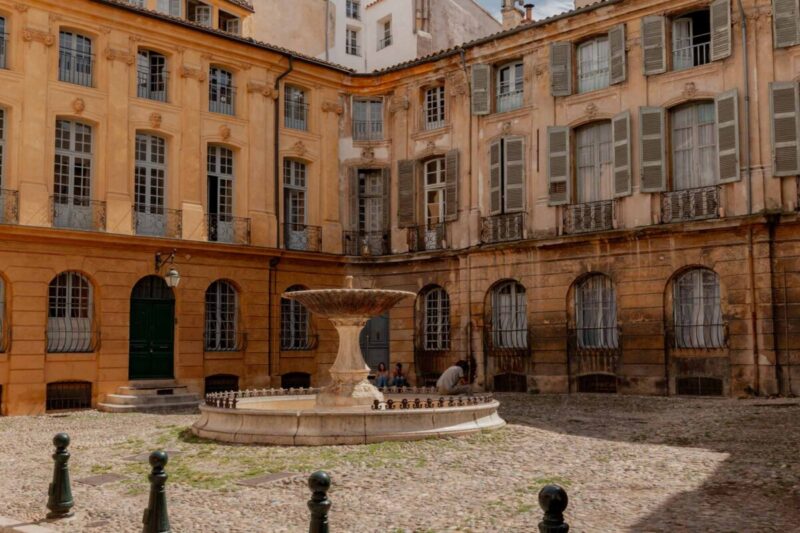
Provence, located in the southeastern part of France, is renowned for its stunning landscapes, vibrant lavender fields, and charming villages. This picturesque region is steeped in history, with Roman ruins, medieval castles, and a rich culinary tradition that attracts visitors from around the world. The warm Mediterranean climate and beautiful scenery make Provence a perfect destination for relaxation and exploration.
The destination guide
Provence
- Overall6/10
- Best forCouples, Adventure seekers, Luxury travelers
- PeakJun–Sep
- CurrencyEUR
Provence peaks in July when the lavender fields bloom purple and the markets overflow with rosé, olives, and cheese. The rest of the year is just as good, minus the crowds.
Travel guides for Provence
Itineraries & day trips (1)
More guides featuring Provence (8)
At a glance
Currency€ EURCode: EUR
Time zoneCentral European Time
Languages
- French
Setting
- Lavender fields
- Hilltop villages
- Mediterranean climate
- Vineyard landscapes
Known for
- Lavender and floral landscapes
- Roman and medieval history
- Mediterranean cuisine and wine
- Outdoor adventures
Population1M1,000,000 residents
VisaDuration: Up to 90 days within any 180-day period in the Schengen Area · Documents: Valid passport issued within the last 10 years and valid for at least 3 months after planned departure, plus proof of accommodation, onward or return travel, and sufficient funds if requested
How Provence scores
6/10OverallFair
Weather8/10
Value for money7/10
Safety8/10
Food & cuisine9/10
Culture & arts6/10
Cultural experience9/10
History9/10
Nature & outdoors9/10
Adventure4/10
Nightlife6/10
Shopping7/10
Family friendly5/10
Romance9/10
Character
Photography score9/10
Authenticity score10/10
Off-the-beaten-path score6/10
Editorial scores on a 10-point scale, weighed against destinations of the same kind.
Travel safety snapshot
Overall84/100High rating
Women travellers85/100
LGBTQ+ travellers80/100
Theft70/100
Medical care88/100
Physical harm86/100
Political freedom82/100
SafePlace indicators use their source 100-point scale; higher is more favourable. Planning context, not a live travel advisory — check official government guidance before you go.
When to go
Best months to visit: April, May, June, July, August, September and October.
- January: -3.1 to 3.9 degrees Celsius, 18.9 millimetres of rain, best-time score 2 out of 5.
- February: -2 to 5.8 degrees Celsius, 31.6 millimetres of rain, best-time score 2 out of 5.
- March: 1 to 9.8 degrees Celsius, 24.8 millimetres of rain, best-time score 3 out of 5.
- April: 3.4 to 13.6 degrees Celsius, 25.1 millimetres of rain, best-time score 4 out of 5.
- May: 5.6 to 13.6 degrees Celsius, 69.2 millimetres of rain, best-time score 5 out of 5.
- June: 11.9 to 21.5 degrees Celsius, 73.7 millimetres of rain, best-time score 5 out of 5.
- July: 12.8 to 22.8 degrees Celsius, 66.5 millimetres of rain, best-time score 4 out of 5.
- August: 13.5 to 24.2 degrees Celsius, 55.9 millimetres of rain, best-time score 4 out of 5.
- September: 9.9 to 19.8 degrees Celsius, 34.9 millimetres of rain, best-time score 5 out of 5.
- October: 5.1 to 13.7 degrees Celsius, 27.9 millimetres of rain, best-time score 5 out of 5.
- November: 1.9 to 9.8 degrees Celsius, 29.8 millimetres of rain, best-time score 3 out of 5.
- December: -0.9 to 4.6 degrees Celsius, 50.1 millimetres of rain, best-time score 2 out of 5.
Month-by-month conditions and packing advice
- January
- Cold weather, mostly dry January in Provence: winter quiet makes this less balanced outside a slow coastal or city stay. Crowds: January represents the low season in Provence, making it an ideal time for travelers who value tranquility and authenticity over tourist bustle. Accommodation rates are lower, and cultural landmarks are less crowded, allowing intimate encounters with Provençal heritage. However, cold temperatures and occasional strong mistral winds can limit outdoor activities such as hiking or cycling. Instead, January is well-suited for culinary experiences, museum visits, and exploring indoor markets. Travelers should expect shorter daylight hours, which require strategic planning for day trips. Photography enthusiasts benefit from the sharp winter light and fog-draped landscapes. While this month lacks the vibrant lavender blooms or summer festivals, it offers an unfiltered glimpse into the region’s daily rhythms. Advance bookings are rarely necessary, but travelers should confirm seasonal opening hours for smaller attractions. Pack: Insulated jacket for cold temperatures and wind; Layered sweaters and long-sleeve shirts; Warm scarf, gloves, and hat for mistral winds; Comfortable waterproof walking shoes; Camera with low-light settings for winter photography; Smart casual attire for indoor dining and cultural sites
- February
- Cold weather, some rain February in Provence: winter quiet makes this less balanced outside a slow coastal or city stay. Crowds: Travel in February means Provence is firmly in its off-season, with low crowd levels and far more affordable accommodation compared to the warmer months. The cold weather limits outdoor activities like hiking or cycling, but it enhances the appeal of cozy indoor experiences such as visiting wineries, sampling truffle menus, or enjoying regional festivals tied to winter traditions. Attractions remain open, though some smaller businesses may operate reduced hours. Travelers benefit from uncrowded historic towns such as Avignon and Aix-en-Provence, where cultural life continues without the pressures of summer tourism. February offers the best balance for budget-conscious visitors and those who prefer atmosphere over sunshine, though weather-related flexibility is essential. Pack: Insulated winter coat for chilly days and nights; Water-resistant boots for wet conditions and village walking; Warm scarf, gloves, and hat to block mistral winds; Layered sweaters and thermal undergarments; Compact umbrella for intermittent rain showers; Smart casual wear for indoor dining and wine tastings
- March
- Cool weather, mostly dry March in Provence: the region remains scenic, but cooler or less predictable weather narrows outdoor plans. Crowds: March sits at the edge of Provence’s low season, which means significantly fewer tourists compared to the warmer months. Accommodation prices are generally lower, and you’ll have historic towns, markets, and countryside paths largely to yourself. However, cooler temperatures and occasional mistral winds mean this is not peak time for lounging outdoors or vineyard festivals. Instead, it is an ideal month for travelers seeking authenticity over crowds—perfect for cultural excursions, museum visits, and scenic drives through sleepy villages. Outdoor hiking is possible with preparation, though the chill may limit longer treks. For those planning trips around Provence’s celebrated lavender fields or wine harvests, later months will be more rewarding, but March provides a quieter and more contemplative encounter with the region. Pack: Warm layered clothing for variable temperatures; Wind-resistant jacket for mistral gusts; Comfortable walking shoes for cobblestone towns; Light scarf for added warmth and style; Travel umbrella for passing showers; Smart casual attire for dining in local bistros
- April
- Cool weather, mostly dry April in Provence: conditions can be excellent, though mistral winds, crowds, or heat require planning. Crowds: April marks the beginning of the shoulder season in Provence, when travelers can enjoy cultural experiences without the heavy summer crowds. The weather is cool but pleasant enough for walking tours, vineyard visits, and market explorations. Prices for accommodation remain lower than in peak summer, though some rural guesthouses begin to fill with early-season visitors. This is a particularly good time for cultural immersion—attending Easter festivals, local food fairs, and early wine events—without the intensity of July and August tourism. Outdoor activities such as hiking and cycling are ideal thanks to cooler temperatures, though evenings require layering. For those seeking authenticity over spectacle, April offers a balance of accessibility and tranquility, with fewer lines at popular sites and a gentler pace across the region. Pack: Layered clothing for fluctuating spring temperatures; Water-resistant jacket for occasional showers; Comfortable walking shoes for village exploration; Light scarf or shawl for cool mornings and evenings; Modest attire for visits to churches and monasteries; Compact umbrella or packable raincoat
- May
- Cool weather, some rain May in Provence: villages, markets, vineyards, lavender or harvest scenery, and outdoor dining align with warm shoulder weather. Crowds: May is shoulder season in Provence, offering a more tranquil experience before the summer crowds arrive. While temperatures remain cool, this month is ideal for cultural sightseeing, countryside drives, and early-season wine tours. Accommodation prices are more moderate compared to the peak summer, though advance booking is still advised for popular villages like Gordes or Roussillon. Rain showers may occasionally interrupt outdoor activities, but they rarely last long enough to disrupt a full day’s plans. The cooler climate makes hiking the Luberon trails or exploring Roman ruins especially pleasant, and the region’s festivals, such as flower markets and food fairs, provide authentic cultural encounters. Travelers benefit from fewer crowds at major attractions and a slower, more intimate pace of discovery. Pack: Waterproof jacket or travel umbrella for sudden showers; Layered clothing to adjust to cool mornings and milder afternoons; Comfortable walking shoes for village exploration and cobbled streets; Light scarf or shawl for added warmth in the evenings; Camera with weather protection for photographing landscapes; Smart-casual attire for wine tastings and cultural events
- June
- Warm and pleasant, some rain June in Provence: villages, markets, vineyards, lavender or harvest scenery, and outdoor dining align with warm shoulder weather. Crowds: June represents the start of Provence’s peak travel season, with reliably warm days but not yet the intense heat of midsummer. The combination of mild daytime highs, long evenings, and early lavender blooms makes this one of the most photogenic and culturally rich months to visit. Travelers will find vineyards and local markets bustling, but crowds remain lighter than in July and August, meaning more availability for accommodations and tours. Prices begin to climb as the summer season approaches, so booking in advance is wise. Outdoor activities—wine tours, cycling, and exploring perched villages—are ideal in these conditions, though sudden showers may briefly interrupt plans. Overall, it’s an excellent time for travelers seeking vibrant landscapes without peak-season congestion. Pack: Breathable cotton and linen clothing for daytime warmth; Light sweater or jacket for cooler evenings; Comfortable walking shoes for exploring villages and vineyards; Compact travel umbrella or rain jacket for sudden showers; Wide-brimmed hat and high SPF sunscreen for strong sun; Lightweight scarf for both style and modesty in cultural sites
- July
- Warm and pleasant, some rain July in Provence: conditions can be excellent, though mistral winds, crowds, or heat require planning. Crowds: July marks peak tourist season in Provence, coinciding with school holidays and major cultural festivals. Expect higher crowd levels in towns like Avignon and Aix-en-Provence, especially during the renowned Avignon Theatre Festival. Accommodation prices reach their annual highs, and advance booking is essential for both lodging and popular events. The weather favors vineyard tours, lavender field excursions, and outdoor dining, though mid-afternoon warmth may encourage slower-paced exploration or shaded breaks. Rain showers are occasional and rarely disruptive, but sun protection is crucial for extended outdoor activities. Travelers should plan around increased demand for rental cars and guided tours, as availability narrows quickly in July. Despite these challenges, the combination of cultural vibrancy, sunlit landscapes, and extended daylight makes this one of the most rewarding months to experience Provence. Pack: Lightweight linen or cotton clothing for daytime comfort; Sunhat and SPF 50+ sunscreen for outdoor activities; Comfortable sandals or walking shoes for cobbled streets; Light jacket or shawl for cooler evenings; Reusable water bottle to stay hydrated during excursions; Modest attire for entering churches and cultural sites
- August
- Warm and pleasant, some rain August in Provence: conditions can be excellent, though mistral winds, crowds, or heat require planning. Crowds: August is Provence’s high travel season, with cultural festivals, wine tours, and village markets drawing large crowds. The combination of warm weather and school holidays means accommodations and car rentals book quickly, and pricing typically peaks. Outdoor activities like vineyard walks, countryside cycling, and exploring Roman ruins are very comfortable in the mild warmth, though afternoon siestas remain wise to avoid the stronger midday sun. Rain showers are infrequent and rarely disrupt travel plans. The biggest challenge isn’t the weather but crowd density, especially in Aix-en-Provence and Avignon. Advance booking for both lodging and popular experiences is essential, while visiting lesser-known Luberon villages provides a calmer, more authentic escape. Pack: Light cotton and linen outfits for warm afternoons; A light jacket or cardigan for cooler evenings; Comfortable walking shoes for cobbled village streets; Wide-brimmed hat and high-SPF sunscreen; Reusable water bottle for long countryside excursions; Smart casual attire for dining and festival events
- September
- Warm and pleasant, some rain September in Provence: villages, markets, vineyards, lavender or harvest scenery, and outdoor dining align with warm shoulder weather. Crowds: September marks the start of shoulder season in Provence, a rewarding time for travelers. The grape harvest, known as 'les vendanges,' fills villages with festivals and markets, making this month culturally rich. Crowds thin compared to the busy summer months, and accommodation prices begin to dip, though popular wine routes can still draw enthusiasts. The moderate temperatures are perfect for cycling, hiking, and photography, while the lingering warmth ensures alfresco dining remains a delight. Rain showers are light and scattered, rarely impacting itineraries. Overall, visitors benefit from a blend of cultural immersion, favorable weather, and improved availability, making it one of the best times for an authentic Provençal experience. Pack: Light jacket or sweater for cool evenings; Comfortable walking shoes for cobblestone villages; Breathable layers for shifting day-to-night temperatures; Compact umbrella or light rain jacket for showers; Scarf or wrap for mornings and cultural site visits; Camera gear for vineyard and festival photography
- October
- Cool weather, some rain October in Provence: villages, markets, vineyards, lavender or harvest scenery, and outdoor dining align with warm shoulder weather. Crowds: October marks the shoulder season in Provence, an ideal time for those seeking fewer crowds and lower accommodation rates. Vineyards bustle with grape harvests, and visitors can enjoy wine festivals without the summer crush of tourists. The cooler temperatures create comfortable conditions for hiking in the Alpilles or strolling through weekly markets. Rainfall, while modest, may occasionally disrupt outdoor plans, but clear days are luminous and ideal for photography. Unlike the peak summer months, popular towns such as Gordes or Aix-en-Provence are less crowded, making it easier to book last-minute stays and enjoy cultural events at a slower pace. Travelers benefit from more affordable pricing while still accessing a rich calendar of seasonal activities and regional gastronomy. For those sensitive to cooler evenings, planning indoor dining and layering clothes ensures a seamless travel experience. Pack: Warm layers including sweaters and light jackets; Comfortable waterproof walking shoes; Scarf and gloves for chilly evenings; Compact umbrella or light raincoat; Neutral-toned outfits suitable for markets and wine tastings; Camera gear for capturing autumn landscapes
- November
- Cool weather, some rain November in Provence: the region remains scenic, but cooler or less predictable weather narrows outdoor plans. Crowds: Traveling in Provence during November means stepping into the shoulder season, when the tourist crowds have largely departed and prices ease significantly compared to summer peaks. While cooler weather limits beachgoing and some outdoor dining, it enhances the appeal of cultural exploration, wine tastings, and visits to indoor markets. The quieter atmosphere is perfect for travelers seeking authenticity without the rush, though shorter daylight hours mean planning outings earlier in the day. The occasional rain or brisk Mistral winds can influence outdoor excursions, but they also add to the region’s atmospheric charm. For those prioritizing museums, historical sites, or culinary experiences, November offers excellent value and a deeper sense of place. Booking flexibility is higher, with easier access to accommodations and reduced pressure on popular villages, making this an ideal time for unhurried exploration. Pack: Warm layers including sweaters and long-sleeve shirts; Water-resistant jacket for light rain; Comfortable walking boots for cobblestone streets; Scarf and gloves for chilly mornings and Mistral winds; Smart casual attire for winery visits and dining; Compact umbrella for sudden showers
- December
- Cold weather, some rain December in Provence: winter quiet makes this less balanced outside a slow coastal or city stay. Crowds: Travelers in December will encounter off-season conditions in Provence, marked by quiet streets, lower hotel rates, and minimal crowds. While outdoor activities like hiking and cycling are limited due to cold temperatures, the season favors cultural exploration and festive markets. Museums, wineries, and historic towns remain open, offering a slower, more intimate experience compared to the peak summer months. The chilly weather and occasional rain may deter alfresco dining or countryside excursions, but the reduced tourist flow allows for better deals and greater authenticity. For those drawn to seasonal traditions, December is rewarding: Christmas markets, Provençal santon figurines, and rich seasonal cuisine create a cozy cultural immersion. Booking flexibility is high, and last-minute travel is feasible, though rural accommodations may have reduced availability. Overall, this period appeals to travelers seeking atmosphere, authenticity, and winter charm rather than outdoor adventure. Pack: Insulated jacket for cold outdoor conditions; Warm scarf, gloves, and hat for wind and frost; Water-resistant boots for wet or icy streets; Layered sweaters for temperature changes indoors and out; Compact umbrella for passing rain showers; Smart-casual attire for Christmas markets and cultural visits
Peak season
- July
- August
- June
- September
Off-peak
- November
- February
- October
- December
- January
- March
Know before you go
Neighbourhoods
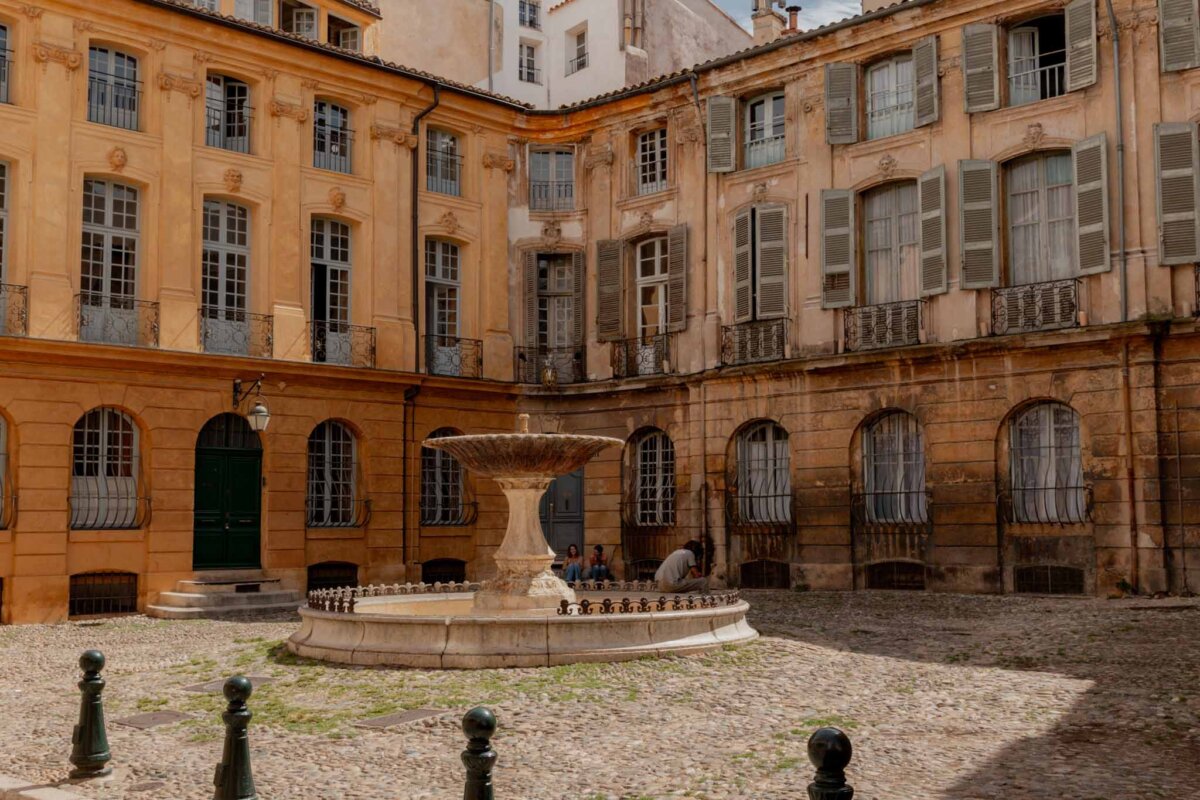
Aix-en-Provence is the cultural capital, with plane tree-lined boulevards, fountain-filled squares, and Cezanne’s studio. Avignon is defined by its massive Papal Palace and the Pont d’Avignon. Arles, Van Gogh’s inspiration, preserves a Roman arena and amphitheatre. The Luberon hill villages—Gordes, Roussillon, Bonnieux—are perched stone settlements surrounded by lavender fields and vineyards. The Camargue marshlands to the south are home to wild white horses, pink flamingos, and black bulls.
Best time to visit
The best time to visit Provence is during the spring (April to June) and fall (September to October) when the weather is pleasant and the crowds are smaller. Summer can be hot, especially in July and August, but it is also the season for vibrant festivals and blooming lavender fields.
Getting there and around
Getting there
TGV high-speed trains reach Avignon TGV from Paris Gare de Lyon in 2 hours 40 minutes, and Aix-en-Provence TGV in 3 hours. Marseille Provence Airport (MRS) serves international flights and is 25 km from Aix and 80 km from Avignon. Nimes-Ales-Camargue-Cevennes Airport (FNI) has budget-carrier connections. Flixbus runs from Paris, Lyon, and Nice. The A7 motorway from Lyon reaches Avignon in about 2.5 hours.
Getting around
A car is the most flexible way to explore rural Provence. The A7 and A8 motorways connect major cities, while D-roads wind through the Luberon and Alpilles. TER regional trains link Avignon, Aix-en-Provence, Arles, Nimes, and Marseille. Local bus services connect smaller towns but run infrequently. Cycling the quiet vineyard and lavender roads is popular from April through October. Many villages are compact and best explored on foot.
Top experiences in Provence
Lavender Fields of the Luberon & Valensole
From mid-June to early August, purple lavender blankets the rolling plateaus of the Luberon and Valensole. The Senanque Abbey near Gordes—a 12th-century Cistercian monastery fronted by symmetrical lavender rows—is the most photographed site. The Valensole Plateau east of Manosque offers vast, open fields that stretch to the horizon. Lavender distilleries in Sault and Apt sell essential oils and honey.
Palais des Papes, Avignon
The world’s largest Gothic palace, built between 1335 and 1364 when seven popes relocated the papal court from Rome to Avignon. The fortress covers 15,000 square metres and includes grand audience halls, chapels with 14th-century frescoes, cloisters, and towers. An augmented-reality tablet tour reconstructs the original furnishings and decorations. The adjoining Pont Saint-Benezet (Pont d’Avignon) extends four of its original 22 arches over the Rhone.
Roman Arles (Arena & Theatre)
Arles preserves some of the finest Roman monuments in France. The Roman Arena (1st century CE), seating 20,000, still hosts bullfights and concerts. The Roman Theatre, the Cryptoporticus (underground galleries beneath the forum), and the Alyscamps (Roman-era necropolis) are UNESCO-listed. Van Gogh painted the Cafe Terrace at Night and Starry Night Over the Rhone during his 15 months in Arles; a walking trail connects sites he depicted.
Gordes & Luberon Hill Villages
Gordes cascades down a rocky escarpment above the Luberon valley, its honey-stone houses and castle creating one of France’s most photographed silhouettes. Nearby Roussillon is built on red-ochre cliffs—the Sentier des Ocres trail loops through former quarries streaked in reds, oranges, and yellows. Bonnieux, Lacoste (the Marquis de Sade’s hilltop castle), and Menerbes complete a circuit of villages linked by narrow roads through vineyards and cherry orchards.
Calanques National Park
A chain of narrow, steep-walled inlets carved into white limestone cliffs between Marseille and Cassis. The turquoise waters and sheltered coves—accessible by boat, kayak, or hiking trails—offer swimming, snorkelling, and rock climbing. Calanque d’En-Vau is the most dramatic, with 100-metre cliffs on either side of a white pebble beach. The GR 98 trail traverses the park’s ridgeline with views of the Mediterranean and the offshore islands.
Editor-curated picks carried over from our original guide. Where a full place guide exists, the card links to it.
Worth booking ahead in Provence
Hand-picked from the operators our guides already send readers to. Prices and availability are live on the partner site.
Day tripGetYourGuide
Versailles Palace guided tour with coach transfer (opens GetYourGuide in a new tab)
Guided palace visit with the coach transfer handled, so you skip the RER connection and the ticket-office line.
Where to stayBooking.com
Stays in Provence (opens Booking.com in a new tab)
Live rates and availability for Provence on Booking.com; filter by neighbourhood once you know where your days start.
We earn a commission if you book through these links, at no extra cost to you. It is how we keep the guides free and independent.
Where to stay
Villa La Coste
Le Puy-Sainte-Réparade, 13610, France
Contemporary five-star wine estate with striking architecture, world-class art installations throughout the grounds, and exceptional Provençal cuisine.
Hôtel Crillon le Brave
Place de l’Église, Crillon-le-Brave, 84410, France
Perched in a medieval hilltop village with traditional Provençal interiors, a clifftop pool overlooking the Luberon, and a fine-dining restaurant.
Le Moulin
Place de la Fontaine, Lourmarin, 84160, France
Intimate boutique hotel in an 18th-century mill in the heart of charming Lourmarin village, with a lively bar, restaurant, and courtyard garden.
Editor-curated stays carried over from our original guide. Where we have reviewed the hotel, the card links to the review.
Tips from the field
Highlights
- Lavender fields of Sénanque Abbey
- Aix-en-Provence's charming streets and fountains
- Scenic beauty of the Verdon Gorge
- Historic Papal Palace in Avignon
Best activities
- Visiting lavender fields in bloom
- Exploring Roman ruins like Ch√¢teau des Baux-de-Provence
- Taking a food and wine tour in Aix-en-Provence
- Hiking in the Parc national des Calanques
Practical tips
- Learn basic French phrases for better interactions
- Book accommodations in advance during peak season
- Rent a car to explore rural areas and small villages
Keeping it authentic
- Visit local markets for authentic Provençal products
- Explore small villages off the beaten path for genuine experiences
Culture, customs and safety
Cultural heritage
Provence has been shaped by Romans, medieval popes, and post-Impressionist painters. The arenas and theatres of Arles and Nimes survive from the 1st century CE. Avignon served as the seat of the papacy from 1309 to 1377, and the massive Palais des Papes remains the world’s largest Gothic palace. Van Gogh painted over 300 works in Arles (1888-1889), and Cezanne spent decades painting Mont Sainte-Victoire from his studio in Aix. Marcel Pagnol’s novels and films immortalised the Provencal way of life in the 20th century.
Local customs & etiquette
- Greet locals with a friendly ‘Bonjour’ when entering shops or restaurants
- Enjoy meals leisurely, as dining is a cherished tradition
- Try local specialties, such as ratatouille and bouillabaisse
- Respect the natural beauty and local customs of the villages

Travel Style
Activities