Stockholm, the capital of Sweden, is a stunning city spread across 14 islands connected by over 50 bridges. Known for its beautiful architecture, rich history, and vibrant culture, Stockholm offers a perfect blend of modernity and tradition. Visitors can explore the historic Gamla Stan, enjoy world-class museums, and relax in picturesque parks.
The destination guide
Stockholm

Travel guides for Stockholm
Destination stories (1)
More guides featuring Stockholm (7)
At a glance
CurrencySEK
Time zoneCentral European Time
Languages
- Swedish
Setting
- Urban cityscape
- Archipelago islands
- Lake Mälaren
- Baltic coast
Known for
- Culture & Museums
- History
- Food & Cuisine
- Urban Exploration.
Population976K975,904 residents
VisaDuration: Up to 90 days within any 180-day period in the Schengen Area · Documents: Valid passport issued within the last 10 years and valid for at least 3 months after planned departure, plus proof of accommodation, onward or return travel, and sufficient funds if requested
How Stockholm scores
9/10OverallExcellent
Weather5/10
Value for money6/10
Food & cuisine7/10
Culture & arts7/10
Cultural experience8/10
Nature & outdoors7/10
Adventure6/10
Nightlife7/10
Shopping8/10
Family friendly5/10
Romance8/10
Editorial scores on a 10-point scale, weighed against destinations of the same kind.
Travel safety snapshot
Overall92/100High rating
Women travellers90/100
LGBTQ+ travellers92/100
Theft85/100
Medical care90/100
Physical harm92/100
Political freedom90/100
SafePlace indicators use their source 100-point scale; higher is more favourable. Planning context, not a live travel advisory — check official government guidance before you go.
When to go
Best months to visit: May, June, July, August, September and December.
- January: -4.5 to -1.4 degrees Celsius, 11 millimetres of rain, best-time score 2 out of 5.
- February: -2.8 to 0.9 degrees Celsius, 4.3 millimetres of rain, best-time score 2 out of 5.
- March: -1.4 to 3.8 degrees Celsius, 11.7 millimetres of rain, best-time score 2 out of 5.
- April: 1.9 to 9 degrees Celsius, 5.9 millimetres of rain, best-time score 3 out of 5.
- May: 6.6 to 14 degrees Celsius, 5.2 millimetres of rain, best-time score 4 out of 5.
- June: 10.5 to 19.1 degrees Celsius, 5.9 millimetres of rain, best-time score 5 out of 5.
- July: 13.5 to 21.4 degrees Celsius, 32.2 millimetres of rain, best-time score 5 out of 5.
- August: 13.6 to 21.7 degrees Celsius, 6.8 millimetres of rain, best-time score 5 out of 5.
- September: 10.3 to 16.8 degrees Celsius, 9.4 millimetres of rain, best-time score 4 out of 5.
- October: 5.7 to 9.9 degrees Celsius, 15.1 millimetres of rain, best-time score 3 out of 5.
- November: 3.1 to 6.1 degrees Celsius, 17.8 millimetres of rain, best-time score 3 out of 5.
- December: -2.5 to 1.3 degrees Celsius, 17.6 millimetres of rain, best-time score 4 out of 5.
Month-by-month conditions and packing advice
- January
- Cold weather, mostly dry January in Stockholm: deep winter cold and short daylight make a broad Stockholm trip less flexible. Crowds: Peak tourist season with excellent conditions for cultural exploration, winter sports, and city tours. Hotel rates and crowd levels are highest during this period. Despite the cold, outdoor activities remain popular, with attractions like ice skating and winter markets drawing visitors. UV levels are low due to overcast skies. Pack: Warm winter coat for temperature variation; Insulated gloves and scarf for cold weather; Waterproof boots for snowy conditions; Thermal layers for warmth; Hats and beanies for cold exposure; Waterproof and windproof outerwear
- February
- Cold weather, mostly dry February in Stockholm: deep winter cold and short daylight make a broad Stockholm trip less flexible. Crowds: Winter months are the peak tourist season with excellent conditions for cultural exploration, ice skating, and winter markets. Hotel rates and crowd levels are highest during this period. While the cold weather can be invigorating, it's advisable to dress warmly and carry an umbrella for unexpected snow showers. Pack: Warm winter coat for temperature variation; Insulated gloves and scarf for cold weather; Waterproof boots for snow and ice; Thermal layers for warmth; Umbrella for snow showers; Waterproof and windproof outerwear
- March
- Cold weather, mostly dry March in Stockholm: deep winter cold and short daylight make a broad Stockholm trip less flexible. Crowds: Peak tourist season with excellent conditions for cultural exploration, winter sports, and city tours. Hotel rates and crowd levels are highest during this period. While temperatures are low, the dry conditions ensure clear skies and minimal disruptions to outdoor activities. Visitors should prepare for cold weather and pack accordingly. Pack: Warm winter coat for cold temperatures; Insulated gloves and scarf for warmth; Waterproof boots for icy conditions; Thermal layers for added warmth; Hats and beanies for head coverage; Waterproof and windproof outerwear
- April
- Cool weather, mostly dry April in Stockholm: cooler shoulder months shorten outdoor comfort. Crowds: Peak tourist season with excellent conditions for all outdoor activities including ice skating, winter hiking, cultural site exploration, and city walking tours. Hotel rates and crowd levels are highest during this period. UV levels remain high despite cooler temperatures. Pack: Lightweight layers for temperature variation; Comfortable walking shoes for city exploration; Warm hat and scarf for cold mornings; Waterproof jacket for occasional rain; Thermal gloves for chilly evenings; Breathable cotton/linen fabrics
- May
- Cool weather, mostly dry May in Stockholm: late spring, early autumn, or festive winter timing can still be rewarding with layers. Crowds: Peak tourist season with excellent conditions for all outdoor activities including ice skating, winter hiking, cultural site visits, and city walking tours. Hotel rates and crowd levels are highest during this period. UV levels remain high despite cooler temperatures. Pack: Lightweight layers for temperature variation; Comfortable walking shoes for city exploration; Warm hat and scarf for cooler mornings; Waterproof jacket for occasional rain; Thermal underwear for warmth; Breathable cotton/linen fabrics
- June
- Warm and pleasant, mostly dry June in Stockholm: archipelago trips, long days, museums, old-town walks, parks, swimming, and outdoor dining are most accessible. Crowds: January is peak tourist season in Stockholm, with favorable weather conditions for sightseeing and outdoor activities. Visitors can enjoy ice skating, winter walks, and exploring the city's many museums and galleries. Hotel prices and crowd levels are at their highest, so early booking is recommended. Despite the cooler temperatures, UV levels remain manageable, encouraging outdoor exploration. Pack: Lightweight layers for temperature variation; Waterproof jacket for occasional rain; Warm scarf and gloves for chilly mornings; Comfortable walking shoes for city exploration; Thermal socks for indoor activities; Modest clothing for cultural sites and religious venues
- July
- Warm and pleasant, some rain July in Stockholm: archipelago trips, long days, museums, old-town walks, parks, swimming, and outdoor dining are most accessible. Crowds: Peak tourist season with excellent conditions for all outdoor activities including hiking, boat tours, cultural site exploration, and city walking tours. Hotel rates and crowd levels are highest during this period. UV levels remain high despite cooler temperatures. Pack: Lightweight layers for temperature variation; Comfortable walking shoes for city exploration; Broad-brimmed hat and SPF 50+ sunscreen; Light cardigan for air-conditioned spaces; Modest clothing for cultural sites and mosques; Breathable cotton/linen fabrics
- August
- Warm and pleasant, mostly dry August in Stockholm: archipelago trips, long days, museums, old-town walks, parks, swimming, and outdoor dining are most accessible. Crowds: Peak tourist season with excellent conditions for cultural exploration, outdoor activities, and city tours. Average temperatures in August range from 14°C to 21°C, with occasional cool breezes. Crowds are high, especially during weekends and public holidays. Hotel rates and activity prices are at their peak. Ideal for visiting museums, parks, and enjoying the city's vibrant atmosphere. Pack: Lightweight layers for temperature variation; Comfortable walking shoes for city exploration; Broad-brimmed hat and SPF 50+ sunscreen; Light cardigan for air-conditioned spaces; Modest clothing for cultural sites and mosques; Breathable cotton/linen fabrics
- September
- Cool weather, mostly dry September in Stockholm: late spring, early autumn, or festive winter timing can still be rewarding with layers. Crowds: Peak tourist season with excellent conditions for winter activities including ice skating, skiing, and cultural site visits. Hotel rates and crowd levels are highest during this period. Average temperatures range from 39°F to 53°F, with occasional sunny spells. Visitors should prepare for potential snow and ice on city streets. Pack: Warm winter coat for cold temperatures; Waterproof boots for snow and ice; Thermal layers for warmth; Gloves and scarf for cold weather; Waterproof backpack for wet conditions; Comfortable winter boots for city exploration
- October
- Cool weather, mostly dry October in Stockholm: cooler shoulder months shorten outdoor comfort. Crowds: Peak tourist season with excellent conditions for winter activities including ice skating, skiing, and cultural site visits. Hotel rates and crowd levels are highest during this period. Despite cooler temperatures, UV levels remain high, so sunscreen is essential. Ideal weather for exploring Stockholm's museums, galleries, and winter markets. Pack: Warm winter coat for cold temperatures; Waterproof boots for snow and ice; Thermal layers for warmth; Gloves and scarf for cold weather; Waterproof backpack for wet conditions; Thermal socks for comfort
- November
- Cold weather, mostly dry November in Stockholm: cooler shoulder months shorten outdoor comfort. Crowds: Peak tourist season with excellent conditions for winter activities including ice skating, skiing, and cultural site visits. Hotel rates and crowd levels are highest during this period. UV levels remain low despite cooler temperatures. Pack: Warm winter coat for temperature variation; Insulated gloves and scarf for cold weather; Waterproof boots for snow and ice; Thermal layers for warmth; Hats and beanies for cold exposure; Waterproof and windproof outerwear
- December
- Cold weather, mostly dry December in Stockholm: late spring, early autumn, or festive winter timing can still be rewarding with layers. Crowds: Peak tourist season with excellent conditions for winter sports including ice skating, skiing, and snowmobiling. Hotel rates and crowd levels are highest during this period. UV levels remain low despite cooler temperatures. Pack: Warm winter coat for temperature variation; Insulated gloves for cold weather; Thermal layers for warmth; Waterproof boots for snow and ice; Scarf and hat for cold protection; Waterproof gloves for outdoor activities
Know before you go
About
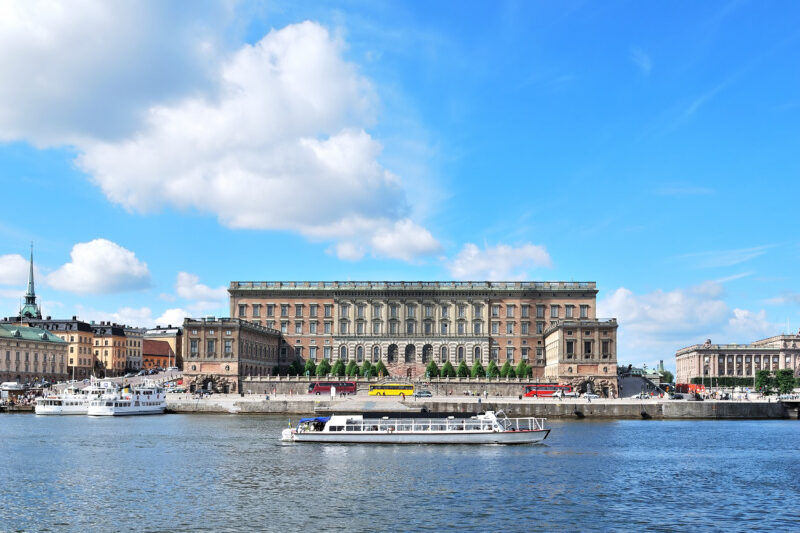
Stockholm, the capital of Sweden, is one of Europe’s most beautiful cities, spread gracefully across 14 islands where Lake Mälaren meets the Baltic Sea. Founded in 1252 by the statesman Birger Jarl on the island that is now the medieval Old Town, Gamla Stan, it has grown into a city of nearly a million residents and a county of some 2.4 million. Cobbled lanes, the Royal Palace, and ochre-colored merchant houses crowd the historic core, while the surrounding islands hold green parks, design studios, and waterfront cafés. Stockholm’s most-visited attraction is the Vasa Museum, home to a remarkably preserved 17th-century warship that sank on its maiden voyage in 1628 and was raised from the harbor in 1961. Beyond the city, the Stockholm archipelago scatters tens of thousands of islands across the Baltic, reachable by ferry for swimming and summer escapes. Clean, walkable, and ringed by water, Stockholm blends Scandinavian design, royal history, and easy access to nature.
Best time to visit
June to August
Season by season
Summer (June-Aug) offers up to 18 hours of daylight and pleasant warmth; Spring/Fall are much quieter and cooler; Winter (Dec-March) is dark, cold, and magical with Christmas markets.
Crowds
Moderate to High
Getting there and around
Getting there
Fly into Arlanda Airport (ARN). Arlanda Express train reaches Central Station in 20 minutes. Also reachable by ferry from Helsinki and Tallinn.
Getting around
Excellent public transport (metro, buses, ferries). Buy an SL Access card. The city is also very walkable and bike-friendly.
Top experiences in Stockholm
Vasa Museum
Gamla Stan (Old Town)
ABBA The Museum
ABBA: The Museum
Stockholm Archipelago
Editor-curated picks carried over from our original guide. Where a full place guide exists, the card links to it.
Worth booking ahead in Stockholm
Hand-picked from the operators our guides already send readers to. Prices and availability are live on the partner site.
BrowseViator
Tours and tickets in Stockholm on Viator (opens Viator in a new tab)
Viator's full list of bookable tours and tickets in Stockholm.
BrowseGetYourGuide
Experiences in Stockholm on GetYourGuide (opens GetYourGuide in a new tab)
Everything GetYourGuide sells in Stockholm, with the cancellation terms on each listing.
Where to stayBooking.com
Stays in Stockholm (opens Booking.com in a new tab)
Live rates and availability for Stockholm on Booking.com; filter by neighbourhood once you know where your days start.
We earn a commission if you book through these links, at no extra cost to you. It is how we keep the guides free and independent.
Where to stay
Grand Hôtel
Ett Hem
Hotel Diplomat
Editor-curated stays carried over from our original guide. Where we have reviewed the hotel, the card links to the review.
Tips from the field
Highlights
- The awe-inspiring 17th-century Vasa warship at the Vasa Museum and the vibrant atmosphere of the Stortorget square in Gamla Stan.
Best activities
- Boarding a ferry to the Djurgården island museums, wandering the cobblestone alleys of Gamla Stan, and participating in 'fika' (a traditional coffee and pastry break).
Local experiences
- Try traditional Swedish meatballs at Restaurang Tradition and experience a classic Swedish 'fika' (coffee break) at a local cafe.
Practical tips
- Stockholm is relatively spread out across islands
- utilizing the extensive and efficient public ferry and subway system is highly recommended.
Photography tips
- The golden light over the Baltic Sea during summer evenings provides stunning reflections of the Old Town's colorful buildings across the water.
Timing
- 3-4 days is ideal to see the main museums, explore the old town, and take a boat trip into the archipelago.
Keeping it authentic
- Stockholm spans 14 islands connected by 50 bridges, seamlessly mixing impeccably preserved medieval streets with forward-thinking Nordic design.
Culture, customs and safety
Cultural heritage
Stockholm spreads across 14 islands preserving medieval Gamla Stan alongside royal palaces and contemporary Scandinavian design leadership. The old town maintains medieval street patterns with merchant houses and Nobel Museum. Royal Palace and Drottningholm showcase Swedish monarchy traditions. Vasa Museum preserves 17th-century warship demonstrating maritime heritage. Modern Swedish design from IKEA to fashion defines global aesthetics. The city balances historical preservation with innovation through museums, architecture, and progressive social values creating archetypal Nordic capital.
Safety notes
Stockholm is very safe for tourists. As in any major city, be aware of pickpocketing in crowded tourist areas like Gamla Stan and on busy public transport lines.

Travel Style
Activities