Magna Grecia’s most important Greek city featuring Sicily’s largest ancient theater (5th century BC, 138-meter diameter) seating 15,000 spectators showcasing extraordinary engineering within the 240,000-square-meter Archaeological Park. Ortigia Island’s compact treasure spanning 2,500+ years connects to mainland via narrow bridges, housing medieval streets, gorgeous Baroque architecture (post-1693 earthquake renaissance), and Piazza Duomo’s Cathedral built upon ancient Doric columns. Archimedes’ legendary birthplace where mathematical genius designed revolutionary defense mechanisms holding Romans back for years, while Temple of Apollo’s imposing ruins represent Sicily’s oldest peripteral Doric temple (6th century BC). Ear of Dionysius artificial grotto amplifying sounds through auricular entrance design, plus Roman Amphitheatre (among Italy’s largest for gladiatorial contests), Roman Gymnasium, and extensive Catacombs preserving ancient civilizations. Latomie quarries where Greeks excavated construction stone, later converted to prisons, demonstrating engineering prowess across multiple eras. Maritime culture flourishing on this UNESCO World Heritage site where Greek, Roman, Norman, and Baroque influences create Sicily’s most unmatched archaeological treasure blending ancient grandeur with authentic Mediterranean charm.
The destination guide
Syracuse
Island in United States, North AmericaUpdated
- Overall8/10
- Best forAdventure seekers, Budget travelers
- PeakJan–Apr
- CurrencyUSD
Ortigia’s Duomo was built around a Greek temple — the Doric columns are still standing inside. Syracuse earns more time than most people give it.
At a glance
- English
- Mediterranean island
- Ancient Greek ruins
- Coastal cliffs
- Baroque architecture
How Syracuse scores
Editorial scores on a 10-point scale, weighed against destinations of the same kind.
Travel safety snapshot
SafePlace indicators use their source 100-point scale; higher is more favourable. Planning context, not a live travel advisory — check official government guidance before you go.
When to go
Best months to visit: May, June, July, August, September and October.
- January: -9.3 to -2.6 degrees Celsius, 2.5 millimetres of rain, best-time score 2 out of 5.
- February: -8.6 to 0.3 degrees Celsius, 11.1 millimetres of rain, best-time score 2 out of 5.
- March: -2.1 to 5.6 degrees Celsius, 20.2 millimetres of rain, best-time score 2 out of 5.
- April: 3.2 to 13.9 degrees Celsius, 41.9 millimetres of rain, best-time score 3 out of 5.
- May: 8.6 to 18.7 degrees Celsius, 43.5 millimetres of rain, best-time score 4 out of 5.
- June: 11.8 to 22.7 degrees Celsius, 15.2 millimetres of rain, best-time score 5 out of 5.
- July: 16.7 to 26.6 degrees Celsius, 12.7 millimetres of rain, best-time score 5 out of 5.
- August: 15.9 to 24.3 degrees Celsius, 16.2 millimetres of rain, best-time score 5 out of 5.
- September: 11.1 to 21.1 degrees Celsius, 14 millimetres of rain, best-time score 5 out of 5.
- October: 7.8 to 15.9 degrees Celsius, 62.1 millimetres of rain, best-time score 5 out of 5.
- November: 0.4 to 8 degrees Celsius, 17.3 millimetres of rain, best-time score 3 out of 5.
- December: -3.5 to 2.4 degrees Celsius, 33.2 millimetres of rain, best-time score 2 out of 5.
Month-by-month conditions and packing advice
- January
- Cold weather, mostly dry January in Syracuse: snowy winter weather narrows a broad Syracuse itinerary. Crowds: Peak tourist season with excellent conditions for winter sports enthusiasts, including skiing, snowboarding, and ice skating. Hotel rates and crowd levels are highest during this period. UV levels remain low despite cooler temperatures. Pack: Warm winter coat for temperature variation; Insulated gloves for cold weather; Thermal layers for warmth; Waterproof boots for snow and ice; Scarf and hat for cold protection; Waterproof jacket for snow
- February
- Cold weather, mostly dry February in Syracuse: snowy winter weather narrows a broad Syracuse itinerary. Crowds: Winter tourist season with moderate crowd levels and stable weather conditions. Visitors can enjoy outdoor activities like ice skating and skiing, while indoor attractions remain popular. Accommodation rates are generally lower compared to summer, but peak prices occur during major holidays. Visitors should dress warmly and be prepared for occasional snow. Pack: Warm winter coat for cold temperatures; Insulated gloves and scarf for warmth; Waterproof boots for snowy conditions; Thermal layers for added warmth; Goggles for snow sports; Waterproof camera gear for winter photography
- March
- Cold weather, mostly dry March in Syracuse: snowy winter weather narrows a broad Syracuse itinerary. Crowds: Peak tourist season with excellent conditions for winter sports, cultural site visits, and cozy indoor activities. Hotel rates and crowd levels are highest during this period. Despite the cold, outdoor activities remain popular, with snow-covered landscapes offering unique experiences. Visitors should dress warmly and be prepared for occasional snow. Pack: Warm winter coat for temperature variation; Insulated gloves and scarf for cold weather; Waterproof boots for snowy conditions; Thermal layers for warmth; Warm hat and sunglasses for snow glare; Waterproof gloves for winter activities
- April
- Cool weather, some rain April in Syracuse: early spring or late fall makes outdoor plans more weather dependent. Crowds: April marks the beginning of peak tourist season with moderate crowd levels and comfortable weather conditions for outdoor activities such as hiking, biking, and visiting local museums. Hotel rates and dining prices start to rise as visitors arrive. Rainfall is moderate, but it adds to the charm of exploring Syracuse's gardens and cultural landmarks. Pack: Lightweight layers for temperature variation; Waterproof jacket for rain protection; Comfortable hiking boots for exploring trails; Umbrella for unexpected showers; Moisture-wicking clothing; Wide-brimmed hat and sunglasses
- May
- Cool weather, some rain May in Syracuse: late spring can still be rewarding with some cool or rainy days. Crowds: Spring tourist season with pleasant weather for outdoor activities such as hiking, visiting botanical gardens, and exploring historic landmarks. Hotel rates and crowd levels are moderate during this period. Rainfall is occasional, but overall conditions remain favorable for sightseeing and cultural experiences. Pack: Lightweight layers for temperature variation; Waterproof jacket for rain showers; Comfortable walking shoes for exploring; Hat and sunglasses for sunny days; Light scarf for cooler evenings; Breathable fabrics for comfort
- June
- Warm and pleasant, mostly dry June in Syracuse: lakeside trails, festivals, university areas, Finger Lakes side trips, parks, and fall color are most comfortable. Crowds: June marks the peak tourist season in Syracuse, with excellent weather conditions for outdoor activities including hiking, cycling, and exploring local parks. Hotel rates and crowd levels are at their highest, with peak UV levels necessitating sunscreen use. Ideal timing for cultural festivals and outdoor events. Pack: Lightweight layers for temperature variation; Comfortable walking shoes for city exploration; Broad-brimmed hat and SPF 50+ sunscreen; Light cardigan for air-conditioned spaces; Modest clothing for cultural sites and mosques; Breathable cotton/linen fabrics
- July
- Warm and pleasant, mostly dry July in Syracuse: lakeside trails, festivals, university areas, Finger Lakes side trips, parks, and fall color are most comfortable. Crowds: Peak tourist season with favorable conditions for outdoor activities such as hiking, cycling, and exploring historical sites. Hotel rates and crowd levels are highest during this period. UV levels remain high despite warmer temperatures, making sunscreen and protective clothing essential. Pack: Lightweight layers for temperature variation; Comfortable walking shoes for city exploration; Broad-brimmed hat and SPF 50+ sunscreen; Light cardigan for air-conditioned spaces; Modest clothing for cultural sites and religious venues; Breathable cotton/linen fabrics
- August
- Warm and pleasant, mostly dry August in Syracuse: lakeside trails, festivals, university areas, Finger Lakes side trips, parks, and fall color are most comfortable. Crowds: Peak tourist season with excellent conditions for outdoor activities such as hiking, biking, and exploring historical sites. Hotel rates and crowd levels are highest during this period. While temperatures are warm, UV levels remain high, so visitors should apply sunscreen and wear protective clothing. Pack: Lightweight layers for temperature variation; Comfortable walking shoes for city exploration; Broad-brimmed hat and SPF 50+ sunscreen; Light cardigan for air-conditioned spaces; Modest clothing for cultural sites and mosques; Breathable cotton/linen fabrics
- September
- Warm and pleasant, mostly dry September in Syracuse: lakeside trails, festivals, university areas, Finger Lakes side trips, parks, and fall color are most comfortable. Crowds: September marks the peak tourist season in Syracuse, with excellent weather conditions for outdoor activities including hiking, biking, and exploring historical sites. Hotel rates and crowd levels are at their highest, with peak UV levels necessitating sunscreen use. Ideal timing for photography and cultural experiences, with moderate rainfall enhancing scenic beauty. Pack: Lightweight layers for temperature variation; Comfortable walking shoes for city exploration; Broad-brimmed hat and SPF 50+ sunscreen; Light cardigan for air-conditioned spaces; Modest clothing for cultural sites and mosques; Breathable cotton/linen fabrics
- October
- Cool weather, some rain October in Syracuse: lakeside trails, festivals, university areas, Finger Lakes side trips, parks, and fall color are most comfortable. Crowds: Peak tourist season with excellent conditions for cultural tours, historical site visits, and outdoor activities like ice skating and winter sports. Hotel rates and crowd levels are highest during this period. UV levels remain moderate despite cooler temperatures. Pack: Lightweight layers for temperature variation; Waterproof jacket for rain showers; Warm hat and gloves for cooler mornings; Comfortable walking shoes for city exploration; Waterproof backpack for rainy days; Warm scarf and gloves for cultural sites
- November
- Cold weather, mostly dry November in Syracuse: early spring or late fall makes outdoor plans more weather dependent. Crowds: Peak tourist season with excellent conditions for winter sports enthusiasts including skiing, snowboarding, and ice skating. Hotel rates and crowd levels are highest during this period. Outdoor activities are limited due to cold temperatures and snow, but indoor attractions remain popular. Visitors should dress warmly and plan activities accordingly. Pack: Warm winter coat for temperature variation; Insulated gloves and scarf for cold weather; Waterproof boots for snowy conditions; Thermal layers for warmth; Hand and foot warmers; Comfortable winter boots for city exploration
- December
- Cold weather, some rain December in Syracuse: snowy winter weather narrows a broad Syracuse itinerary. Crowds: December marks the peak tourist season with moderate crowd levels and slightly higher accommodation prices. While the weather is perfect for winter sports and scenic walks, occasional rain can disrupt outdoor plans. Visitors should prepare for cooler temperatures and potential rain showers, ensuring they have appropriate gear for both activities and sightseeing. Pack: Warm winter coat for cold temperatures; Waterproof boots for snowy and rainy conditions; Gaiters to keep snow out of boots; Warm gloves and scarf for cold weather; Umbrella for occasional rain showers; Layered clothing for temperature variations
- March
- February
- January
- April
- September
- August
- July
- June
Know before you go
Best time to visit
The best time to visit Syracuse (Siracusa), Sicily, is during the shoulder seasons of April to June and September to October, when mild temperatures, lower crowds, and comfortable conditions make exploring ancient ruins and the island of Ortigia ideal.
Spring (April-June)
Temperatures range from 15-25°C (59-77°F) with minimal rainfall. May is particularly pleasant — warm enough for swimming, few crowds, and the sea begins to warm. Perfect for exploring the Neapolis Archaeological Park and wandering Ortigia’s medieval streets.
Summer (June-September)
Hot and sunny with temperatures above 30°C (86°F), ideal for beach days. July and August are peak season with the highest prices and largest crowds. Greek drama performances at the ancient Teatro Greco add a cultural highlight.
Autumn (September-October)
Temperatures ease to 20-27°C (68-81°F) with warm seas and thinning crowds. Short afternoon showers are possible. September offers the best balance of warm weather, fewer tourists, and lower prices.
Winter (December-March)
Mild (10-16°C / 50-61°F) with more rain but very few tourists. The quietest and cheapest season. Syracuse’s mild Sicilian winter remains warmer than most of continental Europe.
Season by season
Summer (June-Aug):
Weather: 30-35°C, hot
Highlights: Greek Theatre plays
Best For: Swimming
Spring (April-May):
Weather: 15-25°C, flowers
Highlights: Wildflowers in ruins
Best For: Walking
Fall (Sept-Oct):
Weather: 20-28°C, warm sea
Highlights: Harvest festivals
Best For: Food
Winter (Nov-March):
Weather: 10-15°C, mild
Highlights: Citrus harvest
Best For: Empty ruins
Crowds
Syracuse (Sicily) is busiest in summer (July–August) and during Easter and local festivals, with archaeological sites and Ortigia crowded; quietest in winter (November–February) when many visitors and some seasonal services drop off, overall moderately visited seasonally.
Getting there and around
Getting there
The nearest airport is Catania-Fontanarossa (CTA), about 60 km north. Direct Interbus and AST buses run from Catania airport to Syracuse in about 75 minutes (€6–8). Trenitalia trains connect Catania to Syracuse in roughly 1 hour 15 minutes. From Palermo, the train takes about 5 hours. By car from Catania, take the E45 motorway south — it’s a straightforward 50-minute drive.
Getting around
Ortigia, Syracuse’s island historic center, is largely pedestrianized and best explored on foot — no car needed. The mainland’s Neapolis Archaeological Park is reachable by local AST bus or a short taxi ride. Ecological mini-buses (‘Siracusa d’amare’) loop through Ortigia and the main tourist zones. If arriving by car, park at the Talete car park near the Ortigia bridge entrance and walk in. Rent a car only if you plan to explore the wider Val di Noto (Noto, Modica, Ragusa), which is highly recommended.
Top experiences in Syracuse
Ortigia Island
The historical heart of Syracuse. A labyrinth of baroque streets on a small island connected by bridges. It is pedestrians-only mainly. At night, the yellow streetlights on the white stone buildings make it look like a movie set. The vibe is magical.
Greek Theatre (Neapolis)
Located in the Neapolis Archaeological Park. It is one of the largest Greek theatres in existence (cut into the rock). It is still used for Greek plays in May/June. Seeing a tragedy here at sunset is an unforgettable experience.
Ear of Dionysius
A limestone cave carved out of the Temenites Hill. It is shaped like a human ear. The acoustics are incredible—a whisper echoes loudly. Legend says the tyrant Dionysius used it to eavesdrop on prisoners.
Cathedral of Syracuse (Duomo)
A cathedral built *around* an ancient Greek Temple of Athena. You can still see the massive Doric columns embedded in the walls. It is a unique mix of pagan and Christian architecture. The baroque facade is stunning.
Fountain of Arethusa
A freshwater spring right next to the sea. Papyrus grows here naturally (one of the only places in Europe). Legend says the nymph Arethusa turned into water to escape Alpheus. It is a romantic spot at sunset.
Editor-curated picks carried over from our original guide. Where a full place guide exists, the card links to it.
Worth booking ahead in Syracuse
Hand-picked from the operators our guides already send readers to. Prices and availability are live on the partner site.
BrowseViator
Tours and tickets in Syracuse on Viator (opens Viator in a new tab)
Viator's full list of bookable tours and tickets in Syracuse.
BrowseGetYourGuide
Experiences in Syracuse on GetYourGuide (opens GetYourGuide in a new tab)
Everything GetYourGuide sells in Syracuse, with the cancellation terms on each listing.
Where to stayBooking.com
Stays in Syracuse (opens Booking.com in a new tab)
Live rates and availability for Syracuse on Booking.com; filter by neighbourhood once you know where your days start.
We earn a commission if you book through these links, at no extra cost to you. It is how we keep the guides free and independent.
Where to stay
Grand Hotel Ortigia
Viale Mazzini, 12, 96100 Siracusa SR, Italy
A historic hotel right on the harbor in Ortigia. It has a private beach (a rarity) and a rooftop restaurant with views of the sunset over the sea. The building is a Liberty-style gem. It feels classic and grand.
Ortea Palace Hotel, Sicily
Riva Nazario Sauro, 96100 Siracusa SR, Italy
Housed in the majestic former Post Office building. It is a 5-star luxury hotel. The interiors are stunning—modern but respectful of the history. It is right at the bridge entering Ortigia. The breakfast spread is legendary.
Algilà Ortigia Charme Hotel
Via Vittorio Veneto, 93, 96100 Siracusa SR, Italy
Two restored baroque palazzos joined together on the seafront (Maniace). It is charming, intimate, and filled with antiques. The courtyard breakfast is delightful. It feels like staying in a noble Sicilian home.
Editor-curated stays carried over from our original guide. Where we have reviewed the hotel, the card links to the review.
Tips from the field
Highlights
- Ortigia – Baroque island
- Greek History – Archimedes
- Theatre – Ancient plays
- Food – Granita & Brioche
- Market – Street food
- Duomo – Temple church
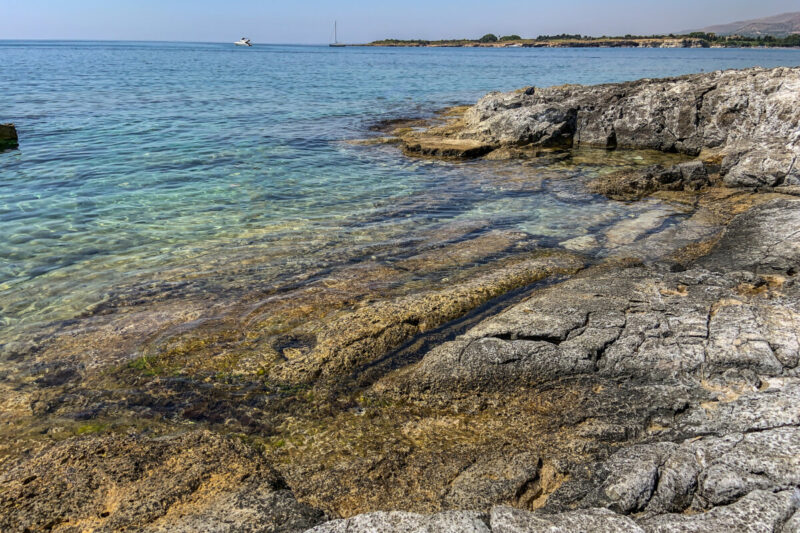
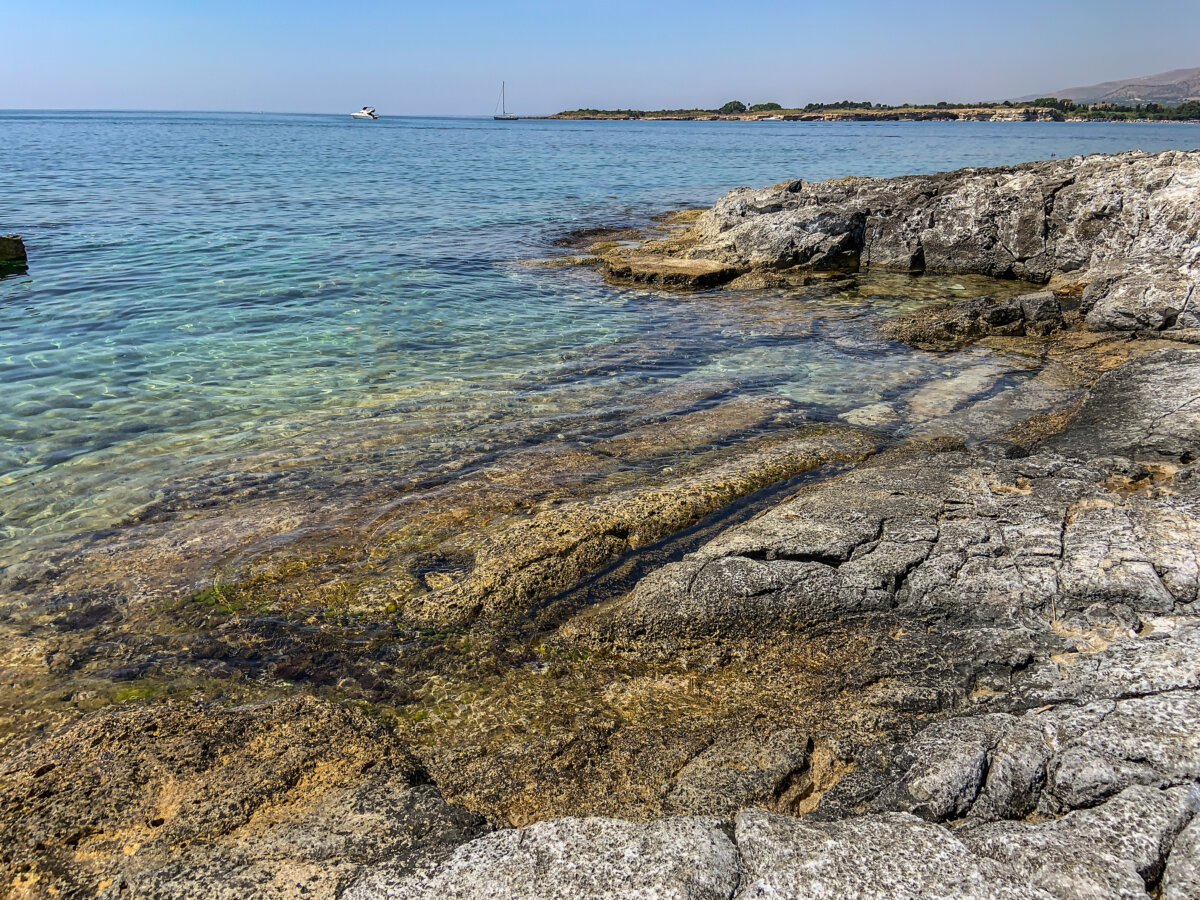
- Sea – Crystal clear
- Papyrus – Unique flora
Best activities
- Watch a Greek tragedy in the ancient theatre (May-July). Eat a 'Granita con Brioche' for breakfast. Get lost in the alleyways of Ortigia. Swim off the rocks at Forte Vigliena. Visit the vibrant street market for a sandwich.
Local experiences
- Wander through the Ortigia street market in the morning for fresh seafood, Sicilian spices, sun-dried tomatoes, and Bronte pistachios sold by animated vendors. Swim off the rocks at the Fonte Aretusa waterfront, where locals have been diving into crystal-clear water for generations. Watch a Greek tragedy performed in the 2,500-year-old Teatro Greco during the annual INDA festival (May–July) — one of the few places in the world where ancient plays are still staged in their original setting. Eat arancini (fried rice balls) and granita with brioche from a neighborhood pasticceria on Via della Giudecca. Explore the Ear of Dionysius, a towering limestone cave in the Neapolis Archaeological Park with remarkable acoustics. Walk along the Ortigia waterfront at golden hour when the Castello Maniace glows against the Ionian Sea.
Practical tips
- Currency: Euro (EUR)
- Getting There: Catania-Fontanarossa Airport (CTA) is the nearest major airport, about 65 km north. Buses and trains connect Catania to Syracuse in 1-1.5 hours. Direct intercity buses run frequently (~€6-8).
- Transportation: Ortigia (the historic island center) is entirely walkable. Public buses connect to the Archaeological Park and modern city. Parking near Ortigia can be challenging in summer — use the parking lots on the mainland side of the bridge.
- Dining: Affordable by Western European standards. Street food (arancini, panini, cannoli) costs €2-5. Local trattorie serve full meals for €10-20. Mid-range restaurant meals for two around €50. Fresh seafood is a specialty. A glass of local wine or Nero d'Avola starts at €3-4.
- Free Attractions: Wandering Ortigia's medieval lanes, watching the sunset from the Marina, browsing Ortigia Market, visiting churches (many free entry), and walking the waterfront promenades.
- Paid Attractions: Neapolis Archaeological Park (includes the Greek Theater and Ear of Dionysius) — combined tickets offer good value.
- Tipping: Not mandatory; rounding up or 5-10% is appreciated at sit-down restaurants
- Electricity: 230V/50Hz, Type C/L plugs
Photography tips
- Golden Hour: Sunset from the Lungomare Alfeo in Ortigia.
- Iconic Shots:
- The Duomo square with its white stone.
- The view from the Greek Theatre.
- The interior of the Ear of Dionysius (silhouette).
- The Fountain of Arethusa with papyrus.
- Narrow streets of the Jewish Quarter (Giudecca).
- Technique: The white stone of Ortigia is very bright; watch your exposure in midday sun.
Timing
- Peak Season (July-Aug):
- Hot, busy
- Shoulder Season (May-June, Sept):
- Best for theatre & swim
- Low Season (Nov-March):
- Quiet, cultural
Keeping it authentic
- Syracuse is the birthplace of Archimedes. It was once the most important city in the ancient world (rivaling Athens). Ortigia is polished, but the mainland city is chaotic and gritty. The afternoon siesta is strictly observed (shops close 1:30-4:30 PM).
Culture, customs and safety
Cultural heritage
Syracuse preserves Erie Canal prosperity and industrial innovation through salt production heritage, university presence, and architectural landmarks. The Erie Canal Museum documents transformative waterway impact on American development. Salt industry wealth created grand homes and civic buildings. Syracuse University on the hill shapes city culture through education and sports. Armory Square transforms warehouse district into entertainment destination. The city maintains industrial heritage while embracing education and healthcare economies. Contemporary culture includes refugee resettlement programs enriching diversity beyond traditional Irish and Italian communities.
Local customs & etiquette
Sicilian culture leans more traditional than mainland Italy. Cover shoulders and knees when entering churches. Shops and some restaurants close for a long afternoon break (roughly 1–4 PM) and reopen in the evening — plan your day around this rhythm. Learn a few Italian phrases; English is spoken in tourist areas but less common in local neighborhoods. Sicilians value warmth and directness — greet with ‘buongiorno’ and don’t rush conversations. Tipping is not expected but rounding up the bill or leaving €1–2 is appreciated for good service. The evening passeggiata (stroll) along Ortigia’s waterfront is a social ritual worth joining.
Safety notes
Syracuse is generally a safe destination with low rates of violent crime.
General Safety:
• Petty theft (pickpocketing, bag snatching) is the main concern in crowded areas: Ortigia, the Archaeological Park, and waterfront areas
• Thieves may operate in pairs; stay vigilant with bags and cameras
• Motorcyclists occasionally attempt drive-by bag snatching — carry bags on the building side of the sidewalk
Scams:
• Be cautious of people offering “free” items who then demand payment
• Confirm prices with street vendors before purchasing; always check change
Nighttime:
• Ortigia is generally safe at night with well-lit streets and active restaurants
• Avoid poorly lit or deserted streets outside the main tourist areas
Beach Safety:
• Do not leave belongings unattended on beaches
• Follow posted swimming advisories
Heat:
• Summer temperatures can exceed 35°C — stay hydrated, wear sunscreen, and take breaks when visiting archaeological sites with limited shade
Emergency contacts:
• Police (Carabinieri): 112
• Medical: 118
• Fire: 115