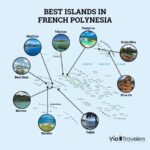
Tahaa embodies French Polynesian serenity as the “Vanilla Island,” an unspoiled paradise sharing a crystalline lagoon with neighboring Raiatea yet remaining refreshingly authentic compared to more developed Society Islands. This volcanic island reveals its distinctive character through vanilla plantations that scent the air with their sweet fragrance, producing some of the world’s finest Tahitian vanilla through traditional cultivation methods that visitors can experience on agricultural tours. The island’s jagged, emerald-green peaks cascade down to peaceful coastal villages and pristine beaches, creating a dramatic backdrop for the surrounding turquoise lagoon protected by a coral reef that houses exceptional marine biodiversity. Unlike Bora Bora or Moorea, Tahaa maintains its traditional rhythms of life, with friendly locals who welcome visitors into a genuine Polynesian experience through family-run pensions, locally guided excursions, and community interactions. Marine adventures abound in the island’s lagoon, where the Coral Garden drift snorkel allows swimmers to float effortlessly through channels between vibrant coral formations teeming with tropical fish. Small-scale pearl farms demonstrate the meticulous cultivation of Tahitian black pearls, while boutique rum distilleries transform local sugarcane into distinctive spirits. Exclusive overwater bungalow resorts on private motus (islets) balance luxury amenities with environmental consciousness while offering sunset views toward Bora Bora on the horizon. Tahaa’s allure lies in this harmonious balance between authentic island culture, natural beauty, and thoughtful tourism development that preserves the soul of French Polynesia for travelers seeking deeper connection beyond postcard perfection.
The destination guide
Tahaa
Island in French Polynesia, OceaniaUpdated
- Overall8/10
- Best forCouples, Adventure seekers, Luxury travelers
- PeakJun–Sep
- CurrencyXPF
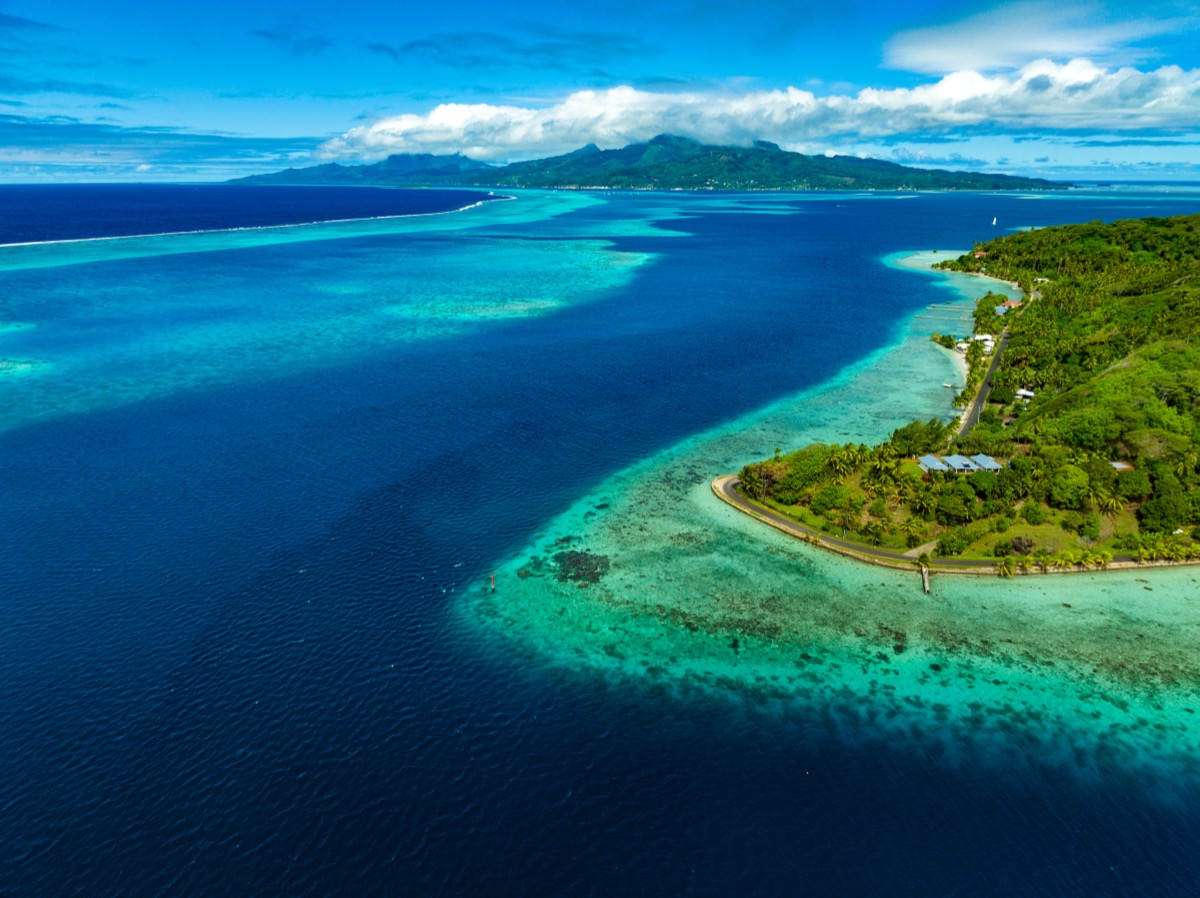
Taha’a is French Polynesia’s vanilla island — no airport, no crowds, and a lagoon shared with Raiatea that smells like vanilla orchids and warm coral.
Travel guides for Tahaa
More guides featuring Tahaa (1)
At a glance
- French
- Tahitian (Reo Tahiti)
- English
- Polynesian island
- Pearl-farming lagoon
- Coral gardens
- Overwater bungalows
- Island
- Snorkeling
- Vanilla
- Luxury
- Romance
- Pearls
- Polynesia
- Remote
How Tahaa scores
Character
Editorial scores on a 10-point scale, weighed against destinations of the same kind.
Travel safety snapshot
SafePlace indicators use their source 100-point scale; higher is more favourable. Planning context, not a live travel advisory — check official government guidance before you go.
When to go
Best months to visit: April, May, June, July, August, September, October and November.
- January: 25.8 to 27 degrees Celsius, 111.8 millimetres of rain, best-time score 2 out of 5.
- February: 25.9 to 27.4 degrees Celsius, 77.6 millimetres of rain, best-time score 2 out of 5.
- March: 26.2 to 27.6 degrees Celsius, 130 millimetres of rain, best-time score 3 out of 5.
- April: 26 to 28 degrees Celsius, 44.1 millimetres of rain, best-time score 4 out of 5.
- May: 25.7 to 27.1 degrees Celsius, 19.1 millimetres of rain, best-time score 5 out of 5.
- June: 25.3 to 26.8 degrees Celsius, 24.8 millimetres of rain, best-time score 5 out of 5.
- July: 24.6 to 26.2 degrees Celsius, 21 millimetres of rain, best-time score 5 out of 5.
- August: 24.2 to 25.6 degrees Celsius, 10 millimetres of rain, best-time score 5 out of 5.
- September: 24.5 to 25.6 degrees Celsius, 12.2 millimetres of rain, best-time score 5 out of 5.
- October: 24.3 to 25.8 degrees Celsius, 50.3 millimetres of rain, best-time score 5 out of 5.
- November: 25.3 to 26.6 degrees Celsius, 24.1 millimetres of rain, best-time score 4 out of 5.
- December: 25.7 to 27.3 degrees Celsius, 109.7 millimetres of rain, best-time score 3 out of 5.
Month-by-month conditions and packing advice
- January
- Hot and sunny, some rain January in Tahaa: wetter, hotter conditions make beach and lagoon plans less dependable. Crowds: January marks the peak tourist season on Tahaa, with excellent weather conditions for snorkeling, diving, and beach activities. The island experiences moderate rainfall, which adds a refreshing touch to outdoor adventures. Tourist numbers are high, leading to crowded beaches and increased prices for accommodations and tours. Visitors should plan for peak season crowds and consider booking in advance to secure preferred accommodations. Pack: Lightweight, breathable clothing for sun protection; Swimwear and snorkeling gear; Wide-brimmed hat and UV-protective sunglasses; Light rain jacket for occasional showers; Comfortable walking shoes for exploring; Light scarf or shawl for cultural sites
- February
- Hot and sunny, some rain February in Tahaa: wetter, hotter conditions make beach and lagoon plans less dependable. Crowds: February marks the peak tourist season on Tahaa, with excellent weather conditions for snorkeling, diving, and beach lounging. The island experiences moderate rainfall, which is beneficial for marine life but can occasionally disrupt outdoor activities. Hotel rates and crowd levels are high, so early bookings are recommended. Visitors should be prepared for occasional rain showers. Pack: Lightweight, breathable swimwear for water activities; Wide-brimmed hat and UV-protective sunscreen; Quick-dry beach towel; Comfortable sandals for the beach; Light rain jacket for unexpected showers; Swim goggles for snorkeling
- March
- Hot and sunny, heavy rain March in Tahaa: rain and humidity are more likely, so keep plans flexible. Crowds: March marks the peak tourist season in Tahaa, with excellent weather conditions for snorkeling, diving, and exploring the coral reefs. The heavy rainfall indicates a wet season, which can lead to occasional flooding but also lush landscapes. Hotel rates and crowd levels are high, so it's advisable to book accommodations in advance. Despite the humidity, the weather remains warm, making it suitable for beach activities and cultural excursions. Visitors should be prepared for occasional rain showers and consider waterproof gear. Pack: Lightweight, breathable clothing for beach activities; Swimwear and snorkeling gear; Rain jacket or poncho for unexpected showers; Comfortable walking shoes for exploring; Sunscreen and sunglasses; Hat and lightweight scarf for sun protection
- April
- Hot and sunny, some rain April in Tahaa: shoulder months can work well with fewer crowds and improving or lingering dry weather. Crowds: April marks the peak tourist season in Tahaa, with excellent weather conditions for outdoor activities such as snorkeling, diving, and exploring the island's coral reefs. The warm temperatures and moderate humidity make it ideal for beach outings and water sports. Hotel rates and crowd levels are high during this period, so early bookings are recommended. Despite the heat, the dry conditions ensure comfortable exploration, with the possibility of occasional rain showers adding to the island's allure. Visitors should pack light clothing, swimwear, and sun protection. Pack: Lightweight clothing for sun exposure; Swimwear for water activities; Sunscreen with high SPF; Light rain jacket for occasional showers; Comfortable walking shoes for exploring; Wide-brimmed hat for sun protection
- May
- Hot and sunny, mostly dry May in Tahaa: dry-season lagoon trips, snorkeling, vanilla farms, sailing, beaches, and island stays are most reliable. Crowds: May marks the peak tourist season on Tahaa, with excellent weather conditions for water sports, snorkeling, and beach lounging. The island's popularity attracts a significant number of visitors, leading to higher accommodation rates and crowded beaches. Despite the heat, the dry climate allows for extended outdoor activities without the risk of rain. Visitors are advised to stay hydrated and apply sunscreen regularly. Pack: Lightweight, breathable clothing for sun protection; Swimwear and snorkeling gear; Wide-brimmed hat and UV-blocking sunglasses; Light, moisture-wicking fabrics; Reusable water bottle; Comfortable sandals for beach walks
- June
- Hot and sunny, mostly dry June in Tahaa: dry-season lagoon trips, snorkeling, vanilla farms, sailing, beaches, and island stays are most reliable. Crowds: Tahaa's peak tourist season occurs during the dry months from November to April, offering excellent conditions for snorkeling, diving, and beach lounging. During this period, hotel rates and crowd levels are high, with prices reflecting the increased demand. Visitors can enjoy activities such as island hopping, coral reef exploration, and cultural excursions to local villages. However, the high humidity and UV levels require careful sun protection. Travelers are advised to book accommodations and activities in advance to secure the best experiences. Pack: Lightweight, breathable clothing for sun protection; Swimwear and snorkeling gear; Sunscreen with high SPF; Wide-brimmed hat and sunglasses; Light rain jacket for occasional showers; Comfortable sandals for beach and water activities
- July
- Hot and sunny, mostly dry July in Tahaa: dry-season lagoon trips, snorkeling, vanilla farms, sailing, beaches, and island stays are most reliable. Crowds: July marks the peak tourist season in Tahaa, with high temperatures and sunny skies providing optimal conditions for snorkeling, diving, and beach lounging. The warm climate attracts visitors seeking relaxation and adventure in the Indian Ocean. However, the high humidity and UV levels necessitate careful sun protection. Hotel rates and activity bookings tend to be at their highest during this period, making it a popular time for both honeymooners and families. Pack: Lightweight, breathable clothing for sun protection; Swimwear and snorkeling gear; Sunscreen with high SPF; Wide-brimmed hat and sunglasses; Light, airy cover-up for cultural sites; Comfortable sandals for beach activities
- August
- Hot and sunny, mostly dry August in Tahaa: dry-season lagoon trips, snorkeling, vanilla farms, sailing, beaches, and island stays are most reliable. Crowds: August marks the peak tourist season on Tahaa, with high demand for beach resorts and snorkeling tours. The weather conditions are ideal for water sports, but visitors should be prepared for crowded beaches and higher accommodation rates. The dry climate allows for extended outdoor activities, but travelers should stay hydrated due to the high UV index. Pack: Lightweight, breathable clothing for beach activities; Swimwear and snorkeling gear; Sunscreen with high SPF; Wide-brimmed hat and sunglasses; Light rain jacket for occasional showers; Comfortable sandals for walking on sandy beaches
- September
- Hot and sunny, mostly dry September in Tahaa: dry-season lagoon trips, snorkeling, vanilla farms, sailing, beaches, and island stays are most reliable. Crowds: September marks the peak tourist season in Tahaa, with excellent weather conditions for water sports, snorkeling, and beach lounging. The warm temperatures and sunny skies attract visitors eager to explore the vibrant marine life and coral reefs. Hotel rates and local attractions experience increased demand, with higher prices and larger crowds during this period. Despite the heat, the dry climate ensures comfortable conditions for outdoor activities. Pack: Lightweight, breathable clothing for beach activities; Swimwear and snorkeling gear; Sunscreen with high SPF; Wide-brimmed hat and sunglasses; Light jacket for cooler evenings; Comfortable sandals for walking on the beach
- October
- Hot and sunny, some rain October in Tahaa: dry-season lagoon trips, snorkeling, vanilla farms, sailing, beaches, and island stays are most reliable. Crowds: January marks the peak tourist season in Tahaa, attracting visitors eager to experience its pristine beaches and underwater wonders. The weather is ideal for snorkeling, diving, and island tours, with clear skies and calm seas. However, this period also sees higher tourist numbers, leading to crowded beaches and increased prices for accommodations and activities. Visitors should plan for early mornings or late afternoons to avoid peak crowds. Pack: Lightweight, breathable clothing for beach activities; Swimwear and snorkeling gear; Sunscreen with high SPF; Wide-brimmed hat and sunglasses; Light rain jacket for occasional showers; Comfortable walking shoes for exploring
- November
- Hot and sunny, mostly dry November in Tahaa: shoulder months can work well with fewer crowds and improving or lingering dry weather. Crowds: January marks the peak tourist season on Tahaa, with excellent weather conditions for water sports, snorkeling, and beach lounging. The island's popularity attracts a significant number of visitors, leading to higher hotel rates and crowded beaches. Despite the warm temperatures, UV levels remain high, so visitors should apply sunscreen regularly. The dry climate allows for extended outdoor activities without the risk of rain. Pack: Lightweight, breathable clothing for beach activities; Swimwear and snorkeling gear; Sunscreen with high SPF; Wide-brimmed hat and sunglasses; Light jacket for cooler evenings; Comfortable sandals for walking on the beach
- December
- Hot and sunny, some rain December in Tahaa: rain and humidity are more likely, so keep plans flexible. Crowds: December marks the peak tourist season on Tahaa, with excellent weather conditions ideal for snorkeling, diving, and exploring the island's coral reefs. The weather is generally sunny with occasional rain, making it perfect for beach activities and cultural tours. Tourist numbers are high, leading to crowded beaches and increased prices for accommodations and tours. Visitors should plan for peak season crowds and consider booking in advance to secure accommodations. Pack: Lightweight, breathable clothing for sun protection; Swimwear for snorkeling and diving; Wide-brimmed hat and UV-protective sunglasses; Light rain jacket for unexpected showers; Comfortable walking shoes for island exploration; Reusable water bottle for hydration
- July
- August
- June
- September
- January
- February
- November
- December
- March
- April
Know before you go
Best time to visit
The best time to visit Tahaa is during the dry season from May to October when the weather is cooler and less humid. This period is ideal for outdoor activities and enjoying the stunning beaches. The wet season, from November to April, can bring heavy rainfall but also offers lush landscapes and fewer tourists.
Season by season
Dry season (May–Oct): 24–28°C, trade winds, lower humidity, best lagoon visibility, peak travel season. Wet season (Nov–Apr): warmer (28–31°C), higher humidity, heavier showers (usually brief), lush landscapes, fewer visitors, cyclone risk.
Crowds
High (none — Tahaa never feels crowded), Moderate (July–August), Low (year-round)
Getting there and around
Getting there
Tahaa has no airport. Fly to Faa’a International Airport (PPT) in Tahiti, then take a domestic Air Tahiti or Air Moana flight to Raiatea (RFP), which shares a lagoon with Tahaa — about 45 minutes. Flights also operate from Bora Bora and Huahine.
From Raiatea airport, take a 10-minute taxi to Uturoa pier. Regular shuttle boats, ferries, and water taxis cross the lagoon to Tahaa throughout the day. Operators like Enota Transport Maritime (ETM) and Tahaa Transport Rapide (TTR) make the crossing in 15–70 minutes depending on your destination on the island.
Alternatively, the Apetahi Express ferry runs directly from Papeete (Tahiti) to Tapu’amu in Tahaa about three times a week — a scenic 5.5–6 hour journey across open ocean.
Getting around
Tahaa is best explored by boat, with various options for rental and guided tours available. Bicycles and scooters can also be rented for those who wish to explore the island at their own pace. Local transport options include taxis and shared vans.
Top experiences in Tahaa
Vanilla Plantations
Tahaa produces nearly 80% of French Polynesia’s vanilla. Family-owned plantations offer tours of the orchid vines and explain the hand-pollination process that gives Tahitian vanilla its distinctive floral aroma. Many tours end with a tasting of vanilla tea, rum, or dessert.
Tahaa Coral Garden
A shallow, gin-clear coral garden between Motu Maharare and Motu Tautau, accessible by boat and perfect for drift snorkeling. The reef is teeming with parrotfish, Napoleon wrasse, and blacktip reef sharks gliding overhead. One of the finest snorkeling sites in the Society Islands.
Motu Tautau & Motu Maharare
Tiny palm-fringed islets on the barrier reef that serve as launch points for snorkeling, picnic barbecues, and sundowner drinks. Several lagoon tours include a traditional Polynesian lunch grilled on the motu’s beach, with fresh fish, breadfruit, and coconut.
Black Pearl Farms
Working pearl farms where you can learn about the meticulous 18-month cultivation process that produces Tahitian black pearls — some of the most prized gems in the world. Tours typically include a demonstration of nucleation and the chance to buy directly.
Haamene Bay
A deep, fjord-like bay on Tahaa’s eastern coast, surrounded by steep, jungle-covered ridges. The calm water is ideal for kayaking, and the shoreline is dotted with copra (coconut) and vanilla farms. A 4×4 safari explores the ridgeline above for panoramic views.
Editor-curated picks carried over from our original guide. Where a full place guide exists, the card links to it.
Worth booking ahead in Tahaa
Hand-picked from the operators our guides already send readers to. Prices and availability are live on the partner site.
BrowseViator
Tours and tickets in Tahaa on Viator (opens Viator in a new tab)
Viator's full list of bookable tours and tickets in Tahaa.
BrowseGetYourGuide
Experiences in Tahaa on GetYourGuide (opens GetYourGuide in a new tab)
Everything GetYourGuide sells in Tahaa, with the cancellation terms on each listing.
Where to stayBooking.com
Stays in Tahaa (opens Booking.com in a new tab)
Live rates and availability for Tahaa on Booking.com; filter by neighbourhood once you know where your days start.
We earn a commission if you book through these links, at no extra cost to you. It is how we keep the guides free and independent.
Where to stay
Le Taha'a Island Resort & Spa
Motu Tautau, Tahaa, French Polynesia
A 57-suite Relais & Châteaux resort on a private motu, with overwater and beach villas, some with glass-floor panels, private plunge pools, and Bora Bora views across the lagoon. The property includes a Polynesian spa, vanilla-themed restaurant, and dive center.
Vahine Island Private Resort
Motu Uufara, Tahaa, French Polynesia
A 9-bungalow private-island resort on its own motu, offering overwater and beach farés (bungalows) with thatched roofs, outdoor showers, and direct lagoon access. Meals are served communally, and snorkeling gear, kayaks, and outrigger canoes are included.
Pension Chez Louise
Haamene Bay, Tahaa, French Polynesia
A locally owned pension (guesthouse) on the main island’s sheltered Haamene Bay, with simple but comfortable bungalows, home-cooked Polynesian meals, and a family-run vanilla-plantation tour. The hosts arrange lagoon excursions and pearl-farm visits.
Editor-curated stays carried over from our original guide. Where we have reviewed the hotel, the card links to the review.
Tips from the field
Highlights
- Vanilla plantations — Hand-pollinated orchid farms
- Coral Garden — Drift snorkeling in crystal lagoon
- Private motus — Palm-fringed islet picnics
- Black pearl farms — Tahitian gem cultivation
- Haamene Bay — Kayak through a jungle fjord
- Bora Bora views — Sunset across the lagoon
Best activities
- Tour a family-run vanilla plantation, drift-snorkel the coral garden between the motus, picnic on a private motu beach, visit a black pearl farm, kayak Haamene Bay, taste craft vanilla rum at Pari Pari Distillery, take a lagoon safari with a local guide, watch the sunset over Bora Bora from the reef, and cycle the quiet coastal road.
Local experiences
- Drift through a coral garden alive with parrotfish and reef sharks, sit among vanilla vines as a fourth-generation farmer explains the hand-pollination ritual, or watch Bora Bora's silhouette turn violet at sunset from a deserted motu.
Practical tips
- There is no airport on Tahaa — fly to Raiatea (RFP) and take a 35-minute boat transfer.
- Bring cash (CFP francs); ATMs exist on Raiatea but not on Tahaa.
- Reef-safe sunscreen is strongly encouraged.
- Mosquitoes are common — bring repellent and long sleeves for evenings.
- Pensions include half- or full-board; restaurant options are extremely limited.
- Boat transfers from Raiatea are weather-dependent; build a buffer day.
Photography tips
- The coral garden is best shot underwater with a waterproof camera or GoPro around midday when the sun illuminates the reef from directly above. Vanilla plantations are lovely in dappled light — a macro lens captures the intricacy of the cured pods. The motus photograph best with a drone or from a boat at waterline to emphasize the turquoise-to-teal gradients. Bora Bora across the lagoon at sunset requires a telephoto (100–200 mm) to compress the mountain silhouette.
Timing
- Two days cover the vanilla plantation, coral garden snorkeling, and a motu picnic. Three days add the pearl farm and Haamene Bay kayaking. Five days allow a truly relaxed pace with repeat snorkel sessions and a day trip to Raiatea.
Keeping it authentic
- Tahaa is one of the least developed islands in French Polynesia's Society archipelago. There are no traffic lights, no chain hotels (outside Le Taha'a), and only a handful of paved roads. The vanilla-farming families have cultivated the same orchid vines for generations, hand-pollinating each flower and curing the pods over months — a technique passed from parent to child. The island has no airport
- access is by boat from Raiatea, which reinforces its isolation and slow pace.
Culture, customs and safety
Cultural heritage
Tahaa preserves authentic Polynesian vanilla cultivation traditions on the Vanilla Island, maintaining ancient agricultural practices and traditional life. Sacred marae stone temples connect contemporary Tahitians to ancestral mana spiritual power. Traditional fare housing with pandanus thatch roofs dots the mountainous landscape. Black pearl farming continues alongside vanilla plantations creating sustainable island economy. Local culture emphasizes extended family bonds, traditional fishing methods, and preservation of reo Tahiti language through daily use rather than tourist performance.
Local customs & etiquette
Accept gifts and food with both hands. Greet locals with ‘ia ora na’ (hello). Dress casually but respectfully in villages. Ask before photographing people. Tipping is not traditional in French Polynesia but is appreciated at resorts. Remove shoes before entering homes. Litter-free beaches are a community pride — always pack out what you pack in.
Safety notes
Tahaa is extremely safe — crime is virtually nonexistent on this small, close-knit island. The primary risks are sun exposure and marine hazards: strong currents in lagoon passes, sea urchins, and occasional jellyfish. Wear reef shoes when entering the water. Medical facilities are very basic (a dispensary in Patio); serious injuries require evacuation to Raiatea or Papeete. Comprehensive travel insurance with medical evacuation is essential. Cyclone season runs November through April — monitor Météo France advisories.