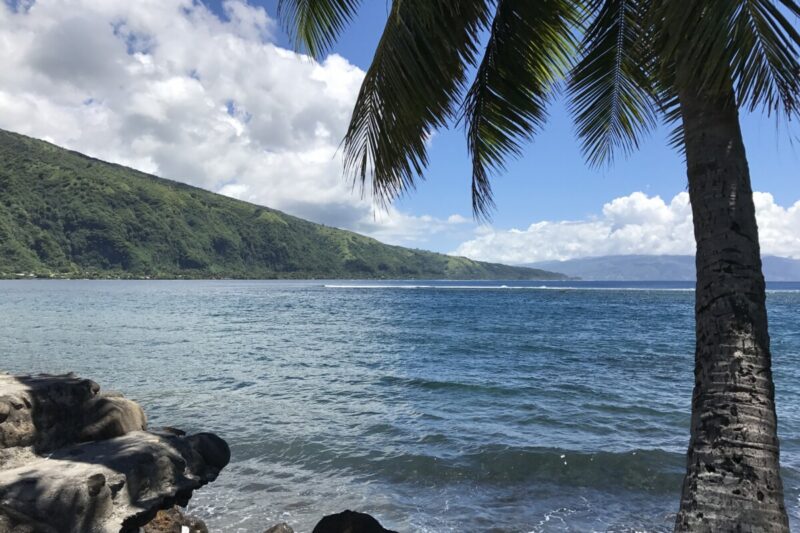
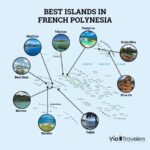
Tahiti, the largest island in French Polynesia, rises dramatically from the South Pacific with its lush volcanic mountains, black sand beaches, and vibrant turquoise lagoons. This heart-shaped paradise serves as the cultural and economic center of the archipelago, blending French colonial influence with rich Polynesian traditions. The island’s capital, Papeete, pulses with energy at its waterfront promenade and colorful market where vendors sell tropical fruits, monoi oils, and handcrafted pearls. Beyond the urban center, Tahiti rewards exploration with its diverse landscapes—from the mystical Papenoo Valley with ancient marae (sacred sites) to the powerful Arahoho Blowhole and the perfect surf breaks at Teahupo’o, site of some of the world’s most challenging waves. Cultural experiences abound through traditional dance performances, where hip-swaying tamure dancers tell ancient stories, and archaeological sites reveal centuries of Polynesian history. The island’s unique black sand beaches like Lafayette and Taharuu offer dramatic contrast to the surrounding tropical vegetation, while snorkelers discover kaleidoscopic coral gardens teeming with marine life in the outer reef. Whether as a gateway to French Polynesia’s outer islands or as a destination in its own right, Tahiti delivers a sensory feast of natural beauty, authentic Polynesian culture, and French-inspired cuisine.
The destination guide
Tahiti

Island in French Polynesia, OceaniaUpdated
- Overall9/10
- Best forCouples, Adventure seekers, Luxury travelers
- PeakJun–Sep
- CurrencyXPF
Teahupo’o draws the surfers, but Papenoo Valley’s ancient marae sites are what most visitors fly past without stopping.
Travel guides for Tahiti
More guides featuring Tahiti (11)
At a glance
- Volcanic island
- Turquoise lagoon
- Black sand beaches
- Tropical rainforest
How Tahiti scores
Editorial scores on a 10-point scale, weighed against destinations of the same kind.
Travel safety snapshot
SafePlace indicators use their source 100-point scale; higher is more favourable. Planning context, not a live travel advisory — check official government guidance before you go.
When to go
Best months to visit: April, May, June, July, August, September, October and November.
- January: 17.3 to 31.1 degrees Celsius, 2.5 millimetres of rain, best-time score 3 out of 5.
- February: 16.1 to 28.6 degrees Celsius, 2.7 millimetres of rain, best-time score 3 out of 5.
- March: 16.2 to 27.9 degrees Celsius, 3 millimetres of rain, best-time score 3 out of 5.
- April: 12.6 to 23.4 degrees Celsius, best-time score 4 out of 5.
- May: 9.3 to 18.9 degrees Celsius, 1.3 millimetres of rain, best-time score 5 out of 5.
- June: 6.7 to 13.1 degrees Celsius, 22.4 millimetres of rain, best-time score 5 out of 5.
- July: 3.5 to 13.2 degrees Celsius, 0.8 millimetres of rain, best-time score 5 out of 5.
- August: 4.9 to 16.2 degrees Celsius, 8.3 millimetres of rain, best-time score 5 out of 5.
- September: 8.6 to 19.3 degrees Celsius, 0.5 millimetres of rain, best-time score 5 out of 5.
- October: 10.4 to 22 degrees Celsius, best-time score 5 out of 5.
- November: 13.1 to 26.9 degrees Celsius, 1.9 millimetres of rain, best-time score 4 out of 5.
- December: 13.5 to 26.2 degrees Celsius, 42 millimetres of rain, best-time score 3 out of 5.
Month-by-month conditions and packing advice
- January
- Warm and pleasant, mostly dry January in Tahiti: warmer, wetter-season weather makes outdoor and lagoon plans more variable. Crowds: January marks the peak tourist season in Tahiti, with excellent weather conditions for a variety of activities such as snorkeling, hiking, and exploring local villages. The weather is generally sunny, with average temperatures ranging from 24.375°C to 31.0625°C, making it ideal for beach outings and water sports. Hotel rates and crowd levels are typically high during this period, so early booking is recommended. Despite the warm temperatures, UV levels remain high, so sunscreen and protective clothing are advisable. Pack: Lightweight layers for temperature variation; Comfortable walking shoes for exploring beaches and trails; Wide-brimmed hat and high SPF sunscreen; Light cardigan for air-conditioned accommodations; Light, breathable clothing for beach activities; Modest attire for cultural sites and religious observances
- February
- Warm and pleasant, mostly dry February in Tahiti: warmer, wetter-season weather makes outdoor and lagoon plans more variable. Crowds: February marks the peak tourist season in Tahiti, with excellent weather conditions for a variety of outdoor activities such as snorkeling, diving, and exploring local villages. The warm temperatures and sunny skies attract visitors eager to experience the island's natural beauty. Hotel rates and crowd levels are at their highest, making it a popular time for travelers. Despite the pleasant weather, UV levels remain high, so visitors should apply sunscreen regularly. Pack: Lightweight layers for temperature variation; Comfortable walking shoes for exploring beaches and trails; Wide-brimmed hat and high SPF sunscreen; Light cardigan for air-conditioned accommodations; Light, breathable clothing for beach activities; Swimwear and quick-dry towels
- March
- Warm and pleasant, mostly dry March in Tahiti: warmer, wetter-season weather makes outdoor and lagoon plans more variable. Crowds: March marks the beginning of the high tourist season in Tahiti, with excellent weather conditions for beach activities, snorkeling, and hiking. The weather is generally favorable, with warm temperatures and minimal rainfall, attracting visitors from around the world. Hotel rates and crowd levels are at their peak, so early booking is recommended. Despite the pleasant climate, travelers should be prepared for occasional rain showers. Pack: Lightweight layers for temperature variation; Comfortable walking shoes for beach and hiking; Wide-brimmed hat and UV-protective sunscreen; Light rain jacket for occasional showers; Swimwear for beach activities; Breathable cotton/linen fabrics
- April
- Warm and pleasant, mostly dry April in Tahiti: shoulder timing can offer good weather with fewer peak-season crowds. Crowds: April marks the beginning of the high tourist season in Tahiti, with excellent weather conditions for beach activities, snorkeling, and exploring local culture. The weather is warm and dry, making it perfect for water sports and sightseeing. Hotel prices and crowd levels are at their peak, so early bookings are recommended. Despite the pleasant temperatures, UV levels remain high, so sun protection is essential. Pack: Lightweight layers for temperature variation; Comfortable walking shoes for exploring beaches and trails; Wide-brimmed hat and high SPF sunscreen; Light cardigan for air-conditioned spaces; Modest clothing for cultural sites and religious observances; Breathable cotton/linen fabrics
- May
- Cool weather, mostly dry May in Tahiti: dry-season lagoons, beaches, snorkeling, whale watching, hiking, sailing, and island-hopping are most reliable. Crowds: Peak tourist season with excellent conditions for all outdoor activities including hiking, beach visits, cultural site exploration, and city walking tours. Hotel rates and crowd levels are highest during this period. UV levels remain high despite cooler temperatures. Pack: Lightweight layers for temperature variation; Comfortable walking shoes for city exploration; Broad-brimmed hat and SPF 50+ sunscreen; Light cardigan for air-conditioned spaces; Modest clothing for cultural sites and mosques; Breathable cotton/linen fabrics
- June
- Cool weather, mostly dry June in Tahiti: dry-season lagoons, beaches, snorkeling, whale watching, hiking, sailing, and island-hopping are most reliable. Crowds: Peak tourist season with excellent conditions for all outdoor activities including hiking, beach visits, cultural site exploration, and city walking tours. Hotel rates and crowd levels are highest during this period. UV levels remain high despite cooler temperatures. Pack: Lightweight layers for temperature variation; Comfortable walking shoes for city exploration; Broad-brimmed hat and SPF 50+ sunscreen; Light cardigan for air-conditioned spaces; Modest clothing for cultural sites and mosques; Breathable cotton/linen fabrics
- July
- Cool weather, mostly dry July in Tahiti: dry-season lagoons, beaches, snorkeling, whale watching, hiking, sailing, and island-hopping are most reliable. Crowds: Peak tourist season with excellent conditions for all outdoor activities including snorkeling, hiking, and cultural site visits. Hotel rates and crowd levels are highest during this period. UV levels remain high despite cooler temperatures. Pack: Lightweight layers for temperature variation; Comfortable walking shoes for city exploration; Broad-brimmed hat and SPF 50+ sunscreen; Light cardigan for air-conditioned spaces; Modest clothing for cultural sites and mosques; Breathable cotton/linen fabrics
- August
- Cool weather, mostly dry August in Tahiti: dry-season lagoons, beaches, snorkeling, whale watching, hiking, sailing, and island-hopping are most reliable. Crowds: Peak tourist season with excellent conditions for all outdoor activities including snorkeling, hiking, and cultural site visits. Hotel rates and crowd levels are highest during this period. UV levels remain high despite cooler temperatures. Pack: Lightweight layers for temperature variation; Comfortable walking shoes for city exploration; Broad-brimmed hat and SPF 50+ sunscreen; Light cardigan for air-conditioned spaces; Modest clothing for cultural sites and mosques; Breathable cotton/linen fabrics
- September
- Cool weather, mostly dry September in Tahiti: dry-season lagoons, beaches, snorkeling, whale watching, hiking, sailing, and island-hopping are most reliable. Crowds: Peak tourist season with excellent conditions for snorkeling, beach visits, and cultural site exploration. Hotel rates and crowd levels are highest during this period. UV levels remain high despite cooler temperatures. Pack: Lightweight layers for temperature variation; Comfortable walking shoes for city exploration; Broad-brimmed hat and SPF 50+ sunscreen; Light cardigan for air-conditioned spaces; Modest clothing for cultural sites and mosques; Breathable cotton/linen fabrics
- October
- Warm and pleasant, mostly dry October in Tahiti: dry-season lagoons, beaches, snorkeling, whale watching, hiking, sailing, and island-hopping are most reliable. Crowds: January in Tahiti marks the peak tourist season, with excellent weather conditions for a variety of activities. The average high of 22°C (71.6°F) and low of 10.375°C (50.655°F) make it perfect for beach outings, snorkeling, and exploring local attractions. Hotel rates and crowd levels are at their highest, so early bookings are recommended. Despite the warm temperatures, UV levels remain high, so sunscreen and protective clothing are essential. Pack: Lightweight, breathable clothing for beach activities; Swimwear and cover-ups; Sunscreen with high SPF; Comfortable walking shoes for exploring; Light jacket or sweater for cooler evenings; Hats and sunglasses for sun protection
- November
- Warm and pleasant, mostly dry November in Tahiti: shoulder timing can offer good weather with fewer peak-season crowds. Crowds: January marks the peak tourist season in Tahiti, with excellent weather conditions for beach activities, snorkeling, and exploring local villages. The warm temperatures and dry climate attract visitors eager to experience the island's natural beauty. Hotel rates and crowd levels are high, but the weather remains perfect for outdoor adventures. Visitors should be prepared for increased activity and potential crowds. Pack: Lightweight layers for temperature variation; Comfortable walking shoes for beach and hiking; Wide-brimmed hat and UV-protective sunscreen; Light cardigan for air-conditioned spaces; Light, breathable clothing for beach outings; Modest attire for cultural sites and religious visits
- December
- Warm and pleasant, some rain December in Tahiti: warmer, wetter-season weather makes outdoor and lagoon plans more variable. Crowds: December marks the peak tourist season in Tahiti, with excellent weather conditions encouraging visitors to explore the island's beaches, coral reefs, and cultural sites. The weather is perfect for outdoor activities, including hiking, surfing, and island tours. Hotel rates and crowd levels are high, reflecting the island's popularity during this time. Despite the warm temperatures, travelers should be prepared for occasional rain showers, which are generally brief and refreshing. Visitors are advised to pack light clothing, swimwear, and sun protection, while also considering the island's cultural dress codes for respectful interactions. Pack: Lightweight clothing for beach activities; Swimwear and cover-ups for water sports; Sunscreen with high SPF; Comfortable walking shoes for exploring; Rain jacket for occasional showers; Light scarf or shawl for cultural sites
- July
- August
- June
- September
- January
- February
- November
- December
- March
- April
Know before you go
Best time to visit
May through October for dry season with warm temperatures in the mid-20s°C. July-August for Heiva festival celebrations. November-April is wetter but whale-watching season peaks August-October.
Season by season
Summer (Nov-March):
Weather: 25-30°C, humid/rain
Highlights: Lush green
Best For: Surfing
Winter (May-Oct):
Weather: 20-28°C, dry
Highlights: Heiva Festival
Best For: Honeymoon
Crowds
Tahiti and the Society Islands peak June–August and around Christmas/New Year; shoulder months April–May and September–October are less busy; quietest in February (rainy season) though numbers never drop extremely low—overall moderately busy with seasonal spikes.
Getting there and around
Getting there
Fly into Faa’a International Airport (PPT) on the island of Tahiti, the main gateway to French Polynesia. Air Tahiti Nui operates from Los Angeles, Paris, Tokyo, and Auckland. Inter-island flights connect to Bora Bora and Moorea.
Top experiences in Tahiti
Bora Bora Lagoon
The most famous lagoon in the world. The water is 50 shades of blue. Access is by boat. You can swim with sharks and stingrays. It is the definition of paradise.
Moorea (Opunohu Bay)
A stunning bay in Moorea, framed by jagged green mountains (Magic Mountain). It is quieter than Bora Bora. The snorkeling and hiking here are world-class.
Fautaua Waterfall (Tahiti)
One of the tallest waterfalls in the world (300m), located on the main island of Tahiti. It requires a hike through the lush jungle. It shows the wild, mountainous side of Tahiti.
Rangiroa Atoll
One of the largest atolls in the world. It is a diver’s paradise (Tiputa Pass). You can drift dive with hundreds of sharks, dolphins, and manta rays. The ‘Blue Lagoon’ here is surreal.
Teahupo'o
The world’s heaviest wave. Located on Tahiti Iti. It will host the 2024 Olympic surfing. Even if you don’t surf, taking a boat out to see the monster wave break is humbling.
Editor-curated picks carried over from our original guide. Where a full place guide exists, the card links to it.
Worth booking ahead in Tahiti
Hand-picked from the operators our guides already send readers to. Prices and availability are live on the partner site.
BrowseViator
Tours and tickets in Tahiti on Viator (opens Viator in a new tab)
Viator's full list of bookable tours and tickets in Tahiti.
BrowseGetYourGuide
Experiences in Tahiti on GetYourGuide (opens GetYourGuide in a new tab)
Everything GetYourGuide sells in Tahiti, with the cancellation terms on each listing.
Where to stayBooking.com
Stays in Tahiti (opens Booking.com in a new tab)
Live rates and availability for Tahiti on Booking.com; filter by neighbourhood once you know where your days start.
We earn a commission if you book through these links, at no extra cost to you. It is how we keep the guides free and independent.
Where to stay
The Brando (Tetiaroa)
Tetiaroa Private Island, French Polynesia
The ultimate luxury eco-resort on Marlon Brando’s private island. Accessible by private plane. It offers absolute privacy, sustainability, and untouched nature. It is a bucket-list stay.
Four Seasons Resort Bora Bora
Motu Tehotu, Bora Bora 98730, French Polynesia
Located in Bora Bora. It features massive overwater bungalow suites and a beachfront villa estate. The service is impeccable, and the views of Mount Otemanu are legendary.
Hilton Moorea Lagoon Resort & Spa
BP 1005, Papetoai 98728, French Polynesia
Located in Moorea (the heart-shaped island). Its overwater bungalows are set in a crystal-clear lagoon teeming with fish. It is romantic but also great for snorkeling adventures.
Editor-curated stays carried over from our original guide. Where we have reviewed the hotel, the card links to the review.
Tips from the field
Highlights
- Island – Bora Bora
- Nature – Moorea Peaks
- Dive – Rangiroa
- Surf – Teahupo'o
- Culture – Heiva Festival
- Luxury – Overwater Villa
- Pearl – Black Pearls
- Food – Poisson Cru
Best activities
- Stay in an overwater bungalow. Swim with humpback whales (Aug-Oct). Take a lagoon tour in Bora Bora. Hike the Three Coconuts Pass in Moorea. Eat Poisson Cru. Watch a Polynesian fire dance. Dive the Tiputa Pass.
Photography tips
- Golden Hour: Sunset over Moorea (viewed from Tahiti). Sunrise on the overwater bungalow deck.
- Iconic Shots:
- Mount Otemanu from the lagoon.
- An overwater bungalow breakfast delivered by canoe.
- Swimming with Stingrays.
- The view from Magic Mountain (Moorea).
- Aerial shot of the atolls.
- Technique: A polarizing filter is essential for the water color. Go underwater (GoPro/Housing) for the best shots.
Timing
- Peak Season (June-Aug, Holidays):
- Expensive, dry
- Shoulder Season (May, Sept-Oct):
- Best balance
- Low Season (Nov-March):
- Humid, risk of rain
Keeping it authentic
- Tahiti is the heart of Polynesian culture. 'Mana' is the spiritual life force that pervades everything. Tattoos (Tatau) originated here. The locals are incredibly welcoming. Flowers (Tiare) are worn daily behind the ear.
Culture, customs and safety
Cultural heritage
Tahiti serves as the heart of French Polynesia, blending ancient Polynesian traditions with French colonial influence and contemporary Pacific identity. Marae Arahurahu demonstrates pre-European religious architecture while Papeete market showcases cultural fusion through pareo fabrics and traditional crafts. Heiva festival celebrates Polynesian culture through competitive dancing, drumming, and outrigger racing. Traditional tattooing resurged as cultural expression after colonial prohibition. The island maintains reo Tahiti language, traditional medicine, and connection to ocean navigation heritage defining authentic Polynesian identity.