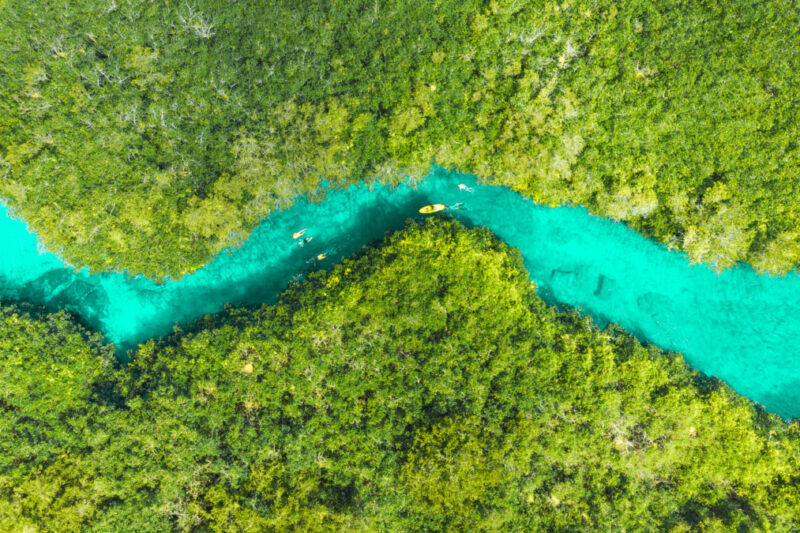
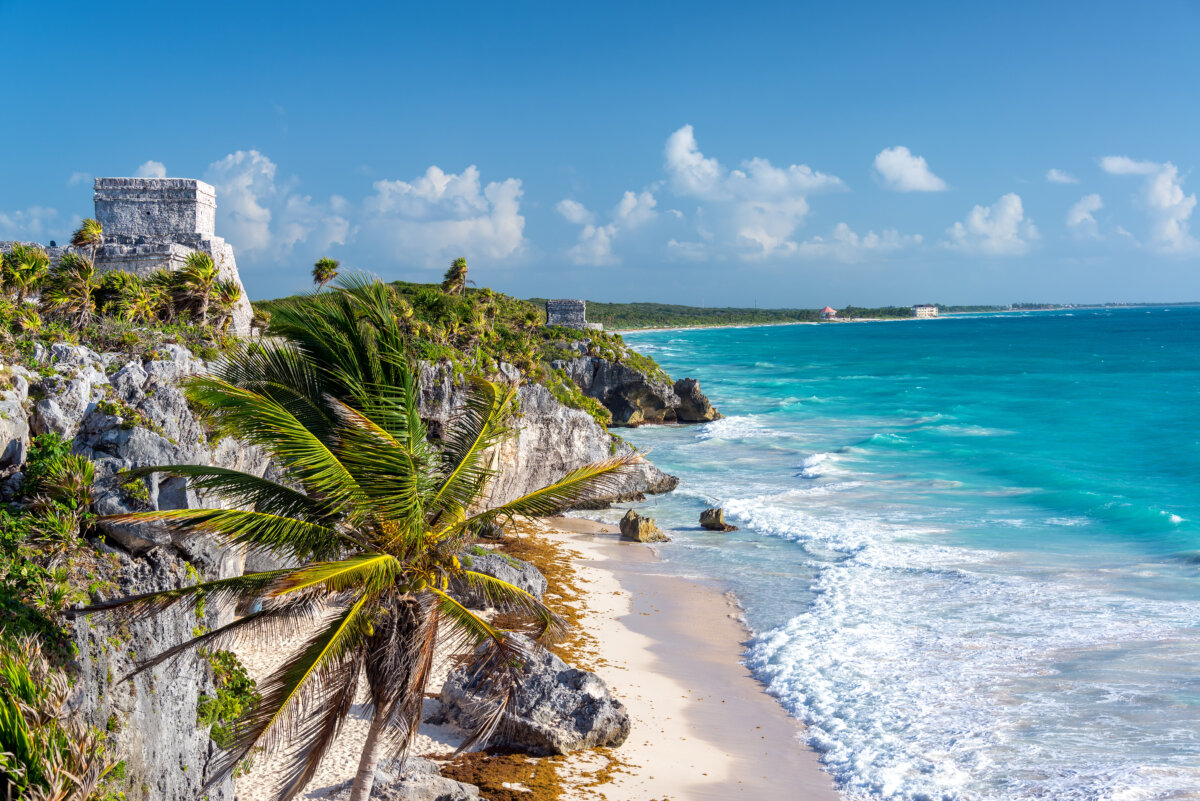
Tulum balances ancient Mayan heritage with sustainable tourism leadership along Mexico’s Caribbean coast, where dramatic clifftop ruins overlook white sand beaches meeting crystal-clear cenotes—natural freshwater sinkholes perfect for swimming and cave diving. The archaeological site preserves INAH-protected Mayan temples including El Castillo fortress, while nearby Coba ruins 44 kilometers northwest feature climbable pyramids reaching through jungle canopy. Beyond heritage tourism, Tulum pioneers eco-conscious travel through solar-powered treehouse accommodations, no-electricity policies at resorts like Azulik, and locally-sourced dining supporting indigenous communities. Authentic experiences include swimming with sea turtles at nearby Akumal beach, exploring family-run cenotes like Dos Ojos and Gran Cenote with underwater stalagmites, and participating in beach cleanups organized by marine conservation NGOs restoring coral reef fragments in the Mesoamerican Barrier Reef system.
The destination guide
Tulum
City in Mexico, North AmericaUpdated
- Overall8/10
- Best forCouples, Adventure seekers
- PeakJan, Mar, Nov, Dec
- CurrencyMXN
The clifftop ruins at Tulum are real — but the cenotes just inland are what keep people rearranging their return flights.
Travel guides for Tulum
Destination stories (1)
More guides featuring Tulum (10)
At a glance
- Spanish
- Caribbean coast
- Ancient Mayan ruins
- Jungle
- Cenotes
- Beaches
- Mayan History
- Eco-Chic Resorts
- Wellness
- Nightlife.
How Tulum scores
Editorial scores on a 10-point scale, weighed against destinations of the same kind.
Travel safety snapshot
SafePlace indicators use their source 100-point scale; higher is more favourable. Planning context, not a live travel advisory — check official government guidance before you go.
When to go
Best months to visit: January, February, March, April, November and December.
- January: 18.9 to 26.9 degrees Celsius, 18.6 millimetres of rain, best-time score 5 out of 5.
- February: 19.8 to 29.4 degrees Celsius, 11.1 millimetres of rain, best-time score 5 out of 5.
- March: 20.8 to 30.6 degrees Celsius, 7.9 millimetres of rain, best-time score 5 out of 5.
- April: 22.6 to 32.2 degrees Celsius, 22.1 millimetres of rain, best-time score 4 out of 5.
- May: 23.3 to 33.3 degrees Celsius, 11.6 millimetres of rain, best-time score 3 out of 5.
- June: 23.9 to 30.3 degrees Celsius, 106.4 millimetres of rain, best-time score 2 out of 5.
- July: 23.8 to 32.7 degrees Celsius, 25.4 millimetres of rain, best-time score 2 out of 5.
- August: 24.1 to 33.4 degrees Celsius, 49.1 millimetres of rain, best-time score 2 out of 5.
- September: 23.8 to 32.6 degrees Celsius, 37 millimetres of rain, best-time score 2 out of 5.
- October: 23 to 31 degrees Celsius, 58.7 millimetres of rain, best-time score 3 out of 5.
- November: 21.2 to 28.5 degrees Celsius, 34.8 millimetres of rain, best-time score 4 out of 5.
- December: 19.9 to 28.3 degrees Celsius, 10.5 millimetres of rain, best-time score 5 out of 5.
Month-by-month conditions and packing advice
- January
- Warm and pleasant, mostly dry Perfect dry and warm weather. Crowds: January marks the peak tourist season in Tulum, with excellent weather conditions for outdoor activities such as snorkeling, hiking, and exploring ancient Mayan sites. The dry climate ensures clear skies and comfortable temperatures, making it an ideal time for beach visits and water sports. However, this period also sees higher hotel rates and increased tourist crowds, so early booking is recommended. Pack: Lightweight layers for temperature variation; Comfortable walking shoes for exploring ruins and beaches; Sunscreen with high SPF; Light cardigan for cooler evenings; Modest clothing for cultural sites and religious visits; Breathable cotton/linen fabrics
- February
- Warm and pleasant, mostly dry Excellent beach weather, low humidity. Crowds: February marks the peak tourist season in Tulum, with excellent weather conditions for a variety of activities including beach excursions, snorkeling, and exploring Mayan ruins. The dry climate supports outdoor adventures, while the warm temperatures make it comfortable for extended sightseeing. Hotel rates and crowd levels are high during this period, so early bookings are recommended. Visitors should be prepared for high UV levels, even with cooler temperatures. Pack: Lightweight layers for temperature variation; Comfortable walking shoes for exploring ruins and beaches; Wide-brimmed hat and SPF 50+ sunscreen; Light cardigan for cooler evenings; Modest clothing for cultural sites and religious sites; Breathable cotton/linen fabrics
- March
- Hot and sunny, mostly dry Slightly warmer but still dry and comfortable. Crowds: March marks the peak tourist season in Tulum, with excellent weather conditions for outdoor activities such as snorkeling, diving, and exploring the ancient ruins. The warm temperatures and sunny skies attract a large number of visitors, leading to higher hotel rates and crowded beaches. Despite the heat, the dry conditions ensure comfortable outdoor experiences. Pack: Lightweight, breathable clothing for beach activities; Swimwear and snorkeling gear; Sunscreen with high SPF; Wide-brimmed hat and sunglasses; Light jacket for cooler evenings; Comfortable sandals for walking
- April
- Hot and sunny, mostly dry Getting hotter, transition to wet season begins. Crowds: April marks the peak tourist season in Tulum, with excellent weather conditions for beach activities, snorkeling, and exploring the archaeological sites. The dry climate attracts a high number of visitors, leading to crowded beaches and increased prices for accommodations and tours. Despite the heat, the pleasant weather makes it an ideal time to visit, with fewer chances of rain. Pack: Lightweight, breathable clothing for sun protection; Swimwear and beach cover-ups; Wide-brimmed hat and UV-protective sunglasses; Lightweight, moisture-wicking shorts; Comfortable sandals or flip-flops; Light jacket or sweater for cooler evenings
- May
- Hot and sunny, mostly dry Hot and humid, rains start increasing. Crowds: May marks the peak tourist season in Tulum, with excellent weather conditions for outdoor activities such as snorkeling, beachcombing, and exploring ancient Mayan sites. The dry climate ensures comfortable temperatures, though UV levels remain high. Visitors can expect crowded beaches and increased prices for accommodations and tours. Ideal for beach-focused activities, but be prepared for peak season demands. Pack: Lightweight, breathable clothing for beach activities; Wide-brimmed hat and UV-protective sunscreen; Swimwear and flip-flops for beach outings; Light jacket or sweater for cooler evenings; Comfortable sandals for exploring ruins; Light rain jacket for unexpected showers
- June
- Hot and sunny, some rain Wet season, frequent heavy downpours. Crowds: Peak tourist season from December to April offers excellent weather for beach activities, snorkeling, and exploring cultural sites. Crowds are highest during this period, with accommodation rates and prices for tours peaking. Despite the heat, UV levels remain high, so sun protection is essential. Pack: Lightweight, breathable clothing for beach outings; Wide-brimmed hat and UV-protective sunscreen; Swimwear and flip-flops for beach activities; Light jacket or sweater for cooler evenings; Comfortable sandals for exploring ruins; Light, moisture-wicking fabrics for active days
- July
- Hot and sunny, mostly dry Peak monsoon/wet season. Crowds: July marks the peak tourist season in Tulum, with high demand for accommodations and activities. The weather is perfect for beach outings, snorkeling, and exploring the ancient ruins, but it can be quite crowded. Prices for flights and hotels are at their highest, and it's advisable to book in advance. Visitors should be prepared for intense sun exposure, even with the cooler temperatures. Pack: Lightweight, breathable clothing for beach activities; Wide-brimmed hat and UV-protective sunglasses; Swimwear and flip-flops for the beach; Light jacket or sweater for cooler evenings; Comfortable sandals for exploring ruins; Reusable water bottle to stay hydrated
- August
- Hot and sunny, some rain Continuing heavy rains and high humidity. Crowds: August marks the peak tourist season in Tulum, with excellent weather conditions for beach activities, snorkeling, and exploring the ancient ruins. The high humidity and occasional rain provide a refreshing contrast to the warm temperatures. Tourist crowds are at their highest, and accommodation prices can be steep. Visitors should plan for potential rain showers and consider booking activities in advance to avoid long waits. Pack: Lightweight, breathable clothing for sun protection; Swimwear and beach cover-up; Wide-brimmed hat and UV-protective sunglasses; Light rain jacket or poncho; Comfortable sandals for beach and ruins exploration; Lightweight, moisture-wicking fabrics
- September
- Hot and sunny, some rain Still very wet, risk of storms/typhoons. Crowds: September marks the peak tourist season in Tulum, with excellent weather conditions for beach activities, snorkeling, and exploring ancient Mayan sites. The weather is generally warm and sunny, with average temperatures ranging from 9°C to 32.56°C. Crowds are high, especially during weekends and holidays, which can affect the experience at popular sites. While the weather is perfect for outdoor adventures, travelers should be prepared for higher prices and busier conditions. Pack: Lightweight, breathable clothing for sun protection; Swimwear and cover-ups for beach activities; Comfortable sandals or flip-flops for walking; Sun hat and UV-protective sunglasses; Light rain jacket for occasional showers; Lightweight, breathable fabrics for comfort
- October
- Hot and sunny, some rain Rains begin to taper off, still humid. Crowds: January marks the peak tourist season in Tulum, with high temperatures and humidity encouraging beach visits, snorkeling, and exploring the ancient ruins. The weather is ideal for water sports and cultural tours, though it can be challenging for those sensitive to heat. Hotel prices and tour availability are high, so booking in advance is recommended. Visitors should be prepared for the sun's intensity and pack accordingly. Pack: Lightweight, breathable clothing for sun protection; Wide-brimmed hat and UV-blocking sunglasses; Swimwear for beach activities; Light, long-sleeved shirt for cultural sites; Light rain jacket for occasional showers; Comfortable sandals for walking
- November
- Hot and sunny, some rain Start of the dry season, weather improving. Crowds: Peak tourist season with excellent conditions for all outdoor activities including beach visits, jungle tours, cultural site exploration, and city walking tours. Hotel rates and crowd levels are highest during this period. UV levels remain high despite cooler temperatures. Pack: Lightweight layers for temperature variation; Comfortable walking shoes for city exploration; Broad-brimmed hat and SPF 50+ sunscreen; Light cardigan for air-conditioned spaces; Modest clothing for cultural sites and mosques; Breathable cotton/linen fabrics
- December
- Warm and pleasant, mostly dry Fantastic weather, peak tourist season. Crowds: December marks the peak tourist season in Tulum, with excellent weather conditions for outdoor activities such as snorkeling, diving, and exploring the ancient Mayan ruins. The warm temperatures and dry conditions attract visitors from around the world, leading to higher hotel rates and increased crowd levels. Despite the heat, the dry weather offers clear skies and minimal humidity, enhancing the overall experience. Pack: Lightweight layers for temperature variation; Comfortable walking shoes for exploring ruins and beaches; Wide-brimmed hat and SPF 50+ sunscreen; Light cardigan for air-conditioned areas; Light, breathable clothing for beach activities; Swimwear for water-based adventures
- November
- December
- January
- March
- June
- July
- August
- September
Know before you go
Neighbourhoods
Tulum Pueblo, Zona Hotelera, Aldea Zama, La Veleta
Best time to visit
December to April
Season by season
Peak season (Dec-April) brings ideal weather but top prices; Shoulder seasons (May, Nov) offer balance; Summer/Fall (June-Oct) is hot, humid, and poses a hurricane risk.
Crowds
High
Getting there and around
Getting there
Fly into Naples Capodichino (NAP). High-speed trains (Frecciarossa) from Rome take just over 1 hour.
Getting around
Metro Line 1 (Art Stations) and Funiculars usually beat traffic. Walking is best for the Historic Center.
Top experiences in Tulum
Tulum Archaeological Site
The world-famous ancient city buried by Vesuvius. accessible via the Circumvesuviana train for a day trip.
Gran Cenote
Playa Paraiso
Editor-curated picks carried over from our original guide. Where a full place guide exists, the card links to it.
Worth booking ahead in Tulum
Hand-picked from the operators our guides already send readers to. Prices and availability are live on the partner site.
BrowseViator
Tours and tickets in Tulum on Viator (opens Viator in a new tab)
Viator's full list of bookable tours and tickets in Tulum.
BrowseGetYourGuide
Experiences in Tulum on GetYourGuide (opens GetYourGuide in a new tab)
Everything GetYourGuide sells in Tulum, with the cancellation terms on each listing.
Where to stayBooking.com
Stays in Tulum (opens Booking.com in a new tab)
Live rates and availability for Tulum on Booking.com; filter by neighbourhood once you know where your days start.
We earn a commission if you book through these links, at no extra cost to you. It is how we keep the guides free and independent.
Where to stay
Azulik
Carretera Tulum-Boca Paila Km 7, 77780 Tulum, Mexico
Historic luxury hotel on the Lungomare offering classic elegance and stunning views of Mount Vesuvius.
Habitas Tulum
Carretera Tulum Ruinas Km 5, 77780 Tulum, Mexico
Luxury eco-resort surrounded by jungle with a cenote-style swimming pool, spa, treehouse suites, and sustainable design.
La Valise Tulum
Carretera Tulum-Boca Paila Km 1.5, 77780 Tulum, Mexico
Beachfront boutique hotel on the Tulum strip with chic bohemian rooms, a pool, rooftop bar, and ocean-view dining.
Editor-curated stays carried over from our original guide. Where we have reviewed the hotel, the card links to the review.
Tips from the field
Highlights
- A unique blend of ancient Mayan history, spectacular Caribbean beaches, and a chic, eco-boutique hotel scene.
Best activities
- Exploring the cliffside Mayan ruins, swimming in cenotes, relaxing on pristine beaches, enjoying upscale dining and nightlife.
Local experiences
- Swim in the crystal-clear waters of Gran Cenote or Dos Ojos. Rent a bicycle to travel between the town and the beach zone.
Practical tips
- Pace yourself with the heat and humidity. Don't wear sunscreen when swimming in cenotes to protect the delicate ecosystems. Bring cash for smaller vendors.
Photography tips
- Arrive at the Tulum Ruins right at 8 AM to photograph the iconic Temple of the God of the Wind without the crowds.
Timing
- 4-5 days is sufficient to see the ruins, visit a few cenotes, and enjoy the beach.
Keeping it authentic
- While highly developed with eco-chic resorts, the ancient Mayan ruins and the natural wonder of the cenotes remain a powerful draw.
Culture, customs and safety
Cultural heritage
Tulum preserves one of Mexico’s most spectacular coastal Maya archaeological sites, perched dramatically on 12-meter cliffs overlooking the Caribbean Sea. El Castillo, the iconic clifftop temple, served as a lighthouse guiding Maya trading canoes through the reef. The site flourished from 1200-1521 CE as a major port for obsidian and jade trade routes. Beyond the ruins, Tulum maintains contemporary Maya traditions through nearby communities practicing ancient beekeeping with native Melipona bees, traditional medicine using cenote water, and speaking Yucatec Maya. The town celebrates authentic Day of the Dead ceremonies and Maya New Year rituals. Local artisans preserve techniques for hammock weaving and wood carving passed down through generations.
Local customs & etiquette
Coffee is a sacred ritual (often drunk standing). Dinner is late (8-9pm). ‘Caffè sospeso’ is a local charity tradition.
Safety notes
Generally safe for tourists within the hotel zone, but petty theft can occur. Avoid walking alone at night in unlit areas or remote beaches.