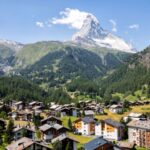
Zermatt is a picturesque mountain resort renowned for its stunning views of the Matterhorn. Nestled in the Swiss Alps, this charming village offers a blend of outdoor adventures and rich cultural experiences. Visitors can enjoy skiing, hiking, and mountaineering, along with exploring the quaint streets filled with shops, restaurants, and historical sites.
The destination guide
Zermatt

Resort Area in Switzerland, EuropeUpdated
- Overall10/10
- Best forCouples, Adventure seekers
- PeakJan, Feb, Jul, Aug
- CurrencyCHF
Zermatt bans combustion engines entirely — the streets are quiet enough to actually hear the cowbells. The Matterhorn does the rest.
Travel guides for Zermatt
Things to do (1)
More guides featuring Zermatt (7)
At a glance
CurrencyCHF
Time zoneCentral European Time
Languages
- German
- French
- Italian
- Romansh
Setting
- Alpine village
- Matterhorn peak
- Glacier terrain
- Ski slopes
Known for
- Skiing & Snowboarding
- Mountain Climbing
- Alpine Luxury
- Scenic Trains.
Population5,8475,847 residents
VisaDuration: Up to 90 days within any 180-day period in the Schengen Area · Documents: Valid passport issued within the last 10 years and valid for at least 3 months after planned departure, plus proof of accommodation, onward or return travel, and sufficient funds if requested
How Zermatt scores
10/10OverallExcellent
Weather7/10
Value for money5/10
Food & cuisine7/10
Culture & arts4/10
Cultural experience7/10
Nature & outdoors10/10
Adventure4/10
Nightlife4/10
Shopping5/10
Family friendly5/10
Romance9/10
Editorial scores on a 10-point scale, weighed against destinations of the same kind.
Travel safety snapshot
Overall96/100High rating
Women travellers92/100
LGBTQ+ travellers80/100
Theft90/100
Medical care94/100
Physical harm95/100
Political freedom88/100
SafePlace indicators use their source 100-point scale; higher is more favourable. Planning context, not a live travel advisory — check official government guidance before you go.
When to go
Best months to visit: January, February, March, April, June, July, August, September, October and December.
- January: -10.9 to -2.1 degrees Celsius, 4.3 millimetres of rain, best-time score 5 out of 5.
- February: -9.3 to 0.3 degrees Celsius, 27.5 millimetres of rain, best-time score 5 out of 5.
- March: -6.3 to 2.3 degrees Celsius, 47.5 millimetres of rain, best-time score 5 out of 5.
- April: -1.8 to 6.4 degrees Celsius, 30.5 millimetres of rain, best-time score 4 out of 5.
- May: 0.3 to 8.1 degrees Celsius, 124.1 millimetres of rain, best-time score 3 out of 5.
- June: 6.9 to 14.9 degrees Celsius, 94.9 millimetres of rain, best-time score 4 out of 5.
- July: 8.1 to 17.9 degrees Celsius, 56.7 millimetres of rain, best-time score 5 out of 5.
- August: 8.2 to 18 degrees Celsius, 89.7 millimetres of rain, best-time score 5 out of 5.
- September: 5.9 to 14.4 degrees Celsius, 84.9 millimetres of rain, best-time score 5 out of 5.
- October: -0.9 to 7.3 degrees Celsius, 106.3 millimetres of rain, best-time score 4 out of 5.
- November: -3.5 to 2.5 degrees Celsius, 138.5 millimetres of rain, best-time score 3 out of 5.
- December: -9.9 to -2.2 degrees Celsius, 16.8 millimetres of rain, best-time score 5 out of 5.
Month-by-month conditions and packing advice
- January
- Cold weather, mostly dry January in Zermatt: ski conditions, snowy Matterhorn views, winter dining, and alpine rail trips make this a strong snow-season month. Crowds: January represents peak ski season in Zermatt, bringing maximum tourist numbers, premium accommodation rates, and intense competition for popular restaurants and ski facilities. The exceptional snow conditions create world-class skiing on the Matterhorn Glacier Paradise, though extreme cold requires serious winter preparation and appropriate gear. Advanced booking is absolutely essential for all accommodations, dining, and ski lessons during this peak period. The cold temperatures make indoor après-ski activities particularly appealing, with traditional Swiss mountain restaurants and bars providing essential warm refuges. Despite the crowds and costs, this month offers the authentic Alpine experience that Zermatt is famous for, with consistent snow cover and optimal skiing conditions. The car-free environment and dramatic mountain scenery create an unforgettable winter sports atmosphere, though visitors must be prepared for sub-zero temperatures and potential weather-related activity limitations. Pack: Extreme cold weather gear rated for sub-zero temperatures; Professional ski clothing and equipment or rental arrangements; Insulated mountaineering boots for village walking; Complete winter accessories: thermal gloves, balaclava, warm hat; High-altitude sun protection: glacier glasses and SPF 50+; Elegant après-ski attire for upscale mountain restaurants
- February
- Cold weather, some rain February in Zermatt: winter sports, mountain scenery, and reliable snow keep this one of the strongest ski-season windows. Crowds: February continues Zermatt's peak ski season with maximum crowds and premium pricing for all accommodations and services. The excellent snow conditions and extended ski terrain access make this ideal for serious winter sports enthusiasts, though the extreme cold requires proper preparation and gear. Restaurant reservations and ski school bookings remain essential well in advance. The harsh but beautiful conditions create the authentic Alpine experience that attracts winter sports purists from around the world. Indoor warmth becomes precious, making cozy mountain hüttes and traditional restaurants particularly appealing after long days on the slopes. Despite challenging temperatures, this month offers some of the most reliable skiing conditions of the entire season, with fresh powder and optimal snow coverage across all elevations. Pack: Professional-grade extreme cold weather clothing; Complete ski equipment or pre-arranged rentals; Insulated boots rated for Alpine conditions; Thermal layers including merino wool base layers; High-altitude protection: glacier glasses and extreme SPF; Sophisticated après-ski wardrobe for premium mountain dining
- March
- Cold weather, some rain March in Zermatt: longer days, good snow, sunny terraces, and high-altitude skiing make this a strong late-winter month. Crowds: March offers excellent late-season skiing in Zermatt with continued good snow conditions but slightly reduced crowds and marginally lower accommodation rates compared to peak February. The extended daylight hours and strong spring sunshine create ideal conditions for photography and sightseeing between skiing activities. Tourist numbers remain high but manageable, with some flexibility returning to restaurant reservations and activity bookings. The transition season provides the best of both worlds: reliable winter snow coverage with improving weather conditions for extended outdoor activities. Spring skiing offers unique conditions with firmer morning snow and softer afternoon conditions preferred by many intermediate skiers. The month maintains full winter services and lift operations while offering hints of the spring hiking season to come. Advanced booking still recommended for prime accommodations and dining, but last-minute arrangements become more feasible than during peak winter months. Pack: Insulated ski clothing suitable for varying spring conditions; High-quality ski equipment or professional rental arrangements; Mountaineering boots for village walking and potential ice; Enhanced sun protection for intense high-altitude spring sunshine; Flexible layering system for temperature changes throughout the day; Elegant attire for traditional Swiss mountain restaurant dining
- April
- Cold weather, some rain April in Zermatt: late ski conditions can still work well, but lift schedules, snow quality, and Easter crowds need checking. Crowds: April offers excellent late-season skiing with reduced crowds and more flexible accommodation rates as Zermatt transitions between peak winter and spring hiking seasons. The reliable snow conditions combined with improving weather create ideal circumstances for both winter sports and mountain photography. Tourist numbers decrease from peak winter levels, making restaurant reservations and ski lessons more available. The month provides authentic Alpine experiences with full winter services still operating while offering glimpses of the coming hiking season. Pack: Spring skiing attire with temperature flexibility; High-quality mountaineering boots for variable conditions; Enhanced UV protection for intense high-altitude spring sun; Flexible layering system for rapid weather changes; Waterproof outer shell for wet spring snow conditions; Refined Alpine dining attire for mountain restaurant experiences
- May
- Cold weather, some rain May in Zermatt: between-season closures and lingering snow can narrow hiking, lifts, and mountain access. Crowds: January marks the peak tourist season in Zermatt, attracting visitors eager to experience the winter wonderland. The weather conditions are perfect for skiing, snowboarding, and snowshoeing, with well-maintained slopes and facilities. However, the rain can lead to slippery paths and reduced visibility, so visitors should dress warmly and stay hydrated. Accommodation and activity prices are at their highest, so booking in advance is recommended. Pack: Warm waterproof jacket for rain protection; Insulated winter boots for snowy terrain; Waterproof gloves and scarf for cold weather; Thermal base layers for warmth; Goggles for snow and ice protection; Lightweight rain poncho
- June
- Cool weather, some rain June in Zermatt: early summer can work for mountain railways and lower trails, though some high routes may still hold snow. Crowds: June marks Zermatt's transition between skiing and hiking seasons, offering unique access to both winter glacier activities and emerging summer trail systems. Tourist patterns shift from winter sports enthusiasts to hikers and mountaineers, creating more diverse but manageable crowd levels. Accommodation rates moderate from peak winter pricing while summer hiking infrastructure comes online. The variable weather requires flexible planning but rewards visitors with access to both snow sports and early summer activities in a single visit. Pack: Layered hiking clothing for mountain temperature variation; Waterproof hiking boots for wet mountain trails; Rain protection for frequent Alpine showers; Warm insulating layers for high-altitude excursions; UV protection for intense mountain sun reflection; Technical outdoor gear for mountain hiking and potential snow encounters
- July
- Cool weather, some rain July in Zermatt: hiking, mountain railways, viewpoints, alpine lakes, and Matterhorn scenery are at their summer peak. Crowds: Peak tourist season with excellent conditions for outdoor activities including hiking, mountain biking, and cultural site exploration. Hotel rates and crowd levels are highest during this period. UV levels remain high despite cooler temperatures. Pack: Lightweight layers for temperature variation; Comfortable walking shoes for city exploration; Rain jacket for occasional rain showers; Warm hat and gloves for cooler evenings; Modest clothing for cultural sites and mosques; Breathable cotton/linen fabrics
- August
- Cool weather, some rain August in Zermatt: warm summer days support high trails, glacier views, mountain huts, and scenic rail or lift outings. Crowds: Peak tourist season with excellent conditions for winter sports, hiking, and cultural exploration. Hotel rates and crowd levels are highest during this period. UV levels remain high despite cooler temperatures, so sun protection is essential. Pack: Warm waterproof jacket for snow and rain; Insulated hiking boots for rugged terrain; Thermal layers for warmth; Wide-brimmed hat and UV-protective sunscreen; Light scarf and gloves for cooler evenings; Breathable, moisture-wicking fabrics
- September
- Cool weather, some rain September in Zermatt: clear mountain views, cooler trails, and post-peak crowds make this one of the strongest hiking windows. Crowds: Peak tourist season with excellent conditions for winter sports including skiing, snowboarding, and snowshoeing. Hotel rates and crowd levels are highest during this period. UV levels remain high despite cooler temperatures. Pack: Warm winter jacket for temperature variation; Insulated gloves and hat for cold weather; Waterproof boots for snowy conditions; Light scarf for cultural sites and mosques; Breathable woolen fabrics; Goggles for snow sports
- October
- Cold weather, some rain October in Zermatt: autumn scenery can be excellent, but lift schedules and early snow require flexible mountain planning. Crowds: Peak tourist season with excellent conditions for winter sports including skiing, snowboarding, and snowshoeing. Hotel rates and crowd levels are highest during this period. UV levels remain low despite cooler temperatures. Pack: Warm winter jacket for temperature variation; Insulated gloves for cold weather; Thermal base layers for warmth; Waterproof boots for snowy conditions; Scarf and beanie for cold protection; Breathable, moisture-wicking fabrics
- November
- Cold weather, heavy rain November in Zermatt: between-season timing can limit lifts, trails, and snow reliability before full winter operations. Crowds: January marks the peak of winter tourism in Zermatt, attracting visitors eager for skiing and snowboarding. The cold weather and heavy rain create a picturesque winter wonderland, perfect for outdoor adventures. However, the challenging weather conditions may deter those seeking warmer climates. Hotel rates and activity availability are high during this period, with crowds increasing as tourists flock to the slopes. Visitors are advised to dress warmly and prepare for unpredictable weather. Pack: Warm winter clothing for temperature variation; Insulated waterproof boots for snowy and rainy conditions; Thermal layers for warmth; Goggles and helmet for winter sports; Umbrella for unexpected rain; Waterproof gloves and scarf
- December
- Cold weather, mostly dry December in Zermatt: early ski season, festive village atmosphere, snowy views, and winter rail trips make this a strong month. Crowds: December marks the peak of winter tourism in Zermatt, attracting visitors eager for skiing and snowboarding. The cold weather, mostly dry, supports these activities, with temperatures dropping below freezing. Hotel rates and crowd levels are high, with limited availability during this period. Despite the cold, UV levels remain low, making it safe for outdoor activities. Visitors are advised to dress warmly and bring appropriate gear for winter sports. Pack: Warm winter clothing for temperature variation; Insulated winter boots for snow activities; Wide-brimmed hat and UV-blocking sunscreen; Thermal layers for air-conditioned spaces; Layered clothing for cultural site visits; Waterproof and breathable outerwear
Peak season
- December
- January
- February
- July
- August
Off-peak
- April
- May
- October
- November
- March
- June
- September
Know before you go
About
Zermatt, in the Swiss canton of Valais, is one of the world’s most celebrated alpine resorts, set at about 1,600 meters at the foot of the unmistakable Matterhorn. That pyramid-shaped peak, rising to 4,478 meters near the Italian border, towers over a car-free village reached only by train or electric vehicle, lending Zermatt clean mountain air and timeless charm. Skiing is legendary here, spanning winter slopes and summer glacier runs, and the resort is laced with iconic mountain railways: the Gornergrat cog railway, opened in 1898, climbs above 3,000 meters to a panorama of peaks, while a cable car ascends to the highest station in Europe near 3,883 meters. Home to roughly 5,800 residents, the village blends weathered timber chalets with smart hotels and restaurants. Beyond skiing, visitors hike and bike scenic trails, ride to glacier viewpoints, and gaze at the Matterhorn mirrored in alpine lakes. Glamorous yet rugged, Zermatt is the quintessential Swiss mountain escape.
Best time to visit
December to April, July to September
Season by season
Winter (Dec-April) is prime for world-class skiing; Summer (July-Sept) offers ideal hiking conditions; Spring and Autumn are shoulder seasons when some mountain transport may close for maintenance.
Crowds
High
Getting there and around
Getting there
Fly into Geneva (GVA) and take a scenic train to Visp, then the Matterhorn Gotthard Bahn to Zermatt (3.5h total). Zermatt is car-free — park in nearby Täsch and take the shuttle train. The Glacier Express connects from St. Moritz.
Top experiences in Zermatt
The Matterhorn
The third highest peak, accessible by car. The view above the clouds at sunrise is unforgettable. It starts one of the most famous hikes (PR1) to Pico Ruivo. It feels like the top of the world.
Gornergrat
Irrigation channels that double as hiking trails. They cut through the UNESCO Laurel Forest (Laurissilva). The ’25 Fontes’ walk leads to a lagoon fed by 25 waterfalls. It is lush, green, and unique to Madeira.
Matterhorn Glacier Paradise
The capital is charming. You can take the cable car up to Monte for incredible views. The Old Town (Zona Velha) has painted doors and great restaurants. The market (Mercado dos Lavradores) is colorful.
Monte Palace Tropical Garden
Located at the top of the cable car ride. A massive, exotic garden with plants from all over the world, swans, Japanese bridges, and tile collections. It is a masterpiece of landscape gardening.
Cabo Girão Skywalk
A glass-floored viewing platform on one of the highest sea cliffs in Europe (580m). Looking straight down at the ocean and the tiny farm plots (fajãs) below is vertigo-inducing but safe.
Editor-curated picks carried over from our original guide. Where a full place guide exists, the card links to it.
Worth booking ahead in Zermatt
Hand-picked from the operators our guides already send readers to. Prices and availability are live on the partner site.
BrowseViator
Tours and tickets in Zermatt on Viator (opens Viator in a new tab)
Viator's full list of bookable tours and tickets in Zermatt.
BrowseGetYourGuide
Experiences in Zermatt on GetYourGuide (opens GetYourGuide in a new tab)
Everything GetYourGuide sells in Zermatt, with the cancellation terms on each listing.
Where to stayBooking.com
Stays in Zermatt (opens Booking.com in a new tab)
Live rates and availability for Zermatt on Booking.com; filter by neighbourhood once you know where your days start.
We earn a commission if you book through these links, at no extra cost to you. It is how we keep the guides free and independent.
Where to stay
SCHLOSS Zermatt
Bahnhofstrasse 55, 3920 Zermatt, Switzerland
The most famous hotel in Madeira. Winston Churchill stayed here. It is set in lush subtropical gardens on a sea cliff. It offers old-world glamour, afternoon tea on the terrace, and sea access via lift.
The Omnia
Estrada Monumental 147, 9004-532 Funchal, Portugal
A luxury hotel on a promontory. It is home to ‘Il Gallo d’Oro’ (2 Michelin stars). The views are endless. It has direct sea access and beautiful pools. It is elegant and relaxing.
Hotel Matterhorn Inn
Av. do Infante 25, 9004-542 Funchal, Portugal
A massive, modern luxury resort in Funchal. It is opulent, shaped like a wave. The rooftop infinity pool is spectacular. It brings a Vegas-style grandeur to the island. The spa is huge.
Editor-curated stays carried over from our original guide. Where we have reviewed the hotel, the card links to the review.
Tips from the field
Highlights
- The breathtaking, iconic pyramid shape of the Matterhorn dominating the village skyline, and having the ability to ski year-round on the glacier.
Best activities
- Taking the Gornergrat Bahn to sweeping mountain vistas, skiing the world's finest high-altitude pistes, and hiking the 5-Lakes Trail in summer.
Local experiences
- Enjoy a classic Swiss fondue after a long day on the slopes, and explore the ancient wooden chalets in the Hinterdorf (old village) area.
Practical tips
- The village is entirely car-free
- visitors must park in the town of Täsch and take the shuttle train (12 minutes) into Zermatt. Electric taxis and horse-drawn carriages operate within the village.
Photography tips
- The classic shot of the Matterhorn reflecting in a lake is taken at Riffelsee, accessible via the Gornergrat Railway. Go early morning for the calmest water.
Timing
- 3-5 days are needed to fully experience the main viewpoints, do some hiking or skiing, and enjoy the village atmosphere.
Keeping it authentic
- Zermatt is a uniquely car-free alpine village nestled at the foot of the Matterhorn, offering a pristine environment that blends luxury resorts with authentic Swiss mountaineering history.
Culture, customs and safety
Cultural heritage
Zermatt preserves authentic Walser mountain culture beneath the Matterhorn, maintaining car-free traditions and wooden mazot granaries while hosting international mountaineering heritage. Traditional wooden chalets on stilts with stone disc mushrooms prevent rodent access to grain stores. The village cemetery commemorates climbing attempts on the iconic peak. Local dialect maintains Germanic Walser traditions distinct from surrounding Romance languages. Traditional festivals celebrate patron saints and agricultural cycles. The resort balances exclusive tourism with authentic village life through local ownership and cultural preservation.
Safety notes
Zermatt is exceptionally safe. The primary hazards are weather and mountain-related: always check avalanche reports, stay on marked ski pistes, and respect extreme high-altitude weather changes.